
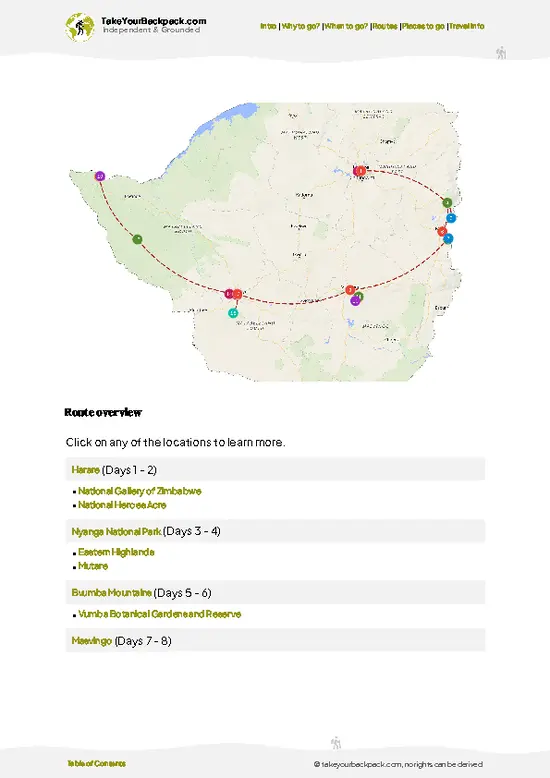
1. Permanent Collection: The Powerhouse of Zimbabwean Art
Forget the Instagrammed white walls and polite crowds you might expect from a European gallery. The National Gallery of Zimbabwe’s permanent collection is a living, breathing argument for why African art matters—globally. Here, you’ll find Thomas Mukarobgwa’s raw, spiritual paintings and the stone sculptures that put Zimbabwe on the world’s contemporary art map. These aren’t just pretty objects; they’re political, spiritual, and sometimes downright confrontational. The gallery doesn’t sanitize the country’s history or its artists’ voices. If you want to see what Zimbabwean creativity looks like when it’s not filtered for export, this is the room where it happens.
2. Shona Sculpture Garden: Stone That Sings
This is not your average … read more 👉
Forget the Instagrammed white walls and polite crowds you might expect from a European gallery. The National Gallery of Zimbabwe’s permanent collection is a living, breathing argument for why African art matters—globally. Here, you’ll find Thomas Mukarobgwa’s raw, spiritual paintings and the stone sculptures that put Zimbabwe on the world’s contemporary art map. These aren’t just pretty objects; they’re political, spiritual, and sometimes downright confrontational. The gallery doesn’t sanitize the country’s history or its artists’ voices. If you want to see what Zimbabwean creativity looks like when it’s not filtered for export, this is the room where it happens.
2. Shona Sculpture Garden: Stone That Sings
This is not your average … read more 👉
1. Permanent Collection: The Powerhouse of Zimbabwean Art
Forget the Instagrammed white walls and polite crowds you might expect from a European gallery. The National Gallery of Zimbabwe’s permanent collection is a living, breathing argument for why African art matters—globally. Here, you’ll find Thomas Mukarobgwa’s raw, spiritual paintings and the stone sculptures that put Zimbabwe on the world’s contemporary art map. These aren’t just pretty objects; they’re political, spiritual, and sometimes downright confrontational. The gallery doesn’t sanitize the country’s history or its artists’ voices. If you want to see what Zimbabwean creativity looks like when it’s not filtered for export, this is the room where it happens.
2. Shona Sculpture Garden: Stone That Sings
This is not your average sculpture park. The Shona Sculpture movement is Zimbabwe’s most famous cultural export, but seeing these works in their home context—set among indigenous trees, with Harare’s city noise humming in the background—hits different. The sculptures are tactile, often massive, and unapologetically emotional. You’ll see faces emerging from granite, bodies twisting in impossible ways, and themes that swing from ancestral memory to modern struggle. It’s not a photo op; it’s a gut punch. My personal favorite spot, hands down. There’s something about the way the sunlight hits the stone in late afternoon that makes you feel like you’re in on a secret.
3. First Floor Contemporary Exhibitions: The Pulse of Now
If you think African art is all tradition and folklore, the rotating exhibitions on the first floor will set you straight. The curators here have guts. Expect installations that tackle everything from urbanization to gender politics, often with a sly sense of humor or a sharp edge. The artists are young, loud, and not afraid to challenge you. Sometimes the work is rough around the edges, but that’s the point—this is art that’s alive and evolving, not preserved in amber.
4. Live Events and Workshops: Art Gets Loud
This isn’t a silent, tiptoe-through-the-galleries kind of place. The National Gallery regularly hosts artist talks, live music, and hands-on workshops. If you time it right, you might stumble into a spoken word performance or a debate that spills out into the courtyard. These events are where you’ll meet Harare’s creative crowd—painters, poets, hustlers, and dreamers. It’s unpredictable, sometimes chaotic, but always electric. You’ll leave with more than just a postcard.
5. The Gallery Café: Where the Art Crowd Refuels
Yes, it’s a café, but it’s also the unofficial nerve center of Harare’s art scene. The food is solid (try the samosas), but the real draw is the people-watching. Artists sketching in the corner, curators arguing over coffee, students plotting their next exhibition. If you want to eavesdrop on the future of Zimbabwean art, this is your front-row seat.
Forget the Instagrammed white walls and polite crowds you might expect from a European gallery. The National Gallery of Zimbabwe’s permanent collection is a living, breathing argument for why African art matters—globally. Here, you’ll find Thomas Mukarobgwa’s raw, spiritual paintings and the stone sculptures that put Zimbabwe on the world’s contemporary art map. These aren’t just pretty objects; they’re political, spiritual, and sometimes downright confrontational. The gallery doesn’t sanitize the country’s history or its artists’ voices. If you want to see what Zimbabwean creativity looks like when it’s not filtered for export, this is the room where it happens.
2. Shona Sculpture Garden: Stone That Sings
This is not your average sculpture park. The Shona Sculpture movement is Zimbabwe’s most famous cultural export, but seeing these works in their home context—set among indigenous trees, with Harare’s city noise humming in the background—hits different. The sculptures are tactile, often massive, and unapologetically emotional. You’ll see faces emerging from granite, bodies twisting in impossible ways, and themes that swing from ancestral memory to modern struggle. It’s not a photo op; it’s a gut punch. My personal favorite spot, hands down. There’s something about the way the sunlight hits the stone in late afternoon that makes you feel like you’re in on a secret.
3. First Floor Contemporary Exhibitions: The Pulse of Now
If you think African art is all tradition and folklore, the rotating exhibitions on the first floor will set you straight. The curators here have guts. Expect installations that tackle everything from urbanization to gender politics, often with a sly sense of humor or a sharp edge. The artists are young, loud, and not afraid to challenge you. Sometimes the work is rough around the edges, but that’s the point—this is art that’s alive and evolving, not preserved in amber.
4. Live Events and Workshops: Art Gets Loud
This isn’t a silent, tiptoe-through-the-galleries kind of place. The National Gallery regularly hosts artist talks, live music, and hands-on workshops. If you time it right, you might stumble into a spoken word performance or a debate that spills out into the courtyard. These events are where you’ll meet Harare’s creative crowd—painters, poets, hustlers, and dreamers. It’s unpredictable, sometimes chaotic, but always electric. You’ll leave with more than just a postcard.
5. The Gallery Café: Where the Art Crowd Refuels
Yes, it’s a café, but it’s also the unofficial nerve center of Harare’s art scene. The food is solid (try the samosas), but the real draw is the people-watching. Artists sketching in the corner, curators arguing over coffee, students plotting their next exhibition. If you want to eavesdrop on the future of Zimbabwean art, this is your front-row seat.
Spotted a mistake or missing something? Contact us.
v2.webp)


Best Backpacking
Hi, I’m Johan (Netherlands 🇳🇱), the creator of TakeYourBackpack. Over the past decade, I’ve backpacked through 80+ countries across six continents, gaining extensive experience with independent travel, long-term trips, and overland routes.