×

China Itinerary Planner

Most China itineraries fail because they ignore how you actually travel, so tell us your trip length, your interests, your style and your pace, and the route bends to fit. An experienced traveler also sets a start, an end and any must-see stops first, because those anchors shape everything between them. Want a morning at the Great Wall of China and nothing rushed after it? Say so, and the days get built around that.

Plan
your Trip


We build
your Route


Get your
Travel Plan

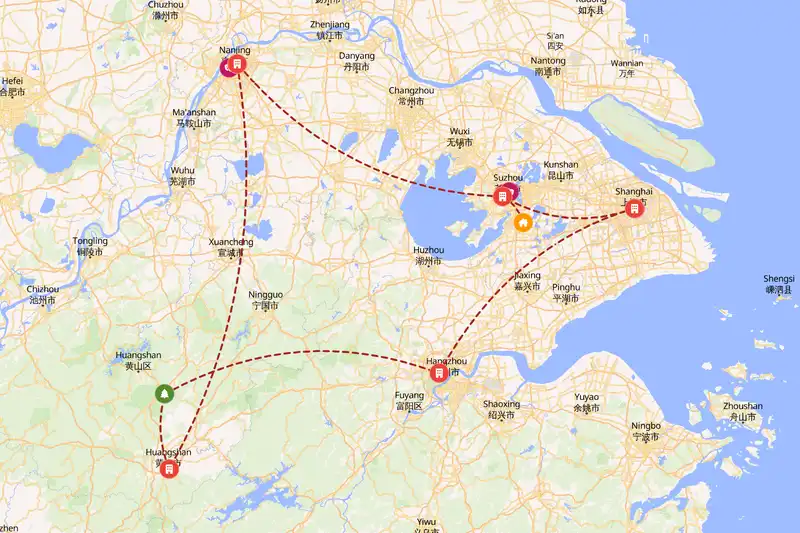
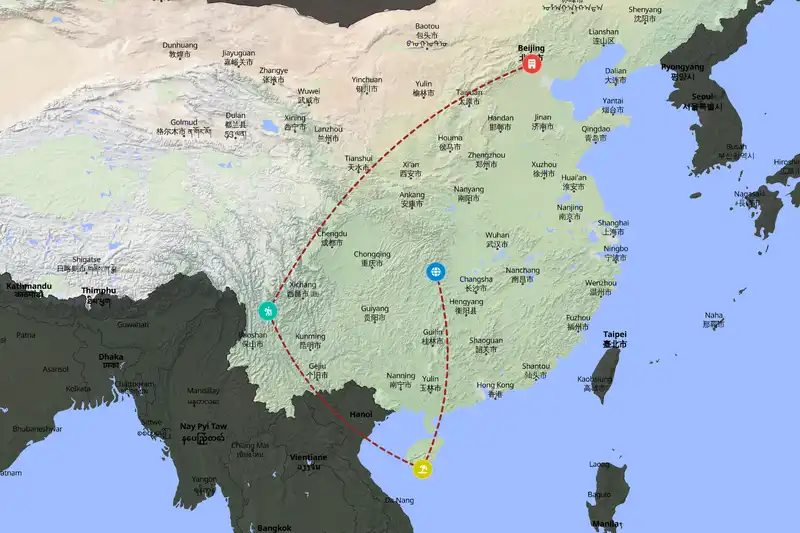
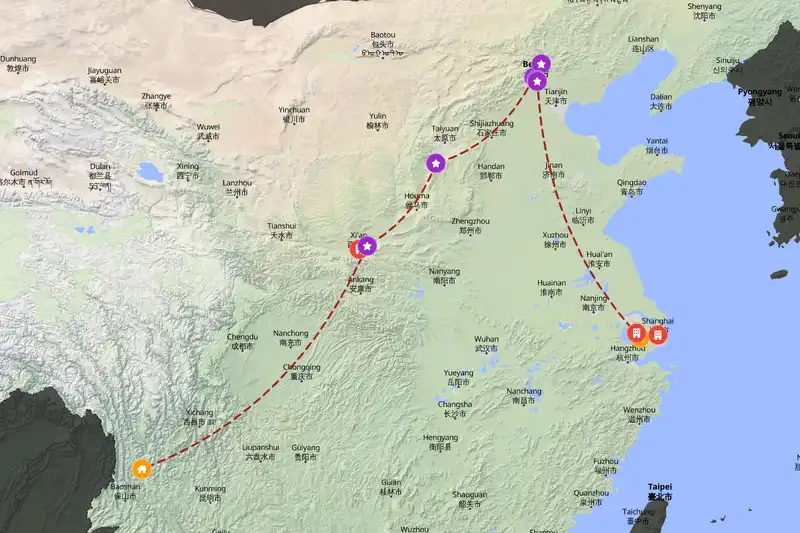
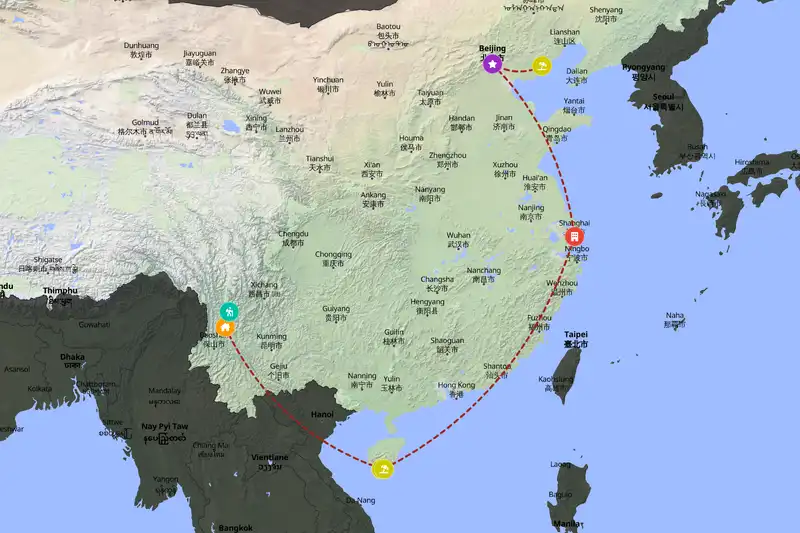
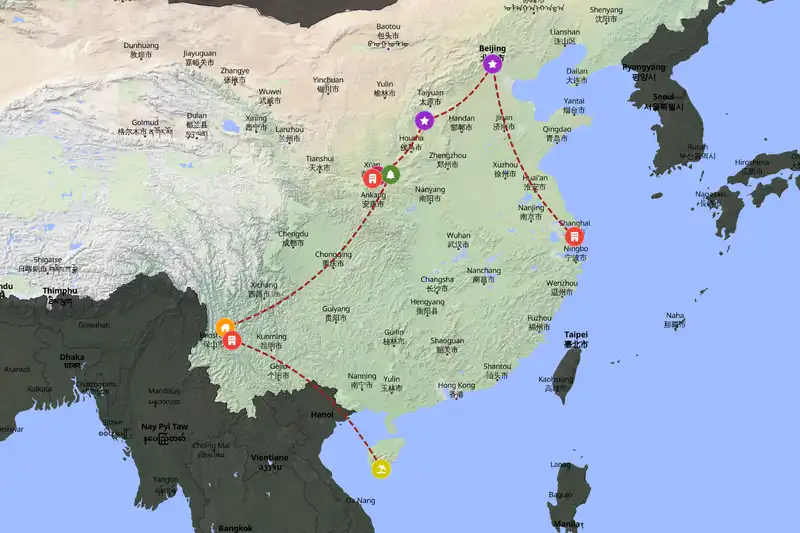
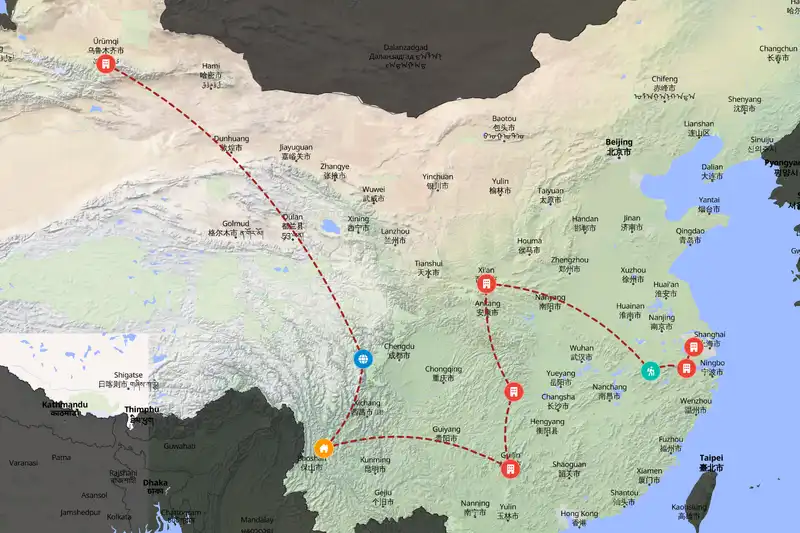
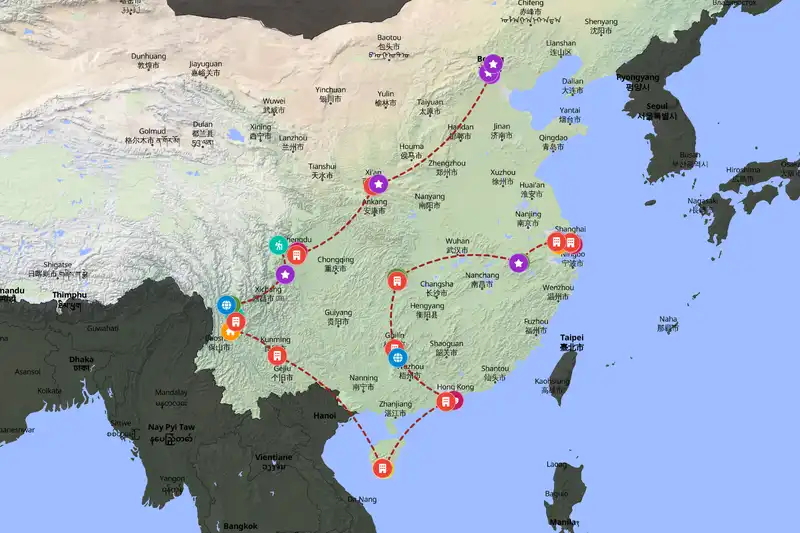
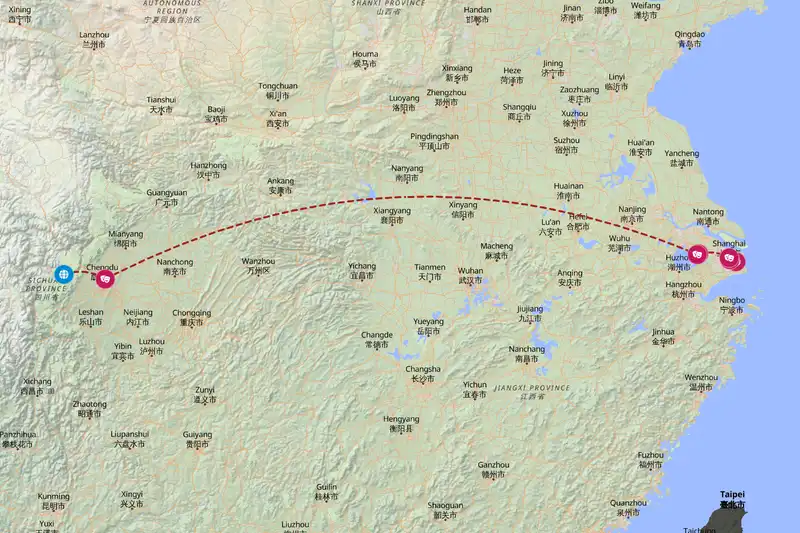
Example China itinerary planner route
Build your own China route
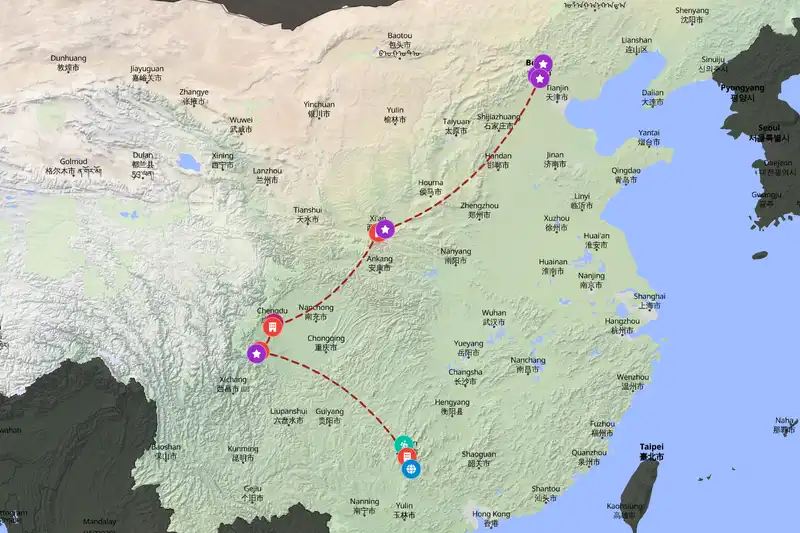
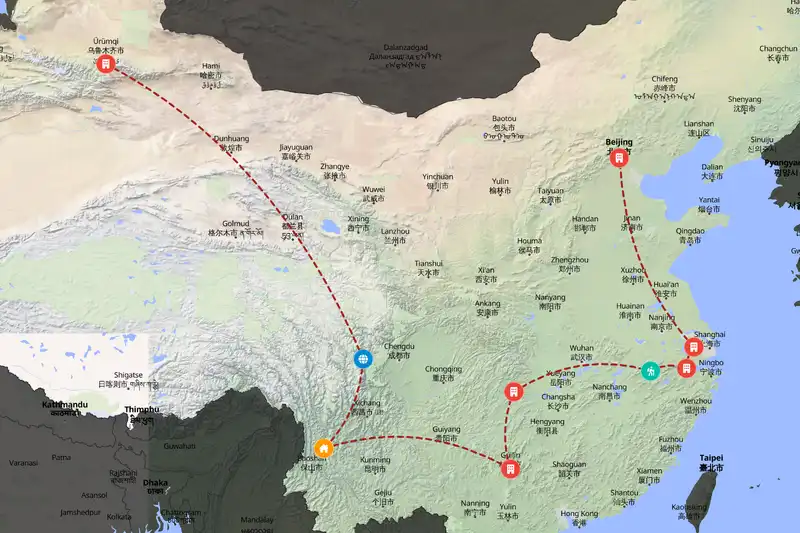
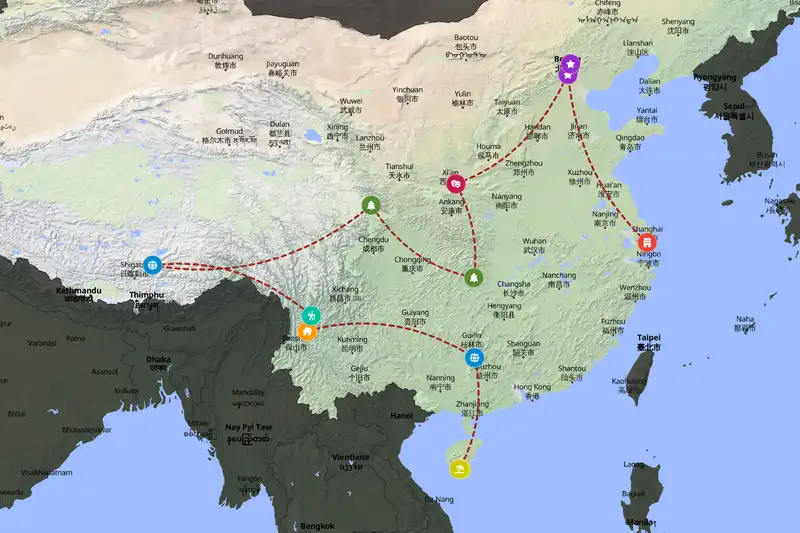
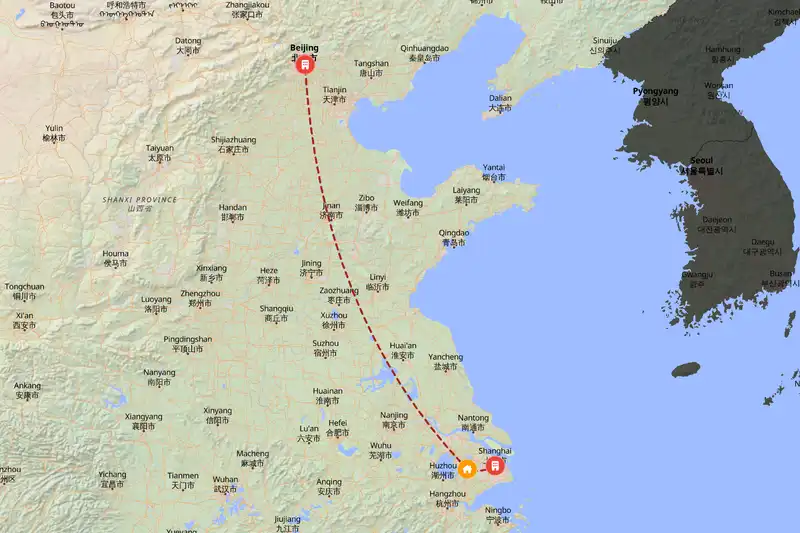
Example China itinerary planner route
Build your own China route
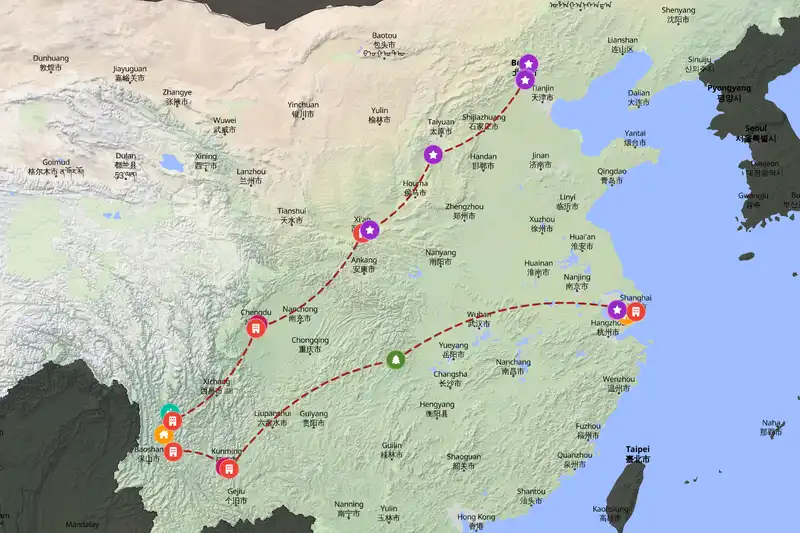
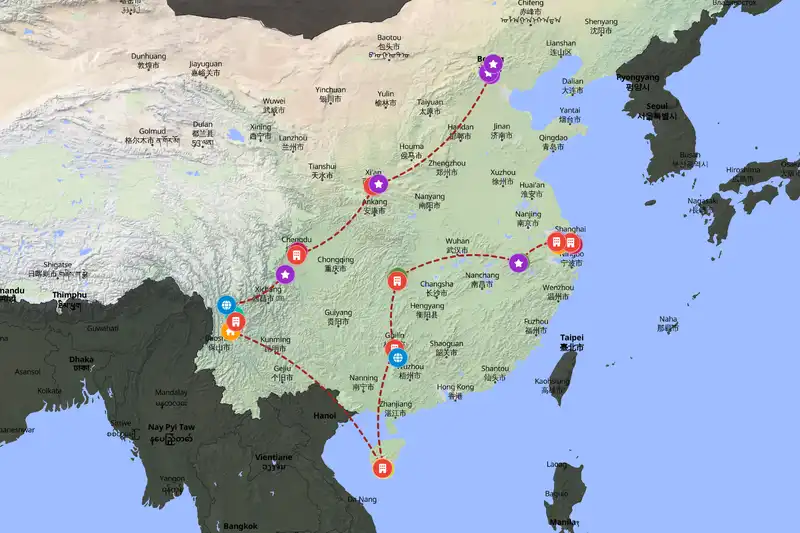
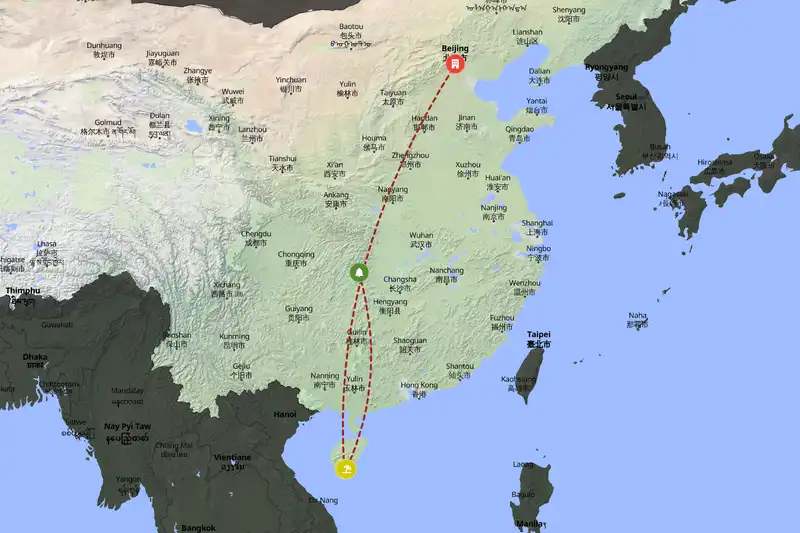
Example China itinerary planner route
Build your own China route
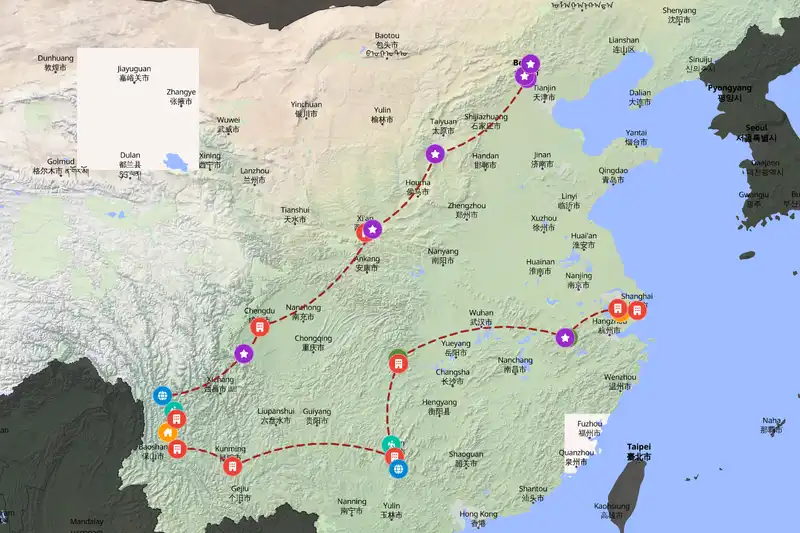
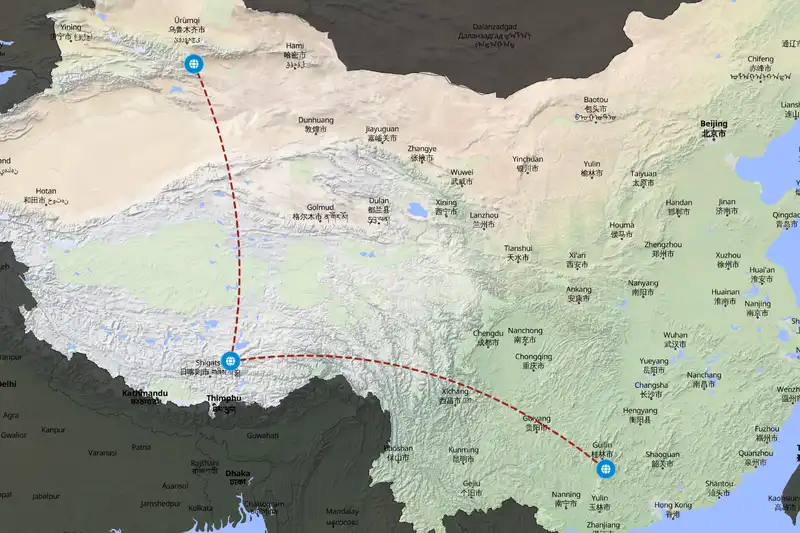
Example China itinerary planner route
Build your own China route
Example China itinerary planner route
Build your own China route
Example China itinerary planner route
Build your own China route
Example China itinerary planner route
Build your own China route
Example China itinerary planner route
Build your own China route
Example China itinerary planner route
Build your own China route
Example China itinerary planner route
Build your own China route
Example China itinerary planner route
Build your own China route
Example China itinerary planner route
Build your own China route
Example China itinerary planner route
Build your own China route
Example China itinerary planner route
Build your own China route
Example China itinerary planner route
Build your own China route
Example China itinerary planner route
Build your own China route
Example China itinerary planner route
Build your own China route
Example China itinerary planner route
Build your own China route

🇨🇳 ChinaCreate Your Itinerary

1 How many days will you travel?
2 What are your interests?
3 Travel speed
⚙️ Advanced options

🙋 FAQFrequently asked questions

Around 14 days covers a short trip focused on a few major highlights, 21 days lets you add a second or third region without rushing, and 30 days suits a slower, deeper route. Because distances in China are so large, fewer bases with more time at each usually beats a longer list of places.
Yes. China borders 14 countries, and Vietnam, Laos, Nepal, Mongolia, Kazakhstan and Kyrgyzstan are common additions for backpackers, with Vietnam and Laos linking to the south, Nepal sitting across the Himalayas from Tibet, and Mongolia to the north. Hong Kong, Macau and Taiwan are also close, and Japan and South Korea are short hops across the sea.

Build a multi-country route
Yes. Stops are sequenced to minimize backtracking and grouped by how close they are to each other, and your chosen travel pace (fast, normal, or slow) adjusts how much ground each day covers.
Absolutely. Adjust your trip length, interests, starting point, or travel style and generate a new route in seconds.
Yes, generating and viewing your route is completely free. An offline-friendly PDF version is available as an optional purchase which gives more detailed information for each location on your route.

🗺️ RegionsHow spread out things are

China is enormous, and its best-known places sit very far apart, so a route that ignores distance loses days to the map. Yalong Bay on the tropical south coast and Tibet and the Himalayas on the high western plateau, for example, are nowhere near each other, and no sensible trip treats them as neighbors. Experienced travelers pick a few areas and go deep instead of sampling everything. The planner does that for you by keeping nearby places together and sequencing them in one direction, so your days go to seeing things rather than backtracking.

📈 StatisticsStatistics

Our set of curated travel destinations for China

Cities & Towns: 56      Landmarks: 23      National Parks: 24      Hikes: 9      Beaches: 9      Attractions: 27     

Routes created by others

30

Routes created

21

Average trip length (days)

12

Average destinations

Most popular interests

  • 🌆 Cities & Towns (87%)
  • 🌽 Villages (80%)
  • 🏞️ National Parks (80%)
  • ⭐️ Landmarks (73%)
  • 🚶‍♀️ Hikes (73%)

Most included destinations

⚙️ How it worksHow your trip comes together

The planner starts by grouping places that sit close together, because China is huge and one wasted cross-country leg can eat a full day. Experienced travelers do the same thing on paper: they pick a cluster, finish it, then move on. Next, it picks one sensible direction through those clusters so you flow forward instead of zigzagging back over ground you already covered. Finally, each stop gets time based on its type and on how much sits around it. A city or town with several attractions nearby becomes a base where you stay longer, and the smaller spots around it turn into day trips. Beijing is a good example: with plenty of sights in and around it, it earns several nights, and you sleep in one bed while you visit the rest. That is smarter than changing hotels every night, since unpacking less leaves more hours for actually seeing things. Your trip length, interests (cities and towns, villages, landmarks, national parks, hikes, beaches, attractions) and pace decide how many clusters fit and how long each one lasts.