v2.webp)
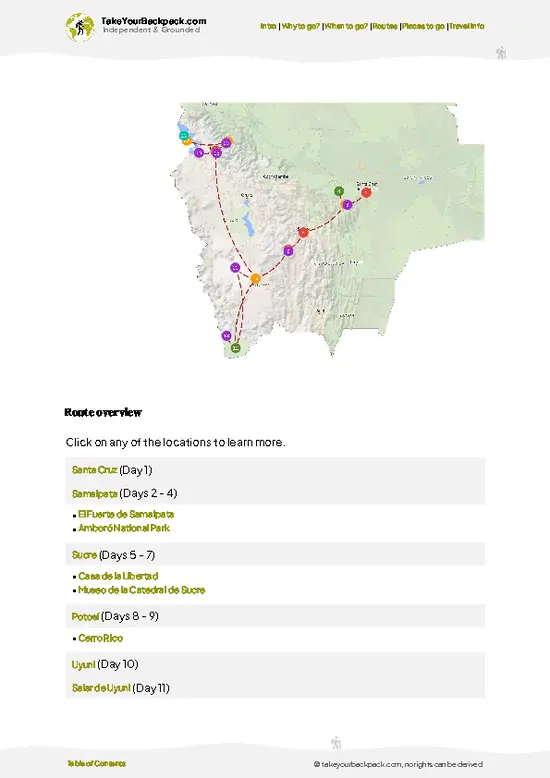
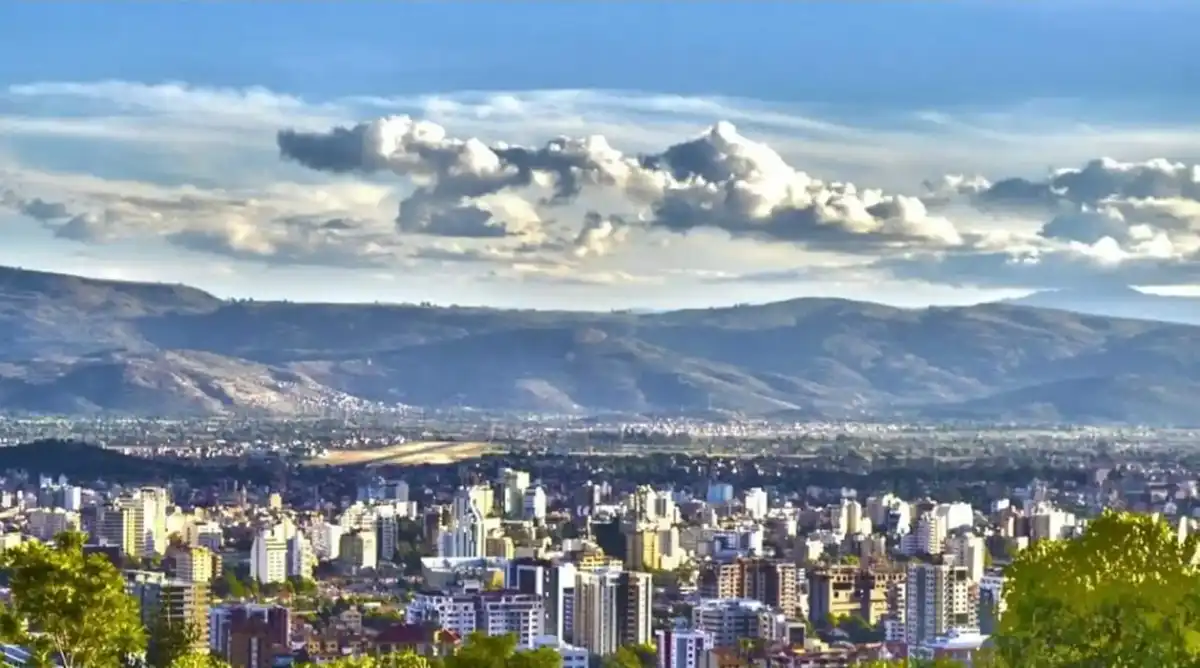
- Cristo de la Concordia: The giant statue on San Pedro Hill is the city’s signature sight, taller than Rio’s Christ the Redeemer. Climb the stairs or ride the cable car, then look out over the whole valley. Go in the morning for cooler air and clearer views. Entry is about US$0.50 to 1.50, and it takes 2 to 3 hours.
- La Cancha Market: One of the largest open-air markets in South America, spreading across many blocks with food, clothing, herbs and electronics. Go in the morning, keep valuables hidden, and allow 2 to 3 hours. Entry is free, and a full meal runs roughly US$2 to 4.
- Plaza 14 de Septiembre: The leafy main square, surrounded by the cathedral and arcades. Late afternoon is best, when locals fill the benches. Free, and 30 to 60 minutes is plenty.
- Convento de Santa Teresa: A restored colonial
- Cristo de la Concordia: The giant statue on San Pedro Hill is the city’s signature sight, taller than Rio’s Christ the Redeemer. Climb the stairs or ride the cable car, then look out over the whole valley. Go in the morning for cooler air and clearer views. Entry is about US$0.50 to 1.50, and it takes 2 to 3 hours.
- La Cancha Market: One of the largest open-air markets in South America, spreading across many blocks with food, clothing, herbs and electronics. Go in the morning, keep valuables hidden, and allow 2 to 3 hours. Entry is free, and a full meal runs roughly US$2 to 4.
- Plaza 14 de Septiembre: The leafy main square, surrounded by the cathedral and arcades. Late afternoon is best, when locals fill the benches. Free, and 30 to 60 minutes is plenty.
- Convento de Santa Teresa: A restored colonial convent with courtyards, chapels and art. Visits are by guided tour, so check opening times first. Expect US$3 to 4 and about 1 hour.
- Palacio Portales: A mansion built by tin baron Simón Patiño, with French-style interiors and formal gardens. Guided visits in the afternoon cost roughly US$3 to 4 and last about 1 hour.
- Museo Arqueológico (UMSS): A solid collection tracing the valley’s pre-Columbian cultures, with ceramics and textiles. Mornings are quiet. Entry costs about US$2 to 3, and you need 1 to 2 hours.
- El Prado (Avenida Ballivián): A tree-lined promenade of cafes, ice cream and restaurants, and the city’s evening hangout. Go after dark. It is free, and an hour or two passes easily.
- Laguna Alalay: A lake with a walking and cycling path where locals jog and picnic. Best early morning or late afternoon. Free, about 1 hour.
Spotted a mistake or missing something? Contact us.

Adelante Mujer Bolivian Cooking Workshops

Torotoro National Park – 2D/1N Adventure from Cochabamba

City of Eternal Spring: Self-Guided Tour of Downtown Cochabamba

2 Days Private Tour Toro Toro National Park

Tour to Valle Alto (Tarata)

One Full Day Trip Incachaca from Cochabamba

Departure by MiniVan or Suv from Cochabamba to Cochabamba Airport

Adventure Through Toro Toro National Park. 3 Days 2 Nights. Spanish Guide

Cochabamba to Cochabamba Airport CBB Departure by SUV or Car

 Best Backpacking
.jpg) Hi, I’m Johan (Netherlands 🇳🇱), the creator of TakeYourBackpack. Over the past 3 decades, I’ve backpacked through 90+ countries across six continents, gaining extensive experience with independent travel, long-term trips, and overland routes.
Hi, I’m Johan (Netherlands 🇳🇱), the creator of TakeYourBackpack. Over the past 3 decades, I’ve backpacked through 90+ countries across six continents, gaining extensive experience with independent travel, long-term trips, and overland routes.