
×
La Paz

Bolivia🇧🇴 | citiesLa Pazsteep streets, cable cars, high-altitude sprawl | things to do and best time to go

Explore CochabambaExplore Oruro

Backpacking in La Paz
🏆 Top pickcity ranked #1
By Johan Kruseman 🇳🇱 | Updated June 10, 2026

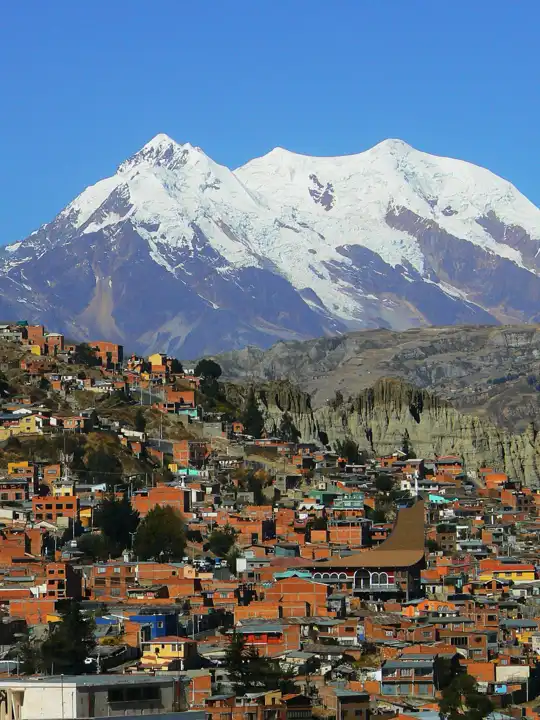
La Paz is not for anyone who needs sea level, spotless air, and perfectly smooth logistics. The altitude hits hard, the traffic is chaotic, and the city can feel like sensory overload. But that’s exactly why backpackers win here: you trade polish for raw, high-altitude energy and serious value. Perched in a canyon on Bolivia’s Altiplano in the west of the country, La Paz is the scruffy, beating heart between the salt flats, Lake Titicaca, and the jungle.

The cable cars gliding over the city, the witchy chaos of Calle Sagárnaga, and the political theater around Plaza Murillo make just walking around feel like a live documentary. It’s cheaper and grittier than Sucre, louder and more wired than Cochabamba, and far more social than sleepy Copacabana. Hostels are lively, nightlife can go late, and meeting other travelers is almost automatic. Safety is manageable with normal big-city caution; pickpockets, not drama. You come for the altitude headache and stay because the city gets under your skin.

Discover everything you want to know in the 📖 Bolivia Travel Guide.


Get your Bolivia guide
82 ranked highlights, routes & tips, works offline (350 pages)
Loading the map 🌍
CLICK TO FILTER
cities
towns
landmarks
national parks
hikes
beaches
attractions
festivals
regions
SHOW COUNTRY’S BESTSHOW ALL

✨ Why go?
Ranked #1 city in Bolivia
Why La Paz should be on your travel list

La Paz is a backpacker’s hub that offers a unique blend of highlights and practical benefits. First off, the basecamp value is hard to beat. It’s perfectly positioned for day trips to places like the Death Road or Lake Titicaca, making it an ideal launchpad for adventures. The city itself is a walkable maze of vibrant streets, where you can easily hop from a bustling market to a cozy café.

When it comes to accommodation, the hostels here are not just affordable; they’re social hotspots where you can swap stories with fellow travelers. The food scene is a delightful mix of local and international flavors, often at prices that won’t dent your budget.

As for nightlife, La Paz has a pulse that keeps you engaged, with everything from laid-back bars to lively clubs. Plus, it’s a breeze to plan … read more 👉
La Paz is a backpacker’s hub that offers a unique blend of highlights and practical benefits. First off, the basecamp value is hard to beat. It’s perfectly positioned for day trips to places like the Death Road or Lake Titicaca, making it an ideal launchpad for adventures. The city itself is a walkable maze of vibrant streets, where you can easily hop from a bustling market to a cozy café.

When it comes to accommodation, the hostels here are not just affordable; they’re social hotspots where you can swap stories with fellow travelers. The food scene is a delightful mix of local and international flavors, often at prices that won’t dent your budget.

As for nightlife, La Paz has a pulse that keeps you engaged, with everything from laid-back bars to lively clubs. Plus, it’s a breeze to plan your onward travel; buses and flights connect you to other Bolivian gems or neighboring countries.

In short, La Paz isn’t just a stopover; it’s a strategic choice that enhances your journey while offering a taste of Bolivia’s rich culture.
Want to include La Paz in your Bolivia route?
Create a personalized Bolivia itinerary that includes La Paz and the places that fit your trip — based on your travel style, budget, and available time. Get your route in seconds.

Generate my trip

💡 HighlightsPlaces and moments you shouldn't skip

  1. Mercado de las Brujas (Witches’ Market) — A chaotic, colorful bazaar where you can see ritual coca leaves, dried llama fetuses, herbalists and witchcraft supplies; it’s more anthropology than touristy souvenir shopping and a great place to feel the city’s living Aymara traditions.
  2. Plaza Murillo — The political heart of La Paz: the presidential palace, the cathedral and government buildings all sit here; you’ll get context for modern Bolivia and can people-watch the steady stream of protests, politicians and street vendors.
  3. Iglesia y Convento de San Francisco (San Francisco Church and Plaza) — A striking colonial baroque church with a lively plaza, artisan stalls and a small museum; the square is one of the best spots to overhear folklore, street musicians and neighborhood life.
  4. Calle
read more 👉
  1. Mercado de las Brujas (Witches’ Market) — A chaotic, colorful bazaar where you can see ritual coca leaves, dried llama fetuses, herbalists and witchcraft supplies; it’s more anthropology than touristy souvenir shopping and a great place to feel the city’s living Aymara traditions.
  2. Plaza Murillo — The political heart of La Paz: the presidential palace, the cathedral and government buildings all sit here; you’ll get context for modern Bolivia and can people-watch the steady stream of protests, politicians and street vendors.
  3. Iglesia y Convento de San Francisco (San Francisco Church and Plaza) — A striking colonial baroque church with a lively plaza, artisan stalls and a small museum; the square is one of the best spots to overhear folklore, street musicians and neighborhood life.
  4. Calle Jaén — A short, perfectly preserved colonial street turned museum row with brightly painted houses and several tiny museums (textiles, local history and artifacts); it’s compact but rich for a quick cultural sprint away from the crowds.
  5. Museo Nacional de Etnografía y Folklore (MUSEF) — One of the best places to dive into Bolivia’s ethnic diversity without jargon: textiles, ritual objects and thoughtful exhibits that explain why La Paz looks and feels the way it does.
  6. El Teleférico (the Cable Car network) — More than a ride: the teleférico is urban transport with spectacular panoramas of the city’s steep barrios; hop lines for cheap, fast transfers and unbeatable photo ops of La Paz sprawled in the bowl below.
  7. Valle de la Luna (Moon Valley) — Strange eroded spires and lunar-like canyons just a short ride from the center; it’s an easy, otherworldly walk that shows why La Paz’s landscape feels like its own continent.
  8. Mirador Killi Killi — A compact viewpoint and small park on a hill with sweeping views over the valley and El Alto; excellent at sunset and less touristy than the big lookouts, with local families and vendors keeping it honest.
  9. Mercado Lanza — A working market near the center where you can eat cheaply and see daily Bolivian life up close: fresh juice stalls, tortilla grills, cold cuts and the kind of alley-side snacks travelers remember.
  10. Cementerio General (General Cemetery) — Not spooky so much as deeply revealing: colorful mausoleums, local iconography and offerings show folk beliefs and how communities remember the dead—especially interesting if you visit with a curious, respectful eye.
A few great day trips outside the city: the pre-Columbian ruins of Tiwanaku (my personal favorite for sheer historical heft), the Muela del Diablo hike for skyline views, and Lake Titicaca / Copacabana or Isla del Sol if you want water and Andean islands.
Spotted a mistake or missing something? Contact us.

Things to do in La Paz

Ratings based on Tripadvisor reviews. When you book through this link, you support our work at no extra cost to you.

🏘️ NeighborhoodsUnderstanding the local layout

La Paz is a vibrant maze of culture and chaos, where every neighborhood offers a unique flavor for backpackers. Here’s a breakdown to help you navigate your options.

San Pedro: This area is the heart of backpacker life. It’s affordable, with hostels lining the streets and a lively market scene. The vibe is energetic, perfect for meeting fellow travelers. Walkability is high, and you can easily explore nearby attractions. Nightlife is buzzing, but it quiets down enough for a good night’s sleep. Ideal for short stays, but you might find yourself lingering longer.

El Prado: A more upscale area, El Prado boasts tree-lined avenues and a mix of cafes and shops. It’s a bit pricier, but the comfort level is higher. Great for those who want a quieter atmosphere while still being close to the action. … read more 👉
La Paz is a vibrant maze of culture and chaos, where every neighborhood offers a unique flavor for backpackers. Here’s a breakdown to help you navigate your options.

San Pedro: This area is the heart of backpacker life. It’s affordable, with hostels lining the streets and a lively market scene. The vibe is energetic, perfect for meeting fellow travelers. Walkability is high, and you can easily explore nearby attractions. Nightlife is buzzing, but it quiets down enough for a good night’s sleep. Ideal for short stays, but you might find yourself lingering longer.

El Prado: A more upscale area, El Prado boasts tree-lined avenues and a mix of cafes and shops. It’s a bit pricier, but the comfort level is higher. Great for those who want a quieter atmosphere while still being close to the action. Walkability is decent, and public transport is readily available. Perfect for longer stays if you prefer a more relaxed pace.

Zona Sur: This is the posh side of La Paz, with luxury hotels and upscale dining. It’s not the backpacker’s typical haunt, but if you’re looking for comfort and a break from the hustle, it’s worth considering. Transport can be a hassle, so plan ahead. Best for those who want a splurge after days of budget travel.

La Zona Rosa: Known for its nightlife, this area is where the party happens. Bars and clubs are abundant, making it a great spot for night owls. It’s walkable, but be cautious late at night. Ideal for short stays if you’re looking to dive into the local nightlife scene.

⌛️ 1 daySeeing the highlights in 24 hours

La Paz, Bolivia, is a city that feels like it’s alive, perched high in the Andes at over 11,000 feet. The vibrant energy here is palpable, with a mix of indigenous culture and modern urban life. You’ll find bustling markets, stunning mountain views, and a unique blend of history and contemporary flair.

Start your day in the historic neighborhood of San Francisco. Grab a breakfast of salteñas—savory pastries filled with meat and spices—at a local café. The aroma wafts through the air, and you can’t help but smile as you take your first bite. After fueling up, visit the San Francisco Church, a stunning example of baroque architecture that’s a feast for the eyes.

As the morning unfolds, make your way to the Witches’ Market in the heart of El Alto. Here, you’ll find an array of herbs, potions, … read more 👉
La Paz, Bolivia, is a city that feels like it’s alive, perched high in the Andes at over 11,000 feet. The vibrant energy here is palpable, with a mix of indigenous culture and modern urban life. You’ll find bustling markets, stunning mountain views, and a unique blend of history and contemporary flair.

Start your day in the historic neighborhood of San Francisco. Grab a breakfast of salteñas—savory pastries filled with meat and spices—at a local café. The aroma wafts through the air, and you can’t help but smile as you take your first bite. After fueling up, visit the San Francisco Church, a stunning example of baroque architecture that’s a feast for the eyes.

As the morning unfolds, make your way to the Witches’ Market in the heart of El Alto. Here, you’ll find an array of herbs, potions, and traditional remedies. It’s a sensory overload, and while tourists often skip this, it’s a fascinating glimpse into local beliefs and practices. Chat with the vendors; they love sharing stories about their crafts.

In the afternoon, head down to the lively neighborhood of Sopocachi. Stroll through its streets, where murals tell stories of the city’s past. Stop by the Museo de la Coca to learn about the cultural significance of coca leaves. It’s a small museum, but it’s packed with insights that challenge common perceptions.

As evening approaches, find a cozy spot in one of the local restaurants. Try a hearty dish of llama steak, paired with a glass of local wine. The flavors are rich, and the ambiance is welcoming.

End your day with a ride on the Teleférico, the cable car system that offers breathtaking views of the city against the backdrop of the Andes. As you glide above the streets, you’ll feel the pulse of La Paz beneath you, a perfect way to wrap up your adventure. Each moment spent here is a choice, and every choice adds to the tapestry of your experience.
Turn your La Paz visit into an Bolivia adventure
Build a complete Bolivia route with La Paz, hidden gems, must-see destinations, and realistic travel times included.

Generate my trip

🌤️ When to go?Seasonal considerations and timing


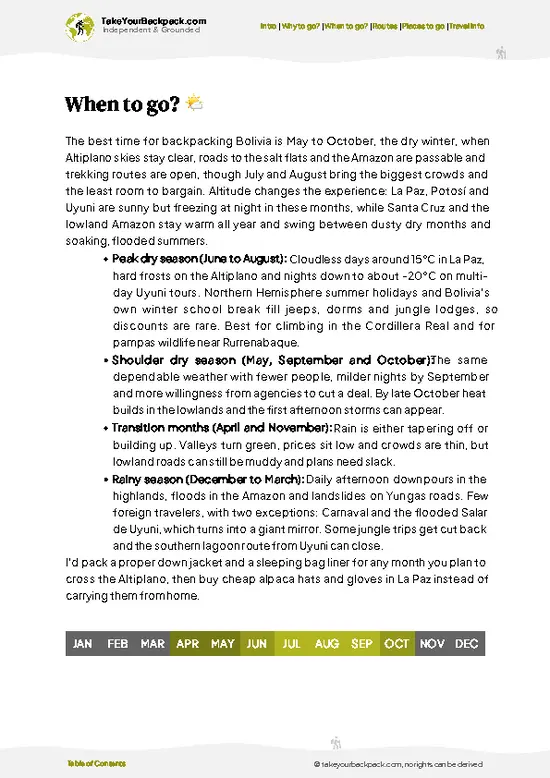
  • Topic: Weather – La Paz sits high at 3,650 meters (12,000 feet), so expect cool to cold conditions year-round. The dry season from May to October offers crisp, clear skies with daytime temps around 15-20°C (59-68°F), perfect for trekking and city wandering without mud or rain slowing you down.

  • Topic: Temperature – Nights can plunge below freezing, especially June to August, so pack layers. The wet season (November to March) brings warmer days, 18-22°C (64-72°F), but frequent afternoon showers make outdoor plans dicey.

  • Topic: Daylight Hours – Near the equator, daylight is steady year-round, roughly 11-12 hours daily. This consistency means you won’t lose precious daylight to seasonal shifts, so your hiking windows stay predictable.

  • Topic: Crowds – Peak tourist flow aligns with the dry season,
read more 👉

  • Topic: Weather – La Paz sits high at 3,650 meters (12,000 feet), so expect cool to cold conditions year-round. The dry season from May to October offers crisp, clear skies with daytime temps around 15-20°C (59-68°F), perfect for trekking and city wandering without mud or rain slowing you down.

  • Topic: Temperature – Nights can plunge below freezing, especially June to August, so pack layers. The wet season (November to March) brings warmer days, 18-22°C (64-72°F), but frequent afternoon showers make outdoor plans dicey.

  • Topic: Daylight Hours – Near the equator, daylight is steady year-round, roughly 11-12 hours daily. This consistency means you won’t lose precious daylight to seasonal shifts, so your hiking windows stay predictable.

  • Topic: Crowds – Peak tourist flow aligns with the dry season, especially July and August, when international travelers flock here. Expect busier hostels and higher prices, but also more social energy and guided tour options.

  • Topic: Seasonal Activities – The dry months are prime for high-altitude treks like the Cordillera Real and cultural festivals like Gran Poder in May. The wet season is quieter, ideal if you want solitude and don’t mind occasional rain interruptions.

  • Topic: Price Fluctuations – Accommodation and tours spike during the dry season and holidays. The wet season offers bargains but at the cost of less reliable weather and some trail closures.


Pro-tip: Aim for late April or early October—right on the edge of dry season—when you catch decent weather, fewer crowds, and better prices. It’s the sweet spot where savvy timing turns your trip from good to great.


source: climatestotravel.comJANJanuary: fair for travelingFEBFebruary: fair for travelingMARMarch: fair for travelingAPRApril: highly recommended for travelingMAYMay: excellent for travelingJUNJune: highly recommended for travelingJULJuly: excellent for travelingAUGAugust: excellent for travelingSEPSeptember: highly recommended for travelingOCTOctober: highly recommended for travelingNOVNovember: fair for travelingDECDecember: fair for traveling
Bolivia - La Paz

✈️ The backpacker research shortcutBolivia Travel Guide

An offline-friendly backpacking guide with optimized travel routes, ranked highlights, transport advice, and the best areas to stay.
example page 0 from our offline Travel Guide for Bolivia
example page 1 from our offline Travel Guide for Bolivia
example page 2 from our offline Travel Guide for Bolivia
example page 3 from our offline Travel Guide for Bolivia
example page 4 from our offline Travel Guide for Bolivia
example page 5 from our offline Travel Guide for Bolivia
example page 6 from our offline Travel Guide for Bolivia
example page 7 from our offline Travel Guide for Bolivia
The digital guide (350 pages) contains:
82 highlights, ranked by travel appeal
Optimized 7, 14 & 21-day travel routes
Cities, national parks, landmarks, beaches
How to get around
Offline-friendly for travel without Wi-Fi
👉 Click to see all 30+ guide features

📅 Plan smarter in minutes, not weeks
Month by month travel advice
Festivals & national holidays
Budget expectations

🗺️ Go to the right places, skip the overrated ones
Honest pros & cons of destinations
Top hikes, parks & viewpoints
Lesser-known places most travelers miss
Clear “worth it vs skip it” guidance

🛏️ Travel smoothly without rookie mistakes
Best areas to stay
Transport systems explained simply
Common scams & safety advice
SIM cards, money & practical tips

🌍 Understand the country, not just visit it
Culture & traditions
52 Essential phrases & customs
Festivals worth planning around
Traveler-friendly historical context
Insights that make places more meaningful

📱 Built for real travel conditions
Fully downloadable PDF
Works completely offline
Optimized for phone use
Useful in remote areas & buses
Everything in one place
Save weeks of stressful planning
Get instant access to your full guide. 30‑day money-back guarantee.


By proceeding you agree to our terms.
Sent to your inbox immediately after payment • 100% Secure Checkout
Best Backpacking Travel Advisor 2025 tourism awardBest Backpacking
Travel Advisor
2025
What others say about Take Your Backpack Guides:
⭐⭐⭐⭐⭐
Fantastic, amazing amount of information!
⭐⭐⭐⭐⭐
My goodness this is amazing, it's what I've been looking for hats off too you!
⭐⭐⭐⭐⭐
I think this is absolutely BRILLIANT
⭐⭐⭐⭐
Very complete and informative. It's still missing places, but I gotta to commend you
⭐⭐⭐⭐⭐
This is truly amazing, thank you, can't wait to explore it with my kids!
⭐⭐⭐⭐⭐
Awesome resource, thank you!
⭐⭐⭐⭐⭐
This is amazing! Can't wait to explore the ones I haven't seen
⭐⭐⭐⭐
I love this! Well done, great idea.
⭐⭐⭐⭐⭐
Thanks for taking the time to make this gem!
⭐⭐⭐⭐⭐
This might be the best website I've ever seen.
⭐⭐⭐⭐⭐
Congratulations, and thank you so much for your work; it's incredibly valuable.
⭐⭐⭐⭐
In all seriousness I think you did a great job pointing out the important spots
⭐⭐⭐⭐⭐
10/10 very good
⭐⭐⭐⭐⭐
As someone who's only just starting to visit regularly this is awesome, thank you.
⭐⭐⭐⭐
Thank you very much! I'm going to visit my dad, it's going to be very useful!
⭐⭐⭐⭐⭐
This is really cool! We'll be travelling for the first time and this definitely come in handy.
⭐⭐⭐⭐⭐
You are now our minister of culture, congratulations 👨‍💼
⭐⭐⭐⭐⭐
Just wanted to tell you that this is a pearl! Going to follow your recommendations.
⭐⭐⭐⭐⭐
This is so cool. I'll definitely be using the resource for my travels soon.
⭐⭐⭐⭐⭐
This is very impressive! Good work.
⭐⭐⭐⭐⭐
This is an amazing and informative site. Very well done!

🛏️ Where to stay?Where staying makes the most sense

San Pedro is the undeniable hub for backpackers in La Paz. It’s where the city’s pulse syncs with the traveler’s rhythm. This neighborhood nails the balance between safety and social buzz, making it a magnet for solo adventurers and budget travelers. Streets here are lined with hostels that range from barebones to boutique, offering a spectrum of comfort levels without breaking the bank. The vibe is casual but lively—think communal kitchens, rooftop terraces, and impromptu meetups that turn strangers into travel companions. It’s also the launchpad for most tours and activities, so you save time … read more 👉
San Pedro is the undeniable hub for backpackers in La Paz. It’s where the city’s pulse syncs with the traveler’s rhythm. This neighborhood nails the balance between safety and social buzz, making it a magnet for solo adventurers and budget travelers. Streets here are lined with hostels that range from barebones to boutique, offering a spectrum of comfort levels without breaking the bank. The vibe is casual but lively—think communal kitchens, rooftop terraces, and impromptu meetups that turn strangers into travel companions. It’s also the launchpad for most tours and activities, so you save time and hassle arranging your next move.

Compared to other parts of La Paz, San Pedro’s advantage is its walkability and concentration of traveler-friendly amenities. Neighborhoods like Sopocachi offer a more residential, upscale feel but lack the same social infrastructure for backpackers. Meanwhile, El Alto, across the valley, is more industrial and less suited for first-timers or those prioritizing convenience and safety.

Choosing San Pedro means you’re trading a bit of polished comfort for maximum connectivity and ease. You’re not just booking a bed; you’re stepping into a community that makes navigating La Paz’s altitude and chaos feel like a shared adventure rather than a solo grind. That’s the kind of value that turns a trip from good to memorable.

🚌 Getting aroundMoving around without the hassle

La Paz moves like a city caught between two tempos: the relentless pulse of altitude and the slow, deliberate rhythm of its steep streets. It’s a place where time bends—official schedules exist, but the real flow is dictated by a mix of local intuition and the city’s vertical geography. You’ll find that punctuality is a flexible concept here, especially when navigating the labyrinth of transport options. The city’s chaotic charm means you’re constantly balancing between saving minutes and saving bolivianos, between comfort and the thrill of the unexpected. Understanding this trade-off map is your key to mastering La Paz’s transit puzzle.


  • Walking: The most reliable and free option, but La Paz’s altitude (over 3,600 meters) and steep hills make it a workout. Use walking for short distances
read more 👉
La Paz moves like a city caught between two tempos: the relentless pulse of altitude and the slow, deliberate rhythm of its steep streets. It’s a place where time bends—official schedules exist, but the real flow is dictated by a mix of local intuition and the city’s vertical geography. You’ll find that punctuality is a flexible concept here, especially when navigating the labyrinth of transport options. The city’s chaotic charm means you’re constantly balancing between saving minutes and saving bolivianos, between comfort and the thrill of the unexpected. Understanding this trade-off map is your key to mastering La Paz’s transit puzzle.


  • Walking: The most reliable and free option, but La Paz’s altitude (over 3,600 meters) and steep hills make it a workout. Use walking for short distances or to explore neighborhoods like Sopocachi or San Pedro. It’s slow but gives you unmatched street-level insight and zero cost.


  • Minibuses: These are the backbone of budget transit, running from early morning (around 6:00 AM) until late evening (10:00 PM). Fares hover around 2-3 BOB ($0.30-$0.40). They’re cheap and frequent but packed and unpredictable in timing. Comfort is minimal—expect tight spaces and no air conditioning—but they cover almost every corner of the city.


  • Teleférico (Cable Car): A game-changer for speed and views, the cable car network connects La Paz with El Alto and other districts. Operating roughly from 6:00 AM to 10:00 PM, a single ride costs about 3 BOB ($0.40). It’s fast, reliable, and offers a unique aerial perspective, but it’s less flexible for door-to-door travel and can get crowded during rush hours.


  • Taxis: Metered taxis exist but are rare and often more expensive than locals prefer. Expect to negotiate fares upfront, typically between 15-30 BOB ($2-$4) for short rides. They offer comfort and direct routes but sacrifice budget and sometimes reliability, especially at night or in less central areas.


  • Trufis (Shared Taxis): These are a middle ground—shared vans or cars running fixed routes with fares around 3-5 BOB ($0.40-$0.70). They’re faster than minibuses and more comfortable but less frequent and require some local knowledge to catch. They operate roughly from 7:00 AM to 9:00 PM.


In La Paz, every transit choice is a negotiation between time, money, and comfort. Walking costs nothing but demands stamina and altitude acclimatization. Minibuses are cheap and widespread but test your patience and personal space. The Teleférico slices through traffic jams and offers a visual feast but limits your route options. Taxis and trufis provide comfort and speed but at a higher price. Your winning strategy is to mix and match these modes, playing the system like a pro who knows when to sprint, when to save, and when to soak in the city’s unique vertical rhythm.

👛 Costs (as of 1 March 2026)Travel costs and budget guide for La Paz

Backpacking in La Paz, Bolivia, is a balancing act between stretching your budget and soaking in the city’s unique vibe. Here’s the lowdown on what your daily expenses will look like, so you can plan smart and pick your trade-offs.
  • Dorm Accommodation (High Season): Expect to pay around $8 to $12 per night in popular hostels. High season means more tourists, so prices tick up slightly, but you still get solid value for clean, social dorms.
  • Dorm Accommodation (Off-Season): Drop to about $5 to $8 per night. Fewer travelers mean better deals and sometimes extra perks like free breakfast or tours thrown in.
  • Meals: Street food and local markets are your best friends here. A filling meal can cost between $1.50 and $3. For sit-down restaurants, budget $4 to $7 for a decent plate. Eating like a
read more 👉
Backpacking in La Paz, Bolivia, is a balancing act between stretching your budget and soaking in the city’s unique vibe. Here’s the lowdown on what your daily expenses will look like, so you can plan smart and pick your trade-offs.
  • Dorm Accommodation (High Season): Expect to pay around $8 to $12 per night in popular hostels. High season means more tourists, so prices tick up slightly, but you still get solid value for clean, social dorms.
  • Dorm Accommodation (Off-Season): Drop to about $5 to $8 per night. Fewer travelers mean better deals and sometimes extra perks like free breakfast or tours thrown in.
  • Meals: Street food and local markets are your best friends here. A filling meal can cost between $1.50 and $3. For sit-down restaurants, budget $4 to $7 for a decent plate. Eating like a local keeps costs low without sacrificing flavor.
  • Local Transport: Minibuses and shared taxis are dirt cheap, usually under $0.50 per ride. They’re crowded and chaotic but perfect for short hops and soaking in local life.
  • City Transport Pass: If you plan to move around a lot, a monthly or weekly pass for the Mi Teleférico cable car system costs roughly $10 to $15, offering a fast, scenic way to navigate the city’s steep terrain.
  • Basic Activities/Entry Fees: Museums and cultural sites typically charge between $2 and $5. Some guided tours or special exhibits can push closer to $10, but many worthwhile experiences stay budget-friendly.
  • Miscellaneous Expenses: Think water, snacks, occasional coffee, or small souvenirs—budget around $2 to $5 daily. These little extras add up but keep your day comfortable and enjoyable.

All told, you’re looking at roughly $15 to $30 per day, depending on how much you lean into comfort or hustle for deals. La Paz rewards those who know where to save and where to splurge, turning every dollar into a chance to dive deeper into its culture and rhythm.
⚠️ Prices can change and everyone travels differently, so take this as a rough guide. Hope it helps you plan your adventure!

🚌 Day tripsExploring the surroundings

La Paz is a fantastic launchpad for day trips that pack a punch without draining your wallet or time. Here are some top picks that will elevate your Bolivian adventure.

Valle de la Luna
Just a 30-minute bus ride from La Paz, Valle de la Luna feels like stepping onto another planet. The unique rock formations and lunar landscape are a photographer’s dream. You can wander the trails, marvel at the bizarre shapes, and soak in the surreal atmosphere. Entry fees are minimal, usually around 15 BOB, making it a budget-friendly excursion. The best time to visit is in the morning when the light casts dramatic shadows, enhancing the otherworldly vibe. A common mistake? Many first-timers rush through without taking the time to explore the various paths.
👉 Explore Valle de la Luna

Tiwanaku
About … read more 👉
La Paz is a fantastic launchpad for day trips that pack a punch without draining your wallet or time. Here are some top picks that will elevate your Bolivian adventure.

Valle de la Luna
Just a 30-minute bus ride from La Paz, Valle de la Luna feels like stepping onto another planet. The unique rock formations and lunar landscape are a photographer’s dream. You can wander the trails, marvel at the bizarre shapes, and soak in the surreal atmosphere. Entry fees are minimal, usually around 15 BOB, making it a budget-friendly excursion. The best time to visit is in the morning when the light casts dramatic shadows, enhancing the otherworldly vibe. A common mistake? Many first-timers rush through without taking the time to explore the various paths.
👉 Explore Valle de la Luna

Tiwanaku
About an hour and a half from La Paz, Tiwanaku is a must for history buffs. This ancient archaeological site offers a glimpse into pre-Columbian civilization with its impressive stone structures and monoliths. The entrance fee is around 20 BOB, and you can easily spend a few hours wandering the ruins and visiting the museum. Aim for a weekday visit to avoid crowds, and don’t forget to bring water and snacks, as options on-site are limited. A common pitfall is underestimating the altitude; take it slow to fully appreciate the site.
👉 Explore Tiwanaku

Lake Titicaca (Copacabana)
A bit further afield, about three hours by bus, Lake Titicaca is worth the trek. The vibrant town of Copacabana serves as your gateway to the lake’s stunning beauty. You can take a boat to Isla del Sol, where Inca ruins await. Expect to spend around 50 BOB for the bus and boat combined. The best time to visit is during the dry season (May to October) when the skies are clear. Many backpackers overlook the local cuisine; don’t miss trying the fresh trout!
👉 Explore Lake Titicaca

Chacaltaya
For a taste of high-altitude adventure, Chacaltaya is just a 90-minute drive from La Paz. Once home to the world’s highest ski resort, it offers breathtaking views and a chance to hike at over 5,300 meters. The trip can cost around 100 BOB for transport and entry. The best time to go is during the dry season, but be prepared for chilly winds. A common mistake is not acclimatizing properly; take it easy and enjoy the scenery.


Salar de Uyuni (Day Trip)
While typically requiring an overnight stay, you can still experience a taste of the Salar de Uyuni on a long day trip. It’s about a 6-hour bus ride, so start early. The surreal salt flats are a photographer’s paradise, especially during the rainy season when they reflect the sky. Costs can vary, but budget around 200 BOB for transport. The best time to visit is from December to April for the mirror effect. Many first-timers underestimate the travel time; plan accordingly to maximize your experience.
👉 Explore Salar de Uyuni
Want to know what more Bolivia offers?
The Bolivia Travel Guide describes 82 highlights, from cities to national parks, from beaches to hikes

Get the Travel Guide -

🍲 FoodWhat to Eat & Drink

In La Paz, food is a vibrant tapestry of flavors that tells the story of its culture. Start with salteñas, a savory pastry filled with meat, potatoes, and spices, often enjoyed as a snack. These golden pockets are best sampled in the morning, fresh from the oven, and they pack a delightful punch of flavor.

Don’t miss pique macho, a hearty dish of beef, sausage, and fries, topped with a spicy sauce. It’s a local favorite, often shared among friends, making it a perfect choice for social dining. For something lighter, try quinoa salad; it’s refreshing and showcases the region’s superfood.

When it comes to drinks, api is a must-try. This warm, sweet beverage made from corn is perfect for chilly evenings. Pair it with a slice of pastel de tres leches for a sweet finish.

Backpackers often … read more 👉
In La Paz, food is a vibrant tapestry of flavors that tells the story of its culture. Start with salteñas, a savory pastry filled with meat, potatoes, and spices, often enjoyed as a snack. These golden pockets are best sampled in the morning, fresh from the oven, and they pack a delightful punch of flavor.

Don’t miss pique macho, a hearty dish of beef, sausage, and fries, topped with a spicy sauce. It’s a local favorite, often shared among friends, making it a perfect choice for social dining. For something lighter, try quinoa salad; it’s refreshing and showcases the region’s superfood.

When it comes to drinks, api is a must-try. This warm, sweet beverage made from corn is perfect for chilly evenings. Pair it with a slice of pastel de tres leches for a sweet finish.

Backpackers often find themselves in bustling markets like Mercado Rodríguez, where the air is thick with the aroma of grilled meats and fresh produce. Street vendors offer an array of snacks, from empanadas to choclo (fresh corn), all at wallet-friendly prices.

Etiquette is casual; sharing food is common, and don’t hesitate to dive into conversations with locals. Embrace the communal spirit—food here is about connection, not just sustenance.

🛡️ SafetyStaying Safe: What Travelers Should Know

La Paz is generally safe for backpackers, but a few situational awareness tips can enhance your experience. Stick to well-trodden areas like the Witches’ Market during the day, where the vibrant atmosphere is palpable. At night, however, consider staying in the more populated zones like Sopocachi or San Francisco. Solo travelers should avoid dimly lit streets and opt for taxis or rideshare apps after dark.

Scams are rare but can happen. Be cautious around crowded markets; pickpockets occasionally lurk in the chaos. If someone approaches you with an overly friendly demeanor, especially asking for help or directions, keep your belongings close.

Annoyances can include persistent street vendors and the occasional overly enthusiastic tour guide. A polite but firm “no, gracias” usually does the … read more 👉
La Paz is generally safe for backpackers, but a few situational awareness tips can enhance your experience. Stick to well-trodden areas like the Witches’ Market during the day, where the vibrant atmosphere is palpable. At night, however, consider staying in the more populated zones like Sopocachi or San Francisco. Solo travelers should avoid dimly lit streets and opt for taxis or rideshare apps after dark.

Scams are rare but can happen. Be cautious around crowded markets; pickpockets occasionally lurk in the chaos. If someone approaches you with an overly friendly demeanor, especially asking for help or directions, keep your belongings close.

Annoyances can include persistent street vendors and the occasional overly enthusiastic tour guide. A polite but firm “no, gracias” usually does the trick. Carry yourself confidently, and engage with locals when you can; they often appreciate genuine interest. This way, you’ll navigate La Paz with ease, enjoying its unique character without unnecessary stress.

Other Bolivian cities near La Paz

Explore more nearby:

  • Oruro—mining heritage, windswept plateau, festival city| 198 km away
  • Cochabamba—mountain valley, street food, bustling markets| 232 km away
  • Trinidad—wetlands, Amazonian wildlife, colonial grid| 391 km away

💡 Not sure where to go next?
Create a personalized itinerary for Bolivia including La Paz and the places that fit your trip.

Generate my itinerary

👉 Discover all cities

Or checkout all Bolivia has to offer (think cities, towns, villages, national parks, hikes, beaches, festivals)
Country photo of Bolivia

We 💚 feedbackWhat to keep in mind

La Paz is a whirlwind of culture and altitude, where the vibrant markets pulse with life and the views from El Alto will leave you breathless—literally. But be ready for the altitude sickness; it’s no joke. Your body will need time to adjust, and that can cut into your plans. Embrace the slow pace, sip some coca tea, and let the city’s energy seep in. It’s worth the wait.

✈️ When did I visit Bolivia?
Bolivia I visited during my half year trip through South and Central America back in 2003

✍️ Help improve this page!
The information on this page is based on my own backpacking experience in Bolivia, supplemented with up-to-date research and feedback from other travelers. Travel details can change, so if you notice anything outdated or incomplete, feel free to let me know.


🙋‍♂️ Give feedback

👋 Meet the founderWho’s Behind Take Your Backpack?

Johan, backpacker and founder of TakeYourBackpackHi, I’m Johan (Netherlands 🇳🇱), the creator of TakeYourBackpack. Over the past decade, I’ve backpacked through 80+ countries across six continents, gaining extensive experience with independent travel, long-term trips, and overland routes.

This site is built on a combination of firsthand travel experience and carefully curated insights from other backpackers. Many guides are based on places I’ve personally visited, while others bring together tips, observations, and practical advice shared by trusted travelers I’ve met along the way.

The goal is to provide realistic, experience-driven guidance — not generic itineraries — so you can explore destinations with better context, clearer expectations, and more confidence.

Get full Bolivia guide •
Instant download • 82 highlights • Full Offline guide