×

Bolivia🇧🇴 | townsLlallaguamining center, windswept plateau, worker settlements | things to do and best time to go

Explore AchacachiExplore Viacha

Backpacking in Llallagua
👀 For curious travelerstown ranked #22
By Johan Kruseman 🇳🇱 | Updated June 2, 2026

Llallagua is not for anyone chasing pretty plazas, craft beer bars, or easy Instagram wins. It’s a rough-edged mining town in the Potosí department of Bolivia, between Oruro and Potosí city, and that’s exactly why it’s useful. Buses roll through often, streets are walkable, and cheap comedor lunches feed you for pocket change. It works as a practical stopover and a window into Bolivia’s mining backbone, less intense than Potosí but far more workaday than Sucre. Nights are quiet, hostels are basic, and you’ll see few other backpackers, which makes it safe enough but socially thin; come here to understand the country’s grit, then move on for scenery.

Discover everything you want to know in the 📖 Bolivia Travel Guide.


Get your Bolivia guide
82 ranked highlights, routes & tips, works offline (350 pages)
Loading the map 🌍
CLICK TO FILTER
cities
towns
landmarks
national parks
hikes
beaches
attractions
festivals
regions
SHOW COUNTRY’S BESTSHOW ALL

✨ Why go?
Ranked #22 town in Bolivia
Why visitors keep coming back

Llallagua serves as a gateway for backpackers seeking authentic Bolivian experiences. Its proximity to stunning hikes, like the Sierra de San Mateo, makes it a strategic stop for those craving adventure. The walkable streets are lined with small-scale hostels and guesthouses, offering a cozy atmosphere where you can easily connect with fellow travelers. Expect to find local food stalls serving hearty meals that fuel your explorations, from savory salteñas to fresh fruit juices.

While many pass through quickly, some linger for a few days to soak in the friendly social vibe. This town attracts slow travelers and solo adventurers who appreciate a quieter pace, allowing for deeper connections with the landscape and locals. Llallagua isn’t about nightlife; it’s about the rich culture and the scent read more 👉
Llallagua serves as a gateway for backpackers seeking authentic Bolivian experiences. Its proximity to stunning hikes, like the Sierra de San Mateo, makes it a strategic stop for those craving adventure. The walkable streets are lined with small-scale hostels and guesthouses, offering a cozy atmosphere where you can easily connect with fellow travelers. Expect to find local food stalls serving hearty meals that fuel your explorations, from savory salteñas to fresh fruit juices.

While many pass through quickly, some linger for a few days to soak in the friendly social vibe. This town attracts slow travelers and solo adventurers who appreciate a quieter pace, allowing for deeper connections with the landscape and locals. Llallagua isn’t about nightlife; it’s about the rich culture and the scent of earth after rain. If you’re looking for a place to recharge before heading into the wild, this town is a solid choice.
Want to include Llallagua in your Bolivia route?
Create a personalized Bolivia itinerary that includes Llallagua and the places that fit your trip — based on your travel style, budget, and available time. Get your route in seconds.

Generate my trip

💡 HighlightsEssential experiences to have while visiting Llallagua

  • Siglo XX mine ruins — The town’s most visible legacy: the scarred shafts, rusting headframes and processing buildings of one of Bolivia’s historic tin mines that tell the story of mining life and industrial scale up close.
  • Llallagua central market — A lively, authentic market where miners, farmers and locals buy and sell produce, mining supplies and traditional goods; great for people-watching and tasting regional food.
  • Main plaza and parish church — The social heart of Llallagua: the plaza’s benches, kiosks and the parish church give a clear sense of daily civic and religious rhythms in town.
  • Miners’ memorials and union halls — Visible monuments, plaques and the local miners’ union buildings honor the town’s labor struggles and are important sites for understanding Llallagua’s political
read more 👉
  • Siglo XX mine ruins — The town’s most visible legacy: the scarred shafts, rusting headframes and processing buildings of one of Bolivia’s historic tin mines that tell the story of mining life and industrial scale up close.
  • Llallagua central market — A lively, authentic market where miners, farmers and locals buy and sell produce, mining supplies and traditional goods; great for people-watching and tasting regional food.
  • Main plaza and parish church — The social heart of Llallagua: the plaza’s benches, kiosks and the parish church give a clear sense of daily civic and religious rhythms in town.
  • Miners’ memorials and union halls — Visible monuments, plaques and the local miners’ union buildings honor the town’s labor struggles and are important sites for understanding Llallagua’s political and social history.
  • Industrial rail and workshop remains — Old rail sidings, maintenance sheds and machinery around town show how ore and people once moved through Llallagua and make for atmospheric, visitable ruins.
Nearby day trips include the Catavi-Siglo XX mining area, the city of Potosí with Cerro Rico and the Casa de la Moneda; Potosí’s Cerro Rico is my personal favorite.
Spotted a mistake or missing something? Contact us.

🏘️ NeighborhoodsHow different areas shape the experience

Llallagua is a rugged town that offers a raw glimpse into Bolivian life, perfect for backpackers seeking authenticity. Here’s how to navigate its neighborhoods:

Centro: This is the heartbeat of Llallagua. It’s bustling with local markets and street vendors. You’ll find affordable eateries serving hearty meals. The vibe is energetic, making it ideal for short stays. Everything is walkable, and transport options are plentiful. Nightlife is minimal, but you can enjoy a quiet evening at a local café.

San Juan: A bit quieter, San Juan offers a more laid-back atmosphere. It’s perfect for longer stays, with cozy guesthouses and a few parks to unwind. The streets are safe and easy to navigate on foot. While nightlife is sparse, the community vibe is strong, making it a great spot to connect with … read more 👉
Llallagua is a rugged town that offers a raw glimpse into Bolivian life, perfect for backpackers seeking authenticity. Here’s how to navigate its neighborhoods:

Centro: This is the heartbeat of Llallagua. It’s bustling with local markets and street vendors. You’ll find affordable eateries serving hearty meals. The vibe is energetic, making it ideal for short stays. Everything is walkable, and transport options are plentiful. Nightlife is minimal, but you can enjoy a quiet evening at a local café.

San Juan: A bit quieter, San Juan offers a more laid-back atmosphere. It’s perfect for longer stays, with cozy guesthouses and a few parks to unwind. The streets are safe and easy to navigate on foot. While nightlife is sparse, the community vibe is strong, making it a great spot to connect with locals.

El Alto: This area is more residential and less touristy, giving you a genuine feel for daily life. It’s a bit further from the main attractions, so expect to rely on public transport. The cost of living is lower here, making it budget-friendly. While it lacks nightlife, the tranquility is a welcome break from the hustle.

Each neighborhood offers a unique slice of Llallagua, allowing you to tailor your experience based on your travel style.

⌛️ 1 day1-day itinerary for Llallagua

Llallagua, Bolivia, is a town steeped in mining history, where the rugged mountains cradle a vibrant community. The air is thick with the scent of earth and metal, a reminder of the town’s industrious past. Start your day early at the bustling market in the center. The stalls brim with fresh produce, local cheeses, and the unmistakable aroma of roasted corn. Grab a hearty breakfast of salteñas—savory pastries filled with meat and spices. They’re a local favorite and will fuel your adventures ahead.

After breakfast, wander through the streets of the San José neighborhood, where the colorful murals tell stories of the miners and their families. The light here dances off the walls, creating a canvas of history and resilience. Don’t miss the chance to visit the old mining museum, a hidden gem … read more 👉
Llallagua, Bolivia, is a town steeped in mining history, where the rugged mountains cradle a vibrant community. The air is thick with the scent of earth and metal, a reminder of the town’s industrious past. Start your day early at the bustling market in the center. The stalls brim with fresh produce, local cheeses, and the unmistakable aroma of roasted corn. Grab a hearty breakfast of salteñas—savory pastries filled with meat and spices. They’re a local favorite and will fuel your adventures ahead.

After breakfast, wander through the streets of the San José neighborhood, where the colorful murals tell stories of the miners and their families. The light here dances off the walls, creating a canvas of history and resilience. Don’t miss the chance to visit the old mining museum, a hidden gem that offers a glimpse into the lives of those who toiled in the mines. The stories you’ll hear from the guides are raw and real, connecting you to the heart of Llallagua.

In the afternoon, head to the outskirts for a hike up to the viewpoint at Cerro Tumpa. The trail is steep but manageable, and the panoramic views of the town and surrounding mountains are worth every step. You’ll feel the cool breeze on your face, a refreshing reward for your effort.

As evening falls, return to the town center. The plaza comes alive with locals gathering to share stories and laughter. Find a small eatery and indulge in a plate of pique a lo macho, a spicy meat dish that will ignite your taste buds. The day wraps up with the warmth of community, leaving you with a sense of connection that lingers long after you leave.
Turn your Llallagua visit into an Bolivia adventure
Build a complete Bolivia route with Llallagua, hidden gems, must-see destinations, and realistic travel times included.

Generate my trip

🌤️ When to go?Seasonal considerations and timing


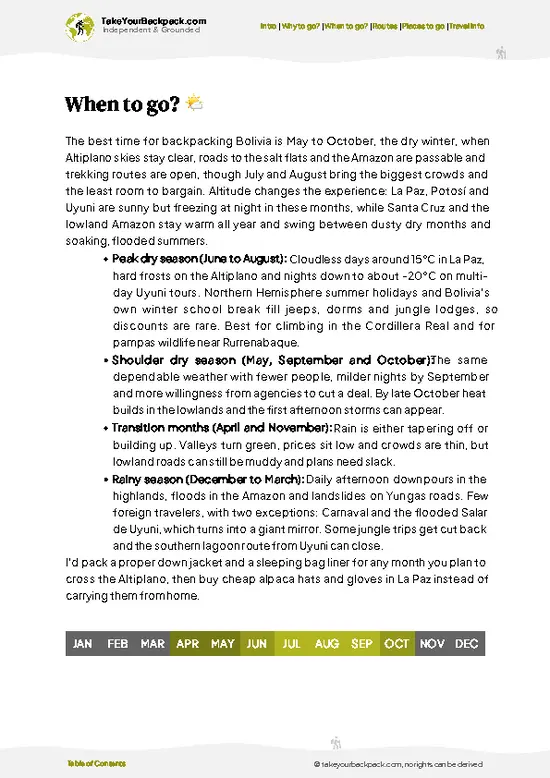
  • Weather: Llallagua sits high in the Andes, so expect chilly mornings and evenings year-round. The dry season from May to October offers crisp, clear skies, perfect for hiking without the mud and drizzle common in the wet season.

  • Temperature: Daytime highs hover around 15°C (59°F) during dry months, dropping to near freezing at night. Wet season temps climb slightly but bring damp cold that seeps through layers.

  • Daylight Hours: Near the equator, daylight stays steady—about 11 to 12 hours year-round—so you won’t lose precious trekking time to early sunsets.

  • Crowds: Llallagua is off the beaten path, but dry season draws more miners and local visitors, making it livelier without overwhelming the town’s quiet charm.

  • Seasonal Activities: The dry season aligns with local festivals and
read more 👉

  • Weather: Llallagua sits high in the Andes, so expect chilly mornings and evenings year-round. The dry season from May to October offers crisp, clear skies, perfect for hiking without the mud and drizzle common in the wet season.

  • Temperature: Daytime highs hover around 15°C (59°F) during dry months, dropping to near freezing at night. Wet season temps climb slightly but bring damp cold that seeps through layers.

  • Daylight Hours: Near the equator, daylight stays steady—about 11 to 12 hours year-round—so you won’t lose precious trekking time to early sunsets.

  • Crowds: Llallagua is off the beaten path, but dry season draws more miners and local visitors, making it livelier without overwhelming the town’s quiet charm.

  • Seasonal Activities: The dry season aligns with local festivals and mining tours, giving you a chance to see the town’s pulse beyond the landscape.

  • Price Fluctuations: Expect slightly higher prices in dry months due to demand, but the trade-off is smoother trails and better weather for exploring.


Pro-tip: Aim for late August to early September—days are clear, nights crisp, and the town hums with local life, giving you the full Llallagua experience without the soggy slog.


source: climatestotravel.comJANJanuary: fair for travelingFEBFebruary: fair for travelingMARMarch: fair for travelingAPRApril: good for travelingMAYMay: highly recommended for travelingJUNJune: highly recommended for travelingJULJuly: highly recommended for travelingAUGAugust: excellent for travelingSEPSeptember: excellent for travelingOCTOctober: highly recommended for travelingNOVNovember: good for travelingDECDecember: fair for traveling
when-to-go

✈️ The backpacker research shortcutBolivia Travel Guide

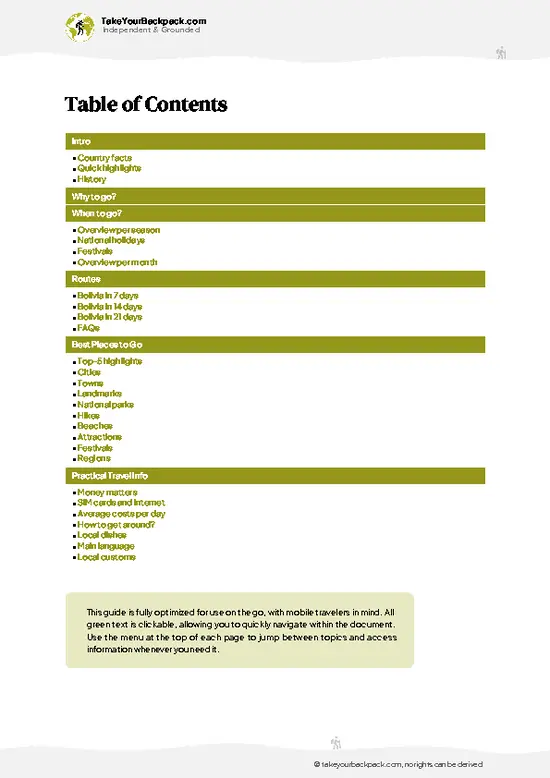
An offline-friendly backpacking guide with optimized travel routes, ranked highlights, transport advice, and the best areas to stay.
example page 0 from our offline Travel Guide for Boliviaexample page 1 from our offline Travel Guide for Boliviaexample page 2 from our offline Travel Guide for Boliviaexample page 3 from our offline Travel Guide for Boliviaexample page 4 from our offline Travel Guide for Boliviaexample page 5 from our offline Travel Guide for Boliviaexample page 6 from our offline Travel Guide for Boliviaexample page 7 from our offline Travel Guide for Bolivia
The digital guide (350 pages) contains:
82 highlights, ranked by travel appeal
Optimized 7, 14 & 21-day travel routes
Cities, national parks, landmarks, beaches
How to get around
Offline-friendly for travel without Wi-Fi
👉 Click to see all 30+ guide features

📅 Plan smarter in minutes, not weeks
Month by month travel advice
Festivals & national holidays
Budget expectations

🗺️ Go to the right places, skip the overrated ones
Honest pros & cons of destinations
Top hikes, parks & viewpoints
Lesser-known places most travelers miss
Clear “worth it vs skip it” guidance

🛏️ Travel smoothly without rookie mistakes
Best areas to stay
Transport systems explained simply
Common scams & safety advice
SIM cards, money & practical tips

🌍 Understand the country, not just visit it
Culture & traditions
52 Essential phrases & customs
Festivals worth planning around
Traveler-friendly historical context
Insights that make places more meaningful

📱 Built for real travel conditions
Fully downloadable PDF
Works completely offline
Optimized for phone use
Useful in remote areas & buses
Everything in one place
Save weeks of stressful planning
Get instant access to your full guide. 30‑day money-back guarantee.


Sent to your inbox immediately after payment • 100% Secure Checkout
Best Backpacking Travel Advisor 2025 tourism awardBest Backpacking
Travel Advisor
2025
What others say about Take Your Backpack Guides:
⭐⭐⭐⭐⭐
Fantastic, amazing amount of information!
⭐⭐⭐⭐⭐
My goodness this is amazing, it's what I've been looking for hats off too you!
⭐⭐⭐⭐⭐
I think this is absolutely BRILLIANT
⭐⭐⭐⭐
Very complete and informative. It's still missing places, but I gotta to commend you
⭐⭐⭐⭐⭐
This is truly amazing, thank you, can't wait to explore it with my kids!
⭐⭐⭐⭐⭐
Awesome resource, thank you!
⭐⭐⭐⭐⭐
This is amazing! Can't wait to explore the ones I haven't seen
⭐⭐⭐⭐
I love this! Well done, great idea.
⭐⭐⭐⭐⭐
Thanks for taking the time to make this gem!
⭐⭐⭐⭐⭐
This might be the best website I've ever seen.
⭐⭐⭐⭐⭐
Congratulations, and thank you so much for your work; it's incredibly valuable.
⭐⭐⭐⭐
In all seriousness I think you did a great job pointing out the important spots
⭐⭐⭐⭐⭐
10/10 very good
⭐⭐⭐⭐⭐
As someone who's only just starting to visit regularly this is awesome, thank you.
⭐⭐⭐⭐
Thank you very much! I'm going to visit my dad, it's going to be very useful!
⭐⭐⭐⭐⭐
This is really cool! We'll be travelling for the first time and this definitely come in handy.
⭐⭐⭐⭐⭐
You are now our minister of culture, congratulations 👨‍💼
⭐⭐⭐⭐⭐
Just wanted to tell you that this is a pearl! Going to follow your recommendations.
⭐⭐⭐⭐⭐
This is so cool. I'll definitely be using the resource for my travels soon.
⭐⭐⭐⭐⭐
This is very impressive! Good work.
⭐⭐⭐⭐⭐
This is an amazing and informative site. Very well done!

🛏️ Where to stay?Where staying makes the most sense

Llallagua’s heart for backpackers pulses strongest around the central plaza and the nearby Avenida 6 de Agosto. This area is your best bet for safety and social buzz—streets here hum with local vendors, chatter, and the scent of fresh bread from corner bakeries. It’s compact enough to explore on foot, so you’re never far from a friendly face or a budget-friendly meal. Hostels cluster here, offering a mix of dorms and private rooms that attract solo travelers looking to swap stories over a shared meal or a cup of strong Bolivian coffee. Compared to the quieter, more residential outskirts, this … read more 👉
Llallagua’s heart for backpackers pulses strongest around the central plaza and the nearby Avenida 6 de Agosto. This area is your best bet for safety and social buzz—streets here hum with local vendors, chatter, and the scent of fresh bread from corner bakeries. It’s compact enough to explore on foot, so you’re never far from a friendly face or a budget-friendly meal. Hostels cluster here, offering a mix of dorms and private rooms that attract solo travelers looking to swap stories over a shared meal or a cup of strong Bolivian coffee. Compared to the quieter, more residential outskirts, this zone keeps you plugged into the town’s rhythm without the hassle of long commutes or sketchy side streets.

🚌 Getting aroundHow to get around Llallagua

Llallagua moves at its own rhythm—less a clock-driven town and more a place where the day unfolds with the slow, deliberate pulse of mountain air. The streets don’t buzz with frantic urgency; instead, they hum with the steady shuffle of locals weaving between markets, buses, and dusty paths. The light here is sharp, casting long shadows on corrugated metal roofs, and the scent of earth and coal lingers, a reminder of the town’s mining roots. You won’t find strict timetables or polished transit hubs; instead, you navigate by intuition, patience, and a keen eye for the next ride. This is a place where knowing the flow means catching the right vehicle before it fills up or learning the best walking routes to avoid the steepest climbs.


  • Walking: The most reliable way to explore Llallagua’s
read more 👉
Llallagua moves at its own rhythm—less a clock-driven town and more a place where the day unfolds with the slow, deliberate pulse of mountain air. The streets don’t buzz with frantic urgency; instead, they hum with the steady shuffle of locals weaving between markets, buses, and dusty paths. The light here is sharp, casting long shadows on corrugated metal roofs, and the scent of earth and coal lingers, a reminder of the town’s mining roots. You won’t find strict timetables or polished transit hubs; instead, you navigate by intuition, patience, and a keen eye for the next ride. This is a place where knowing the flow means catching the right vehicle before it fills up or learning the best walking routes to avoid the steepest climbs.


  • Walking: The most reliable way to explore Llallagua’s compact center, especially early morning when the air is crisp and the streets quiet. It’s free, gives you full control over pace, and reveals hidden corners missed by vehicles.

  • Minibuses (Micros): Frequent but informal, these run from dawn until early evening, costing just a few bolivianos. They’re cramped but fast, weaving through narrow streets with a local’s urgency—perfect for short hops across town.

  • Shared Taxis: Slightly pricier but more comfortable and quicker than micros, shared taxis operate on flexible schedules, leaving once full. Ideal if you want to cover longer distances without waiting too long.

  • Motorcycle Taxis: For the adventurous, these dart through traffic and up steep hills, offering a thrilling, wind-in-your-face ride. Prices vary but are negotiable; best for quick, solo trips when time is tight.

👛 Costs (as of 26 February 2026)Money, prices, and spending tips

Backpacking in Llallagua, Bolivia, is a raw, off-the-beaten-path experience where every dollar counts and every detail matters. Here’s what you’re realistically looking at for daily expenses:
  • Dorm Accommodation: Hostels here are basic but functional, with dorm beds typically running between $5 and $10 USD per night. Expect simple rooms with shared bathrooms and minimal frills—think sturdy beds and a fan rather than air conditioning.
  • Meals: Street food and local markets dominate the food scene. A hearty meal of salteñas or a plate of rice, beans, and meat will cost around $2 to $4 USD. If you opt for a small local diner, expect to pay up to $6 USD for a more substantial meal. Fresh fruit and snacks from markets are even cheaper, often under $1.
  • Local Transport: Llallagua is small, so walking
read more 👉
Backpacking in Llallagua, Bolivia, is a raw, off-the-beaten-path experience where every dollar counts and every detail matters. Here’s what you’re realistically looking at for daily expenses:
  • Dorm Accommodation: Hostels here are basic but functional, with dorm beds typically running between $5 and $10 USD per night. Expect simple rooms with shared bathrooms and minimal frills—think sturdy beds and a fan rather than air conditioning.
  • Meals: Street food and local markets dominate the food scene. A hearty meal of salteñas or a plate of rice, beans, and meat will cost around $2 to $4 USD. If you opt for a small local diner, expect to pay up to $6 USD for a more substantial meal. Fresh fruit and snacks from markets are even cheaper, often under $1.
  • Local Transport: Llallagua is small, so walking is your best bet. If you need to hop on a local minibus or taxi, fares hover around $0.30 to $0.50 USD per ride. It’s straightforward but expect crowded vehicles and a bit of a bumpy ride on unpaved roads.
  • Basic Activities/Entry Fees: Llallagua’s main draw is its mining history and local culture rather than formal tourist sites. Entry fees to any small museums or guided tours are minimal, usually under $3 USD. If you want to explore nearby natural spots, costs might rise slightly for transport or guides but generally stay low.
  • Miscellaneous Expenses: Think bottled water, snacks, phone credit, or a coffee. These small extras add up to about $1 to $3 USD daily. Keep cash handy, as card payments are rare.

All told, you’re looking at roughly $10 to $20 USD per day to cover the essentials in Llallagua. It’s a place where simplicity rules, and the modest budget reflects the straightforward, unpolished charm of the town. The payoff is in the authentic local vibe and the chance to experience a slice of Bolivian life far from the tourist trail.
⚠️ Prices can change and everyone travels differently, so take this as a rough guide. Hope it helps you plan your adventure!

🚌 Day tripsWhere to go beyond the main area

Llallagua is a backpacker’s dream base, offering access to stunning landscapes and rich culture without the tourist crowds. Here are some day trips that will elevate your Bolivian adventure.

1. The Silver Mines of Potosí
Just a few hours from Llallagua, Potosí’s silver mines are a haunting reminder of Bolivia’s colonial past. The journey takes about 2.5 hours by bus, and you’ll want to budget around $5 for the ride. Once there, the eerie atmosphere of the mines, combined with the stories of the miners, creates a gripping experience. Many first-timers underestimate the emotional weight of this trip; prepare for a mix of awe and reflection. The best time to visit is during the dry season (May to October) when the roads are more reliable.


2. The Salar de Uyuni
While a bit further afield, … read more 👉
Llallagua is a backpacker’s dream base, offering access to stunning landscapes and rich culture without the tourist crowds. Here are some day trips that will elevate your Bolivian adventure.

1. The Silver Mines of Potosí
Just a few hours from Llallagua, Potosí’s silver mines are a haunting reminder of Bolivia’s colonial past. The journey takes about 2.5 hours by bus, and you’ll want to budget around $5 for the ride. Once there, the eerie atmosphere of the mines, combined with the stories of the miners, creates a gripping experience. Many first-timers underestimate the emotional weight of this trip; prepare for a mix of awe and reflection. The best time to visit is during the dry season (May to October) when the roads are more reliable.


2. The Salar de Uyuni
While a bit further afield, the iconic Salar de Uyuni is worth the trek. Expect a 6-hour bus ride, costing around $10. The vast salt flats create a surreal landscape, especially during the rainy season (December to March) when they turn into a giant mirror. Many backpackers make the mistake of rushing through; take your time to explore the quirky salt hotels and the Isla Incahuasi cactus island. This trip is a visual feast that will redefine your understanding of beauty.
👉 Explore Salar de Uyuni

3. The Andean Village of Chayanta
A lesser-known gem, Chayanta is about an hour away and costs roughly $3 by bus. This village offers a glimpse into traditional Andean life, with vibrant markets and friendly locals. The best time to visit is during the harvest season (March to April), when you can witness local celebrations. Many travelers overlook this spot, but it’s a chance to connect with the culture in a way that larger towns can’t provide.


4. The Scenic Route to Oruro
For a more relaxed day, take the scenic route to Oruro, about 3 hours away for around $6. The journey is filled with breathtaking mountain views and small villages. Oruro is famous for its Carnival, but even outside that season, the local food and vibrant street life are worth experiencing. First-timers often miss the chance to enjoy the local cuisine; don’t skip the salteñas!
👉 Explore Oruro
Want to know what more Bolivia offers?
The Bolivia Travel Guide describes 82 highlights, from cities to national parks, from beaches to hikes

Get the Travel Guide -

🛡️ SafetyTraveler Safety Guide

Llallagua is generally safe, but a few practical tips can enhance your experience. Stay aware in crowded markets; pickpockets can be opportunistic. When wandering solo, especially at night, stick to well-lit streets and avoid isolated areas. The local vibe is friendly, but a confident demeanor goes a long way.

Watch for common scams, like overly eager guides offering tours that don’t quite deliver. If someone approaches you with an offer that feels too good to be true, trust your instincts.

Annoyances can include occasional street vendors who might be a bit pushy. A polite but firm “no, gracias” usually does the trick. Carry your belongings close and keep your phone handy for navigation. This way, you can enjoy the rich culture without unnecessary stress.

Other Bolivian towns near Llallagua

Explore more nearby:

  • Challapata—altiplano crossroads, livestock market, windswept plains| 57 km away
  • Quime—cloud forest edge, mining past, mountain views| 174 km away
  • Uyuni—salt flats, train graveyard, gateway to desert| 228 km away

💡 Not sure where to go next?
Create a personalized itinerary for Bolivia including Llallagua and the places that fit your trip.

Generate my itinerary

👉 Discover all towns

Or checkout all Bolivia has to offer (think cities, towns, villages, national parks, hikes, beaches, festivals)
Country photo of Bolivia

We 💚 feedbackSumming up the experience

Llallagua is a raw slice of Bolivia, where the air is thick with the scent of earth and metal from its mining history. You’ll feel the pulse of local life in the bustling markets. But be ready: the altitude can hit hard, leaving you breathless and a bit dizzy. Embrace the struggle; it makes the vibrant culture and stunning landscapes feel like a hard-earned reward.

✈️ When did I visit Bolivia?
Bolivia I visited during my half year trip through South and Central America back in 2003

✍️ Help improve this page!
The information on this page is based on my own backpacking experience in Bolivia, supplemented with up-to-date research and feedback from other travelers. Travel details can change, so if you notice anything outdated or incomplete, feel free to let me know.


🙋‍♂️ Give feedback

👋 Meet the founderWho’s Behind Take Your Backpack?

Johan, backpacker and founder of TakeYourBackpackHi, I’m Johan (Netherlands 🇳🇱), the creator of TakeYourBackpack. Over the past decade, I’ve backpacked through 80+ countries across six continents, gaining extensive experience with independent travel, long-term trips, and overland routes.

This site is built on a combination of firsthand travel experience and carefully curated insights from other backpackers. Many guides are based on places I’ve personally visited, while others bring together tips, observations, and practical advice shared by trusted travelers I’ve met along the way.

The goal is to provide realistic, experience-driven guidance — not generic itineraries — so you can explore destinations with better context, clearer expectations, and more confidence.

Get full Bolivia guide •
Instant download • 82 highlights • Full Offline guide