×

Brazil🇧🇷 | best festivalsTop-Rated 10 festivals in Brazil

Brazil is a festival powerhouse, where every region pulses with its own unique rhythm and tradition. From the electrifying beats of Rio’s Carnival to the soulful celebrations of Bahia, festivals here are not just events; they are cultural lifeblood. Each festival reflects local customs, seasonal timing, and the vibrant spirit of its people, making your choice crucial for an authentic experience.

Timing is everything. The Carnival in February is a massive draw, but it also means crowds and inflated prices. If you’re backpacking, consider the Festa Junina in June, which offers a more intimate vibe with traditional foods and folk dances. This festival showcases Brazil’s rural roots and is often less touristy, allowing for deeper cultural immersion.

Safety and ease of travel vary significantly. Major festivals attract large crowds, which can lead to pickpocketing and logistical headaches. Smaller, regional festivals often provide a more relaxed atmosphere, but they may require more planning for transportation and accommodations.

Choosing the right festival impacts your budget, safety, and overall experience. Opt for festivals that align with your travel style, and you’ll not only save money but also preserve your energy for the moments that truly matter.

By Johan Kruseman 🇳🇱 | Updated June 18, 2026
Explore the best regions in Brazil

Why go?Key Factors That Shape the Experience

Brazilian festivals are a vibrant tapestry of culture, history, and community spirit, setting them apart from celebrations in other countries. The sheer diversity of Brazil’s cultural landscape—shaped by Indigenous, African, and European influences—creates a unique festival experience that is both rich and multifaceted. These events are not just parties; they are expressions of identity, resilience, and joy, deeply rooted in the nation’s history.

Timing is crucial. Many of Brazil’s most significant festivals, like Carnaval, occur during the summer months, coinciding with the country’s tropical climate. This seasonal alignment means that while you can expect high energy and lively celebrations, you also face the challenge of crowds. The influx of tourists can lead to inflated prices for accommodations … read more 👉
Brazilian festivals are a vibrant tapestry of culture, history, and community spirit, setting them apart from celebrations in other countries. The sheer diversity of Brazil’s cultural landscape—shaped by Indigenous, African, and European influences—creates a unique festival experience that is both rich and multifaceted. These events are not just parties; they are expressions of identity, resilience, and joy, deeply rooted in the nation’s history.

Timing is crucial. Many of Brazil’s most significant festivals, like Carnaval, occur during the summer months, coinciding with the country’s tropical climate. This seasonal alignment means that while you can expect high energy and lively celebrations, you also face the challenge of crowds. The influx of tourists can lead to inflated prices for accommodations and services, especially in major cities. Understanding this trade-off is essential; the vibrant atmosphere may come at the cost of comfort and accessibility.

Geographically, Brazil’s vastness presents both opportunities and challenges. The country is home to a range of ecosystems and communities, each with its own unique celebrations. However, traveling between these regions can be time-consuming and costly. For those seeking a deeper connection to local culture, this means weighing the benefits of attending multiple festivals against the logistical hurdles of travel. Immersive experiences often require longer stays in specific areas, which can limit the number of festivals you can realistically attend.

The climatic conditions also play a significant role in the festival experience. While the warm weather is inviting, it can also lead to unexpected rain, particularly during the wet season. This unpredictability can affect festival schedules and accessibility, making it essential to stay informed about local weather patterns.

Infrastructurally, Brazil has made strides in accommodating festival-goers, but challenges remain. Major cities may offer better facilities, but smaller towns often provide a more authentic experience. This means that while larger festivals may be easier to navigate, they can lack the intimate connection found in smaller, community-driven events.

Ultimately, understanding these nuances is key to maximizing your festival experience in Brazil. The energy, cultural significance, and communal spirit of these celebrations are unparalleled, but they come with considerations that can impact your journey. By being aware of the trade-offs, you can better prepare for a festival experience that resonates deeply and authentically.
Our Approach to Ranking
The list of best festivals in Brazil is created based on energy, traditions, crowd experience, activities, and overall excitement. If you feel a festival is missing in this list, please let us know.

When to go?Seasonal Guide to Visiting

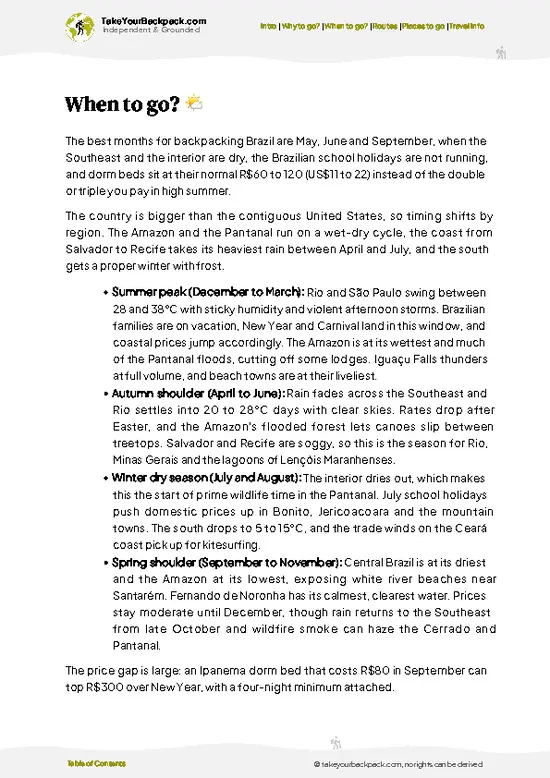
Brazil’s festival scene is a vibrant tapestry woven through the country’s diverse seasons. Understanding when to visit is crucial for maximizing both experience and budget.

Summer, from December to February, is peak festival season. This period is marked by sweltering heat and high humidity, especially in the northern regions. The energy is electric, with major celebrations like Carnival drawing massive crowds. Expect inflated prices for accommodations and travel, as everyone flocks to the festivities. If you thrive on high energy and don’t mind the hustle, this is your time. Just be prepared for long lines and packed venues.

Autumn, from March to May, offers a different vibe. The crowds thin out after Carnival, and the weather remains warm but starts to cool down. This shoulder season … read more 👉
Brazil’s festival scene is a vibrant tapestry woven through the country’s diverse seasons. Understanding when to visit is crucial for maximizing both experience and budget.

Summer, from December to February, is peak festival season. This period is marked by sweltering heat and high humidity, especially in the northern regions. The energy is electric, with major celebrations like Carnival drawing massive crowds. Expect inflated prices for accommodations and travel, as everyone flocks to the festivities. If you thrive on high energy and don’t mind the hustle, this is your time. Just be prepared for long lines and packed venues.

Autumn, from March to May, offers a different vibe. The crowds thin out after Carnival, and the weather remains warm but starts to cool down. This shoulder season is ideal for those seeking a more authentic experience. While major festivals may be fewer, local events pop up, showcasing regional culture without the overwhelming tourist presence. Prices for lodging and activities often drop, making it easier on the wallet.

Winter, from June to August, is Brazil’s dry season, particularly in the south. While it’s cooler, this period hosts unique festivals like Festa Junina, celebrating rural traditions with food, music, and dance. The atmosphere is more laid-back, and the crowds are manageable. However, some larger festivals may be absent, so travelers should weigh the trade-off of fewer events against a more intimate experience.

Spring, from September to November, brings a resurgence of activity. The weather warms up, and festivals like Oktoberfest in the south attract both locals and tourists. This season strikes a balance between vibrant celebrations and manageable crowds. Prices remain reasonable, making it a smart choice for budget-conscious travelers.

Seasonal constraints are essential to consider. Peak periods can lead to overwhelming crowds and higher costs, while quieter times may lack the energy of major events. Each season offers a unique lens through which to experience Brazilian culture. Understanding these dynamics allows for a more tailored travel experience, ensuring that the moments that truly matter are preserved for enjoyment.

festival hoppingTips for Visiting Multiple Destinations

Brazil’s festival scene is a whirlwind of energy, color, and culture. To make the most of it, travelers should cluster festivals regionally. Start in the northeast, where Carnival in Salvador kicks off the season. From there, head south to Recife for the vibrant Frevo and Maracatu celebrations. This route allows for a natural progression, minimizing travel time while maximizing festival exposure.

Timing is crucial. Each festival can take a few days, so plan for at least three to four days at each major stop. This pacing gives you time to soak in the atmosphere without burning out. Rushing from one event to another can lead to fatigue and missed experiences. Remember, it’s not just about the festivals; it’s about the journey between them.

Common pitfalls include underestimating travel distances … read more 👉
Brazil’s festival scene is a whirlwind of energy, color, and culture. To make the most of it, travelers should cluster festivals regionally. Start in the northeast, where Carnival in Salvador kicks off the season. From there, head south to Recife for the vibrant Frevo and Maracatu celebrations. This route allows for a natural progression, minimizing travel time while maximizing festival exposure.

Timing is crucial. Each festival can take a few days, so plan for at least three to four days at each major stop. This pacing gives you time to soak in the atmosphere without burning out. Rushing from one event to another can lead to fatigue and missed experiences. Remember, it’s not just about the festivals; it’s about the journey between them.

Common pitfalls include underestimating travel distances and over-scheduling. Brazil is vast, and travel times can be deceptive. Internal flights are often necessary, especially when moving between major cities. Be mindful of flight availability and book in advance to avoid last-minute stress. Buses are an option, but they can be slow and uncomfortable for long distances.

Consider the trade-offs between speed and depth of experience. While it might be tempting to hit as many festivals as possible, each event has its own unique vibe. Spending more time in fewer places often yields richer experiences. Budget constraints also come into play. Festivals can be free, but accommodations and food can add up quickly. Look for local guesthouses or hostels to keep costs manageable.

Flexibility is key. Festivals can change dates or be affected by weather, so having a loose itinerary allows for adjustments. Prioritize must-see events, but leave room for spontaneous discoveries. Engaging with locals can lead to unexpected recommendations that enhance your trip.

Strategic planning is essential. Use a map to visualize your route and identify clusters of festivals. This approach not only saves time but also allows for a more immersive experience. Each region has its own flavor, and understanding these nuances can elevate your journey.

In summary, combining Brazil’s festivals into one trip requires thoughtful planning and a willingness to adapt. By clustering events regionally, pacing yourself, and being mindful of logistics, you can create a festival experience that’s both exhilarating and enriching.

The ListMust-Visit festivals in Brazil

1 Carnival of Rio de Janeiro

samba parades, street blocos, elaborate costumes

Join crowds moving through city avenues as samba schools perform, drummers lead processions, and neighborhoods erupt in spontaneous street celebrations.

2 Rio de Janeiro New Year’s Eve

Copacabana beach, fireworks, white attire

Stand among millions on the sand, watch midnight fireworks over the Atlantic, and observe locals offering flowers to the sea.

3 São Paulo Gay Pride Parade

Avenida Paulista, rainbow floats, LGBTQ+ celebration

Walk with massive crowds through the city’s main avenue, surrounded by music, political banners, and a visible sense of community.

4 Festa Junina

rural dances, bonfires, traditional foods

Experience rural-inspired festivities with quadrilha dancing, corn-based treats, and locals gathering around bonfires in decorated town squares.

5 Rock in Rio

main stage spectacles, global headliners, festival city

See iconic artists perform in a purpose-built venue, explore themed areas, and experience large-scale concerts with diverse crowds.

6 Oktoberfest Blumenau

German beer halls, folk costumes, Bavarian music

Sample regional brews, watch traditional dances, and join thousands in a festival that transforms a southern city into a lively German enclave.

7 Parintins Folklore Festival

Amazonian legends, Boi-Bumbá rivalry, arena performances

Witness two teams retell local myths with giant puppets, vibrant costumes, and choreographed battles in a riverside stadium.

8 Festa de Iemanjá

sea offerings, Afro-Brazilian rituals, white flowers

Join crowds on the beach at dawn, watch processions carrying gifts to the water, and witness ceremonies honoring the sea goddess.

9 Festa de São João de Campina Grande

forró stages, giant tents, rural fairgrounds

Dance to live forró bands, eat regional snacks, and explore a sprawling festival site that recreates countryside traditions on a grand scale.

10 Festival de Cachaça de Paraty

artisan distilleries, tasting booths, colonial streets

Sample small-batch spirits, meet local producers, and wander cobbled lanes lined with pop-up bars and live music.

11 Festival de Inverno de Garanhuns

open-air stages, regional music, cultural diversity

Watch free concerts in city parks, discover local crafts, and experience a mix of musical styles from across Brazil’s northeast.

12 Festival de Cinema de Gramado

film premieres, red carpet, mountain resort

Attend screenings of new Latin American films, spot filmmakers at post-show talks, and enjoy a cinematic atmosphere in a scenic town.

13 Festival de Inverno de Ouro Preto

colonial architecture, art workshops, classical concerts

Attend performances in historic churches, join creative workshops, and explore a hillside town filled with temporary galleries and installations.

14 Festival de Jazz de Ouro Preto

intimate venues, improvisation, historic plazas

Hear jazz musicians play in candlelit rooms and open-air squares, with performances blending local rhythms and international influences.

15 Festa do Divino Espírito Santo

religious processions, symbolic crowns, communal feasts

Observe processions carrying sacred symbols, share meals with locals, and witness centuries-old rituals in small-town settings.

16 Festa de Nossa Senhora Aparecida

pilgrimage, basilica ceremonies, religious devotion

Join thousands walking to the country’s largest church, participate in masses, and observe faith-driven gatherings throughout the day.

Think you know Brazil?

Prove you’re a true local — uncover 6 lesser-known festivals in Brazil that locals tend to keep to themselves.
Loading the map 🌍

Expert viewExpert Commentary on festivals

Energy & Timing
Brazil is a festival powerhouse, but timing is everything. The big hitters, like Carnival, draw massive crowds and can feel overwhelming. If you’re looking for a more intimate vibe, consider smaller festivals that pop up throughout the year. Aim for two to three major festivals, plus a couple of local ones. This balance keeps your energy up and your budget in check.

Carnival typically falls in February or March, but it’s not just a party; it’s a cultural phenomenon. Expect to spend a good chunk of change on accommodations and transportation during peak times. If you can swing it, arrive a few days early to soak in the pre-festival atmosphere. The streets pulse with rehearsals, and you’ll get a taste of the local culture without the tourist stampede.

Cultural Context
Each … read more 👉
Energy & Timing
Brazil is a festival powerhouse, but timing is everything. The big hitters, like Carnival, draw massive crowds and can feel overwhelming. If you’re looking for a more intimate vibe, consider smaller festivals that pop up throughout the year. Aim for two to three major festivals, plus a couple of local ones. This balance keeps your energy up and your budget in check.

Carnival typically falls in February or March, but it’s not just a party; it’s a cultural phenomenon. Expect to spend a good chunk of change on accommodations and transportation during peak times. If you can swing it, arrive a few days early to soak in the pre-festival atmosphere. The streets pulse with rehearsals, and you’ll get a taste of the local culture without the tourist stampede.

Cultural Context
Each region has its own flavor. The Northeast is known for vibrant music and dance, while the South leans into traditional customs. Understanding these nuances can enhance your experience. For example, if you’re in Bahia for Carnival, immerse yourself in the local Afro-Brazilian culture. Participate in a Candomblé ceremony or try your hand at capoeira. These experiences are often free or low-cost, offering a richer understanding of the festival’s roots.

However, be mindful of cultural sensitivities. Some festivals, like Festa Junina, celebrate local traditions and may not be as tourist-friendly. Respect the customs and engage with locals. This isn’t just about watching; it’s about participating.

Crowd Management
Crowds can be a double-edged sword. While the energy is electric, it can also drain your spirit. Plan your festival attendance wisely. Arrive early to snag a good spot, especially for parades or performances. If you’re not a fan of large crowds, consider attending events on weekdays or during off-peak hours.

Also, keep an eye on safety. While Brazil is generally safe during festivals, petty crime can spike. Stay aware of your surroundings, keep valuables close, and avoid flaunting expensive gear. Trust your gut; if a situation feels off, it probably is.

Budget & Comfort Considerations
Festivals can be a budget buster if you’re not careful. Accommodations skyrocket during major events. Consider alternative lodging options like hostels or homestays to save cash. Eating street food is a delicious way to experience local flavors without breaking the bank. Just be cautious about where you eat; look for busy stalls with a good turnover to ensure freshness.

Transportation can also eat into your budget. Public transport is often the best bet, but it can get crowded. Factor in extra time for delays, especially during peak festival hours. If you’re traveling between cities, book your bus or train tickets in advance to avoid last-minute price hikes.

Planning & Prioritizing
Start your planning early. Research the festivals that resonate with you culturally and logistically. Make a list of must-see events, but also leave room for spontaneity. Some of the best experiences come from stumbling upon local celebrations or impromptu street parties.

Consider the infrastructure. Major cities are generally well-equipped for tourists, but rural areas may lack the same level of comfort. If you’re venturing off the beaten path, be prepared for basic accommodations and limited amenities. This can be a trade-off for a more authentic experience, but know your limits.

Safety & Cultural Considerations
Safety is paramount. While many festivals are safe, always stay alert. Avoid isolated areas, especially at night. If you’re traveling solo, connect with fellow festival-goers for added security.

Cultural respect is crucial. Each festival has its own significance, and it’s essential to honor that. Dress appropriately, especially for religious or traditional events. Engaging with locals can enhance your experience, but be mindful of boundaries. Not everyone may be open to tourists, and that’s okay.

Final Thoughts
Brazil’s festivals are a whirlwind of color, music, and culture. By choosing wisely, you can navigate the chaos and find joy in the experience. Prioritize your energy and budget, and don’t shy away from the unexpected. The real magic often lies in the moments you didn’t plan for. Embrace the chaos, respect the culture, and let the rhythm of Brazil sweep you off your feet.

✈️ The backpacker research shortcutBrazil Travel Guide

An offline-friendly backpacking guide with optimized travel routes, ranked highlights, transport advice, and the best areas to stay.
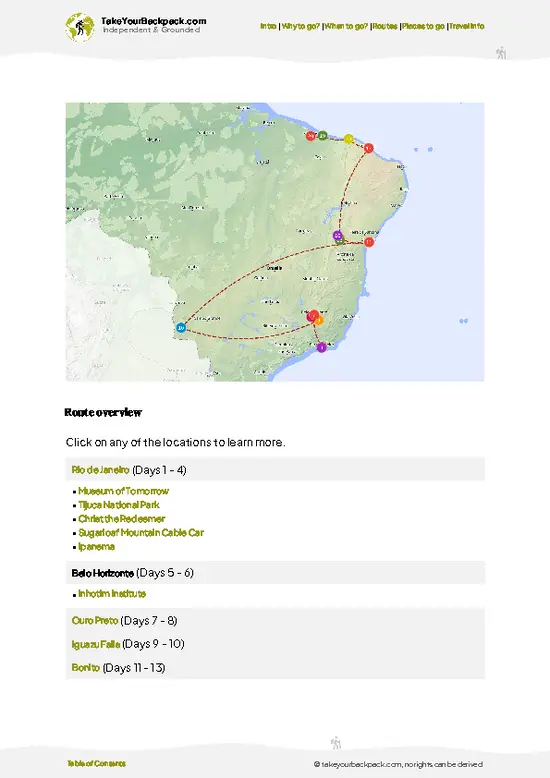
example page 0 from our offline Travel Guide for Brazil
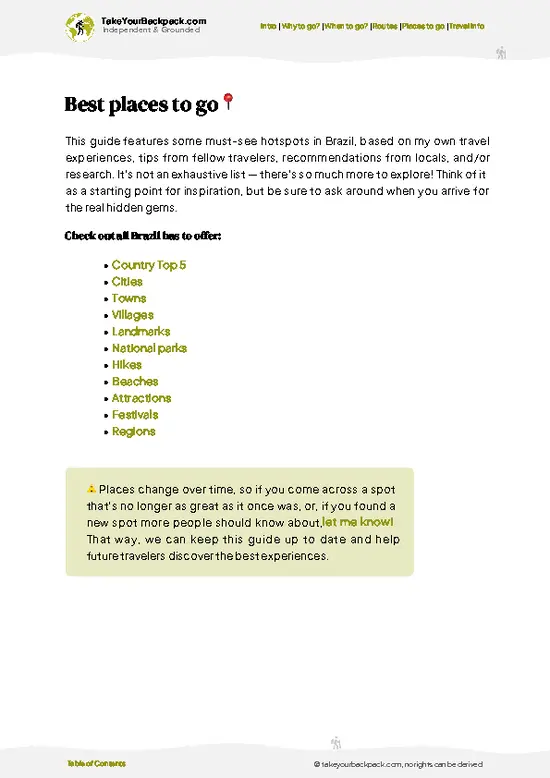
example page 1 from our offline Travel Guide for Brazil
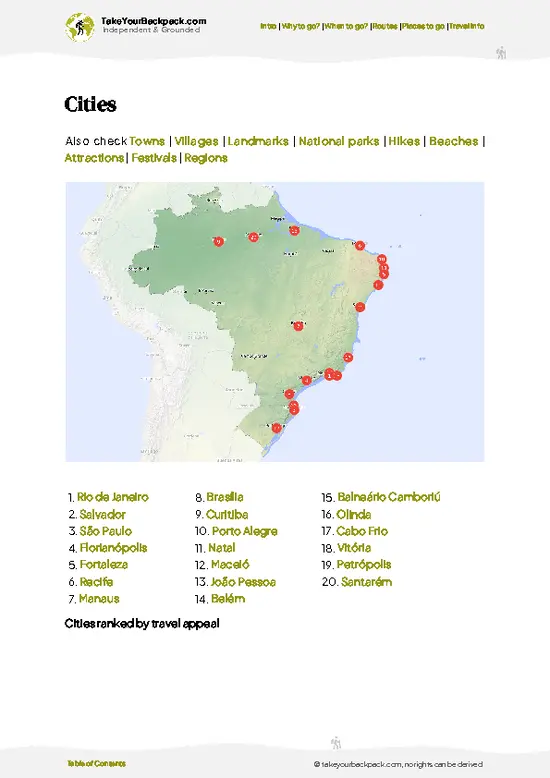
example page 2 from our offline Travel Guide for Brazil
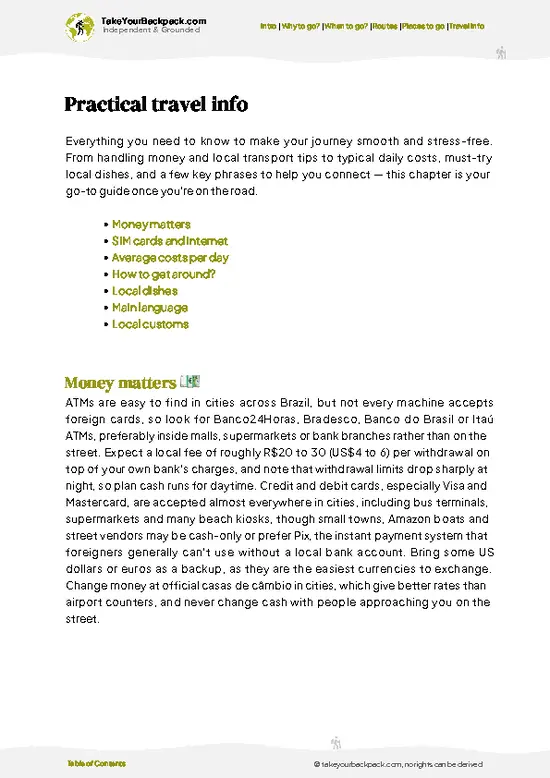
example page 3 from our offline Travel Guide for Brazil
example page 4 from our offline Travel Guide for Brazil
example page 5 from our offline Travel Guide for Brazil
example page 6 from our offline Travel Guide for Brazil
example page 7 from our offline Travel Guide for Brazil
The digital guide (516 pages) contains:
152 highlights, ranked by travel appeal
Optimized 14, 21 & 30-day travel routes
Cities, national parks, landmarks, beaches
How to get around
Offline-friendly for travel without Wi-Fi
👉 Click to see all 30+ guide features

📅 Plan smarter in minutes, not weeks
Month by month travel advice
Festivals & national holidays
Budget expectations

🗺️ Go to the right places, skip the overrated ones
Honest pros & cons of destinations
Top hikes, parks & viewpoints
Lesser-known places most travelers miss
Clear “worth it vs skip it” guidance

🛏️ Travel smoothly without rookie mistakes
Best areas to stay
Transport systems explained simply
Common scams & safety advice
SIM cards, money & practical tips

🌍 Understand the country, not just visit it
Culture & traditions
52 Essential phrases & customs
Festivals worth planning around
Traveler-friendly historical context
Insights that make places more meaningful

📱 Built for real travel conditions
Fully downloadable PDF
Works completely offline
Optimized for phone use
Useful in remote areas & buses
Everything in one place
Save weeks of stressful planning
Get instant access to your full guide. 30‑day money-back guarantee.


By proceeding you agree to our terms.
Sent to your inbox immediately after payment • 100% Secure Checkout
Best Backpacking Travel Advisor 2025 tourism awardBest Backpacking
Travel Advisor
2025
What others say about Take Your Backpack Guides:
⭐⭐⭐⭐⭐
Fantastic, amazing amount of information!
⭐⭐⭐⭐⭐
My goodness this is amazing, it's what I've been looking for hats off too you!
⭐⭐⭐⭐⭐
I think this is absolutely BRILLIANT
⭐⭐⭐⭐
Very complete and informative. It's still missing places, but I gotta to commend you
⭐⭐⭐⭐⭐
This is truly amazing, thank you, can't wait to explore it with my kids!
⭐⭐⭐⭐⭐
Awesome resource, thank you!
⭐⭐⭐⭐⭐
This is amazing! Can't wait to explore the ones I haven't seen
⭐⭐⭐⭐
I love this! Well done, great idea.
⭐⭐⭐⭐⭐
Thanks for taking the time to make this gem!
⭐⭐⭐⭐⭐
This might be the best website I've ever seen.
⭐⭐⭐⭐⭐
Congratulations, and thank you so much for your work; it's incredibly valuable.
⭐⭐⭐⭐
In all seriousness I think you did a great job pointing out the important spots
⭐⭐⭐⭐⭐
10/10 very good
⭐⭐⭐⭐⭐
As someone who's only just starting to visit regularly this is awesome, thank you.
⭐⭐⭐⭐
Thank you very much! I'm going to visit my dad, it's going to be very useful!
⭐⭐⭐⭐⭐
This is really cool! We'll be travelling for the first time and this definitely come in handy.
⭐⭐⭐⭐⭐
You are now our minister of culture, congratulations 👨‍💼
⭐⭐⭐⭐⭐
Just wanted to tell you that this is a pearl! Going to follow your recommendations.
⭐⭐⭐⭐⭐
This is so cool. I'll definitely be using the resource for my travels soon.
⭐⭐⭐⭐⭐
This is very impressive! Good work.
⭐⭐⭐⭐⭐
This is an amazing and informative site. Very well done!

🛏️ Where to stay?Top Places to Consider Staying

Yes — hostels and budget accommodation are widespread across Brazil, concentrated in tourist neighborhoods of major cities and popular beach towns, so backpackers will find options nearly everywhere.
Big-city hubs with the most choices include Copacabana and Ipanema in Rio (direct beach access and tourist policing but crowded and pricier), Santa Teresa (charismatic, close to sights, steep streets and pickpocket risk) and Lapa (best nightlife, loud and riskier at night); in São Paulo, Centro is very cheap and central but gritty after dark while Vila Madalena offers safer nightlife at slightly higher rates; coastal towns concentrate budget stays around Pelourinho and Barra in Salvador, Lagoa read more 👉
Yes — hostels and budget accommodation are widespread across Brazil, concentrated in tourist neighborhoods of major cities and popular beach towns, so backpackers will find options nearly everywhere.
Big-city hubs with the most choices include Copacabana and Ipanema in Rio (direct beach access and tourist policing but crowded and pricier), Santa Teresa (charismatic, close to sights, steep streets and pickpocket risk) and Lapa (best nightlife, loud and riskier at night); in São Paulo, Centro is very cheap and central but gritty after dark while Vila Madalena offers safer nightlife at slightly higher rates; coastal towns concentrate budget stays around Pelourinho and Barra in Salvador, Lagoa da Conceição and central areas in Florianópolis, and beach districts in Recife and Fortaleza, each trading proximity to beaches and nightlife for variable safety and higher peak-season prices.
Expect dorms and shared bathrooms, seasonal price spikes during Carnaval and summer, limited English outside core tourist zones, use lockers, keep valuables out of sight, avoid isolated streets at night, and book ahead for high season or festival dates.

If you enjoy meeting fellow travelers, consider choosing hostels with high ratings for atmosphere. On the other hand, if you prefer having your own space, a hotel might be a better option.

BrazilMore Places Across Brazil

👋 Meet the founderWho’s Behind Take Your Backpack?

Johan, backpacker and founder of TakeYourBackpackHi, I’m Johan (Netherlands 🇳🇱), the creator of TakeYourBackpack. Over the past decade, I’ve backpacked through 80+ countries across six continents, gaining extensive experience with independent travel, long-term trips, and overland routes.

This site is built on a combination of firsthand travel experience and carefully curated insights from other backpackers. Many guides are based on places I’ve personally visited, while others bring together tips, observations, and practical advice shared by trusted travelers I’ve met along the way.

The goal is to provide realistic, experience-driven guidance — not generic itineraries — so you can explore destinations with better context, clearer expectations, and more confidence.

Get full Brazil guide •
Instant download • 152 highlights • Full Offline guide