×

Cameroon🇨🇲 | townsPoliFaro riverbanks, Fulbe lamidat, millet and kola market | things to do and best time to go

Explore NgoumouExplore Mora

Backpacking in Poli
👌 Worth visitingtown ranked #22
By Johan Kruseman 🇳🇱 | Updated October 22, 2026

Poli suits slow, self-reliant travelers who like red dust roads, woodsmoke mornings and conversations in broken French or Fulfulde. Anyone wanting hostels, cafés or nightlife will find it thin. It sits in the north of Cameroon, in the Faro area, with blue Alantika ridges on the horizon. Streets are laneways of mud brick and tin, loud with motorbikes and market traders, and a shared mango bench gets you talking fast. Unlike busier Garoua, Poli is a quiet frontier town where visitors are noticed and welcomed.

Discover everything you want to know in the 📖 Cameroon Travel Guide.


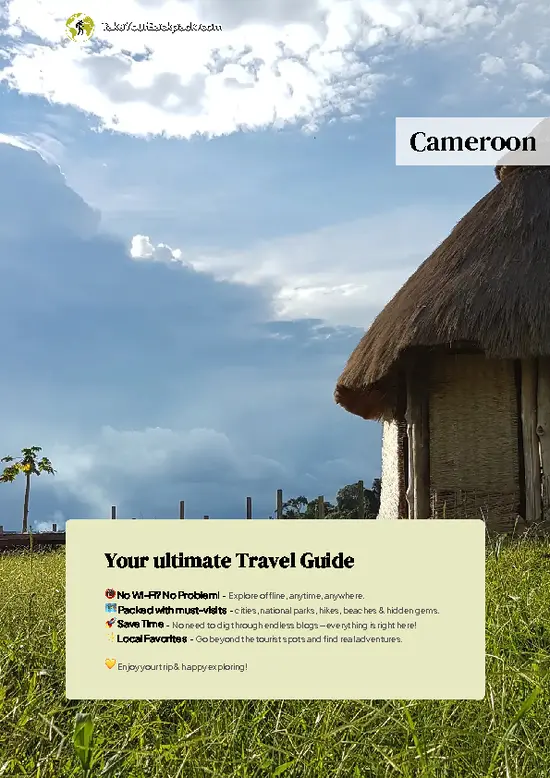
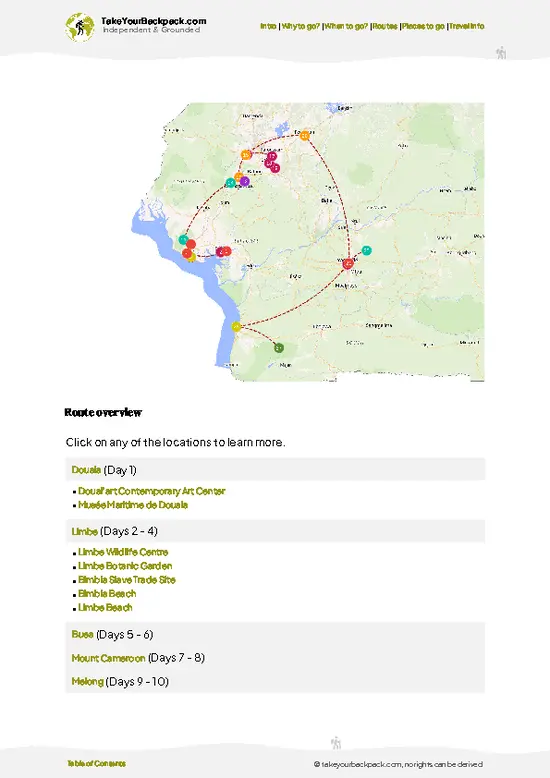
example page 0 from our offline Travel Guide for Cameroon
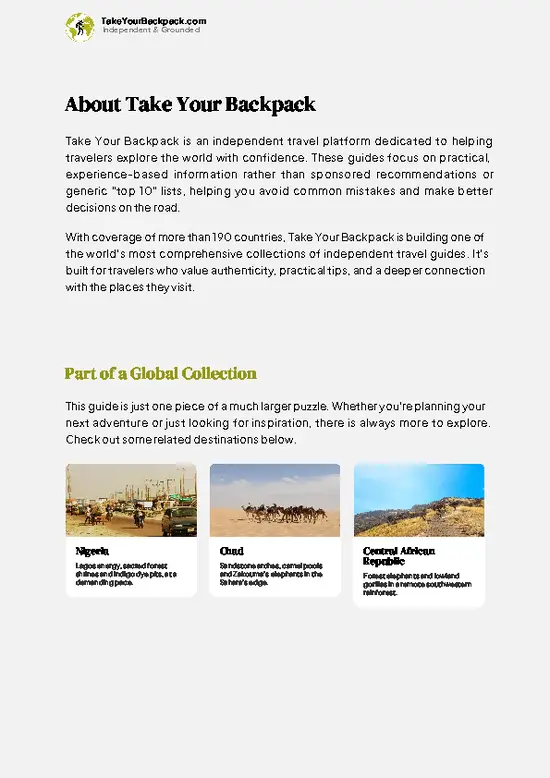
example page 1 from our offline Travel Guide for Cameroon
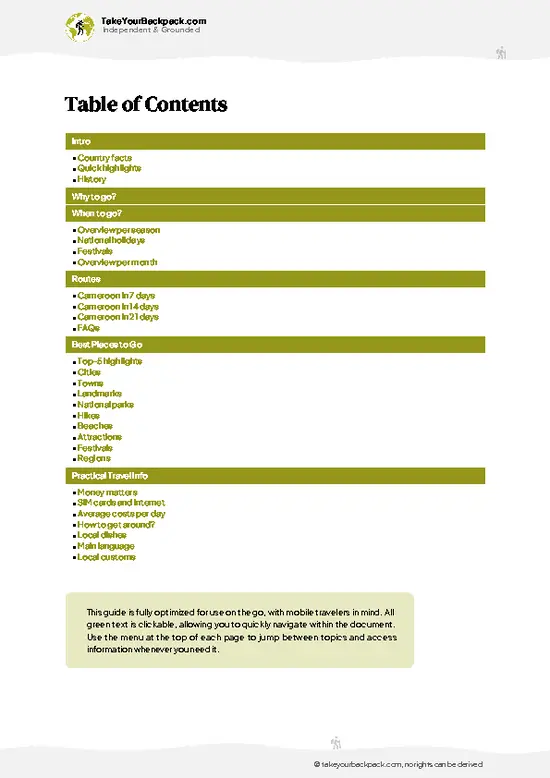
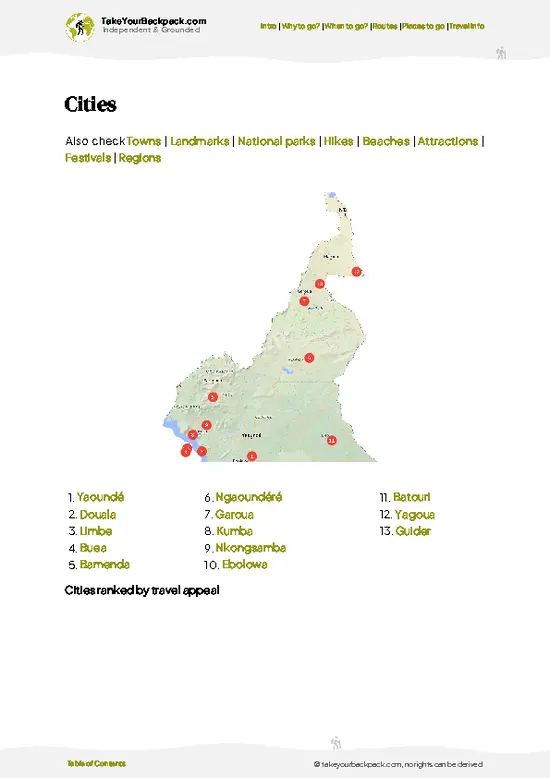
example page 2 from our offline Travel Guide for Cameroon
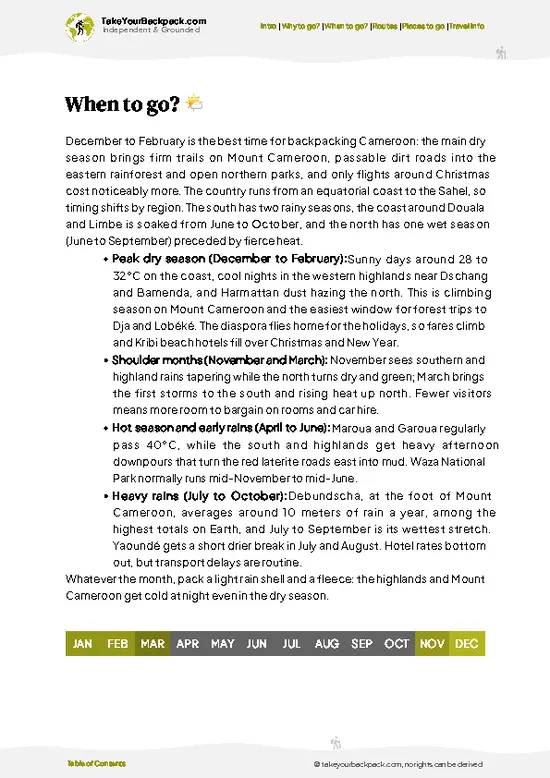
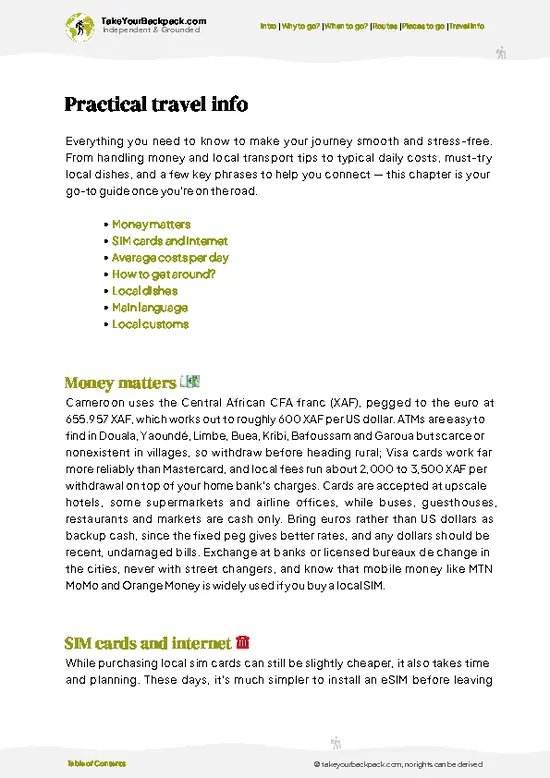
example page 3 from our offline Travel Guide for Cameroon
example page 4 from our offline Travel Guide for Cameroon
example page 5 from our offline Travel Guide for Cameroon
example page 6 from our offline Travel Guide for Cameroon
example page 7 from our offline Travel Guide for Cameroon
Loading the map 🌍
CLICK TO FILTER
cities
towns
landmarks
national parks
hikes
beaches
attractions
festivals
regions
SHOW COUNTRY’S BESTSHOW ALL

✨ Why go?
Ranked #22 town in Cameroon
Reasons people choose to visit here

Poli is worth the rough road if you want the northern Cameroon that hasn’t been repackaged for tourists. Its pull is the access to the Alantika Mountains, where Koma communities live in hill villages, and to Faro National Park on the wild side of the Faro River. Most people stay two or three nights, mostly to arrange guides and rides. It is social only in the local sense: market stalls, tea stands, curious neighbors. Self-sufficient solo travelers and small groups with patience and some French will enjoy it, while anyone who wants fixed schedules should skip it.

💡 HighlightsTop highlights of Poli

  1. Poli Central Market: The town’s real center, with piles of millet, dried fish, cotton cloth, peppers and kola nuts under tin awnings. Come early in the morning when traders arrive and the heat hasn’t built. Entry is free, and an hour or two is enough. Snacks run about €0.30 to 1.
  2. Lamidat of Poli: The seat of the local Fulbe chief, a reminder of the northern lamidat system that shapes local authority. Visit in the morning and ask politely at the entrance for permission and a greeting. Bring a small gift or token of about €1 to 3. Allow 30 to 45 minutes.
  3. Faro River banks: At the edge of town the river and its green banks give a break from the dust, with women washing, fishermen and herders crossing. Late afternoon is the easiest time for a walk. Free, and about an hour is enough.
Beyond town, the … read more 👉
  1. Poli Central Market: The town’s real center, with piles of millet, dried fish, cotton cloth, peppers and kola nuts under tin awnings. Come early in the morning when traders arrive and the heat hasn’t built. Entry is free, and an hour or two is enough. Snacks run about €0.30 to 1.
  2. Lamidat of Poli: The seat of the local Fulbe chief, a reminder of the northern lamidat system that shapes local authority. Visit in the morning and ask politely at the entrance for permission and a greeting. Bring a small gift or token of about €1 to 3. Allow 30 to 45 minutes.
  3. Faro River banks: At the edge of town the river and its green banks give a break from the dust, with women washing, fishermen and herders crossing. Late afternoon is the easiest time for a walk. Free, and about an hour is enough.
Beyond town, the Alantika Mountains with Koma villages and Faro National Park are the main day-trip targets. The market in the morning and the river walk at day’s end fit together neatly in one day.
Spotted a mistake or missing something? Contact us.

🏘️ NeighborhoodsUnderstanding the local layout

Poli is small enough to cover on foot in an afternoon, and its areas differ mostly by what happens on their streets.
  • Central market and main road: Red dust, motorbike horns and charcoal smoke gather here. Women sell grilled fish, plantains and peanuts from low tables, and you leave with a hot, cheap meal eaten standing up.
  • Lamidat quarter: The traditional chief’s compound sits among mud-brick and tin-roofed houses, with quiet lanes and greetings from every doorway. Ask politely before photographing, and you may get a short, memorable welcome.
  • Outskirts and river edges: Fields, goats and granite hills open up within a twenty-minute walk. Afternoons are hot and shadeless, but the view across the Faro plains is worth the sweat.

⌛️ 1 dayA smart one-day plan

7:30 AM: Poli Central Market Start with tea and bean fritters at a stall by the edge, then walk the aisles while traders are setting up. Buy fruit and water for later. It is the best place to hear Fulfulde and French mix.

10:00 AM: Lamidat of Poli Walk over for a polite greeting and, if received, a short look around. Dress modestly with covered shoulders and knees. Keep it brief and respectful.

12:30 PM: Midday rest Eat rice or grilled meat at a small local restaurant and sit out the strongest heat in shade.

3:30 PM: Faro River banks Off the usual route, follow the footpaths downhill past gardens to the water. Herders, washing and fishing give you a view of daily life, and the walk loops back to town in under an hour.

6:00 PM: Evening street stalls Finish with brochettes and cold drinks as the lamps come on.

🌤️ When to go?Seasonal considerations and timing

  • Dry Season (November to March): Clear skies, cool dusty mornings near 18°C (64°F) and afternoons of 32 to 35°C (90 to 95°F). Harmattan haze can dull views, and tracks are easiest now.
  • Hot Months (April and May): Heat can reach 38°C (100°F) before storms begin.
  • Rainy Season (June to October): Daily highs of 26 to 30°C (79 to 86°F), muddy roads and slower transport, but green hills and few other travelers.
Aim for December or January if you want firm roads and cool starts.

source: climatestotravel.comJANJanuary: highly recommended for travelingFEBFebruary: excellent for travelingMARMarch: excellent for travelingAPRApril: fair for travelingMAYMay: fair for travelingJUNJune: fair for travelingJULJuly: fair for travelingAUGAugust: fair for travelingSEPSeptember: fair for travelingOCTOctober: fair for travelingNOVNovember: highly recommended for travelingDECDecember: highly recommended for traveling
when-to-go

✈️ The backpacker research shortcutCameroon Travel Guide

An offline-friendly backpacking guide with optimized travel routes, ranked highlights, transport advice, and the best areas to stay.
example page 0 from our offline Travel Guide for Cameroon
example page 1 from our offline Travel Guide for Cameroon
example page 2 from our offline Travel Guide for Cameroon
example page 3 from our offline Travel Guide for Cameroon
example page 4 from our offline Travel Guide for Cameroon
example page 5 from our offline Travel Guide for Cameroon
example page 6 from our offline Travel Guide for Cameroon
example page 7 from our offline Travel Guide for Cameroon
The digital guide (351 pages) contains:
✅ 84 highlights, ranked by travel appeal
✅ Optimized 7, 14 & 21-day travel routes
✅ Cities, national parks, landmarks, beaches
✅ How to get around
✅ Offline-friendly for travel without Wi-Fi
👉 Click to see all 30+ guide features

📅 Plan smarter in minutes, not weeks
✅ Month by month travel advice
✅ Festivals & national holidays
✅ Budget expectations

🗺️ Go to the right places, skip the overrated ones
✅ Honest pros & cons of destinations
✅ Top hikes, parks & viewpoints
✅ Lesser-known places most travelers miss
✅ Clear “worth it vs skip it” guidance

🛏️ Travel smoothly without rookie mistakes
✅ Best areas to stay
✅ Transport systems explained simply
✅ Common scams & safety advice
✅ SIM cards, money & practical tips

🌍 Understand the country, not just visit it
✅ Culture & traditions
✅ 52 Essential phrases & customs
✅ Festivals worth planning around
✅ Traveler-friendly historical context
✅ Insights that make places more meaningful

📱 Built for real travel conditions
✅ Fully downloadable PDF
✅ Works completely offline
✅ Optimized for phone use
✅ Useful in remote areas & buses
✅ Everything in one place
Stop searching, start planning
Get instant access to your full guide. 30‑day money-back guarantee.
+ Add another guide for just

By proceeding you agree to our terms.
Sent to your inbox immediately after payment • 100% Secure Checkout
Best Backpacking Travel Advisor 2025 tourism awardBest Backpacking
Travel Advisor
2025
What others say about Take Your Backpack Guides:
⭐⭐⭐⭐⭐
Fantastic, amazing amount of information!
⭐⭐⭐⭐⭐
My goodness this is amazing, it's what I've been looking for hats off too you!
⭐⭐⭐⭐⭐
I think this is absolutely BRILLIANT
⭐⭐⭐⭐
Very complete and informative. It's still missing places, but I gotta to commend you
⭐⭐⭐⭐⭐
This is truly amazing, thank you, can't wait to explore it with my kids!
⭐⭐⭐⭐⭐
Awesome resource, thank you!
⭐⭐⭐⭐⭐
This is amazing! Can't wait to explore the ones I haven't seen
⭐⭐⭐⭐
I love this! Well done, great idea.
⭐⭐⭐⭐⭐
Thanks for taking the time to make this gem!
⭐⭐⭐⭐⭐
This might be the best website I've ever seen.
⭐⭐⭐⭐⭐
Congratulations, and thank you so much for your work; it's incredibly valuable.
⭐⭐⭐⭐
In all seriousness I think you did a great job pointing out the important spots
⭐⭐⭐⭐⭐
10/10 very good
⭐⭐⭐⭐⭐
As someone who's only just starting to visit regularly this is awesome, thank you.
⭐⭐⭐⭐
Thank you very much! I'm going to visit my dad, it's going to be very useful!
⭐⭐⭐⭐⭐
This is really cool! We'll be travelling for the first time and this definitely come in handy.
⭐⭐⭐⭐⭐
You are now our minister of culture, congratulations 👨‍💼
⭐⭐⭐⭐⭐
Just wanted to tell you that this is a pearl! Going to follow your recommendations.
⭐⭐⭐⭐⭐
This is so cool. I'll definitely be using the resource for my travels soon.
⭐⭐⭐⭐⭐
This is very impressive! Good work.
⭐⭐⭐⭐⭐
This is an amazing and informative site. Very well done!

🛏️ Where to stay?Best areas to stay in Cameroon

The area around the central market and main road is the best choice for a budget bed, since guesthouses are concentrated there and everything is within a short walk. Rooms are basic, dorms do not exist, and private rooms with a fan typically cost €6 to 15. Noise starts early with roosters, motorbikes and market trade, so bring earplugs. Transport to Garoua leaves from this same strip, which saves you a dawn hike with luggage. The quieter lanes near the lamidat suit lighter sleepers, though options are fewer and the walk back is dark, so carry a headlamp.

🚌 Getting aroundHow to get around Poli

Poli is best covered on foot, with a motorbike taxi for anything beyond the market, because the town is compact and the roads are mostly packed earth. Traffic is light, and public transport is informal and unscheduled.
  • Walking: Free, and the center takes under 30 minutes end to end. Mornings are cool and full of chatter, but afternoon sun is fierce, so carry water.
  • Motorbike taxis: Rides in town cost about €0.30 to 0.80, and you hold on through dust and potholes while the hills slide past. Agree the fare first, and expect fewer riders after dark.
  • Shared bush taxis: Cars and minibuses to Garoua or Tcholliré leave from the main road once full, usually early morning, and cost roughly €5 to 12. Seats are tight, bags go on the roof, and the ride can take 4 to 6 hours on rough sections, longer in the
… read more 👉
Poli is best covered on foot, with a motorbike taxi for anything beyond the market, because the town is compact and the roads are mostly packed earth. Traffic is light, and public transport is informal and unscheduled.
  • Walking: Free, and the center takes under 30 minutes end to end. Mornings are cool and full of chatter, but afternoon sun is fierce, so carry water.
  • Motorbike taxis: Rides in town cost about €0.30 to 0.80, and you hold on through dust and potholes while the hills slide past. Agree the fare first, and expect fewer riders after dark.
  • Shared bush taxis: Cars and minibuses to Garoua or Tcholliré leave from the main road once full, usually early morning, and cost roughly €5 to 12. Seats are tight, bags go on the roof, and the ride can take 4 to 6 hours on rough sections, longer in the rains.
  • Chartered motorbike: Day hires to nearby villages run about €10 to 20 including fuel, and take you to places no car reaches.

👛 Costs (as of 22 October 2026)How expensive it really is

Poli costs about €22 to 40 a day for a backpacker, with a total of €33 at high-season rates.
CategoryBudget RangeLocal Reality
Dorm accommodation€6 to 12No dorms exist, so a basic private room with a fan is the norm.
Meals€5 to 9Grilled fish, rice and sauce, and street snacks fill you up.
Local transport€2 to 5Motorbike taxis for short hops, paid in cash.
Basic activities/entry fees€3 to 8Mostly free village walks, with occasional guide fees.
Miscellaneous expenses€2 to 5Water, phone credit and small tips.
Total Daily Budget€33Higher if you hire a motorbike for the day.
Eat where locals do and buy water in larger bottles to cut costs. Carry cash, since cards are rarely accepted.
⚠️ Prices can change and everyone travels differently, so take this as a rough guide. Hope it helps you plan your adventure!

🚌 Day tripsShort trips worth adding

Poli works as a base for short rural outings, though transport is informal, so start early.Faro Plains and Hill Villages: Hire a motorbike for the day (€10 to 20) and ride dirt tracks to Peuhl and Koma-area villages among granite outcrops. Go from November to February, when tracks are dry. First-timers often leave without enough water.
Faro National Park Edge: The park lies close to the Faro River, with chances of seeing hippos and birds near its fringes. Count on €20 to 40 for transport, plus entry fees and a guide. Visit in the dry season, because rains close tracks.
👉 Explore Faro National ParkTcholliré Market Run: This is a long day by shared car (€5 to 10 each way) to a larger market town. Leave at dawn so you are not stuck without a return seat.

🛡️ SafetyStaying Safe: What Travelers Should Know

Poli is broadly calm, and most problems are small. Pickpocketing in the market crowd is possible, so keep valuables in a front pocket. Roads outside town are dark and rough, so avoid traveling at night, and women traveling solo will find daytime fine but should arrange transport before dusk. Officials and police may check documents at roadblocks, so carry a passport copy and stay polite. Ask before photographing people or the lamidat. The northern border regions of Cameroon call for checking current government advice before you go.

FAQTraveler FAQ

Poli is worth a visit only if you want the rugged, little-visited Faro department of northern Cameroon, and it is a poor choice as a quick stopover. The town sits on the edge of the Alantika and Atlantika mountains, with Duupa and Koma highland villages reachable on foot or by motorbike taxi for roughly €3 to 8 a trip. Poli has no tourist infrastructure to speak of, so expect basic guesthouses at about €6 to 15 a night and meals of grilled meat, sauce and corn paste for €1 to 2. Roads are rough and slow, so it suits travelers who like self-reliance more than sights ticked off.
Plan two to three full days in Poli, plus travel time in and out. One day covers the market and the town itself, and a second lets you head up toward the surrounding mountain villages by motorbike taxi (about €5 to 10 for a half or full day, bargained locally). A third day gives slack for delays, because shared transport from Garoua often takes 5 to 7 hours on rough roads and leaves when full. In the rainy season, add a buffer day, since tracks into the hills turn to mud.
A day trip to Poli from a nearby city is not realistic. Garoua, the closest major hub, lies roughly 150 to 200 km away by a mix of paved and rough road, and shared taxis or minibuses take around 5 to 7 hours one way, often leaving only when full. That leaves no time on the ground before the last vehicles depart, so overnight in Poli, at about €6 to 15 for a basic room. Fares from Garoua run roughly €6 to 12, which makes a single overnight stay far better value than a rushed return.
⚠️ Things can change over time, so always validate details locally before you go.

Other Cameroonian towns near Poli

Explore more nearby:

  • Tibati—Crater lake, Fulani lamido, Adamawa skewers| 233 km away
  • Meiganga—Zebu cattle market, Fulani quarter, Adamawa grills| 247 km away
  • Banyo—Fulani lamidat, cattle traders, grassland hills| 249 km away

💡 Not sure where to go next?
Create a personalized itinerary for Cameroon including Poli and the places that fit your trip.

Generate my itinerary

👉 Discover all towns

Or checkout all Cameroon has to offer (think cities, towns, villages, national parks, hikes, beaches, festivals)
Country photo of Cameroon

We 💚 feedbackWhat to keep in mind

Poli’s classic mistake is showing up with no plan for the mountains or park, then losing a day to waiting. Ask around the market for a guide and a motorbike the evening you arrive, and carry small bills.

✍️ Help improve this page!
The information on this page is based on in-depth research, insights shared by experienced travelers, and feedback from the local travel community in Cameroon. While every effort is made to keep the information accurate and current, conditions can change — so if you spot anything incorrect or outdated, please get in touch.


🙋‍♂️ Give feedback

👋 Meet the founderWho’s Behind Take Your Backpack?

Johan, backpacker and founder of TakeYourBackpackHi, I’m Johan (Netherlands 🇳🇱), the creator of TakeYourBackpack. Over the past 3 decades, I’ve backpacked through 90+ countries across six continents, gaining extensive experience with independent travel, long-term trips, and overland routes.

This site is built on a combination of firsthand travel experience and carefully curated insights from other backpackers. Many guides are based on places I’ve personally visited, while others bring together tips, observations, and practical advice shared by trusted travelers I’ve met along the way.

The goal is to provide realistic, experience-driven guidance — not generic itineraries — so you can explore destinations with better context, clearer expectations, and more confidence.