×

Chad🇹🇩 | best hikesThe 6 Top hikes in Chad

In Chad, the best hikes offer a striking blend of rugged terrain and cultural richness, but choosing wisely is crucial for an enriching experience. The country’s diverse landscapes—from the Sahara Desert to the Tibesti Mountains—present varying levels of difficulty and altitude that can significantly impact your journey.

Hikes in the north, like those in the Tibesti, demand a solid fitness level and reward you with breathtaking views, while southern trails are more accessible and often feature lush scenery. Seasonal factors also play a role; the dry season (November to March) is ideal for trekking, as the weather is more forgiving.

Selecting the right hike shapes your overall vibe, influences your budget, and affects your safety. Independent travel in Chad requires awareness of local customs and logistics, making it essential to align your hiking choices with your travel style for a truly immersive experience.

By Johan Kruseman 🇳🇱 | Updated September 4, 2026
Explore the best beaches in Chad

Why go?Understanding Their Importance

Hiking in Chad offers a unique blend of terrain variety and cultural richness that sets it apart from other countries. The landscape ranges from the sandy expanses of the Sahara to the rugged mountains of the Tibesti, providing a diverse backdrop for any trekker. This variety means hikers can experience everything from arid desert trails to lush, green valleys, each with its own set of challenges and rewards.

However, the altitude and trail infrastructure can be a double-edged sword. While the Tibesti Mountains offer breathtaking views, the high altitudes can be taxing, especially for those unaccustomed to such conditions. Trail maintenance is often lacking, which can lead to unexpected difficulties. Hikers must be prepared for rugged paths and the possibility of navigating without clear … read more 👉
Hiking in Chad offers a unique blend of terrain variety and cultural richness that sets it apart from other countries. The landscape ranges from the sandy expanses of the Sahara to the rugged mountains of the Tibesti, providing a diverse backdrop for any trekker. This variety means hikers can experience everything from arid desert trails to lush, green valleys, each with its own set of challenges and rewards.

However, the altitude and trail infrastructure can be a double-edged sword. While the Tibesti Mountains offer breathtaking views, the high altitudes can be taxing, especially for those unaccustomed to such conditions. Trail maintenance is often lacking, which can lead to unexpected difficulties. Hikers must be prepared for rugged paths and the possibility of navigating without clear markers. This lack of infrastructure can deter some, but for those willing to embrace the challenge, it leads to a more immersive experience.

Logistics are another crucial factor. Travel times can be lengthy due to limited transportation options, which often means sacrificing convenience for depth of exploration. The remote nature of many trails means that hikers may need to plan for extended periods away from civilization, making it essential to carry adequate supplies and be self-sufficient.

Chad’s climatic conditions also play a significant role in hiking experiences. The best times to hike are during the cooler months, from November to February, when temperatures are more manageable. However, even during these months, the heat can be intense, and safety should always be a priority.

In summary, hiking in Chad is not for the faint of heart. The trade-offs between difficulty and scenic reward, as well as accessibility and immersive experiences, require careful consideration. Those who venture into Chad’s wild landscapes will find themselves rewarded with a profound connection to both the land and its rich cultural tapestry.
Why These Made the Cut
The list of best hikes in Chad is created based on scenery, challenge, trail quality, landmarks, and overall enjoyment. If you feel a hike is missing in this list, please let us know.

When to go?When to Plan Your Trip

Seasonality in Chad


Chad’s hiking conditions shift dramatically throughout the year. Understanding these changes is crucial for maximizing both safety and enjoyment.

The dry season, typically from November to March, offers the most favorable hiking conditions. Daylight hours are plentiful, allowing for longer treks. Temperatures can soar, especially in the afternoons, so early starts are essential. Altitude plays a role here; higher trails may be cooler but can still present challenges due to elevation.

As the dry season wanes into the shoulder months of April and May, temperatures rise further. This period can be a double-edged sword. Fewer crowds mean a more solitary experience, but the heat can be oppressive. Hydration becomes critical, and planning hikes for early morning or late … read more 👉

Seasonality in Chad


Chad’s hiking conditions shift dramatically throughout the year. Understanding these changes is crucial for maximizing both safety and enjoyment.

The dry season, typically from November to March, offers the most favorable hiking conditions. Daylight hours are plentiful, allowing for longer treks. Temperatures can soar, especially in the afternoons, so early starts are essential. Altitude plays a role here; higher trails may be cooler but can still present challenges due to elevation.

As the dry season wanes into the shoulder months of April and May, temperatures rise further. This period can be a double-edged sword. Fewer crowds mean a more solitary experience, but the heat can be oppressive. Hydration becomes critical, and planning hikes for early morning or late afternoon is advisable.

The rainy season, from June to October, brings significant challenges. Trails can become muddy and inaccessible, particularly in lower areas. While the landscape transforms into a lush green, the risk of flash floods increases. Daylight hours are shorter, and the humidity can be draining. Recovery needs are heightened; rest days may be necessary to cope with the heat and wet conditions.

Travelers should also consider peak periods. Major holidays can lead to increased local traffic, affecting trail access and overall experience. Costs may rise during these times, so budgeting accordingly is wise.

In summary, the best time to hike in Chad is during the dry season, with careful planning during shoulder months to balance the trade-offs of heat and solitude. The rainy season is best avoided unless one is prepared for the unique challenges it presents.

hike hoppingTips for Visiting Multiple Destinations

General Routing Logic

Chad’s diverse landscapes demand a smart approach to hiking. Start in the north with the rugged terrain of the Tibesti Mountains, then work your way south. This route allows for a natural acclimatization to altitude changes. The key is to cluster hikes regionally. This minimizes travel time and maximizes exploration.

Typical Time Needed

Plan for at least three to four days in each major region. This allows for recovery time between hikes, especially after tackling the more strenuous trails. Each hike can range from a few hours to full-day treks, depending on difficulty. Factor in rest days to recharge and soak in the surroundings.

Common Planning Mistakes

One major pitfall is underestimating the physical demands of the terrain. Hikers often rush from one stop to … read more 👉

General Routing Logic

Chad’s diverse landscapes demand a smart approach to hiking. Start in the north with the rugged terrain of the Tibesti Mountains, then work your way south. This route allows for a natural acclimatization to altitude changes. The key is to cluster hikes regionally. This minimizes travel time and maximizes exploration.

Typical Time Needed

Plan for at least three to four days in each major region. This allows for recovery time between hikes, especially after tackling the more strenuous trails. Each hike can range from a few hours to full-day treks, depending on difficulty. Factor in rest days to recharge and soak in the surroundings.

Common Planning Mistakes

One major pitfall is underestimating the physical demands of the terrain. Hikers often rush from one stop to another, sacrificing depth of experience for speed. This can lead to burnout and missed opportunities. Prioritize quality over quantity.

Trade-offs and Constraints

Balancing speed and depth is crucial. A fast-paced itinerary might seem appealing, but it often results in fatigue and a shallow experience. Budget constraints can also limit comfort, especially in remote areas. Consider investing in local guides; they enhance the experience and provide invaluable insights.

Realistic Pacing and Flexibility

Flexibility is your best friend. Weather can change quickly, and trail conditions may vary. Build in buffer days to adjust plans as needed. This approach not only preserves energy but also opens up spontaneous adventures. Prioritize hikes that resonate with personal interests, whether it’s breathtaking views or cultural encounters.

The ListHighly Recommended hikes of Chad

1 Ennedi Plateau

sandstone towers, prehistoric rock art, natural arches, remote canyons

Traverse a labyrinth of sculpted cliffs and ancient carvings, where shifting light reveals the stark beauty of the Sahara’s heart.

2 Ounianga Lakes

desert lakes, salt flats, palm-fringed shores, contrasting colors

Walk between vivid blue lakes and white salt pans, where palms and water defy the surrounding desert’s arid expanse.

3 Fada Arch Trail

rock arch, wind-carved formations, open plateaus, sparse vegetation

Approach a dramatic natural arch rising from open plains, with wind-shaped rocks and wide horizons defining the landscape.

chad-hike-fada-arch-trail
© Google |

4 Guera Massif

granite domes, baobab groves, seasonal streams, rural villages

Climb through rounded hills dotted with baobabs, passing isolated communities and watercourses that shape the rhythm of local life.

5 Borkou Desert Trail

dune fields, volcanic outcrops, nomad camps, endless horizons

Cross shifting sands and black volcanic ridges, encountering nomadic encampments and the vast silence of northern Chad’s desert.

6 Manda Guéli Trail

savanna hills, ancient ruins, wildlife tracks, seasonal grasslands

Follow faint paths through grassy hills and scattered ruins, where animal trails and changing vegetation mark the transition zone.

Loading the map 🌍

Expert viewTips and Advice from Travelers

Trail Logistics

Chad’s hiking scene is as diverse as its landscapes. Expect to tackle a mix of terrains, from rocky outcrops to sandy expanses. You’ll want to plan for at least three to five hikes to get a real taste of what the country has to offer. Each hike has its own flavor, and skipping any could mean missing out on a unique experience.

The logistics can be tricky. Many trails lack clear signage, so a good map or GPS is essential. Local guides are invaluable not just for navigation but also for cultural insights. They can help you avoid common pitfalls, like straying into areas with restricted access or encountering wildlife unexpectedly. Always check in with local authorities or your guide about trail conditions; they can change rapidly due to weather or seasonal factors.

Altitude

read more 👉

Trail Logistics

Chad’s hiking scene is as diverse as its landscapes. Expect to tackle a mix of terrains, from rocky outcrops to sandy expanses. You’ll want to plan for at least three to five hikes to get a real taste of what the country has to offer. Each hike has its own flavor, and skipping any could mean missing out on a unique experience.

The logistics can be tricky. Many trails lack clear signage, so a good map or GPS is essential. Local guides are invaluable not just for navigation but also for cultural insights. They can help you avoid common pitfalls, like straying into areas with restricted access or encountering wildlife unexpectedly. Always check in with local authorities or your guide about trail conditions; they can change rapidly due to weather or seasonal factors.

Altitude and Recovery

Chad’s elevation varies significantly, which can impact your hiking experience. Some trails ascend to altitudes that may leave you breathless if you’re not acclimatized. If you’re coming from sea level, give yourself a day or two to adjust. This isn’t just a suggestion; it’s a necessity. You don’t want to waste your energy on headaches or fatigue when you could be soaking in the views.

Recovery is equally important. After a long day on the trail, prioritize hydration and nutrition. Local cuisine can be a mixed bag, so pack some reliable snacks. Think protein bars or nuts, especially if you’re venturing into remote areas where food options are limited. You’ll need that energy for the next day’s adventure.

Difficulty and Pacing

Difficulty levels vary widely across Chad’s trails. Some are beginner-friendly, while others demand serious stamina and experience. Don’t underestimate the challenge of the more rugged paths. If you’re not in peak physical condition, opt for easier hikes and build up your endurance.

Pacing is crucial. Many hikers underestimate how long it takes to cover distances in Chad due to the terrain and climate. Plan for slower speeds, especially in the heat. Start early to avoid the midday sun, and take regular breaks. Listen to your body; if you’re feeling drained, don’t hesitate to cut a hike short. It’s better to enjoy a shorter trail than to push through and risk injury.

Planning and Prioritizing Hikes

When planning your hikes, consider the time of year. The dry season is ideal, but it can also mean more tourists. If you’re looking for solitude, aim for the shoulder seasons. This is when you can enjoy the trails without the crowds, but be prepared for unpredictable weather.

Prioritize hikes based on your interests. If you’re drawn to cultural experiences, seek out trails that pass through local villages. This not only enriches your journey but also supports the communities you encounter. However, be mindful of cultural norms. Always ask before taking photos or entering sacred spaces. Respect goes a long way in building rapport with locals.

Regional Variation and Infrastructure

Chad’s infrastructure can be a challenge. Roads are often in poor condition, and public transport is limited. This means you’ll likely need to hire a vehicle or join a guided tour to reach trailheads. Factor this into your budget and time. It’s not just about the hike; it’s about getting there.

Regional variations also play a role in your hiking experience. The north is arid and remote, while the south is more lush and populated. Each region offers distinct trails and experiences. If you’re short on time, focus on one area to maximize your experience. Don’t try to cram too much into your itinerary; it’ll only lead to frustration.

Safety and Cultural Considerations

Safety should be your top priority. Always check travel advisories before heading out. Some areas may have security concerns, so stay informed. When hiking, travel in groups whenever possible. There’s safety in numbers, and it enhances the experience.

Culturally, Chad is rich and diverse. Engage with locals, but do so respectfully. Learn a few basic phrases in French or Arabic; it can open doors and create goodwill. Be aware of local customs, especially regarding dress and behavior. This isn’t just about being polite; it’s about ensuring a smoother experience on the trails.

In summary, Chad offers a wealth of hiking opportunities that can be both exhilarating and challenging. With careful planning, respect for the land and its people, and a willingness to adapt, you can create a hiking experience that’s not just memorable but transformative.

✈️ The backpacker research shortcutChad Travel Guide

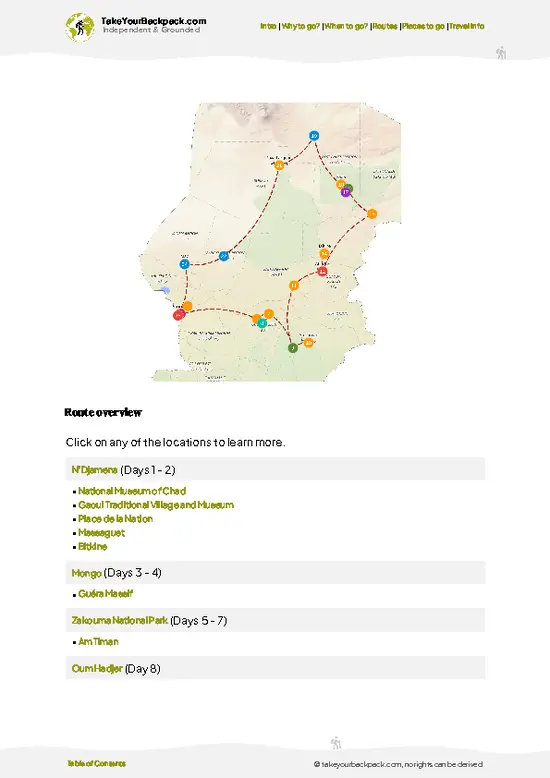
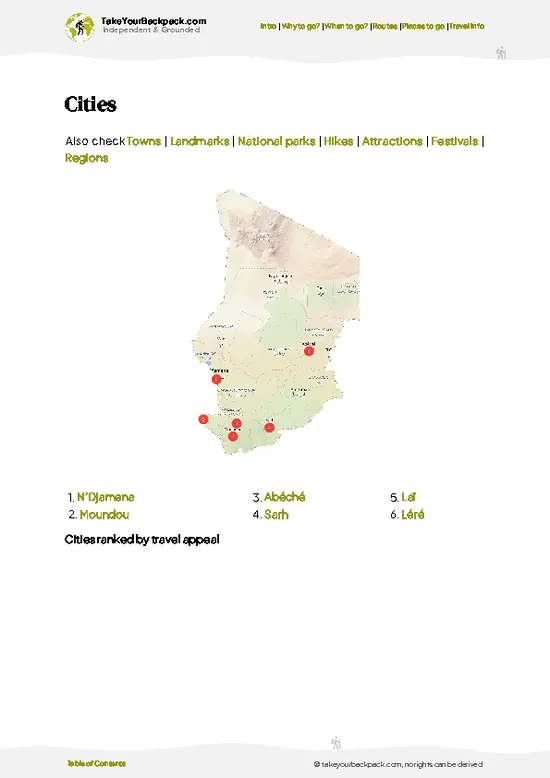
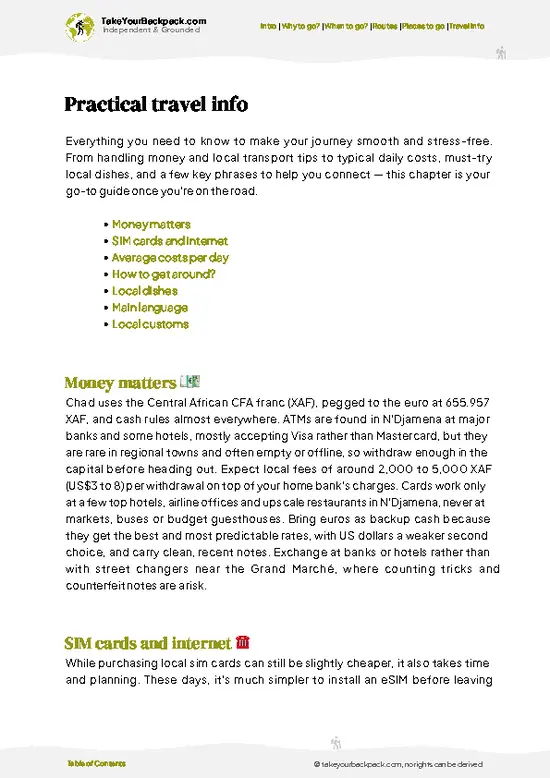
An offline-friendly backpacking guide with optimized travel routes, ranked highlights, transport advice, and the best areas to stay.
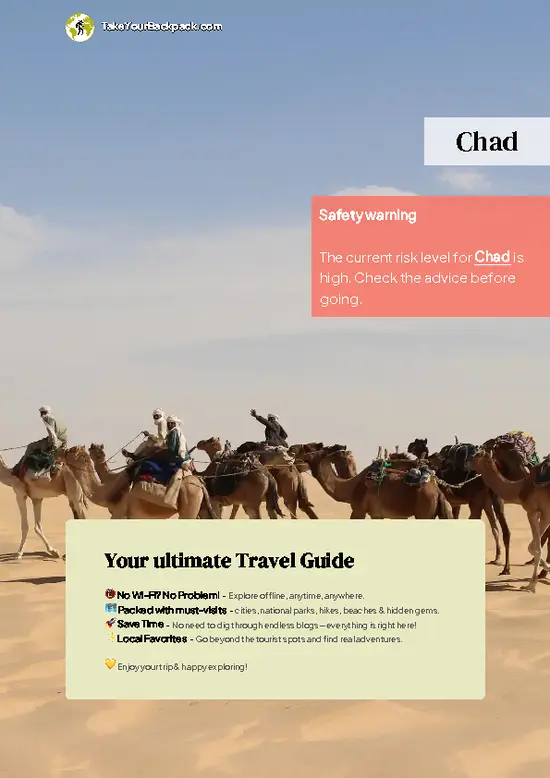
example page 0 from our offline Travel Guide for Chad
example page 1 from our offline Travel Guide for Chad
example page 2 from our offline Travel Guide for Chad
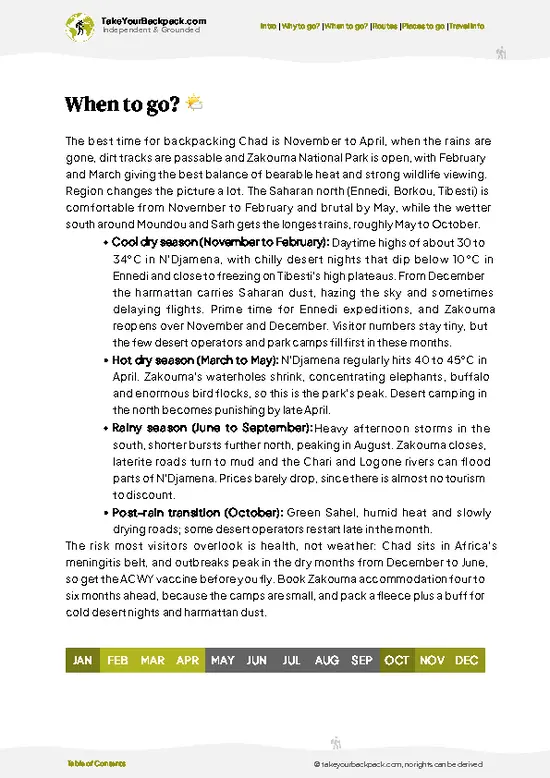
example page 3 from our offline Travel Guide for Chad
example page 4 from our offline Travel Guide for Chad
example page 5 from our offline Travel Guide for Chad
example page 6 from our offline Travel Guide for Chad
example page 7 from our offline Travel Guide for Chad
The digital guide (294 pages) contains:
70 highlights, ranked by travel appeal
Optimized 7, 14 & 21-day travel routes
Cities, national parks, landmarks, beaches
How to get around
Offline-friendly for travel without Wi-Fi
👉 Click to see all 30+ guide features

📅 Plan smarter in minutes, not weeks
Month by month travel advice
Festivals & national holidays
Budget expectations

🗺️ Go to the right places, skip the overrated ones
Honest pros & cons of destinations
Top hikes, parks & viewpoints
Lesser-known places most travelers miss
Clear “worth it vs skip it” guidance

🛏️ Travel smoothly without rookie mistakes
Best areas to stay
Transport systems explained simply
Common scams & safety advice
SIM cards, money & practical tips

🌍 Understand the country, not just visit it
Culture & traditions
52 Essential phrases & customs
Festivals worth planning around
Traveler-friendly historical context
Insights that make places more meaningful

📱 Built for real travel conditions
Fully downloadable PDF
Works completely offline
Optimized for phone use
Useful in remote areas & buses
Everything in one place
Save weeks of stressful planning
Get instant access to your full guide. 30‑day money-back guarantee.
+ Add another guide for just US$7.80

By proceeding you agree to our terms.
Sent to your inbox immediately after payment • 100% Secure Checkout
Best Backpacking Travel Advisor 2025 tourism awardBest Backpacking
Travel Advisor
2025
What others say about Take Your Backpack Guides:
⭐⭐⭐⭐⭐
Fantastic, amazing amount of information!
⭐⭐⭐⭐⭐
My goodness this is amazing, it's what I've been looking for hats off too you!
⭐⭐⭐⭐⭐
I think this is absolutely BRILLIANT
⭐⭐⭐⭐
Very complete and informative. It's still missing places, but I gotta to commend you
⭐⭐⭐⭐⭐
This is truly amazing, thank you, can't wait to explore it with my kids!
⭐⭐⭐⭐⭐
Awesome resource, thank you!
⭐⭐⭐⭐⭐
This is amazing! Can't wait to explore the ones I haven't seen
⭐⭐⭐⭐
I love this! Well done, great idea.
⭐⭐⭐⭐⭐
Thanks for taking the time to make this gem!
⭐⭐⭐⭐⭐
This might be the best website I've ever seen.
⭐⭐⭐⭐⭐
Congratulations, and thank you so much for your work; it's incredibly valuable.
⭐⭐⭐⭐
In all seriousness I think you did a great job pointing out the important spots
⭐⭐⭐⭐⭐
10/10 very good
⭐⭐⭐⭐⭐
As someone who's only just starting to visit regularly this is awesome, thank you.
⭐⭐⭐⭐
Thank you very much! I'm going to visit my dad, it's going to be very useful!
⭐⭐⭐⭐⭐
This is really cool! We'll be travelling for the first time and this definitely come in handy.
⭐⭐⭐⭐⭐
You are now our minister of culture, congratulations 👨‍💼
⭐⭐⭐⭐⭐
Just wanted to tell you that this is a pearl! Going to follow your recommendations.
⭐⭐⭐⭐⭐
This is so cool. I'll definitely be using the resource for my travels soon.
⭐⭐⭐⭐⭐
This is very impressive! Good work.
⭐⭐⭐⭐⭐
This is an amazing and informative site. Very well done!

🛏️ Where to stay?Where to Stay: Chad Edition

True backpacker hostels are rare in Chad, but basic budget hotels and guesthouses exist mainly in the capital and a few regional towns.
Most options cluster in N’Djamena’s city center/riverfront (close to markets, transport and the limited nightlife but noisier and with higher petty‑crime risk), the embassy/expat districts (quieter and safer but more expensive and isolated), and the airport/outer corridor (convenient for arrivals but with very limited services).
Outside the capital—especially towns like Moundou and Abeche—lodging is sparse and very basic, suitable for short stays near regional highlights but not for travelers who need amenities or organized hostel-style social life.

If you … read more 👉
True backpacker hostels are rare in Chad, but basic budget hotels and guesthouses exist mainly in the capital and a few regional towns.
Most options cluster in N’Djamena’s city center/riverfront (close to markets, transport and the limited nightlife but noisier and with higher petty‑crime risk), the embassy/expat districts (quieter and safer but more expensive and isolated), and the airport/outer corridor (convenient for arrivals but with very limited services).
Outside the capital—especially towns like Moundou and Abeche—lodging is sparse and very basic, suitable for short stays near regional highlights but not for travelers who need amenities or organized hostel-style social life.

If you enjoy meeting fellow travelers, consider choosing hostels with high ratings for atmosphere. On the other hand, if you prefer having your own space, a hotel might be a better option.

ChadExplore Beyond This Category

👋 Meet the founderWho’s Behind Take Your Backpack?

Johan, backpacker and founder of TakeYourBackpackHi, I’m Johan (Netherlands 🇳🇱), the creator of TakeYourBackpack. Over the past decade, I’ve backpacked through 80+ countries across six continents, gaining extensive experience with independent travel, long-term trips, and overland routes.

This site is built on a combination of firsthand travel experience and carefully curated insights from other backpackers. Many guides are based on places I’ve personally visited, while others bring together tips, observations, and practical advice shared by trusted travelers I’ve met along the way.

The goal is to provide realistic, experience-driven guidance — not generic itineraries — so you can explore destinations with better context, clearer expectations, and more confidence.

Get full Chad guide •
Instant download • 70 highlights • Full Offline guide