×

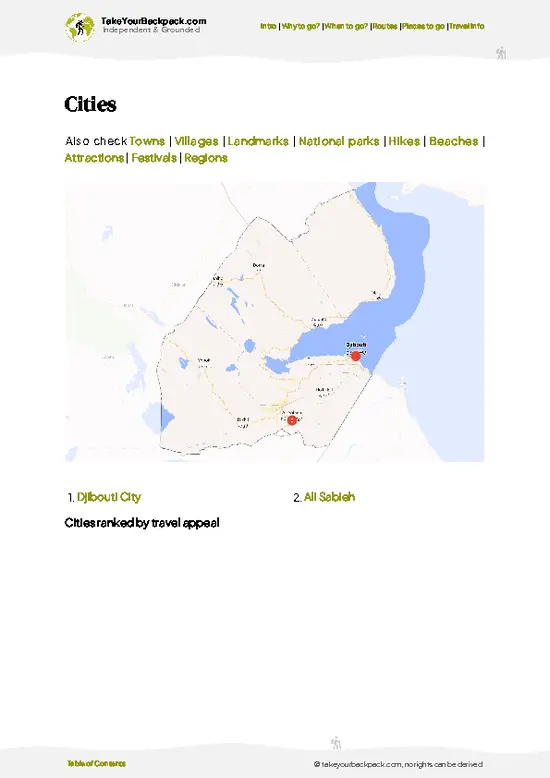
Djibouti🇩🇯 | citiesAli Sabiehregional capital, market center, rocky hills, transport hub | things to do and best time to go

Explore Ras BirExplore Djibouti City

Backpacking in Ali Sabieh
👍 Recommendedcity ranked #2
By Johan Kruseman 🇳🇱 | Updated September 3, 2026

Ali Sabieh’s claim to fame is usually its rocky outcrops and the wind-carved Ali Sabieh Mountains, but let’s be honest: you don’t come here just to tick off a landscape photo. The real draw is the way the town sits—tucked in Djibouti’s southern hills, a stone’s throw from the Ethiopian border, where the air smells faintly of dust and diesel, and the pace drops to a slow, sun-baked crawl. For backpackers, Ali Sabieh isn’t a destination that dazzles on arrival; it’s a practical, lived-in waypoint. You’ll find a few low-key markets, a scattering of tea shops where locals linger over sweet chai, and the odd minibus honking through the main drag. It’s not a nightlife hub or a culinary hotspot, but it’s a solid base for day hikes into the surrounding hills or as a stopover if you’re threading your way between Djibouti City and Ethiopia. The train from Djibouti City makes it easy to reach, and the town is walkable, though you’ll want a ride for anything beyond the center. Hostels are rare, so expect basic hotels and a quieter, more local vibe—don’t count on meeting a crowd of fellow travelers. Compared to Djibouti City, Ali Sabieh is more relaxed, less polished, and cheaper, but also less social and less scenic than the coast. Safety is generally good, but keep your wits about you after dark. This is a place for the traveler who values the journey as much as the destination.

Discover everything you want to know in the 📖 Djibouti Travel Guide.


Get your Djibouti guide
47 ranked highlights, routes & tips, works offline (200 pages)
Loading the map 🌍
CLICK TO FILTER
cities
towns
villages
landmarks
national parks
hikes
beaches
attractions
festivals
regions
SHOW COUNTRY’S BESTSHOW ALL

✨ Why go?
Ranked #2 city in Djibouti
What makes it a must-see city

Ali Sabieh is a strategic stop for backpackers navigating Djibouti. It’s not just a town; it’s a gateway to stunning hikes and cultural experiences. The nearby Day Forest National Park offers trails that wind through fragrant eucalyptus trees, perfect for those who crave nature. After a day of trekking, you can unwind at local beaches where the salty air mingles with the scent of grilled fish from nearby stalls.

Accommodations here are small-scale and welcoming, with guesthouses that feel like home. You’ll find friendly faces and shared meals, fostering a social atmosphere that’s ideal for solo travelers or small groups looking to connect. The streets are walkable, allowing you to soak in the local vibe without the rush of a big city.

Most travelers stay for a few days, balancing exploration … read more 👉
Ali Sabieh is a strategic stop for backpackers navigating Djibouti. It’s not just a town; it’s a gateway to stunning hikes and cultural experiences. The nearby Day Forest National Park offers trails that wind through fragrant eucalyptus trees, perfect for those who crave nature. After a day of trekking, you can unwind at local beaches where the salty air mingles with the scent of grilled fish from nearby stalls.

Accommodations here are small-scale and welcoming, with guesthouses that feel like home. You’ll find friendly faces and shared meals, fostering a social atmosphere that’s ideal for solo travelers or small groups looking to connect. The streets are walkable, allowing you to soak in the local vibe without the rush of a big city.

Most travelers stay for a few days, balancing exploration with relaxation. It’s a place for those who appreciate the slow travel mindset, where the journey is as rewarding as the destination. If you’re after a blend of culture, nature, and community, Ali Sabieh is a perfect fit.
Want to include Ali Sabieh in your Djibouti route?
Create a personalized Djibouti itinerary that includes Ali Sabieh and the places that fit your trip — based on your travel style, budget, and available time. Get your route in seconds.

Generate my trip

💡 HighlightsThe experiences that define the visit

  1. Historic Ethio-Djibouti Railway station — The old station in Ali Sabieh sits on the original metre-gauge line that linked Djibouti City to Addis Ababa; you can see the rails, yard, and station architecture that speak to the town’s role as a transport hub and cross-border lifeline for decades.
  2. Ali Sabieh Central Souq (market) — A compact, lively market where locals buy and sell produce, spices, textiles and everyday goods; it’s the best place in town to sample street food, watch daily life, and pick up locally woven items or spices at real prices.
  3. Livestock trading area / animal market — The live-animal market outside the center is an authentic Horn-of-Africa scene: herders, goats, camels and bargaining in action. Visiting during trading hours gives a direct look at regional pastoral culture
read more 👉
  1. Historic Ethio-Djibouti Railway station — The old station in Ali Sabieh sits on the original metre-gauge line that linked Djibouti City to Addis Ababa; you can see the rails, yard, and station architecture that speak to the town’s role as a transport hub and cross-border lifeline for decades.
  2. Ali Sabieh Central Souq (market) — A compact, lively market where locals buy and sell produce, spices, textiles and everyday goods; it’s the best place in town to sample street food, watch daily life, and pick up locally woven items or spices at real prices.
  3. Livestock trading area / animal market — The live-animal market outside the center is an authentic Horn-of-Africa scene: herders, goats, camels and bargaining in action. Visiting during trading hours gives a direct look at regional pastoral culture and commerce.
  4. Town mosque (main mosque) — The principal mosque is a focal point of community life in Ali Sabieh; architecture, call to prayer, and the surrounding gathering spaces offer a clear window into local religious and social rhythms.
  5. Hilltop viewpoints and short ridge hikes — Low rocky ridges surrounding Ali Sabieh give quick hikes with sweeping views over the town, the surrounding plains and distant plateaus; perfect for sunset photos and getting a sense of the landscape that shapes local livelihoods.
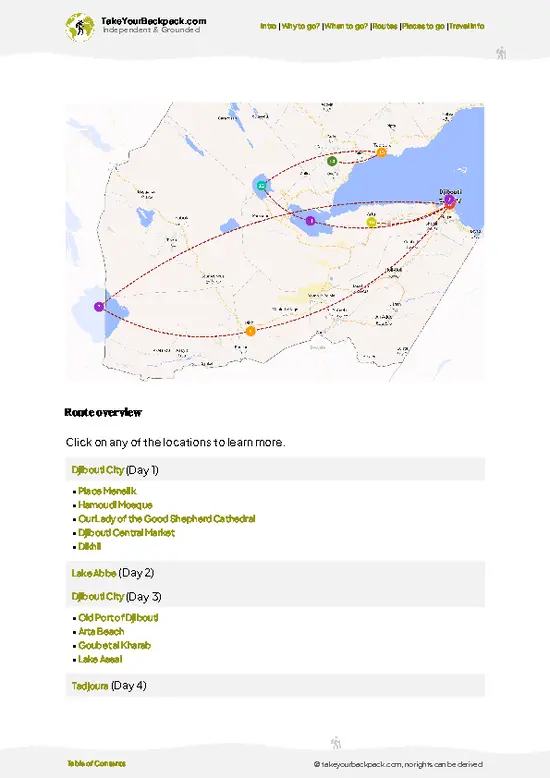
Outside the city, easy day trips from Ali Sabieh include the Grand Bara salt plain to the south, the volcanic chimneys and surreal shoreline of Lake Abbe, and the nearby town of Dikhil for more markets and regional scenery.
Spotted a mistake or missing something? Contact us.

Things to do near Ali Sabieh

Ratings based on Tripadvisor reviews. When you book through this link, you support our work at no extra cost to you.

🏘️ NeighborhoodsWhere things are and how it's laid out

Ali Sabieh is a vibrant hub that offers a unique blend of culture and accessibility for backpackers. Here’s how to navigate its neighborhoods:

Centre Ville: This is the heart of Ali Sabieh. The atmosphere buzzes with local markets and street vendors. You’ll find affordable accommodations here, making it ideal for budget travelers. Walkability is high; everything is within a short stroll. The nightlife is low-key, with a few cafes where you can sip tea and watch the world go by. Perfect for short stays, as you can easily explore the essentials.

Haramous: A quieter area, Haramous is more residential. The vibe is laid-back, offering a glimpse into daily life. It’s less touristy, which means you can find some hidden local eateries. While it’s a bit further from the main attractions, public transport … read more 👉
Ali Sabieh is a vibrant hub that offers a unique blend of culture and accessibility for backpackers. Here’s how to navigate its neighborhoods:

Centre Ville: This is the heart of Ali Sabieh. The atmosphere buzzes with local markets and street vendors. You’ll find affordable accommodations here, making it ideal for budget travelers. Walkability is high; everything is within a short stroll. The nightlife is low-key, with a few cafes where you can sip tea and watch the world go by. Perfect for short stays, as you can easily explore the essentials.

Haramous: A quieter area, Haramous is more residential. The vibe is laid-back, offering a glimpse into daily life. It’s less touristy, which means you can find some hidden local eateries. While it’s a bit further from the main attractions, public transport is accessible. This area suits longer stays, especially if you want to immerse yourself in the local culture.

Gare Routière: This area is all about transport. It’s bustling with activity, especially with buses coming and going. If you’re planning to travel onward, this is your best bet. The vibe is energetic but can be overwhelming. Accommodations here are basic and affordable. Ideal for short stays, especially if you’re just passing through.

Les Jardins: A more upscale neighborhood, Les Jardins offers a different experience. The atmosphere is tranquil, with green spaces and cafes. It’s walkable but a bit pricier. Great for those looking to unwind after a day of exploration, making it suitable for longer stays if you want comfort.

⌛️ 1 dayA smart one-day plan

Ali Sabieh, a town that feels like the heart of Djibouti, offers a unique blend of culture and history. Nestled against the backdrop of rugged mountains, it’s a place where the scent of spices mingles with the warm desert air. The vibrant market life and the welcoming smiles of locals make it a perfect spot for a day of exploration.

Start your morning with a stroll through the bustling market in the center of town. The early light casts a golden hue over the stalls, where vendors sell everything from fresh produce to colorful textiles. Take a moment to savor a cup of traditional Djiboutian coffee, rich and aromatic, while you watch the world wake up around you. This is not just a caffeine fix; it’s a chance to connect with the locals and soak in the atmosphere.

As the sun climbs higher, … read more 👉
Ali Sabieh, a town that feels like the heart of Djibouti, offers a unique blend of culture and history. Nestled against the backdrop of rugged mountains, it’s a place where the scent of spices mingles with the warm desert air. The vibrant market life and the welcoming smiles of locals make it a perfect spot for a day of exploration.

Start your morning with a stroll through the bustling market in the center of town. The early light casts a golden hue over the stalls, where vendors sell everything from fresh produce to colorful textiles. Take a moment to savor a cup of traditional Djiboutian coffee, rich and aromatic, while you watch the world wake up around you. This is not just a caffeine fix; it’s a chance to connect with the locals and soak in the atmosphere.

As the sun climbs higher, head to the nearby Ali Sabieh Railway Station. This historic site, often overlooked by tourists, tells the story of the region’s colonial past. The faded architecture and rusting trains evoke a sense of nostalgia, making it a perfect backdrop for some candid photos. Spend some time wandering the area, feeling the weight of history.

In the afternoon, make your way to the nearby hills for a short hike. The trails are not well-marked, but that’s part of the adventure. The views from the top are breathtaking, with the town sprawling below and the mountains framing the horizon. Bring a snack to enjoy at the summit; the quiet solitude is a reward in itself.

As evening approaches, return to the town and find a local eatery. Try the traditional dish of skoudeh, a flavorful meat stew served with rice. The warmth of the spices will linger, a perfect end to your day. As you sit there, surrounded by the sounds of laughter and conversation, you’ll realize that Ali Sabieh is not just a stop on your journey; it’s a place that invites you to linger a little longer.
Turn your Ali Sabieh visit into an Djibouti adventure
Build a complete Djibouti route with Ali Sabieh, hidden gems, must-see destinations, and realistic travel times included.

Generate my trip

🌤️ When to go?When to go for the best experience


  • Topic: Weather — Ali Sabieh bakes under a desert sun most of the year, but the best window is from November to March. Temperatures drop to a comfortable 20-28°C (68-82°F), making trekking and exploring bearable instead of a sweat-drenched slog.

  • Topic: Temperature — Outside the cooler months, expect highs soaring above 38°C (100°F), which can sap your energy fast. Nights stay warm year-round, rarely dipping below 20°C (68°F), so pack light layers for early mornings and evenings.

  • Topic: Daylight Hours — Daylight is steady, roughly 11 to 12 hours year-round, but the cooler months offer softer, golden light perfect for photography and hiking without the harsh midday glare.

  • Topic: Crowds — Ali Sabieh is off the beaten path, so crowds are minimal anytime. However, the cooler season draws
read more 👉

  • Topic: Weather — Ali Sabieh bakes under a desert sun most of the year, but the best window is from November to March. Temperatures drop to a comfortable 20-28°C (68-82°F), making trekking and exploring bearable instead of a sweat-drenched slog.

  • Topic: Temperature — Outside the cooler months, expect highs soaring above 38°C (100°F), which can sap your energy fast. Nights stay warm year-round, rarely dipping below 20°C (68°F), so pack light layers for early mornings and evenings.

  • Topic: Daylight Hours — Daylight is steady, roughly 11 to 12 hours year-round, but the cooler months offer softer, golden light perfect for photography and hiking without the harsh midday glare.

  • Topic: Crowds — Ali Sabieh is off the beaten path, so crowds are minimal anytime. However, the cooler season draws a handful of regional travelers, giving a quiet but lively atmosphere without feeling deserted.

  • Topic: Seasonal Activities — Cooler months align with local festivals and pastoralist gatherings, offering a rare chance to witness traditional Afar culture in full swing, adding depth to your visit beyond the landscape.

  • Topic: Price Fluctuations — Prices for accommodation and guides remain stable year-round, but the cooler season’s slight uptick reflects demand from those chasing comfort over heat, so book early to lock in rates.


Pro-tip: Aim for late November to early March to catch Ali Sabieh at its most hospitable—cool mornings, warm afternoons, and evenings that invite storytelling under vast, star-studded skies.


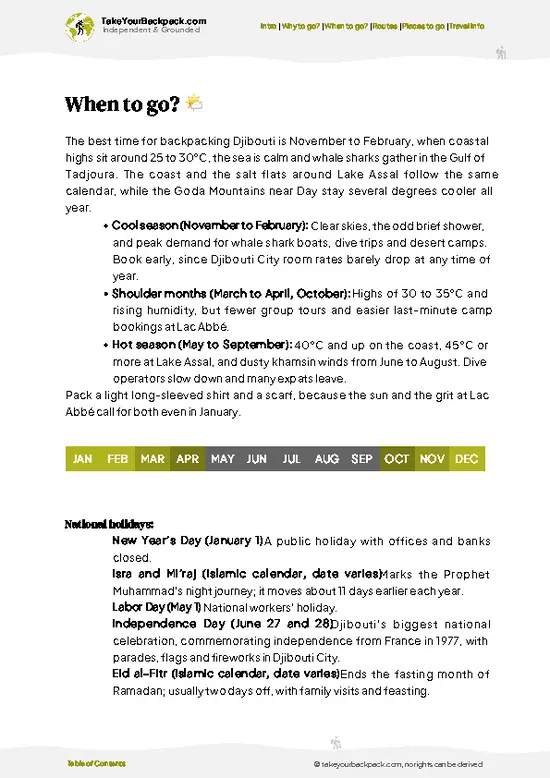
source: climatestotravel.comJANJanuary: excellent for travelingFEBFebruary: excellent for travelingMARMarch: excellent for travelingAPRApril: fair for travelingMAYMay: fair for travelingJUNJune: below average for travelingJULJuly: below average for travelingAUGAugust: below average for travelingSEPSeptember: fair for travelingOCTOctober: good for travelingNOVNovember: highly recommended for travelingDECDecember: excellent for traveling
djibouti-city-ali-sabieh v1
© Google |

✈️ The backpacker research shortcutDjibouti Travel Guide

An offline-friendly backpacking guide with optimized travel routes, ranked highlights, transport advice, and the best areas to stay.
example page 0 from our offline Travel Guide for Djibouti
example page 1 from our offline Travel Guide for Djibouti
example page 2 from our offline Travel Guide for Djibouti
example page 3 from our offline Travel Guide for Djibouti
example page 4 from our offline Travel Guide for Djibouti
example page 5 from our offline Travel Guide for Djibouti
example page 6 from our offline Travel Guide for Djibouti
example page 7 from our offline Travel Guide for Djibouti
The digital guide (200 pages) contains:
47 highlights, ranked by travel appeal
Optimized 2, 3 & 5-day travel routes
Cities, national parks, landmarks, beaches
How to get around
Offline-friendly for travel without Wi-Fi
👉 Click to see all 30+ guide features

📅 Plan smarter in minutes, not weeks
Month by month travel advice
Festivals & national holidays
Budget expectations

🗺️ Go to the right places, skip the overrated ones
Honest pros & cons of destinations
Top hikes, parks & viewpoints
Lesser-known places most travelers miss
Clear “worth it vs skip it” guidance

🛏️ Travel smoothly without rookie mistakes
Best areas to stay
Transport systems explained simply
Common scams & safety advice
SIM cards, money & practical tips

🌍 Understand the country, not just visit it
Culture & traditions
52 Essential phrases & customs
Festivals worth planning around
Traveler-friendly historical context
Insights that make places more meaningful

📱 Built for real travel conditions
Fully downloadable PDF
Works completely offline
Optimized for phone use
Useful in remote areas & buses
Everything in one place
Save weeks of stressful planning
Get instant access to your full guide. 30‑day money-back guarantee.
+ Add another guide for just US$7.80

By proceeding you agree to our terms.
Sent to your inbox immediately after payment • 100% Secure Checkout
Best Backpacking Travel Advisor 2025 tourism awardBest Backpacking
Travel Advisor
2025
What others say about Take Your Backpack Guides:
⭐⭐⭐⭐⭐
Fantastic, amazing amount of information!
⭐⭐⭐⭐⭐
My goodness this is amazing, it's what I've been looking for hats off too you!
⭐⭐⭐⭐⭐
I think this is absolutely BRILLIANT
⭐⭐⭐⭐
Very complete and informative. It's still missing places, but I gotta to commend you
⭐⭐⭐⭐⭐
This is truly amazing, thank you, can't wait to explore it with my kids!
⭐⭐⭐⭐⭐
Awesome resource, thank you!
⭐⭐⭐⭐⭐
This is amazing! Can't wait to explore the ones I haven't seen
⭐⭐⭐⭐
I love this! Well done, great idea.
⭐⭐⭐⭐⭐
Thanks for taking the time to make this gem!
⭐⭐⭐⭐⭐
This might be the best website I've ever seen.
⭐⭐⭐⭐⭐
Congratulations, and thank you so much for your work; it's incredibly valuable.
⭐⭐⭐⭐
In all seriousness I think you did a great job pointing out the important spots
⭐⭐⭐⭐⭐
10/10 very good
⭐⭐⭐⭐⭐
As someone who's only just starting to visit regularly this is awesome, thank you.
⭐⭐⭐⭐
Thank you very much! I'm going to visit my dad, it's going to be very useful!
⭐⭐⭐⭐⭐
This is really cool! We'll be travelling for the first time and this definitely come in handy.
⭐⭐⭐⭐⭐
You are now our minister of culture, congratulations 👨‍💼
⭐⭐⭐⭐⭐
Just wanted to tell you that this is a pearl! Going to follow your recommendations.
⭐⭐⭐⭐⭐
This is so cool. I'll definitely be using the resource for my travels soon.
⭐⭐⭐⭐⭐
This is very impressive! Good work.
⭐⭐⭐⭐⭐
This is an amazing and informative site. Very well done!

🛏️ Where to stay?Best areas and accommodation options

In ’Ali Sabieh, the best spot for backpackers is the town center, where the pulse of daily life hums steadily under the dry, sun-baked sky. This area isn’t just a cluster of buildings; it’s where locals gather, markets buzz with fresh produce scents, and the occasional call to prayer threads through the air, grounding you in place and time. Staying here means you’re steps away from small eateries serving up simple, hearty meals—perfect for refueling after dusty walks.

Why the center? It’s the safest stretch, with enough foot traffic to keep things lively but not overwhelming. Solo travelers find … read more 👉
In ’Ali Sabieh, the best spot for backpackers is the town center, where the pulse of daily life hums steadily under the dry, sun-baked sky. This area isn’t just a cluster of buildings; it’s where locals gather, markets buzz with fresh produce scents, and the occasional call to prayer threads through the air, grounding you in place and time. Staying here means you’re steps away from small eateries serving up simple, hearty meals—perfect for refueling after dusty walks.

Why the center? It’s the safest stretch, with enough foot traffic to keep things lively but not overwhelming. Solo travelers find it easier to strike up conversations here, thanks to the informal social spots—think shaded benches and roadside tea stalls where stories flow as freely as the sweet, spiced tea. Hostels are sparse but tend to cluster near this hub, offering basic but clean accommodations that fit a backpacker’s budget and mindset.

Venture outside this core, and you’ll hit quieter, more residential zones that feel disconnected and less secure after dark. The town center’s mix of accessibility, social energy, and practical amenities makes it the logical base for anyone wanting to experience ’Ali Sabieh without the hassle of isolated or sketchy neighborhoods. It’s where the town’s character is most tangible, and your stay feels part of the local rhythm, not just a stopover.

🚌 Getting aroundMoving around without the hassle

Ali Sabieh moves at its own pace—neither frantic nor sluggish, but a steady rhythm shaped by the desert heat and the hum of cross-border trade. The sun casts long shadows on cracked sidewalks by mid-afternoon, and the air carries a faint mix of dust, diesel, and the occasional waft of grilled meat from street vendors. This town isn’t about rigid timetables or polished transit hubs; it’s about reading the flow, catching the right moment, and blending into a system that’s part intuition, part local know-how. If you want to get around like a pro, you’ll need to embrace the organic pulse of Ali Sabieh’s transit scene, where timing is flexible but the options are straightforward.


  • Walking: The heart of Ali Sabieh is compact enough to explore on foot, especially the market area and main streets.
read more 👉
Ali Sabieh moves at its own pace—neither frantic nor sluggish, but a steady rhythm shaped by the desert heat and the hum of cross-border trade. The sun casts long shadows on cracked sidewalks by mid-afternoon, and the air carries a faint mix of dust, diesel, and the occasional waft of grilled meat from street vendors. This town isn’t about rigid timetables or polished transit hubs; it’s about reading the flow, catching the right moment, and blending into a system that’s part intuition, part local know-how. If you want to get around like a pro, you’ll need to embrace the organic pulse of Ali Sabieh’s transit scene, where timing is flexible but the options are straightforward.


  • Walking: The heart of Ali Sabieh is compact enough to explore on foot, especially the market area and main streets. Walking lets you soak in the textures—the cracked pavement, the chatter of vendors, and the sudden bursts of shade under acacia trees. It’s free, reliable, and the best way to catch the town’s vibe up close.


  • Shared Minibuses (Bush Taxis): These are the lifeblood of local transit, running from early morning (around 6:30 AM) until early evening (about 6 PM). They’re cheap—usually under $1 for short trips—and drop you off at informal stops. Comfort is basic: expect crowded seats and open windows to battle the heat, but the speed and frequency make them unbeatable for budget travelers.


  • Motorcycle Taxis (Motos): When time is tight or you’re hauling gear, motos are your go-to. They dart through traffic and unpaved alleys with ease, charging a few dollars per ride depending on distance. They operate from dawn till dusk, but always agree on the fare upfront to avoid surprises. The wind in your face and the scent of dust make these rides an immersive, if bumpy, experience.


  • Intercity Buses: For trips beyond Ali Sabieh, buses depart from the main station sporadically, often without a strict schedule. Prices vary but remain budget-friendly. These buses are slower and less comfortable than private cars but offer a window into regional life, with stops dictated by passenger needs rather than a timetable.


  • Private Car Hire: If your budget allows, renting a car or hiring a driver offers unmatched flexibility and comfort. It’s the fastest way to navigate the rugged terrain around Ali Sabieh, especially if you’re heading toward the Ethiopian or Somali borders. Prices are higher but split among a group, this can be a smart investment for convenience and safety.

👛 Costs (as of 3 September 2026)How expensive it really is

Backpacking in ’Ali Sabieh’, Djibouti, means navigating a small town where costs are modest but options are limited, so knowing what to expect helps you stretch your budget without sacrificing comfort.
  • Dorm Accommodation: Hostels and guesthouses here are sparse, but you can find basic dorm beds or shared rooms for around €10 to €15 per night. Expect simple setups—think a fan instead of AC, clean but no-frills bedding, and sometimes shared bathrooms. Booking ahead is smart since options are limited.
  • Meals: Street food and local eateries dominate. A filling meal of grilled meat, rice, or flatbread with vegetables will run you about €2 to €4. If you opt for something more substantial or a small café, expect to pay up to €6. Fresh water and soft drinks are cheap, but imported items push prices
read more 👉
Backpacking in ’Ali Sabieh’, Djibouti, means navigating a small town where costs are modest but options are limited, so knowing what to expect helps you stretch your budget without sacrificing comfort.
  • Dorm Accommodation: Hostels and guesthouses here are sparse, but you can find basic dorm beds or shared rooms for around €10 to €15 per night. Expect simple setups—think a fan instead of AC, clean but no-frills bedding, and sometimes shared bathrooms. Booking ahead is smart since options are limited.
  • Meals: Street food and local eateries dominate. A filling meal of grilled meat, rice, or flatbread with vegetables will run you about €2 to €4. If you opt for something more substantial or a small café, expect to pay up to €6. Fresh water and soft drinks are cheap, but imported items push prices higher.
  • Local Transport: ’Ali Sabieh is compact, so walking covers most ground. For longer trips or to nearby villages, shared taxis or minibuses cost roughly €0.50 to €1 per ride. Private taxis are pricier, around €3 to €5 for short distances, so reserve those for when you’re hauling gear or traveling late.
  • Basic Activities/Entry Fees: The town itself offers limited paid attractions. Visiting local markets or cultural spots is often free or costs under €1. If you plan to explore nearby natural sites or parks, budget around €5 to €10 for entry or guide fees, which are worth it for the insight and safety.
  • Miscellaneous Expenses: This includes essentials like SIM cards, snacks, toiletries, and occasional tips. Expect to spend around €2 to €4 daily here. Keep some cash handy as card payments are rare, and small vendors prefer exact change.

All told, a realistic daily budget for backpacking in ’Ali Sabieh’ falls between €20 and €35. This range covers basic comfort without splurging, letting you focus on the raw, authentic experience of this off-the-beaten-path town.
⚠️ Prices can change and everyone travels differently, so take this as a rough guide. Hope it helps you plan your adventure!

🚌 Day tripsShort trips worth adding

Ali Sabieh is a fantastic launchpad for exploring the unique landscapes and cultures of Djibouti. With its strategic location, you can dive into some truly rewarding day trips that blend adventure with local flavor.

Day Trip to Lake Abbe
This surreal salt lake, dotted with limestone chimneys, feels like stepping onto another planet. The drive takes about 1.5 hours, winding through arid landscapes that shift from dusty browns to the shimmering blues of the lake. Bring a packed lunch; you’ll want to linger here, soaking in the otherworldly atmosphere and the scent of salt in the air. Expect to spend around $10 for transport and snacks. The best time to visit is during the cooler months, from November to March, when the heat is more bearable. A common mistake is underestimating the sun—bring … read more 👉
Ali Sabieh is a fantastic launchpad for exploring the unique landscapes and cultures of Djibouti. With its strategic location, you can dive into some truly rewarding day trips that blend adventure with local flavor.

Day Trip to Lake Abbe
This surreal salt lake, dotted with limestone chimneys, feels like stepping onto another planet. The drive takes about 1.5 hours, winding through arid landscapes that shift from dusty browns to the shimmering blues of the lake. Bring a packed lunch; you’ll want to linger here, soaking in the otherworldly atmosphere and the scent of salt in the air. Expect to spend around $10 for transport and snacks. The best time to visit is during the cooler months, from November to March, when the heat is more bearable. A common mistake is underestimating the sun—bring plenty of water and sunscreen.
👉 Explore Lake Abbe

Day Trip to Day Forest National Park
Just a 45-minute drive from Ali Sabieh, this lush forest is a refreshing contrast to the surrounding desert. The air is cool and fragrant with pine and eucalyptus, making it a perfect escape. You can hike through the trails, spotting unique wildlife like the Djibouti francolin. Budget around $15 for transport and snacks. The park is best visited in the early morning or late afternoon to avoid the midday heat. Many first-timers miss the chance to explore the lesser-known trails, which offer stunning views and fewer crowds.
👉 Explore Day Forest National Park

Day Trip to the Guassa Plateau
This high-altitude plateau is a hiker’s dream, about a 2-hour drive from Ali Sabieh. The panoramic views of the surrounding mountains are breathtaking, especially at sunrise. The cool air and the sound of wind through the grass create a serene atmosphere. Expect to spend around $20 for transport. The ideal time to visit is during the dry season, from October to April. A common pitfall is not preparing for the altitude; take it slow and enjoy the journey.


Day Trip to the City of Djibouti
Just a short 30-minute drive away, the capital city offers a vibrant mix of cultures. Explore the bustling markets, where the scent of spices fills the air, and grab a local meal for about $5. Spend a few hours wandering through the streets, soaking in the lively atmosphere. The best time to visit is early morning or late afternoon to avoid the heat. Many backpackers overlook the local eateries, opting for tourist spots instead—don’t miss the chance to taste authentic Djiboutian cuisine.
Want to know what more Djibouti offers?
The Djibouti Travel Guide describes 47 highlights, from cities to national parks, from beaches to hikes

Get the Travel Guide -

🍲 FoodLocal Cuisine & Drinks

In ’Ali Sabieh, food is a gateway to the heart of Djibouti’s culture, where every bite tells a story of the Horn of Africa’s crossroads. The city’s signature dishes lean heavily on spiced meats and grains—think tender, slow-cooked goat or lamb, richly seasoned with berbere or a blend of local spices that tease your palate with heat and earthiness. Don’t miss out on skoudehkaris, a fragrant stew of meat and rice that feels like a warm handshake from the region.

Backpackers will find the real pulse of dining in the bustling markets and street stalls, where the air is thick with the scent of grilled meats and freshly baked flatbreads. These spots aren’t just about food; they’re social hubs where locals gather, and you can soak in the rhythm of daily life. Casual eateries offer simple, hearty … read more 👉
In ’Ali Sabieh, food is a gateway to the heart of Djibouti’s culture, where every bite tells a story of the Horn of Africa’s crossroads. The city’s signature dishes lean heavily on spiced meats and grains—think tender, slow-cooked goat or lamb, richly seasoned with berbere or a blend of local spices that tease your palate with heat and earthiness. Don’t miss out on skoudehkaris, a fragrant stew of meat and rice that feels like a warm handshake from the region.

Backpackers will find the real pulse of dining in the bustling markets and street stalls, where the air is thick with the scent of grilled meats and freshly baked flatbreads. These spots aren’t just about food; they’re social hubs where locals gather, and you can soak in the rhythm of daily life. Casual eateries offer simple, hearty meals—perfect for refueling after a day of exploring without the fuss or inflated prices of tourist traps.

Drinking culture here is modest but meaningful. Expect to sip on sweet, spiced tea or freshly brewed coffee, often shared in small, intimate groups. Water is king in this arid climate, so always keep hydrated. When it comes to etiquette, meals are often communal, with a focus on sharing and hospitality—don’t rush, and be ready to accept offers of food or drink as a sign of friendship. This isn’t just eating; it’s a lesson in connection.

🛡️ SafetyStaying Safe: What Travelers Should Know

In ’Ali Sabieh, safety is generally solid, but awareness is your best ally. The bustling market area can be lively, and while most locals are friendly, keep your belongings close. A simple crossbody bag can deter pickpockets.

If you’re traveling solo, stick to well-lit streets after dark. The atmosphere shifts, and it’s wise to avoid quiet alleys. Engage with locals during the day; they’re often eager to share stories and tips.

Scams are rare, but a common annoyance is the occasional overzealous vendor. If you’re not interested, a polite but firm “no” usually suffices.

Stay hydrated and take breaks in the shade; the heat can be relentless. Embrace the rhythm of the town, and you’ll find that the little challenges only enhance the experience. With a calm demeanor and a bit of savvy, you’ll navigate ’Ali Sabieh like a pro.

FAQFrequently asked questions about Ali Sabieh

2 to 3 days are sufficient to explore Ali Sabieh, focusing on its natural landscapes and local markets. Key sites include the nearby Day Forest National Park, which is about 20 km away and offers hiking opportunities.
Yes, Ali Sabieh is generally safe for solo backpackers, but standard precautions should be taken, especially after dark. The town is small and less touristy, so blending in and securing valuables is advised.
Ali Sabieh is known for its scenic mountain landscapes and proximity to Day Forest National Park. It is also recognized for its role as a transport hub connecting Djibouti City with Ethiopia and Somalia.
⚠️ Things can change over time, so always validate details locally before you go.

Ideas for continuing your journey

Ali Sabieh isn’t the only highlight in Djibouti. Explore all what Djibouti has to offer.
Country photo of Djibouti

We 💚 feedbackFinal thoughts on visiting Ali Sabieh

Ali Sabieh has a raw, unfiltered vibe that pulses with life. The scent of spices wafts through the bustling market, where locals greet you with genuine smiles. Don’t miss the sunset over the surrounding mountains; it’s a fiery spectacle that feels like a secret just for you. Just a heads-up: the heat can be relentless, so hydrate and take it slow. Embrace the rhythm of the place, and you’ll find its beauty is worth every drop of sweat.

✍️ Help improve this page!
The information on this page is based on in-depth research, insights shared by experienced travelers, and feedback from the local travel community in Djibouti. While every effort is made to keep the information accurate and current, conditions can change — so if you spot anything incorrect or outdated, please get in touch.


🙋‍♂️ Give feedback

👋 Meet the founderWho’s Behind Take Your Backpack?

Johan, backpacker and founder of TakeYourBackpackHi, I’m Johan (Netherlands 🇳🇱), the creator of TakeYourBackpack. Over the past decade, I’ve backpacked through 80+ countries across six continents, gaining extensive experience with independent travel, long-term trips, and overland routes.

This site is built on a combination of firsthand travel experience and carefully curated insights from other backpackers. Many guides are based on places I’ve personally visited, while others bring together tips, observations, and practical advice shared by trusted travelers I’ve met along the way.

The goal is to provide realistic, experience-driven guidance — not generic itineraries — so you can explore destinations with better context, clearer expectations, and more confidence.

Get full Djibouti guide •
Instant download • 47 highlights • Full Offline guide