×

Ethiopia🇪🇹 | best villagesNo village found in Ethiopia

Top villages elude us, but don’t let that stop your trip. Ethiopia is packed with lots of other highlights and hidden gems, scenic views, and unique adventures. And, if you know of any great village to add here, just contact us.

By Johan Kruseman 🇳🇱 | Updated June 19, 2026
Explore the best landmarks in Ethiopia

Why go?Why Travelers Love These Spots

Ethiopia’s villages are a tapestry of tradition and resilience, offering a glimpse into a way of life that has thrived for centuries. Unlike many other countries, Ethiopia’s rich history is woven into its rural fabric, where ancient customs coexist with the rhythms of daily life. The cultural practices here are not mere performances for tourists; they are the lifeblood of the community, from the coffee ceremonies that linger in the air to the vibrant festivals that pulse with energy.

Geographically, Ethiopia’s diverse landscapes—from the Simien Mountains to the Great Rift Valley—create a stunning backdrop for these villages. However, this beauty comes with challenges. Many villages are remote, accessible only by rugged roads that can be impassable during the rainy season. This seasonal accessibility … read more 👉
Ethiopia’s villages are a tapestry of tradition and resilience, offering a glimpse into a way of life that has thrived for centuries. Unlike many other countries, Ethiopia’s rich history is woven into its rural fabric, where ancient customs coexist with the rhythms of daily life. The cultural practices here are not mere performances for tourists; they are the lifeblood of the community, from the coffee ceremonies that linger in the air to the vibrant festivals that pulse with energy.

Geographically, Ethiopia’s diverse landscapes—from the Simien Mountains to the Great Rift Valley—create a stunning backdrop for these villages. However, this beauty comes with challenges. Many villages are remote, accessible only by rugged roads that can be impassable during the rainy season. This seasonal accessibility means that travelers must plan carefully, weighing the trade-offs of time spent on the road against the depth of experience gained in these authentic settings.

The infrastructure in rural areas can be basic, with limited amenities. This lack of development can deter some travelers, but it also enhances the immersive experience. The absence of modern distractions allows for a deeper connection with the land and its people. Visitors often find themselves welcomed into homes, sharing meals and stories, which fosters a sense of community that is hard to replicate in more commercialized destinations.

Ethiopia’s unique blend of cultural richness and geographic diversity makes its villages a compelling choice for those willing to embrace the grit of travel. The effort to reach these remote areas is rewarded with profound insights and experiences that resonate long after the journey ends. Understanding these dynamics is crucial for anyone looking to explore the heart of Ethiopia.
Behind the Scenes of Selection
The list of best villages in Ethiopia is created based on authenticity, scenic beauty, community spirit, traditions, and overall character. If you feel a village is missing in this list, please let us know.

When to go?Optimal Periods for Travel

Seasonality plays a crucial role in experiencing the villages of Ethiopia. The country has distinct wet and dry seasons that shape rural life and accessibility. The dry season, typically from October to May, brings clear skies and warm temperatures. This is when villages are most vibrant, as farmers harvest crops and prepare for market days. The air is filled with the scent of fresh produce, and the energy of communal activities is palpable.

Optimal months for visiting align with this dry season. November to February is particularly favorable, as the weather is cooler and more comfortable for exploring. Villagers are often engaged in traditional festivals, showcasing their culture and hospitality. This is the time to witness the rhythm of daily life, from weaving to cooking, as communities … read more 👉
Seasonality plays a crucial role in experiencing the villages of Ethiopia. The country has distinct wet and dry seasons that shape rural life and accessibility. The dry season, typically from October to May, brings clear skies and warm temperatures. This is when villages are most vibrant, as farmers harvest crops and prepare for market days. The air is filled with the scent of fresh produce, and the energy of communal activities is palpable.

Optimal months for visiting align with this dry season. November to February is particularly favorable, as the weather is cooler and more comfortable for exploring. Villagers are often engaged in traditional festivals, showcasing their culture and hospitality. This is the time to witness the rhythm of daily life, from weaving to cooking, as communities come alive.

Shoulder seasons—the transition months of September and June—offer a different perspective. These months can be less crowded, providing a more intimate experience. However, they also bring unpredictable weather. Rain may linger, muddying paths and making some areas less accessible. Travelers should weigh the trade-offs: fewer tourists against the possibility of challenging conditions.

Peak periods can coincide with major festivals or harvest times, drawing larger crowds. While this can enhance the experience with lively celebrations, it may also mean higher costs and limited accommodations.

Seasonal constraints are essential to consider. The wet season, from June to September, can lead to impassable roads and limited access to remote villages. Travelers should plan accordingly, ensuring they have the flexibility to adapt to changing conditions while seeking the authentic essence of rural Ethiopia.

village hoppingOptimizing Your Multi-Stop Itinerary

Routing Logic
Ethiopia’s villages are often clustered by region, making it easier to explore multiple spots without backtracking. Start in the north, where the Simien Mountains cradle small communities. From there, head south toward the lush landscapes of the Bale Mountains. This route not only showcases diverse scenery but also allows for a gradual acclimatization to the altitude.

Timing Your Stops
Plan for at least two to three days in each village. This pacing lets you soak in the local culture, whether it’s participating in a coffee ceremony or hiking to nearby waterfalls. Rushing through will rob the experience of its richness.

Common Planning Mistakes
One common pitfall is underestimating travel times. Roads can be rough, and public transport is often slow. Expect delays, especially … read more 👉
Routing Logic
Ethiopia’s villages are often clustered by region, making it easier to explore multiple spots without backtracking. Start in the north, where the Simien Mountains cradle small communities. From there, head south toward the lush landscapes of the Bale Mountains. This route not only showcases diverse scenery but also allows for a gradual acclimatization to the altitude.

Timing Your Stops
Plan for at least two to three days in each village. This pacing lets you soak in the local culture, whether it’s participating in a coffee ceremony or hiking to nearby waterfalls. Rushing through will rob the experience of its richness.

Common Planning Mistakes
One common pitfall is underestimating travel times. Roads can be rough, and public transport is often slow. Expect delays, especially during the rainy season when some routes may become impassable. Flexibility is key; having a loose itinerary allows for spontaneous adventures or necessary adjustments.

Trade-offs and Constraints
Balancing speed with depth of experience is crucial. A faster route may mean missing out on hidden stories and connections. Budget travelers might opt for local buses, but these can be cramped and time-consuming. Consider splurging on a private vehicle for comfort and efficiency, especially if traveling with a group.

Seasonal Accessibility
Keep in mind that some villages are more accessible during certain times of the year. The dry season offers better road conditions, while the wet season can transform paths into rivers. Researching seasonal patterns will help in crafting a route that maximizes both accessibility and enjoyment.

Expert viewExpert Commentary on villages

Accessibility
Ethiopia’s villages are a patchwork of cultures, each with its own rhythm and story. However, getting to them can be a challenge. Many are tucked away in the highlands or along rugged paths, requiring a sturdy vehicle and a willingness to embrace the unexpected. Expect to spend a few hours on bumpy roads, where the scenery shifts from arid landscapes to lush green hills. The dry season, from October to May, is the best time for travel, as the roads are more navigable. But even then, be prepared for delays due to road conditions or local festivities.

Aim to visit around three to five villages in a single trip. This allows you to soak in the local culture without feeling rushed. Each village offers a unique slice of life, from traditional coffee ceremonies to vibrant markets. … read more 👉
Accessibility
Ethiopia’s villages are a patchwork of cultures, each with its own rhythm and story. However, getting to them can be a challenge. Many are tucked away in the highlands or along rugged paths, requiring a sturdy vehicle and a willingness to embrace the unexpected. Expect to spend a few hours on bumpy roads, where the scenery shifts from arid landscapes to lush green hills. The dry season, from October to May, is the best time for travel, as the roads are more navigable. But even then, be prepared for delays due to road conditions or local festivities.

Aim to visit around three to five villages in a single trip. This allows you to soak in the local culture without feeling rushed. Each village offers a unique slice of life, from traditional coffee ceremonies to vibrant markets. However, don’t underestimate the time it takes to travel between them. Factor in the pace of life; locals often prioritize community over speed.

Seasonal Variation
Ethiopia’s climate varies significantly by region, impacting village life and accessibility. The rainy season, from June to September, transforms the landscape but can make travel tricky. Roads may wash out, and some villages become isolated. Yet, this is also when the countryside bursts into life, with fields of teff and barley swaying in the wind. If you’re willing to brave the rain, you’ll witness a vibrant, lush Ethiopia that few tourists see.

In contrast, the dry season offers clearer skies and more reliable travel conditions, but the heat can be intense. Early mornings and late afternoons are the best times to explore, as the sun dips low and the air cools. This is when you’ll find villagers gathering, sharing stories, and preparing meals. The golden light casts a warm glow, making the experience feel intimate and authentic.

Authenticity
To truly experience the essence of Ethiopian village life, prioritize authenticity over convenience. Engage with locals, participate in their daily routines, and be open to learning. Many villages have community-led initiatives that welcome visitors, offering homestays or guided tours. This not only enriches your experience but also supports local economies.

However, be mindful of cultural norms. Dress modestly, especially in rural areas, and approach interactions with respect. Language can be a barrier, but a smile and a few words in Amharic can go a long way. The warmth of the people often compensates for any communication gaps.

Pacing Between Rural Stops
When planning your itinerary, consider the pacing between villages. The journey is as much a part of the experience as the destinations. Allow time to absorb the landscapes and the culture. Each village has its own rhythm, and rushing through them can lead to missed connections.

Traveling between villages can take anywhere from a couple of hours to a full day, depending on the terrain and road conditions. This means you should allocate at least two to three days for each village you visit. This pacing allows you to engage with local life, whether it’s joining in on a harvest or simply enjoying a cup of coffee while watching the world go by.

Safety & Cultural Considerations
Safety is generally good in rural Ethiopia, but it’s wise to stay informed about local customs and current events. Some areas may have restrictions or require permits, so check in with local guides or your accommodation.

Cultural sensitivity is crucial. Villagers may be accustomed to tourists, but that doesn’t mean they’re comfortable with intrusive photography or loud behavior. Always ask for permission before taking photos, especially of people. This simple act of respect can open doors to deeper interactions.

Traveling in Ethiopia is about embracing the journey. The grit of the roads and the warmth of the people create a rich tapestry of experiences. Each village offers a chance to connect with a way of life that feels both foreign and familiar. The effort you put in will be rewarded with moments that linger long after you leave. Whether it’s the taste of freshly roasted coffee or the sound of laughter echoing through the hills, these are the memories that make the journey worthwhile.

✈️ The backpacker research shortcutEthiopia Travel Guide

An offline-friendly backpacking guide with optimized travel routes, ranked highlights, transport advice, and the best areas to stay.
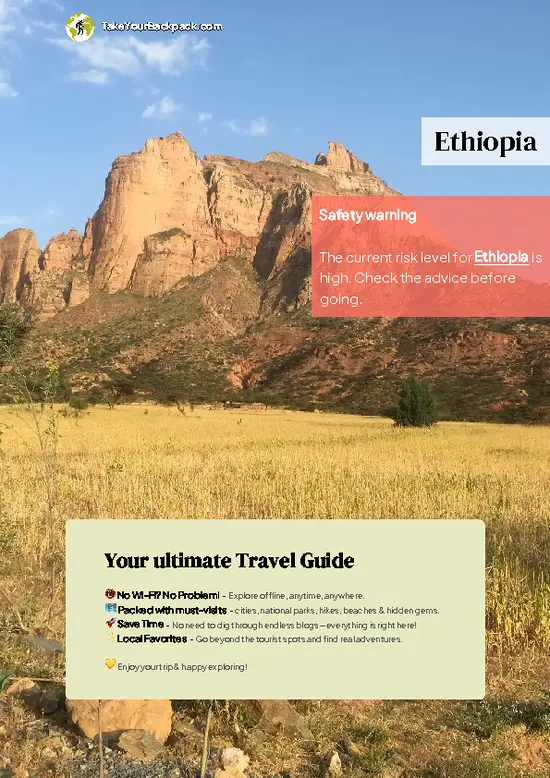
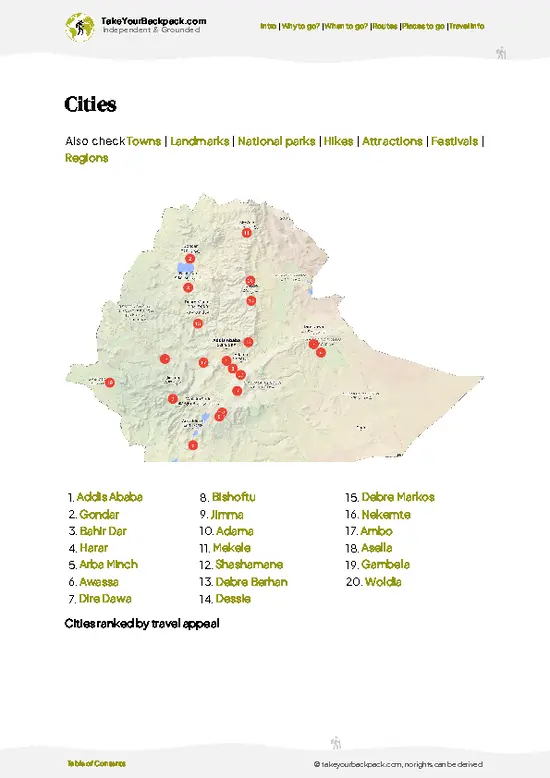
example page 0 from our offline Travel Guide for Ethiopia
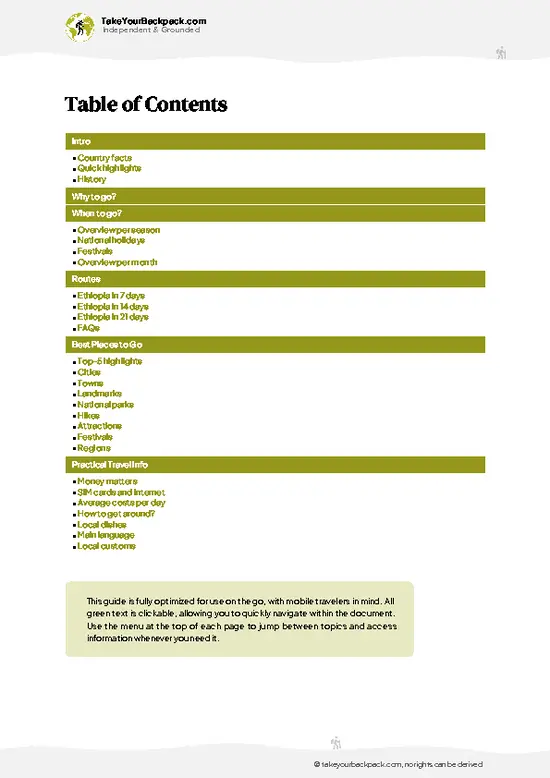
example page 1 from our offline Travel Guide for Ethiopia
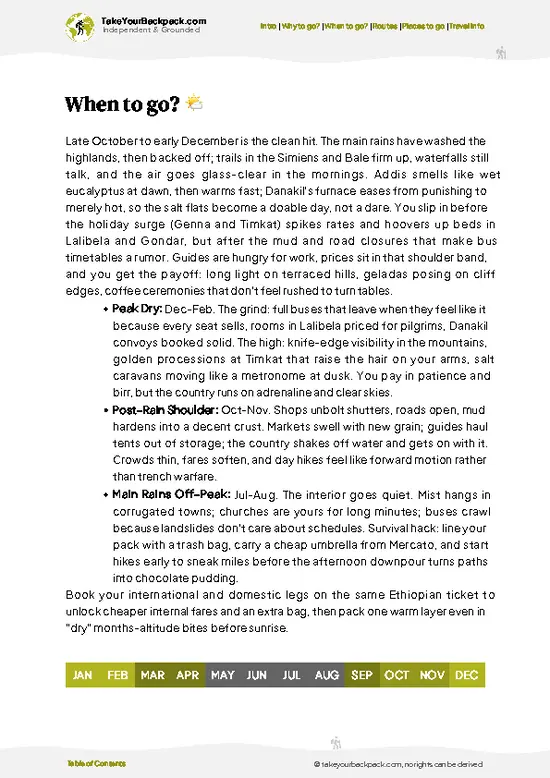
example page 2 from our offline Travel Guide for Ethiopia
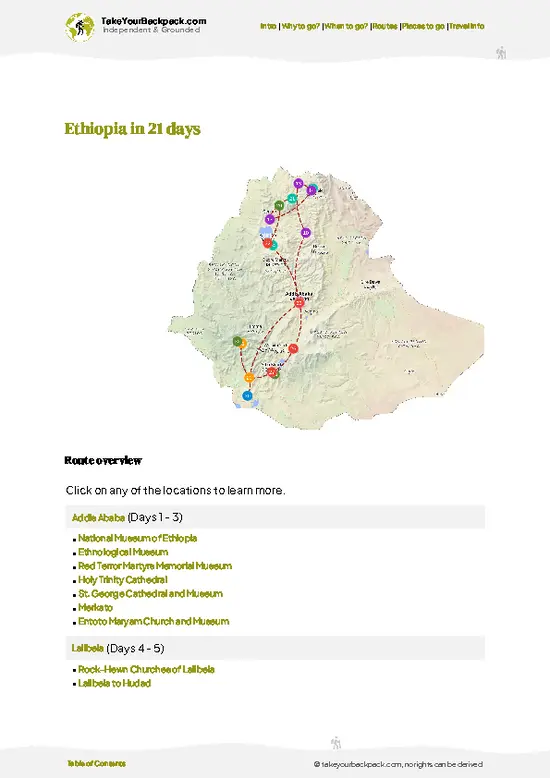
example page 3 from our offline Travel Guide for Ethiopia
example page 4 from our offline Travel Guide for Ethiopia
example page 5 from our offline Travel Guide for Ethiopia
example page 6 from our offline Travel Guide for Ethiopia
example page 7 from our offline Travel Guide for Ethiopia
The digital guide (395 pages) contains:
101 highlights, ranked by travel appeal
Optimized 7, 14 & 21-day travel routes
Cities, national parks, landmarks, beaches
How to get around
Offline-friendly for travel without Wi-Fi
👉 Click to see all 30+ guide features

📅 Plan smarter in minutes, not weeks
Month by month travel advice
Festivals & national holidays
Budget expectations

🗺️ Go to the right places, skip the overrated ones
Honest pros & cons of destinations
Top hikes, parks & viewpoints
Lesser-known places most travelers miss
Clear “worth it vs skip it” guidance

🛏️ Travel smoothly without rookie mistakes
Best areas to stay
Transport systems explained simply
Common scams & safety advice
SIM cards, money & practical tips

🌍 Understand the country, not just visit it
Culture & traditions
52 Essential phrases & customs
Festivals worth planning around
Traveler-friendly historical context
Insights that make places more meaningful

📱 Built for real travel conditions
Fully downloadable PDF
Works completely offline
Optimized for phone use
Useful in remote areas & buses
Everything in one place
Save weeks of stressful planning
Get instant access to your full guide. 30‑day money-back guarantee.


By proceeding you agree to our terms.
Sent to your inbox immediately after payment • 100% Secure Checkout
Best Backpacking Travel Advisor 2025 tourism awardBest Backpacking
Travel Advisor
2025
What others say about Take Your Backpack Guides:
⭐⭐⭐⭐⭐
Fantastic, amazing amount of information!
⭐⭐⭐⭐⭐
My goodness this is amazing, it's what I've been looking for hats off too you!
⭐⭐⭐⭐⭐
I think this is absolutely BRILLIANT
⭐⭐⭐⭐
Very complete and informative. It's still missing places, but I gotta to commend you
⭐⭐⭐⭐⭐
This is truly amazing, thank you, can't wait to explore it with my kids!
⭐⭐⭐⭐⭐
Awesome resource, thank you!
⭐⭐⭐⭐⭐
This is amazing! Can't wait to explore the ones I haven't seen
⭐⭐⭐⭐
I love this! Well done, great idea.
⭐⭐⭐⭐⭐
Thanks for taking the time to make this gem!
⭐⭐⭐⭐⭐
This might be the best website I've ever seen.
⭐⭐⭐⭐⭐
Congratulations, and thank you so much for your work; it's incredibly valuable.
⭐⭐⭐⭐
In all seriousness I think you did a great job pointing out the important spots
⭐⭐⭐⭐⭐
10/10 very good
⭐⭐⭐⭐⭐
As someone who's only just starting to visit regularly this is awesome, thank you.
⭐⭐⭐⭐
Thank you very much! I'm going to visit my dad, it's going to be very useful!
⭐⭐⭐⭐⭐
This is really cool! We'll be travelling for the first time and this definitely come in handy.
⭐⭐⭐⭐⭐
You are now our minister of culture, congratulations 👨‍💼
⭐⭐⭐⭐⭐
Just wanted to tell you that this is a pearl! Going to follow your recommendations.
⭐⭐⭐⭐⭐
This is so cool. I'll definitely be using the resource for my travels soon.
⭐⭐⭐⭐⭐
This is very impressive! Good work.
⭐⭐⭐⭐⭐
This is an amazing and informative site. Very well done!

🛏️ Where to stay?Where to Base Yourself

Yes — hostels and budget guesthouses are common in Addis Ababa and in tourist towns like Lalibela, Bahir Dar, Gondar and Axum, with dorms and cheap private rooms widely available.
In Addis the main clusters are Bole (modern, near the airport and cafes, safer but pricier), Piazza/Arada (historic, closest to markets and transport, cheap but noisy and crowded), Kazanchis (business district, quieter at night, somewhat more expensive) and Merkato (cheapest and closest to the big market but chaotic and less secure after dark).
Outside the capital budget stays sit close to major sights so you trade convenience for very basic facilities and intermittent hot water; carry cash, book ahead in high … read more 👉
Yes — hostels and budget guesthouses are common in Addis Ababa and in tourist towns like Lalibela, Bahir Dar, Gondar and Axum, with dorms and cheap private rooms widely available.
In Addis the main clusters are Bole (modern, near the airport and cafes, safer but pricier), Piazza/Arada (historic, closest to markets and transport, cheap but noisy and crowded), Kazanchis (business district, quieter at night, somewhat more expensive) and Merkato (cheapest and closest to the big market but chaotic and less secure after dark).
Outside the capital budget stays sit close to major sights so you trade convenience for very basic facilities and intermittent hot water; carry cash, book ahead in high season and expect quieter nights with limited nightlife and services.

If you enjoy meeting fellow travelers, consider choosing hostels with high ratings for atmosphere. On the other hand, if you prefer having your own space, a hotel might be a better option.

EthiopiaExpand Your Journey

👋 Meet the founderWho’s Behind Take Your Backpack?

Johan, backpacker and founder of TakeYourBackpackHi, I’m Johan (Netherlands 🇳🇱), the creator of TakeYourBackpack. Over the past decade, I’ve backpacked through 80+ countries across six continents, gaining extensive experience with independent travel, long-term trips, and overland routes.

This site is built on a combination of firsthand travel experience and carefully curated insights from other backpackers. Many guides are based on places I’ve personally visited, while others bring together tips, observations, and practical advice shared by trusted travelers I’ve met along the way.

The goal is to provide realistic, experience-driven guidance — not generic itineraries — so you can explore destinations with better context, clearer expectations, and more confidence.

Get full Ethiopia guide •
Instant download • 101 highlights • Full Offline guide