Trail Logistics
Ethiopia’s hiking scene is as diverse as its landscapes, offering a mix of high-altitude treks and lush valleys. Plan to tackle at least three to five hikes to truly appreciate the country’s varied terrain. Each hike presents its own set of challenges and rewards, so pacing is crucial. Expect to spend anywhere from a few hours to a couple of days on the trails, depending on the route.
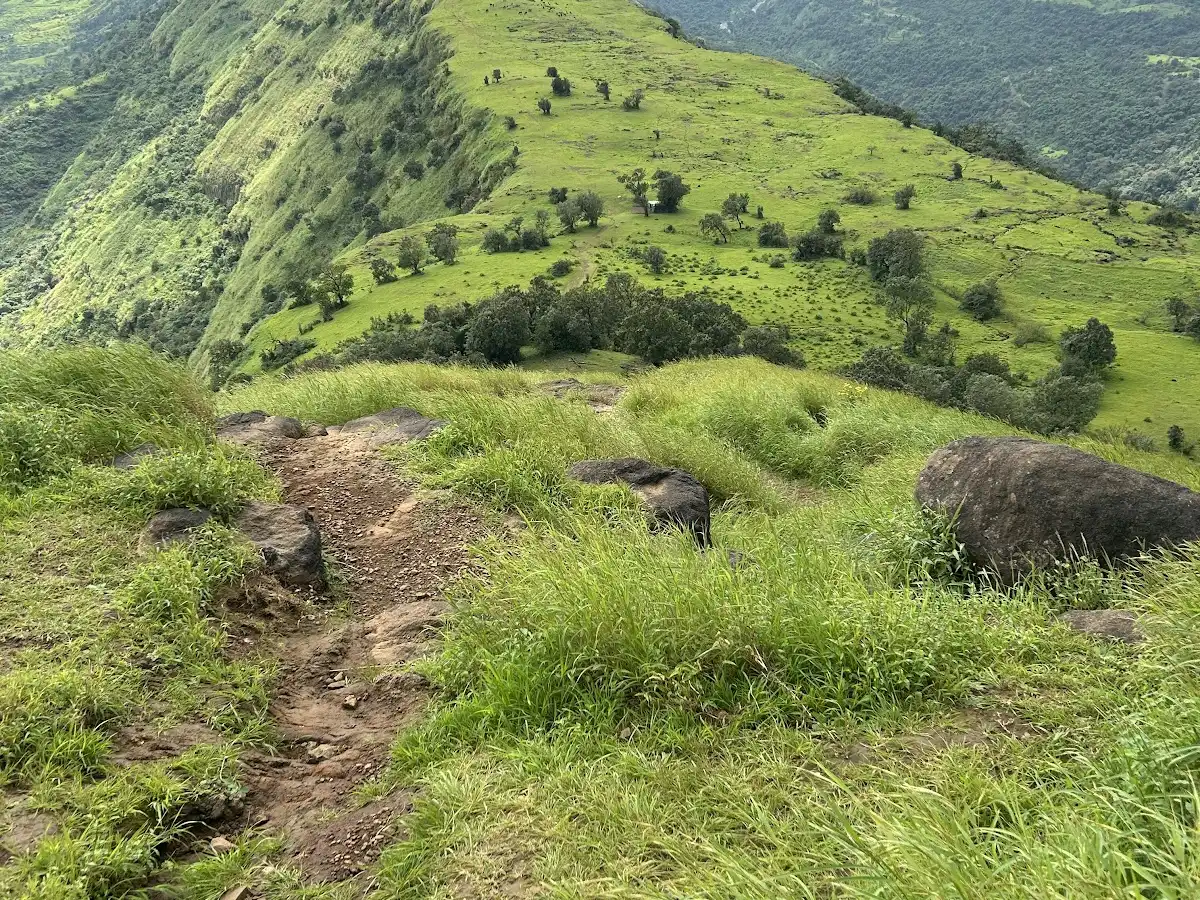
The Simien Mountains, for instance, demand a solid fitness level. The altitude can hit you hard, with peaks soaring over 4,500 meters. Acclimatization is non-negotiable; give yourself a couple of days to adjust before hitting the trails. The effort is worth it when you’re standing at the edge of a cliff, gazing down at the dramatic valleys below, but don’t underestimate the burn in your legs …
read more 👉Trail Logistics
Ethiopia’s hiking scene is as diverse as its landscapes, offering a mix of high-altitude treks and lush valleys. Plan to tackle at least three to five hikes to truly appreciate the country’s varied terrain. Each hike presents its own set of challenges and rewards, so pacing is crucial. Expect to spend anywhere from a few hours to a couple of days on the trails, depending on the route.
The Simien Mountains, for instance, demand a solid fitness level. The altitude can hit you hard, with peaks soaring over 4,500 meters. Acclimatization is non-negotiable; give yourself a couple of days to adjust before hitting the trails. The effort is worth it when you’re standing at the edge of a cliff, gazing down at the dramatic valleys below, but don’t underestimate the burn in your legs as you climb.
In contrast, the Bale Mountains offer a different flavor. The trails here are less steep but can be muddy and overgrown, especially during the rainy season. You might find yourself navigating through dense heather and encountering the occasional curious Ethiopian wolf. The payoff? A stunning view of the Sanetti Plateau, where the air is crisp and the silence is profound.
Difficulty and Recovery
Difficulty levels vary widely. Some trails are well-marked and manageable for beginners, while others require a seasoned hiker’s grit. If you’re new to hiking, consider starting with shorter, less strenuous paths before tackling the more demanding treks.
Recovery is just as important as the hike itself. After a long day on the trails, your body will need time to recuperate. Hydration is key; drink plenty of water, especially at higher altitudes. Local cuisine, rich in carbohydrates and proteins, will help replenish your energy. Don’t skip the injera; it’s not just a meal but a cultural experience.
Pacing and Planning
Pacing is essential, particularly in the highlands. The altitude can sap your energy faster than you’d expect. A good rule of thumb is to hike for no more than six hours a day at high elevations. This allows for breaks to soak in the views and catch your breath.
When planning your hikes, consider the local climate. The dry season, from October to March, is ideal for trekking. The rainy season can turn trails into slippery challenges, making some paths impassable. Always check local conditions before heading out.
Transportation can be a hassle, so factor in travel time between hikes. Roads can be rough, and public transport is often unreliable. Hiring a local guide not only enhances your experience but also supports the community. They know the trails intimately and can help navigate the cultural nuances you might encounter.
Regional Variation and Cultural Considerations
Ethiopia’s hiking trails are steeped in rich culture. Each region has its own unique customs and traditions. In the north, you might encounter the historic rock-hewn churches of Lalibela, while the south offers vibrant markets filled with local crafts.
Respect for local customs is paramount. Dress modestly, especially in rural areas, and always ask before taking photos of people. Engaging with locals can enrich your experience; they often have stories that bring the landscape to life.
Safety is another consideration. While most trails are safe, it’s wise to stay informed about local conditions and any potential political issues. Traveling in groups is generally safer and more enjoyable, allowing for shared experiences and camaraderie.
Trade-offs and Constraints
One significant trade-off is the balance between comfort and authenticity. While some trails offer the option of guided tours with amenities, others require a more rugged approach. If you’re seeking a more immersive experience, be prepared for basic accommodations and the occasional cold shower.
Budget is another factor. While hiking itself is often free or low-cost, hiring guides, transportation, and food can add up. Expect to invest in local guides who can enhance your experience while ensuring safety.
Ultimately, the grit of the trails and the warmth of the people will make every effort worthwhile. Whether you’re sweating through a steep ascent or navigating a muddy path, the views and experiences waiting at the end will remind you why you ventured out in the first place.
v2.webp)









 Best Backpacking
.jpg) Hi, I’m Johan (Netherlands 🇳🇱), the creator of TakeYourBackpack. Over the past decade, I’ve backpacked through 80+ countries across six continents, gaining extensive experience with independent travel, long-term trips, and overland routes.
Hi, I’m Johan (Netherlands 🇳🇱), the creator of TakeYourBackpack. Over the past decade, I’ve backpacked through 80+ countries across six continents, gaining extensive experience with independent travel, long-term trips, and overland routes.