×

Germany🇩🇪 | best beachesThe 9 Top beaches in Germany

Germany’s beaches offer a unique blend of coastal beauty and diverse experiences, shaped by regional characteristics and seasonal changes. From the rugged cliffs of the North Sea to the sandy shores of the Baltic, each beach caters to different travel styles and vibes.

In the summer, popular spots like Sylt and Usedom buzz with tourists, while hidden coves along the Mecklenburg coast provide a more tranquil escape for backpackers seeking solitude. The surf and swim conditions vary significantly; the North Sea can be choppy, ideal for surfers, while the Baltic is often calmer, perfect for families.

Choosing the right beach impacts your budget, as some areas are pricier due to amenities and crowds. Safety and ease of travel also depend on location; remote beaches may require more planning. Understanding these nuances allows independent travelers to unlock a richer, more immersive experience along Germany’s stunning coastline.

By Johan Kruseman 🇳🇱 | Updated September 5, 2026
Explore the best attractions in Germany

Why go?Key Factors That Shape the Experience

Beaches in Germany offer a unique blend of coastal variety that sets them apart from other countries. The coastline stretches along the North Sea and the Baltic Sea, each presenting distinct characteristics. The North Sea is known for its tide-dependent beaches, where the landscape transforms dramatically with the ebb and flow of the water. In contrast, the Baltic Sea features more stable shorelines, often with sandy expanses perfect for sunbathing. This diversity allows travelers to choose between rugged, windswept shores or gentler, family-friendly beaches.

Seasonal conditions play a crucial role in the beach experience. Summer months attract the largest crowds, especially in popular areas, leading to a vibrant atmosphere but also potential congestion. Early summer or late August can provide … read more 👉
Beaches in Germany offer a unique blend of coastal variety that sets them apart from other countries. The coastline stretches along the North Sea and the Baltic Sea, each presenting distinct characteristics. The North Sea is known for its tide-dependent beaches, where the landscape transforms dramatically with the ebb and flow of the water. In contrast, the Baltic Sea features more stable shorelines, often with sandy expanses perfect for sunbathing. This diversity allows travelers to choose between rugged, windswept shores or gentler, family-friendly beaches.

Seasonal conditions play a crucial role in the beach experience. Summer months attract the largest crowds, especially in popular areas, leading to a vibrant atmosphere but also potential congestion. Early summer or late August can provide a sweet spot, where the weather is still pleasant but the crowds are thinner. However, this trade-off means sacrificing peak beach vibes for a more tranquil experience.

Accessibility is another factor to consider. Many German beaches are well-connected by public transport, making them easy to reach from major cities. However, some of the more remote or picturesque spots may require additional travel time, which can reward those willing to venture off the beaten path with a deeper connection to nature.

Culturally, Germany’s beaches reflect a blend of historical significance and modern leisure. From traditional beach resorts to contemporary beach clubs, the coastal experience is steeped in local customs. Yet, the climate can be less predictable than in southern Europe, with cooler temperatures and occasional rain, which may deter some travelers.

Understanding these dynamics allows for a more strategic approach to beach exploration in Germany, ensuring that each visit is not just enjoyable but also enriching.
Why These Made the Cut
The list of best beaches in Germany is created based on beauty, vibe, water quality, activities, and surrounding scenery. If you feel a beach is missing in this list, please let us know.

When to go?Optimal Periods for Travel

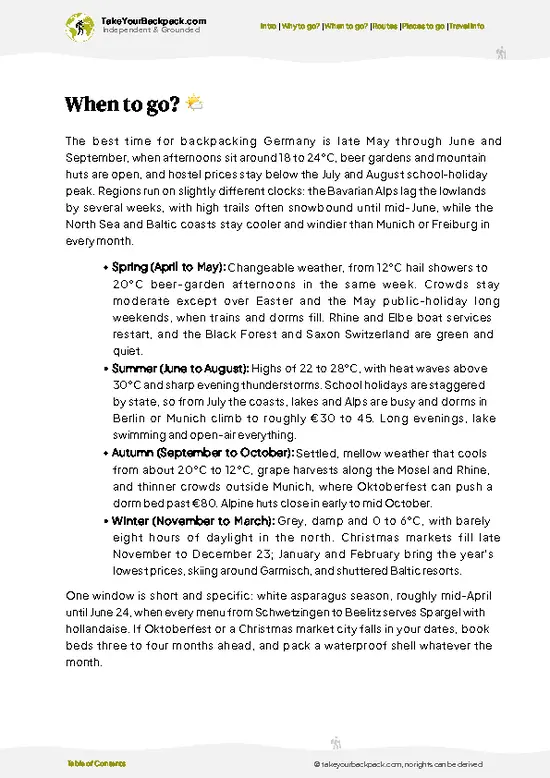
Seasonality and Beach Conditions in Germany


Germany’s beach experience is heavily influenced by its seasonal patterns. The summer months, particularly from late June to early September, offer the warmest weather, with average temperatures ranging from the mid-20s to low 30s Celsius. This is the prime time for swimming and sunbathing, as water temperatures can reach comfortable levels, typically around 20 to 22 degrees Celsius. However, this peak season attracts larger crowds, leading to higher accommodation prices and busier shorelines.

Shoulder Seasons: A Balanced Approach


Visiting during the shoulder seasons—late spring and early autumn—can provide a more relaxed experience. May and September often feature milder weather, with temperatures still pleasant enough for beach activities. … read more 👉

Seasonality and Beach Conditions in Germany


Germany’s beach experience is heavily influenced by its seasonal patterns. The summer months, particularly from late June to early September, offer the warmest weather, with average temperatures ranging from the mid-20s to low 30s Celsius. This is the prime time for swimming and sunbathing, as water temperatures can reach comfortable levels, typically around 20 to 22 degrees Celsius. However, this peak season attracts larger crowds, leading to higher accommodation prices and busier shorelines.

Shoulder Seasons: A Balanced Approach


Visiting during the shoulder seasons—late spring and early autumn—can provide a more relaxed experience. May and September often feature milder weather, with temperatures still pleasant enough for beach activities. The trade-off here is that water temperatures may be cooler, sometimes dipping below 20 degrees Celsius, which could deter some swimmers. However, the reduced crowds and lower prices for accommodations make this an appealing option for those willing to brave slightly chillier waters.

Weather Patterns and Conditions


Germany’s coastal areas can experience unpredictable weather, particularly during the transitional months of spring and autumn. Rainfall is more common in these periods, which can affect beach conditions and overall enjoyment. Wind patterns also play a role, especially for those interested in surfing; certain times of the year may yield better wave conditions, particularly in the fall when storms can create optimal surf.

Understanding Tides and Water Clarity


Tidal patterns vary along the coast, impacting water clarity and accessibility. Low tides can expose more beach area but may also lead to murkier water. Understanding these patterns can enhance the beach experience, allowing for better planning around swimming and other water activities.

In summary, timing a visit to Germany’s beaches requires careful consideration of weather, crowd levels, and water conditions. Balancing these factors can unlock a more enjoyable and cost-effective beach experience.

beach hoppingSuggested Travel Strategies

Understanding the Coastal Flow

Germany’s coastline offers a unique blend of beaches, each with its own character and conditions. To maximize your experience, start by clustering beaches regionally. The North Sea and Baltic Sea coasts are distinct, so choose one to explore thoroughly before moving on. This approach minimizes travel time and allows for deeper immersion in each area.

Optimal Sequencing

Begin your journey based on prevailing weather patterns and seasonal conditions. The North Sea beaches, like Sylt or St. Peter-Ording, are best enjoyed in late spring to early summer when the weather is milder. Conversely, the Baltic Sea beaches, such as Usedom or Rügen, shine in the summer months. Plan your route from west to east or vice versa, depending on your starting point, to maintain … read more 👉
Understanding the Coastal Flow

Germany’s coastline offers a unique blend of beaches, each with its own character and conditions. To maximize your experience, start by clustering beaches regionally. The North Sea and Baltic Sea coasts are distinct, so choose one to explore thoroughly before moving on. This approach minimizes travel time and allows for deeper immersion in each area.

Optimal Sequencing

Begin your journey based on prevailing weather patterns and seasonal conditions. The North Sea beaches, like Sylt or St. Peter-Ording, are best enjoyed in late spring to early summer when the weather is milder. Conversely, the Baltic Sea beaches, such as Usedom or Rügen, shine in the summer months. Plan your route from west to east or vice versa, depending on your starting point, to maintain a logical flow.

Time Management

Allocate a realistic amount of time for each stop. A half-day is often sufficient for a beach visit, allowing for swimming, sunbathing, and a meal. If you want to explore local culture or activities, consider extending your stay to a full day. This pacing prevents burnout and enhances enjoyment.

Avoiding Common Pitfalls

Travelers often underestimate the time needed for travel between beaches. Factor in not just distance but also traffic and local conditions. Flexibility is key; if a beach is crowded, having a backup option nearby can save the day.

Balancing Trade-offs

Consider the trade-offs between speed and depth of experience. Rushing through multiple beaches may lead to missed opportunities for local cuisine or unique activities. Budget constraints can also influence choices; some beaches offer free access, while others may charge for amenities. Prioritize comfort and experience over sheer quantity to ensure a rewarding trip.

The ListThe Best beaches of Germany

1 Sylt

heath landscapes, reed-roof houses, upscale boutiques

Enjoy a blend of natural beauty and refined amenities, where windswept dunes meet a lively social scene and distinctive local architecture.

germany-beach-sylt
© Google | Markus Lesch

2 Rügen

white chalk cliffs, beech forests, seaside resorts

Discover a varied island where forested trails meet iconic cliffs and classic spa architecture lines the shoreline.

3 Amrum

wide sand flats, shifting dunes, thatched cottages

Experience the interplay of tidal landscapes and quiet villages, where open horizons and traditional Frisian culture define the island’s atmosphere.

4 Usedom

imperial piers, pine forests, cross-border cycling

Cycle between seaside towns and wooded trails, experiencing a coastline marked by historic piers and a blend of German and Polish influences.

5 Sankt Peter-Ording

stilted beach huts, endless tidal flats, kite surfing

Watch shifting sands and wide skies from raised cabins, with strong winds and open spaces drawing outdoor enthusiasts year-round.

6 Norderney

long boardwalk, spa traditions, tidal mudflats

Relax in a North Sea resort town where wellness culture meets expansive beaches and the rhythm of the tides shapes daily life.

7 Timmendorfer Strand

urban beach, lively promenade, modern spas

Spend time on a well-serviced stretch of sand, with easy access to shops, wellness centers, and a bustling waterfront atmosphere.

8 Baltic Coast in Schleswig-Holstein

cliff coastlines, seaside promenades, fishing harbors

Walk along rugged bluffs and through small port towns, encountering a coastline shaped by wind, salt, and maritime heritage.

germany-beach-baltic-coast-in-schleswig-holstein
© Google |

9 Rerik beach

chalk cliffs, Baltic breeze, pier views

Stroll between dramatic cliffs and calm waters, with panoramic views and a tranquil setting favored by those seeking quiet escapes.

Loading the map 🌍

Expert viewExpert Commentary on beaches

Coastline Flow
Germany’s coastline is a patchwork of diverse beach experiences, stretching from the North Sea to the Baltic Sea. Understanding the flow of these coastlines is crucial for maximizing your beach-hopping adventure. The North Sea beaches tend to be more rugged, with tidal variations that can dramatically change the landscape. This means you might find yourself walking on the sand one moment and navigating rocky outcrops the next. In contrast, the Baltic Sea offers gentler shores, often lined with charming beach resorts.

When planning your beach visits, consider the natural rhythm of the tides. The North Sea’s tidal shifts can limit access to certain areas, especially during high tide. If you want to explore tidal flats or enjoy a beach day without the risk of getting stranded, … read more 👉
Coastline Flow
Germany’s coastline is a patchwork of diverse beach experiences, stretching from the North Sea to the Baltic Sea. Understanding the flow of these coastlines is crucial for maximizing your beach-hopping adventure. The North Sea beaches tend to be more rugged, with tidal variations that can dramatically change the landscape. This means you might find yourself walking on the sand one moment and navigating rocky outcrops the next. In contrast, the Baltic Sea offers gentler shores, often lined with charming beach resorts.

When planning your beach visits, consider the natural rhythm of the tides. The North Sea’s tidal shifts can limit access to certain areas, especially during high tide. If you want to explore tidal flats or enjoy a beach day without the risk of getting stranded, timing your visit around low tide is essential. This is where local tide charts come in handy; they can be your best friend in avoiding a soggy surprise.

Seasonal Conditions
The best time to hit the beaches varies significantly between the two seas. The North Sea is best enjoyed in late spring to early summer, when the weather is milder and the winds are less biting. However, be prepared for sudden changes; a sunny morning can quickly turn into a chilly afternoon. The Baltic Sea, on the other hand, shines in the summer months, offering warmer waters and more stable weather.

But here’s the trade-off: summer crowds can be overwhelming, especially at popular beaches. If you prefer a quieter experience, consider visiting in late spring or early autumn. You’ll enjoy milder weather and fewer people, but the water may be too cold for swimming. Balancing your desire for warmth with the need for space is key to a satisfying beach experience.

Access Points
Germany’s beach access varies widely. Some beaches are easily reachable via public transport, while others require a bit of effort. The North Sea beaches often have well-developed infrastructure, with frequent train services connecting major cities to coastal towns. However, once you arrive, you might find parking limited or expensive, especially in peak season.

On the Baltic side, access can be more straightforward, with many beaches located near towns that offer ample parking. Yet, some of the more secluded spots may require a short hike or bike ride. If you’re planning to visit multiple beaches, consider investing in a regional transport pass. This can save you money and time, allowing you to hop from one beach to another without the hassle of parking.

Crowd Density
Crowd density is a significant factor in your beach experience. Popular beaches can feel like a festival, which is great if you enjoy a lively atmosphere. However, if you’re seeking solitude, you’ll want to steer clear of the most famous spots during peak hours.

A smart strategy is to visit lesser-known beaches or those further from major urban centers. These spots often provide a more authentic experience, allowing you to connect with the local culture. Just keep in mind that amenities may be limited. Bring your own supplies, and be prepared for a more rustic experience.

Balancing Relaxation vs. Travel Speed
Finding the right balance between relaxation and travel speed is crucial. If you’re planning to visit multiple beaches in a short time, you might end up feeling rushed. Instead, aim for a more leisurely pace. Choose two or three beaches to focus on, allowing yourself the time to truly enjoy each one.

Consider the travel time between beaches. The North Sea beaches are often spaced closer together, making it easier to explore multiple locations in a day. The Baltic Sea, while beautiful, may require more travel time due to its larger distances between popular spots. Factor in your energy levels and the time you want to spend relaxing versus traveling.

Safety & Cultural Considerations
Safety is paramount, especially when enjoying the ocean. Be aware of local swimming conditions, as currents can vary significantly. Always heed local warnings and guidelines, particularly in areas known for strong tides or currents.

Culturally, Germany’s beach scene is laid-back but comes with its own set of unwritten rules. For instance, many beaches have designated nudist areas, and it’s important to respect these spaces. Additionally, beach etiquette often includes keeping noise levels down and being mindful of litter. Engaging with locals can enhance your experience; they often have the best tips for enjoying the beach scene authentically.

In summary, aim to visit around three to five beaches during your trip, depending on your pace and interests. Budget for a mix of public transport and parking fees, and be prepared for varying levels of amenities. By understanding the systems at play—coastline flow, seasonal conditions, access points, crowd density, and cultural nuances—you’ll unlock a more rewarding beach experience in Germany.

✈️ The backpacker research shortcutGermany Travel Guide

An offline-friendly backpacking guide with optimized travel routes, ranked highlights, transport advice, and the best areas to stay.
example page 0 from our offline Travel Guide for Germany
example page 1 from our offline Travel Guide for Germany
example page 2 from our offline Travel Guide for Germany
example page 3 from our offline Travel Guide for Germany
example page 4 from our offline Travel Guide for Germany
example page 5 from our offline Travel Guide for Germany
example page 6 from our offline Travel Guide for Germany
example page 7 from our offline Travel Guide for Germany
The digital guide (514 pages) contains:
140 highlights, ranked by travel appeal
Optimized 7, 14 & 21-day travel routes
Cities, national parks, landmarks, beaches
How to get around
Offline-friendly for travel without Wi-Fi
👉 Click to see all 30+ guide features

📅 Plan smarter in minutes, not weeks
Month by month travel advice
Festivals & national holidays
Budget expectations

🗺️ Go to the right places, skip the overrated ones
Honest pros & cons of destinations
Top hikes, parks & viewpoints
Lesser-known places most travelers miss
Clear “worth it vs skip it” guidance

🛏️ Travel smoothly without rookie mistakes
Best areas to stay
Transport systems explained simply
Common scams & safety advice
SIM cards, money & practical tips

🌍 Understand the country, not just visit it
Culture & traditions
52 Essential phrases & customs
Festivals worth planning around
Traveler-friendly historical context
Insights that make places more meaningful

📱 Built for real travel conditions
Fully downloadable PDF
Works completely offline
Optimized for phone use
Useful in remote areas & buses
Everything in one place
Save weeks of stressful planning
Get instant access to your full guide. 30‑day money-back guarantee.
+ Add another guide for just US$7.80

By proceeding you agree to our terms.
Sent to your inbox immediately after payment • 100% Secure Checkout
Best Backpacking Travel Advisor 2025 tourism awardBest Backpacking
Travel Advisor
2025
What others say about Take Your Backpack Guides:
⭐⭐⭐⭐⭐
Fantastic, amazing amount of information!
⭐⭐⭐⭐⭐
My goodness this is amazing, it's what I've been looking for hats off too you!
⭐⭐⭐⭐⭐
I think this is absolutely BRILLIANT
⭐⭐⭐⭐
Very complete and informative. It's still missing places, but I gotta to commend you
⭐⭐⭐⭐⭐
This is truly amazing, thank you, can't wait to explore it with my kids!
⭐⭐⭐⭐⭐
Awesome resource, thank you!
⭐⭐⭐⭐⭐
This is amazing! Can't wait to explore the ones I haven't seen
⭐⭐⭐⭐
I love this! Well done, great idea.
⭐⭐⭐⭐⭐
Thanks for taking the time to make this gem!
⭐⭐⭐⭐⭐
This might be the best website I've ever seen.
⭐⭐⭐⭐⭐
Congratulations, and thank you so much for your work; it's incredibly valuable.
⭐⭐⭐⭐
In all seriousness I think you did a great job pointing out the important spots
⭐⭐⭐⭐⭐
10/10 very good
⭐⭐⭐⭐⭐
As someone who's only just starting to visit regularly this is awesome, thank you.
⭐⭐⭐⭐
Thank you very much! I'm going to visit my dad, it's going to be very useful!
⭐⭐⭐⭐⭐
This is really cool! We'll be travelling for the first time and this definitely come in handy.
⭐⭐⭐⭐⭐
You are now our minister of culture, congratulations 👨‍💼
⭐⭐⭐⭐⭐
Just wanted to tell you that this is a pearl! Going to follow your recommendations.
⭐⭐⭐⭐⭐
This is so cool. I'll definitely be using the resource for my travels soon.
⭐⭐⭐⭐⭐
This is very impressive! Good work.
⭐⭐⭐⭐⭐
This is an amazing and informative site. Very well done!

🛏️ Where to stay?Where to Base Yourself

Yes — Germany has abundant hostels or budget accommodation in every major city, concentrated in central and nightlife neighborhoods.

Top clusters are central districts and creative quarters: Berlin (Mitte, Kreuzberg, Friedrichshain) and Hamburg (St. Pauli, St. Georg) give the best mix of cheap beds, late‑night bars, and direct access to sights; Munich (Altstadt, Maxvorstadt, Schwabing), Cologne (Altstadt, Ehrenfeld) and Frankfurt (Bahnhofsviertel, Sachsenhausen) concentrate options near transport hubs and attractions but can be pricier and noisier.

Choose central neighborhoods for shortest transit to highlights at the cost of noise and higher rates; pick edge or creative districts for lower … read more 👉
Yes — Germany has abundant hostels or budget accommodation in every major city, concentrated in central and nightlife neighborhoods.

Top clusters are central districts and creative quarters: Berlin (Mitte, Kreuzberg, Friedrichshain) and Hamburg (St. Pauli, St. Georg) give the best mix of cheap beds, late‑night bars, and direct access to sights; Munich (Altstadt, Maxvorstadt, Schwabing), Cologne (Altstadt, Ehrenfeld) and Frankfurt (Bahnhofsviertel, Sachsenhausen) concentrate options near transport hubs and attractions but can be pricier and noisier.

Choose central neighborhoods for shortest transit to highlights at the cost of noise and higher rates; pick edge or creative districts for lower prices, more local character and better nightlife, but expect longer tram rides and variable quietness and safety after midnight.

If you enjoy meeting fellow travelers, consider choosing hostels with high ratings for atmosphere. On the other hand, if you prefer having your own space, a hotel might be a better option.

GermanyExpand Your Journey

👋 Meet the founderWho’s Behind Take Your Backpack?

Johan, backpacker and founder of TakeYourBackpackHi, I’m Johan (Netherlands 🇳🇱), the creator of TakeYourBackpack. Over the past decade, I’ve backpacked through 80+ countries across six continents, gaining extensive experience with independent travel, long-term trips, and overland routes.

This site is built on a combination of firsthand travel experience and carefully curated insights from other backpackers. Many guides are based on places I’ve personally visited, while others bring together tips, observations, and practical advice shared by trusted travelers I’ve met along the way.

The goal is to provide realistic, experience-driven guidance — not generic itineraries — so you can explore destinations with better context, clearer expectations, and more confidence.

Get full Germany guide •
Instant download • 140 highlights • Full Offline guide