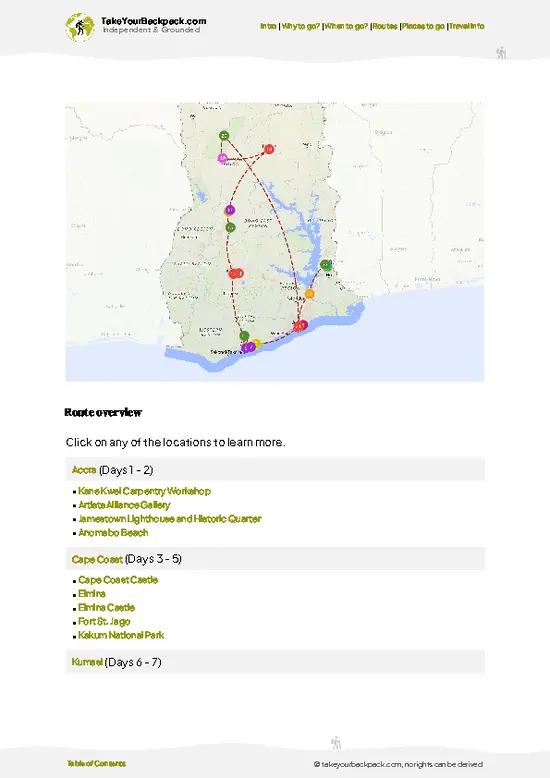
Manhyia Palace Museum
This is the living seat of Ashanti royalty—part museum, part active palace. You’re not just looking at artifacts; you’re walking through the corridors where the Ashanti king still holds court. The museum’s collection of regalia, photographs, and gifts from world leaders tells the story of a kingdom that shaped West African history. Go in the morning when the palace is less crowded and the guides are fresh. Entry is about 15-20 GHS. Plan for 1-1.5 hours if you want to linger over the stories behind the gold weights and ceremonial stools.
Kumasi Central Market (Kejetia Market)
This is the largest open-air market in West Africa, and it’s not for the faint of heart. You’ll find everything from kente cloth and shea butter to mobile phones and smoked fish. The real value is … read more 👉
This is the living seat of Ashanti royalty—part museum, part active palace. You’re not just looking at artifacts; you’re walking through the corridors where the Ashanti king still holds court. The museum’s collection of regalia, photographs, and gifts from world leaders tells the story of a kingdom that shaped West African history. Go in the morning when the palace is less crowded and the guides are fresh. Entry is about 15-20 GHS. Plan for 1-1.5 hours if you want to linger over the stories behind the gold weights and ceremonial stools.
Kumasi Central Market (Kejetia Market)
This is the largest open-air market in West Africa, and it’s not for the faint of heart. You’ll find everything from kente cloth and shea butter to mobile phones and smoked fish. The real value is … read more 👉
Manhyia Palace Museum
This is the living seat of Ashanti royalty—part museum, part active palace. You’re not just looking at artifacts; you’re walking through the corridors where the Ashanti king still holds court. The museum’s collection of regalia, photographs, and gifts from world leaders tells the story of a kingdom that shaped West African history. Go in the morning when the palace is less crowded and the guides are fresh. Entry is about 15-20 GHS. Plan for 1-1.5 hours if you want to linger over the stories behind the gold weights and ceremonial stools.
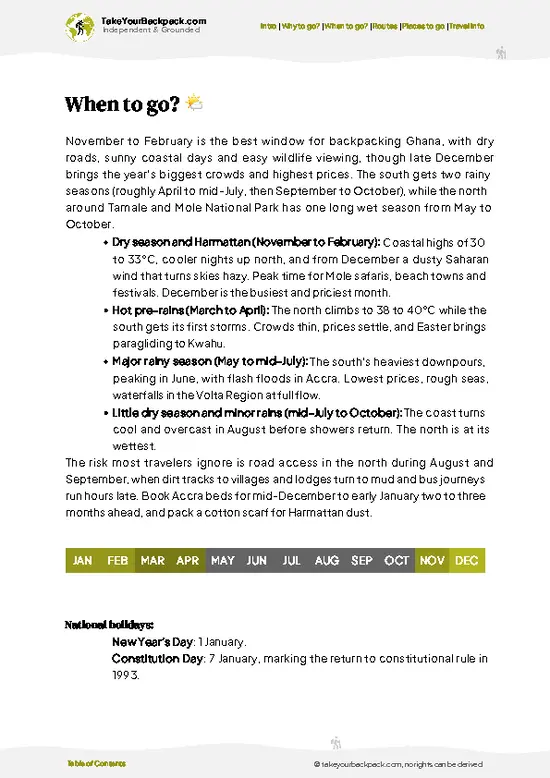
Kumasi Central Market (Kejetia Market)
This is the largest open-air market in West Africa, and it’s not for the faint of heart. You’ll find everything from kente cloth and shea butter to mobile phones and smoked fish. The real value is in the sensory overload: the calls of traders, the scent of spices, the labyrinthine alleys. Go early (before 10 a.m.) to avoid the midday crush and pickpockets. Entry is free, but bring cash for impulse buys. You can see the main sections in 1-2 hours, but you’ll want to budget mental energy—this is a full-contact sport.
Prempeh II Jubilee Museum
Tucked inside the Kumasi Cultural Centre, this museum is a crash course in Ashanti history. The highlight: the personal effects of Ashanti kings, including the famous golden stool (well, a replica—the real one is too sacred to display). It’s compact but dense with meaning. Visit mid-morning to catch a guided tour. Entry is about 5-10 GHS. Allow 45 minutes to an hour.
Kumasi Fort and Military Museum
A rare look at Ghana’s military history, housed in a British-built fort that’s seen everything from colonial skirmishes to independence celebrations. The exhibits are a bit old-school, but the cannons and war memorabilia are real, and the guides are passionate. Go in the late afternoon for cooler temperatures and fewer school groups. Entry is around 10 GHS. Expect to spend 45 minutes to an hour.
Rattray Park
If you need a breather from the city’s intensity, this urban park is your reset button. Locals come here for jogging, picnics, and the occasional open-air concert. There’s a splash pad for kids and plenty of shade for reading or people-watching. Visit in the late afternoon when the sun softens and families fill the lawns. Entry is about 2-5 GHS. Stay as long as you need to recharge—30 minutes to an hour is typical.
National Cultural Centre
This isn’t just a museum complex—it’s Kumasi’s creative heart. You’ll find artisans weaving kente, carving stools, and drumming in open workshops. The energy is contagious, and you can buy crafts directly from the makers. Go mid-morning to see artists at work. Entry is free, but bring cash for souvenirs. Give yourself at least an hour, more if you want to try a workshop.
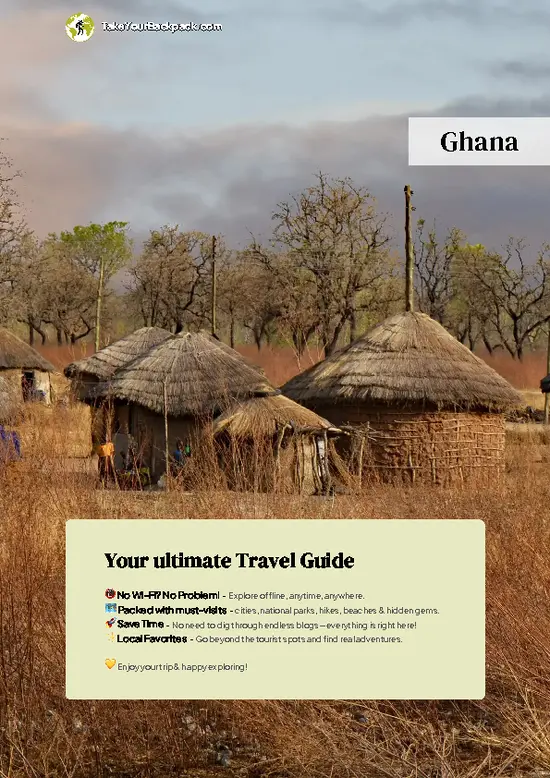
If you’re itching to stretch your legs beyond Kumasi, the sacred Lake Bosomtwe, the mysterious Bobiri Butterfly Sanctuary, and the Adanwomase Kente weaving village are all within day-trip range. Lake Bosomtwe is my personal favorite—nothing beats a swim with the crater rim on the horizon.
This is the living seat of Ashanti royalty—part museum, part active palace. You’re not just looking at artifacts; you’re walking through the corridors where the Ashanti king still holds court. The museum’s collection of regalia, photographs, and gifts from world leaders tells the story of a kingdom that shaped West African history. Go in the morning when the palace is less crowded and the guides are fresh. Entry is about 15-20 GHS. Plan for 1-1.5 hours if you want to linger over the stories behind the gold weights and ceremonial stools.
Kumasi Central Market (Kejetia Market)
This is the largest open-air market in West Africa, and it’s not for the faint of heart. You’ll find everything from kente cloth and shea butter to mobile phones and smoked fish. The real value is in the sensory overload: the calls of traders, the scent of spices, the labyrinthine alleys. Go early (before 10 a.m.) to avoid the midday crush and pickpockets. Entry is free, but bring cash for impulse buys. You can see the main sections in 1-2 hours, but you’ll want to budget mental energy—this is a full-contact sport.
Prempeh II Jubilee Museum
Tucked inside the Kumasi Cultural Centre, this museum is a crash course in Ashanti history. The highlight: the personal effects of Ashanti kings, including the famous golden stool (well, a replica—the real one is too sacred to display). It’s compact but dense with meaning. Visit mid-morning to catch a guided tour. Entry is about 5-10 GHS. Allow 45 minutes to an hour.
Kumasi Fort and Military Museum
A rare look at Ghana’s military history, housed in a British-built fort that’s seen everything from colonial skirmishes to independence celebrations. The exhibits are a bit old-school, but the cannons and war memorabilia are real, and the guides are passionate. Go in the late afternoon for cooler temperatures and fewer school groups. Entry is around 10 GHS. Expect to spend 45 minutes to an hour.
Rattray Park
If you need a breather from the city’s intensity, this urban park is your reset button. Locals come here for jogging, picnics, and the occasional open-air concert. There’s a splash pad for kids and plenty of shade for reading or people-watching. Visit in the late afternoon when the sun softens and families fill the lawns. Entry is about 2-5 GHS. Stay as long as you need to recharge—30 minutes to an hour is typical.
National Cultural Centre
This isn’t just a museum complex—it’s Kumasi’s creative heart. You’ll find artisans weaving kente, carving stools, and drumming in open workshops. The energy is contagious, and you can buy crafts directly from the makers. Go mid-morning to see artists at work. Entry is free, but bring cash for souvenirs. Give yourself at least an hour, more if you want to try a workshop.
If you’re itching to stretch your legs beyond Kumasi, the sacred Lake Bosomtwe, the mysterious Bobiri Butterfly Sanctuary, and the Adanwomase Kente weaving village are all within day-trip range. Lake Bosomtwe is my personal favorite—nothing beats a swim with the crater rim on the horizon.
Spotted a mistake or missing something? Contact us.
v2.webp)


Best Backpacking
Hi, I’m Johan (Netherlands 🇳🇱), the creator of TakeYourBackpack. Over the past decade, I’ve backpacked through 80+ countries across six continents, gaining extensive experience with independent travel, long-term trips, and overland routes.