
×

Iceland🇮🇸 | best beachesDiscover the 7 Best beaches Across Iceland

Iceland’s beaches are a captivating blend of rugged beauty and stark contrasts. From the black sands of Reynisfjara to the serene shores of Nauthólsvík, each beach offers a unique experience shaped by the country’s dramatic landscapes and unpredictable weather.

In summer, you can bask in the midnight sun, while winter brings a chill that transforms the coast into a wild, windswept wonderland. Crowds swell at popular spots, but hidden coves await those willing to explore.

Choosing the right beach impacts your vibe, budget, and safety. Whether you seek solitude or social interaction, understanding these nuances will enhance your backpacking journey and cultural immersion in Iceland.

By Johan Kruseman 🇳🇱 | Updated September 4, 2026
Explore the best attractions in Iceland

Why go?Understanding Their Importance

Iceland’s beaches are unlike any other, shaped by volcanic activity and glacial processes. The coastal variety ranges from black sand beaches to rugged cliffs, each offering a unique experience. The seasonal conditions play a crucial role; summer brings milder weather and longer days, while winter offers dramatic ice formations and fewer crowds. However, peak season can lead to congested spots, diminishing the sense of solitude that many seek.

Accessibility varies significantly. Some beaches are easily reachable from major roads, while others require a trek that rewards with isolation and stunning views. This trade-off between travel time and depth of exploration is essential. The more remote locations often reveal the raw beauty of Iceland’s coastline, but they demand commitment and preparation. … read more 👉
Iceland’s beaches are unlike any other, shaped by volcanic activity and glacial processes. The coastal variety ranges from black sand beaches to rugged cliffs, each offering a unique experience. The seasonal conditions play a crucial role; summer brings milder weather and longer days, while winter offers dramatic ice formations and fewer crowds. However, peak season can lead to congested spots, diminishing the sense of solitude that many seek.

Accessibility varies significantly. Some beaches are easily reachable from major roads, while others require a trek that rewards with isolation and stunning views. This trade-off between travel time and depth of exploration is essential. The more remote locations often reveal the raw beauty of Iceland’s coastline, but they demand commitment and preparation.

Culturally, these beaches reflect Iceland’s history of survival against the elements. The geographic features, such as basalt columns and geothermal activity, create a landscape that feels alive. However, the climatic challenges can deter casual beachgoers. Strong winds and unpredictable weather mean that a sunny day can quickly turn into a storm.

Understanding these factors is vital for appreciating what Icelandic beaches offer. They are not just places to sunbathe; they are gateways to the island’s wild heart, where nature’s power is palpable and the experience is deeply immersive.
Evaluating the Top Choices
The list of best beaches in Iceland is created based on beauty, vibe, water quality, activities, and surrounding scenery. If you feel a beach is missing in this list, please let us know.

When to go?Optimal Periods for Travel

Seasonality plays a crucial role in experiencing Iceland’s beaches. The summer months, particularly June through August, offer the warmest weather, with temperatures occasionally reaching the low 60s Fahrenheit. This is when the beaches come alive, attracting both locals and tourists. However, expect crowds, especially at popular spots. Prices for accommodations and activities peak during this time, reflecting the high demand.

Shoulder seasons, like late spring and early fall, present a different picture. May and September can still deliver decent weather, with fewer visitors. The trade-off? Water temperatures remain chilly, often too cold for swimming, but the dramatic landscapes are less crowded, allowing for a more intimate experience. The light during these months is also unique, with … read more 👉
Seasonality plays a crucial role in experiencing Iceland’s beaches. The summer months, particularly June through August, offer the warmest weather, with temperatures occasionally reaching the low 60s Fahrenheit. This is when the beaches come alive, attracting both locals and tourists. However, expect crowds, especially at popular spots. Prices for accommodations and activities peak during this time, reflecting the high demand.

Shoulder seasons, like late spring and early fall, present a different picture. May and September can still deliver decent weather, with fewer visitors. The trade-off? Water temperatures remain chilly, often too cold for swimming, but the dramatic landscapes are less crowded, allowing for a more intimate experience. The light during these months is also unique, with long twilight hours that enhance the scenery.

Winter brings its own challenges. Beaches can be stark and beautiful, but conditions are often harsh. Strong winds and cold temperatures make swimming impractical. However, the dramatic waves and ice formations create a striking atmosphere.

Consider tide and water clarity as well. Low tides reveal more beach area, while high tides can create powerful surf, ideal for photography but not for swimming. Understanding these seasonal patterns will help in planning a visit that aligns with desired activities and experiences.

beach hoppingHow to Combine beaches Into One Trip

Coastline Flow


Iceland’s beaches are scattered like pearls along its rugged coastline, each offering a unique experience. Start in the south, where the black sands of Reynisfjara and the dramatic cliffs of Dyrhólaey create a striking contrast against the crashing waves. The best time to visit is early morning or late afternoon to dodge the crowds and catch that golden light.

Regional Clustering


From there, head west toward the Snæfellsnes Peninsula. The beaches here, like Djúpalónssandur, are less frequented, allowing for a more intimate experience with the landscape. Allocate a couple of hours to explore the area, taking in the rock formations and the scent of salt in the air.

Optimal Sequencing


As you travel north, consider the beaches around Akureyri. They’re often overlooked, … read more 👉

Coastline Flow


Iceland’s beaches are scattered like pearls along its rugged coastline, each offering a unique experience. Start in the south, where the black sands of Reynisfjara and the dramatic cliffs of Dyrhólaey create a striking contrast against the crashing waves. The best time to visit is early morning or late afternoon to dodge the crowds and catch that golden light.

Regional Clustering


From there, head west toward the Snæfellsnes Peninsula. The beaches here, like Djúpalónssandur, are less frequented, allowing for a more intimate experience with the landscape. Allocate a couple of hours to explore the area, taking in the rock formations and the scent of salt in the air.

Optimal Sequencing


As you travel north, consider the beaches around Akureyri. They’re often overlooked, yet they offer serene beauty and a chance to unwind. Plan for a leisurely afternoon here, perhaps enjoying a picnic while watching the waves lap against the shore.

Common Mistakes


Travelers often underestimate the distances between stops. Prioritize quality over quantity; rushing through can lead to missing the essence of each location. Flexibility is key; weather can change rapidly, affecting surf conditions and accessibility.

Trade-offs and Constraints


Balancing speed with depth of experience is crucial. A well-planned route allows for spontaneous stops, enhancing the journey. Budget considerations may affect accommodation choices, but investing in a cozy stay can make all the difference after a day of exploration. Embrace the effort; the reward is a deeper connection to Iceland’s wild beauty.

The ListThe Best beaches of Iceland

1 Reynisfjara

basalt columns, roaring surf, sea stacks

Feel the raw force of the North Atlantic as waves pound a black pebble shore lined with towering basalt and distant rock spires.

2 Diamond Beach

ice fragments, black sand, glacial outflow

Watch luminous icebergs drift ashore, scattered across volcanic sands, while seabirds circle and the surf churns with glacial runoff.

iceland-beach-diamond-beach
© Google | Franziska Wilke

3 Dyrhólaey

sea arch, puffin cliffs, panoramic promontory

Stand above crashing waves and gaze out from a high headland where puffins nest and basalt formations frame the Atlantic horizon.

iceland-beach-dyrholaey
© Google |

4 Jokulsarlon

ice lagoon, drifting bergs, seal habitat

Glide past floating ice in a glacial lagoon, spotting seals and listening to the creak and crack of ancient blue ice.

iceland-beach-jokulsarlon v1
© Google |

5 Rauðasandur Beach

red-gold sand, remote Westfjords, tidal flats

Walk for miles on copper-tinted sand, surrounded by silence and shifting tides, far from Iceland’s main tourist routes.

6 Vik Beach

black pebbles, Reynisdrangar view, coastal cliffs

Stroll beneath steep cliffs and look out to jagged sea stacks, with the village of Vík tucked behind windswept volcanic stones.

iceland-beach-vik-beach
© Google |

7 Ytri Tunga Beach

seal colony, golden sand, shallow waters

Spot seals basking on rocks and explore gentle shores where clear water and soft sand contrast with Iceland’s darker coasts.

iceland-beach-ytri-tunga-beach
© Google |
Loading the map 🌍

Expert viewInsights from Locals and Experts

Coastline Flow

Iceland’s beaches are a mixed bag of black sands, pebbled shores, and dramatic cliffs. You’ll find that the coastline stretches over 4,000 kilometers, offering a variety of experiences. The south coast is where many flock, drawn by the allure of Reynisfjara’s basalt columns and the striking contrast of black sand against the white surf. But don’t let the Instagram shots fool you; the reality is often crowded, especially in peak summer. If you want to savor the magic, consider visiting during shoulder seasons like late spring or early fall. The light is softer, the air crisper, and the crowds thinner.

Seasonal Conditions

Weather in Iceland is notoriously fickle. Summer brings long days and milder temperatures, but even then, you might encounter sudden rain or wind. Winter, … read more 👉

Coastline Flow

Iceland’s beaches are a mixed bag of black sands, pebbled shores, and dramatic cliffs. You’ll find that the coastline stretches over 4,000 kilometers, offering a variety of experiences. The south coast is where many flock, drawn by the allure of Reynisfjara’s basalt columns and the striking contrast of black sand against the white surf. But don’t let the Instagram shots fool you; the reality is often crowded, especially in peak summer. If you want to savor the magic, consider visiting during shoulder seasons like late spring or early fall. The light is softer, the air crisper, and the crowds thinner.

Seasonal Conditions

Weather in Iceland is notoriously fickle. Summer brings long days and milder temperatures, but even then, you might encounter sudden rain or wind. Winter, on the other hand, transforms the beaches into surreal landscapes, with icebergs washing ashore and the northern lights dancing overhead. However, access can be tricky; some roads may be impassable due to snow. If you’re keen on winter visits, be prepared for shorter days and pack accordingly. Always check local conditions before heading out; a sunny morning can quickly turn into a stormy afternoon.

Access Points

Getting to these beaches often requires a bit of effort. Many are off the beaten path, necessitating a rental car or a guided tour. While the Ring Road connects several popular spots, some hidden treasures require detours on gravel roads. Be mindful of your vehicle; a 4x4 is advisable for more remote areas. Parking can be limited at popular beaches, so arrive early to snag a spot. If you’re traveling with a group, consider carpooling to reduce costs and make the journey more enjoyable.

Crowd Density

Crowds can be a real factor, especially at well-known beaches. Reynisfjara and Jokulsarlon are often swarmed with tourists, making it hard to appreciate their beauty. If you’re seeking solitude, aim for lesser-known beaches like Stokksnes or the remote shores of the Westfjords. These spots may require more travel time, but the reward is a peaceful experience where you can truly connect with the landscape. Remember, the journey is part of the adventure; embrace the slower pace and soak in the surroundings.

Balancing Relaxation vs. Travel Speed

Iceland’s beaches are not just about sunbathing; they’re about the experience. Plan to spend at least a few hours at each beach to fully absorb the atmosphere. If you’re rushing from one spot to another, you’ll miss the nuances—the sound of waves crashing against rocks, the salty breeze, and the shifting colors of the sky. Prioritize a handful of beaches that resonate with you, rather than trying to tick off a long list. This approach allows for deeper exploration and a more relaxed pace.

Safety & Cultural Considerations

Safety is paramount. The ocean can be deceptively powerful; rogue waves can catch you off guard. Always heed local warnings and stay a safe distance from the water’s edge. Respect the land and local customs; many beaches are sacred to Icelanders. Leave no trace, and be mindful of your impact. Engaging with locals can enrich your experience; they often have stories and insights that guidebooks overlook.

Planning and Prioritizing Beaches

Aim to visit three to five beaches during your trip, depending on your itinerary. This allows for a balance of exploration and relaxation. Factor in travel time and local conditions when planning your route. Each beach offers a unique slice of Iceland’s coastal character, so choose wisely based on what resonates with you. Whether it’s the dramatic cliffs, the serene solitude, or the vibrant wildlife, there’s a beach waiting to reveal its magic—if you’re willing to earn it.

✈️ The backpacker research shortcutIceland Travel Guide

An offline-friendly backpacking guide with optimized travel routes, ranked highlights, transport advice, and the best areas to stay.
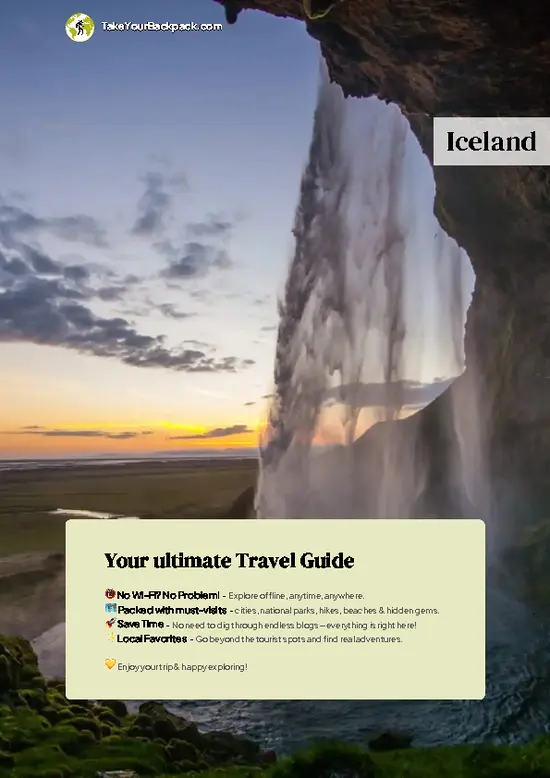
example page 0 from our offline Travel Guide for Iceland
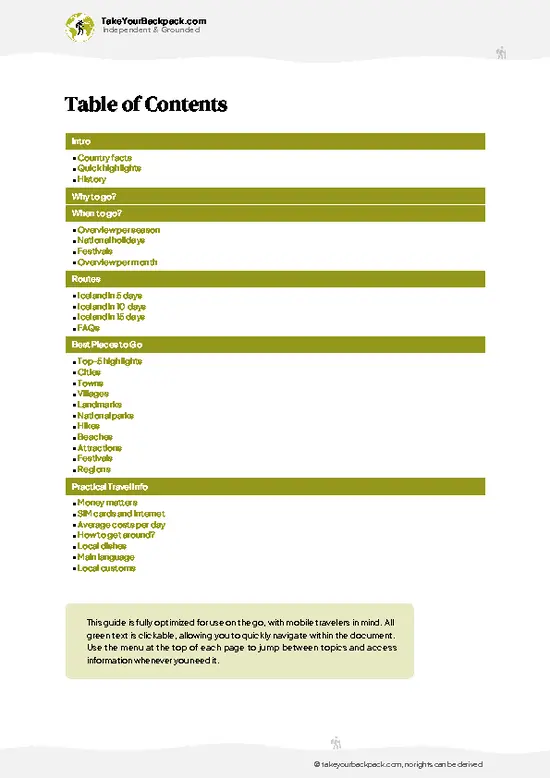
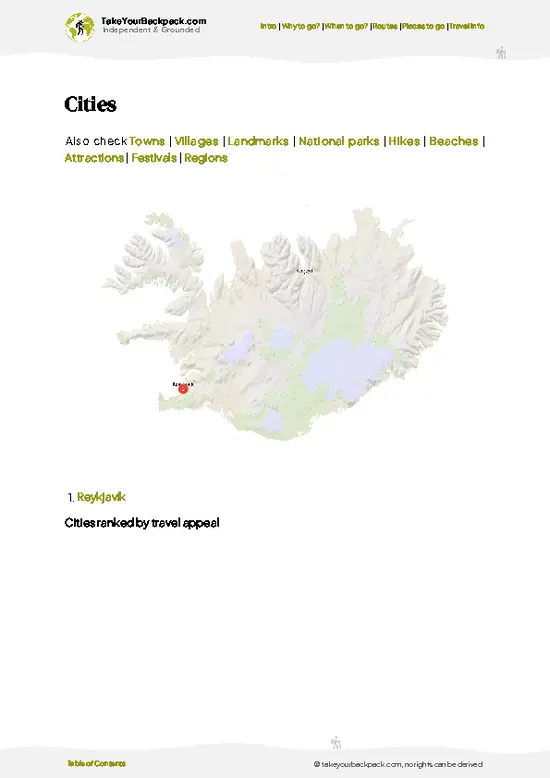
example page 1 from our offline Travel Guide for Iceland
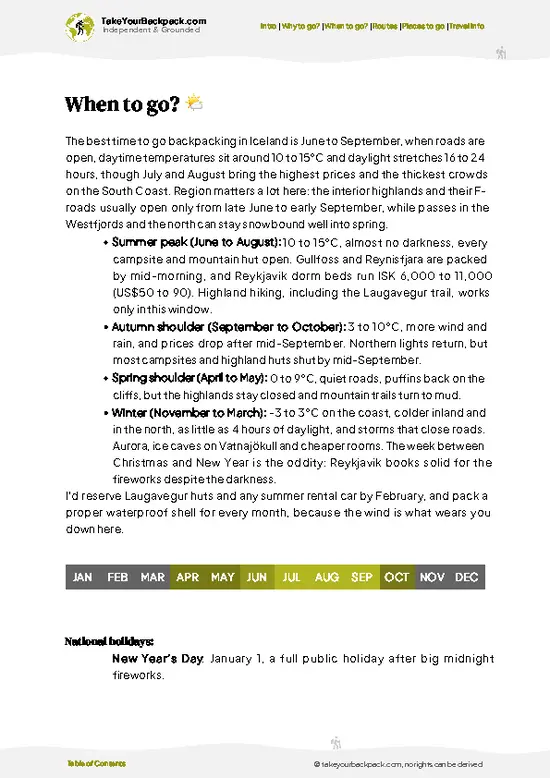
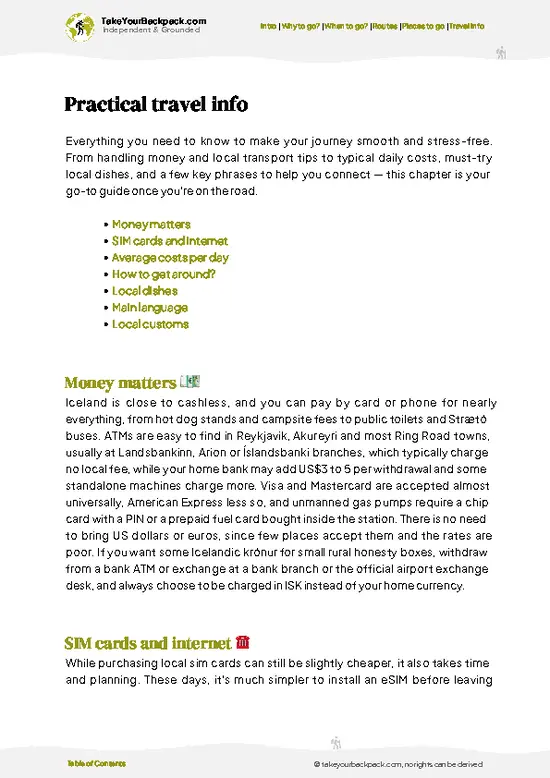
example page 2 from our offline Travel Guide for Iceland
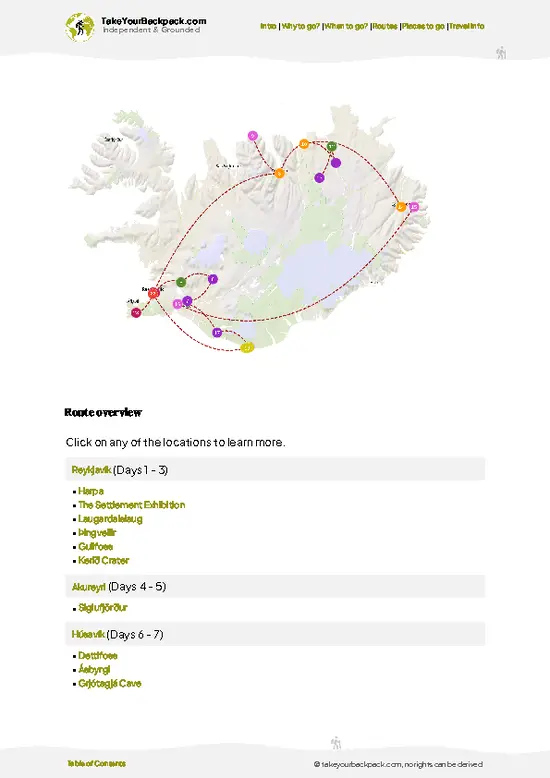
example page 3 from our offline Travel Guide for Iceland
example page 4 from our offline Travel Guide for Iceland
example page 5 from our offline Travel Guide for Iceland
example page 6 from our offline Travel Guide for Iceland
example page 7 from our offline Travel Guide for Iceland
The digital guide (240 pages) contains:
62 highlights, ranked by travel appeal
Optimized 5, 10 & 15-day travel routes
Cities, national parks, landmarks, beaches
How to get around
Offline-friendly for travel without Wi-Fi
👉 Click to see all 30+ guide features

📅 Plan smarter in minutes, not weeks
Month by month travel advice
Festivals & national holidays
Budget expectations

🗺️ Go to the right places, skip the overrated ones
Honest pros & cons of destinations
Top hikes, parks & viewpoints
Lesser-known places most travelers miss
Clear “worth it vs skip it” guidance

🛏️ Travel smoothly without rookie mistakes
Best areas to stay
Transport systems explained simply
Common scams & safety advice
SIM cards, money & practical tips

🌍 Understand the country, not just visit it
Culture & traditions
52 Essential phrases & customs
Festivals worth planning around
Traveler-friendly historical context
Insights that make places more meaningful

📱 Built for real travel conditions
Fully downloadable PDF
Works completely offline
Optimized for phone use
Useful in remote areas & buses
Everything in one place
Save weeks of stressful planning
Get instant access to your full guide. 30‑day money-back guarantee.
+ Add another guide for just US$7.80

By proceeding you agree to our terms.
Sent to your inbox immediately after payment • 100% Secure Checkout
Best Backpacking Travel Advisor 2025 tourism awardBest Backpacking
Travel Advisor
2025
What others say about Take Your Backpack Guides:
⭐⭐⭐⭐⭐
Fantastic, amazing amount of information!
⭐⭐⭐⭐⭐
My goodness this is amazing, it's what I've been looking for hats off too you!
⭐⭐⭐⭐⭐
I think this is absolutely BRILLIANT
⭐⭐⭐⭐
Very complete and informative. It's still missing places, but I gotta to commend you
⭐⭐⭐⭐⭐
This is truly amazing, thank you, can't wait to explore it with my kids!
⭐⭐⭐⭐⭐
Awesome resource, thank you!
⭐⭐⭐⭐⭐
This is amazing! Can't wait to explore the ones I haven't seen
⭐⭐⭐⭐
I love this! Well done, great idea.
⭐⭐⭐⭐⭐
Thanks for taking the time to make this gem!
⭐⭐⭐⭐⭐
This might be the best website I've ever seen.
⭐⭐⭐⭐⭐
Congratulations, and thank you so much for your work; it's incredibly valuable.
⭐⭐⭐⭐
In all seriousness I think you did a great job pointing out the important spots
⭐⭐⭐⭐⭐
10/10 very good
⭐⭐⭐⭐⭐
As someone who's only just starting to visit regularly this is awesome, thank you.
⭐⭐⭐⭐
Thank you very much! I'm going to visit my dad, it's going to be very useful!
⭐⭐⭐⭐⭐
This is really cool! We'll be travelling for the first time and this definitely come in handy.
⭐⭐⭐⭐⭐
You are now our minister of culture, congratulations 👨‍💼
⭐⭐⭐⭐⭐
Just wanted to tell you that this is a pearl! Going to follow your recommendations.
⭐⭐⭐⭐⭐
This is so cool. I'll definitely be using the resource for my travels soon.
⭐⭐⭐⭐⭐
This is very impressive! Good work.
⭐⭐⭐⭐⭐
This is an amazing and informative site. Very well done!

🛏️ Where to stay?Where to Stay: Iceland Edition

Yes — hostels and budget beds are widely available across Iceland, but they cluster in Reykjavík and in tourist towns along the Ring Road such as Akureyri, Vík and Höfn, with far fewer options in remote highlands.
In Reykjavík, Downtown/Laugavegur/Old Harbour has the most choices and best access to attractions and nightlife but is pricier and can be noisy at night; Grandi/Vesturbær is quieter and near coastal walks but has fewer dorm beds; airport towns near Keflavík are budget-friendly for arrivals yet add about a 40–60 minute transfer to central Reykjavík; Akureyri centre is compact, safe and a practical northern base with a small hostel scene; South Coast towns place you right by major sights … read more 👉
Yes — hostels and budget beds are widely available across Iceland, but they cluster in Reykjavík and in tourist towns along the Ring Road such as Akureyri, Vík and Höfn, with far fewer options in remote highlands.
In Reykjavík, Downtown/Laugavegur/Old Harbour has the most choices and best access to attractions and nightlife but is pricier and can be noisy at night; Grandi/Vesturbær is quieter and near coastal walks but has fewer dorm beds; airport towns near Keflavík are budget-friendly for arrivals yet add about a 40–60 minute transfer to central Reykjavík; Akureyri centre is compact, safe and a practical northern base with a small hostel scene; South Coast towns place you right by major sights and cut driving time, but services are limited, prices rise in high season and nights are very quiet.

If you enjoy meeting fellow travelers, consider choosing hostels with high ratings for atmosphere. On the other hand, if you prefer having your own space, a hotel might be a better option.

IcelandExplore Beyond This Category

👋 Meet the founderWho’s Behind Take Your Backpack?

Johan, backpacker and founder of TakeYourBackpackHi, I’m Johan (Netherlands 🇳🇱), the creator of TakeYourBackpack. Over the past decade, I’ve backpacked through 80+ countries across six continents, gaining extensive experience with independent travel, long-term trips, and overland routes.

This site is built on a combination of firsthand travel experience and carefully curated insights from other backpackers. Many guides are based on places I’ve personally visited, while others bring together tips, observations, and practical advice shared by trusted travelers I’ve met along the way.

The goal is to provide realistic, experience-driven guidance — not generic itineraries — so you can explore destinations with better context, clearer expectations, and more confidence.

Get full Iceland guide •
Instant download • 62 highlights • Full Offline guide