How many landmarks to visit: Pick
8 to 12 landmarks on a one to two week trip. That is enough variety to see volcanic, glacial and coastal Iceland, but not so many that you spend every day staring through a windshield. Past that number, the stops start to blur into one long gray-green drive.
Prioritizing by travel style: If you are on a tight budget, favor
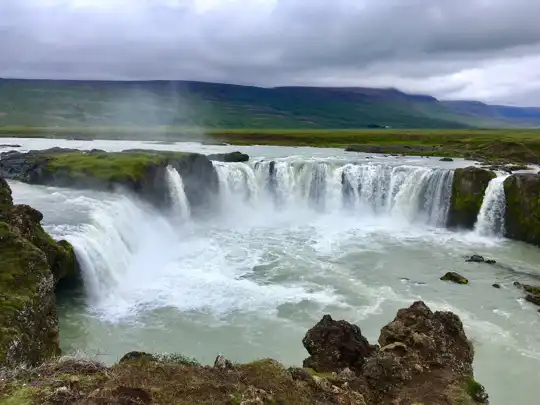
free natural sights such as waterfalls, beaches and lava fields, which cost nothing beyond fuel and parking. Hikers should choose a couple of trails over a long list of roadside stops, since a 3 to 5 hour walk gives you wind, birdsong and quiet that a parking lot never will. Travelers short on time can stick to the Golden Circle and South Coast, where everything is close together. Adventurous travelers should save space for one remote area, …
read more 👉 How many landmarks to visit: Pick
8 to 12 landmarks on a one to two week trip. That is enough variety to see volcanic, glacial and coastal Iceland, but not so many that you spend every day staring through a windshield. Past that number, the stops start to blur into one long gray-green drive.
Prioritizing by travel style: If you are on a tight budget, favor
free natural sights such as waterfalls, beaches and lava fields, which cost nothing beyond fuel and parking. Hikers should choose a couple of trails over a long list of roadside stops, since a 3 to 5 hour walk gives you wind, birdsong and quiet that a parking lot never will. Travelers short on time can stick to the Golden Circle and South Coast, where everything is close together. Adventurous travelers should save space for one remote area, like the Westfjords, where the crowds are thin and the roads are rough.
What it costs: Expect
US$100 to 170 a day on a lean independent trip, including a shared campervan or rental car, groceries and fuel. A dorm bed runs about 5,000 to 9,000 ISK (US$35 to 65) and campsites about 2,000 to 3,500 ISK (US$14 to 25) per person. Many landmarks are free, parking costs about 750 to 1,000 ISK (US$5 to 7), and geothermal pools cost 1,500 to 3,000 ISK (US$10 to 22). Guided activities such as glacier hikes cost about 15,000 to 30,000 ISK (US$105 to 210), and ice caves a bit more. The biggest budget lever is cooking for yourself, because restaurant meals often cost 3,000 to 5,000 ISK (US$21 to 35).
Safety and etiquette: The main danger is the
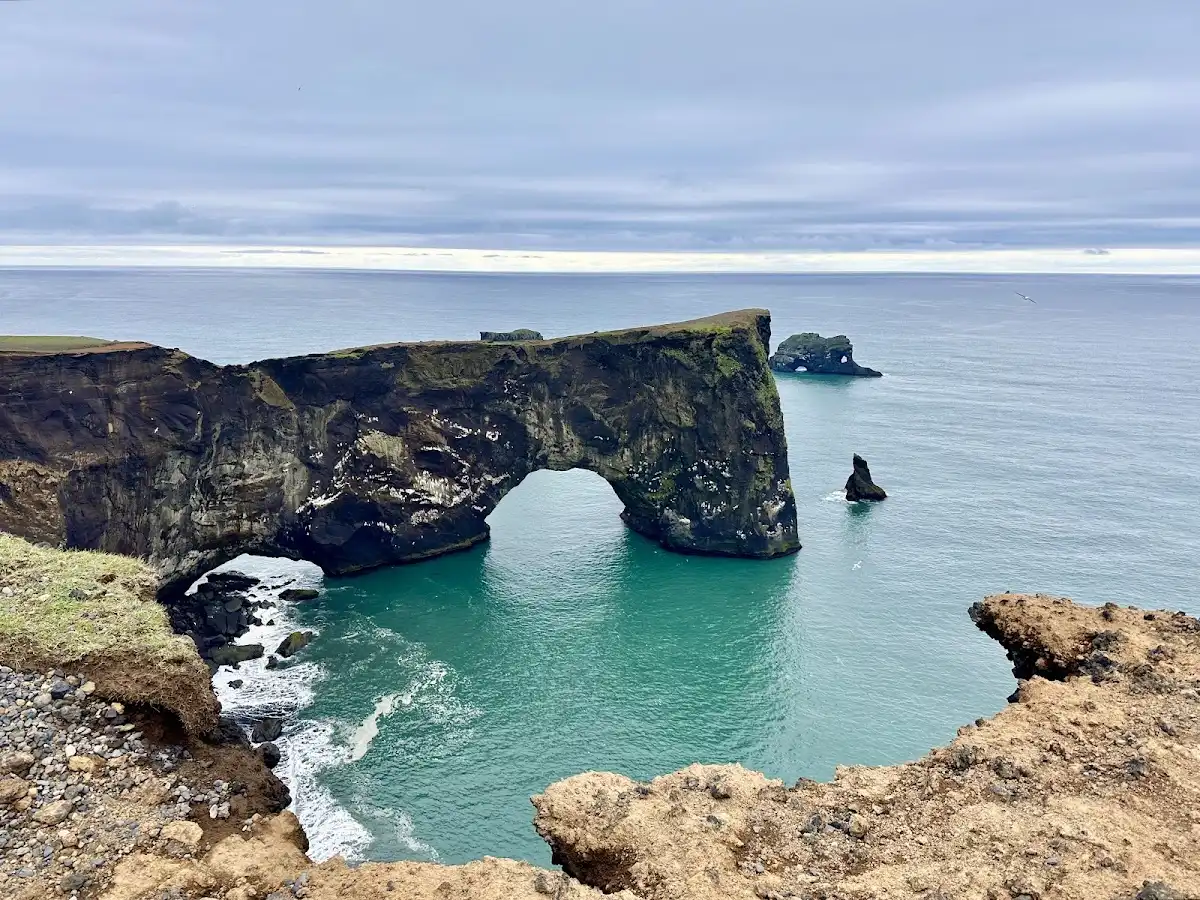
weather and the sea. Sneaker waves on black sand beaches have swept people away, and the cold Atlantic gives little time to recover, so stay well back from the surf. Spray-soaked rocks near waterfalls are slick, and cliff edges are often unfenced, with strong gusts. Stay off glaciers without a guide. Geothermal areas have scalding water under thin crust, so stick to boardwalks. Check
safetravel.is before heading out and file a travel plan for remote routes.
Respect for the land: Icelanders take
off-road driving seriously, and fines are steep, since tire tracks in moss can last for decades. Never stack stones or walk on lava moss, camp only on designated sites in most areas, and shower before entering pools, as locals expect. Drones are restricted at many sites. Pack a windproof shell, waterproof boots and a headlamp for the winter months.
v2.webp)






 Best Backpacking
.jpg) Hi, I’m Johan (Netherlands 🇳🇱), the creator of TakeYourBackpack. Over the past 3 decades, I’ve backpacked through 90+ countries across six continents, gaining extensive experience with independent travel, long-term trips, and overland routes.
Hi, I’m Johan (Netherlands 🇳🇱), the creator of TakeYourBackpack. Over the past 3 decades, I’ve backpacked through 90+ countries across six continents, gaining extensive experience with independent travel, long-term trips, and overland routes.