×

Laos🇱🇦 | best regionsDiscover the 4 Best regions Across Laos

Laos is a land of diverse regions, each offering unique landscapes, cultural experiences, and travel vibes. From the lush, mountainous north to the flat, riverine south, the climate shifts dramatically, influencing when and where to explore. The northern highlands are perfect for trekking and cultural immersion, while the southern plains provide a more relaxed atmosphere, ideal for river adventures.

Choosing the right region impacts your budget, safety, and ease of travel. For backpackers, understanding these nuances is crucial; the seasonal variations can dictate everything from trail accessibility to local festivals. Each area tells a different story, shaping your journey through this captivating country.

By Johan Kruseman 🇳🇱 | Updated June 16, 2026
Explore the best cities in Laos

Why go?Why These region Stand Out

Laos stands apart in Southeast Asia due to its climatic diversity and cultural richness. The country’s geography ranges from rugged mountains to lush river valleys, creating distinct microclimates that influence both flora and local lifestyles. This variety allows for a broad spectrum of experiences, from the cool, misty highlands to the humid, tropical lowlands.

Traveling through Laos often requires patience. Infrastructure can be limited, with winding roads and occasional delays. However, this is part of the allure. The slower pace encourages deeper engagement with the local culture. Villages are often remote, offering a glimpse into traditional ways of life that remain largely untouched by modernity. This immersion is a trade-off; while accessibility may be challenging, the rewards are … read more 👉
Laos stands apart in Southeast Asia due to its climatic diversity and cultural richness. The country’s geography ranges from rugged mountains to lush river valleys, creating distinct microclimates that influence both flora and local lifestyles. This variety allows for a broad spectrum of experiences, from the cool, misty highlands to the humid, tropical lowlands.

Traveling through Laos often requires patience. Infrastructure can be limited, with winding roads and occasional delays. However, this is part of the allure. The slower pace encourages deeper engagement with the local culture. Villages are often remote, offering a glimpse into traditional ways of life that remain largely untouched by modernity. This immersion is a trade-off; while accessibility may be challenging, the rewards are profound.

The historical context of Laos adds another layer. Influences from neighboring countries blend with indigenous traditions, creating a unique cultural tapestry. Festivals, rituals, and daily life reflect this rich heritage, making each region a living history lesson.

Ultimately, Laos is well-suited for travelers seeking authenticity over convenience. The trade-offs in travel time and infrastructure are outweighed by the depth of exploration and connection to the land and its people. Embrace the journey; the rewards are waiting just beyond the next bend.
Behind the Scenes of Selection
The list of best regions in Laos is created based on landscapes, local culture, attractions, vibes, and overall appeal. If you feel a region is missing in this list, please let us know.

When to go?Optimal Periods for Travel

Climate Variation
Laos experiences a tropical monsoon climate, divided into distinct wet and dry seasons. The dry season, from November to April, offers cooler temperatures and lower humidity, making it the most comfortable time to explore. Daytime temperatures can still reach highs, but evenings cool down, providing a pleasant respite.

Optimal Months
The best months to visit are typically from December to February. During this period, the air is crisp, and the landscapes are lush from the previous rains. This is when the country feels alive, with vibrant greenery and clear skies.

Shoulder Seasons
The shoulder months of October and March can be a mixed bag. October sees the tail end of the rainy season, which means occasional downpours but also fewer tourists and lower prices. March, … read more 👉
Climate Variation
Laos experiences a tropical monsoon climate, divided into distinct wet and dry seasons. The dry season, from November to April, offers cooler temperatures and lower humidity, making it the most comfortable time to explore. Daytime temperatures can still reach highs, but evenings cool down, providing a pleasant respite.

Optimal Months
The best months to visit are typically from December to February. During this period, the air is crisp, and the landscapes are lush from the previous rains. This is when the country feels alive, with vibrant greenery and clear skies.

Shoulder Seasons
The shoulder months of October and March can be a mixed bag. October sees the tail end of the rainy season, which means occasional downpours but also fewer tourists and lower prices. March, while warmer, can be quite dry, leading to dusty conditions.

Peak Periods
Festivals often draw crowds, particularly around the end of the dry season. These events can enhance the experience but also mean larger crowds and higher costs.

Seasonal Constraints
Travelers should consider that the wet season, from May to September, brings heavy rains that can disrupt travel plans. While the countryside is stunningly green, the humidity can be oppressive, and some areas may become inaccessible. Balancing comfort with the desire for authentic experiences is key in planning a trip to Laos.

region hoppingSuggested Travel Strategies

Routing Logic
Start in the north, where the mountains cradle the ancient town of Luang Prabang. From there, head south to Vang Vieng, known for its stunning limestone karsts and vibrant river life. Finally, make your way to the capital, Vientiane, for a taste of urban Laos. This route allows for a natural progression through diverse landscapes and cultures.

Timing
Allocate at least two to three days in Luang Prabang to soak in its temples and night markets. Vang Vieng deserves a solid two days for outdoor adventures and relaxation by the river. Vientiane can be explored in a day, but lingering for a second night opens up opportunities for local dining and cultural experiences.

Common Mistakes
Travelers often underestimate travel times. Roads can be winding and slow, especially in mountainous … read more 👉
Routing Logic
Start in the north, where the mountains cradle the ancient town of Luang Prabang. From there, head south to Vang Vieng, known for its stunning limestone karsts and vibrant river life. Finally, make your way to the capital, Vientiane, for a taste of urban Laos. This route allows for a natural progression through diverse landscapes and cultures.

Timing
Allocate at least two to three days in Luang Prabang to soak in its temples and night markets. Vang Vieng deserves a solid two days for outdoor adventures and relaxation by the river. Vientiane can be explored in a day, but lingering for a second night opens up opportunities for local dining and cultural experiences.

Common Mistakes
Travelers often underestimate travel times. Roads can be winding and slow, especially in mountainous areas. Rushing through regions sacrifices depth; savoring each stop yields richer experiences.

Trade-offs
Balancing speed and depth is crucial. A fast-paced trip may cover more ground but often leaves little room for genuine connection. Budget travelers might opt for local buses, which are cheaper but can be less comfortable. Prioritize comfort when possible to enhance the journey. Flexibility is key; allow for spontaneous detours that can lead to unexpected rewards.

The ListMust-Visit regions in Laos

1 Si Phan Don (Four Thousand Islands)

river islands, Mekong sunsets, stilt houses, laid-back pace

Drift between islands by boat, watch rare river dolphins, and settle into a rhythm dictated by the wide, slow-moving Mekong.

2 Bolaven Plateau

coffee plantations, cool climate, waterfalls, ethnic villages

Taste fresh brews at source, hike through misty highlands, and meet communities whose daily life is shaped by the plateau’s altitude and soil.

laos-region-bolaven-plateau
© Google |

3 Thakhek Loop

karst landscapes, cave systems, rural roads, motorbike circuit

Ride through limestone valleys, explore vast caverns, and pause in villages where the journey is as memorable as the destinations.

4 Xieng Khouang

Plain of Jars, war relics, rolling hills, Hmong markets

Walk among ancient stone jars, trace scars of conflict, and browse rural markets where upland cultures converge in the morning chill.

Loading the map 🌍

Expert viewExpert Commentary on regions

Geographic Diversity
Laos is a patchwork of landscapes, from the rugged mountains in the north to the lush river valleys in the south. Each region offers a distinct flavor, shaped by its geography and culture. The northern highlands are a haven for trekkers, where steep trails wind through dense forests and remote villages. The air is crisp, and the scent of pine mingles with the earthy aroma of damp soil. In contrast, the southern regions boast the Mekong River, where the water glistens under the sun, inviting you to slow down and soak in the scenery.

Visiting three to four regions is ideal for a well-rounded experience. This allows you to appreciate the stark contrasts in culture and environment. However, be prepared for the realities of travel in Laos. Roads can be rough, and transport … read more 👉
Geographic Diversity
Laos is a patchwork of landscapes, from the rugged mountains in the north to the lush river valleys in the south. Each region offers a distinct flavor, shaped by its geography and culture. The northern highlands are a haven for trekkers, where steep trails wind through dense forests and remote villages. The air is crisp, and the scent of pine mingles with the earthy aroma of damp soil. In contrast, the southern regions boast the Mekong River, where the water glistens under the sun, inviting you to slow down and soak in the scenery.

Visiting three to four regions is ideal for a well-rounded experience. This allows you to appreciate the stark contrasts in culture and environment. However, be prepared for the realities of travel in Laos. Roads can be rough, and transport options are limited. Expect to spend time on buses or boats, which can be both a test of patience and a chance to connect with locals.

Transport Between Regions
Getting around Laos can feel like an adventure in itself. The infrastructure is improving, but it’s still a challenge. Bumpy roads and unpredictable schedules mean you’ll need to factor in extra time for travel. For instance, a journey that looks short on a map can take hours longer than expected. If you’re planning to hop from one region to another, consider the pace you want to maintain.

Flying is an option for longer distances, but it can be pricey and may not always be available. Buses are the most common mode of transport, and while they can be cramped, they offer a chance to witness the daily life of the country. The trade-off here is comfort versus immersion; you’ll get a more authentic experience on the ground, but it may come at the cost of convenience.

Cultural Variation
Each region in Laos has its own cultural identity, influenced by ethnic diversity and historical context. In the north, you’ll encounter hill tribes with vibrant textiles and unique traditions. The markets are alive with color and sound, where the scent of grilled meats and fresh herbs fills the air. In contrast, the south leans more towards a laid-back, riverine lifestyle, where the pace slows down, and the focus shifts to community and relaxation.

Understanding these cultural nuances is crucial. Respect local customs, especially in rural areas where traditions run deep. Dress modestly and be mindful of local etiquette. This not only enriches your experience but also fosters goodwill. The trade-off here is the need for cultural sensitivity versus the temptation to engage in touristy behavior. Choose the former for a more rewarding journey.

Pacing Trade-offs
When planning your itinerary, consider how much time you want to spend in each region. A rushed trip may leave you feeling like you’ve only skimmed the surface. Aim for a balance between exploration and relaxation. Spending a few days in each area allows you to absorb the local vibe, whether it’s sipping coffee in a bustling town or hiking to a remote waterfall.

Budget is another factor to weigh. Laos is generally affordable, but costs can add up with transportation and activities. Allocate funds wisely, prioritizing experiences that resonate with you. The trade-off here is between a packed schedule and a more leisurely pace. Opt for the latter if you want to truly connect with the land and its people.

Safety & Cultural Considerations
Safety is generally not a major concern in Laos, but it’s wise to stay aware of your surroundings, especially in crowded areas. Health precautions, like drinking bottled water and being cautious with street food, are essential.

Culturally, Laos is a country steeped in tradition. Engaging with locals can lead to enriching experiences, but always approach with respect. Learning a few phrases in Lao can go a long way in breaking the ice. The trade-off here is between the comfort of sticking to tourist paths and the potential rewards of stepping outside your comfort zone. Embrace the latter for a more authentic journey.

✈️ The backpacker research shortcutLaos Travel Guide

An offline-friendly backpacking guide with optimized travel routes, ranked highlights, transport advice, and the best areas to stay.
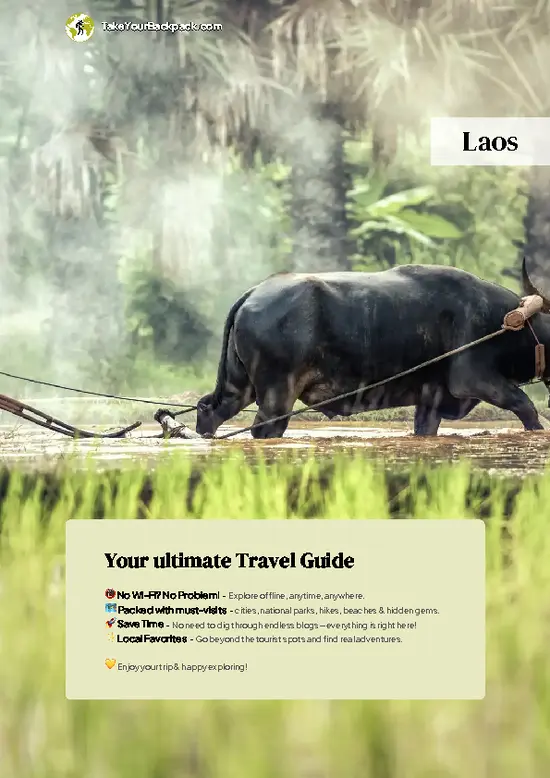
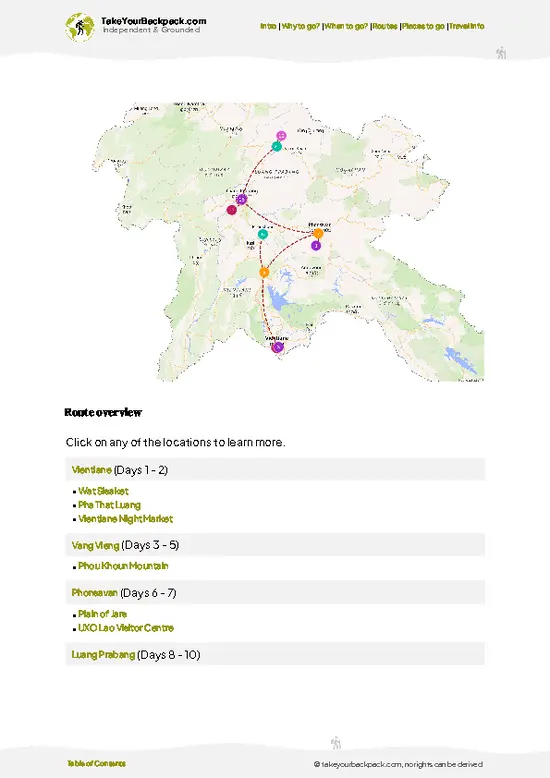
example page 0 from our offline Travel Guide for Laos
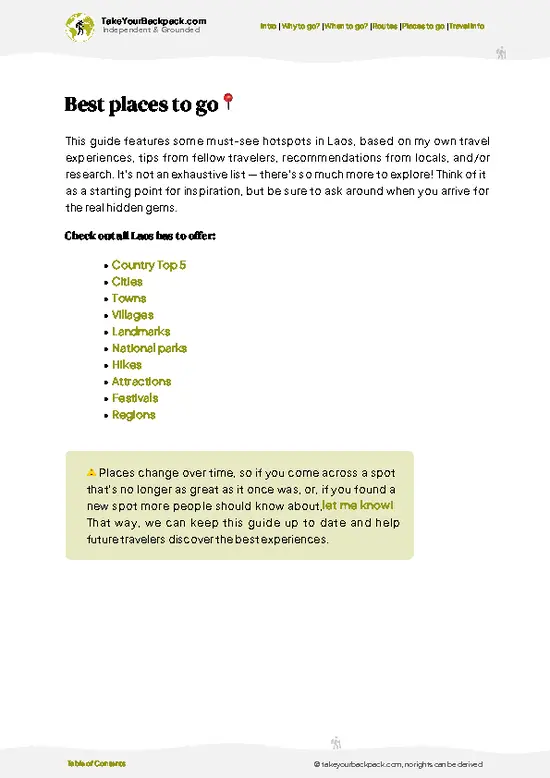
example page 1 from our offline Travel Guide for Laos
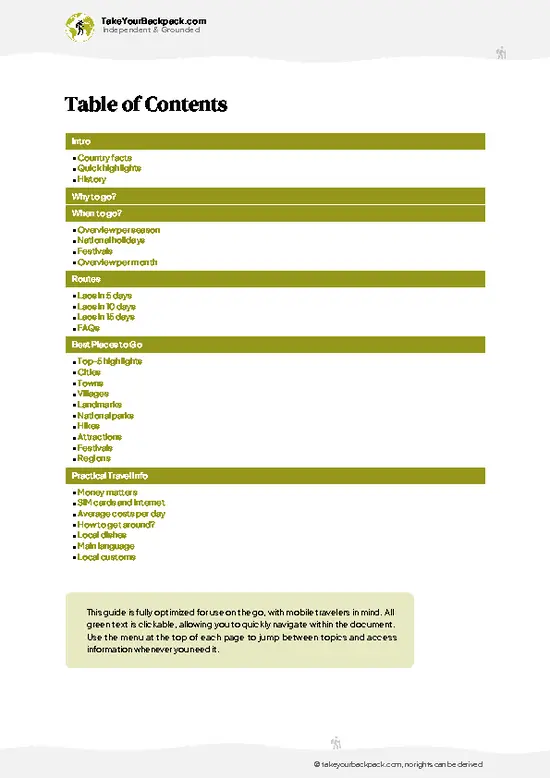
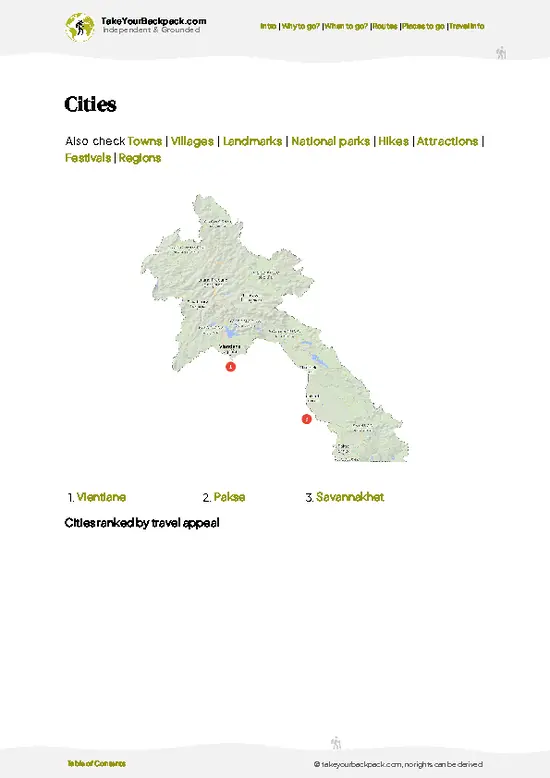
example page 2 from our offline Travel Guide for Laos
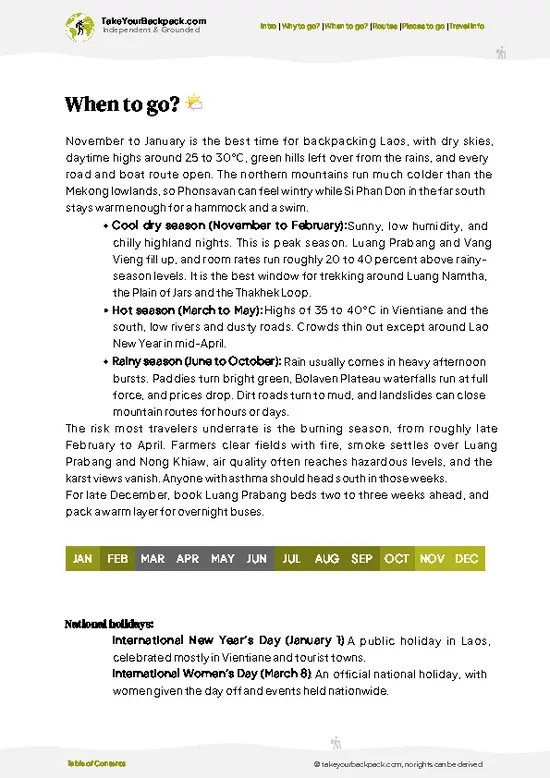
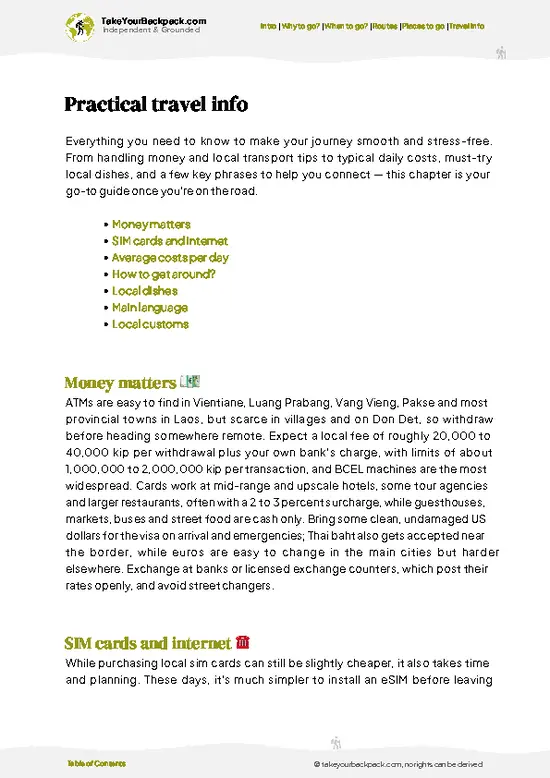
example page 3 from our offline Travel Guide for Laos
example page 4 from our offline Travel Guide for Laos
example page 5 from our offline Travel Guide for Laos
example page 6 from our offline Travel Guide for Laos
example page 7 from our offline Travel Guide for Laos
The digital guide (313 pages) contains:
80 highlights, ranked by travel appeal
Optimized 5, 10 & 15-day travel routes
Cities, national parks, landmarks, beaches
How to get around
Offline-friendly for travel without Wi-Fi
👉 Click to see all 30+ guide features

📅 Plan smarter in minutes, not weeks
Month by month travel advice
Festivals & national holidays
Budget expectations

🗺️ Go to the right places, skip the overrated ones
Honest pros & cons of destinations
Top hikes, parks & viewpoints
Lesser-known places most travelers miss
Clear “worth it vs skip it” guidance

🛏️ Travel smoothly without rookie mistakes
Best areas to stay
Transport systems explained simply
Common scams & safety advice
SIM cards, money & practical tips

🌍 Understand the country, not just visit it
Culture & traditions
52 Essential phrases & customs
Festivals worth planning around
Traveler-friendly historical context
Insights that make places more meaningful

📱 Built for real travel conditions
Fully downloadable PDF
Works completely offline
Optimized for phone use
Useful in remote areas & buses
Everything in one place
Save weeks of stressful planning
Get instant access to your full guide. 30‑day money-back guarantee.


By proceeding you agree to our terms.
Sent to your inbox immediately after payment • 100% Secure Checkout
Best Backpacking Travel Advisor 2025 tourism awardBest Backpacking
Travel Advisor
2025
What others say about Take Your Backpack Guides:
⭐⭐⭐⭐⭐
Fantastic, amazing amount of information!
⭐⭐⭐⭐⭐
My goodness this is amazing, it's what I've been looking for hats off too you!
⭐⭐⭐⭐⭐
I think this is absolutely BRILLIANT
⭐⭐⭐⭐
Very complete and informative. It's still missing places, but I gotta to commend you
⭐⭐⭐⭐⭐
This is truly amazing, thank you, can't wait to explore it with my kids!
⭐⭐⭐⭐⭐
Awesome resource, thank you!
⭐⭐⭐⭐⭐
This is amazing! Can't wait to explore the ones I haven't seen
⭐⭐⭐⭐
I love this! Well done, great idea.
⭐⭐⭐⭐⭐
Thanks for taking the time to make this gem!
⭐⭐⭐⭐⭐
This might be the best website I've ever seen.
⭐⭐⭐⭐⭐
Congratulations, and thank you so much for your work; it's incredibly valuable.
⭐⭐⭐⭐
In all seriousness I think you did a great job pointing out the important spots
⭐⭐⭐⭐⭐
10/10 very good
⭐⭐⭐⭐⭐
As someone who's only just starting to visit regularly this is awesome, thank you.
⭐⭐⭐⭐
Thank you very much! I'm going to visit my dad, it's going to be very useful!
⭐⭐⭐⭐⭐
This is really cool! We'll be travelling for the first time and this definitely come in handy.
⭐⭐⭐⭐⭐
You are now our minister of culture, congratulations 👨‍💼
⭐⭐⭐⭐⭐
Just wanted to tell you that this is a pearl! Going to follow your recommendations.
⭐⭐⭐⭐⭐
This is so cool. I'll definitely be using the resource for my travels soon.
⭐⭐⭐⭐⭐
This is very impressive! Good work.
⭐⭐⭐⭐⭐
This is an amazing and informative site. Very well done!

🛏️ Where to stay?Accommodation Highlights

Yes — Laos has plenty of hostels and budget accommodation concentrated in Luang Prabang (Old Quarter/riverside), Vang Vieng (riverfront/main strip), Vientiane (city centre/riverside), Pakse (central/market area) and the 4000 Islands (Don Det/Don Khone).
Choose Luang Prabang for the best selection of guesthouses, direct access to temples and a safe, quiet night scene though prices can be higher; pick Vang Vieng for outdoor activities and a lively riverside strip but expect noisy, party-oriented hostels; use Vientiane as a calm transport hub with basic-budget options near the Mekong; opt for Pakse when you need a base for the Bolaven Plateau and onward buses despite fewer choices; and head to … read more 👉
Yes — Laos has plenty of hostels and budget accommodation concentrated in Luang Prabang (Old Quarter/riverside), Vang Vieng (riverfront/main strip), Vientiane (city centre/riverside), Pakse (central/market area) and the 4000 Islands (Don Det/Don Khone).
Choose Luang Prabang for the best selection of guesthouses, direct access to temples and a safe, quiet night scene though prices can be higher; pick Vang Vieng for outdoor activities and a lively riverside strip but expect noisy, party-oriented hostels; use Vientiane as a calm transport hub with basic-budget options near the Mekong; opt for Pakse when you need a base for the Bolaven Plateau and onward buses despite fewer choices; and head to Don Det/Don Khone for the cheapest bungalows, very slow island life and limited facilities or transport.
Book ahead for Luang Prabang in high season and plan extra time for transfers to and from the islands or Pakse because schedules and amenities are often basic.

If you enjoy meeting fellow travelers, consider choosing hostels with high ratings for atmosphere. On the other hand, if you prefer having your own space, a hotel might be a better option.

LaosSee More of Laos

👋 Meet the founderWho’s Behind Take Your Backpack?

Johan, backpacker and founder of TakeYourBackpackHi, I’m Johan (Netherlands 🇳🇱), the creator of TakeYourBackpack. Over the past decade, I’ve backpacked through 80+ countries across six continents, gaining extensive experience with independent travel, long-term trips, and overland routes.

This site is built on a combination of firsthand travel experience and carefully curated insights from other backpackers. Many guides are based on places I’ve personally visited, while others bring together tips, observations, and practical advice shared by trusted travelers I’ve met along the way.

The goal is to provide realistic, experience-driven guidance — not generic itineraries — so you can explore destinations with better context, clearer expectations, and more confidence.

Get full Laos guide •
Instant download • 80 highlights • Full Offline guide