How many to visit: I advise
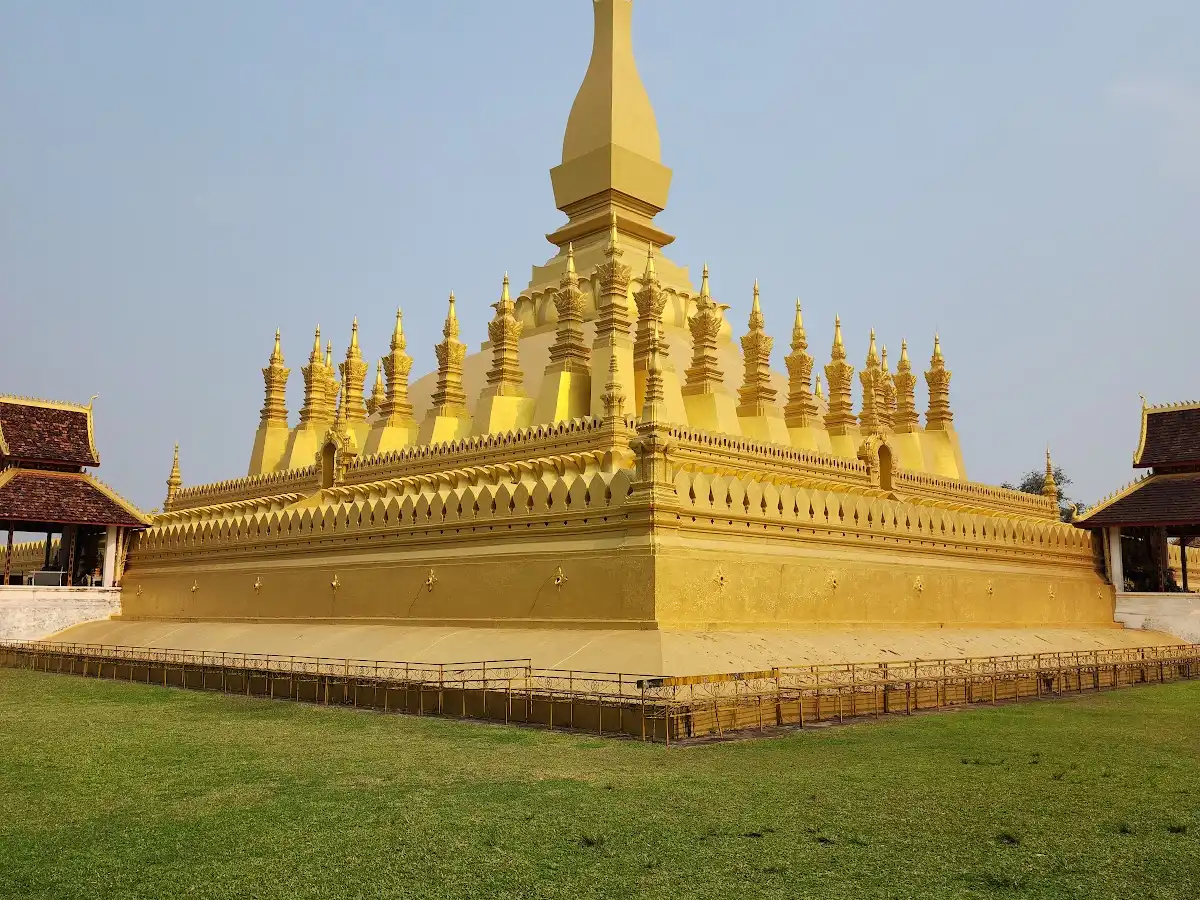
five to eight landmarks over a two-week trip. Fewer than five and you waste the long journeys. More than eight and you spend your days in a minibus, watching red dust coat the window. Past the fourth temple or ruin, the details blur, and a slow half day in one place gives you more than a rushed tick-list.
How to prioritize by travel style: If you love
culture and quiet, favor working temples at dawn, when monks sweep courtyards and the air smells of incense and wet stone. If you chase
history, choose the war-era and ancient-ruin sites, which are sparse but atmospheric, with grass, cicadas and long shadows. If you prefer
nature, prioritize caves and waterfalls, which are louder, wetter and more crowded at weekends. Mix one of each kind and you avoid fatigue, and …
read more 👉 How many to visit: I advise five to eight landmarks over a two-week trip. Fewer than five and you waste the long journeys. More than eight and you spend your days in a minibus, watching red dust coat the window. Past the fourth temple or ruin, the details blur, and a slow half day in one place gives you more than a rushed tick-list.
How to prioritize by travel style: If you love culture and quiet, favor working temples at dawn, when monks sweep courtyards and the air smells of incense and wet stone. If you chase history, choose the war-era and ancient-ruin sites, which are sparse but atmospheric, with grass, cicadas and long shadows. If you prefer nature, prioritize caves and waterfalls, which are louder, wetter and more crowded at weekends. Mix one of each kind and you avoid fatigue, and the variety is what you remember.
What it costs: Budget US$25 to 45 a day for landmark-heavy travel, including a dorm or simple room (US$6 to 15), local meals (US$2 to 5 each) and transport. Entry fees run roughly US$1 to 6 per site, and a few cost a little more. A local guide costs about US$15 to 40 for a half day, worth it where sites have little signage. A tuk-tuk or shared songthaew between nearby stops runs US$3 to 12, and a rented scooter about US$10 to 20 a day. Fees are often charged in kip, and many ticket huts take cash only, so carry small notes.
Safety and cultural care: Dress with covered shoulders and knees at temples, remove shoes before entering, and never touch a monk or point your feet at a Buddha image. Ask before photographing people, especially during alms-giving, and keep your distance with a long lens. Do not climb on ruins or statues.
The larger hazard is unexploded ordnance in parts of the east and south. Stay on marked paths, and never pick up metal objects. Roads are the other danger: scooters on wet mountain bends cause many injuries, so a bus or hired driver is the safer choice in the rainy season. Carry water and sun protection, because shade at open ruins is scarce.



 Best Backpacking
 Hi, I’m Johan (Netherlands 🇳🇱), the creator of TakeYourBackpack. Over the past 3 decades, I’ve backpacked through 90+ countries across six continents, gaining extensive experience with independent travel, long-term trips, and overland routes.