v2.webp)
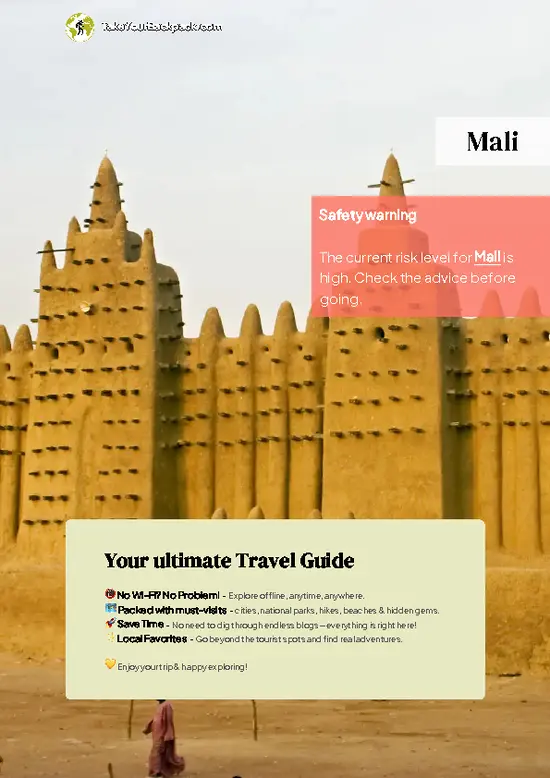
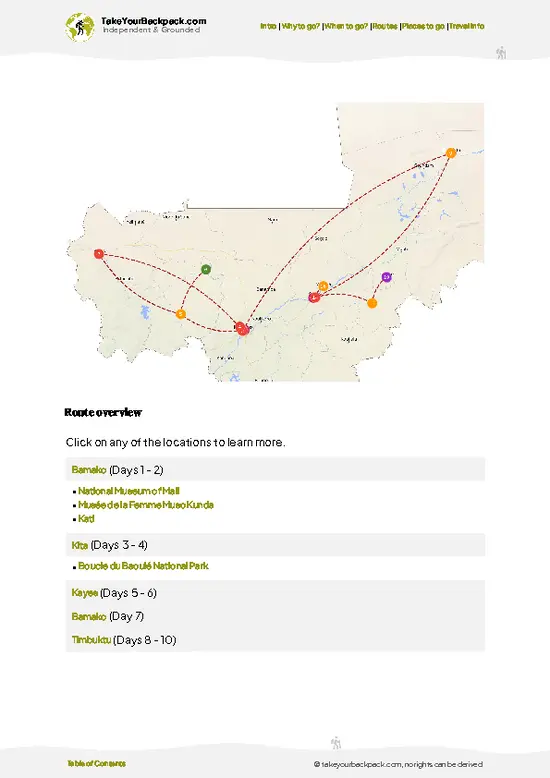
- Niger River landing: The town’s main draw, where pirogues load sand, fish and passengers. Go early in the morning when boats are busiest. Free to watch, and about 1 to 2 hours is plenty. Ask before photographing people.
- Koulikoro railway station: The end of the line from Bamako, with old locomotives and wagons rusting nearby. Late afternoon light is best. Free to look from outside, 30 to 45 minutes. Ask permission before taking pictures of railway property.
- Central market: A modest daily market selling river fish, vegetables, cloth and household goods. Morning is liveliest. Entry is free and you might spend €2 to 5 on snacks or fruit. Allow about an hour.
- Riverbank washing and fishing quarter: Walk along the shore past nets, drying fish and boat repairs for a close look at river work. Mornings
- Niger River landing: The town’s main draw, where pirogues load sand, fish and passengers. Go early in the morning when boats are busiest. Free to watch, and about 1 to 2 hours is plenty. Ask before photographing people.
- Koulikoro railway station: The end of the line from Bamako, with old locomotives and wagons rusting nearby. Late afternoon light is best. Free to look from outside, 30 to 45 minutes. Ask permission before taking pictures of railway property.
- Central market: A modest daily market selling river fish, vegetables, cloth and household goods. Morning is liveliest. Entry is free and you might spend €2 to 5 on snacks or fruit. Allow about an hour.
- Riverbank washing and fishing quarter: Walk along the shore past nets, drying fish and boat repairs for a close look at river work. Mornings are most active. Free, around 1 hour at an easy pace.
- Rocky ridge viewpoint above town: A short climb on the rocks behind the town gives a wide look over rooftops and the Niger’s bend. Go late afternoon when it cools. Free, about 45 minutes round trip.
Spotted a mistake or missing something? Contact us.


 Best Backpacking
.jpg) Hi, I’m Johan (Netherlands 🇳🇱), the creator of TakeYourBackpack. Over the past 3 decades, I’ve backpacked through 90+ countries across six continents, gaining extensive experience with independent travel, long-term trips, and overland routes.
Hi, I’m Johan (Netherlands 🇳🇱), the creator of TakeYourBackpack. Over the past 3 decades, I’ve backpacked through 90+ countries across six continents, gaining extensive experience with independent travel, long-term trips, and overland routes.