×

Mongolia🇲🇳 | best citiesExplore the Best cities in Mongolia

In Mongolia, cities pulse with a unique blend of nomadic heritage and modern aspirations. The capital, Ulaanbaatar, stands as a bustling hub, where vibrant markets and a lively nightlife contrast sharply with the vast, open steppes just outside. Smaller urban centers like Darkhan and Erdenet offer a more laid-back vibe, ideal for those seeking a deeper connection to local culture without the frenetic energy of the capital.

Traveling through Mongolia, you’ll notice how regional nuances shape each city’s character. In winter, cities can feel isolated, while summer brings festivals and outdoor activities that draw backpackers into the fold. Choosing the right city impacts everything from budget to safety and ease of travel. Ulaanbaatar provides extensive transport connections, but smaller towns offer authentic experiences that can enrich your journey. For independent travelers, understanding these dynamics is key to crafting an immersive adventure in this vast land.

By Johan Kruseman 🇳🇱 | Updated June 16, 2026
Explore the best towns in Mongolia

Why go?Why These city Stand Out

Mongolia’s cities pulse with a unique rhythm shaped by their cultural diversity and historical depth. Unlike many countries, Mongolia’s urban centers are not just hubs of commerce; they are vibrant reflections of a nomadic heritage intertwined with modern aspirations. This blend creates a dynamic atmosphere where ancient traditions coexist with contemporary life, offering travelers a glimpse into a society that values both its past and its future.

The regional identities within Mongolia are striking. Each city carries its own flavor, influenced by geography and climate. The vast steppes and rugged mountains dictate not only the lifestyle of the people but also the infrastructure that connects them. While transport networks are improving, they can still be a challenge. Long travel times between … read more 👉
Mongolia’s cities pulse with a unique rhythm shaped by their cultural diversity and historical depth. Unlike many countries, Mongolia’s urban centers are not just hubs of commerce; they are vibrant reflections of a nomadic heritage intertwined with modern aspirations. This blend creates a dynamic atmosphere where ancient traditions coexist with contemporary life, offering travelers a glimpse into a society that values both its past and its future.

The regional identities within Mongolia are striking. Each city carries its own flavor, influenced by geography and climate. The vast steppes and rugged mountains dictate not only the lifestyle of the people but also the infrastructure that connects them. While transport networks are improving, they can still be a challenge. Long travel times between cities can lead to a trade-off: the deeper you explore, the more time you spend on the road. This can be frustrating, but it also means that every journey is an adventure, revealing the stark beauty of the landscape.

Mongolia’s climatic extremes add another layer to the urban experience. Harsh winters and short summers shape the rhythm of life, influencing everything from local cuisine to festivals. Travelers must consider these factors when planning their visits, as the best experiences often come with a bit of grit and resilience.

Accessibility varies widely. While some cities are well-connected, others require a commitment to reach. This can deter those seeking a quick trip but rewards those willing to invest time with rich, immersive experiences. In Mongolia, the journey itself is as significant as the destination, making every step into the unknown a vital part of the adventure.
Why These Made the Cut
The list of best cities in Mongolia is created based on culture, vibe, attractions, transport ease, and local charm. If you feel a city is missing in this list, please let us know.

When to go?Seasonal Guide to Visiting

Seasonal Dynamics


Mongolia’s cities pulse with life and energy, but the rhythm shifts dramatically with the seasons. Winter blankets the landscape from November to March, plunging temperatures well below freezing. The biting cold can deter many, but those who brave it experience a stark beauty. The streets are quieter, and the air is crisp. This is a time for introspection, where the warmth of local hospitality shines through.

As spring arrives, the thaw begins. From April to June, temperatures rise, and the cities awaken. This shoulder season offers a sweet spot: fewer crowds and blooming landscapes. However, unpredictable weather can bring sudden chills or rain. Travelers should prepare for variability, but the trade-off is worth it. The vibrant energy of locals preparing for summer … read more 👉

Seasonal Dynamics


Mongolia’s cities pulse with life and energy, but the rhythm shifts dramatically with the seasons. Winter blankets the landscape from November to March, plunging temperatures well below freezing. The biting cold can deter many, but those who brave it experience a stark beauty. The streets are quieter, and the air is crisp. This is a time for introspection, where the warmth of local hospitality shines through.

As spring arrives, the thaw begins. From April to June, temperatures rise, and the cities awaken. This shoulder season offers a sweet spot: fewer crowds and blooming landscapes. However, unpredictable weather can bring sudden chills or rain. Travelers should prepare for variability, but the trade-off is worth it. The vibrant energy of locals preparing for summer festivals begins to build.

Summer, from June to August, is peak season. The cities buzz with activity, and cultural festivals explode with color and sound. This is when the weather is at its warmest, making it ideal for exploration. However, the influx of tourists can lead to crowded streets and higher prices. The atmosphere is electric, but the experience can feel diluted.

Autumn, from September to October, marks another transition. The temperatures cool, and the tourist numbers dwindle. This shoulder season offers a chance to enjoy the cities in a more relaxed manner. The fall foliage adds a stunning backdrop, but some cultural events may wind down.

Travelers should weigh the pros and cons of each season. The ideal time to visit depends on personal preferences for weather, crowds, and cultural experiences. Understanding these seasonal rhythms is crucial for planning an enriching journey through Mongolia’s vibrant urban landscapes.

city hoppingPlanning Your Route Efficiently

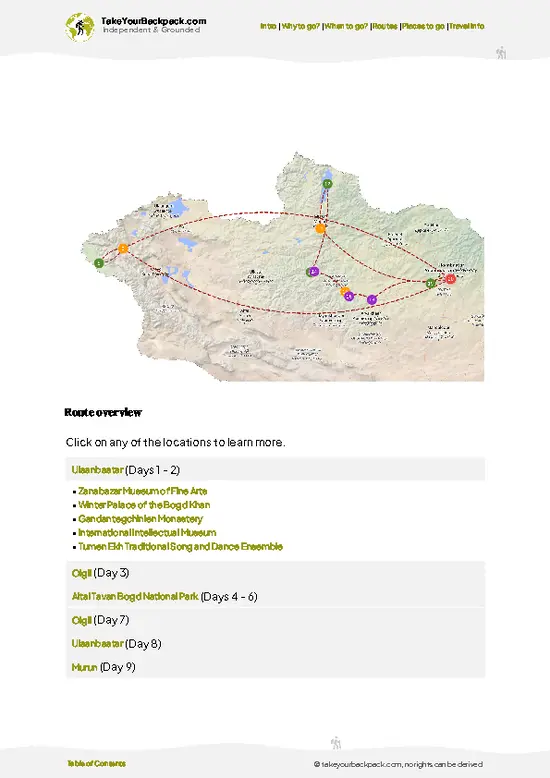
Traveling through Mongolia’s cities requires a strategic approach. The vastness of the country means that efficient routing is key. Start by clustering cities by region. Ulaanbaatar serves as the primary hub, connecting to the north and south. From here, head west to cities like Kharkhorin and Tsetserleg, then loop back east toward the Gobi Desert. This route maximizes exposure while minimizing backtracking.

Time management is crucial. Allocate at least two to three days in Ulaanbaatar to soak in its unique blend of modernity and tradition. Each subsequent city deserves a minimum of one to two days. This pacing allows for exploration without feeling rushed. Rushing through cities can lead to missed experiences, like a local festival or a quiet moment in a ger.

Common mistakes include underestimating read more 👉
Traveling through Mongolia’s cities requires a strategic approach. The vastness of the country means that efficient routing is key. Start by clustering cities by region. Ulaanbaatar serves as the primary hub, connecting to the north and south. From here, head west to cities like Kharkhorin and Tsetserleg, then loop back east toward the Gobi Desert. This route maximizes exposure while minimizing backtracking.

Time management is crucial. Allocate at least two to three days in Ulaanbaatar to soak in its unique blend of modernity and tradition. Each subsequent city deserves a minimum of one to two days. This pacing allows for exploration without feeling rushed. Rushing through cities can lead to missed experiences, like a local festival or a quiet moment in a ger.

Common mistakes include underestimating travel times. Roads can be rough, and distances are deceptive. Expect long travel days, especially when venturing into the countryside. Flexibility is essential; weather and road conditions can change plans in an instant. Prioritize comfort over speed. A bumpy ride in a minivan may save time, but it can also drain energy and enthusiasm.

Consider the trade-offs between seeing more cities quickly versus immersing in fewer locations. A packed itinerary might seem appealing, but it often leads to superficial experiences. Budget constraints can also dictate choices. Opt for shared transport options to save money, but be prepared for less comfort. Ultimately, the reward lies in the moments spent connecting with locals, tasting traditional dishes, and absorbing the landscapes that define Mongolia.

The ListThe Best cities of Mongolia

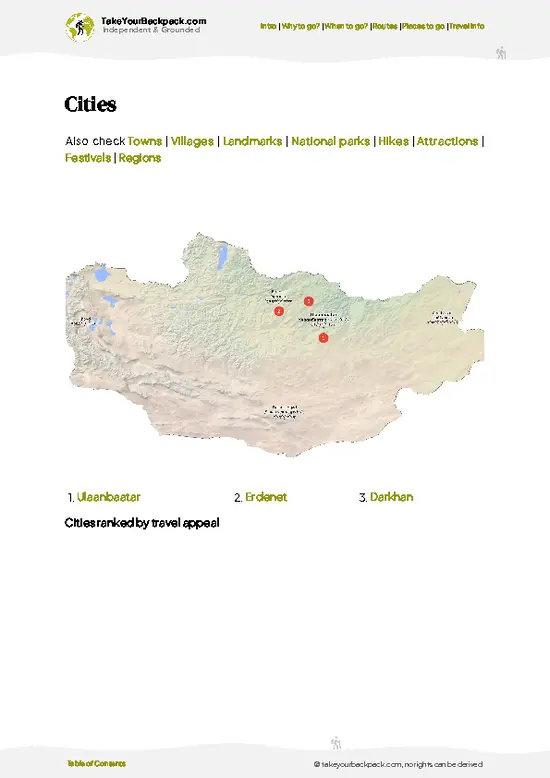
1 Ulaanbaatar

Monastery courtyards, traffic chaos, modern towers

Navigate a capital where Buddhist sites, dense urban sprawl, and contemporary culture collide, offering both logistical challenges and unexpected moments of connection.

Loading the map 🌍

Expert viewInsights from Locals and Experts

Transport Hubs

Mongolia’s transport hubs are the lifelines connecting its vast landscapes. Ulaanbaatar stands as the central node, a bustling city where the rhythm of life pulses with energy. From here, you can catch a bus, train, or even a shared taxi to other cities. The bus system is surprisingly efficient, but be prepared for delays; schedules are more guidelines than rules. Trains offer a slower, more scenic route, but they can be a gamble in terms of comfort and timing.

If you’re aiming to explore multiple cities, consider the trade-off between speed and experience. Rushing through may allow you to tick off more locations, but you’ll miss the nuances of local culture. Each city has its own vibe, and the journey between them can be just as enriching as the destinations themselves. … read more 👉

Transport Hubs

Mongolia’s transport hubs are the lifelines connecting its vast landscapes. Ulaanbaatar stands as the central node, a bustling city where the rhythm of life pulses with energy. From here, you can catch a bus, train, or even a shared taxi to other cities. The bus system is surprisingly efficient, but be prepared for delays; schedules are more guidelines than rules. Trains offer a slower, more scenic route, but they can be a gamble in terms of comfort and timing.

If you’re aiming to explore multiple cities, consider the trade-off between speed and experience. Rushing through may allow you to tick off more locations, but you’ll miss the nuances of local culture. Each city has its own vibe, and the journey between them can be just as enriching as the destinations themselves.

Urban Pacing

The pace of life in Mongolian cities varies significantly. Ulaanbaatar is frenetic, with a mix of modernity and tradition. Street vendors hawk their wares alongside sleek cafes. The energy is palpable, but it can be overwhelming. In contrast, smaller cities exude a more relaxed atmosphere. You can stroll through markets, engage with locals, and soak in the surroundings without the constant buzz of the capital.

When planning your itinerary, think about how you want to experience these cities. If you’re drawn to the hustle and bustle, spend more time in Ulaanbaatar. If you prefer a slower pace, consider focusing on a couple of smaller towns. The trade-off here is simple: more cities mean less immersion, while fewer cities allow for deeper connections.

Local Costs

Costs in Mongolia can vary widely depending on where you are and how you choose to travel. Ulaanbaatar is generally pricier, especially in tourist hotspots. However, you can still find affordable options if you venture a bit off the beaten path. Street food is a fantastic way to eat well without breaking the bank. In smaller cities, prices drop significantly, and you can enjoy local hospitality at a fraction of the cost.

Budgeting for your trip requires a keen eye on these variations. If you’re planning to hop from city to city, factor in transportation costs, which can add up quickly. The trade-off here is between convenience and cost. Opting for private transport might save time but will hit your wallet harder. Public transport is cheaper but comes with its own set of challenges.

Exploring More Cities vs. Deeper Immersion

Mongolia’s vastness invites exploration, but the question remains: how many cities should you visit? Aiming for three to five cities allows for a balanced experience. This range gives you enough time to appreciate the unique character of each place while still keeping the adventure alive.

However, the deeper you dive into a single city, the more you’ll uncover its layers. Engaging with locals, participating in cultural events, or simply wandering the streets can yield experiences that a quick visit never will. The trade-off is clear: a broader itinerary may leave you with a sense of accomplishment, but a focused approach will enrich your understanding of Mongolian culture.

Regional Variation

Mongolia is a land of contrasts, and regional variations are stark. The north is lush and green, while the south is dominated by the Gobi Desert. Each region has its own cultural nuances, from dialects to culinary traditions. Understanding these differences can enhance your travel experience.

When planning your route, consider the geographical and cultural context. Some areas are more accessible than others, and travel times can be deceptive. For instance, a short distance on the map may take hours due to road conditions. The trade-off here is between convenience and the richness of experience. Opting for a more remote area might require more effort, but the rewards—like breathtaking landscapes and authentic interactions—are often worth it.

Safety & Cultural Considerations

Safety in Mongolia is generally good, but it’s essential to remain aware of your surroundings, especially in urban areas. Petty crime can occur, so keep your belongings secure. Cultural norms can be different, too; showing respect for local customs will go a long way. Engaging with locals can be a rewarding experience, but always approach with an open mind and a willingness to learn.

As you navigate the cities, remember that your actions reflect on the broader traveler community. The trade-off here is between comfort and cultural immersion. Stepping outside your comfort zone can lead to genuine connections, but it requires sensitivity and awareness.

Mongolia is a land that rewards those who take the time to explore its depths. Whether you choose to race through cities or linger in a few, the journey will shape your understanding of this unique country.

✈️ The backpacker research shortcutMongolia Travel Guide

An offline-friendly backpacking guide with optimized travel routes, ranked highlights, transport advice, and the best areas to stay.
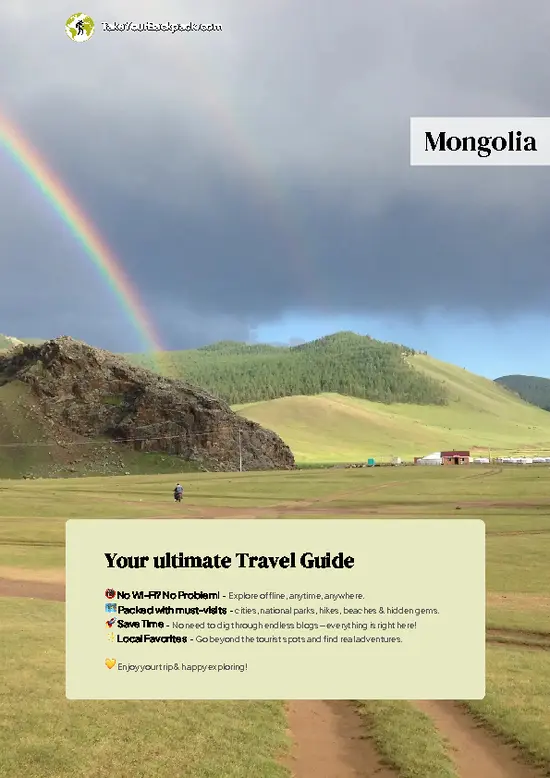
example page 0 from our offline Travel Guide for Mongolia
example page 1 from our offline Travel Guide for Mongolia
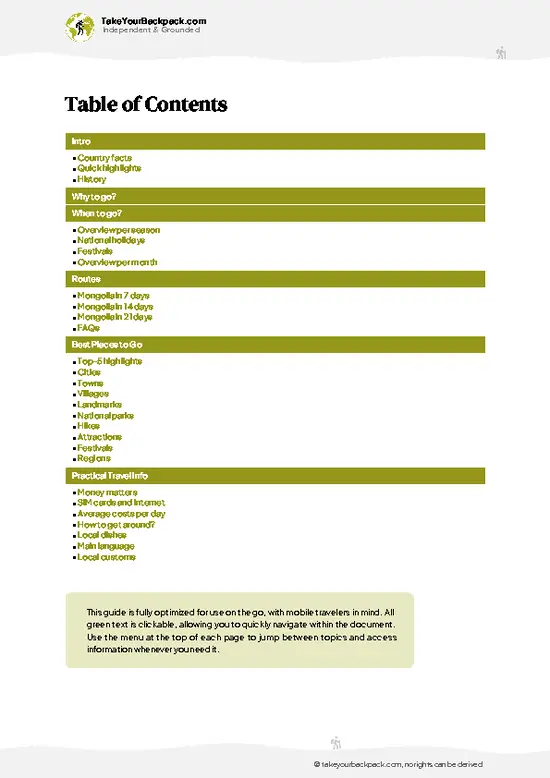
example page 2 from our offline Travel Guide for Mongolia
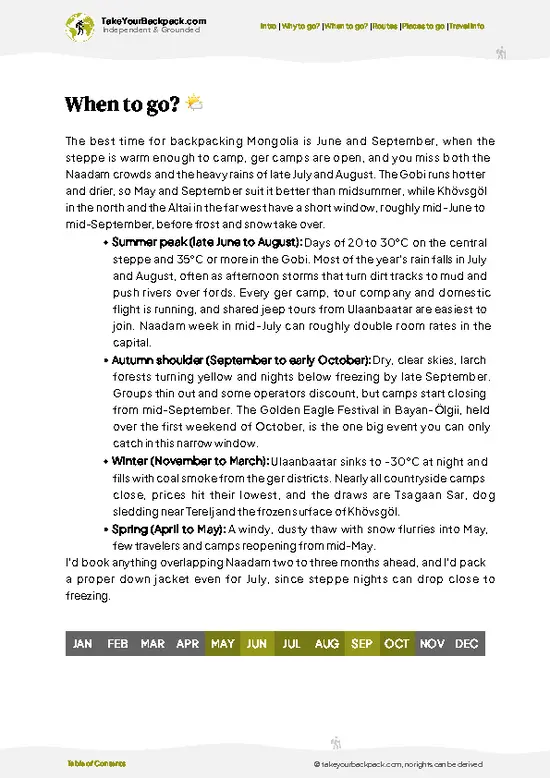
example page 3 from our offline Travel Guide for Mongolia
example page 4 from our offline Travel Guide for Mongolia
example page 5 from our offline Travel Guide for Mongolia
example page 6 from our offline Travel Guide for Mongolia
example page 7 from our offline Travel Guide for Mongolia
The digital guide (280 pages) contains:
70 highlights, ranked by travel appeal
Optimized 7, 14 & 21-day travel routes
Cities, national parks, landmarks, beaches
How to get around
Offline-friendly for travel without Wi-Fi
👉 Click to see all 30+ guide features

📅 Plan smarter in minutes, not weeks
Month by month travel advice
Festivals & national holidays
Budget expectations

🗺️ Go to the right places, skip the overrated ones
Honest pros & cons of destinations
Top hikes, parks & viewpoints
Lesser-known places most travelers miss
Clear “worth it vs skip it” guidance

🛏️ Travel smoothly without rookie mistakes
Best areas to stay
Transport systems explained simply
Common scams & safety advice
SIM cards, money & practical tips

🌍 Understand the country, not just visit it
Culture & traditions
52 Essential phrases & customs
Festivals worth planning around
Traveler-friendly historical context
Insights that make places more meaningful

📱 Built for real travel conditions
Fully downloadable PDF
Works completely offline
Optimized for phone use
Useful in remote areas & buses
Everything in one place
Save weeks of stressful planning
Get instant access to your full guide. 30‑day money-back guarantee.


By proceeding you agree to our terms.
Sent to your inbox immediately after payment • 100% Secure Checkout
Best Backpacking Travel Advisor 2025 tourism awardBest Backpacking
Travel Advisor
2025
What others say about Take Your Backpack Guides:
⭐⭐⭐⭐⭐
Fantastic, amazing amount of information!
⭐⭐⭐⭐⭐
My goodness this is amazing, it's what I've been looking for hats off too you!
⭐⭐⭐⭐⭐
I think this is absolutely BRILLIANT
⭐⭐⭐⭐
Very complete and informative. It's still missing places, but I gotta to commend you
⭐⭐⭐⭐⭐
This is truly amazing, thank you, can't wait to explore it with my kids!
⭐⭐⭐⭐⭐
Awesome resource, thank you!
⭐⭐⭐⭐⭐
This is amazing! Can't wait to explore the ones I haven't seen
⭐⭐⭐⭐
I love this! Well done, great idea.
⭐⭐⭐⭐⭐
Thanks for taking the time to make this gem!
⭐⭐⭐⭐⭐
This might be the best website I've ever seen.
⭐⭐⭐⭐⭐
Congratulations, and thank you so much for your work; it's incredibly valuable.
⭐⭐⭐⭐
In all seriousness I think you did a great job pointing out the important spots
⭐⭐⭐⭐⭐
10/10 very good
⭐⭐⭐⭐⭐
As someone who's only just starting to visit regularly this is awesome, thank you.
⭐⭐⭐⭐
Thank you very much! I'm going to visit my dad, it's going to be very useful!
⭐⭐⭐⭐⭐
This is really cool! We'll be travelling for the first time and this definitely come in handy.
⭐⭐⭐⭐⭐
You are now our minister of culture, congratulations 👨‍💼
⭐⭐⭐⭐⭐
Just wanted to tell you that this is a pearl! Going to follow your recommendations.
⭐⭐⭐⭐⭐
This is so cool. I'll definitely be using the resource for my travels soon.
⭐⭐⭐⭐⭐
This is very impressive! Good work.
⭐⭐⭐⭐⭐
This is an amazing and informative site. Very well done!

🛏️ Where to stay?Best Places to Stay in Mongolia

Yes — hostels and budget guesthouses are common in Ulaanbaatar and available in smaller cities, with budget ger camps in tourist areas like the Gobi for remote stays.
Sukhbaatar Square / Peace Avenue (city center) has the largest selection and best access to museums, restaurants, transport and nightlife but is noisier and slightly pricier; Bayangol and areas near the train station are quieter and cheaper with easy market access but sit a bit farther from key sights; ger camps offer direct access to landscapes at low cost but are seasonal, very basic, often cold at night and require transport planning.
Book ahead in summer and holidays, carry cash, and expect simpler heating and sanitation … read more 👉
Yes — hostels and budget guesthouses are common in Ulaanbaatar and available in smaller cities, with budget ger camps in tourist areas like the Gobi for remote stays.
Sukhbaatar Square / Peace Avenue (city center) has the largest selection and best access to museums, restaurants, transport and nightlife but is noisier and slightly pricier; Bayangol and areas near the train station are quieter and cheaper with easy market access but sit a bit farther from key sights; ger camps offer direct access to landscapes at low cost but are seasonal, very basic, often cold at night and require transport planning.
Book ahead in summer and holidays, carry cash, and expect simpler heating and sanitation outside the city to avoid unpleasant surprises.

If you enjoy meeting fellow travelers, consider choosing hostels with high ratings for atmosphere. On the other hand, if you prefer having your own space, a hotel might be a better option.

MongoliaExplore Mongolia

👋 Meet the founderWho’s Behind Take Your Backpack?

Johan, backpacker and founder of TakeYourBackpackHi, I’m Johan (Netherlands 🇳🇱), the creator of TakeYourBackpack. Over the past decade, I’ve backpacked through 80+ countries across six continents, gaining extensive experience with independent travel, long-term trips, and overland routes.

This site is built on a combination of firsthand travel experience and carefully curated insights from other backpackers. Many guides are based on places I’ve personally visited, while others bring together tips, observations, and practical advice shared by trusted travelers I’ve met along the way.

The goal is to provide realistic, experience-driven guidance — not generic itineraries — so you can explore destinations with better context, clearer expectations, and more confidence.

Get full Mongolia guide •
Instant download • 70 highlights • Full Offline guide