How Many Regions: I advise
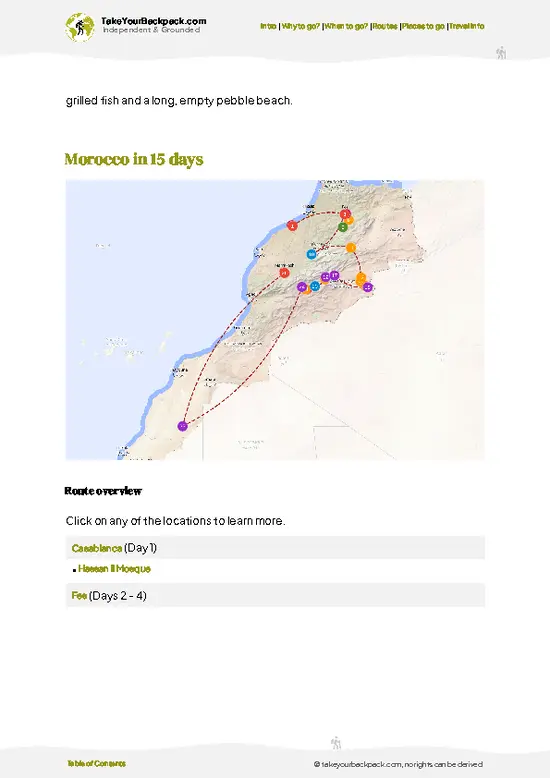
three to four regions on a trip of two to three weeks. Morocco’s distances are long, public transport in the mountains and south is slow, and every extra region costs about a day in transit. Four is the ceiling before you are only collecting stamps. Fewer, with more nights each, almost always beats more.
Prioritizing by Travel Style: Choose by what you want from the days. If you like
culture, food and architecture, favor the imperial cities and the north, where walking and markets fill your time at low cost. If you want
hiking and villages, prioritize the High Atlas and skip the heat-baked plains in summer. If you want
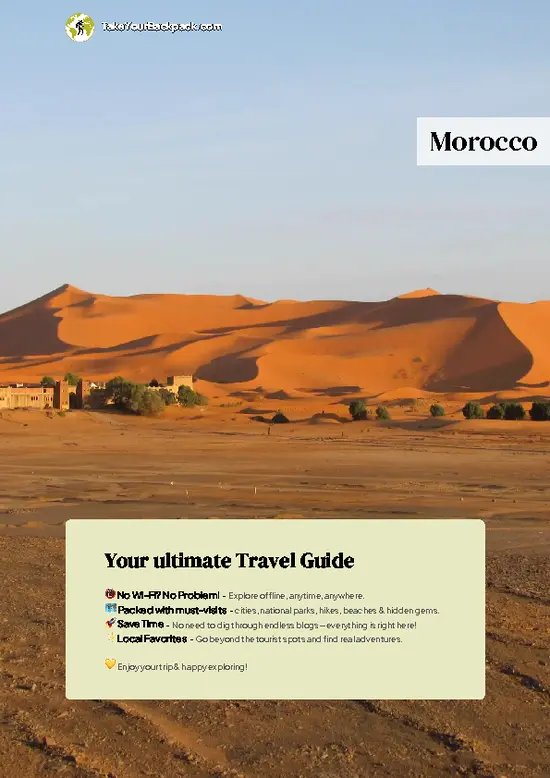
beaches, surf and downtime, the Atlantic coast gives the easiest social scene and the best hostel density. The desert is worth the journey only if …
read more 👉 How Many Regions: I advise
three to four regions on a trip of two to three weeks. Morocco’s distances are long, public transport in the mountains and south is slow, and every extra region costs about a day in transit. Four is the ceiling before you are only collecting stamps. Fewer, with more nights each, almost always beats more.
Prioritizing by Travel Style: Choose by what you want from the days. If you like
culture, food and architecture, favor the imperial cities and the north, where walking and markets fill your time at low cost. If you want
hiking and villages, prioritize the High Atlas and skip the heat-baked plains in summer. If you want
beaches, surf and downtime, the Atlantic coast gives the easiest social scene and the best hostel density. The desert is worth the journey only if you give it time, since the drive is the main cost. Skip it on a trip under ten days.
Avoid trying to cover all four types. Pick two and do them properly.
What It Costs: Budget
US$30 to 50 a day (roughly 300 to 500 dirhams) for dorms or basic rooms, local meals, buses and shared taxis. A midrange pace with riad rooms and a guide now and then runs US$60 to 90. Dorm beds usually cost 80 to 150 dirhams (US$8 to 15), and street meals such as tagine, soup or grilled meat are about 30 to 70 dirhams. Most monuments and museums charge 20 to 70 dirhams. Official guides for a city day cost about 250 to 400 dirhams, and mountain guides or mules for trekking run roughly 400 to 700 dirhams a day. Desert overnight tours vary widely, about US$40 to 120 depending on length and comfort, so compare quotes. Trains and CTM buses have fixed fares, from about 30 to 200 dirhams for most hops.
Safety and Cultural Notes: Morocco is generally safe for independent travelers, and violent crime against visitors is uncommon. The main nuisance is
hassle and scams: unofficial guides who offer to lead you to a hotel, “closed” route claims and inflated taxi fares. Agree prices first, use metered petit taxis and ignore anyone who says your road is shut. Pickpocketing happens in crowded medinas.
Dress modestly, especially away from big cities. Covered shoulders and knees are respectful, and women alone often find that loose, long clothing reduces attention. Ask before photographing people, and avoid public affection. Alcohol is limited to licensed venues. Ramadan changes daytime eating, so eat discreetly. Carry small notes, because change is often scarce.
Mountain weather, flash floods in dry riverbeds and remote desert distances are the physical risks. Hire a local guide for any serious trek, tell your hostel your plan, and carry extra water.


 Best Backpacking
 Hi, I’m Johan (Netherlands 🇳🇱), the creator of TakeYourBackpack. Over the past 3 decades, I’ve backpacked through 90+ countries across six continents, gaining extensive experience with independent travel, long-term trips, and overland routes.