×

New Zealand🇳🇿 | best regionsExplore the 3 Best regions in New Zealand

New Zealand is a land of striking contrasts, where each region offers a unique blend of climate, landscapes, and cultural character that shapes the backpacking experience. Understanding these regional nuances is crucial for independent travelers seeking to maximize their adventure. The North Island boasts a warmer climate and vibrant Maori culture, while the South Island features dramatic mountains and serene fjords.

Choosing the right region influences not just the vibe but also your budget, safety, and ease of travel. For instance, the bustling cities of Auckland and Wellington provide urban excitement, while the remote beauty of Fiordland offers solitude and breathtaking scenery. Seasonal variations can affect accessibility and activities, making it essential to align your travel style with regional offerings. By grasping these patterns, you can navigate New Zealand’s diverse attractions and immerse yourself in its rich tapestry, ensuring a rewarding backpacking journey.

By Johan Kruseman 🇳🇱 | Updated September 5, 2026
Explore the best cities in New Zealand

Why go?Why Travelers Love These Spots

New Zealand’s regions matter because they encapsulate a climatic diversity that few countries can rival. From the subtropical north to the temperate south, each area offers distinct weather patterns that shape the landscapes and activities available. This variety means that travelers can experience everything from lush rainforests to arid plains within a single trip, allowing for a breadth of experiences that is both enriching and efficient.

Culturally, New Zealand is a tapestry woven from Māori heritage and colonial history. Each region reflects this unique blend, showcasing local customs, languages, and traditions. Understanding these cultural nuances enhances the travel experience, making it more immersive. However, this depth often requires time. The trade-off here is between travel distanceread more 👉
New Zealand’s regions matter because they encapsulate a climatic diversity that few countries can rival. From the subtropical north to the temperate south, each area offers distinct weather patterns that shape the landscapes and activities available. This variety means that travelers can experience everything from lush rainforests to arid plains within a single trip, allowing for a breadth of experiences that is both enriching and efficient.

Culturally, New Zealand is a tapestry woven from Māori heritage and colonial history. Each region reflects this unique blend, showcasing local customs, languages, and traditions. Understanding these cultural nuances enhances the travel experience, making it more immersive. However, this depth often requires time. The trade-off here is between travel distance and cultural exploration; while you can cover vast distances, doing so may dilute the richness of your experience.

Geographically, New Zealand’s landscapes are a significant draw. The dramatic contrasts—from towering mountains to serene beaches—are not just visually striking; they also dictate the types of activities available. However, accessibility can be a constraint. Some of the most breathtaking areas are remote, requiring careful planning and time investment to reach. This means that while you can access stunning vistas, you may need to sacrifice convenience for authenticity.

Infrastructurally, New Zealand is well-equipped for travelers, with a robust network of roads and accommodations. Yet, the trade-off lies in the balance between comfort and adventure. Opting for more remote experiences often means less infrastructure, which can lead to logistical challenges. Understanding these dynamics allows travelers to navigate the complexities of New Zealand’s regions more effectively, ensuring that each journey is not just a trip, but a well-planned adventure.
Evaluating the Top Choices
The list of best regions in New Zealand is created based on landscapes, local culture, attractions, vibes, and overall appeal. If you feel a region is missing in this list, please let us know.

When to go?Best Time to Visit New Zealand for regions

Climate Variation

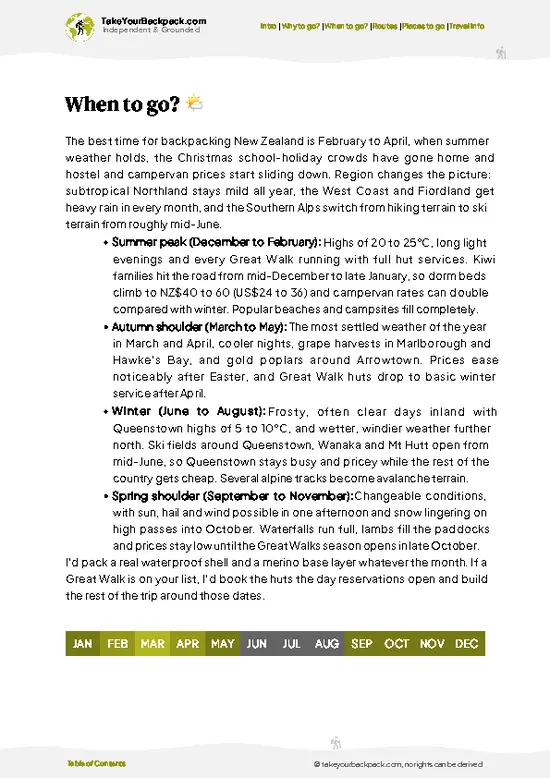
New Zealand’s climate varies significantly from region to region, influenced by its geography. The North Island tends to be warmer and more humid, while the South Island experiences cooler temperatures and more dramatic weather shifts. Understanding these patterns is crucial for optimizing travel experiences.

Optimal Months

The best time to visit generally falls between late spring and early autumn, roughly from November to April. During these months, travelers can expect milder weather, longer daylight hours, and a vibrant natural landscape. However, this period also coincides with peak tourist season, leading to higher costs and crowded attractions.

Shoulder Seasons

Traveling during the shoulder seasons—spring (September to November) and autumn (March to May)—offers … read more 👉

Climate Variation

New Zealand’s climate varies significantly from region to region, influenced by its geography. The North Island tends to be warmer and more humid, while the South Island experiences cooler temperatures and more dramatic weather shifts. Understanding these patterns is crucial for optimizing travel experiences.

Optimal Months

The best time to visit generally falls between late spring and early autumn, roughly from November to April. During these months, travelers can expect milder weather, longer daylight hours, and a vibrant natural landscape. However, this period also coincides with peak tourist season, leading to higher costs and crowded attractions.

Shoulder Seasons

Traveling during the shoulder seasons—spring (September to November) and autumn (March to May)—offers a balanced experience. These months provide comfortable weather, fewer crowds, and often lower prices. However, travelers should be prepared for variable conditions, including occasional rain and cooler temperatures, especially in the South Island.

Peak Periods

Certain times, such as the Christmas holidays and school vacation periods, see a surge in domestic and international tourism. This influx can lead to fully booked accommodations and limited availability for popular activities. Planning around these peak periods can enhance the overall experience by ensuring access to desired attractions.

Seasonal Constraints

Winter (June to August) presents its own set of challenges, particularly in the South Island, where snow can limit access to certain areas. However, this season also offers unique opportunities for winter sports enthusiasts. Understanding these seasonal constraints allows for strategic planning, ensuring that travelers can maximize their experiences while minimizing discomfort.

region hoppingTips for Visiting Multiple Destinations

General Routing Logic

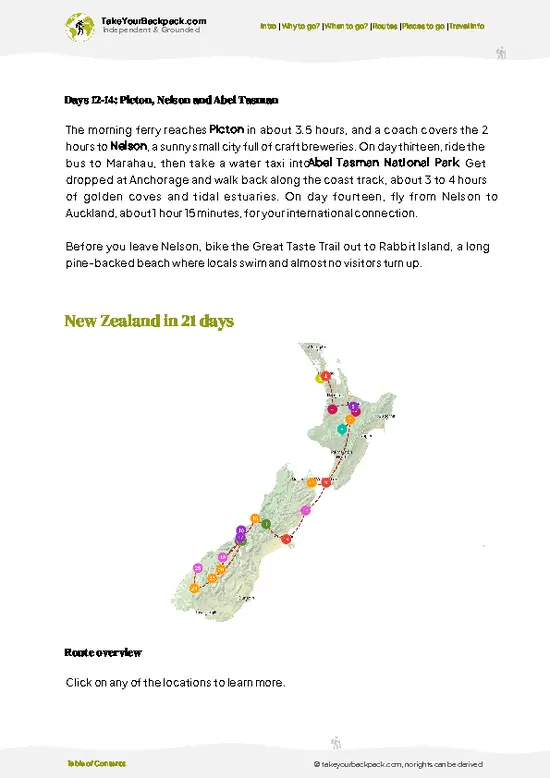
New Zealand’s geography is a key player in planning an efficient trip. Start in the North Island, where you can cluster attractions like Auckland, Rotorua, and the Bay of Islands. This allows for a smooth flow from urban experiences to geothermal wonders. Then, transition to the South Island, focusing on regions like Nelson, Queenstown, and Fiordland. This directional travel minimizes backtracking and maximizes exploration.

Typical Time Needed

Allocate at least two to three days per major stop. This pacing allows for deeper engagement with local culture and activities without feeling rushed. For instance, spend time in Rotorua soaking in hot springs and exploring Maori culture, then move on to the stunning landscapes of the South Island.

Common Planning Mistakes

read more 👉

General Routing Logic

New Zealand’s geography is a key player in planning an efficient trip. Start in the North Island, where you can cluster attractions like Auckland, Rotorua, and the Bay of Islands. This allows for a smooth flow from urban experiences to geothermal wonders. Then, transition to the South Island, focusing on regions like Nelson, Queenstown, and Fiordland. This directional travel minimizes backtracking and maximizes exploration.

Typical Time Needed

Allocate at least two to three days per major stop. This pacing allows for deeper engagement with local culture and activities without feeling rushed. For instance, spend time in Rotorua soaking in hot springs and exploring Maori culture, then move on to the stunning landscapes of the South Island.

Common Planning Mistakes

One common pitfall is overloading the itinerary with too many stops. While the temptation to see everything is strong, it often leads to fatigue and missed experiences. Prioritize quality over quantity. Choose a few key regions and dive deeper into their offerings rather than skimming the surface of many.

Trade-offs and Constraints

Speed versus depth is a constant balancing act. Fast travel may save time but often sacrifices the richness of experience. Budget constraints can also influence comfort levels; consider investing in a few splurge-worthy experiences, like guided tours or unique accommodations, to enhance the trip. Flexibility is crucial; allow for spontaneous detours that can lead to unexpected rewards.

Strategic Planning

Embrace a strategic approach to planning. Use local climate patterns to your advantage; for example, summer is ideal for the South Island’s outdoor activities, while winter offers skiing opportunities. This foresight can enhance the overall experience, making the journey not just a trip, but a well-crafted adventure.

The ListMust-Visit regions in New Zealand

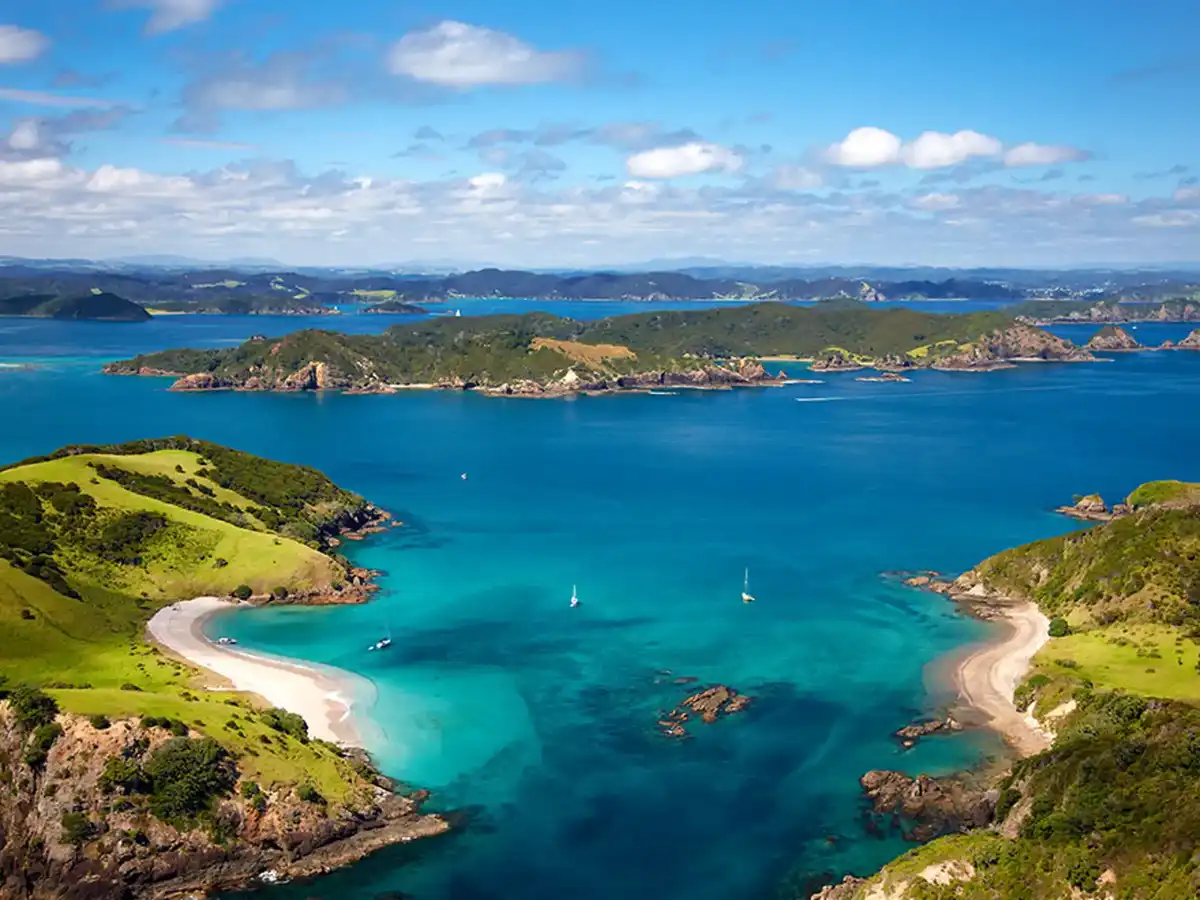
1 Bay of Islands

sheltered bays, colonial sites, marine wildlife, subtropical islets

Sail between scattered islands, encounter dolphins, and visit sites where early encounters between cultures shaped New Zealand’s modern identity.

2 Coromandel Peninsula

pohutukawa coastline, golden beaches, forested ranges, hot water springs

Hike through dense native bush, dig your own seaside hot pool, and discover quiet coves along a rugged, tree-fringed shoreline.

3 Great Barrier Island

remote beaches, dark sky sanctuary, off-grid communities, rugged trails

Disconnect from the mainland, trek wild tracks, and stargaze under some of the clearest night skies in the southern hemisphere.

Loading the map 🌍

Expert viewWhat You Should Know

Geographic Diversity
New Zealand’s regions are like a well-crafted puzzle, each piece offering a unique landscape and experience. The North Island is characterized by its volcanic activity, lush forests, and vibrant Māori culture. In contrast, the South Island boasts dramatic mountains, fjords, and a more laid-back vibe. Understanding this geographic diversity is crucial for planning your journey.

Aim to visit at least three to four regions to truly grasp the essence of New Zealand. Each region has its own rhythm and character, and hopping between them can feel like stepping into different worlds. However, be mindful of the distances involved. Travel times can be deceptive; what looks close on a map can take longer than expected due to winding roads and variable weather. Prioritize regions … read more 👉
Geographic Diversity
New Zealand’s regions are like a well-crafted puzzle, each piece offering a unique landscape and experience. The North Island is characterized by its volcanic activity, lush forests, and vibrant Māori culture. In contrast, the South Island boasts dramatic mountains, fjords, and a more laid-back vibe. Understanding this geographic diversity is crucial for planning your journey.

Aim to visit at least three to four regions to truly grasp the essence of New Zealand. Each region has its own rhythm and character, and hopping between them can feel like stepping into different worlds. However, be mindful of the distances involved. Travel times can be deceptive; what looks close on a map can take longer than expected due to winding roads and variable weather. Prioritize regions based on your interests—whether you crave adventure, culture, or relaxation—and plan your route accordingly.

Transport Between Regions
Navigating New Zealand requires a strategic approach to transport. While public transport exists, it’s often limited, especially in more remote areas. Renting a car or campervan is the most flexible option, allowing you to explore at your own pace. However, this comes with trade-offs. Fuel costs can add up, and driving can be tiring, especially on the winding roads of the South Island.

Consider the time you have available. If you’re on a tighter schedule, focus on regions that are geographically close to each other. For instance, the North Island’s central plateau and the coastal areas are relatively easy to connect. If you have more time, you can afford to venture further afield, but be prepared for longer travel days.

Cultural Variation
Cultural experiences vary significantly from region to region. The North Island is rich in Māori heritage, with opportunities to engage in traditional practices and learn about the history of the land. The South Island, on the other hand, has a more European influence, particularly in its architecture and lifestyle.

When planning your itinerary, think about how you want to engage with local culture. If you’re keen on immersive experiences, allocate time for cultural festivals or local markets, which can be found throughout the year. However, be aware that some regions may have limited options outside of peak tourist seasons. This can affect your ability to connect with local communities, so timing is key.

Pacing Trade-Offs
Pacing your trip is essential to avoid burnout. New Zealand’s allure lies in its natural beauty, and rushing through regions can lead to missed opportunities. A common mistake is trying to cram too much into a short timeframe. Instead, aim for a slower pace that allows for spontaneous exploration.

If you’re traveling with family or a group, consider the varying interests and energy levels. Some may want to hike, while others prefer a leisurely day at the beach. Balancing these preferences can be challenging, but it’s vital for group harmony. A good rule of thumb is to spend at least two to three nights in each region, allowing for both planned activities and downtime.

Infrastructure and Travel Constraints
New Zealand’s infrastructure is generally good, but it’s not without its quirks. Many roads are two-lane and can be narrow, especially in rural areas. This can lead to delays, particularly during peak travel times. Be prepared for the unexpected—road closures due to weather or construction can happen, so always have a backup plan.

Additionally, accommodation options can vary widely. In popular tourist areas, you’ll find a range of choices, from hostels to luxury lodges. However, in more remote regions, options may be limited, and booking in advance is often necessary. This is especially true during the summer months when domestic tourism peaks.

Safety and Cultural Considerations
Safety is generally not a major concern in New Zealand, but it’s wise to remain aware of your surroundings, especially in more isolated areas. Always inform someone of your travel plans if you’re heading into the backcountry.

Culturally, it’s essential to respect local customs, particularly when engaging with Māori communities. Understanding basic protocols, such as asking permission before taking photos or participating in cultural ceremonies, can enhance your experience and foster goodwill.

In summary, New Zealand’s regions offer a rich tapestry of experiences, but navigating them requires thoughtful planning. By understanding the geographic diversity, transport options, cultural variations, and pacing trade-offs, you can unlock a more rewarding journey. Embrace the adventure, and let the landscapes and cultures guide your path.

✈️ The backpacker research shortcutNew Zealand Travel Guide

An offline-friendly backpacking guide with optimized travel routes, ranked highlights, transport advice, and the best areas to stay.
example page 0 from our offline Travel Guide for New Zealand
example page 1 from our offline Travel Guide for New Zealand
example page 2 from our offline Travel Guide for New Zealand
example page 3 from our offline Travel Guide for New Zealand
example page 4 from our offline Travel Guide for New Zealand
example page 5 from our offline Travel Guide for New Zealand
example page 6 from our offline Travel Guide for New Zealand
example page 7 from our offline Travel Guide for New Zealand
The digital guide (402 pages) contains:
112 highlights, ranked by travel appeal
Optimized 7, 14 & 21-day travel routes
Cities, national parks, landmarks, beaches
How to get around
Offline-friendly for travel without Wi-Fi
👉 Click to see all 30+ guide features

📅 Plan smarter in minutes, not weeks
Month by month travel advice
Festivals & national holidays
Budget expectations

🗺️ Go to the right places, skip the overrated ones
Honest pros & cons of destinations
Top hikes, parks & viewpoints
Lesser-known places most travelers miss
Clear “worth it vs skip it” guidance

🛏️ Travel smoothly without rookie mistakes
Best areas to stay
Transport systems explained simply
Common scams & safety advice
SIM cards, money & practical tips

🌍 Understand the country, not just visit it
Culture & traditions
Local customs
Festivals worth planning around
Traveler-friendly historical context
Insights that make places more meaningful

📱 Built for real travel conditions
Fully downloadable PDF
Works completely offline
Optimized for phone use
Useful in remote areas & buses
Everything in one place
Save weeks of stressful planning
Get instant access to your full guide. 30‑day money-back guarantee.
+ Add another guide for just US$7.80

By proceeding you agree to our terms.
Sent to your inbox immediately after payment • 100% Secure Checkout
Best Backpacking Travel Advisor 2025 tourism awardBest Backpacking
Travel Advisor
2025
What others say about Take Your Backpack Guides:
⭐⭐⭐⭐⭐
Fantastic, amazing amount of information!
⭐⭐⭐⭐⭐
My goodness this is amazing, it's what I've been looking for hats off too you!
⭐⭐⭐⭐⭐
I think this is absolutely BRILLIANT
⭐⭐⭐⭐
Very complete and informative. It's still missing places, but I gotta to commend you
⭐⭐⭐⭐⭐
This is truly amazing, thank you, can't wait to explore it with my kids!
⭐⭐⭐⭐⭐
Awesome resource, thank you!
⭐⭐⭐⭐⭐
This is amazing! Can't wait to explore the ones I haven't seen
⭐⭐⭐⭐
I love this! Well done, great idea.
⭐⭐⭐⭐⭐
Thanks for taking the time to make this gem!
⭐⭐⭐⭐⭐
This might be the best website I've ever seen.
⭐⭐⭐⭐⭐
Congratulations, and thank you so much for your work; it's incredibly valuable.
⭐⭐⭐⭐
In all seriousness I think you did a great job pointing out the important spots
⭐⭐⭐⭐⭐
10/10 very good
⭐⭐⭐⭐⭐
As someone who's only just starting to visit regularly this is awesome, thank you.
⭐⭐⭐⭐
Thank you very much! I'm going to visit my dad, it's going to be very useful!
⭐⭐⭐⭐⭐
This is really cool! We'll be travelling for the first time and this definitely come in handy.
⭐⭐⭐⭐⭐
You are now our minister of culture, congratulations 👨‍💼
⭐⭐⭐⭐⭐
Just wanted to tell you that this is a pearl! Going to follow your recommendations.
⭐⭐⭐⭐⭐
This is so cool. I'll definitely be using the resource for my travels soon.
⭐⭐⭐⭐⭐
This is very impressive! Good work.
⭐⭐⭐⭐⭐
This is an amazing and informative site. Very well done!

🛏️ Where to stay?Best Stay Options in New Zealand

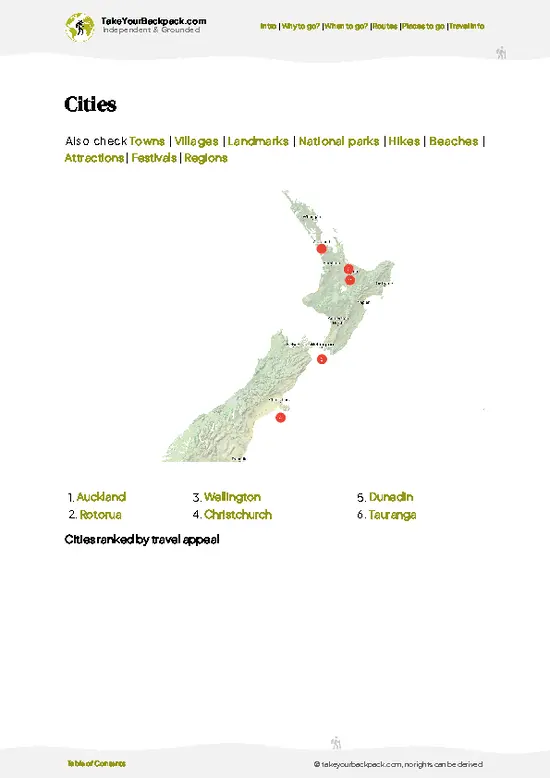
Yes — reliable hostels and budget accommodation are widely available across New Zealand, concentrated in Auckland CBD and Ponsonby, Wellington CBD and Cuba Street, Christchurch central and Riccarton, Queenstown and Wanaka, plus Dunedin CBD and Te Anau.
Auckland and Wellington offer best transport links and nightlife but are busier and often pricier; Christchurch and Riccarton are budget-friendly, quieter and well connected by buses; Queenstown and Wanaka are ideal for adventure and social hostels but fill fast and cost more; Dunedin and Te Anau are quieter, cheaper and excellent for nature access but have fewer late‑night options.

If you enjoy meeting fellow travelers, consider choosing hostelsread more 👉
Yes — reliable hostels and budget accommodation are widely available across New Zealand, concentrated in Auckland CBD and Ponsonby, Wellington CBD and Cuba Street, Christchurch central and Riccarton, Queenstown and Wanaka, plus Dunedin CBD and Te Anau.
Auckland and Wellington offer best transport links and nightlife but are busier and often pricier; Christchurch and Riccarton are budget-friendly, quieter and well connected by buses; Queenstown and Wanaka are ideal for adventure and social hostels but fill fast and cost more; Dunedin and Te Anau are quieter, cheaper and excellent for nature access but have fewer late‑night options.

If you enjoy meeting fellow travelers, consider choosing hostels with high ratings for atmosphere. On the other hand, if you prefer having your own space, a hotel might be a better option.

New ZealandWhere to Go Next

👋 Meet the founderWho’s Behind Take Your Backpack?

Johan, backpacker and founder of TakeYourBackpackHi, I’m Johan (Netherlands 🇳🇱), the creator of TakeYourBackpack. Over the past decade, I’ve backpacked through 80+ countries across six continents, gaining extensive experience with independent travel, long-term trips, and overland routes.

This site is built on a combination of firsthand travel experience and carefully curated insights from other backpackers. Many guides are based on places I’ve personally visited, while others bring together tips, observations, and practical advice shared by trusted travelers I’ve met along the way.

The goal is to provide realistic, experience-driven guidance — not generic itineraries — so you can explore destinations with better context, clearer expectations, and more confidence.

Get full country guide •
Instant download • 112 highlights • Full Offline guide