×

Nicaragua🇳🇮 | best festivalsDiscover the 10 Best festivals Across Nicaragua

Nicaragua’s festivals pulse with life, reflecting the country’s rich tapestry of traditions and cultures. From the vibrant Fiesta de la Gritería in León to the solemn Semana Santa in Granada, each event offers a unique lens into local customs. Timing is crucial; festivals often align with the dry season, making travel easier and crowds more manageable.

Regional differences shape experiences significantly. In the Caribbean, for instance, the Carnaval de Bluefields bursts with Afro-Caribbean rhythms, while the Masaya Festival showcases indigenous heritage. Choosing the right festival not only enhances your cultural immersion but also impacts your budget, safety, and overall vibe, making it essential for any backpacker or independent traveler.

By Johan Kruseman 🇳🇱 | Updated June 7, 2026
Explore the best regions in Nicaragua

Why go?Understanding Their Importance

Nicaragua’s festivals pulse with a unique energy, deeply rooted in the country’s cultural heritage and historical narratives. Unlike many other countries, these celebrations often blend indigenous traditions with colonial influences, creating a rich tapestry of rituals and performances that reflect the nation’s diverse identity. The timing of these festivals, often aligned with agricultural cycles or religious calendars, invites travelers to witness the vibrant interplay of community and spirituality.

Geographically, Nicaragua’s varied landscapes—from volcanic mountains to lush lakes—provide stunning backdrops for these events. However, the climatic conditions can be a double-edged sword. The dry season, which typically runs from November to April, offers more reliable weather for outdoor … read more 👉
Nicaragua’s festivals pulse with a unique energy, deeply rooted in the country’s cultural heritage and historical narratives. Unlike many other countries, these celebrations often blend indigenous traditions with colonial influences, creating a rich tapestry of rituals and performances that reflect the nation’s diverse identity. The timing of these festivals, often aligned with agricultural cycles or religious calendars, invites travelers to witness the vibrant interplay of community and spirituality.

Geographically, Nicaragua’s varied landscapes—from volcanic mountains to lush lakes—provide stunning backdrops for these events. However, the climatic conditions can be a double-edged sword. The dry season, which typically runs from November to April, offers more reliable weather for outdoor festivities, but it also attracts larger crowds, potentially diluting the intimate experience. Conversely, attending during the rainy season may lead to fewer tourists, but the unpredictable weather can dampen plans.

Logistically, accessibility varies. Some festivals are in remote areas, requiring extra travel time, which can be a trade-off for deeper immersion in local culture. Understanding these nuances is crucial for travelers seeking authentic experiences. The crowd sizes, costs, and timing all play a role in shaping the festival experience, making it essential to weigh the benefits against potential inconveniences.
Behind the Scenes of Selection
The list of best festivals in Nicaragua is created based on energy, traditions, crowd experience, activities, and overall excitement. If you feel a festival is missing in this list, please let us know.

When to go?Seasonal Guide to Visiting

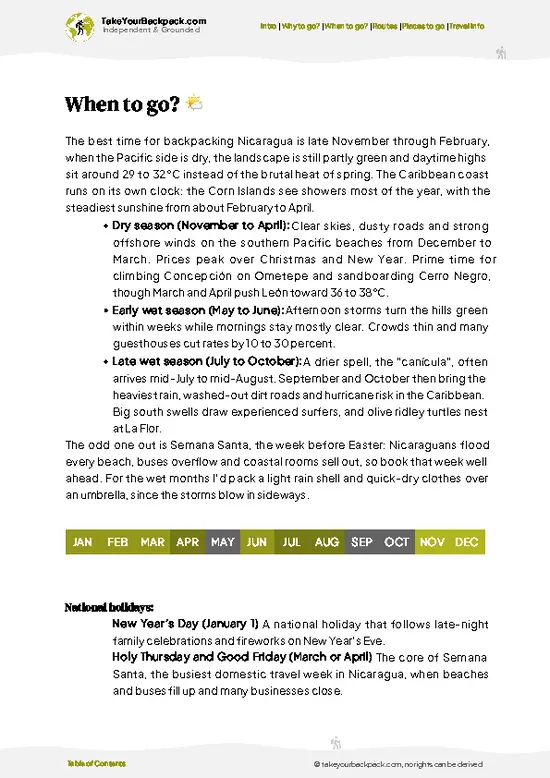
Seasonality plays a crucial role in the festival landscape of Nicaragua. The dry season, typically from November to April, is when the majority of vibrant celebrations occur. This period offers warm, sunny days and cooler nights, perfect for outdoor festivities. However, this peak season attracts larger crowds, driving up accommodation prices and making popular events feel more commercialized.

Shoulder seasons—the transitional months of May and October—offer a different experience. While the weather can be unpredictable, with occasional rain, the atmosphere is more intimate. Fewer tourists mean a more authentic connection to local culture. Costs for lodging and activities often drop, making it easier to engage with the community.

Peak periods during major festivals can lead to overwhelming … read more 👉
Seasonality plays a crucial role in the festival landscape of Nicaragua. The dry season, typically from November to April, is when the majority of vibrant celebrations occur. This period offers warm, sunny days and cooler nights, perfect for outdoor festivities. However, this peak season attracts larger crowds, driving up accommodation prices and making popular events feel more commercialized.

Shoulder seasons—the transitional months of May and October—offer a different experience. While the weather can be unpredictable, with occasional rain, the atmosphere is more intimate. Fewer tourists mean a more authentic connection to local culture. Costs for lodging and activities often drop, making it easier to engage with the community.

Peak periods during major festivals can lead to overwhelming crowds. The energy is palpable, but navigating through throngs can detract from the experience. Conversely, visiting during quieter months allows for deeper immersion, though fewer events may be scheduled.

Weather also influences the festival experience. The heat can be intense in the dry season, while the rainy season brings humidity and potential disruptions. Understanding these dynamics helps in planning a visit that balances the thrill of vibrant celebrations with the desire for genuine cultural engagement.

festival hoppingHow to Combine festivals Into One Trip

Festival Routing Logic
To efficiently combine Nicaragua’s vibrant festivals, start by clustering events regionally. The Pacific coast is a natural starting point, with cities like León and Granada hosting major celebrations. From there, head east toward Managua, where you can catch more urban festivities. This route allows for a smooth flow, minimizing backtracking and maximizing festival exposure.

Timing and Pacing
Plan for at least two to three days at each major festival. This gives time to soak in the atmosphere, enjoy local food, and participate in activities without feeling rushed. Festivals often span several days, so flexibility is key. Arrive a day early to acclimate and explore the area, ensuring you don’t miss out on the pre-festival buzz.

Common Planning Mistakes
Avoid cramming … read more 👉
Festival Routing Logic
To efficiently combine Nicaragua’s vibrant festivals, start by clustering events regionally. The Pacific coast is a natural starting point, with cities like León and Granada hosting major celebrations. From there, head east toward Managua, where you can catch more urban festivities. This route allows for a smooth flow, minimizing backtracking and maximizing festival exposure.

Timing and Pacing
Plan for at least two to three days at each major festival. This gives time to soak in the atmosphere, enjoy local food, and participate in activities without feeling rushed. Festivals often span several days, so flexibility is key. Arrive a day early to acclimate and explore the area, ensuring you don’t miss out on the pre-festival buzz.

Common Planning Mistakes
Avoid cramming too many events into a short timeframe. This leads to exhaustion and missed experiences. Instead, prioritize quality over quantity. Understand that some festivals draw larger crowds, which can affect comfort and enjoyment. Balance busier events with smaller, local celebrations for a richer experience.

Trade-offs and Constraints
Consider the trade-offs between speed and depth. Quick travel may save time but can sacrifice the immersive experience. Budget constraints may also dictate choices; local transport options can be economical but less comfortable. Ultimately, the reward lies in the moments shared with locals and the unique flavors of each festival.

The ListTop festivals of Nicaragua

1 Palo de Mayo

Caribbean dance, maypole, Creole rhythms

Join coastal communities for days of energetic dance and music around a maypole, reflecting Afro-Caribbean heritage and seasonal change.

2 Granada International Poetry Festival

public readings, global poets, colonial venues

Join writers and listeners in Granada as poetry fills plazas and historic halls, blending international voices with Nicaragua’s literary traditions.

3 El Gueguense

masked dance, satire, street theater

Watch dancers in ornate masks perform a centuries-old play that mixes indigenous humor and colonial history in Diriamba’s main square.

4 La Griteria

shouting tradition, altars, sweets giveaway

Hear neighborhoods erupt with chants and fireworks as families open their homes, offering sweets to visitors in a lively Marian celebration.

5 San Jeronimo

marimba bands, extended festivities, Masaya

Take part in Masaya’s longest festival, where music, dance, and processions fill the streets for weeks in a layered celebration of faith and culture.

6 Fiesta de San Sebastian

religious procession, fireworks, folk costumes

Experience a blend of Catholic ritual and local pageantry as townspeople parade relics, light fireworks, and wear traditional dress.

7 Fiesta de San Juan Bautista

river rituals, baptisms, community feasts

Observe riverside ceremonies and communal meals as locals mark the feast of Saint John with water blessings and shared food.

8 Fiesta de San Lazaro

dog costumes, church blessing, pet owners

See dogs dressed in elaborate outfits brought by their owners to Masaya’s church for blessings and a lively, animal-focused celebration.

9 Fiesta de San Pedro

fishing boats, lake procession, lakeside villages

Join lakeside communities as decorated boats carry Saint Peter’s image across the water, followed by music, dance, and lakeshore gatherings.

10 Fiesta de San Pascual Bailon

masked dancers, rural chapel, agricultural rituals

Witness masked dancers perform in small villages, where prayers for harvest and rain blend with music and rural traditions.

11 Tope de los Santos

horse parade, rural procession, local ranchers

Follow a procession of riders and decorated horses as communities gather to honor saints with music, food, and rural pageantry.

12 Fiestas Patronales

town saint, local food stalls, folk music

Attend a town’s annual celebration honoring its patron with processions, traditional music, and food unique to each community.

13 Carnival

costume parade, street bands, citywide party

Immerse yourself in a city transformed by colorful costumes, live music, and spontaneous street celebrations that last well into the night.

Think you know Nicaragua?

Prove you’re a true local — uncover 3 lesser-known festivals in Nicaragua that locals tend to keep to themselves.
Loading the map 🌍

Expert viewInsights from Locals and Experts

Festival Timing
Nicaragua’s festival calendar is a vibrant tapestry woven through the year, with each event reflecting the country’s rich cultural heritage. The dry season, from November to April, is prime time for festivals. This is when you’ll find the most energy and participation, as locals and travelers alike flock to the streets. Expect to see parades bursting with color, music echoing through the air, and the scent of street food wafting around every corner. However, the wet season brings its own charm, with fewer crowds and a more intimate experience, but be prepared for muddy paths and the occasional downpour.

Cultural Context
Understanding the cultural significance of each festival is crucial. Many are rooted in religious traditions, like Semana Santa (Holy Week), where the streets … read more 👉
Festival Timing
Nicaragua’s festival calendar is a vibrant tapestry woven through the year, with each event reflecting the country’s rich cultural heritage. The dry season, from November to April, is prime time for festivals. This is when you’ll find the most energy and participation, as locals and travelers alike flock to the streets. Expect to see parades bursting with color, music echoing through the air, and the scent of street food wafting around every corner. However, the wet season brings its own charm, with fewer crowds and a more intimate experience, but be prepared for muddy paths and the occasional downpour.

Cultural Context
Understanding the cultural significance of each festival is crucial. Many are rooted in religious traditions, like Semana Santa (Holy Week), where the streets transform into a canvas of elaborate processions and intricate alfombras (carpets made of colored sawdust). Others celebrate local history or agricultural cycles, such as the Fiesta de San Jerónimo, which blends indigenous and colonial influences. Each festival offers a glimpse into the soul of Nicaraguan life, but be mindful of local customs and dress codes, especially during religious events. Respect goes a long way in ensuring a warm welcome.

Crowd Management
Plan to attend at least two to three festivals to truly grasp the diversity of Nicaraguan culture. Popular events can draw large crowds, so arrive early to secure a good spot. If you’re not a fan of throngs, consider smaller, local festivals that may not be on the tourist radar. These often provide a more authentic experience, but they may lack the infrastructure of larger events, so be prepared for less comfort and convenience.

Budget Considerations
Festivals can be budget-friendly, but costs can vary significantly. Street food is usually affordable, but if you want to indulge in local delicacies or drinks, set aside a bit more. Accommodations during festival times can spike, so consider booking well in advance or opting for homestays to save money and immerse yourself in local life. The trade-off here is comfort versus experience; staying with locals can offer insights you won’t find in a hotel, but it may come with less privacy and amenities.

Safety & Comfort
Safety is paramount, especially in crowded settings. Keep your belongings secure and be aware of your surroundings. While Nicaraguans are generally warm and welcoming, it’s wise to stay sober and alert in large gatherings. If you’re traveling solo, buddy up with fellow festival-goers or locals to enhance your experience and ensure safety.

Effort vs. Reward
The effort you put into navigating the festival scene pays off in spades. The thrill of joining a traditional dance, the taste of freshly made nacatamales, or the sight of a breathtaking procession can be transformative. Each festival is a chance to connect with the community, and the rewards are often found in the shared laughter and stories exchanged with locals.

In summary, immerse yourself in the rhythm of Nicaragua’s festivals. Embrace the chaos, savor the flavors, and let the spirit of the celebrations wash over you. The grit of the streets and the warmth of the people will leave you with memories that linger long after the last firework has faded.

✈️ The backpacker research shortcutNicaragua Travel Guide

An offline-friendly backpacking guide with optimized travel routes, ranked highlights, transport advice, and the best areas to stay.
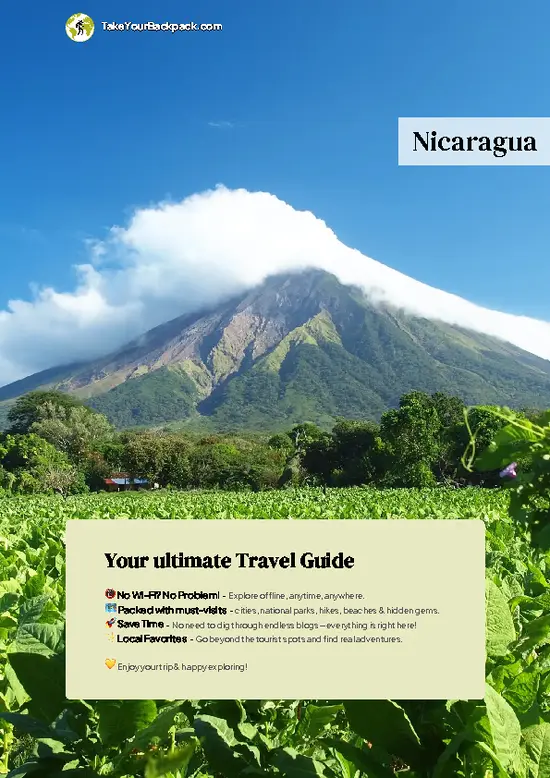
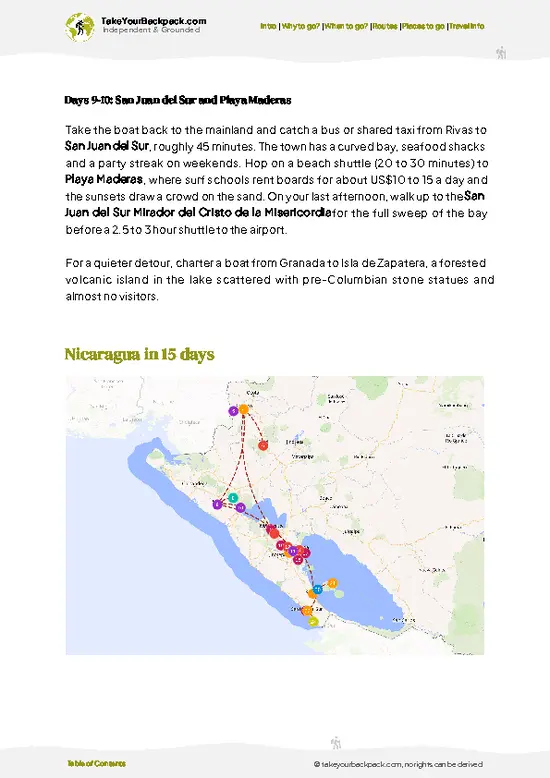
example page 0 from our offline Travel Guide for Nicaragua
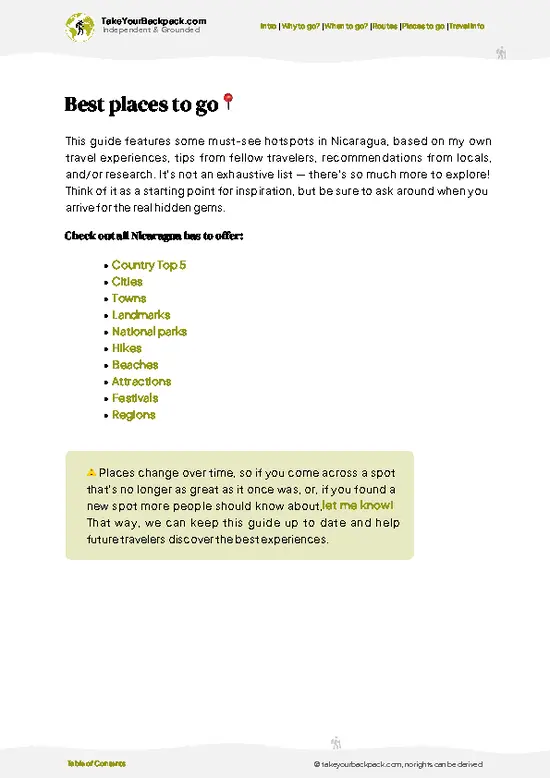
example page 1 from our offline Travel Guide for Nicaragua
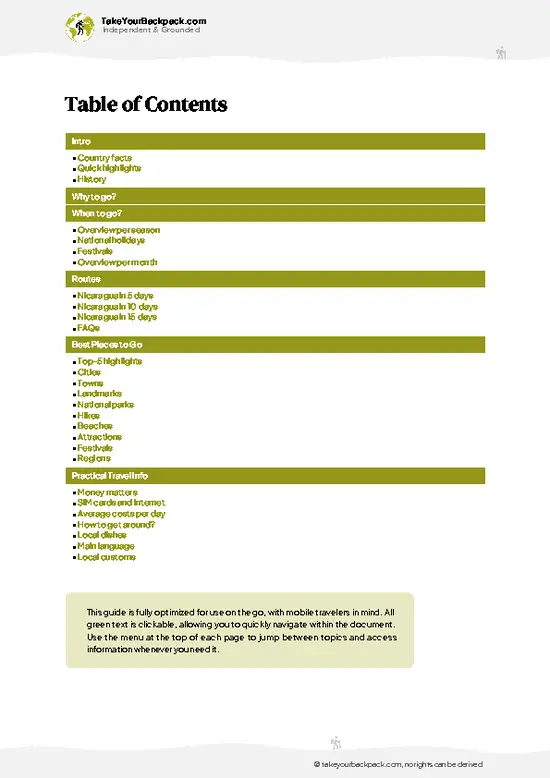
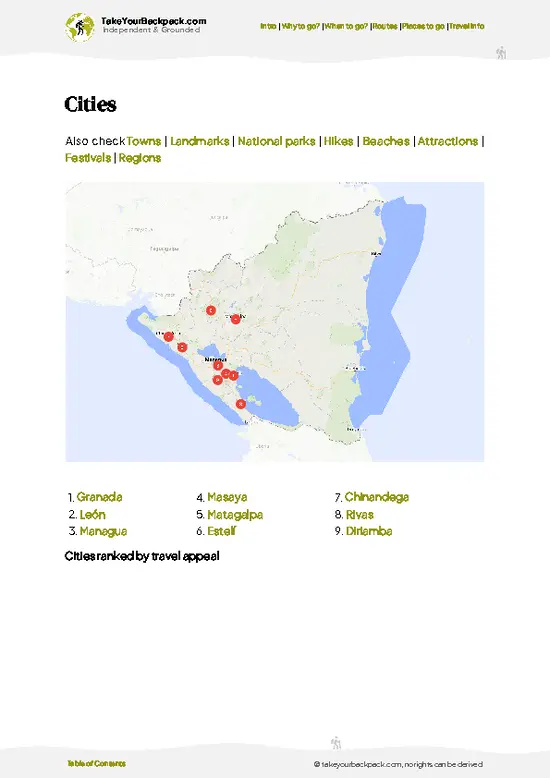
example page 2 from our offline Travel Guide for Nicaragua
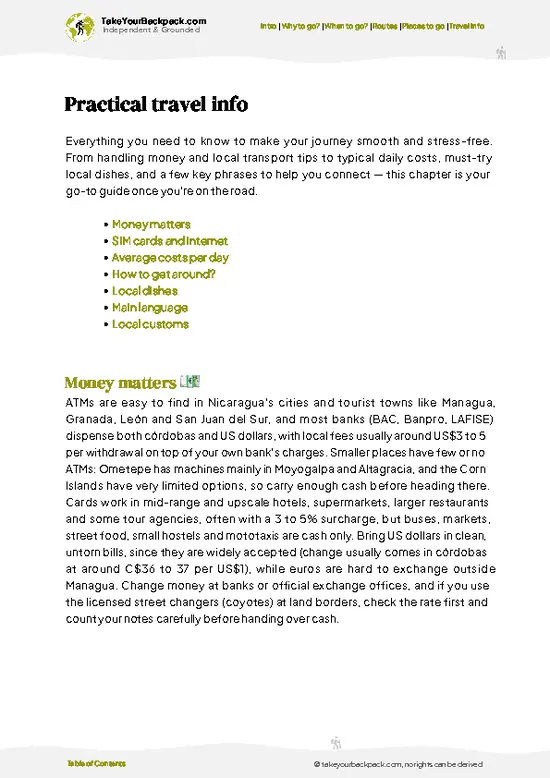
example page 3 from our offline Travel Guide for Nicaragua
example page 4 from our offline Travel Guide for Nicaragua
example page 5 from our offline Travel Guide for Nicaragua
example page 6 from our offline Travel Guide for Nicaragua
example page 7 from our offline Travel Guide for Nicaragua
The digital guide (342 pages) contains:
86 highlights, ranked by travel appeal
Optimized 5, 10 & 15-day travel routes
Cities, national parks, landmarks, beaches
How to get around
Offline-friendly for travel without Wi-Fi
👉 Click to see all 30+ guide features

📅 Plan smarter in minutes, not weeks
Month by month travel advice
Festivals & national holidays
Budget expectations

🗺️ Go to the right places, skip the overrated ones
Honest pros & cons of destinations
Top hikes, parks & viewpoints
Lesser-known places most travelers miss
Clear “worth it vs skip it” guidance

🛏️ Travel smoothly without rookie mistakes
Best areas to stay
Transport systems explained simply
Common scams & safety advice
SIM cards, money & practical tips

🌍 Understand the country, not just visit it
Culture & traditions
52 Essential phrases & customs
Festivals worth planning around
Traveler-friendly historical context
Insights that make places more meaningful

📱 Built for real travel conditions
Fully downloadable PDF
Works completely offline
Optimized for phone use
Useful in remote areas & buses
Everything in one place
Save weeks of stressful planning
Get instant access to your full guide. 30‑day money-back guarantee.


By proceeding you agree to our terms.
Sent to your inbox immediately after payment • 100% Secure Checkout
Best Backpacking Travel Advisor 2025 tourism awardBest Backpacking
Travel Advisor
2025
What others say about Take Your Backpack Guides:
⭐⭐⭐⭐⭐
Fantastic, amazing amount of information!
⭐⭐⭐⭐⭐
My goodness this is amazing, it's what I've been looking for hats off too you!
⭐⭐⭐⭐⭐
I think this is absolutely BRILLIANT
⭐⭐⭐⭐
Very complete and informative. It's still missing places, but I gotta to commend you
⭐⭐⭐⭐⭐
This is truly amazing, thank you, can't wait to explore it with my kids!
⭐⭐⭐⭐⭐
Awesome resource, thank you!
⭐⭐⭐⭐⭐
This is amazing! Can't wait to explore the ones I haven't seen
⭐⭐⭐⭐
I love this! Well done, great idea.
⭐⭐⭐⭐⭐
Thanks for taking the time to make this gem!
⭐⭐⭐⭐⭐
This might be the best website I've ever seen.
⭐⭐⭐⭐⭐
Congratulations, and thank you so much for your work; it's incredibly valuable.
⭐⭐⭐⭐
In all seriousness I think you did a great job pointing out the important spots
⭐⭐⭐⭐⭐
10/10 very good
⭐⭐⭐⭐⭐
As someone who's only just starting to visit regularly this is awesome, thank you.
⭐⭐⭐⭐
Thank you very much! I'm going to visit my dad, it's going to be very useful!
⭐⭐⭐⭐⭐
This is really cool! We'll be travelling for the first time and this definitely come in handy.
⭐⭐⭐⭐⭐
You are now our minister of culture, congratulations 👨‍💼
⭐⭐⭐⭐⭐
Just wanted to tell you that this is a pearl! Going to follow your recommendations.
⭐⭐⭐⭐⭐
This is so cool. I'll definitely be using the resource for my travels soon.
⭐⭐⭐⭐⭐
This is very impressive! Good work.
⭐⭐⭐⭐⭐
This is an amazing and informative site. Very well done!

🛏️ Where to stay?Accommodation Highlights

Yes — Nicaragua has plenty of hostels and budget accommodation in its main tourist hubs.
Granada Centro: close to colonial sights and Lake Nicaragua ferries, generally quieter evenings but limited surf; León Centro: cheapest beds and easy access to volcano boarding and lively bars, expect louder nights; San Juan del Sur: best for beaches, surf and nightlife but busier and pricier in high season; Moyogalpa (Ometepe): great for nature, cheap camping/hostels and relaxed nights, but slower transport and fewer services; Corn Islands: Caribbean beaches with some budget options but overall higher costs and scarce inventory; Managua (near airport): practical for transit with a few budget digs but less … read more 👉
Yes — Nicaragua has plenty of hostels and budget accommodation in its main tourist hubs.
Granada Centro: close to colonial sights and Lake Nicaragua ferries, generally quieter evenings but limited surf; León Centro: cheapest beds and easy access to volcano boarding and lively bars, expect louder nights; San Juan del Sur: best for beaches, surf and nightlife but busier and pricier in high season; Moyogalpa (Ometepe): great for nature, cheap camping/hostels and relaxed nights, but slower transport and fewer services; Corn Islands: Caribbean beaches with some budget options but overall higher costs and scarce inventory; Managua (near airport): practical for transit with a few budget digs but less walkable and mixed safety.
Stick to central tourist neighborhoods, lock valuables, expect basic dorm facilities, and book ahead for high season and ferry days.

If you enjoy meeting fellow travelers, consider choosing hostels with high ratings for atmosphere. On the other hand, if you prefer having your own space, a hotel might be a better option.

NicaraguaSee More of Nicaragua

👋 Meet the founderWho’s Behind Take Your Backpack?

Johan, backpacker and founder of TakeYourBackpackHi, I’m Johan (Netherlands 🇳🇱), the creator of TakeYourBackpack. Over the past decade, I’ve backpacked through 80+ countries across six continents, gaining extensive experience with independent travel, long-term trips, and overland routes.

This site is built on a combination of firsthand travel experience and carefully curated insights from other backpackers. Many guides are based on places I’ve personally visited, while others bring together tips, observations, and practical advice shared by trusted travelers I’ve met along the way.

The goal is to provide realistic, experience-driven guidance — not generic itineraries — so you can explore destinations with better context, clearer expectations, and more confidence.

Get full Nicaragua guide •
Instant download • 86 highlights • Full Offline guide