×

Nicaragua🇳🇮 | best regionsDiscover the 3 Best regions Across Nicaragua

Nicaragua’s regions are a tapestry of climate, landscapes, and cultural character, each offering a distinct flavor for the backpacker. From the volcanic peaks of the North to the lush Caribbean coast, your choice of region shapes your entire experience. The Pacific side boasts vibrant cities and surf spots, while the highlands provide cooler temperatures and rich indigenous culture. Seasonal nuances, like the rainy season, can affect accessibility and safety, making it crucial to plan accordingly. Understanding these differences not only influences your budget but also enhances your cultural immersion and ease of travel, ensuring your journey through Nicaragua is as rewarding as it is adventurous.

By Johan Kruseman 🇳🇱 | Updated September 5, 2026
Explore the best cities in Nicaragua

Why go?Understanding Their Importance

Nicaragua’s regions matter because they showcase a climatic diversity that few countries can match. From the lush, humid lowlands to the cooler highlands, each area offers a distinct experience. This variety shapes not only the landscapes but also the cultural character of the people. Indigenous traditions blend with colonial influences, creating a rich tapestry of customs and celebrations that reflect the country’s complex history.

Travelers face trade-offs when exploring Nicaragua. The distances between regions can be significant, meaning that while one might crave breadth of experience, it often comes at the cost of time. For instance, venturing from the Pacific coast to the Caribbean side requires planning and patience, but the reward is a profound understanding of the country’s geographic read more 👉
Nicaragua’s regions matter because they showcase a climatic diversity that few countries can match. From the lush, humid lowlands to the cooler highlands, each area offers a distinct experience. This variety shapes not only the landscapes but also the cultural character of the people. Indigenous traditions blend with colonial influences, creating a rich tapestry of customs and celebrations that reflect the country’s complex history.

Travelers face trade-offs when exploring Nicaragua. The distances between regions can be significant, meaning that while one might crave breadth of experience, it often comes at the cost of time. For instance, venturing from the Pacific coast to the Caribbean side requires planning and patience, but the reward is a profound understanding of the country’s geographic contrasts.

Nicaragua’s infrastructure is improving, yet it remains less developed than in many neighboring countries. This can lead to bumpy roads and longer travel times, but it also means fewer crowds and a more authentic connection to the land and its people.

Understanding these constraints is crucial. The journey may be challenging, but the payoff is a deeper appreciation of Nicaragua’s natural beauty and cultural richness. Each region tells a story, and the effort to reach them makes those stories all the more meaningful.
Why These Made the Cut
The list of best regions in Nicaragua is created based on landscapes, local culture, attractions, vibes, and overall appeal. If you feel a region is missing in this list, please let us know.

When to go?Seasonal Guide to Visiting

Climate Variation
Nicaragua’s climate is a dance of dry and wet seasons, shaping the experience across its diverse regions. The dry season, from November to April, offers warm days and cooler nights. This is when the country shines, with clear skies and vibrant landscapes. However, the heat can be intense, especially in lower elevations.

Optimal Months
The best months to visit generally fall within the dry season. Travelers can expect comfortable conditions, making it ideal for outdoor activities. The lushness of the landscape after the rains in May can be a sight to behold, but the humidity rises, and afternoon showers become common.

Shoulder Seasons
The shoulder months of May and October present a mixed bag. Fewer tourists mean lower prices, but the weather can be unpredictable. Rain … read more 👉
Climate Variation
Nicaragua’s climate is a dance of dry and wet seasons, shaping the experience across its diverse regions. The dry season, from November to April, offers warm days and cooler nights. This is when the country shines, with clear skies and vibrant landscapes. However, the heat can be intense, especially in lower elevations.

Optimal Months
The best months to visit generally fall within the dry season. Travelers can expect comfortable conditions, making it ideal for outdoor activities. The lushness of the landscape after the rains in May can be a sight to behold, but the humidity rises, and afternoon showers become common.

Shoulder Seasons
The shoulder months of May and October present a mixed bag. Fewer tourists mean lower prices, but the weather can be unpredictable. Rain can disrupt plans, yet the scenery is often at its most vivid.

Peak Periods
Holidays and festivals draw crowds, particularly around the end of the year. While the atmosphere is electric, accommodations fill quickly, and prices spike.

Seasonal Constraints
Travelers should consider the trade-offs between comfort and experience. The wet season brings challenges but also rewards, like fewer tourists and a more authentic feel. Balancing timing with personal preferences can lead to a richer journey through Nicaragua’s varied landscapes.

region hoppingHow to Combine regions Into One Trip

Traveling through Nicaragua requires a strategic approach to maximize the experience. Start in the Pacific region, where cities like León and Granada offer rich history and vibrant culture. From León, head south to Granada, taking in the colonial architecture and the stunning views of Mombacho Volcano. This route is about 2 hours by bus, making it a manageable first leg.

Next, venture towards the Central Highlands. The cooler climate and lush landscapes of Matagalpa and Jinotega provide a refreshing contrast. Allocate a couple of days here to explore coffee plantations and enjoy the serene mountain trails. This region is less touristy, allowing for deeper connections with local culture.

After the highlands, shift east to the Caribbean coast. The journey takes about 6 hours, but the vibrant … read more 👉
Traveling through Nicaragua requires a strategic approach to maximize the experience. Start in the Pacific region, where cities like León and Granada offer rich history and vibrant culture. From León, head south to Granada, taking in the colonial architecture and the stunning views of Mombacho Volcano. This route is about 2 hours by bus, making it a manageable first leg.

Next, venture towards the Central Highlands. The cooler climate and lush landscapes of Matagalpa and Jinotega provide a refreshing contrast. Allocate a couple of days here to explore coffee plantations and enjoy the serene mountain trails. This region is less touristy, allowing for deeper connections with local culture.

After the highlands, shift east to the Caribbean coast. The journey takes about 6 hours, but the vibrant Afro-Caribbean culture in towns like Bluefields and Corn Island is worth the trek. Spend a few days soaking in the laid-back atmosphere and indulging in fresh seafood.

Common mistakes include trying to cram too many stops into a short timeframe. Prioritize experiences over quantity. Balancing speed with depth is crucial; rushing through regions can lead to missed opportunities. Flexibility is key—allow time for spontaneous adventures, whether it’s a local festival or a hidden beach. Embrace the journey, and the rewards will unfold.

The ListTop regions of Nicaragua

1 Ometepe Island

twin volcanoes, freshwater lake, rural farmland

Hike volcanic slopes, cycle through plantain fields, and watch sunsets over a freshwater horizon dotted with fishing boats and grazing cattle.

2 Corn Islands

Caribbean beaches, Creole villages, reef snorkeling

Swim in clear waters, sample seafood caught that morning, and experience island life shaped by Afro-Caribbean heritage and coral reefs.

3 Selva Negra

cloud forest, coffee estates, mountain trails

Wake to misty mornings, walk under dense canopy, and learn how sustainable coffee production supports both wildlife and local communities.

Loading the map 🌍

Expert viewInsights from Locals and Experts

Regions in Nicaragua offer a rich tapestry of experiences, each with its own character and challenges. To truly appreciate the country, aim to explore at least three distinct regions. This approach balances the diversity of landscapes, cultures, and activities while allowing for a deeper understanding of Nicaraguan life.

Geographic Diversity is striking. From the volcanic highlands to the Caribbean coast, each area presents unique opportunities and obstacles. The Pacific side is known for its surf culture and agricultural richness, while the Caribbean offers a laid-back vibe with Afro-Caribbean influences. The central highlands, with their cooler temperatures and lush greenery, provide a stark contrast to the tropical heat of the coast. Each region requires a different mindset and preparation. … read more 👉
Regions in Nicaragua offer a rich tapestry of experiences, each with its own character and challenges. To truly appreciate the country, aim to explore at least three distinct regions. This approach balances the diversity of landscapes, cultures, and activities while allowing for a deeper understanding of Nicaraguan life.

Geographic Diversity is striking. From the volcanic highlands to the Caribbean coast, each area presents unique opportunities and obstacles. The Pacific side is known for its surf culture and agricultural richness, while the Caribbean offers a laid-back vibe with Afro-Caribbean influences. The central highlands, with their cooler temperatures and lush greenery, provide a stark contrast to the tropical heat of the coast. Each region requires a different mindset and preparation. For instance, the highlands may demand a bit more physical effort, especially if you’re hiking or exploring the rugged terrain, but the payoff is often a breathtaking view from a mountain peak or a serene lake.

Transport between regions can be a mixed bag. While buses are generally reliable and affordable, they can also be slow and crowded. Expect to spend several hours on the road, often longer than anticipated due to road conditions or unexpected stops. If you’re short on time, consider private shuttles, which can be pricier but save you valuable hours. However, this trade-off comes with the benefit of a more comfortable ride and the chance to interact with locals, who often share stories that enrich your understanding of the culture.

Cultural Variation is palpable as you move from one region to another. In the Pacific, you’ll find a more traditional Nicaraguan lifestyle, with vibrant markets and a focus on agriculture. The Caribbean, however, is a melting pot of cultures, where English is commonly spoken, and the rhythm of life is slower. This shift can be jarring but also rewarding. Embrace the differences; try local foods, participate in festivals, and engage with the people. Just be mindful of cultural sensitivities, especially in indigenous areas where customs may differ significantly from what you’re used to.

Pacing your trip is crucial. If you rush through regions, you’ll miss the nuances that make Nicaragua special. Allocate at least a week for a three-region itinerary, allowing for travel time and the chance to soak in the atmosphere. Each region deserves a few days to truly appreciate its offerings. If you’re drawn to adventure, prioritize the highlands for hiking and exploration. If relaxation is your goal, the Caribbean coast is perfect for unwinding with a cold drink in hand.

Safety is another consideration. While Nicaragua is generally safe for travelers, some areas may have higher crime rates. Stay informed about local conditions and avoid traveling alone at night. Engaging with local guides can enhance your experience and provide insights into safe practices.

In summary, Nicaragua’s regions each offer distinct flavors and experiences. By choosing to explore three, you’ll gain a well-rounded perspective of the country. Embrace the grit of the streets, the burn of the trails, and the warmth of the people. The effort you put in will be rewarded with unforgettable moments and a deeper connection to this vibrant land.

✈️ The backpacker research shortcutNicaragua Travel Guide

An offline-friendly backpacking guide with optimized travel routes, ranked highlights, transport advice, and the best areas to stay.
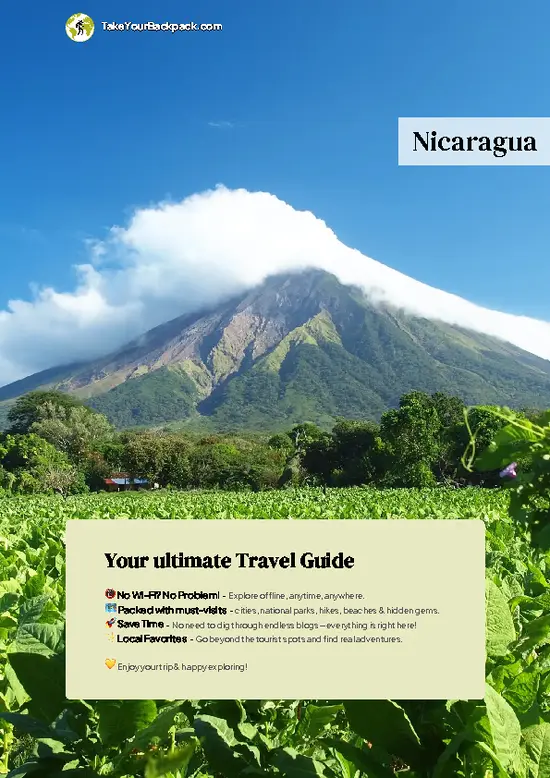
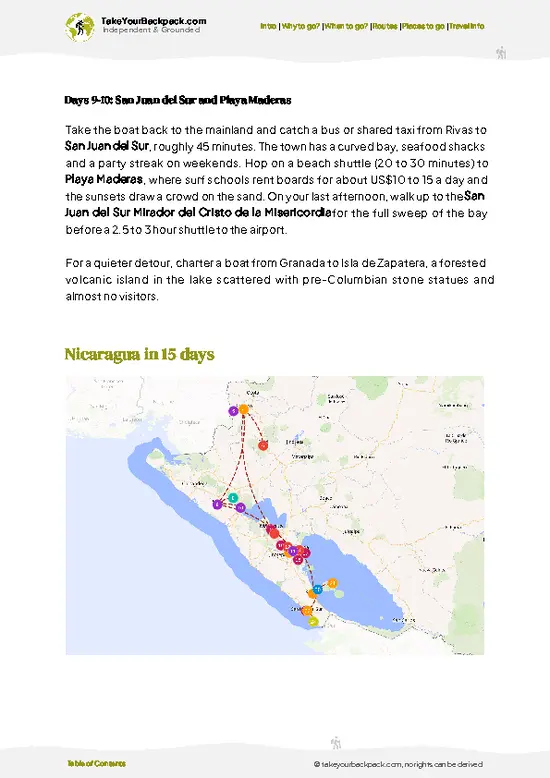
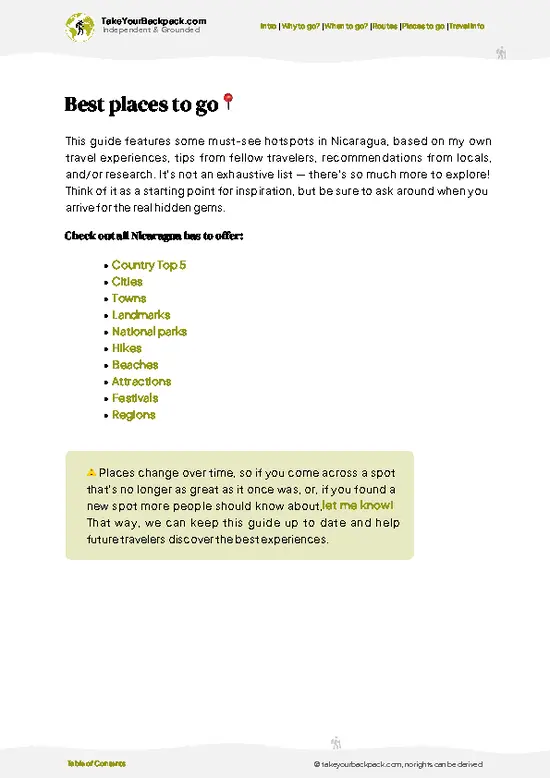
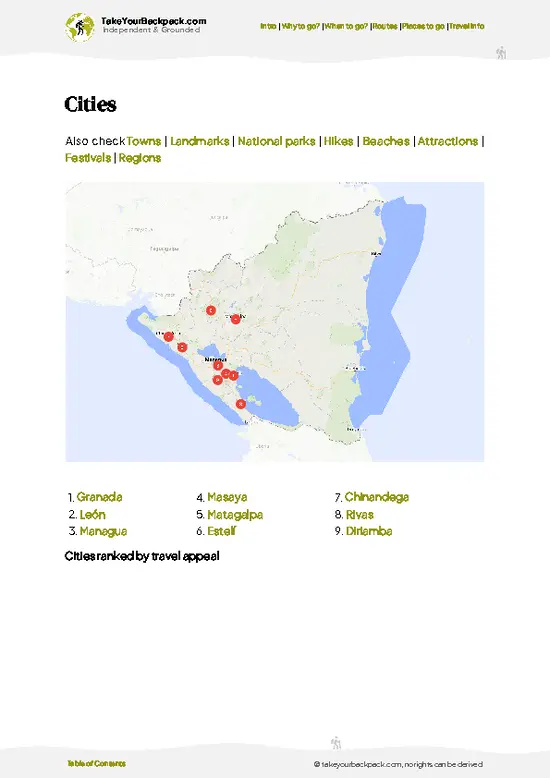
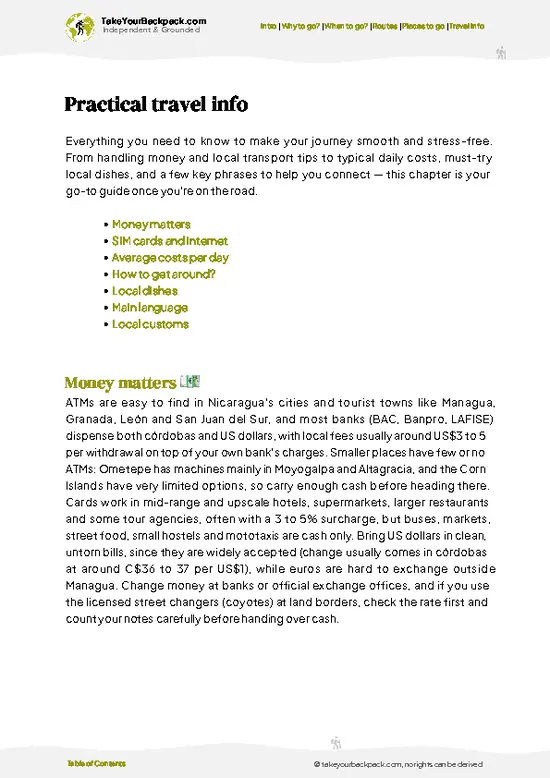
example page 0 from our offline Travel Guide for Nicaragua
example page 1 from our offline Travel Guide for Nicaragua
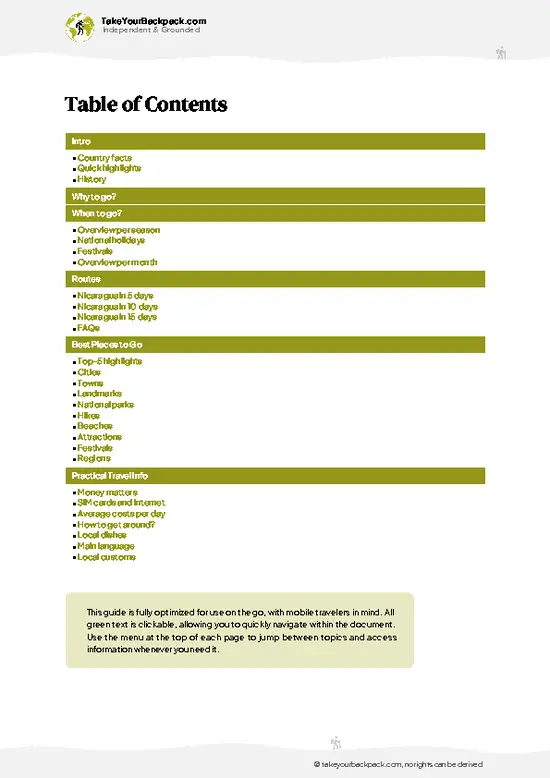
example page 2 from our offline Travel Guide for Nicaragua
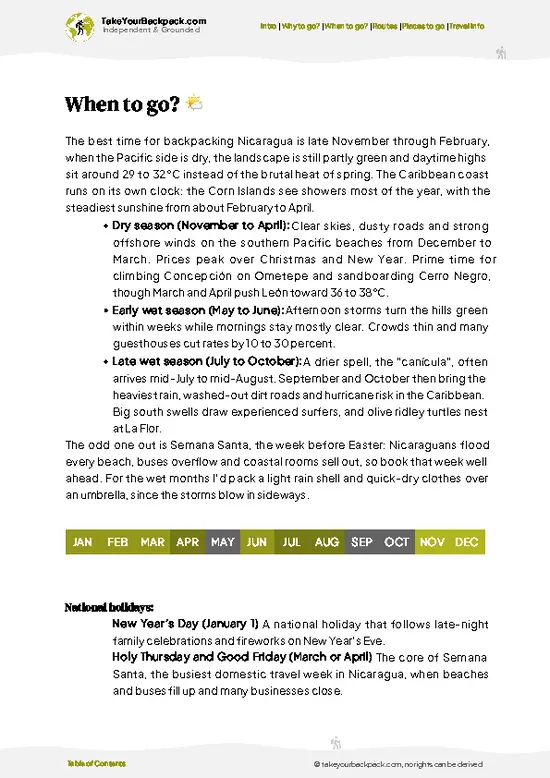
example page 3 from our offline Travel Guide for Nicaragua
example page 4 from our offline Travel Guide for Nicaragua
example page 5 from our offline Travel Guide for Nicaragua
example page 6 from our offline Travel Guide for Nicaragua
example page 7 from our offline Travel Guide for Nicaragua
The digital guide (339 pages) contains:
86 highlights, ranked by travel appeal
Optimized 5, 10 & 15-day travel routes
Cities, national parks, landmarks, beaches
How to get around
Offline-friendly for travel without Wi-Fi
👉 Click to see all 30+ guide features

📅 Plan smarter in minutes, not weeks
Month by month travel advice
Festivals & national holidays
Budget expectations

🗺️ Go to the right places, skip the overrated ones
Honest pros & cons of destinations
Top hikes, parks & viewpoints
Lesser-known places most travelers miss
Clear “worth it vs skip it” guidance

🛏️ Travel smoothly without rookie mistakes
Best areas to stay
Transport systems explained simply
Common scams & safety advice
SIM cards, money & practical tips

🌍 Understand the country, not just visit it
Culture & traditions
52 Essential phrases & customs
Festivals worth planning around
Traveler-friendly historical context
Insights that make places more meaningful

📱 Built for real travel conditions
Fully downloadable PDF
Works completely offline
Optimized for phone use
Useful in remote areas & buses
Everything in one place
Save weeks of stressful planning
Get instant access to your full guide. 30‑day money-back guarantee.
+ Add another guide for just US$7.80

By proceeding you agree to our terms.
Sent to your inbox immediately after payment • 100% Secure Checkout
Best Backpacking Travel Advisor 2025 tourism awardBest Backpacking
Travel Advisor
2025
What others say about Take Your Backpack Guides:
⭐⭐⭐⭐⭐
Fantastic, amazing amount of information!
⭐⭐⭐⭐⭐
My goodness this is amazing, it's what I've been looking for hats off too you!
⭐⭐⭐⭐⭐
I think this is absolutely BRILLIANT
⭐⭐⭐⭐
Very complete and informative. It's still missing places, but I gotta to commend you
⭐⭐⭐⭐⭐
This is truly amazing, thank you, can't wait to explore it with my kids!
⭐⭐⭐⭐⭐
Awesome resource, thank you!
⭐⭐⭐⭐⭐
This is amazing! Can't wait to explore the ones I haven't seen
⭐⭐⭐⭐
I love this! Well done, great idea.
⭐⭐⭐⭐⭐
Thanks for taking the time to make this gem!
⭐⭐⭐⭐⭐
This might be the best website I've ever seen.
⭐⭐⭐⭐⭐
Congratulations, and thank you so much for your work; it's incredibly valuable.
⭐⭐⭐⭐
In all seriousness I think you did a great job pointing out the important spots
⭐⭐⭐⭐⭐
10/10 very good
⭐⭐⭐⭐⭐
As someone who's only just starting to visit regularly this is awesome, thank you.
⭐⭐⭐⭐
Thank you very much! I'm going to visit my dad, it's going to be very useful!
⭐⭐⭐⭐⭐
This is really cool! We'll be travelling for the first time and this definitely come in handy.
⭐⭐⭐⭐⭐
You are now our minister of culture, congratulations 👨‍💼
⭐⭐⭐⭐⭐
Just wanted to tell you that this is a pearl! Going to follow your recommendations.
⭐⭐⭐⭐⭐
This is so cool. I'll definitely be using the resource for my travels soon.
⭐⭐⭐⭐⭐
This is very impressive! Good work.
⭐⭐⭐⭐⭐
This is an amazing and informative site. Very well done!

🛏️ Where to stay?Best Places to Stay in Nicaragua

Yes — Nicaragua has plenty of hostels and budget accommodation in its main tourist hubs.
Granada Centro: close to colonial sights and Lake Nicaragua ferries, generally quieter evenings but limited surf; León Centro: cheapest beds and easy access to volcano boarding and lively bars, expect louder nights; San Juan del Sur: best for beaches, surf and nightlife but busier and pricier in high season; Moyogalpa (Ometepe): great for nature, cheap camping/hostels and relaxed nights, but slower transport and fewer services; Corn Islands: Caribbean beaches with some budget options but overall higher costs and scarce inventory; Managua (near airport): practical for transit with a few budget digs but less … read more 👉
Yes — Nicaragua has plenty of hostels and budget accommodation in its main tourist hubs.
Granada Centro: close to colonial sights and Lake Nicaragua ferries, generally quieter evenings but limited surf; León Centro: cheapest beds and easy access to volcano boarding and lively bars, expect louder nights; San Juan del Sur: best for beaches, surf and nightlife but busier and pricier in high season; Moyogalpa (Ometepe): great for nature, cheap camping/hostels and relaxed nights, but slower transport and fewer services; Corn Islands: Caribbean beaches with some budget options but overall higher costs and scarce inventory; Managua (near airport): practical for transit with a few budget digs but less walkable and mixed safety.
Stick to central tourist neighborhoods, lock valuables, expect basic dorm facilities, and book ahead for high season and ferry days.

If you enjoy meeting fellow travelers, consider choosing hostels with high ratings for atmosphere. On the other hand, if you prefer having your own space, a hotel might be a better option.

NicaraguaExplore Nicaragua

👋 Meet the founderWho’s Behind Take Your Backpack?

Johan, backpacker and founder of TakeYourBackpackHi, I’m Johan (Netherlands 🇳🇱), the creator of TakeYourBackpack. Over the past decade, I’ve backpacked through 80+ countries across six continents, gaining extensive experience with independent travel, long-term trips, and overland routes.

This site is built on a combination of firsthand travel experience and carefully curated insights from other backpackers. Many guides are based on places I’ve personally visited, while others bring together tips, observations, and practical advice shared by trusted travelers I’ve met along the way.

The goal is to provide realistic, experience-driven guidance — not generic itineraries — so you can explore destinations with better context, clearer expectations, and more confidence.

Get full Nicaragua guide •
Instant download • 86 highlights • Full Offline guide