×

Nicaragua🇳🇮 | best citiesDiscover the 8 Best cities Across Nicaragua

Nicaragua’s cities pulse with a unique energy, each offering distinct flavors of culture and experience. From the bustling streets of Managua, the capital, to the colonial charm of Granada and the surf vibes of San Juan del Sur, the choices cater to every backpacker’s style. Major hubs like Managua provide robust transport connections and vibrant nightlife, while smaller towns offer intimate cultural immersion and lower costs. Seasonal nuances, such as the rainy season, can affect accessibility and safety, making it crucial to choose wisely. Understanding these differences will shape your journey, impacting your budget, ease of travel, and overall vibe as you explore this captivating country.

By Johan Kruseman 🇳🇱 | Updated June 10, 2026
Explore the best towns in Nicaragua

Why go?Understanding Their Importance

Nicaragua’s cities pulse with a unique blend of cultural diversity and historical depth that sets them apart in Central America. Each urban center reflects the country’s complex past, from colonial influences to revolutionary fervor, shaping a rich tapestry of regional identities. The streets are alive with the sounds of Spanish, Miskito, and Garifuna, showcasing the vibrant mix of cultures that define Nicaraguan life.

Geographically, Nicaragua’s cities are strategically positioned, often near lakes or volcanoes, offering stunning backdrops that enhance the urban experience. However, this beauty comes with trade-offs. Travel times can be lengthy due to underdeveloped transport networks, which may limit spontaneous exploration. Yet, this slower pace allows for deeper engagement with local … read more 👉
Nicaragua’s cities pulse with a unique blend of cultural diversity and historical depth that sets them apart in Central America. Each urban center reflects the country’s complex past, from colonial influences to revolutionary fervor, shaping a rich tapestry of regional identities. The streets are alive with the sounds of Spanish, Miskito, and Garifuna, showcasing the vibrant mix of cultures that define Nicaraguan life.

Geographically, Nicaragua’s cities are strategically positioned, often near lakes or volcanoes, offering stunning backdrops that enhance the urban experience. However, this beauty comes with trade-offs. Travel times can be lengthy due to underdeveloped transport networks, which may limit spontaneous exploration. Yet, this slower pace allows for deeper engagement with local customs and traditions, rewarding those willing to invest time.

The climate also plays a role; the heat can be oppressive, especially in the lowlands, making the cooler highland cities more appealing for some travelers. Understanding these constraints is crucial. Nicaragua may not offer the seamless accessibility found in more developed countries, but the immersive experiences available are profound. The grit of the streets, the warmth of the people, and the weight of history create a compelling narrative that makes these cities matter.
Why These Made the Cut
The list of best cities in Nicaragua is created based on culture, vibe, attractions, transport ease, and local charm. If you feel a city is missing in this list, please let us know.

When to go?Seasonal Guide to Visiting

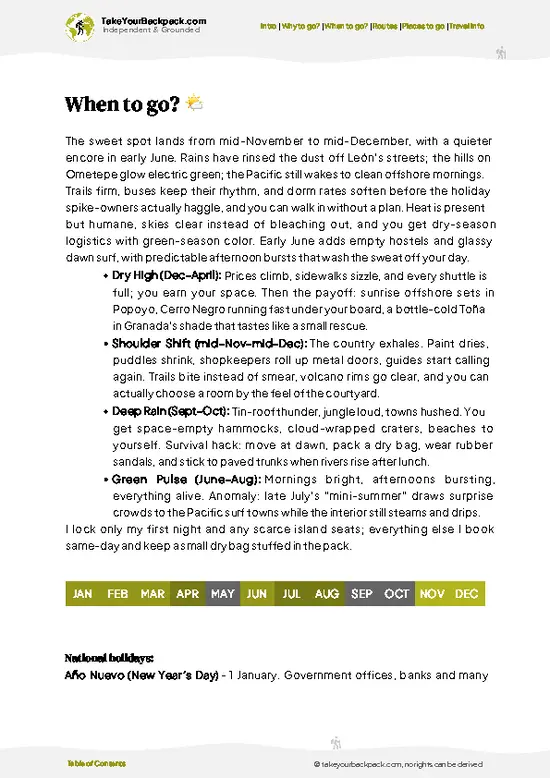
Seasonality shapes the experience of Nicaragua’s cities profoundly. The dry season, typically from November to April, brings warm temperatures and clear skies. This is when the streets buzz with life, and outdoor cafes spill over with locals and visitors alike. However, this peak period also means larger crowds and higher prices. The vibrant energy is palpable, but the trade-off is navigating through throngs of tourists.

Shoulder seasons, like late April to early June and September to October, offer a different rhythm. The weather can be unpredictable, with occasional rain, but the atmosphere is more relaxed. Fewer tourists mean lower accommodation costs and a chance to engage more authentically with local culture. The trade-off here is the risk of missing out on some of the larger festivals … read more 👉
Seasonality shapes the experience of Nicaragua’s cities profoundly. The dry season, typically from November to April, brings warm temperatures and clear skies. This is when the streets buzz with life, and outdoor cafes spill over with locals and visitors alike. However, this peak period also means larger crowds and higher prices. The vibrant energy is palpable, but the trade-off is navigating through throngs of tourists.

Shoulder seasons, like late April to early June and September to October, offer a different rhythm. The weather can be unpredictable, with occasional rain, but the atmosphere is more relaxed. Fewer tourists mean lower accommodation costs and a chance to engage more authentically with local culture. The trade-off here is the risk of missing out on some of the larger festivals that often occur during peak season.

Rainy season, from May to October, brings cooler temperatures and lush landscapes. While the cities may feel quieter, the rain can disrupt plans. Yet, this is also when the local life unfolds in a more intimate way. The streets glisten after a downpour, and the air is thick with the scent of wet earth and blooming flora.

Understanding these seasonal shifts allows for a more tailored experience. Balancing the allure of festivals against the comfort of fewer crowds can lead to a rewarding journey through Nicaragua’s vibrant urban landscapes.

city hoppingHow to Combine cities Into One Trip

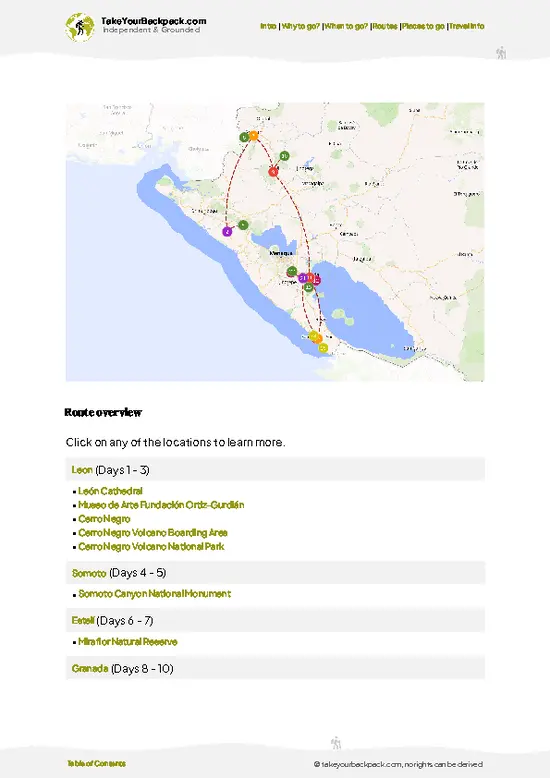
Traveling through Nicaragua requires a strategic approach to maximize the experience. Start in the north, where cities like León and Estelí offer rich history and vibrant culture. From León, a quick bus ride of about 1.5 hours gets you to Estelí, known for its coffee and cigar production. This cluster allows for a deep dive into Nicaraguan heritage without feeling rushed.

Moving south, Granada and Masaya are next. The journey from Estelí to Granada takes around 4 hours. Here, the colonial architecture of Granada contrasts beautifully with the artisan markets of Masaya, just a 30-minute drive away. This region is ideal for those who appreciate a slower pace, allowing for leisurely exploration of the lakes and volcanoes.

Common mistakes include trying to cram too many cities into a short timeframe. … read more 👉
Traveling through Nicaragua requires a strategic approach to maximize the experience. Start in the north, where cities like León and Estelí offer rich history and vibrant culture. From León, a quick bus ride of about 1.5 hours gets you to Estelí, known for its coffee and cigar production. This cluster allows for a deep dive into Nicaraguan heritage without feeling rushed.

Moving south, Granada and Masaya are next. The journey from Estelí to Granada takes around 4 hours. Here, the colonial architecture of Granada contrasts beautifully with the artisan markets of Masaya, just a 30-minute drive away. This region is ideal for those who appreciate a slower pace, allowing for leisurely exploration of the lakes and volcanoes.

Common mistakes include trying to cram too many cities into a short timeframe. While it’s tempting to hop from one place to another, this often leads to fatigue and missed experiences. Prioritize depth over speed; spending two nights in each city allows for a more immersive experience.

Consider the trade-offs between comfort and budget. Local buses are economical but can be slow. Private shuttles offer speed but at a higher cost. Flexibility is key; be prepared to adjust plans based on local conditions or personal interests. Embrace the journey, and let the landscapes and cultures unfold at their own pace.

The ListTop cities of Nicaragua

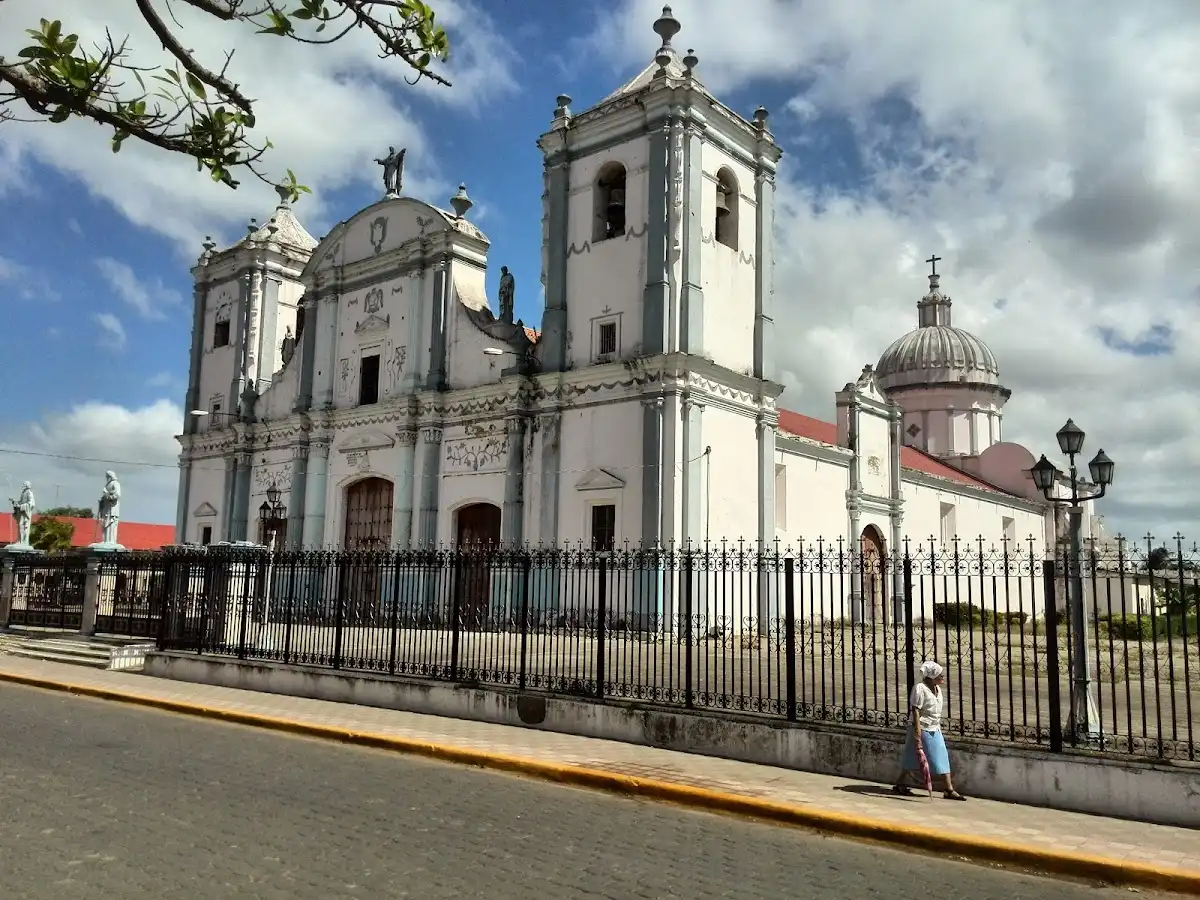
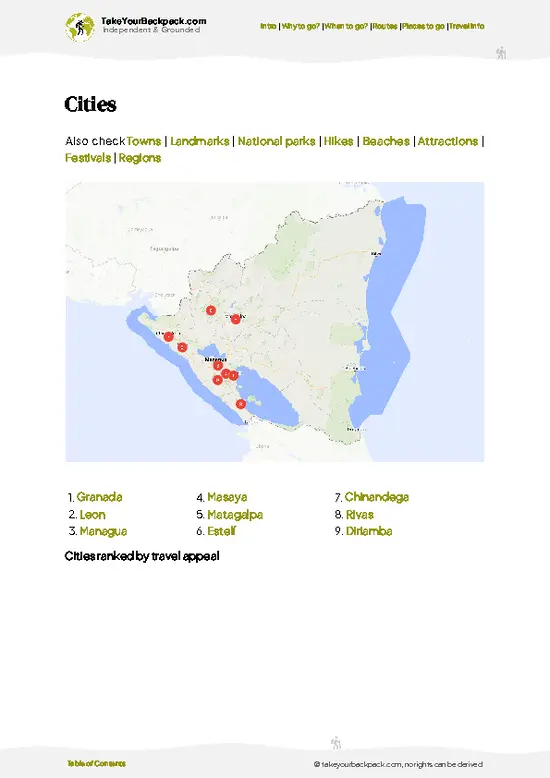
1 Granada

colonial facades, lakeshore, horse-drawn carriages

Stroll shaded streets lined with pastel buildings, then unwind by the lakefront where daily life unfolds at a relaxed, steady pace.

nicaragua-city-granada
© Google |

2 Leon

cathedrals, murals, student energy

Absorb the pulse of a university city where art, political history, and lively plazas shape a distinct Nicaraguan atmosphere.

nicaragua-city-leon
© Google | Michael Gaitán

3 Matagalpa

coffee plantations, cloud forests, hillside neighborhoods

Wake to cool mornings in a town shaped by coffee culture and misty trails that wind through lush, forested slopes.

4 Estelí

tobacco farms, street art, mountain air

Discover a working city surrounded by green hills, where cigar factories and murals reveal a blend of industry and creativity.

5 Masaya

artisan markets, volcano views, folkloric traditions

Browse bustling craft stalls and catch glimpses of volcanic smoke while local festivals and music fill the evenings with color.

nicaragua-city-masaya
© Google |

6 Chinandega

agricultural hub, rum distilleries, Pacific proximity

Experience a practical city known for its markets and sugarcane fields, with easy routes to nearby beaches and volcanoes.

7 Rivas

transport crossroads, ferry terminal, rural outskirts

Pause in a gateway town where buses and boats converge, offering quick access to lakes, islands, and southern beaches.

nicaragua-city-rivas v1
© Google |

8 Diriamba

traditional dances, central plaza, cool highlands

Time your visit for local festivals, or explore quiet streets and green parks in a town perched above the Pacific plain.

Loading the map 🌍

Expert viewInsights from Locals and Experts

Transport Hubs
Nicaragua’s transport system is a patchwork of options, each with its own rhythm. Buses are the lifeblood, connecting cities with a mix of comfort and chaos. Expect a range from clunky old school buses to more modern options, but don’t be surprised if you find yourself crammed in with locals, chickens, and the occasional loudspeaker blaring music. The experience is part of the journey, but it can be a test of patience. If you’re short on time, consider shuttles or taxis for quicker transfers, though they come at a premium. The trade-off? You’ll miss some of the local color that makes the bus rides memorable.

Urban Pacing
Cities in Nicaragua pulse with a unique energy. The pace varies dramatically; some are laid-back, while others buzz with activity. You can easily spend … read more 👉
Transport Hubs
Nicaragua’s transport system is a patchwork of options, each with its own rhythm. Buses are the lifeblood, connecting cities with a mix of comfort and chaos. Expect a range from clunky old school buses to more modern options, but don’t be surprised if you find yourself crammed in with locals, chickens, and the occasional loudspeaker blaring music. The experience is part of the journey, but it can be a test of patience. If you’re short on time, consider shuttles or taxis for quicker transfers, though they come at a premium. The trade-off? You’ll miss some of the local color that makes the bus rides memorable.

Urban Pacing
Cities in Nicaragua pulse with a unique energy. The pace varies dramatically; some are laid-back, while others buzz with activity. You can easily spend a few days in one city, soaking in the local culture, or you can hop from one to another, barely scratching the surface. If you choose the latter, you’ll gain a broader perspective but lose the chance to dive deep into the local vibe. Think about what you want: a whirlwind tour or a more immersive experience.

Local Costs
Budgeting in Nicaragua can be straightforward, but it’s essential to understand the nuances. Street food is a steal, offering delicious meals for just a couple of bucks. Restaurants vary widely; you can find everything from budget-friendly local joints to pricier establishments catering to tourists. Accommodations also run the gamut, from hostels to boutique hotels. However, if you’re aiming for comfort, be prepared to spend a bit more. The trade-off here is clear: save on food and lodging to splurge on experiences, or go for comfort and miss out on some local flavors.

Exploring Cities
I recommend visiting three to five cities for a balanced experience. This allows you to appreciate the diversity of Nicaraguan culture without feeling rushed. Each city has its own character, from colonial architecture to vibrant markets. If you’re drawn to history, spend extra time in cities rich in heritage. If adventure calls, focus on those with access to nature. The key is to prioritize based on your interests.

Regional Variation
Nicaragua is a country of contrasts. The Pacific side is often more developed, with better infrastructure and a wider range of services. The Caribbean coast, on the other hand, offers a slower pace and a distinct cultural flavor, but getting around can be trickier. Expect fewer transport options and longer travel times. This regional variation means you’ll need to plan your itinerary carefully, balancing convenience with the desire for authentic experiences.

Safety & Cultural Considerations
Safety is generally good, but like anywhere, stay aware of your surroundings. Avoid flashy displays of wealth and keep your belongings secure. Engaging with locals can enrich your experience, but be respectful of cultural norms. Learning a few phrases in Spanish can go a long way in building rapport. The trade-off here is simple: immerse yourself in the culture and potentially face some challenges, or stick to tourist areas and miss out on genuine interactions.

In the end, Nicaragua offers a rich tapestry of experiences, but it’s up to you to decide how deep you want to dive. Each choice shapes your journey, making it uniquely yours.

✈️ The backpacker research shortcutNicaragua Travel Guide

An offline-friendly backpacking guide with optimized travel routes, ranked highlights, transport advice, and the best areas to stay.
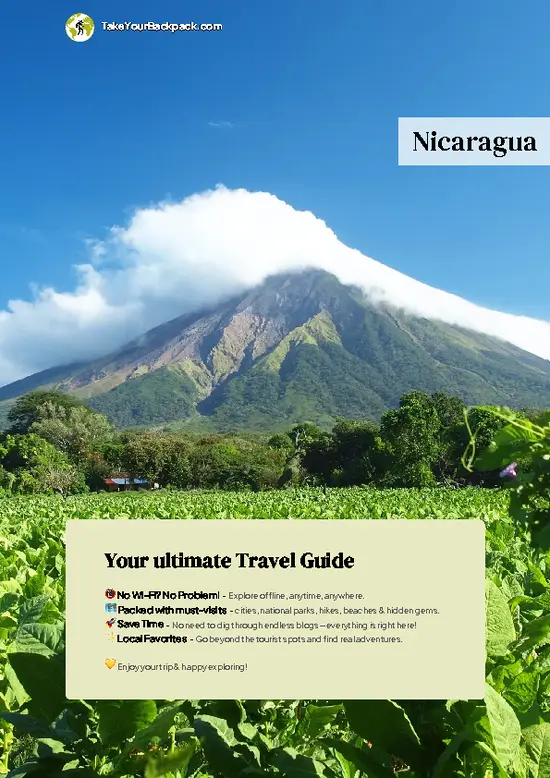
example page 0 from our offline Travel Guide for Nicaragua
example page 1 from our offline Travel Guide for Nicaragua
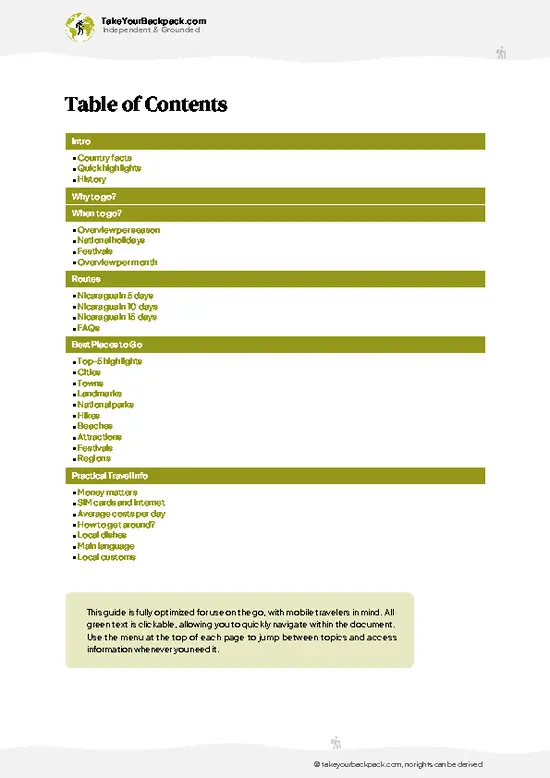
example page 2 from our offline Travel Guide for Nicaragua
example page 3 from our offline Travel Guide for Nicaragua
example page 4 from our offline Travel Guide for Nicaragua
example page 5 from our offline Travel Guide for Nicaragua
example page 6 from our offline Travel Guide for Nicaragua
example page 7 from our offline Travel Guide for Nicaragua
The digital guide (342 pages) contains:
86 highlights, ranked by travel appeal
Optimized 5, 10 & 15-day travel routes
Cities, national parks, landmarks, beaches
How to get around
Offline-friendly for travel without Wi-Fi
👉 Click to see all 30+ guide features

📅 Plan smarter in minutes, not weeks
Month by month travel advice
Festivals & national holidays
Budget expectations

🗺️ Go to the right places, skip the overrated ones
Honest pros & cons of destinations
Top hikes, parks & viewpoints
Lesser-known places most travelers miss
Clear “worth it vs skip it” guidance

🛏️ Travel smoothly without rookie mistakes
Best areas to stay
Transport systems explained simply
Common scams & safety advice
SIM cards, money & practical tips

🌍 Understand the country, not just visit it
Culture & traditions
52 Essential phrases & customs
Festivals worth planning around
Traveler-friendly historical context
Insights that make places more meaningful

📱 Built for real travel conditions
Fully downloadable PDF
Works completely offline
Optimized for phone use
Useful in remote areas & buses
Everything in one place
Save weeks of stressful planning
Get instant access to your full guide. 30‑day money-back guarantee.


By proceeding you agree to our terms.
Sent to your inbox immediately after payment • 100% Secure Checkout
Best Backpacking Travel Advisor 2025 tourism awardBest Backpacking
Travel Advisor
2025
What others say about Take Your Backpack Guides:
⭐⭐⭐⭐⭐
Fantastic, amazing amount of information!
⭐⭐⭐⭐⭐
My goodness this is amazing, it's what I've been looking for hats off too you!
⭐⭐⭐⭐⭐
I think this is absolutely BRILLIANT
⭐⭐⭐⭐
Very complete and informative. It's still missing places, but I gotta to commend you
⭐⭐⭐⭐⭐
This is truly amazing, thank you, can't wait to explore it with my kids!
⭐⭐⭐⭐⭐
Awesome resource, thank you!
⭐⭐⭐⭐⭐
This is amazing! Can't wait to explore the ones I haven't seen
⭐⭐⭐⭐
I love this! Well done, great idea.
⭐⭐⭐⭐⭐
Thanks for taking the time to make this gem!
⭐⭐⭐⭐⭐
This might be the best website I've ever seen.
⭐⭐⭐⭐⭐
Congratulations, and thank you so much for your work; it's incredibly valuable.
⭐⭐⭐⭐
In all seriousness I think you did a great job pointing out the important spots
⭐⭐⭐⭐⭐
10/10 very good
⭐⭐⭐⭐⭐
As someone who's only just starting to visit regularly this is awesome, thank you.
⭐⭐⭐⭐
Thank you very much! I'm going to visit my dad, it's going to be very useful!
⭐⭐⭐⭐⭐
This is really cool! We'll be travelling for the first time and this definitely come in handy.
⭐⭐⭐⭐⭐
You are now our minister of culture, congratulations 👨‍💼
⭐⭐⭐⭐⭐
Just wanted to tell you that this is a pearl! Going to follow your recommendations.
⭐⭐⭐⭐⭐
This is so cool. I'll definitely be using the resource for my travels soon.
⭐⭐⭐⭐⭐
This is very impressive! Good work.
⭐⭐⭐⭐⭐
This is an amazing and informative site. Very well done!

🛏️ Where to stay?Where to Base Yourself

Yes — Nicaragua has plenty of hostels and budget accommodation in its main tourist hubs.
Granada Centro: close to colonial sights and Lake Nicaragua ferries, generally quieter evenings but limited surf; León Centro: cheapest beds and easy access to volcano boarding and lively bars, expect louder nights; San Juan del Sur: best for beaches, surf and nightlife but busier and pricier in high season; Moyogalpa (Ometepe): great for nature, cheap camping/hostels and relaxed nights, but slower transport and fewer services; Corn Islands: Caribbean beaches with some budget options but overall higher costs and scarce inventory; Managua (near airport): practical for transit with a few budget digs but less … read more 👉
Yes — Nicaragua has plenty of hostels and budget accommodation in its main tourist hubs.
Granada Centro: close to colonial sights and Lake Nicaragua ferries, generally quieter evenings but limited surf; León Centro: cheapest beds and easy access to volcano boarding and lively bars, expect louder nights; San Juan del Sur: best for beaches, surf and nightlife but busier and pricier in high season; Moyogalpa (Ometepe): great for nature, cheap camping/hostels and relaxed nights, but slower transport and fewer services; Corn Islands: Caribbean beaches with some budget options but overall higher costs and scarce inventory; Managua (near airport): practical for transit with a few budget digs but less walkable and mixed safety.
Stick to central tourist neighborhoods, lock valuables, expect basic dorm facilities, and book ahead for high season and ferry days.

If you enjoy meeting fellow travelers, consider choosing hostels with high ratings for atmosphere. On the other hand, if you prefer having your own space, a hotel might be a better option.

NicaraguaExpand Your Journey

👋 Meet the founderWho’s Behind Take Your Backpack?

Johan, backpacker and founder of TakeYourBackpackHi, I’m Johan (Netherlands 🇳🇱), the creator of TakeYourBackpack. Over the past decade, I’ve backpacked through 80+ countries across six continents, gaining extensive experience with independent travel, long-term trips, and overland routes.

This site is built on a combination of firsthand travel experience and carefully curated insights from other backpackers. Many guides are based on places I’ve personally visited, while others bring together tips, observations, and practical advice shared by trusted travelers I’ve met along the way.

The goal is to provide realistic, experience-driven guidance — not generic itineraries — so you can explore destinations with better context, clearer expectations, and more confidence.

Get full Nicaragua guide •
Instant download • 86 highlights • Full Offline guide