×

Nigeria🇳🇬 | citiesCalabarCross River, colonial architecture, annual carnival | things to do and best time to go

Explore AbujaExplore Enugu

Backpacking in Calabar
🏆 Top pickcity ranked #3
By Johan Kruseman 🇳🇱 | Updated June 6, 2026

Everyone talks about Calabar’s December carnival as if it’s the only reason to come, but here’s the real trade-off: if you chase the party, you’ll miss the city’s quieter, more rewarding layers. Calabar sits in southeastern Nigeria, hugging the banks of the Cross River, and it’s a place where colonial relics and palm-lined avenues meet the humid pulse of West Africa. For backpackers, Calabar is a paradox—easygoing but not effortless. The National Museum, with its sobering slave trade exhibits, and the faded grandeur of Duke Town Church, are worth your time, but don’t expect a polished tourist circuit. You’ll find street food that’s cheap and fiery, and a nightlife scene that’s lively if you know where to look, but meeting other travelers takes effort—this isn’t Lagos or Abuja. Safety is decent by Nigerian standards, but you’ll want to keep your wits about you. Calabar feels slower, more approachable, and less chaotic than Nigeria’s megacities, but it rewards patience, not instant gratification.

Discover everything you want to know in the 📖 Nigeria Travel Guide.
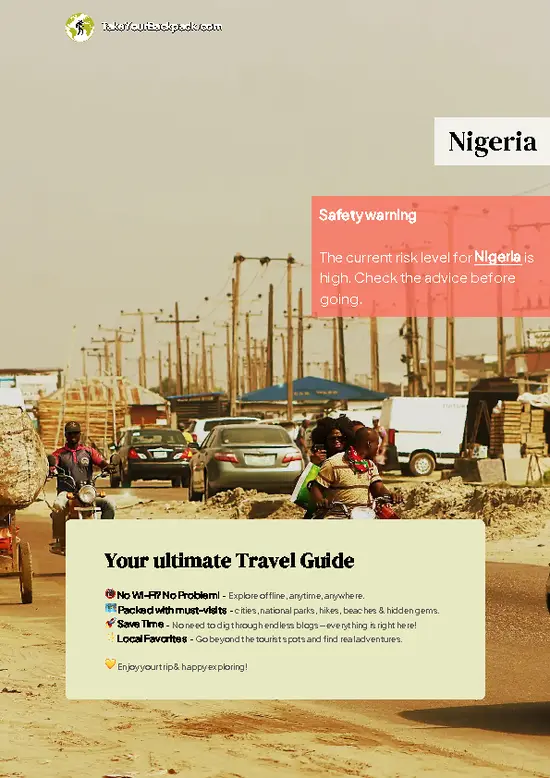
Safety warning

The current risk level for Nigeria is high. Check the advice before going.


Get your Nigeria guide
89 ranked highlights, routes & tips, works offline (332 pages)
Loading the map 🌍
CLICK TO FILTER
cities
towns
landmarks
national parks
hikes
beaches
attractions
festivals
regions
SHOW COUNTRY’S BESTSHOW ALL

✨ Why go?
Ranked #3 city in Nigeria
Why Calabar should be on your travel list

Calabar is a strategic stop for backpackers weaving through Nigeria. It offers a mix of affordability and vibrant culture that makes it a worthwhile basecamp. The hostels here are not just budget-friendly; they foster a sense of community, perfect for meeting fellow travelers.

The city is walkable, allowing you to soak in the local vibe without the hassle of transport. You’ll find delicious street food that won’t break the bank, giving you a taste of authentic Nigerian cuisine without sacrificing comfort.

When it comes to nightlife, Calabar has a laid-back scene that’s both fun and safe, making it easy to unwind after a day of exploration. Plus, it’s a great launchpad for day trips to nearby attractions, maximizing your experience without the stress of constant travel.

In short, if you’re … read more 👉
Calabar is a strategic stop for backpackers weaving through Nigeria. It offers a mix of affordability and vibrant culture that makes it a worthwhile basecamp. The hostels here are not just budget-friendly; they foster a sense of community, perfect for meeting fellow travelers.

The city is walkable, allowing you to soak in the local vibe without the hassle of transport. You’ll find delicious street food that won’t break the bank, giving you a taste of authentic Nigerian cuisine without sacrificing comfort.

When it comes to nightlife, Calabar has a laid-back scene that’s both fun and safe, making it easy to unwind after a day of exploration. Plus, it’s a great launchpad for day trips to nearby attractions, maximizing your experience without the stress of constant travel.

In short, if you’re looking for a place that balances highlights and ease of travel, Calabar fits the bill. It’s not just a stop; it’s a chance to immerse yourself in the local rhythm while planning your next adventure.
Want to include Calabar in your Nigeria route?
Create a personalized Nigeria itinerary that includes Calabar and the places that fit your trip — based on your travel style, budget, and available time. Get your route in seconds.

Generate my trip

💡 HighlightsDon't-miss highlights and experiences

  • Calabar Museum (National Museum) — Housed in a colonial-era building in Duke Town, this is the best spot to see Efik artifacts, old maps, slave-trade documents and local archaeology that actually explain how Calabar shaped regional history.
  • The Old Residency — A preserved British colonial mansion with period rooms, gardens and exhibits; it gives a real feel for the colonial administration era and makes for a quiet, photogenic stop close to the riverfront.
  • Mary Slessor’s House — The missionary’s home turned heritage site; walking the rooms and grounds connects you to the 19th-century cultural encounters that changed life in the Cross River region.
  • Tinapa Free Zone & Resort — A weirdly ambitious lakeside complex with shopping, restaurants, a film studio vibe and a boardwalk; it’s good for
read more 👉
  • Calabar Museum (National Museum) — Housed in a colonial-era building in Duke Town, this is the best spot to see Efik artifacts, old maps, slave-trade documents and local archaeology that actually explain how Calabar shaped regional history.
  • The Old Residency — A preserved British colonial mansion with period rooms, gardens and exhibits; it gives a real feel for the colonial administration era and makes for a quiet, photogenic stop close to the riverfront.
  • Mary Slessor’s House — The missionary’s home turned heritage site; walking the rooms and grounds connects you to the 19th-century cultural encounters that changed life in the Cross River region.
  • Tinapa Free Zone & Resort — A weirdly ambitious lakeside complex with shopping, restaurants, a film studio vibe and a boardwalk; it’s good for people-watching, relaxed walks and easy day-to-day comforts when you want a break from markets and museums.
  • Calabar Marina / Riverfront — A lively stretch along the Calabar River with boat rides, sunset views and informal stalls; it’s where locals hang out in the evenings and where you can book short river trips to see the city from the water.
  • The Obong (Palace) / Traditional Efik Court — Visiting the Obong’s palace area (check visiting hours) gives insight into Efik royalty, customs and ceremonies—an essential cultural layer you won’t get from museums alone.
  • Hope Waddell Training Institution (HWTI) — One of West Africa’s oldest mission schools; the campus, old buildings and cemetery tell a layered story of education, religion and local elites across two centuries.
  • Mile One Market — A chaotic, colourful local market where you can sample Efik ingredients, street food and buy fabrics or crafts; it’s honest, useful and a great place to practice haggling and meet Calabar traders.
  • University of Calabar Campus & Botanical Garden — Pleasant walks under mature trees, small greenhouses and a calm campus atmosphere; good for birding, a cheap local coffee and seeing student life away from tourist spots.
  • Pandrillus / Primate Rescue (Calabar Drill Ranch) — A rescue and rehabilitation centre for drills and other primates run locally (visit by arrangement); if you’re into wildlife conservation, it’s a rare, hands-on glimpse into serious regional work.
A few great day trips just outside Calabar: Afi Mountain Drill Ranch (for primates), the Ikom Monoliths, and Kwa Falls are all real, visitable highlights you can explore on a long day trip from the city.
Spotted a mistake or missing something? Contact us.

🏘️ NeighborhoodsWhere things are and how it's laid out

Calabar is a vibrant city that blends rich culture with a laid-back atmosphere, making it a prime spot for backpackers. Here’s how the neighborhoods stack up:

Calabar South: This area is the heart of local life. You’ll find bustling markets and street food that won’t break the bank. It’s walkable, with a friendly vibe, perfect for short stays. Nightlife is low-key, but you can find local bars for a relaxed evening. Transport options are decent, making it easy to explore.

Calabar Municipal: Home to the famous Calabar Carnival, this neighborhood is lively and colorful. It’s a bit pricier, especially during festival season, but the energy is contagious. Walkability is good, and you’ll find plenty of cafes and shops. Ideal for those wanting to soak in the local culture, but it can get crowded. … read more 👉
Calabar is a vibrant city that blends rich culture with a laid-back atmosphere, making it a prime spot for backpackers. Here’s how the neighborhoods stack up:

Calabar South: This area is the heart of local life. You’ll find bustling markets and street food that won’t break the bank. It’s walkable, with a friendly vibe, perfect for short stays. Nightlife is low-key, but you can find local bars for a relaxed evening. Transport options are decent, making it easy to explore.

Calabar Municipal: Home to the famous Calabar Carnival, this neighborhood is lively and colorful. It’s a bit pricier, especially during festival season, but the energy is contagious. Walkability is good, and you’ll find plenty of cafes and shops. Ideal for those wanting to soak in the local culture, but it can get crowded.

Cross River National Park Area: For nature lovers, this area is a must. It’s less urban, offering a peaceful retreat with hiking trails and wildlife. Accommodation here can be a bit more expensive, but the tranquility is worth it. Transport can be tricky, so plan ahead. Best for longer stays if you want to immerse yourself in nature.

Ikot Ekpene Road: A mix of residential and commercial, this area is more affordable. It’s a bit quieter, making it suitable for those who prefer a slower pace. Walkability is decent, but you’ll need to rely on local transport for longer distances. Great for budget travelers looking for a home base.

⌛️ 1 daySeeing the highlights in 24 hours

Calabar, Nigeria, is a city where history and culture intertwine seamlessly. Known for its rich heritage, vibrant festivals, and the famous Calabar Carnival, it offers a unique glimpse into the heart of southeastern Nigeria. With a day to explore, you can dive into its essence without feeling rushed.

Start your morning at the Calabar Marina Resort. Grab a local breakfast of akara (bean cakes) and pap (fermented corn pudding) while soaking in views of the Calabar River. The gentle morning breeze sets the perfect tone for your adventure. After breakfast, stroll through the nearby Calabar Slave History Museum. This site, often overlooked by tourists, provides a poignant insight into the city’s past and its role in the transatlantic slave trade.

As the sun climbs higher, head to the bustling … read more 👉
Calabar, Nigeria, is a city where history and culture intertwine seamlessly. Known for its rich heritage, vibrant festivals, and the famous Calabar Carnival, it offers a unique glimpse into the heart of southeastern Nigeria. With a day to explore, you can dive into its essence without feeling rushed.

Start your morning at the Calabar Marina Resort. Grab a local breakfast of akara (bean cakes) and pap (fermented corn pudding) while soaking in views of the Calabar River. The gentle morning breeze sets the perfect tone for your adventure. After breakfast, stroll through the nearby Calabar Slave History Museum. This site, often overlooked by tourists, provides a poignant insight into the city’s past and its role in the transatlantic slave trade.

As the sun climbs higher, head to the bustling Calabar Market in the heart of the city. Here, you’ll find everything from colorful fabrics to local spices. Engage with vendors, sample some fresh fruits, and maybe pick up a handmade souvenir. The energy is infectious, and you’ll feel the pulse of daily life in Calabar.

In the afternoon, make your way to the Botanical Garden. This serene oasis is a great spot to relax and enjoy nature. Wander the paths lined with exotic plants, and if you’re lucky, you might catch a glimpse of some local wildlife.

As evening approaches, head to the iconic Tinapa Resort. While it’s a bit touristy, the waterfront dining experience is worth it. Enjoy a meal of fresh fish while watching the sunset over the water.

Calabar is a city that invites you to savor each moment. By choosing to explore its neighborhoods and hidden corners, you’ll leave with a deeper appreciation for its vibrant culture and history.
Turn your Calabar visit into an Nigeria adventure
Build a complete Nigeria route with Calabar, hidden gems, must-see destinations, and realistic travel times included.

Generate my trip

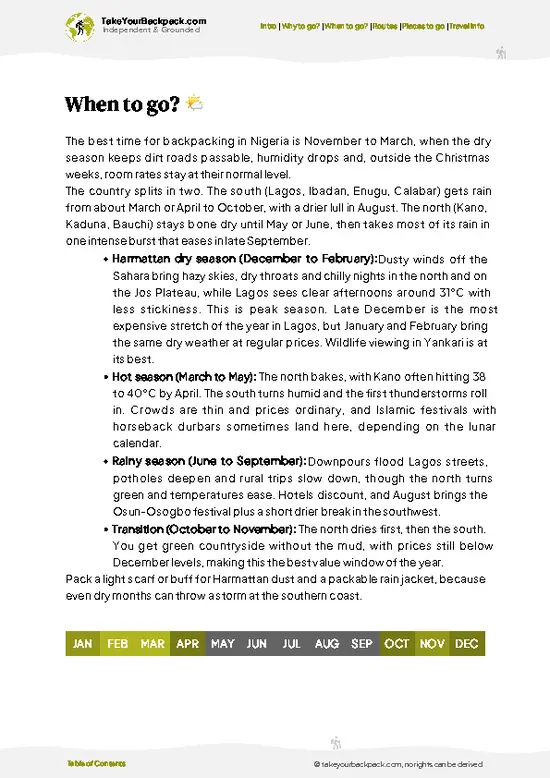
🌤️ When to go?Weather, crowds, and seasonal trade-offs


  • Topic: Weather and Temperature — Calabar’s climate is tropical, with a wet season from April to October and a dry season from November to March. Temperatures hover between 24°C (75°F) and 31°C (88°F) year-round, but humidity spikes during the rainy months, making it feel hotter and stickier.

  • Topic: Daylight Hours — Daylight remains fairly consistent, around 12 hours daily, thanks to Calabar’s proximity to the equator. This means you can plan your hikes or city strolls without worrying about early sunsets messing up your schedule.

  • Topic: Crowds — The dry season draws more visitors, especially December through February, coinciding with holiday travel. Expect busier streets and higher prices then. The rainy season sees fewer tourists, offering a quieter, more local vibe but with the trade-off
read more 👉

  • Topic: Weather and Temperature — Calabar’s climate is tropical, with a wet season from April to October and a dry season from November to March. Temperatures hover between 24°C (75°F) and 31°C (88°F) year-round, but humidity spikes during the rainy months, making it feel hotter and stickier.

  • Topic: Daylight Hours — Daylight remains fairly consistent, around 12 hours daily, thanks to Calabar’s proximity to the equator. This means you can plan your hikes or city strolls without worrying about early sunsets messing up your schedule.

  • Topic: Crowds — The dry season draws more visitors, especially December through February, coinciding with holiday travel. Expect busier streets and higher prices then. The rainy season sees fewer tourists, offering a quieter, more local vibe but with the trade-off of frequent downpours.

  • Topic: Seasonal Activities — The Calabar Carnival, Africa’s biggest street party, lights up December with parades and cultural showcases. If you want to experience this, plan for the dry season, but brace for crowds and premium rates.

  • Topic: Price Fluctuations — Accommodation and flights peak in the dry season, especially around the carnival. The wet season offers better deals but comes with the inconvenience of rain and occasional flooding, which can disrupt plans.


Pro-tip: Aim for the shoulder months of November or March to balance manageable weather, fewer crowds, and better prices—getting the best bang for your backpacking buck.


source: climatestotravel.comJANJanuary: highly recommended for travelingFEBFebruary: highly recommended for travelingMARMarch: highly recommended for travelingAPRApril: fair for travelingMAYMay: fair for travelingJUNJune: fair for travelingJULJuly: fair for travelingAUGAugust: fair for travelingSEPSeptember: fair for travelingOCTOctober: fair for travelingNOVNovember: highly recommended for travelingDECDecember: good for traveling
when-to-go

✈️ The backpacker research shortcutNigeria Travel Guide

An offline-friendly backpacking guide with optimized travel routes, ranked highlights, transport advice, and the best areas to stay.
example page 0 from our offline Travel Guide for Nigeria
example page 1 from our offline Travel Guide for Nigeria
example page 2 from our offline Travel Guide for Nigeria
example page 3 from our offline Travel Guide for Nigeria
example page 4 from our offline Travel Guide for Nigeria
example page 5 from our offline Travel Guide for Nigeria
example page 6 from our offline Travel Guide for Nigeria
example page 7 from our offline Travel Guide for Nigeria
The digital guide (332 pages) contains:
89 highlights, ranked by travel appeal
Optimized 7, 14 & 21-day travel routes
Cities, national parks, landmarks, beaches
How to get around
Offline-friendly for travel without Wi-Fi
👉 Click to see all 30+ guide features

📅 Plan smarter in minutes, not weeks
Month by month travel advice
Festivals & national holidays
Budget expectations

🗺️ Go to the right places, skip the overrated ones
Honest pros & cons of destinations
Top hikes, parks & viewpoints
Lesser-known places most travelers miss
Clear “worth it vs skip it” guidance

🛏️ Travel smoothly without rookie mistakes
Best areas to stay
Transport systems explained simply
Common scams & safety advice
SIM cards, money & practical tips

🌍 Understand the country, not just visit it
Culture & traditions
52 Essential phrases & customs
Festivals worth planning around
Traveler-friendly historical context
Insights that make places more meaningful

📱 Built for real travel conditions
Fully downloadable PDF
Works completely offline
Optimized for phone use
Useful in remote areas & buses
Everything in one place
Save weeks of stressful planning
Get instant access to your full guide. 30‑day money-back guarantee.


By proceeding you agree to our terms.
Sent to your inbox immediately after payment • 100% Secure Checkout
Best Backpacking Travel Advisor 2025 tourism awardBest Backpacking
Travel Advisor
2025
What others say about Take Your Backpack Guides:
⭐⭐⭐⭐⭐
Fantastic, amazing amount of information!
⭐⭐⭐⭐⭐
My goodness this is amazing, it's what I've been looking for hats off too you!
⭐⭐⭐⭐⭐
I think this is absolutely BRILLIANT
⭐⭐⭐⭐
Very complete and informative. It's still missing places, but I gotta to commend you
⭐⭐⭐⭐⭐
This is truly amazing, thank you, can't wait to explore it with my kids!
⭐⭐⭐⭐⭐
Awesome resource, thank you!
⭐⭐⭐⭐⭐
This is amazing! Can't wait to explore the ones I haven't seen
⭐⭐⭐⭐
I love this! Well done, great idea.
⭐⭐⭐⭐⭐
Thanks for taking the time to make this gem!
⭐⭐⭐⭐⭐
This might be the best website I've ever seen.
⭐⭐⭐⭐⭐
Congratulations, and thank you so much for your work; it's incredibly valuable.
⭐⭐⭐⭐
In all seriousness I think you did a great job pointing out the important spots
⭐⭐⭐⭐⭐
10/10 very good
⭐⭐⭐⭐⭐
As someone who's only just starting to visit regularly this is awesome, thank you.
⭐⭐⭐⭐
Thank you very much! I'm going to visit my dad, it's going to be very useful!
⭐⭐⭐⭐⭐
This is really cool! We'll be travelling for the first time and this definitely come in handy.
⭐⭐⭐⭐⭐
You are now our minister of culture, congratulations 👨‍💼
⭐⭐⭐⭐⭐
Just wanted to tell you that this is a pearl! Going to follow your recommendations.
⭐⭐⭐⭐⭐
This is so cool. I'll definitely be using the resource for my travels soon.
⭐⭐⭐⭐⭐
This is very impressive! Good work.
⭐⭐⭐⭐⭐
This is an amazing and informative site. Very well done!

🛏️ Where to stay?How to pick the right area

Calabar’s backpacker sweet spot is the city center around Marian Road and the Tinapa Business Resort area. This zone nails the balance between safety, social buzz, and budget-friendly options. It’s where you’ll find a handful of hostels and guesthouses that cater to solo travelers and small groups, making it easier to meet others without the usual touristy crowd. The vibe here is relaxed but lively—locals and travelers mix in cafes, markets, and street food stalls, giving you a real taste of Calabar’s daily rhythm without the hassle of dodging sketchy spots.

Compared to the outskirts or more … read more 👉
Calabar’s backpacker sweet spot is the city center around Marian Road and the Tinapa Business Resort area. This zone nails the balance between safety, social buzz, and budget-friendly options. It’s where you’ll find a handful of hostels and guesthouses that cater to solo travelers and small groups, making it easier to meet others without the usual touristy crowd. The vibe here is relaxed but lively—locals and travelers mix in cafes, markets, and street food stalls, giving you a real taste of Calabar’s daily rhythm without the hassle of dodging sketchy spots.

Compared to the outskirts or more residential neighborhoods, this central area offers a clear advantage: you’re close to key attractions like the Calabar Museum and the Marina, plus transport hubs that connect you to nearby natural parks and cultural sites. Safety is noticeably better here, thanks to more foot traffic and a stronger police presence, which is a big deal if you’re traveling solo or on a tight budget.

Other parts of Calabar can feel disconnected or less traveler-friendly, with fewer social spaces and limited affordable lodging. So, if you want to maximize your time and comfort without blowing your budget, the city center near Marian Road is your strategic base camp. It’s where the city’s pulse is strongest, and your backpacker experience gets the best return on investment.

🚌 Getting aroundGetting around like a local

Calabar moves at its own rhythm—a blend of laid-back coastal vibes and bursts of market hustle. It’s not a city where you’ll find strict timetables etched in stone, but rather a pulse guided by local intuition and the ebb and flow of daily life. Here, timing is flexible, and the flow of people and vehicles feels like a dance where everyone knows their steps, even if the music changes unexpectedly. Understanding this flow is your first win: it means you can lean into the city’s natural tempo rather than fight it, turning transit into a strategic game where patience and local savvy pay off.


  • Walking: The ultimate budget move. Calabar’s compact center and scenic waterfront make walking not just practical but enjoyable. No cost, full control over your pace, and the chance to absorb street life
read more 👉
Calabar moves at its own rhythm—a blend of laid-back coastal vibes and bursts of market hustle. It’s not a city where you’ll find strict timetables etched in stone, but rather a pulse guided by local intuition and the ebb and flow of daily life. Here, timing is flexible, and the flow of people and vehicles feels like a dance where everyone knows their steps, even if the music changes unexpectedly. Understanding this flow is your first win: it means you can lean into the city’s natural tempo rather than fight it, turning transit into a strategic game where patience and local savvy pay off.


  • Walking: The ultimate budget move. Calabar’s compact center and scenic waterfront make walking not just practical but enjoyable. No cost, full control over your pace, and the chance to absorb street life up close. Just watch for uneven sidewalks and occasional traffic bursts.


  • Okada (Motorcycle Taxi): Fast and flexible, okadas dart through traffic like fish in a stream. They run from dawn until late evening, costing around 100-300 NGN per short trip. Speed comes with a trade-off: comfort is minimal, and safety varies widely. Use them for quick hops but buckle up mentally for a bumpy ride.


  • Shared Taxis (Danfo): These minibuses are the backbone of Calabar’s public transit. They operate on set routes but without fixed schedules—departing when full. Fares hover around 100-200 NGN. They’re slower than okadas but more comfortable and cheaper than private taxis. Expect crowding during peak hours and a stop-anywhere style that’s both convenient and chaotic.


  • Private Taxis: More expensive, typically 1,000 NGN or more per ride, but they offer door-to-door comfort and reliability. Ideal if you’re traveling with luggage or in a group. Negotiation is part of the game, so always agree on a price upfront. They run 24/7 but are best used when time is tight or comfort is a priority.


  • Bicycle Rentals: A niche but growing option for the adventurous. Renting a bike costs about 500-1,000 NGN per day. It’s slower than motorized options but gives you freedom and a unique vantage point on the city’s quieter streets. Not ideal in heavy rain or midday heat, but perfect for a flexible, eco-friendly spin around town.

👛 Costs (as of 27 February 2026)Typical daily expenses

Backpacking in Calabar, Nigeria, demands a clear-eyed view of where your money goes. Understanding the trade-offs between time, money, and comfort here lets you strategize your spending for maximum value.
  • Dorm Accommodation (High Season): Expect to pay around $12 to $18 per night. High season pushes prices up due to demand, especially during festivals or holidays.
  • Dorm Accommodation (Off-Season): Prices drop to about $7 to $12 per night. Fewer tourists mean better deals, but some places might have limited availability or reduced services.
  • Meals: Street food and local eateries offer meals for $2 to $5. Opting for more tourist-oriented restaurants can double that, but sticking to local spots keeps costs low and flavors authentic.
  • Local Transport: Minibuses and motorcycle taxis (okadas) run
read more 👉
Backpacking in Calabar, Nigeria, demands a clear-eyed view of where your money goes. Understanding the trade-offs between time, money, and comfort here lets you strategize your spending for maximum value.
  • Dorm Accommodation (High Season): Expect to pay around $12 to $18 per night. High season pushes prices up due to demand, especially during festivals or holidays.
  • Dorm Accommodation (Off-Season): Prices drop to about $7 to $12 per night. Fewer tourists mean better deals, but some places might have limited availability or reduced services.
  • Meals: Street food and local eateries offer meals for $2 to $5. Opting for more tourist-oriented restaurants can double that, but sticking to local spots keeps costs low and flavors authentic.
  • Local Transport: Minibuses and motorcycle taxis (okadas) run about $0.30 to $1 per trip. They’re quick but can be chaotic, so factor in your comfort threshold and time sensitivity.
  • City Transport Pass: Calabar doesn’t have a formal city transport pass system. Budget around $2 to $4 daily if you rely heavily on taxis or okadas for multiple trips.
  • Basic Activities/Entry Fees: Museums, cultural sites, and parks typically charge $1 to $5. Some guided tours or special events might cost more, but these are the core experiences that add depth without breaking the bank.
  • Miscellaneous Expenses: This covers water, snacks, phone credit, and small tips. Plan for $1 to $3 daily, depending on your habits and needs.

Add it all up, and you’re looking at a daily budget between roughly $15 and $35. The lower end means tighter choices and more hustle; the higher end buys you a bit more ease and flexibility. Knowing these trade-offs lets you decide where to save and where to splurge, turning your Calabar trip into a well-played game of resource allocation.
⚠️ Prices can change and everyone travels differently, so take this as a rough guide. Hope it helps you plan your adventure!

🚌 Day tripsEasy escapes and nearby places

Calabar is a fantastic base for day trips, offering a blend of culture, nature, and adventure. Here are some worthwhile excursions that will enrich your experience without breaking the bank.

Obudu Mountain Resort
Just a few hours from Calabar, Obudu Mountain Resort is a must-visit for its breathtaking views and cool climate. The cable car ride up the mountain is an adventure in itself, offering panoramic vistas that make the journey worthwhile. Expect to spend around 3,000 NGN for the cable car and about 1,500 NGN for local transport. The best time to visit is during the dry season, from November to March, when the weather is perfect for hiking. A common mistake is underestimating the temperature drop at the top, so pack a light jacket.
👉 Explore Obudu Mountain Resort

Cross River National read more 👉
Calabar is a fantastic base for day trips, offering a blend of culture, nature, and adventure. Here are some worthwhile excursions that will enrich your experience without breaking the bank.

Obudu Mountain Resort
Just a few hours from Calabar, Obudu Mountain Resort is a must-visit for its breathtaking views and cool climate. The cable car ride up the mountain is an adventure in itself, offering panoramic vistas that make the journey worthwhile. Expect to spend around 3,000 NGN for the cable car and about 1,500 NGN for local transport. The best time to visit is during the dry season, from November to March, when the weather is perfect for hiking. A common mistake is underestimating the temperature drop at the top, so pack a light jacket.
👉 Explore Obudu Mountain Resort

Cross River National Park
Nature lovers will find a paradise in Cross River National Park, just a short drive from Calabar. This park is home to diverse wildlife, including endangered species like the Cross River gorilla. A guided tour costs around 5,000 NGN, and you can easily spend a day hiking the trails or birdwatching. The park is best visited during the dry season, but be prepared for some muddy paths if you go right after the rains. First-timers often overlook the importance of hiring a local guide, which can enhance your experience significantly.
👉 Explore Cross River National Park

Calabar Carnival
If your timing is right, the Calabar Carnival is an experience you can’t miss. Held every December, this vibrant festival showcases colorful parades, music, and dance. While it’s free to watch, budget for food and drinks, which can add up to about 5,000 NGN for the day. Arrive early to secure a good spot along the parade route. Many newcomers underestimate the crowds, so be prepared for a lively atmosphere and plan your accommodations in advance.
👉 Explore Calabar Carnival

Tinapa Resort
Just a 30-minute drive from Calabar, Tinapa Resort offers a mix of leisure and entertainment. You can explore the shopping complex, enjoy water sports, or relax by the lake. Entry is usually around 2,000 NGN, plus additional costs for activities. The best time to visit is during weekdays to avoid the weekend rush. A common oversight is not checking the activity schedules, as some attractions may be closed on certain days.


Afi Mountain Wildlife Sanctuary
For a unique wildlife experience, head to Afi Mountain Wildlife Sanctuary. It’s about a two-hour drive from Calabar and is known for its canopy walk and the chance to see rare primates. Entry fees are around 3,000 NGN, and guided tours are available for an additional cost. The dry season is ideal for visiting, as trails can become slippery during the rains. First-timers often forget to bring binoculars for birdwatching, which can enhance the experience.
👉 Explore Afi Mountain Wildlife Sanctuary
Want to know what more Nigeria offers?
The Nigeria Travel Guide describes 89 highlights, from cities to national parks, from beaches to hikes

Get the Travel Guide -

🍲 FoodLocal Cuisine & Drinks

In Calabar, food is a vibrant tapestry of flavors that tells the story of its rich culture. Signature dishes like Edikang Ikong, a hearty vegetable soup, and Jollof rice, bursting with spices, are must-tries. The local pepper soup, often made with fish or goat, is a fiery delight that warms you from the inside out.

Backpackers will find their culinary adventures in bustling markets and on lively streets. Street vendors serve up steaming bowls of suya, spicy skewered meat that’s perfect for a quick bite. Casual eateries offer a chance to sit and savor, where the atmosphere buzzes with laughter and chatter.

When it comes to drinks, don’t miss out on palm wine, a local favorite that’s often tapped fresh from the tree. It’s sweet, slightly effervescent, and best enjoyed with friends.

Etiquette … read more 👉
In Calabar, food is a vibrant tapestry of flavors that tells the story of its rich culture. Signature dishes like Edikang Ikong, a hearty vegetable soup, and Jollof rice, bursting with spices, are must-tries. The local pepper soup, often made with fish or goat, is a fiery delight that warms you from the inside out.

Backpackers will find their culinary adventures in bustling markets and on lively streets. Street vendors serve up steaming bowls of suya, spicy skewered meat that’s perfect for a quick bite. Casual eateries offer a chance to sit and savor, where the atmosphere buzzes with laughter and chatter.

When it comes to drinks, don’t miss out on palm wine, a local favorite that’s often tapped fresh from the tree. It’s sweet, slightly effervescent, and best enjoyed with friends.

Etiquette here is relaxed; sharing food is common, and it’s polite to greet vendors with a smile. Just remember, meals can be communal, so don’t be surprised if you’re invited to join in. Embrace the flavors, and let the local vibe guide your palate.

🛡️ SafetyScams, Hazards, and Annoyances

Calabar is generally safe for backpackers, but a few smart practices can enhance your experience. Stick to well-trodden areas like the city center and the Calabar Marina, especially after dark. Solo travelers should be mindful of their surroundings; avoid quiet streets and opt for busy, well-lit paths.

Common scams are rare, but some locals may approach you with overly friendly offers for guided tours or transportation. Politely decline if it feels off. Everyday annoyances include persistent vendors, especially at markets. A friendly smile and a firm “no, thank you” usually do the trick.

Keep your belongings secure and avoid flashy displays of wealth. Use a crossbody bag and keep your phone tucked away when not in use. By staying aware and confident, you’ll navigate Calabar smoothly and … read more 👉
Calabar is generally safe for backpackers, but a few smart practices can enhance your experience. Stick to well-trodden areas like the city center and the Calabar Marina, especially after dark. Solo travelers should be mindful of their surroundings; avoid quiet streets and opt for busy, well-lit paths.

Common scams are rare, but some locals may approach you with overly friendly offers for guided tours or transportation. Politely decline if it feels off. Everyday annoyances include persistent vendors, especially at markets. A friendly smile and a firm “no, thank you” usually do the trick.

Keep your belongings secure and avoid flashy displays of wealth. Use a crossbody bag and keep your phone tucked away when not in use. By staying aware and confident, you’ll navigate Calabar smoothly and enjoy its rich culture without unnecessary stress.

Other Nigerian cities near Calabar

Explore more nearby:

  • Uyo—modern boulevards, Ibom Plaza, palm groves| 48 km away
  • Eket—oil industry, palm groves, Ibibio culture| 57 km away
  • Ikot Ekpene—raffia weaving, colonial relics, Annang cuisine| 73 km away

💡 Not sure where to go next?
Create a personalized itinerary for Nigeria including Calabar and the places that fit your trip.

Generate my itinerary

👉 Discover all cities

Or checkout all Nigeria has to offer (think cities, towns, villages, national parks, hikes, beaches, festivals)
Country photo of Nigeria

We 💚 feedbackKey takeaways before you go

Calabar has a pulse that’s hard to ignore. The street food? A revelation—try the pepper soup; it’s a flavor explosion. But don’t get too comfortable; the humidity can hit you like a wall. The best surprise? The warmth of the locals. They’ll share stories that make you feel like family. Just keep your wits about you after dark; some areas can be sketchy. Embrace the chaos, and you’ll leave with memories that linger long after you’ve gone.

✍️ Help improve this page!
The information on this page is based on in-depth research, insights shared by experienced travelers, and feedback from the local travel community in Nigeria. While every effort is made to keep the information accurate and current, conditions can change — so if you spot anything incorrect or outdated, please get in touch.


🙋‍♂️ Give feedback

👋 Meet the founderWho’s Behind Take Your Backpack?

Johan, backpacker and founder of TakeYourBackpackHi, I’m Johan (Netherlands 🇳🇱), the creator of TakeYourBackpack. Over the past decade, I’ve backpacked through 80+ countries across six continents, gaining extensive experience with independent travel, long-term trips, and overland routes.

This site is built on a combination of firsthand travel experience and carefully curated insights from other backpackers. Many guides are based on places I’ve personally visited, while others bring together tips, observations, and practical advice shared by trusted travelers I’ve met along the way.

The goal is to provide realistic, experience-driven guidance — not generic itineraries — so you can explore destinations with better context, clearer expectations, and more confidence.

Get full Nigeria guide •
Instant download • 89 highlights • Full Offline guide