How many hikes to plan: Pick
two or three hikes for a trip of up to three weeks. Each one needs buffer days for flights, rain and recovery, and a fourth squeezes everything. Two big treks plus one short volcano or village walk gives you variety without constant transfers, and you finish with energy left for the people you meet.
Which kind suits you: Experienced hikers who want a challenge should choose a
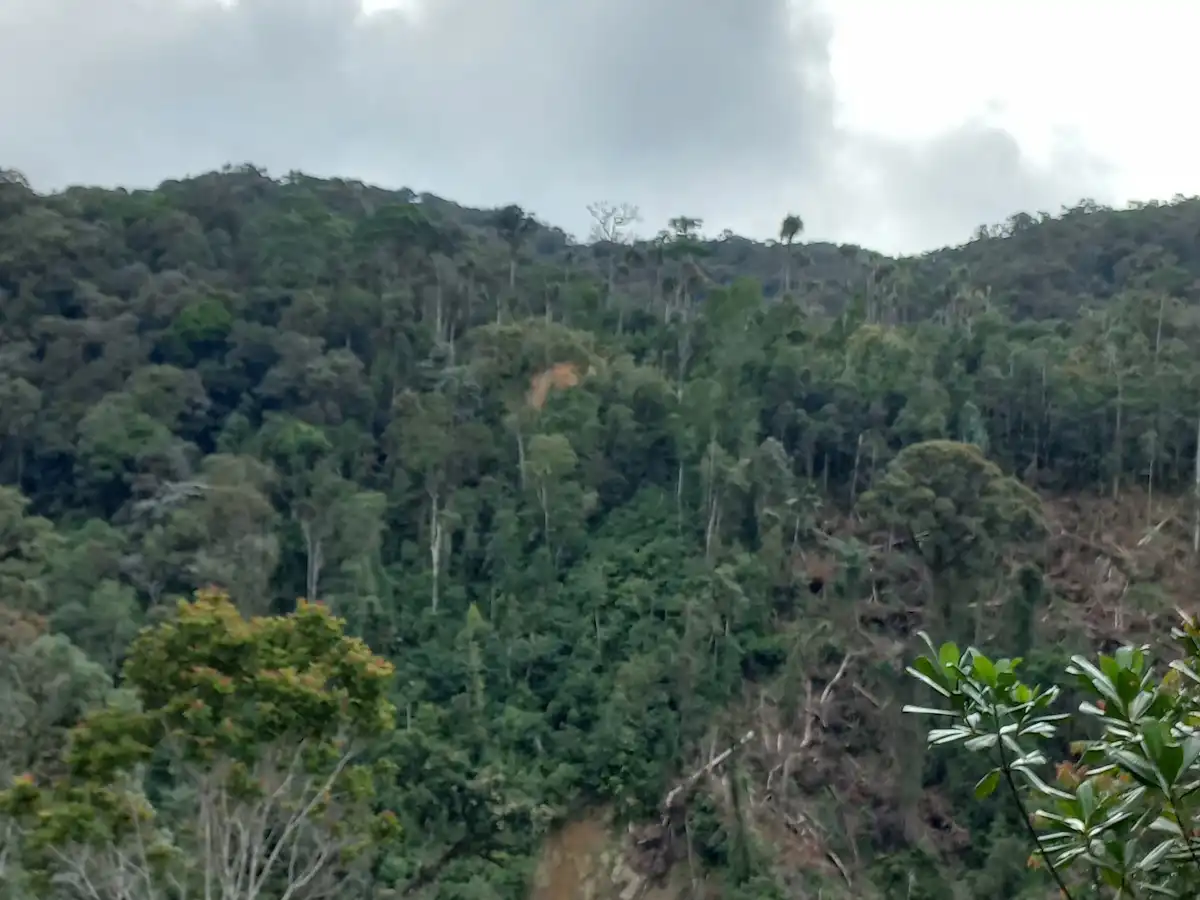
multi-day forest trek: you sleep in village guesthouses, wade rivers and earn every ridge, and you finish with a real sense of achievement. If altitude and big views appeal, choose a
Highlands summit. You get cold dawns and a ridgeline above the clouds. Anyone short on time or fitness should go for
short volcano walks on New Britain, where an hour of climbing delivers steaming vents and sweeping …
read more 👉 How many hikes to plan: Pick
two or three hikes for a trip of up to three weeks. Each one needs buffer days for flights, rain and recovery, and a fourth squeezes everything. Two big treks plus one short volcano or village walk gives you variety without constant transfers, and you finish with energy left for the people you meet.
Which kind suits you: Experienced hikers who want a challenge should choose a
multi-day forest trek: you sleep in village guesthouses, wade rivers and earn every ridge, and you finish with a real sense of achievement. If altitude and big views appeal, choose a
Highlands summit. You get cold dawns and a ridgeline above the clouds. Anyone short on time or fitness should go for
short volcano walks on New Britain, where an hour of climbing delivers steaming vents and sweeping bay views.
What it costs: Plan on
US$100 to 200 a day (about K400 to 800) when you travel independently, because lodging, guides and flights are costly. Guesthouses run US$30 to 80 a night, village huts K50 to 100 (US$12 to 25), local meals K15 to 40 (US$4 to 10), and a guide or porter K100 to 250 a day (US$25 to 60). Community or landowner fees range from K50 to 200 per site. Permits for the best-known multi-day trek cost around K600 (US$150), and a fully guided trek with an operator typically costs US$2,000 to 3,500. Domestic flights run US$100 to 250 each way. A realistic budget for a two-week trip with two treks is US$2,500 to 5,000 including flights. Carry
small kina notes, since villages rarely make change and ATMs vanish outside towns.
Safety on the ground: Port Moresby and Lae call for
pre-arranged transfers. Do not walk around after dark or flash a phone, and you will reach the trailhead without drama. Trails are slick, and river crossings swell after rain, so a guide who reads the water gets you across and home. Take malaria prophylaxis, and carry water purification and a basic first aid kit. Medical help is far from the trail. Insurance should include evacuation.
Culture and respect: Everything you walk on belongs to someone.
Ask permission through your guide, pay fees directly to the community, and ask before photographing people or sacred sites. Dress modestly in villages, with covered shoulders and knees. A greeting and some shared betel-free small talk go far. Do that, and you get invited to the fire and the stories that no operator can book for you.





 Best Backpacking
 Hi, I’m Johan (Netherlands 🇳🇱), the creator of TakeYourBackpack. Over the past 3 decades, I’ve backpacked through 90+ countries across six continents, gaining extensive experience with independent travel, long-term trips, and overland routes.