×

Papua New Guinea🇵🇬 | best citiesExplore the 2 Best cities in Papua New Guinea

In Papua New Guinea, cities pulse with a unique rhythm shaped by diverse cultures and landscapes. Major hubs like Port Moresby and Lae offer vibrant nightlife and essential transport connections, making them ideal for backpackers seeking convenience. In contrast, smaller urban centers like Mount Hagen and Kokopo immerse you in local traditions and stunning scenery, but may require more planning for travel logistics. Seasonal nuances affect accessibility and safety; wet seasons can complicate transport. Choosing the right city impacts your experience profoundly—whether it’s budget, cultural immersion, or ease of travel, each destination offers a distinct flavor of Papua New Guinea’s rich tapestry.

By Johan Kruseman 🇳🇱 | Updated September 5, 2026
Explore the best towns in Papua New Guinea

Why go?What Makes Them Special

Papua New Guinea’s cities pulse with a cultural diversity that’s rare on the global stage. With over 800 languages spoken, each urban area reflects a unique blend of traditions and histories. This rich tapestry shapes daily life, from bustling markets to vibrant festivals, where the past and present collide in a vivid display of identity.

Historically, these cities have been crossroads of trade and conflict, influenced by colonial legacies and indigenous resilience. The geographic isolation of many regions means that travel can be challenging, often requiring long journeys on rugged roads or by air. This can be a trade-off: the longer the travel time, the deeper the immersion into local cultures. However, this also means that some areas remain less accessible, limiting spontaneous exploration. … read more 👉
Papua New Guinea’s cities pulse with a cultural diversity that’s rare on the global stage. With over 800 languages spoken, each urban area reflects a unique blend of traditions and histories. This rich tapestry shapes daily life, from bustling markets to vibrant festivals, where the past and present collide in a vivid display of identity.

Historically, these cities have been crossroads of trade and conflict, influenced by colonial legacies and indigenous resilience. The geographic isolation of many regions means that travel can be challenging, often requiring long journeys on rugged roads or by air. This can be a trade-off: the longer the travel time, the deeper the immersion into local cultures. However, this also means that some areas remain less accessible, limiting spontaneous exploration.

Climatic factors play a role too. The tropical climate can be unforgiving, with heavy rains impacting transport networks and outdoor activities. Yet, this same climate nurtures lush landscapes and vibrant ecosystems, rewarding those who venture into the wild.

In essence, Papua New Guinea’s cities matter because they offer a raw, unfiltered experience of life that few other countries can match. Travelers must weigh the challenges of accessibility against the profound depth of cultural engagement, making each journey a meaningful endeavor.
Behind the Scenes of Selection
The list of best cities in Papua New Guinea is created based on culture, vibe, attractions, transport ease, and local charm. If you feel a city is missing in this list, please let us know.

When to go?Timing Your Visit for the Best Experience

Seasonality shapes the experience of cities in Papua New Guinea. The dry season, typically from May to October, brings cooler temperatures and less humidity. This is when the streets buzz with energy, as locals and visitors alike embrace outdoor activities. Crowds swell during this period, especially around cultural festivals, which can be vibrant but also crowded.

Shoulder seasons—April and November—offer a different rhythm. The weather remains relatively pleasant, but fewer tourists mean a more intimate experience. Prices for accommodations may dip, making it a savvy choice for budget-conscious travelers. However, occasional rain can disrupt plans, so flexibility is key.

Peak periods coincide with major festivals and events, drawing larger crowds. While the atmosphere is electric, the … read more 👉
Seasonality shapes the experience of cities in Papua New Guinea. The dry season, typically from May to October, brings cooler temperatures and less humidity. This is when the streets buzz with energy, as locals and visitors alike embrace outdoor activities. Crowds swell during this period, especially around cultural festivals, which can be vibrant but also crowded.

Shoulder seasons—April and November—offer a different rhythm. The weather remains relatively pleasant, but fewer tourists mean a more intimate experience. Prices for accommodations may dip, making it a savvy choice for budget-conscious travelers. However, occasional rain can disrupt plans, so flexibility is key.

Peak periods coincide with major festivals and events, drawing larger crowds. While the atmosphere is electric, the trade-off is higher costs and limited availability. The wet season, from December to March, brings heavy rains and humidity. While this may deter some, it also reveals a quieter side of urban life, with lush landscapes and fewer tourists.

Understanding these seasonal patterns allows for strategic planning. Balancing the desire for ideal weather against the allure of cultural experiences is essential for a rewarding visit.

city hoppingSuggested Travel Strategies

Transport Networks
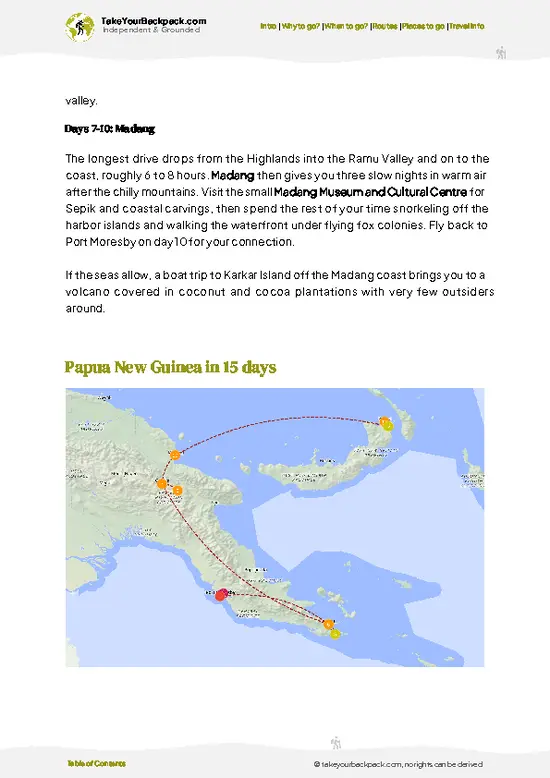
Papua New Guinea’s cities are often best explored through regional clusters. Start in Port Moresby, the capital, where international flights land. From there, consider heading to Lae, a key commercial hub, before moving to Madang along the coast. This route allows for a blend of urban and natural experiences.

Routing Logic
Traveling north to south or vice versa is efficient. The Highlands, with cities like Mount Hagen and Goroka, can be tackled in a loop from Port Moresby. Allocate at least two days per city to soak in local culture and landscapes.

Common Planning Mistakes
Many travelers underestimate travel times. Roads can be rough, and flights may be delayed. Rushing through cities can lead to missed connections and experiences. Prioritize flexibility in your schedule … read more 👉
Transport Networks
Papua New Guinea’s cities are often best explored through regional clusters. Start in Port Moresby, the capital, where international flights land. From there, consider heading to Lae, a key commercial hub, before moving to Madang along the coast. This route allows for a blend of urban and natural experiences.

Routing Logic
Traveling north to south or vice versa is efficient. The Highlands, with cities like Mount Hagen and Goroka, can be tackled in a loop from Port Moresby. Allocate at least two days per city to soak in local culture and landscapes.

Common Planning Mistakes
Many travelers underestimate travel times. Roads can be rough, and flights may be delayed. Rushing through cities can lead to missed connections and experiences. Prioritize flexibility in your schedule to adapt to local conditions.

Trade-offs and Constraints
Speed often sacrifices depth. A quick stop in a city might mean missing out on unique local events or interactions. Budget travelers may opt for cheaper accommodations but lose comfort. Weigh the effort of travel against the rewards of immersive experiences.

Realistic Pacing
Aim for a balance. Spend enough time in each city to appreciate its essence, while still moving forward. This approach ensures a rewarding journey through Papua New Guinea’s vibrant tapestry of urban life.

The ListMust-Visit cities in Papua New Guinea

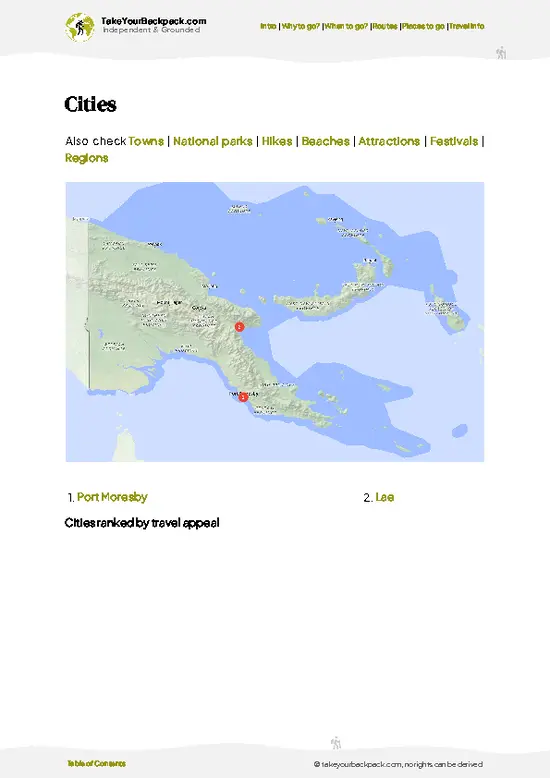
1 Port Moresby

National Parliament, Ela Beach, urban sprawl, Motu villages

Navigate a city of contrasts, from government buildings and coastal parks to traditional villages and the realities of rapid urban growth.

2 Lae

Markham Valley markets, industrial port, botanical gardens, WWII relics

Experience Papua New Guinea’s commercial pulse, where busy markets, industrial sprawl, and lush gardens meet reminders of wartime history.

Loading the map 🌍

Expert viewTips and Advice from Travelers

Transport Hubs
Navigating Papua New Guinea’s cities is a dance of logistics and spontaneity. Major transport hubs are often chaotic, with a mix of local buses, taxis, and the occasional air service. Domestic flights can save you time, but they come with a price tag that might make you wince. Expect to pay more for the convenience of flying between cities, especially when road conditions can turn a short distance into a long day of jostling on rough terrain. If you’re up for it, buses offer a more immersive experience, but they can be unpredictable. You might find yourself waiting hours for a bus that’s running late or packed to the gills. The trade-off? A chance to engage with locals and soak in the vibrant street life, but be prepared for the grit of the journey.

Urban Pacing
Cities in … read more 👉
Transport Hubs
Navigating Papua New Guinea’s cities is a dance of logistics and spontaneity. Major transport hubs are often chaotic, with a mix of local buses, taxis, and the occasional air service. Domestic flights can save you time, but they come with a price tag that might make you wince. Expect to pay more for the convenience of flying between cities, especially when road conditions can turn a short distance into a long day of jostling on rough terrain. If you’re up for it, buses offer a more immersive experience, but they can be unpredictable. You might find yourself waiting hours for a bus that’s running late or packed to the gills. The trade-off? A chance to engage with locals and soak in the vibrant street life, but be prepared for the grit of the journey.

Urban Pacing
Cities in Papua New Guinea pulse with a unique rhythm. The pace can feel frenetic in urban centers, where markets buzz with energy and street vendors hawk everything from fresh produce to handmade crafts. However, this urban energy can also be overwhelming. If you’re looking to dive deep into the local culture, consider spending a few days in each city. Rushing through multiple cities in a week might give you a taste, but you’ll miss the nuances—the laughter shared over a meal, the stories exchanged with locals, and the subtle beauty of everyday life. Balance is key; a week in two cities allows for exploration without the exhaustion of constant travel.

Local Costs
Budgeting in Papua New Guinea can be a bit of a puzzle. Costs vary widely depending on where you are and how you choose to travel. Local food is generally affordable, but dining in more touristy areas can quickly inflate your expenses. Accommodations range from basic guesthouses to mid-range hotels, and while you can find budget options, they often come with trade-offs in comfort and amenities. If you’re keen on experiencing the local lifestyle, opt for homestays or community-run lodges. They might be a bit pricier than a hostel, but the cultural immersion and personal connections you’ll gain are worth every extra kina.

Exploring vs. Immersion
The allure of ticking off multiple cities can be strong, but consider the depth of your experience. If you’re on a tight schedule, you might be tempted to hop from one city to the next, but this often leads to a superficial understanding of the culture. Instead, focus on two or three cities that resonate with you. Spend time wandering through neighborhoods, attending local events, and engaging with the community. This approach not only enriches your experience but also fosters a sense of connection that quick visits simply can’t provide.

Safety & Cultural Considerations
Safety is paramount in Papua New Guinea. While many areas are welcoming, some urban centers have higher crime rates. Stay aware of your surroundings, especially in crowded places. Engaging with locals can enhance your experience, but be respectful of cultural norms. Dress modestly and be mindful of local customs. Understanding the cultural landscape will not only keep you safe but also deepen your appreciation for the rich tapestry of life in Papua New Guinea.

In summary, the journey through Papua New Guinea’s cities is as much about the path you take as the destinations themselves. Embrace the grit, savor the moments, and let the rhythm of the cities guide your adventure.

✈️ The backpacker research shortcutPapua New Guinea Travel Guide

An offline-friendly backpacking guide with optimized travel routes, ranked highlights, transport advice, and the best areas to stay.
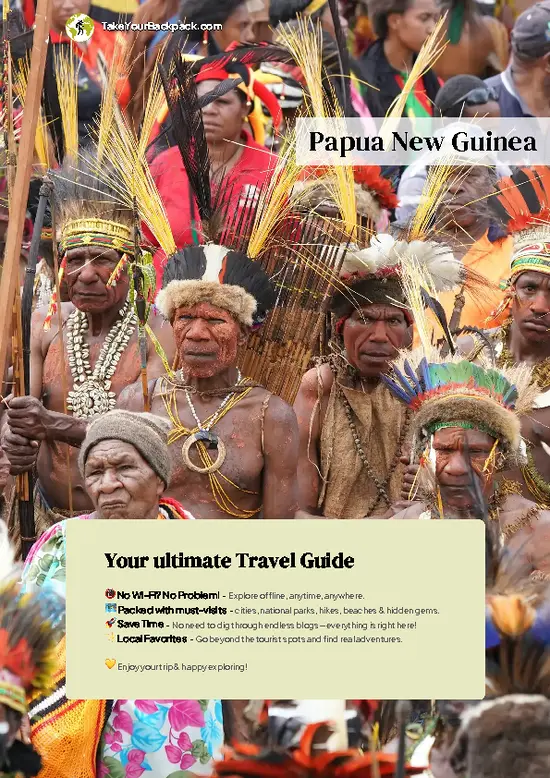
example page 0 from our offline Travel Guide for Papua New Guinea
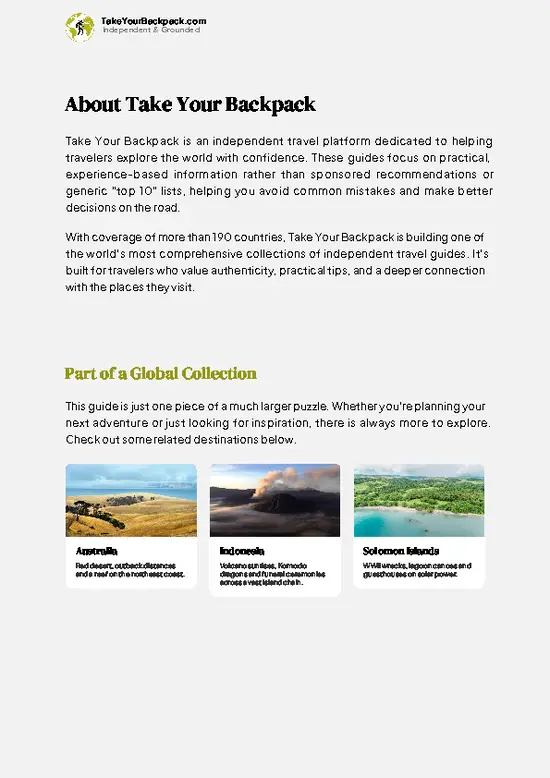
example page 1 from our offline Travel Guide for Papua New Guinea
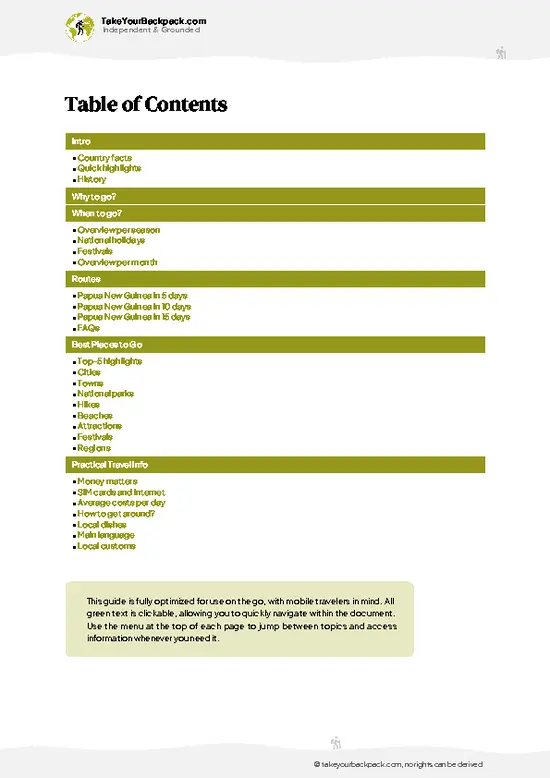
example page 2 from our offline Travel Guide for Papua New Guinea
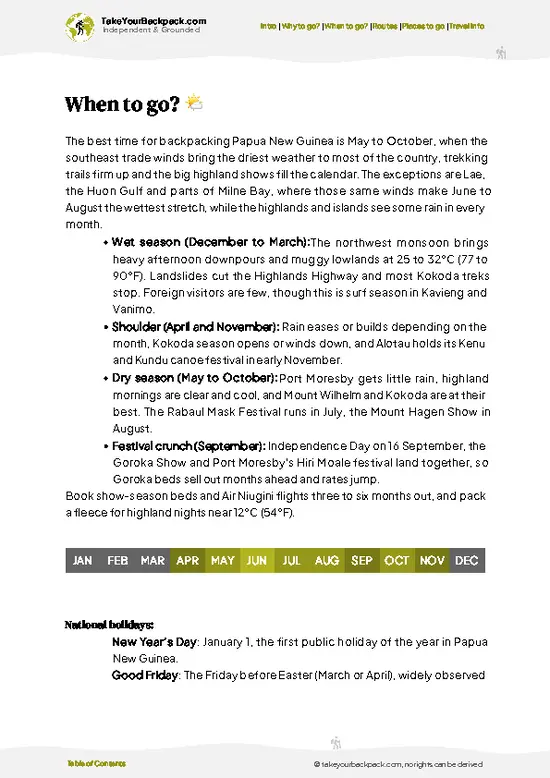
example page 3 from our offline Travel Guide for Papua New Guinea
example page 4 from our offline Travel Guide for Papua New Guinea
example page 5 from our offline Travel Guide for Papua New Guinea
example page 6 from our offline Travel Guide for Papua New Guinea
example page 7 from our offline Travel Guide for Papua New Guinea
The digital guide (319 pages) contains:
86 highlights, ranked by travel appeal
Optimized 5, 10 & 15-day travel routes
Cities, national parks, landmarks, beaches
How to get around
Offline-friendly for travel without Wi-Fi
👉 Click to see all 30+ guide features

📅 Plan smarter in minutes, not weeks
Month by month travel advice
Festivals & national holidays
Budget expectations

🗺️ Go to the right places, skip the overrated ones
Honest pros & cons of destinations
Top hikes, parks & viewpoints
Lesser-known places most travelers miss
Clear “worth it vs skip it” guidance

🛏️ Travel smoothly without rookie mistakes
Best areas to stay
Transport systems explained simply
Common scams & safety advice
SIM cards, money & practical tips

🌍 Understand the country, not just visit it
Culture & traditions
52 Essential phrases & customs
Festivals worth planning around
Traveler-friendly historical context
Insights that make places more meaningful

📱 Built for real travel conditions
Fully downloadable PDF
Works completely offline
Optimized for phone use
Useful in remote areas & buses
Everything in one place
Save weeks of stressful planning
Get instant access to your full guide. 30‑day money-back guarantee.
+ Add another guide for just US$7.80

By proceeding you agree to our terms.
Sent to your inbox immediately after payment • 100% Secure Checkout
Best Backpacking Travel Advisor 2025 tourism awardBest Backpacking
Travel Advisor
2025
What others say about Take Your Backpack Guides:
⭐⭐⭐⭐⭐
Fantastic, amazing amount of information!
⭐⭐⭐⭐⭐
My goodness this is amazing, it's what I've been looking for hats off too you!
⭐⭐⭐⭐⭐
I think this is absolutely BRILLIANT
⭐⭐⭐⭐
Very complete and informative. It's still missing places, but I gotta to commend you
⭐⭐⭐⭐⭐
This is truly amazing, thank you, can't wait to explore it with my kids!
⭐⭐⭐⭐⭐
Awesome resource, thank you!
⭐⭐⭐⭐⭐
This is amazing! Can't wait to explore the ones I haven't seen
⭐⭐⭐⭐
I love this! Well done, great idea.
⭐⭐⭐⭐⭐
Thanks for taking the time to make this gem!
⭐⭐⭐⭐⭐
This might be the best website I've ever seen.
⭐⭐⭐⭐⭐
Congratulations, and thank you so much for your work; it's incredibly valuable.
⭐⭐⭐⭐
In all seriousness I think you did a great job pointing out the important spots
⭐⭐⭐⭐⭐
10/10 very good
⭐⭐⭐⭐⭐
As someone who's only just starting to visit regularly this is awesome, thank you.
⭐⭐⭐⭐
Thank you very much! I'm going to visit my dad, it's going to be very useful!
⭐⭐⭐⭐⭐
This is really cool! We'll be travelling for the first time and this definitely come in handy.
⭐⭐⭐⭐⭐
You are now our minister of culture, congratulations 👨‍💼
⭐⭐⭐⭐⭐
Just wanted to tell you that this is a pearl! Going to follow your recommendations.
⭐⭐⭐⭐⭐
This is so cool. I'll definitely be using the resource for my travels soon.
⭐⭐⭐⭐⭐
This is very impressive! Good work.
⭐⭐⭐⭐⭐
This is an amazing and informative site. Very well done!

🛏️ Where to stay?Top Areas to Stay

Yes — Papua New Guinea has hostels and budget guesthouses concentrated in major towns rather than the bush, but options are scarcer and more basic than in Southeast Asia so book ahead and expect simple shared facilities.
In Port Moresby look around the CBD, Boroko and Gordons for the most budget choices—good for airport access and museums but limited nightlife and higher crime, so pick compounds with security and avoid walking after dark.
Madang (town centre/waterfront) is best for diving and relaxed evenings with safer daytime streets; Lae and other coastal towns are practical transit bases with limited amenities; Highlands hubs like Goroka and Mount Hagen offer basic guesthouses for shows … read more 👉
Yes — Papua New Guinea has hostels and budget guesthouses concentrated in major towns rather than the bush, but options are scarcer and more basic than in Southeast Asia so book ahead and expect simple shared facilities.
In Port Moresby look around the CBD, Boroko and Gordons for the most budget choices—good for airport access and museums but limited nightlife and higher crime, so pick compounds with security and avoid walking after dark.
Madang (town centre/waterfront) is best for diving and relaxed evenings with safer daytime streets; Lae and other coastal towns are practical transit bases with limited amenities; Highlands hubs like Goroka and Mount Hagen offer basic guesthouses for shows and treks but services and after-dark safety vary, so carry cash, confirm transfers, and prioritize secure properties.

If you enjoy meeting fellow travelers, consider choosing hostels with high ratings for atmosphere. On the other hand, if you prefer having your own space, a hotel might be a better option.

Papua New GuineaDiscover the Country

👋 Meet the founderWho’s Behind Take Your Backpack?

Johan, backpacker and founder of TakeYourBackpackHi, I’m Johan (Netherlands 🇳🇱), the creator of TakeYourBackpack. Over the past decade, I’ve backpacked through 80+ countries across six continents, gaining extensive experience with independent travel, long-term trips, and overland routes.

This site is built on a combination of firsthand travel experience and carefully curated insights from other backpackers. Many guides are based on places I’ve personally visited, while others bring together tips, observations, and practical advice shared by trusted travelers I’ve met along the way.

The goal is to provide realistic, experience-driven guidance — not generic itineraries — so you can explore destinations with better context, clearer expectations, and more confidence.

Get full country guide •
Instant download • 86 highlights • Full Offline guide