×

Peru🇵🇪 | citiesTarapotoJungle foothills, cacao tastings, river swimming holes, mototaxi rides | things to do and best time to go

Explore HuarazExplore Piura

Backpacking in Tarapoto
👍 Recommendedcity ranked #9
By Johan Kruseman 🇳🇱 | Updated October 19, 2026

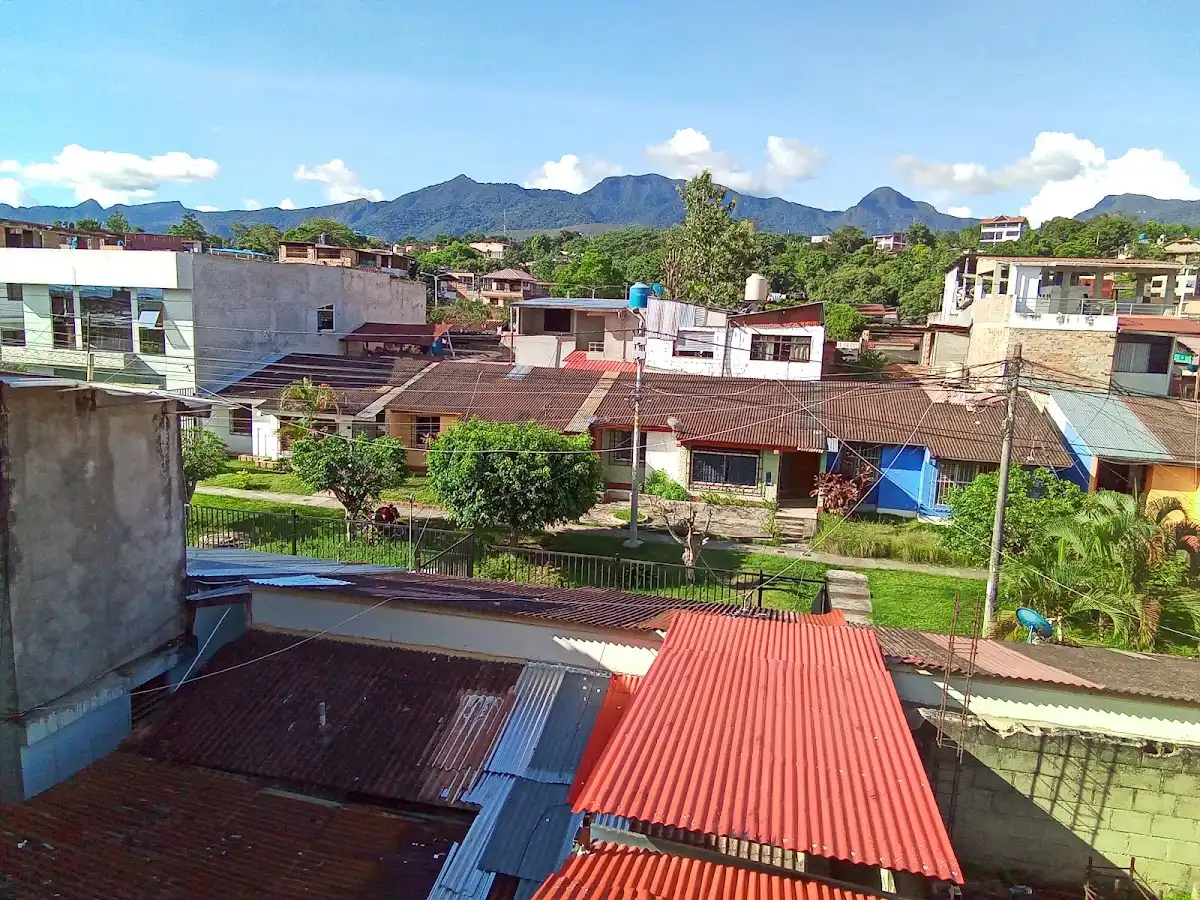
Tarapoto forces a choice: fly in from Lima or endure the long, winding road from the coast. The flight costs more, but it saves a day or two of bus seats and mountain curves, so for most backpackers the plane wins on time and comfort, while the overland route only makes sense if you are already in the northern highlands. Tarapoto sits in the northern Peru Amazon foothills, in the San Martín region. I asked a mototaxi driver for the best waterfall and he grinned, tapped his dashboard and said, “Cataratas, then cold beer, no rush.” That was the whole plan, and it worked. Tarapoto suits curious, flexible travelers, but not those wanting polished sights. Unlike jungle-hub Iquitos, you reach it by road and can explore on your own.

Discover everything you want to know in the 📖 Peru Travel Guide.


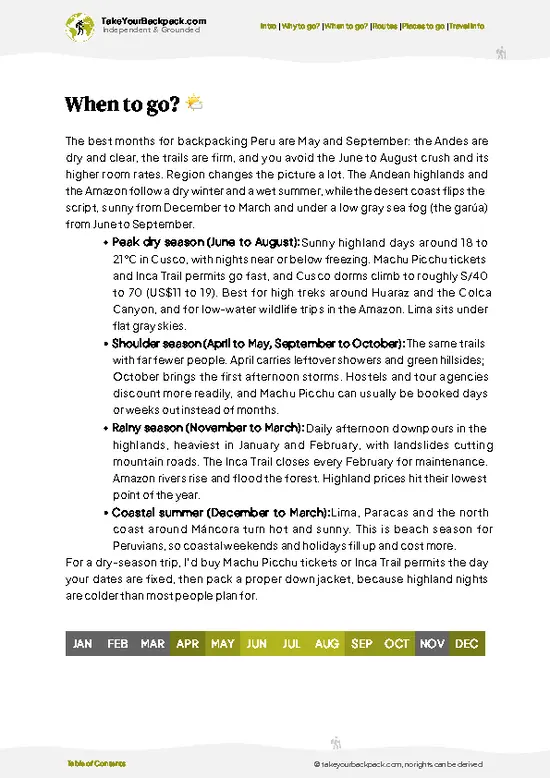
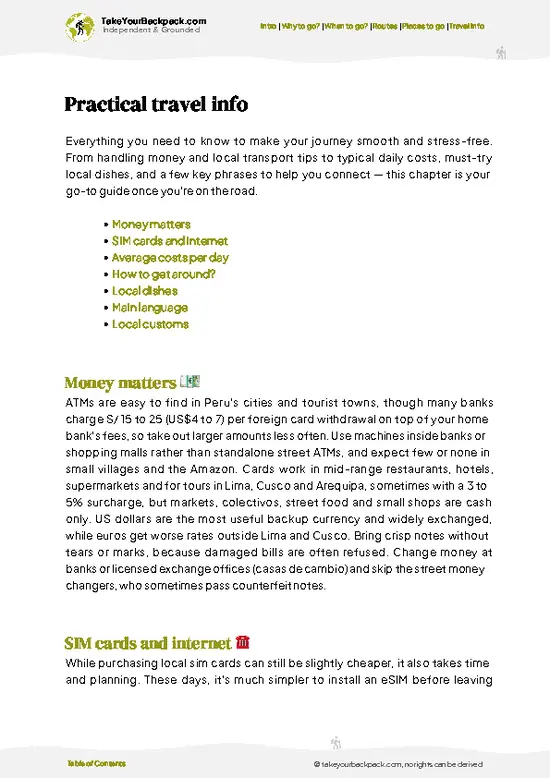
example page 0 from our offline Travel Guide for Peru
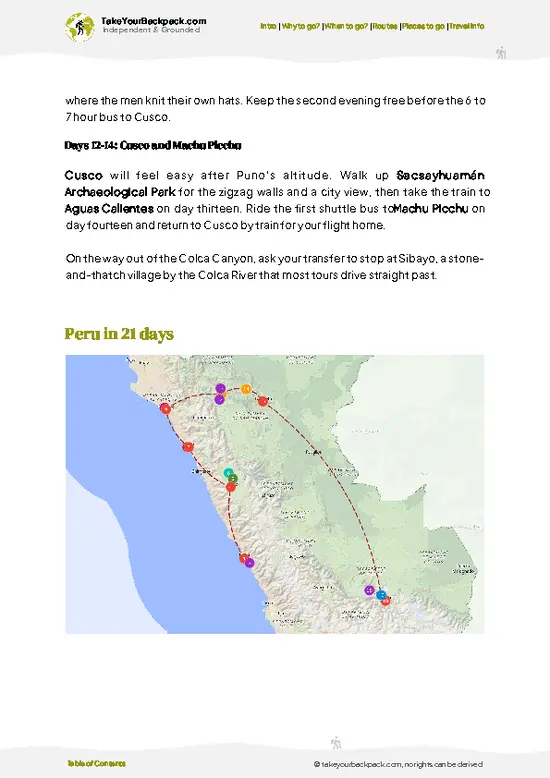
example page 1 from our offline Travel Guide for Peru
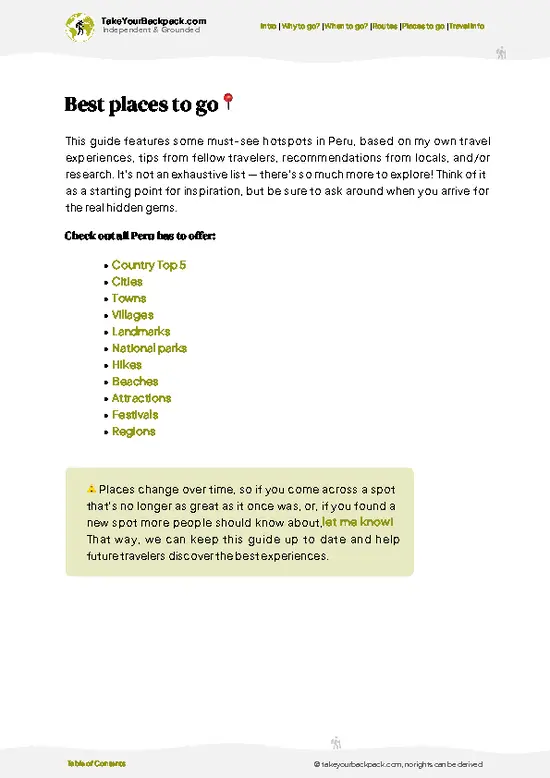
example page 2 from our offline Travel Guide for Peru
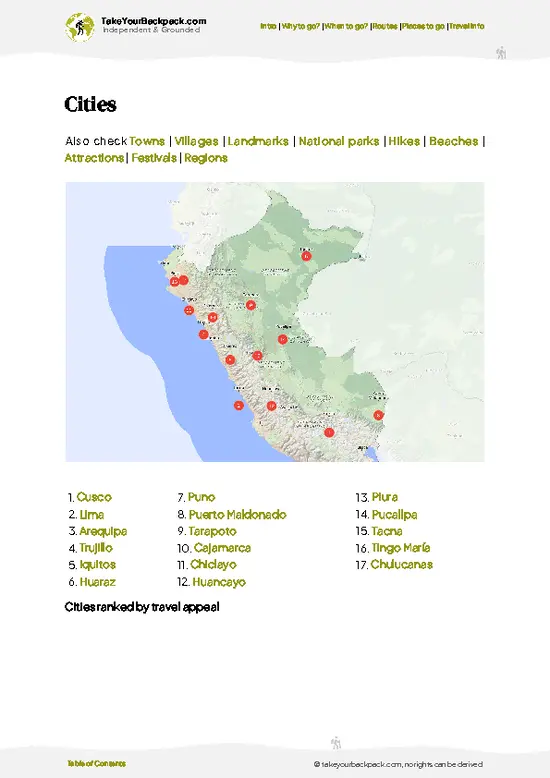
example page 3 from our offline Travel Guide for Peru
example page 4 from our offline Travel Guide for Peru
example page 5 from our offline Travel Guide for Peru
example page 6 from our offline Travel Guide for Peru
example page 7 from our offline Travel Guide for Peru
Loading the map 🌍
CLICK TO FILTER
cities
towns
villages
landmarks
national parks
hikes
beaches
attractions
festivals
regions
SHOW COUNTRY’S BESTSHOW ALL

✨ Why go?
Ranked #9 city in Peru
What makes this city worth visiting

Tarapoto earns its place on a route because it gives you jungle without the logistics of a river expedition. Waterfalls, lagoons, cacao farms and coffee villages sit within easy reach of a town where you can sleep in a proper hostel and eat well every night. The surrounding region is known for chocolate and coffee, so a tour here means tasting at the source rather than reading a plaque. Sunset drinks on the Plaza Mayor are a local habit, and the evening scene is relaxed, with live music and street grills more than clubs. Tarapoto also works as a launch point toward the highland and Amazon corners of the north, which makes it a natural pause on a loop. Stay three or four days if you like adventure, but know the town itself is modest and the real draw is outside it.

💡 HighlightsDon't-miss highlights and experiences

  1. Plaza Mayor: The town’s social center, with shade trees, ice cream stalls and families after dark. Go in the evening, when it is free and a one-hour wander is plenty.
  2. Mercado Central: A sprawling market for jungle fruits like camu camu and aguaje, plus juices and regional snacks. Morning is best, spend US$2 to 5 and allow one hour.
  3. Museo Regional de San Martín: A small museum on local archaeology and the region’s Indigenous cultures, including Chanka and Lamista heritage. Entry is roughly US$1 to 2, and it needs about 45 minutes, best on a hot midday.
  4. Río Shilcayo: The river at the edge of town, with swimming holes and simple riverside restaurants. Go in the dry morning, expect US$2 to 4 for food, and spend two hours.
  5. Chocolate and coffee workshops in town: Small producers offer tastings of local
… read more 👉
  1. Plaza Mayor: The town’s social center, with shade trees, ice cream stalls and families after dark. Go in the evening, when it is free and a one-hour wander is plenty.
  2. Mercado Central: A sprawling market for jungle fruits like camu camu and aguaje, plus juices and regional snacks. Morning is best, spend US$2 to 5 and allow one hour.
  3. Museo Regional de San Martín: A small museum on local archaeology and the region’s Indigenous cultures, including Chanka and Lamista heritage. Entry is roughly US$1 to 2, and it needs about 45 minutes, best on a hot midday.
  4. Río Shilcayo: The river at the edge of town, with swimming holes and simple riverside restaurants. Go in the dry morning, expect US$2 to 4 for food, and spend two hours.
  5. Chocolate and coffee workshops in town: Small producers offer tastings of local cacao and coffee, usually in the morning. Expect US$5 to 15 and about one to two hours.
Outside the city, the Ahuashiyacu waterfall, Laguna Azul at Sauce and the Lamas hill village make strong day trips.
Combine the Mercado Central in the morning with the Museo Regional for a compact, easy day.
Spotted a mistake or missing something? Contact us.

Things to do in Tarapoto

Ratings based on Tripadvisor reviews. When you book through this link, you support our work at no extra cost to you.

🏘️ NeighborhoodsHow different areas shape the experience

Tarapoto sprawls across a warm valley, but the parts a backpacker needs sit within a few kilometers of each other, so pick your targets and go.
  • Plaza de Armas and the center: The flat grid around the plaza is where you land first, and it pays off fastest. Walk it in minutes between juice stands, tour agencies, ATMs and cafés serving local coffee and cacao. Evenings fill with plaza strollers and open-air bars, loud on weekends but easy to leave. Walking costs nothing and beats any ride here.
  • Jirón Lamas and the Morales side: Head west along the main drag and the city turns residential, with cheaper lunch counters and bakeries. Morales, a short mototaxi hop away, has newer restaurants, a river stretch and quiet streets. It is spread out, so a ride saves your legs, but the extra fare buys little
… read more 👉
Tarapoto sprawls across a warm valley, but the parts a backpacker needs sit within a few kilometers of each other, so pick your targets and go.
  • Plaza de Armas and the center: The flat grid around the plaza is where you land first, and it pays off fastest. Walk it in minutes between juice stands, tour agencies, ATMs and cafés serving local coffee and cacao. Evenings fill with plaza strollers and open-air bars, loud on weekends but easy to leave. Walking costs nothing and beats any ride here.
  • Jirón Lamas and the Morales side: Head west along the main drag and the city turns residential, with cheaper lunch counters and bakeries. Morales, a short mototaxi hop away, has newer restaurants, a river stretch and quiet streets. It is spread out, so a ride saves your legs, but the extra fare buys little you cannot find downtown.
  • Banda de Shilcayo: This hillside district across the Shilcayo stream is the gateway to waterfalls and jungle trails. Take a mototaxi up, then explore on foot among fruit farms and open-air eateries. It is calmer after dark and not walkable from the center, yet it gives the best nature for the least fuss.
  • Mercado Central: A short walk from the plaza, this is the place to chase fresh juanes, tropical fruit, chocolate and herbal tonics. Go in the morning when it is busiest and cheapest.

⌛️ 1 dayHow to make the most of one day

A market morning leads into a river afternoon, then an easy plaza evening.
7:30 AM: Mercado Central Start with a fruit juice and a plate of juane. Walk the aisles for camu camu, cacao pods and herbal remedies; vendors happily explain, and it sets the tone for the day.
9:30 AM: Museo Regional de San Martín A short walk or mototaxi away. The small collection explains the Lamista culture and regional archaeology, giving context to everything you will taste later.
11:00 AM: Chocolate and coffee tasting Book a small producer in town for a short tasting. You see how beans become bars, and you leave with snacks that travel well.
1:00 PM: Lunch at a local cevichería Choose a simple place near the center and try regional fish such as paiche or tilapia if offered.
3:00 PM: Río Shilcayo Take a mototaxi to … read more 👉
A market morning leads into a river afternoon, then an easy plaza evening.
7:30 AM: Mercado Central Start with a fruit juice and a plate of juane. Walk the aisles for camu camu, cacao pods and herbal remedies; vendors happily explain, and it sets the tone for the day.
9:30 AM: Museo Regional de San Martín A short walk or mototaxi away. The small collection explains the Lamista culture and regional archaeology, giving context to everything you will taste later.
11:00 AM: Chocolate and coffee tasting Book a small producer in town for a short tasting. You see how beans become bars, and you leave with snacks that travel well.
1:00 PM: Lunch at a local cevichería Choose a simple place near the center and try regional fish such as paiche or tilapia if offered.
3:00 PM: Río Shilcayo Take a mototaxi to the river for a swim and a lazy hour on the rocks. This is the quieter side of town that most schedules skip.
7:30 PM: Plaza Mayor Finish with a street grill dinner, a cold beer and live music, then walk back to your hostel.

🌤️ When to go?Choosing the right time of year

May through September is the driest stretch, with sunny days around 29 to 33°C (84 to 91°F) and cooler nights near 20°C (68°F), ideal for waterfalls and trails.
  • Dry Season (May to September): Roads are firm, river tours run reliably and you get nearly even daylight of about 12 hours. Peruvian holidays in July bring domestic crowds and slightly higher room rates.
  • Wet Season (November to March): Afternoon downpours turn tracks to mud and can cancel river and waterfall trips. Temperatures stay 24 to 32°C (75 to 90°F) and humid, but beds are cheap and trails empty.
  • Shoulder Months (April, October): Showers come in short bursts, prices stay low and the forest is greenest.
Book waterfall tours in the morning, since rain tends to build after midday.

source: climatestotravel.comJANJanuary: fair for travelingFEBFebruary: fair for travelingMARMarch: fair for travelingAPRApril: fair for travelingMAYMay: excellent for travelingJUNJune: highly recommended for travelingJULJuly: highly recommended for travelingAUGAugust: highly recommended for travelingSEPSeptember: excellent for travelingOCTOctober: highly recommended for travelingNOVNovember: fair for travelingDECDecember: fair for traveling
peru-city-tarapoto
© Google |

✈️ The backpacker research shortcutPeru Travel Guide

An offline-friendly backpacking guide with optimized travel routes, ranked highlights, transport advice, and the best areas to stay.
example page 0 from our offline Travel Guide for Peru
example page 1 from our offline Travel Guide for Peru
example page 2 from our offline Travel Guide for Peru
example page 3 from our offline Travel Guide for Peru
example page 4 from our offline Travel Guide for Peru
example page 5 from our offline Travel Guide for Peru
example page 6 from our offline Travel Guide for Peru
example page 7 from our offline Travel Guide for Peru
The digital guide (310 pages) contains:
✅ 102 highlights, ranked by travel appeal
✅ Optimized 7, 14 & 21-day travel routes
✅ Cities, national parks, landmarks, beaches
✅ How to get around
✅ Offline-friendly for travel without Wi-Fi
👉 Click to see all 30+ guide features

📅 Plan smarter in minutes, not weeks
✅ Month by month travel advice
✅ Festivals & national holidays
✅ Budget expectations

🗺️ Go to the right places, skip the overrated ones
✅ Honest pros & cons of destinations
✅ Top hikes, parks & viewpoints
✅ Lesser-known places most travelers miss
✅ Clear “worth it vs skip it” guidance

🛏️ Travel smoothly without rookie mistakes
✅ Best areas to stay
✅ Transport systems explained simply
✅ Common scams & safety advice
✅ SIM cards, money & practical tips

🌍 Understand the country, not just visit it
✅ Culture & traditions
✅ 52 Essential phrases & customs
✅ Festivals worth planning around
✅ Traveler-friendly historical context
✅ Insights that make places more meaningful

📱 Built for real travel conditions
✅ Fully downloadable PDF
✅ Works completely offline
✅ Optimized for phone use
✅ Useful in remote areas & buses
✅ Everything in one place
Stop searching, start planning
Get instant access to your full guide. 30‑day money-back guarantee.
+ Add another guide for just

By proceeding you agree to our terms.
Sent to your inbox immediately after payment • 100% Secure Checkout
Best Backpacking Travel Advisor 2025 tourism awardBest Backpacking
Travel Advisor
2025
What others say about Take Your Backpack Guides:
⭐⭐⭐⭐⭐
Fantastic, amazing amount of information!
⭐⭐⭐⭐⭐
My goodness this is amazing, it's what I've been looking for hats off too you!
⭐⭐⭐⭐⭐
I think this is absolutely BRILLIANT
⭐⭐⭐⭐
Very complete and informative. It's still missing places, but I gotta to commend you
⭐⭐⭐⭐⭐
This is truly amazing, thank you, can't wait to explore it with my kids!
⭐⭐⭐⭐⭐
Awesome resource, thank you!
⭐⭐⭐⭐⭐
This is amazing! Can't wait to explore the ones I haven't seen
⭐⭐⭐⭐
I love this! Well done, great idea.
⭐⭐⭐⭐⭐
Thanks for taking the time to make this gem!
⭐⭐⭐⭐⭐
This might be the best website I've ever seen.
⭐⭐⭐⭐⭐
Congratulations, and thank you so much for your work; it's incredibly valuable.
⭐⭐⭐⭐
In all seriousness I think you did a great job pointing out the important spots
⭐⭐⭐⭐⭐
10/10 very good
⭐⭐⭐⭐⭐
As someone who's only just starting to visit regularly this is awesome, thank you.
⭐⭐⭐⭐
Thank you very much! I'm going to visit my dad, it's going to be very useful!
⭐⭐⭐⭐⭐
This is really cool! We'll be travelling for the first time and this definitely come in handy.
⭐⭐⭐⭐⭐
You are now our minister of culture, congratulations 👨‍💼
⭐⭐⭐⭐⭐
Just wanted to tell you that this is a pearl! Going to follow your recommendations.
⭐⭐⭐⭐⭐
This is so cool. I'll definitely be using the resource for my travels soon.
⭐⭐⭐⭐⭐
This is very impressive! Good work.
⭐⭐⭐⭐⭐
This is an amazing and informative site. Very well done!

🛏️ Where to stay?How to pick the right area

The streets within a few blocks of the Plaza de Armas are the best place to sleep, with the widest choice of cheap dorms and private rooms, typically US$8 to 15 a night. You can walk to restaurants, tour agencies, the market and ATMs, and mototaxis pass constantly, so reaching the bus terminals or trailheads is quick and cheap.
The central blocks stay lively on weekend nights, so ask for a room away from the street or pack earplugs. They feel safe to walk after dark, though you should still keep to lit streets late at night.
Morales is a calmer second option, a short mototaxi ride away. Guesthouses … read more 👉
The streets within a few blocks of the Plaza de Armas are the best place to sleep, with the widest choice of cheap dorms and private rooms, typically US$8 to 15 a night. You can walk to restaurants, tour agencies, the market and ATMs, and mototaxis pass constantly, so reaching the bus terminals or trailheads is quick and cheap.
The central blocks stay lively on weekend nights, so ask for a room away from the street or pack earplugs. They feel safe to walk after dark, though you should still keep to lit streets late at night.
Morales is a calmer second option, a short mototaxi ride away. Guesthouses there are quieter, often with pools or gardens, and prices are similar or slightly higher. You trade walkability for peace, and you will rely on rides to reach the center in the evening. For a first visit, stay central and move out later if you want quiet.

🚌 Getting aroundHow to get from A to B

From the bus terminals on the edge of town, a mototaxi to the Plaza de Armas takes 5 to 10 minutes and costs US$0.75 to 1.50. Tarapoto is compact, hot and humid, so you will mix short walks with cheap rides, and traffic is mostly buzzing three-wheelers rather than jams.
  • Walking: Free and fastest in the center, where plaza, market and most agencies sit within ten minutes of each other. Go early or after sunset to dodge the midday heat. For a backpacker, this wins downtown every time.
  • Mototaxi: The default ride, at US$0.75 to 2 for most trips and about US$2 to 3 to Banda de Shilcayo or Morales. Agree the fare before you hop in. It beats walking in the heat and costs far less than a car, so use it for anything over a kilometer.
  • Colectivos and combis: Shared vans and minibuses run to nearby towns
… read more 👉
From the bus terminals on the edge of town, a mototaxi to the Plaza de Armas takes 5 to 10 minutes and costs US$0.75 to 1.50. Tarapoto is compact, hot and humid, so you will mix short walks with cheap rides, and traffic is mostly buzzing three-wheelers rather than jams.
  • Walking: Free and fastest in the center, where plaza, market and most agencies sit within ten minutes of each other. Go early or after sunset to dodge the midday heat. For a backpacker, this wins downtown every time.
  • Mototaxi: The default ride, at US$0.75 to 2 for most trips and about US$2 to 3 to Banda de Shilcayo or Morales. Agree the fare before you hop in. It beats walking in the heat and costs far less than a car, so use it for anything over a kilometer.
  • Colectivos and combis: Shared vans and minibuses run to nearby towns such as Lamas and Morales for roughly US$0.50 to 2. They leave when full and are slower, but they are the best value for out-of-town runs. Most stop by early evening.
  • Taxis: Regular cars charge about US$1.50 to 3 in town and more to the airport, which sits a few kilometers southwest. Use them with luggage or in downpours, since the extra comfort costs little.
  • Rented motorbike: About US$12 to 20 a day. It frees you to chase waterfalls and viewpoints on your schedule, but roads get slick when it rains. Only ride if you are confident.

👛 Costs (as of 19 October 2026)Travel costs and budget guide for Tarapoto

Backpacking Tarapoto costs about US$35 to 45 a day, with a total of US$42 in high season.
CategoryBudget RangeLocal Reality
Dorm (high season)US$9 to 14Central dorms with fans or air conditioning fill up in July.
Dorm (off-season)US$7 to 11Discounts are easy to negotiate in the wet months.
MealsUS$9 to 14Market set lunches run US$2 to 4, dinners at casual spots US$4 to 7.
Local transportUS$2 to 4Mototaxis cost US$0.75 to 2 per ride.
City transport passNot availablePay per ride in cash, there is no pass.
Basic activities/entry feesUS$5 to 10Waterfall entries are a few dollars, tours cost more.
MiscellaneousUS$2 to 4Water, repellent, snacks and laundry.
Total Daily BudgetUS$42Based on high-season dorm and mid-range figures.
Share a mototaxi or colectivo with other travelers to cut waterfall and Lamas costs in half.

source: peru.travel
⚠️ Prices can change and everyone travels differently, so take this as a rough guide. Hope it helps you plan your adventure!

🚌 Day tripsBest day trips from Tarapoto

Tarapoto works well as a base, with most sights reachable by colectivo or a tour in half a day to a full day.
Ahuashiyacu Waterfall:
A 35 to 50 minute drive from Tarapoto, this waterfall drops about 40 meters into a swimmable pool. Plan US$10 to 20 with transport and entry. Go in the dry season, and leave early so you can enjoy it before afternoon rain. Do not wear flip-flops on the muddy path.

Lamas:
This hill town, roughly 30 minutes away, has a castle-like building and a Quechua-Lamista neighborhood with its own crafts and traditions. A colectivo costs about US$1 to 2 each way. Visit in the morning, and budget US$5 to 10 for lunch and a museum visit.

Laguna Azul (Sauce):
About 2 to 2.5 hours by road, this lake is good for swimming, kayaking and boat rides. Day tours run US$25 to 45. Dry … read more 👉
Tarapoto works well as a base, with most sights reachable by colectivo or a tour in half a day to a full day.
Ahuashiyacu Waterfall:
A 35 to 50 minute drive from Tarapoto, this waterfall drops about 40 meters into a swimmable pool. Plan US$10 to 20 with transport and entry. Go in the dry season, and leave early so you can enjoy it before afternoon rain. Do not wear flip-flops on the muddy path.

Lamas:
This hill town, roughly 30 minutes away, has a castle-like building and a Quechua-Lamista neighborhood with its own crafts and traditions. A colectivo costs about US$1 to 2 each way. Visit in the morning, and budget US$5 to 10 for lunch and a museum visit.

Laguna Azul (Sauce):
About 2 to 2.5 hours by road, this lake is good for swimming, kayaking and boat rides. Day tours run US$25 to 45. Dry months give the clearest weather. Many first-timers underestimate the distance and start late, so leave by 7 a.m.

Río Mayo and Pongo de Aguirre:
A short drive brings you to river spots for swimming and rafting-style floats, with half-day tours around US$15 to 30. Best from May to September, when water levels are safer.

🍲 FoodWhat to Eat & Drink

Tarapoto sits at the edge of the Amazon, and the plate shows it. Try juanes, rice wrapped in bijao leaves with chicken, and tacacho con cecina, mashed fried plantain served with smoky dried pork. Inchicapi, a peanut and chicken soup, is a regional comfort. Sip jugo de cocona or camu camu, tart fruits you will not find on the coast.
The area is also known for cacao and coffee, so look for dark chocolate, cacao tea and fresh brews. Local liquors such as siete raíces or honey-based chuchuhuasi are macerated with jungle roots and bark. Taste a small glass first.
Eat at the Mercado Central for cheap set lunches around US$2 to 4, or at grill stands around the plaza in the evening. Juice stalls pour thick, fresh blends for US$1 to 2. Small cafés near the center serve regional coffee for backpackers who need a laptop spot.

🛡️ SafetyStaying Safe: What Travelers Should Know

Tarapoto is relaxed and friendly, and most problems are petty. Keep phones and cameras out of sight on crowded market streets and near the plaza at night, and carry only the cash you need. Solo travelers, including women, usually walk the center comfortably after dark, but take a mototaxi for longer or poorly lit stretches. Agree the fare before you get in, since a few drivers try to overcharge newcomers. Tour touts occasionally push inflated prices, so compare two or three agencies. On river and waterfall trips, rains can swell currents quickly, so follow guides and skip swimming after heavy rain. Mosquitoes are a daily annoyance, so bring repellent.

FAQCommon questions from travelers

Three days is enough for Tarapoto, though four lets you slow down. Spend one day on Ahuashiyacu waterfall (about 40 minutes away), one on Lamas and the market, and one on Laguna Azul, which is 2 to 2.5 hours by road. Add a day if you want river trips or a coffee and cacao farm visit.
Tarapoto is a comfortable choice for solo backpackers, with petty theft the main concern. Keep valuables hidden in the market and plaza, and take a mototaxi at night for longer distances at US$1 to 3. Agree fares in advance and use tour agencies with solid reviews, and solo women usually report feeling at ease in the center.
Tarapoto is known as the gateway to Peru’s Amazon edge, with waterfalls like Ahuashiyacu, Lamas and Laguna Azul within a day’s reach. It is also famed for cacao, coffee and regional food such as juanes and tacacho. Its warm climate, 24 to 33°C (75 to 91°F), makes it a popular alternative to the cooler Andes.
⚠️ Things can change over time, so always validate details locally before you go.

Other Peruvian cities near Tarapoto

Explore more nearby:

  • Cajamarca—Thermal springs, Atahualpa’s ransom room, market cheese, cool highlands| 248 km away
  • Pucallpa—Ucayali port, Yarinacocha lagoon, Shipibo kené, motocars| 290 km away
  • Tingo María—Oilbird cave, Huallaga valley, waterfall pools, Sleeping Beauty ridge| 316 km away

💡 Not sure where to go next?
Create a personalized itinerary for Peru including Tarapoto and the places that fit your trip.

Generate my itinerary

👉 Discover all cities

Or checkout all Peru has to offer (think cities, towns, villages, national parks, hikes, beaches, festivals)
Country photo of Peru

We 💚 feedbackSumming up the experience

Tarapoto deserves three or four nights: one to settle in, and the rest for waterfalls, farms and the Lamas hills. Stay only a night and you will see little more than a pleasant plaza. I would book one guided community visit and spend the other days on your own by mototaxi.

✈️ When did I visit Peru?
Peru I visited during my half year trip through South and Central America back in 2003

✍️ Help improve this page!
The information on this page is based on my own backpacking experience in Peru, supplemented with up-to-date research and feedback from other travelers. Travel details can change, so if you notice anything outdated or incomplete, feel free to let me know.


🙋‍♂️ Give feedback

👋 Meet the founderWho’s Behind Take Your Backpack?

Johan, backpacker and founder of TakeYourBackpackHi, I’m Johan (Netherlands 🇳🇱), the creator of TakeYourBackpack. Over the past 3 decades, I’ve backpacked through 90+ countries across six continents, gaining extensive experience with independent travel, long-term trips, and overland routes.

This site is built on a combination of firsthand travel experience and carefully curated insights from other backpackers. Many guides are based on places I’ve personally visited, while others bring together tips, observations, and practical advice shared by trusted travelers I’ve met along the way.

The goal is to provide realistic, experience-driven guidance — not generic itineraries — so you can explore destinations with better context, clearer expectations, and more confidence.