×

Russia🇷🇺 | best festivalsEssential 10 festivals to Explore in Russia

Festivals in Russia are a vibrant tapestry of culture, history, and local traditions, each offering a unique lens into the country’s diverse identity. From the bustling streets of Moscow to the serene landscapes of Siberia, these celebrations vary significantly by region and season, shaping the backpacking experience in profound ways.

In summer, festivals like the White Nights Festival in St. Petersburg draw massive crowds, showcasing art and music under the midnight sun. Conversely, winter festivals such as Maslenitsa celebrate the end of winter with pancakes and folk games, providing a cozy, communal atmosphere. Understanding these seasonal nuances is crucial for independent travelers; the right festival can enhance your cultural immersion while also impacting your budget and safety.

Crowd sizes fluctuate dramatically, affecting everything from accommodation availability to transportation ease. Smaller, local festivals often offer a more intimate experience, allowing for deeper connections with locals, while larger events can feel overwhelming but are rich in spectacle. Choosing wisely not only preserves your energy and finances but also ensures you engage with the authentic spirit of Russia, making your journey memorable and enriching.

By Johan Kruseman 🇳🇱 | Updated June 9, 2026
Explore the best regions in Russia

Why go?What Makes Them Special

Festivals in Russia are a vibrant reflection of the country’s rich cultural tapestry, shaped by its vast geography and complex history. These events are not merely celebrations; they are living expressions of tradition, identity, and community. Unlike many other countries, Russian festivals often blend ancient customs with contemporary elements, creating a unique atmosphere that resonates deeply with both locals and visitors.

The seasonal timing of these festivals is crucial. Many occur during the warmer months, aligning with the agricultural calendar and allowing for outdoor celebrations. This timing enhances the experience, as the long days of summer provide ample opportunity for festivities. However, this also means that popular festivals can draw large crowds, which may detract from … read more 👉
Festivals in Russia are a vibrant reflection of the country’s rich cultural tapestry, shaped by its vast geography and complex history. These events are not merely celebrations; they are living expressions of tradition, identity, and community. Unlike many other countries, Russian festivals often blend ancient customs with contemporary elements, creating a unique atmosphere that resonates deeply with both locals and visitors.

The seasonal timing of these festivals is crucial. Many occur during the warmer months, aligning with the agricultural calendar and allowing for outdoor celebrations. This timing enhances the experience, as the long days of summer provide ample opportunity for festivities. However, this also means that popular festivals can draw large crowds, which may detract from the intimacy of the experience. Travelers should weigh the trade-off between the energy of a bustling crowd and the chance for deeper engagement with local culture.

Geographically, Russia’s vastness presents both opportunities and challenges. While some festivals are easily accessible in major cities, others require significant travel to remote areas. This can lead to a richer understanding of regional traditions but may also demand more time and resources. The logistics of getting to these festivals can be daunting, with long train rides or flights often necessary. Travelers should consider whether the time spent in transit is worth the depth of immersion they will gain.

Culturally, Russian festivals often reflect the country’s historical struggles and triumphs. Events like Maslenitsa, which marks the end of winter, are steeped in pagan traditions and have evolved to incorporate elements of Orthodox Christianity. This layering of meaning adds depth to the experience, but it also requires an understanding of the cultural context to fully appreciate what is being celebrated.

Climatically, the harsh winters can limit the festival season, making summer events particularly significant. However, winter festivals, such as the Ice Sculpture Festival, offer a different kind of magic, showcasing resilience and creativity in the face of cold. This contrast highlights the seasonal nature of Russian life and the adaptability of its people.

Ultimately, engaging with festivals in Russia requires careful consideration of accessibility, cost, and immersion. The rewards are substantial, but understanding the nuances of each festival will help travelers navigate potential pitfalls. Balancing the excitement of participation with the realities of travel logistics is key to preserving both energy and budget for the moments that truly matter.
Why These Made the Cut
The list of best festivals in Russia is created based on energy, traditions, crowd experience, activities, and overall excitement. If you feel a festival is missing in this list, please let us know.

When to go?Timing Your Visit for the Best Experience

Seasonality and Festivals in Russia


Russia’s festival calendar is deeply intertwined with its seasons. Each time of year brings a unique atmosphere, influencing not just the events themselves but also the experience of attending them.

Winter, particularly from late December through February, is a time for vibrant celebrations. The cold can be biting, but the energy of festivals like Maslenitsa, which marks the end of winter, is palpable. Expect hearty food, traditional games, and a sense of community. However, the trade-off is the harsh weather. Dress warmly and be prepared for snow, which can limit mobility and comfort.

Spring ushers in a wave of renewal, with festivals blooming from March to May. This is when the country shakes off winter’s chill, and events like Victory Day in May … read more 👉

Seasonality and Festivals in Russia


Russia’s festival calendar is deeply intertwined with its seasons. Each time of year brings a unique atmosphere, influencing not just the events themselves but also the experience of attending them.

Winter, particularly from late December through February, is a time for vibrant celebrations. The cold can be biting, but the energy of festivals like Maslenitsa, which marks the end of winter, is palpable. Expect hearty food, traditional games, and a sense of community. However, the trade-off is the harsh weather. Dress warmly and be prepared for snow, which can limit mobility and comfort.

Spring ushers in a wave of renewal, with festivals blooming from March to May. This is when the country shakes off winter’s chill, and events like Victory Day in May celebrate national pride. The weather is generally mild, but early spring can still be unpredictable. Crowds begin to swell, especially around major holidays, which can lead to higher costs for accommodations and travel.

Summer is peak festival season, running from June to August. The weather is typically warm, making it ideal for outdoor events. Festivals during this period are abundant, from music to cultural celebrations. However, this is also when tourist numbers peak. Expect crowded venues and inflated prices. The atmosphere is lively, but the trade-offs include long lines and a less intimate experience.

Autumn, particularly September to October, offers a quieter alternative. The weather is still pleasant, and the fall foliage adds a beautiful backdrop to events. Festivals like the Golden Autumn celebrate harvests and local traditions. This shoulder season can provide a more authentic experience, with fewer tourists and lower costs. However, some larger festivals may have concluded by this time, limiting options.

Travelers should consider these seasonal dynamics when planning their trips. Peak periods bring energy and excitement but come with the downsides of crowds and costs. Conversely, visiting during shoulder seasons can offer a more relaxed atmosphere, though it may mean missing out on some of the larger events. Understanding these nuances will help in crafting a festival experience that aligns with personal preferences and budget considerations.

festival hoppingHow to Combine festivals Into One Trip

General Routing Logic

To efficiently combine festivals across Russia, start by clustering events regionally. Focus on major cultural hubs like Moscow, St. Petersburg, and Kazan. These cities often host multiple festivals within a short timeframe, allowing for easy travel between them. For instance, the Moscow City Day in September can be paired with the Golden Mask Festival, which typically occurs in the spring.

Travel direction matters. Begin in the west with Moscow and St. Petersburg, then head east toward Kazan and the Ural region. This route minimizes backtracking and maximizes exposure to diverse cultural experiences.

Typical Time Needed

Plan for at least two to three days per festival to absorb the atmosphere and participate fully. This pacing allows for downtime, which is crucial … read more 👉

General Routing Logic

To efficiently combine festivals across Russia, start by clustering events regionally. Focus on major cultural hubs like Moscow, St. Petersburg, and Kazan. These cities often host multiple festivals within a short timeframe, allowing for easy travel between them. For instance, the Moscow City Day in September can be paired with the Golden Mask Festival, which typically occurs in the spring.

Travel direction matters. Begin in the west with Moscow and St. Petersburg, then head east toward Kazan and the Ural region. This route minimizes backtracking and maximizes exposure to diverse cultural experiences.

Typical Time Needed

Plan for at least two to three days per festival to absorb the atmosphere and participate fully. This pacing allows for downtime, which is crucial for maintaining energy levels. Festivals can be intense, with crowds and activities that can drain stamina quickly.

Consider the time needed for travel between cities. High-speed trains like the Sapsan between Moscow and St. Petersburg can cut travel time to about four hours, while longer distances, such as from St. Petersburg to Vladivostok, may require overnight trains or flights.

Common Planning Mistakes

One common pitfall is over-scheduling. Attempting to cram too many festivals into a short period can lead to burnout. Prioritize quality over quantity. Choose a few key festivals that resonate most, allowing for a deeper experience rather than a superficial overview of many.

Another mistake is neglecting local transportation options. Russia’s vastness means that relying solely on trains or flights can be limiting. Consider buses or car rentals for flexibility, especially in regions with fewer direct connections.

Trade-offs and Constraints

Travelers must weigh speed against depth of experience. Rushing from one festival to another can lead to missing out on local culture and interactions. Budget constraints also play a role; while some festivals are free, others may require tickets or accommodations that can add up quickly.

Flexibility is key. Be prepared to adjust plans based on local conditions or unexpected opportunities. Festivals can change dates or be affected by weather, so having a backup plan can save time and frustration.

Ultimately, a strategic approach to festival planning in Russia can enhance the experience. By clustering events, pacing visits, and remaining adaptable, travelers can enjoy the rich tapestry of Russian culture without feeling overwhelmed.

The ListHighly Recommended festivals of Russia

1 White Nights Festival

midnight sun, ballet and opera, St. Petersburg

Experience St. Petersburg’s endless twilight with world-class performances and riverside celebrations during the city’s brightest season.

2 Scarlet Sails

Neva River, illuminated ships, school graduation

Experience St. Petersburg’s summer night as a tall ship with scarlet sails glides past fireworks and concerts, marking the end of school.

3 Maslenitsa Festival

pancake feasts, effigy burning, folk games

Eat blini, watch costumed parades, and see a straw effigy set alight as Russians bid farewell to winter in towns and villages.

4 Golden Mask Festival

theater premieres, experimental stage, Moscow venues

Attend performances from Russia’s leading theater companies, where new works and classic plays share the spotlight in venues across Moscow.

5 Spasskaya Tower International Military Music Festival

marching bands, Kremlin backdrop, ceremonial uniforms

See military bands from around the world perform precision routines and folk music against the illuminated towers of Moscow’s Red Square.

6 Baikal Ice Marathon

frozen lake, endurance race, Siberian wilderness

Run across the transparent ice of Lake Baikal, surrounded by silence and vast winter landscapes, in one of the world’s most remote marathons.

7 Tchaikovsky International Competition

classical music, virtuoso performers, Moscow concert halls

Listen as young musicians compete in piano, violin, and voice, filling Moscow’s grand halls with technically demanding and emotional performances.

8 Ysyakh Festival

Yakut rituals, summer solstice, kumis feasts

Join the Sakha people in Yakutia for days of singing, horse races, and communal meals celebrating the return of the sun.

9 Buryat New Year (Sagaalgan)

Buddhist rituals, white foods, family gatherings

Mark the lunar new year in Buryatia with temple visits, shared meals of dairy dishes, and blessings for a peaceful year ahead.

10 Kazan International Festival of Muslim Cinema

Tatar culture, global Muslim films, Kazan theaters

Discover films from Muslim-majority countries and meet filmmakers in Kazan, where screenings highlight diverse perspectives and local heritage.

11 Moscow International Film Festival

red carpet, global directors, city cinemas

Attend premieres and retrospectives in Moscow, where filmmakers from around the world gather for screenings and industry events.

12 Vladivostok International Film Festival

Pacific Rim cinema, seaside screenings, cultural exchange

Watch films from East Asia and Russia in Vladivostok’s theaters and open-air venues, where filmmakers and audiences meet by the sea.

13 Ural Music Night

all-night concerts, Yekaterinburg venues, genre variety

Move between dozens of stages in Yekaterinburg as musicians play everything from jazz to electronic, filling the city with sound until sunrise.

14 Altai Nomad Games

horseback contests, steppe culture, yurt camps

Watch horseback wrestling, archery, and traditional games in the Altai Mountains, where nomadic customs are kept alive by local communities.

15 Teriberka Arctic Festival

Barents Sea, northern cuisine, polar landscapes

Sample seafood, listen to local bands, and explore tundra trails in a remote fishing village above the Arctic Circle.

16 Kamchatka Snow Festival

volcanic scenery, snow sculptures, winter sports

Join locals and artists in Kamchatka for snow carving, dog sledding, and panoramic views of steaming volcanoes under deep winter skies.

17 Kizhi Island Festival

wooden churches, folk crafts, island traditions

Travel by boat to Kizhi Island for open-air celebrations featuring traditional music, carpentry demonstrations, and centuries-old wooden architecture.

18 Russian Winter Festival

ice sculptures, troika rides, city parks

Enjoy open-air festivities with ice carving, sleigh rides, and traditional performances in Russia’s snow-covered urban spaces.

19 Victory Day Celebrations

military parade, Red Square, war memorials

Watch tanks roll through central Moscow and join crowds honoring World War II veterans with fireworks, music, and solemn remembrance.

20 Kaliningrad City Day

Amber Museum, Prussian heritage, street concerts

Celebrate Kaliningrad’s unique identity with open-air music, historical reenactments, and local crafts in a city shaped by shifting borders.

Think you know Russia?

Prove you’re a true local — uncover 10 lesser-known festivals in Russia that locals tend to keep to themselves.
Loading the map 🌍

Expert viewTips and Advice from Travelers

Energy & Timing

Festivals in Russia are often tied to the seasons, each bringing its own flavor and energy. The summer months, particularly June through August, are prime time for outdoor festivals. Expect vibrant crowds and a lively atmosphere, but also prepare for the heat and the potential for overwhelming numbers. If you’re looking for a more intimate experience, consider spring or early fall. These shoulder seasons can offer a more manageable crowd size while still showcasing local culture.

Plan to attend at least two to three festivals if you’re traveling across the country. This allows you to experience a range of cultural expressions without burning out. Each festival has its own rhythm, so pacing yourself is key. You’ll want to leave room in your schedule for spontaneous moments … read more 👉

Energy & Timing

Festivals in Russia are often tied to the seasons, each bringing its own flavor and energy. The summer months, particularly June through August, are prime time for outdoor festivals. Expect vibrant crowds and a lively atmosphere, but also prepare for the heat and the potential for overwhelming numbers. If you’re looking for a more intimate experience, consider spring or early fall. These shoulder seasons can offer a more manageable crowd size while still showcasing local culture.

Plan to attend at least two to three festivals if you’re traveling across the country. This allows you to experience a range of cultural expressions without burning out. Each festival has its own rhythm, so pacing yourself is key. You’ll want to leave room in your schedule for spontaneous moments that arise when you’re immersed in local festivities.

Cultural Context & Regional Variation

Understanding the cultural backdrop of each festival is crucial. Russia is vast, and traditions can vary significantly from one region to another. For instance, the Maslenitsa festival, celebrating the end of winter, is marked by pancake feasts and folk games in many areas, but the specific customs can differ. In some places, you might find elaborate performances, while in others, it’s a more grassroots affair.

Be aware that some festivals may have deep religious or historical significance. This can affect how locals engage with the event, and it’s wise to respect those traditions. For example, during Orthodox Christian celebrations, you might encounter rituals that are meaningful to the community. Observing these practices can enrich your experience, but it’s essential to approach them with sensitivity.

Crowd Management

Crowd dynamics can make or break your festival experience. Major events like the White Nights Festival in St. Petersburg draw thousands, leading to packed venues and long lines. If you’re not a fan of large crowds, consider attending smaller, local festivals that may not be as well-known but offer authentic experiences. These can often be found in rural areas or less touristy cities.

Arrive early to secure a good spot, especially for performances or parades. This not only gives you a better view but also allows you to soak in the atmosphere as the event unfolds. If you’re traveling with a group, establish a meeting point in case anyone gets separated in the throng.

Budget & Comfort Considerations

Festivals can range from free to quite costly, depending on the scale and location. While many events are free to attend, food, drinks, and souvenirs can add up quickly. Set aside a flexible budget for these extras, as they can enhance your experience. Street food is often a highlight, but be prepared for varying quality. Stick to stalls with a line; it’s usually a good sign.

Accommodation can also be a significant expense during festival times. Prices may surge, so book well in advance. If you’re flexible, consider staying a bit outside the main festival area. This can save you money and provide a quieter retreat after a day of festivities. Just ensure you have reliable transportation options to get back and forth.

Safety & Cultural Considerations

Safety is paramount, especially in crowded environments. Keep your belongings secure and be aware of your surroundings. Local customs can vary widely, so familiarize yourself with basic etiquette. For instance, in some regions, it’s customary to greet people with a firm handshake, while in others, a nod may suffice.

Alcohol consumption is common at many festivals, but moderation is key. While it can be part of the celebration, overindulgence can lead to unwanted attention or altercations. Always have a plan for getting back to your accommodation safely, whether that’s using public transport or arranging a ride.

Planning & Prioritizing Festivals

When planning your festival itinerary, prioritize based on your interests. If you’re drawn to music, look for events that feature local bands or traditional performances. For food enthusiasts, seek out culinary festivals that highlight regional specialties.

Research the festival schedule well in advance. Some events may span several days, while others are just a single day. This can impact your travel plans significantly. If you’re traveling across regions, consider the logistics of getting from one festival to another. Train travel is often the most efficient way to navigate the vast distances in Russia, but be prepared for delays and plan accordingly.

In summary, attending festivals in Russia can be a rewarding experience if approached with the right mindset and preparation. By understanding the cultural context, managing crowds, budgeting wisely, and respecting local customs, you can immerse yourself in the vibrant tapestry of Russian life. Each festival offers a unique lens through which to view the country, so embrace the journey and enjoy the moments that matter.

✈️ The backpacker research shortcutRussia Travel Guide

An offline-friendly backpacking guide with optimized travel routes, ranked highlights, transport advice, and the best areas to stay.
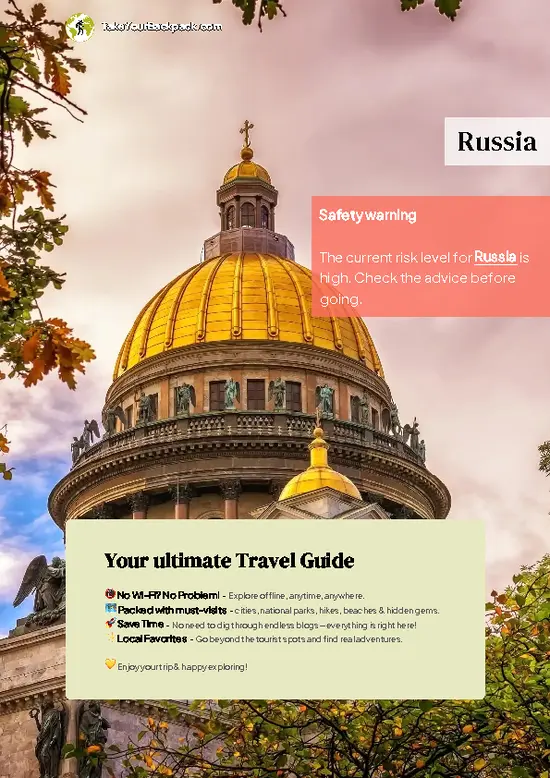
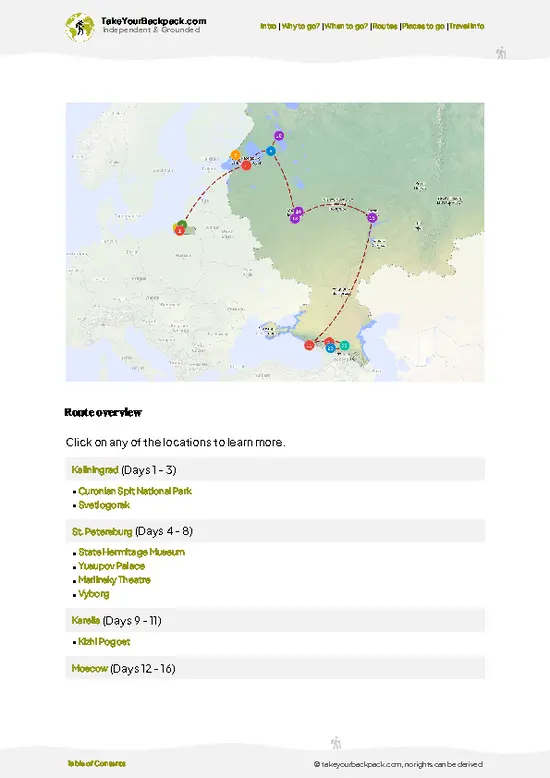
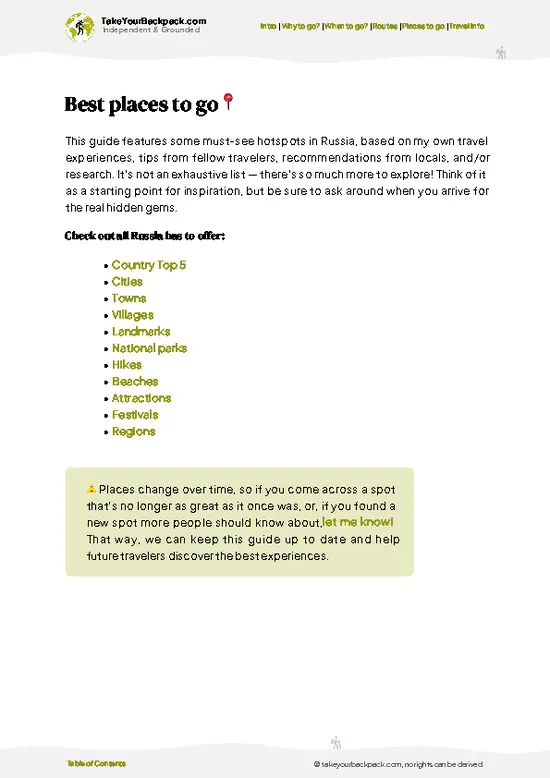
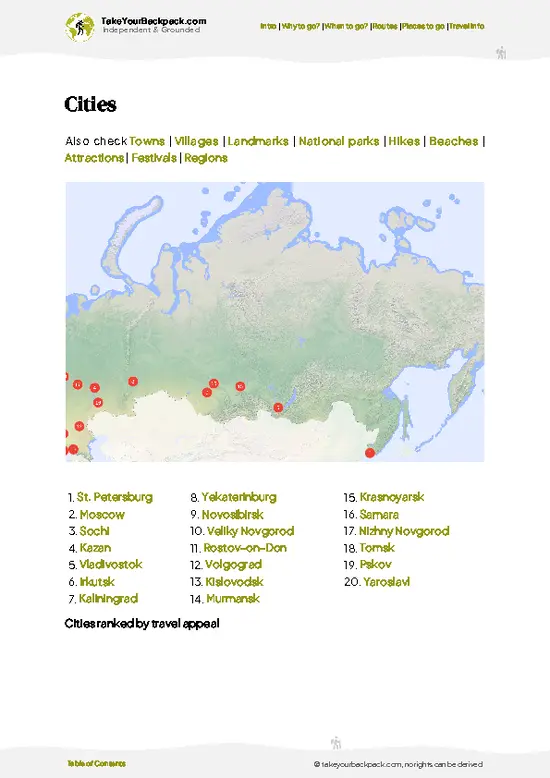
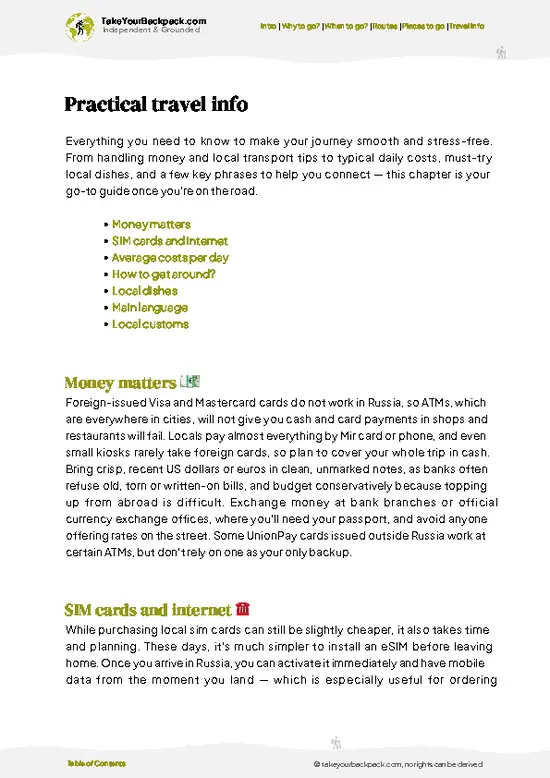
example page 0 from our offline Travel Guide for Russia
example page 1 from our offline Travel Guide for Russia
example page 2 from our offline Travel Guide for Russia
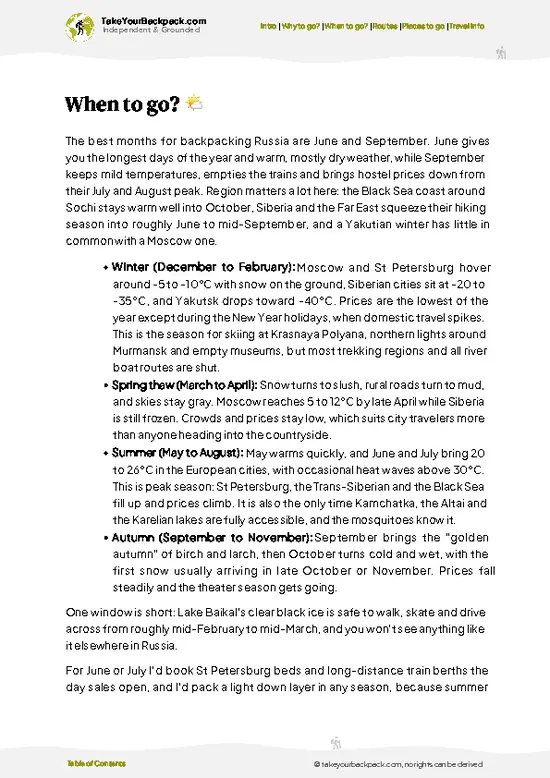
example page 3 from our offline Travel Guide for Russia
example page 4 from our offline Travel Guide for Russia
example page 5 from our offline Travel Guide for Russia
example page 6 from our offline Travel Guide for Russia
example page 7 from our offline Travel Guide for Russia
The digital guide (425 pages) contains:
115 highlights, ranked by travel appeal
Optimized 14, 21 & 30-day travel routes
Cities, national parks, landmarks, beaches
How to get around
Offline-friendly for travel without Wi-Fi
👉 Click to see all 30+ guide features

📅 Plan smarter in minutes, not weeks
Month by month travel advice
Festivals & national holidays
Budget expectations

🗺️ Go to the right places, skip the overrated ones
Honest pros & cons of destinations
Top hikes, parks & viewpoints
Lesser-known places most travelers miss
Clear “worth it vs skip it” guidance

🛏️ Travel smoothly without rookie mistakes
Best areas to stay
Transport systems explained simply
Common scams & safety advice
SIM cards, money & practical tips

🌍 Understand the country, not just visit it
Culture & traditions
52 Essential phrases & customs
Festivals worth planning around
Traveler-friendly historical context
Insights that make places more meaningful

📱 Built for real travel conditions
Fully downloadable PDF
Works completely offline
Optimized for phone use
Useful in remote areas & buses
Everything in one place
Save weeks of stressful planning
Get instant access to your full guide. 30‑day money-back guarantee.


By proceeding you agree to our terms.
Sent to your inbox immediately after payment • 100% Secure Checkout
Best Backpacking Travel Advisor 2025 tourism awardBest Backpacking
Travel Advisor
2025
What others say about Take Your Backpack Guides:
⭐⭐⭐⭐⭐
Fantastic, amazing amount of information!
⭐⭐⭐⭐⭐
My goodness this is amazing, it's what I've been looking for hats off too you!
⭐⭐⭐⭐⭐
I think this is absolutely BRILLIANT
⭐⭐⭐⭐
Very complete and informative. It's still missing places, but I gotta to commend you
⭐⭐⭐⭐⭐
This is truly amazing, thank you, can't wait to explore it with my kids!
⭐⭐⭐⭐⭐
Awesome resource, thank you!
⭐⭐⭐⭐⭐
This is amazing! Can't wait to explore the ones I haven't seen
⭐⭐⭐⭐
I love this! Well done, great idea.
⭐⭐⭐⭐⭐
Thanks for taking the time to make this gem!
⭐⭐⭐⭐⭐
This might be the best website I've ever seen.
⭐⭐⭐⭐⭐
Congratulations, and thank you so much for your work; it's incredibly valuable.
⭐⭐⭐⭐
In all seriousness I think you did a great job pointing out the important spots
⭐⭐⭐⭐⭐
10/10 very good
⭐⭐⭐⭐⭐
As someone who's only just starting to visit regularly this is awesome, thank you.
⭐⭐⭐⭐
Thank you very much! I'm going to visit my dad, it's going to be very useful!
⭐⭐⭐⭐⭐
This is really cool! We'll be travelling for the first time and this definitely come in handy.
⭐⭐⭐⭐⭐
You are now our minister of culture, congratulations 👨‍💼
⭐⭐⭐⭐⭐
Just wanted to tell you that this is a pearl! Going to follow your recommendations.
⭐⭐⭐⭐⭐
This is so cool. I'll definitely be using the resource for my travels soon.
⭐⭐⭐⭐⭐
This is very impressive! Good work.
⭐⭐⭐⭐⭐
This is an amazing and informative site. Very well done!

🛏️ Where to stay?Accommodation Highlights

Yes — hostels and budget guesthouses are common in Russia’s main cities and tourist hubs such as Moscow, St. Petersburg, Kazan, Irkutsk (for Baikal) and Sochi, so backpackers can usually find cheap beds in city centres and near train stations.
In Moscow the densest options sit around Arbat, Kitai‑Gorod, Tverskaya and the rail‑terminal area near Komsomolskaya; in St. Petersburg most budget places cluster on Nevsky Prospekt, in Admiralteysky district and on Vasilievsky / Petrogradsky islands, while regional cities concentrate choices in central districts and beside main stations.
Pros and cons: Arbat/Kitai = best for Red Square access and tourist services but crowded and pricier; Tverskayaread more 👉
Yes — hostels and budget guesthouses are common in Russia’s main cities and tourist hubs such as Moscow, St. Petersburg, Kazan, Irkutsk (for Baikal) and Sochi, so backpackers can usually find cheap beds in city centres and near train stations.
In Moscow the densest options sit around Arbat, Kitai‑Gorod, Tverskaya and the rail‑terminal area near Komsomolskaya; in St. Petersburg most budget places cluster on Nevsky Prospekt, in Admiralteysky district and on Vasilievsky / Petrogradsky islands, while regional cities concentrate choices in central districts and beside main stations.
Pros and cons: Arbat/Kitai = best for Red Square access and tourist services but crowded and pricier; Tverskaya = excellent transport and nightlife, busier and less quiet; Komsomolskaya = cheapest and ideal for train connections but noisy; Nevsky/Admiralteysky = immediate museum/nightlife access yet very touristy; Vasilievsky/Petrogradsky = calmer and more local but a bit farther from flagship sights; central/station areas in regional towns = economical and practical for transit but often noisy and lower on atmosphere.

If you enjoy meeting fellow travelers, consider choosing hostels with high ratings for atmosphere. On the other hand, if you prefer having your own space, a hotel might be a better option.

RussiaSee More of Russia

👋 Meet the founderWho’s Behind Take Your Backpack?

Johan, backpacker and founder of TakeYourBackpackHi, I’m Johan (Netherlands 🇳🇱), the creator of TakeYourBackpack. Over the past decade, I’ve backpacked through 80+ countries across six continents, gaining extensive experience with independent travel, long-term trips, and overland routes.

This site is built on a combination of firsthand travel experience and carefully curated insights from other backpackers. Many guides are based on places I’ve personally visited, while others bring together tips, observations, and practical advice shared by trusted travelers I’ve met along the way.

The goal is to provide realistic, experience-driven guidance — not generic itineraries — so you can explore destinations with better context, clearer expectations, and more confidence.

Get full Russia guide •
Instant download • 115 highlights • Full Offline guide