How many landmarks to plan: For a trip of two to three weeks I would advise choosing
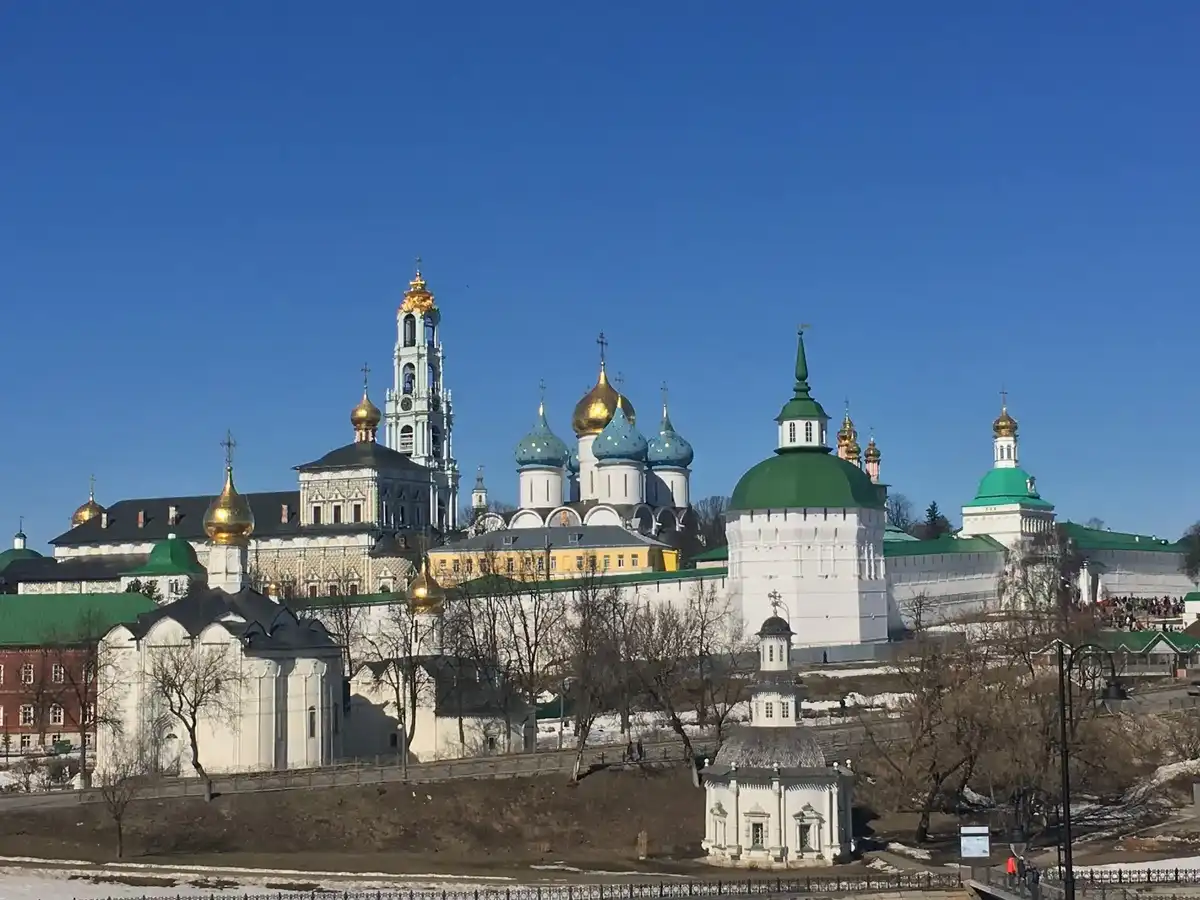
6 to 9 landmarks, not more. Russian sites are large, and the major museums and palace complexes alone can fill half a day or more each. Distances absorb the remaining time. A pace of one major landmark a day, with a lighter day after every long journey, keeps the trip enjoyable and leaves room for the unplanned. Travelers who try to tick off 15 or 20 usually end up seeing the inside of trains and the outside of everything else.
Prioritizing by travel style: Match the kind of landmark to your tolerance for logistics. If you like
history and architecture, concentrate on the western cities and the Golden Ring, where transport is frequent and prices are lowest per site. If you want
nature and space, commit to one …
read more 👉 How many landmarks to plan: For a trip of two to three weeks I would advise choosing 6 to 9 landmarks, not more. Russian sites are large, and the major museums and palace complexes alone can fill half a day or more each. Distances absorb the remaining time. A pace of one major landmark a day, with a lighter day after every long journey, keeps the trip enjoyable and leaves room for the unplanned. Travelers who try to tick off 15 or 20 usually end up seeing the inside of trains and the outside of everything else.Prioritizing by travel style: Match the kind of landmark to your tolerance for logistics. If you like history and architecture, concentrate on the western cities and the Golden Ring, where transport is frequent and prices are lowest per site. If you want nature and space, commit to one region in Siberia or the Far East and give it enough days, since a rushed visit to a remote area costs a lot for very little. If you travel on a tight budget, prefer regional cities, where entry fees and hostels cost much less than in the capitals. If you have limited time, skip the long-distance Siberian leg and spend it on depth in the west instead.Daily budget: A backpacker in Moscow or St Petersburg should plan for roughly 4,000 to 7,000 rubles a day (about US$45 to 80), covering a dorm bed, public transport, cheap meals and one or two entries. In regional cities, 2,500 to 4,500 rubles (about US$28 to 50) is realistic. Dorm beds cost about 800 to 1,800 rubles (US$9 to 20). Metro rides cost roughly 60 to 90 rubles. Remote regions such as Kamchatka run well above this, often 10,000 rubles (US$110) a day or more once guides and transfers are included.Per visit costs: Major museums and palace complexes charge foreigners about 500 to 1,500 rubles (US$6 to 17), and some have separate, higher foreigner pricing or extra charges for particular halls and exhibitions. Smaller regional museums and monasteries are often 100 to 400 rubles (US$1 to 4.50). Audio guides cost around 300 to 600 rubles. A private guide for half a day runs about 8,000 to 15,000 rubles (US$90 to 165), and a group tour is much cheaper. Booking tickets for the largest sites online in advance avoids the costly time spent in queues, which in summer can exceed an hour.Costs and delays that catch travelers out: Payment is the biggest trap. Foreign-issued cards generally do not work, and ATMs will not dispense cash against them, so arrive with enough money, exchange it only at banks or official exchange points, and keep a reserve. Using a taxi app instead of street taxis avoids inflated fares near stations and major sights. Another delay is the foreigner registration requirement: hotels and hostels handle it, but private rentals may not, so choose registered lodging. Keep your passport and migration card details with you, since police do check documents, particularly on trains and in the capitals.Safety and conduct at sites: Petty theft occurs in crowded metro cars and at tourist hubs, so keep valuables in front pockets. Check your government’s travel advice for current conditions, particularly for areas near the Ukrainian border and in the North Caucasus, and avoid those regions. Mobile internet is occasionally restricted in some areas, so download offline maps and a translation app with Russian installed before you leave. Do not photograph military installations, government buildings, bridges or railway infrastructure where signs forbid it, as officers can detain people over this.
At working churches and monasteries, women should cover their heads and shoulders and wear a skirt below the knee, and men should remove hats. Photography during services is often restricted. Speak quietly and do not walk through a service. At war memorials and cemeteries, treat the site seriously. Political discussion with strangers is best avoided, and comments on current events are better left unspoken.Smaller traps: Many museums close one day a week and stop selling tickets 30 to 60 minutes before closing, so check hours the day before. Cloakrooms are mandatory in most museums, are usually free, and are required for large backpacks, so travel with a small day bag. In winter, wear layers and insulated boots, as an unprepared day outdoors at -15°C costs you the day. Leave a day's margin before any international flight, since trains and domestic flights run late in snow.



 Best Backpacking
 Hi, I’m Johan (Netherlands 🇳🇱), the creator of TakeYourBackpack. Over the past 3 decades, I’ve backpacked through 90+ countries across six continents, gaining extensive experience with independent travel, long-term trips, and overland routes.