×

South Korea🇰🇷 | best hikesThe 12 Top hikes in South Korea

In South Korea, hiking is more than just a pastime; it’s a cultural cornerstone. The best hikes vary dramatically across regions, influenced by altitude, season, and local traditions. For instance, the rugged Seoraksan National Park offers challenging trails with breathtaking views, ideal for seasoned backpackers seeking a thrill. In contrast, the gentle slopes of Bukhansan are perfect for those easing into independent travel.

Understanding the difficulty of each trail is crucial. Some paths demand stamina and experience, while others welcome beginners. Seasonal changes also play a significant role; spring blooms and autumn foliage can transform the same trail into entirely different experiences.

Choosing wisely impacts not just your budget and safety, but also your overall vibe. A well-planned hike enhances cultural immersion, allowing you to connect with local communities and traditions. In South Korea, the right trail can turn a simple hike into a profound journey.

By Johan Kruseman 🇳🇱 | Updated September 4, 2026
Explore the best beaches in South Korea

Why go?Key Factors That Shape the Experience

Hiking in South Korea offers a unique blend of terrain variety, altitude, and trail infrastructure that sets it apart from other countries. The landscape is a patchwork of mountains, valleys, and coastal paths, providing options for every skill level. The Baekdu-daegan, a mountain range that runs through the country, creates a natural backbone, allowing for hikes that range from gentle slopes to challenging ascents. This diversity means that hikers can choose between routes that reward them with breathtaking views or those that offer a more intimate experience with nature.

The trail infrastructure in South Korea is exceptionally well-developed. Well-marked paths, rest areas, and facilities are common, making it easier for hikers to navigate and enjoy their journey. However, this convenience … read more 👉
Hiking in South Korea offers a unique blend of terrain variety, altitude, and trail infrastructure that sets it apart from other countries. The landscape is a patchwork of mountains, valleys, and coastal paths, providing options for every skill level. The Baekdu-daegan, a mountain range that runs through the country, creates a natural backbone, allowing for hikes that range from gentle slopes to challenging ascents. This diversity means that hikers can choose between routes that reward them with breathtaking views or those that offer a more intimate experience with nature.

The trail infrastructure in South Korea is exceptionally well-developed. Well-marked paths, rest areas, and facilities are common, making it easier for hikers to navigate and enjoy their journey. However, this convenience comes with trade-offs. Popular trails can become crowded, especially during peak seasons, which may detract from the immersive experience many seek. Understanding the seasonal dynamics is crucial; spring and autumn offer stunning foliage but can also attract larger crowds, while winter hikes may present safety challenges due to icy conditions.

Logistics play a significant role in the hiking experience. Travel time to trailheads can vary widely, impacting how deeply one can explore the surrounding areas. While some trails are easily accessible via public transport, others require more effort to reach, which can limit the time spent on the trail itself. This balance between accessibility and depth of exploration is essential for planning a fulfilling hiking trip.

Culturally, hiking is ingrained in South Korean society, often seen as a communal activity. This cultural aspect enhances the experience but also means that hikers should be prepared for a social environment on popular trails. Understanding these nuances allows for a more rewarding hiking experience, turning logistics into a strategic game where every choice enhances the adventure.
Our Approach to Ranking
The list of best hikes in South Korea is created based on scenery, challenge, trail quality, landmarks, and overall enjoyment. If you feel a hike is missing in this list, please let us know.

When to go?Optimal Periods for Travel

Seasonality and Hiking Conditions


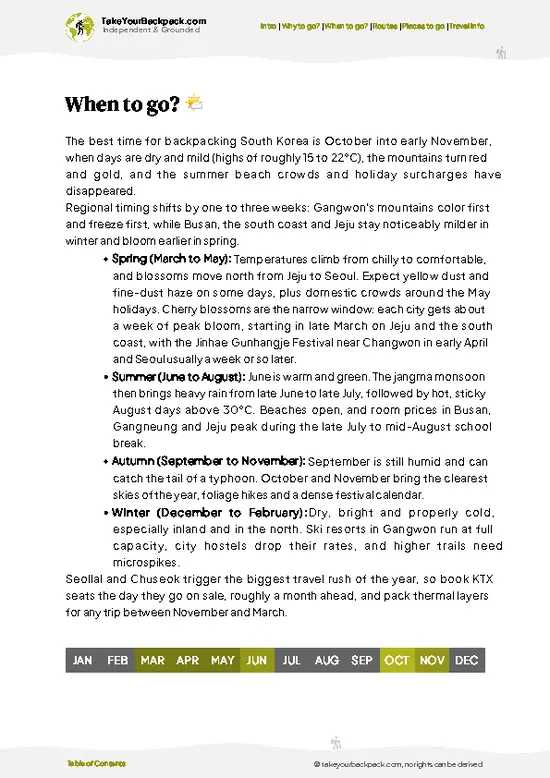
Understanding when to hike in South Korea hinges on grasping the country’s diverse climate and terrain. The best hiking experiences align with optimal weather conditions, which vary significantly throughout the year.

Spring, particularly from late March to May, offers mild temperatures and blooming flora. Daylight hours increase, providing ample time for exploration. However, early spring can still bring chilly winds, especially at higher altitudes. This season is ideal for those seeking vibrant landscapes without the summer crowds.

Summer, spanning June to August, introduces heat and humidity. Rainfall peaks during this period, particularly in July. While trails are accessible, the risk of slippery paths and sudden storms can complicate plans. For those … read more 👉

Seasonality and Hiking Conditions


Understanding when to hike in South Korea hinges on grasping the country’s diverse climate and terrain. The best hiking experiences align with optimal weather conditions, which vary significantly throughout the year.

Spring, particularly from late March to May, offers mild temperatures and blooming flora. Daylight hours increase, providing ample time for exploration. However, early spring can still bring chilly winds, especially at higher altitudes. This season is ideal for those seeking vibrant landscapes without the summer crowds.

Summer, spanning June to August, introduces heat and humidity. Rainfall peaks during this period, particularly in July. While trails are accessible, the risk of slippery paths and sudden storms can complicate plans. For those willing to brave the elements, summer hikes can reveal lush greenery and vibrant wildlife.

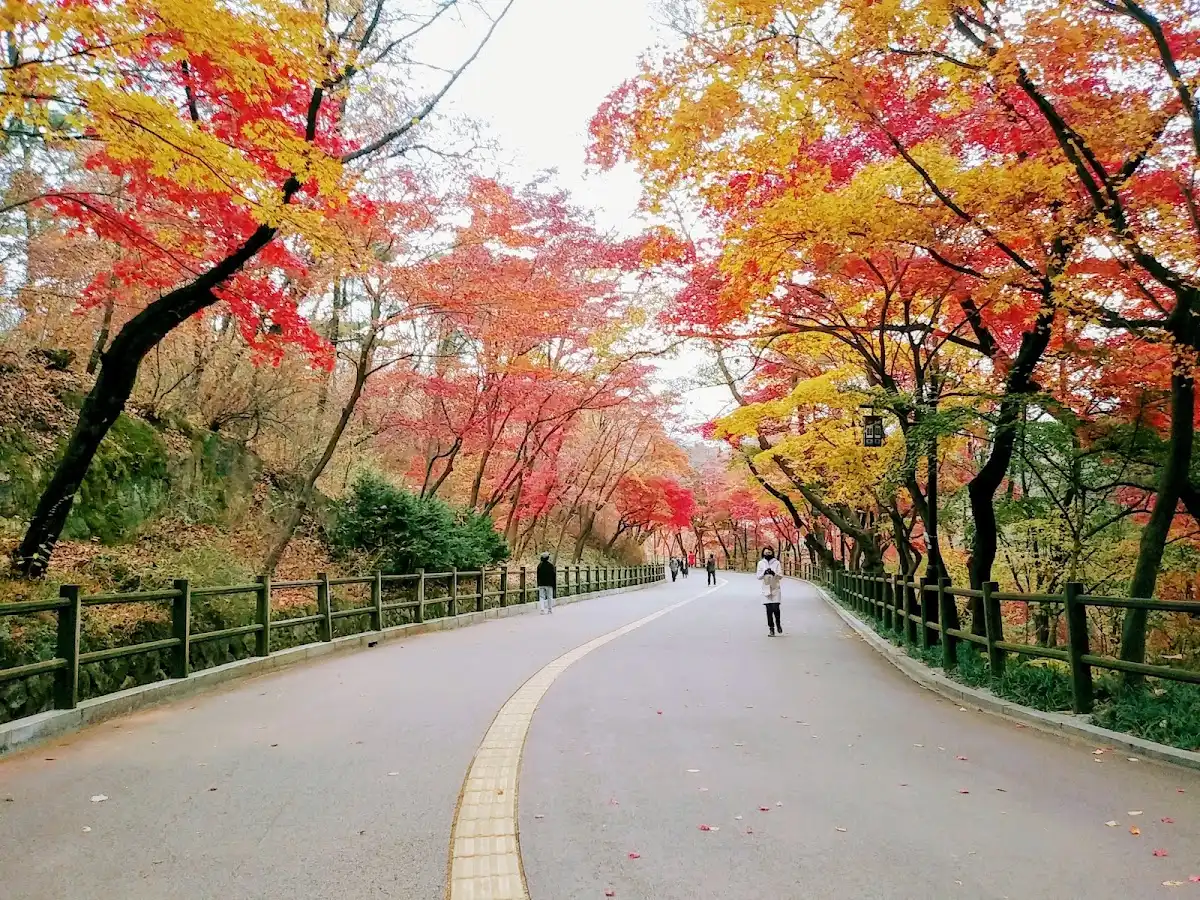
Autumn, from September to November, is often regarded as the prime hiking season. Temperatures cool, and the fall foliage transforms landscapes into a palette of reds and golds. Daylight remains generous, allowing for longer hikes. However, this is also a peak tourist season, leading to busier trails.

Winter, particularly December through February, presents a different challenge. Snow can blanket higher elevations, making trails treacherous. While lower-altitude hikes remain accessible, cold temperatures require careful planning for safety and recovery needs.

Shoulder seasons, like late spring and early fall, offer a balance. Crowds thin out, and costs may drop, but weather can be unpredictable. Travelers should prepare for sudden changes in conditions, especially at varying altitudes.

In summary, aligning hiking plans with seasonal patterns enhances safety and enjoyment. Understanding these dynamics allows for a more strategic approach to exploring South Korea’s trails.

hike hoppingSuggested Travel Strategies

General Routing Logic

To efficiently combine hikes across South Korea, start by clustering regions. The country’s mountainous terrain lends itself to natural groupings. For example, the Seoraksan and Odaesan areas in the northeast can be tackled together, while the Jirisan and Naejangsan parks in the southwest offer another cluster. This minimizes travel time and maximizes hiking opportunities.

Typical Time Needed

Allocate at least two to three days per major hiking area. This allows for recovery time, which is crucial given the varying altitudes and trail difficulties. For instance, after a strenuous hike in Seoraksan, a day of lighter trails or rest can help maintain energy levels for the next leg of the journey.

Common Planning Mistakes

Many travelers underestimate the physical demands … read more 👉

General Routing Logic

To efficiently combine hikes across South Korea, start by clustering regions. The country’s mountainous terrain lends itself to natural groupings. For example, the Seoraksan and Odaesan areas in the northeast can be tackled together, while the Jirisan and Naejangsan parks in the southwest offer another cluster. This minimizes travel time and maximizes hiking opportunities.

Typical Time Needed

Allocate at least two to three days per major hiking area. This allows for recovery time, which is crucial given the varying altitudes and trail difficulties. For instance, after a strenuous hike in Seoraksan, a day of lighter trails or rest can help maintain energy levels for the next leg of the journey.

Common Planning Mistakes

Many travelers underestimate the physical demands of South Korea’s trails. A common pitfall is over-scheduling hikes without considering recovery. Each hike can range from moderate to strenuous, and the cumulative fatigue can hinder enjoyment. Prioritize quality over quantity; a few well-paced hikes will yield a richer experience than a rushed itinerary.

Trade-offs and Constraints

Balancing speed with depth of experience is key. While it may be tempting to cover more ground quickly, this often sacrifices the immersive experience of each location. Budget constraints may also influence accommodation choices. Opt for guesthouses or local stays to enhance cultural engagement, even if it means a slightly longer travel time between hikes.

Pacing Strategies

Adopt a flexible approach to pacing. Start with easier trails to acclimate, then gradually tackle more challenging hikes. This strategy not only optimizes energy but also enhances scenic rewards. Always leave room for spontaneous detours; the best views often lie off the beaten path.

The ListTop hikes of South Korea

1 Seoraksan Ulsanbawi Rock Trail

granite spires, metal stair ascent, sweeping valleys

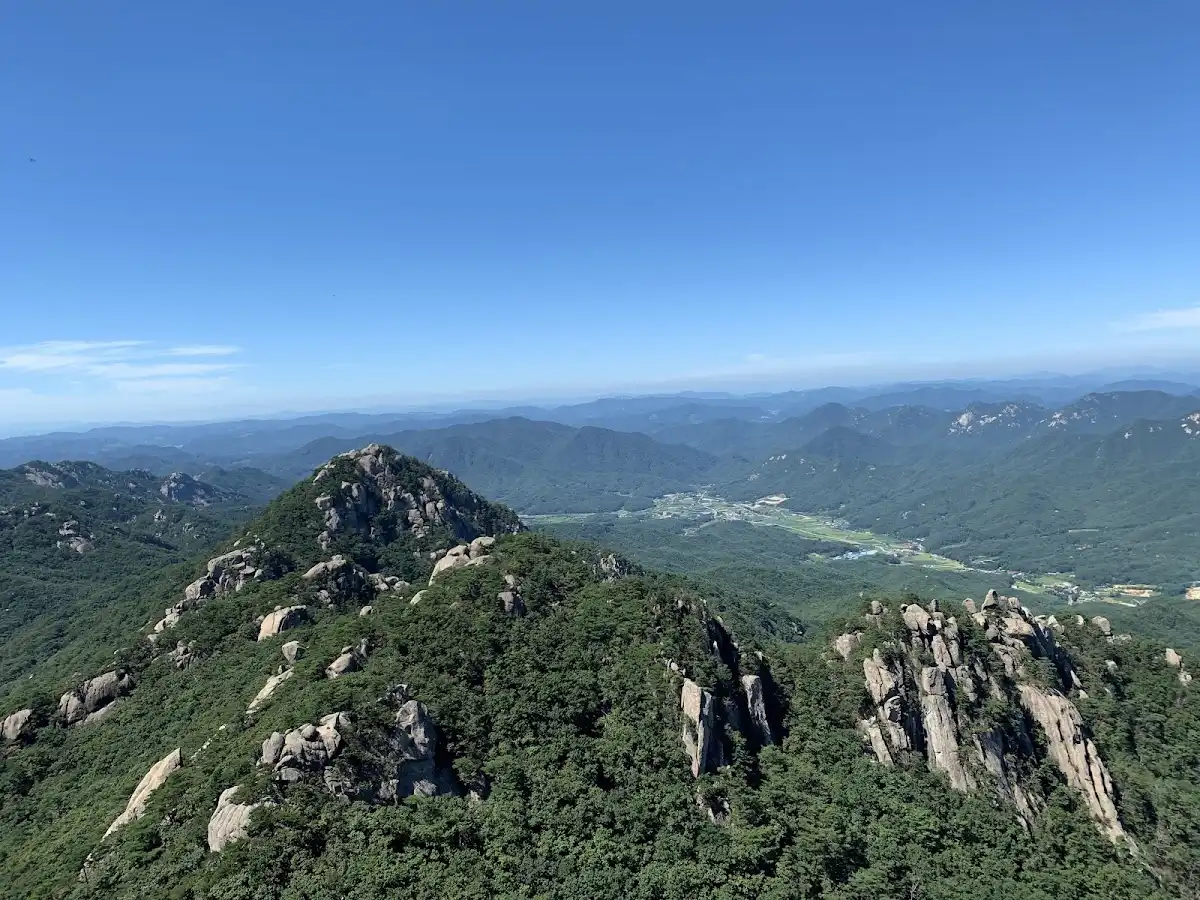
Navigate a steep stairway to reach the jagged Ulsanbawi ridge, where exposed rock faces offer wide views over forested valleys and distant peaks.

south-korea-hike-seoraksan-ulsanbawi-rock-trail
© Google |

2 Hallasan

volcanic crater, alpine flora, shifting weather

Climb South Korea’s highest peak for a changing landscape of lava fields, rare plants, and a summit crater often shrouded in mist.

south-korea-hike-hallasan
© Google |

3 Jeju Olle Trail

coastal paths, stone walls, rural villages

Follow a network of marked footpaths circling Jeju Island, passing through tangerine orchards, seaside cliffs, and quiet hamlets far from city noise.

4 Gyeongju Namsan Mountain Trail

burial mounds, Buddhist carvings, rolling hills

Traverse gentle slopes scattered with historic sites, from weathered stone Buddhas to grassy tombs, all set in a landscape shaped by centuries.

5 Namsan Mountain Trail

city skyline, woodland paths, ancient pagodas

Walk shaded trails above Seoul, weaving between pine groves and centuries-old relics, with frequent glimpses of the urban landscape below.

south-korea-hike-namsan-mountain-trail
© Google |

6 Saryangdo Island Trail

island ridges, suspension bridges, open sea panoramas

Cross narrow ridgelines and swaying bridges high above the sea, with every turn revealing new island and ocean vistas.

7 Songnisan Beopjusa Temple Trail

Buddhist temple, forested ridges, stone lanterns

Approach a sprawling temple complex nestled in dense woods, then continue along ridgelines dotted with carved statues and mossy stonework.

south-korea-hike-songnisan-beopjusa-temple-trail
© Google |

8 Juwangsan Daejeonsa Temple Trail

narrow gorges, tranquil temple, cliffside stairs

Wind through tight canyons and forested slopes to a quiet temple, with the route marked by stone steps and dramatic rock walls.

south-korea-hike-juwangsan-daejeonsa-temple-trail
© Google |

9 Yeongnam Alps Yeongnamjeilbong Trail

open ridgelines, wildflowers, distant sea views

Hike exposed mountain crests where wind and wildflowers shape the scenery, with occasional glimpses of the East Sea on clear days.

10 Taebaeksan Cheonjedan Altar Trail

sacred summit, wind-swept plateau, winter rime

Reach a high-altitude plateau where ancient altars stand exposed to the elements, especially striking when frost coats the twisted junipers.

11 Geumosan

sheer cliffs, waterfall basin, cable car views

Ascend through forested slopes and rocky outcrops to reach panoramic lookouts, with a detour to a cool mountain pool below a dramatic cascade.

12 Danyang Dodamsambong Peaks Trail

river bends, limestone pillars, scenic overlooks

Walk riverside trails to viewpoints above the Namhangang, where three iconic rock spires rise sharply from the water’s edge.

south-korea-hike-danyang-dodamsambong-peaks-trail
© Google |
Loading the map 🌍

Expert viewTips and Advice from Travelers

Trail Logistics

South Korea’s hiking scene is a tapestry of diverse landscapes, from rugged mountains to serene coastal paths. To maximize your experience, aim for at least three to five hikes, each offering a unique flavor of the country’s natural beauty. This variety not only keeps your adventure fresh but also allows you to gauge your stamina and preferences.

Consider the logistics of each hike. Many trails are well-marked and accessible via public transport, but some require a bit of planning. For instance, while the popular trails might be busier, they often come with better facilities and clearer signage. Conversely, lesser-known paths can offer solitude but may lack the same level of infrastructure. Always check local transport schedules; they can be sporadic, especially in rural … read more 👉

Trail Logistics

South Korea’s hiking scene is a tapestry of diverse landscapes, from rugged mountains to serene coastal paths. To maximize your experience, aim for at least three to five hikes, each offering a unique flavor of the country’s natural beauty. This variety not only keeps your adventure fresh but also allows you to gauge your stamina and preferences.

Consider the logistics of each hike. Many trails are well-marked and accessible via public transport, but some require a bit of planning. For instance, while the popular trails might be busier, they often come with better facilities and clearer signage. Conversely, lesser-known paths can offer solitude but may lack the same level of infrastructure. Always check local transport schedules; they can be sporadic, especially in rural areas.

Altitude and Recovery

South Korea’s mountains can reach impressive heights, with some trails climbing steeply. Altitude can affect your pacing and recovery. If you’re not acclimatized, start with lower elevations and gradually work your way up. This approach not only helps your body adjust but also allows you to appreciate the changing scenery without feeling overwhelmed.

Recovery is crucial. After a long day on the trails, consider indulging in a local jjimjilbang (Korean spa). It’s a fantastic way to soothe sore muscles and immerse yourself in local culture. Just remember, while the hot baths are inviting, don’t overdo it—your body needs time to recover, especially after a strenuous hike.

Difficulty and Pacing

Difficulty levels can vary significantly across trails. Some may be labeled as “easy” but can still present challenges, such as uneven terrain or sudden elevation changes. Familiarize yourself with the trail ratings and read recent hiker reviews for insights.

Pacing is key. A common mistake is to underestimate how long a hike will take. Factor in breaks for hydration and snacks, as well as time to soak in the views. A good rule of thumb is to plan for about 2-3 kilometers per hour on moderate trails, adjusting for elevation and your fitness level. If you’re hiking with a group, keep the slowest pace in mind to ensure everyone enjoys the journey.

Planning and Prioritizing

When planning your hikes, prioritize based on your interests and physical condition. If you’re drawn to cultural experiences, consider trails that lead to historical sites or temples. If you crave nature, seek out paths that traverse diverse ecosystems.

Seasonality also plays a role. Spring and autumn offer stunning foliage, while summer can bring heat and humidity. Winter hikes can be magical but require proper gear and caution due to icy conditions. Always check weather forecasts and trail conditions before heading out.

Regional Variation

South Korea’s geography influences the hiking experience. The southern regions, like Jeju Island, feature volcanic landscapes and coastal trails, while the northern areas boast rugged mountains. Each region has its own character, so consider what type of scenery excites you most.

Cultural nuances also come into play. In some areas, you might encounter local festivals or events that coincide with your hike. Engaging with locals can enhance your experience, but be mindful of cultural norms, especially in more traditional settings.

Safety and Cultural Considerations

Safety should always be a priority. Carry a basic first-aid kit, stay hydrated, and inform someone of your hiking plans. Mobile reception can be spotty in remote areas, so consider downloading offline maps.

Respect local customs and the environment. South Korea places a strong emphasis on cleanliness, so pack out what you pack in. This not only preserves the beauty of the trails but also fosters goodwill with local communities.

In summary, hiking in South Korea is a rewarding endeavor that requires thoughtful planning and an understanding of the landscape. By focusing on logistics, pacing, and cultural nuances, you can transform your hiking experience into a well-rounded adventure that resonates long after the trail ends. Embrace the journey, and let the trails reveal their stories to you.

✈️ The backpacker research shortcutSouth Korea Travel Guide

An offline-friendly backpacking guide with optimized travel routes, ranked highlights, transport advice, and the best areas to stay.
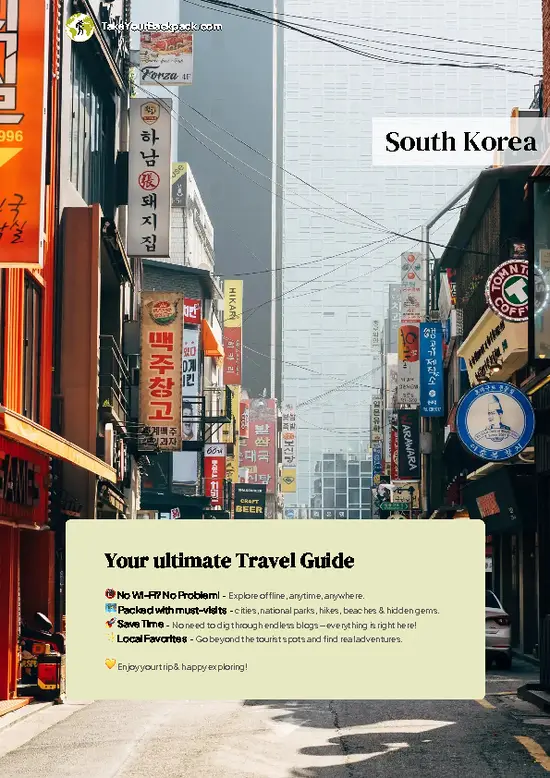
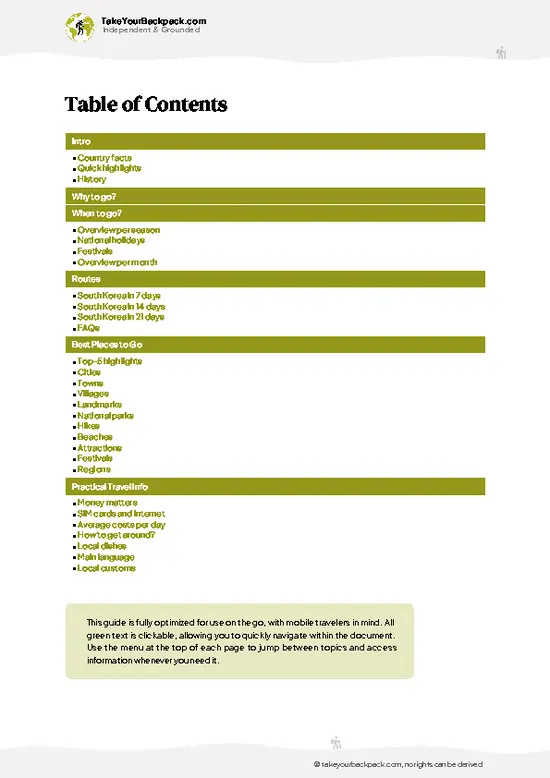
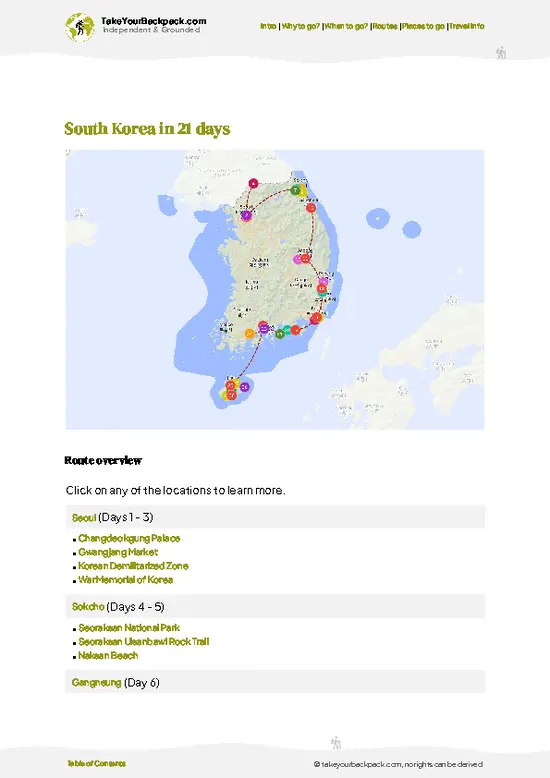
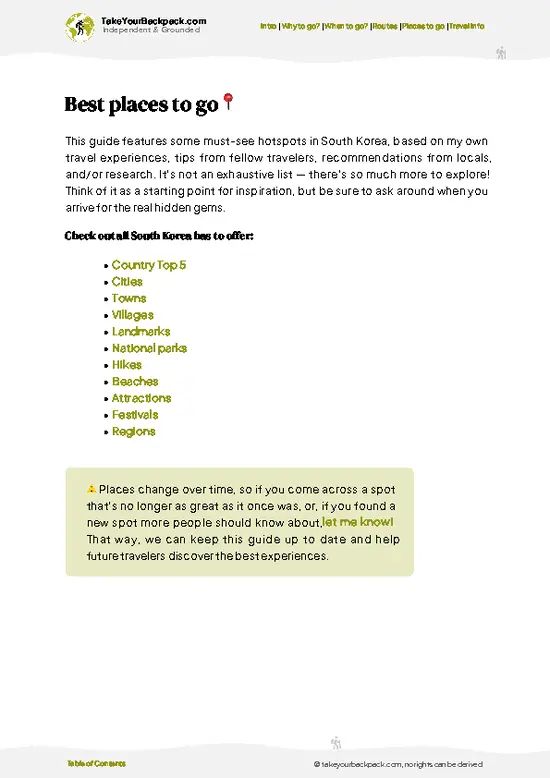
example page 0 from our offline Travel Guide for South Korea
example page 1 from our offline Travel Guide for South Korea
example page 2 from our offline Travel Guide for South Korea
example page 3 from our offline Travel Guide for South Korea
example page 4 from our offline Travel Guide for South Korea
example page 5 from our offline Travel Guide for South Korea
example page 6 from our offline Travel Guide for South Korea
example page 7 from our offline Travel Guide for South Korea
The digital guide (439 pages) contains:
124 highlights, ranked by travel appeal
Optimized 7, 14 & 21-day travel routes
Cities, national parks, landmarks, beaches
How to get around
Offline-friendly for travel without Wi-Fi
👉 Click to see all 30+ guide features

📅 Plan smarter in minutes, not weeks
Month by month travel advice
Festivals & national holidays
Budget expectations

🗺️ Go to the right places, skip the overrated ones
Honest pros & cons of destinations
Top hikes, parks & viewpoints
Lesser-known places most travelers miss
Clear “worth it vs skip it” guidance

🛏️ Travel smoothly without rookie mistakes
Best areas to stay
Transport systems explained simply
Common scams & safety advice
SIM cards, money & practical tips

🌍 Understand the country, not just visit it
Culture & traditions
52 Essential phrases & customs
Festivals worth planning around
Traveler-friendly historical context
Insights that make places more meaningful

📱 Built for real travel conditions
Fully downloadable PDF
Works completely offline
Optimized for phone use
Useful in remote areas & buses
Everything in one place
Save weeks of stressful planning
Get instant access to your full guide. 30‑day money-back guarantee.
+ Add another guide for just US$7.80

By proceeding you agree to our terms.
Sent to your inbox immediately after payment • 100% Secure Checkout
Best Backpacking Travel Advisor 2025 tourism awardBest Backpacking
Travel Advisor
2025
What others say about Take Your Backpack Guides:
⭐⭐⭐⭐⭐
Fantastic, amazing amount of information!
⭐⭐⭐⭐⭐
My goodness this is amazing, it's what I've been looking for hats off too you!
⭐⭐⭐⭐⭐
I think this is absolutely BRILLIANT
⭐⭐⭐⭐
Very complete and informative. It's still missing places, but I gotta to commend you
⭐⭐⭐⭐⭐
This is truly amazing, thank you, can't wait to explore it with my kids!
⭐⭐⭐⭐⭐
Awesome resource, thank you!
⭐⭐⭐⭐⭐
This is amazing! Can't wait to explore the ones I haven't seen
⭐⭐⭐⭐
I love this! Well done, great idea.
⭐⭐⭐⭐⭐
Thanks for taking the time to make this gem!
⭐⭐⭐⭐⭐
This might be the best website I've ever seen.
⭐⭐⭐⭐⭐
Congratulations, and thank you so much for your work; it's incredibly valuable.
⭐⭐⭐⭐
In all seriousness I think you did a great job pointing out the important spots
⭐⭐⭐⭐⭐
10/10 very good
⭐⭐⭐⭐⭐
As someone who's only just starting to visit regularly this is awesome, thank you.
⭐⭐⭐⭐
Thank you very much! I'm going to visit my dad, it's going to be very useful!
⭐⭐⭐⭐⭐
This is really cool! We'll be travelling for the first time and this definitely come in handy.
⭐⭐⭐⭐⭐
You are now our minister of culture, congratulations 👨‍💼
⭐⭐⭐⭐⭐
Just wanted to tell you that this is a pearl! Going to follow your recommendations.
⭐⭐⭐⭐⭐
This is so cool. I'll definitely be using the resource for my travels soon.
⭐⭐⭐⭐⭐
This is very impressive! Good work.
⭐⭐⭐⭐⭐
This is an amazing and informative site. Very well done!

🛏️ Where to stay?Where to Stay in South Korea

Yes — hostels and budget accommodation are widely available across South Korea, concentrated in Seoul (Hongdae, Myeongdong, Itaewon, Gangnam), Busan (Haeundae, Seomyeon) and Jeju City.
Hongdae: very cheap and packed with nightlife but noisy late; Myeongdong: central, excellent transport and shopping yet touristy and slightly pricier; Itaewon: international food and late-night scene but can be rowdy; Gangnam: modern, well-connected and safer-feeling, though higher-priced and fewer traditional hostels; Haeundae: beach access and many guesthouses but crowded in summer; Seomyeon: transport hub with lots of budget options but busy and urban; Jeju City: best base for island travel and quieter off-season … read more 👉
Yes — hostels and budget accommodation are widely available across South Korea, concentrated in Seoul (Hongdae, Myeongdong, Itaewon, Gangnam), Busan (Haeundae, Seomyeon) and Jeju City.
Hongdae: very cheap and packed with nightlife but noisy late; Myeongdong: central, excellent transport and shopping yet touristy and slightly pricier; Itaewon: international food and late-night scene but can be rowdy; Gangnam: modern, well-connected and safer-feeling, though higher-priced and fewer traditional hostels; Haeundae: beach access and many guesthouses but crowded in summer; Seomyeon: transport hub with lots of budget options but busy and urban; Jeju City: best base for island travel and quieter off-season though hostel choices are fewer and some attractions require longer travel.

If you enjoy meeting fellow travelers, consider choosing hostels with high ratings for atmosphere. On the other hand, if you prefer having your own space, a hotel might be a better option.

South KoreaMore of South Korea

👋 Meet the founderWho’s Behind Take Your Backpack?

Johan, backpacker and founder of TakeYourBackpackHi, I’m Johan (Netherlands 🇳🇱), the creator of TakeYourBackpack. Over the past decade, I’ve backpacked through 80+ countries across six continents, gaining extensive experience with independent travel, long-term trips, and overland routes.

This site is built on a combination of firsthand travel experience and carefully curated insights from other backpackers. Many guides are based on places I’ve personally visited, while others bring together tips, observations, and practical advice shared by trusted travelers I’ve met along the way.

The goal is to provide realistic, experience-driven guidance — not generic itineraries — so you can explore destinations with better context, clearer expectations, and more confidence.

Get full country guide •
Instant download • 124 highlights • Full Offline guide