×

South Sudan🇸🇸 | townsKapoetaToposa settlements, dry savanna, livestock markets | things to do and best time to go

Explore Bahr el GhazalExplore Pibor

Backpacking in Kapoeta
🏆 Top picktown ranked #3
By Johan Kruseman 🇳🇱 | Updated September 3, 2026

Everyone hears about Kapoeta because of the Toposa people and their legendary cattle culture, but if you’re coming for a National Geographic moment, you’ll miss the real pulse. What actually matters here is the rhythm of daily life—the dust rising from the market as goats weave between stalls, the metallic clang of motorbikes, the way the sun turns the low hills gold at dusk. Kapoeta sits in South Sudan’s southeast, near the Kenyan border, a rough-edged town that feels more frontier than destination. For backpackers, it’s not about urban thrills or nightlife (there’s little of either), but about access: Kapoeta is a launchpad for exploring remote villages, wild landscapes, and the raw, unfiltered side of East Africa. It’s practical, not pretty—think basic guesthouses, patchy electricity, and a market that’s more mud than Instagram. You’ll need patience for slow buses and dusty roads, but the payoff is a place where travelers are rare and curiosity runs both ways. Compared to busier Juba or Torit, Kapoeta is quieter, less polished, and more honest. Costs are low, but so are creature comforts. Safety is decent if you keep your wits and respect local rhythms. This isn’t a place for everyone, but if you want to earn your stories, Kapoeta delivers.

Discover everything you want to know in the 📖 South Sudan Travel Guide.
Safety warning

The current risk level for South Sudan is high. Check the advice before going.


Get your South Sudan guide
68 ranked highlights, routes & tips, works offline (270 pages)
Loading the map 🌍
CLICK TO FILTER
cities
towns
landmarks
national parks
hikes
attractions
festivals
regions
SHOW COUNTRY’S BESTSHOW ALL

✨ Why go?
Ranked #3 town in South Sudan
Reasons people choose to visit here

Kapoeta is a gateway for backpackers seeking an authentic South Sudan experience. Its convenient location makes it a perfect base for nearby hikes in the stunning Boma National Park, where the air is thick with the scent of wild grasses and the sounds of nature fill the silence. The town’s walkable streets invite exploration, with small-scale guesthouses and hostels offering a cozy, communal vibe. You’ll find local food stalls serving hearty dishes that warm you from the inside out, perfect after a day of trekking.

Travelers often linger here for a few days, soaking in the friendly atmosphere and connecting with fellow adventurers. It’s a haven for slow travelers and solo explorers who appreciate the chance to engage with locals and fellow backpackers. While nightlife isn’t the main draw, … read more 👉
Kapoeta is a gateway for backpackers seeking an authentic South Sudan experience. Its convenient location makes it a perfect base for nearby hikes in the stunning Boma National Park, where the air is thick with the scent of wild grasses and the sounds of nature fill the silence. The town’s walkable streets invite exploration, with small-scale guesthouses and hostels offering a cozy, communal vibe. You’ll find local food stalls serving hearty dishes that warm you from the inside out, perfect after a day of trekking.

Travelers often linger here for a few days, soaking in the friendly atmosphere and connecting with fellow adventurers. It’s a haven for slow travelers and solo explorers who appreciate the chance to engage with locals and fellow backpackers. While nightlife isn’t the main draw, the sense of community and shared stories over a simple meal can be just as enriching. Kapoeta isn’t just a stop; it’s a place to breathe, connect, and prepare for the next leg of your journey.
Want to include Kapoeta in your South Sudan route?
Create a personalized South Sudan itinerary that includes Kapoeta and the places that fit your trip — based on your travel style, budget, and available time. Get your route in seconds.

Generate my trip

💡 HighlightsWhat this place is best known for

  • Kapoeta Central Market — the town’s beating heart: a chaotic, colourful place where Toposa traders sell millet, sugar, charcoal, beadwork and occasionally livestock; best visited early morning when the biggest bargains and the busiest social life happen.
  • Main Livestock/Kraal Area (cattle market) — not a polished attraction, but essential: see Toposa pastoral culture up close as herders trade cattle, examine stock, haggle over prices and perform traditional rituals around the kraals.
  • Kapoeta Airstrip — a small, unpaved airstrip on the edge of town; useful to visit for a sense of arrival/departure in this remote region and for wide views over the surrounding dry plains at sunrise or sunset.
  • Town Transport Hub / Bus and Truck Stop — the main junction on the road toward Juba and Kenya; lively
read more 👉
  • Kapoeta Central Market — the town’s beating heart: a chaotic, colourful place where Toposa traders sell millet, sugar, charcoal, beadwork and occasionally livestock; best visited early morning when the biggest bargains and the busiest social life happen.
  • Main Livestock/Kraal Area (cattle market) — not a polished attraction, but essential: see Toposa pastoral culture up close as herders trade cattle, examine stock, haggle over prices and perform traditional rituals around the kraals.
  • Kapoeta Airstrip — a small, unpaved airstrip on the edge of town; useful to visit for a sense of arrival/departure in this remote region and for wide views over the surrounding dry plains at sunrise or sunset.
  • Town Transport Hub / Bus and Truck Stop — the main junction on the road toward Juba and Kenya; lively place to watch long-distance trade, meet drivers, and catch a ride — a very practical slice of local life.
  • Local Mission/Parish Compound — the mission church/compound (run by local Christian denominations and NGOs) doubles as a social service center — culturally important and often the most stable place to learn about community projects, schools and healthcare efforts.
  • Kapoeta Primary and Secondary Schools — visiting a school (with permission) gives insight into daily life, language use and youth culture; many schools are community hubs where local traditions meet formal education.
  • Town Clinic / County Hospital — not a tourist spot, but a real window into humanitarian and medical work in Eastern Equatoria; visitors get a strong sense of local resilience and the NGOs that operate here (always ask before entering).
  • Municipal Administration Compound — the county offices and local council area are where politics and community decision-making happen; watching a public meeting or speaking to officials reveals how local governance functions in practice.
  • Neighbourhood Bead and Craft Stalls — scattered around the market and main streets, these small stalls sell Toposa beadwork, leather goods and ornaments — great for affordable, authentic souvenirs and to support local makers directly.
  • Everyday Street Life and Residential Quarters — stroll the shaded lanes and borrow time at a roadside tea stall: simple, everyday interactions with shopkeepers, children, and herders are often the most meaningful experiences you’ll have in Kapoeta.
A few real, visitable highlights just outside Kapoeta that make good day trips include Narus and the Narus Valley to the north, stretches of traditional Toposa grazing country (for extended cultural visits), and routes toward Boma National Park/greater parklands if you have a 4x4 and time.
Spotted a mistake or missing something? Contact us.

🏘️ NeighborhoodsHow different areas shape the experience

Kapoeta is a vibrant hub in South Sudan, offering a unique blend of culture and adventure for backpackers. Here’s how to navigate its neighborhoods effectively.

Central Kapoeta
This area is the heart of the town. You’ll find bustling markets and local eateries, where the scent of grilled meat fills the air. It’s walkable, making it easy to explore on foot. Prices here are reasonable, perfect for budget travelers. The nightlife is low-key, with a few bars where you can sip local brews. Ideal for short stays, you can soak in the local vibe without feeling rushed.

Juba Road
A bit quieter, Juba Road offers a more laid-back atmosphere. It’s lined with guesthouses and small shops, making it suitable for longer stays. The transport access is decent, with shared taxis frequently passing through. … read more 👉
Kapoeta is a vibrant hub in South Sudan, offering a unique blend of culture and adventure for backpackers. Here’s how to navigate its neighborhoods effectively.

Central Kapoeta
This area is the heart of the town. You’ll find bustling markets and local eateries, where the scent of grilled meat fills the air. It’s walkable, making it easy to explore on foot. Prices here are reasonable, perfect for budget travelers. The nightlife is low-key, with a few bars where you can sip local brews. Ideal for short stays, you can soak in the local vibe without feeling rushed.

Juba Road
A bit quieter, Juba Road offers a more laid-back atmosphere. It’s lined with guesthouses and small shops, making it suitable for longer stays. The transport access is decent, with shared taxis frequently passing through. You’ll appreciate the slower pace here, especially if you want to recharge after a day of exploration.

East Kapoeta
This area is more residential, giving you a glimpse into daily life. The vibe is peaceful, with fewer tourists around. It’s less walkable, so be prepared for longer treks or to rely on local transport. While nightlife is minimal, the local community is welcoming. Great for those looking to immerse themselves in the culture for an extended period.

Each neighborhood offers a different slice of Kapoeta, ensuring you can tailor your experience to your travel style.

⌛️ 1 dayWhat you can realistically do in a day

Kapoeta, a vibrant town in South Sudan, pulses with life and culture. It’s a place where the air is thick with the scent of roasted maize and the sounds of laughter echo through the streets. The landscape is a mix of dusty roads and lush greenery, creating a backdrop that feels both rugged and inviting.

Start your day early at the bustling Kapoeta Market. The sun rises, casting a warm glow over stalls brimming with fresh produce and handmade crafts. Engage with local vendors; their stories add depth to your experience. Grab a breakfast of kisra, a traditional flatbread, paired with a spicy sauce. This isn’t just a meal; it’s a taste of the community.

In the afternoon, head towards the Kapoeta River. The walk there is an adventure in itself, with the vibrant colors of local homes lining … read more 👉
Kapoeta, a vibrant town in South Sudan, pulses with life and culture. It’s a place where the air is thick with the scent of roasted maize and the sounds of laughter echo through the streets. The landscape is a mix of dusty roads and lush greenery, creating a backdrop that feels both rugged and inviting.

Start your day early at the bustling Kapoeta Market. The sun rises, casting a warm glow over stalls brimming with fresh produce and handmade crafts. Engage with local vendors; their stories add depth to your experience. Grab a breakfast of kisra, a traditional flatbread, paired with a spicy sauce. This isn’t just a meal; it’s a taste of the community.

In the afternoon, head towards the Kapoeta River. The walk there is an adventure in itself, with the vibrant colors of local homes lining the path. Once you reach the river, take a moment to soak in the tranquility. If you’re feeling adventurous, consider a short hike to the nearby hills. The view from the top is a rewarding panorama of the town and surrounding landscape, a perfect spot for reflection.

As evening approaches, make your way to the outskirts of town to visit the less-traveled village of Narus. Here, you’ll find a genuine slice of life, where you can witness traditional dances and perhaps even join in. The warmth of the community is palpable, and the laughter shared over a communal meal will linger long after you leave.

End your day back in Kapoeta, where the stars blanket the sky. The day may have been filled with challenges, but each moment adds to the rich tapestry of your journey.
Turn your Kapoeta visit into an South Sudan adventure
Build a complete South Sudan route with Kapoeta, hidden gems, must-see destinations, and realistic travel times included.

Generate my trip

🌤️ When to go?Best time to visit Kapoeta


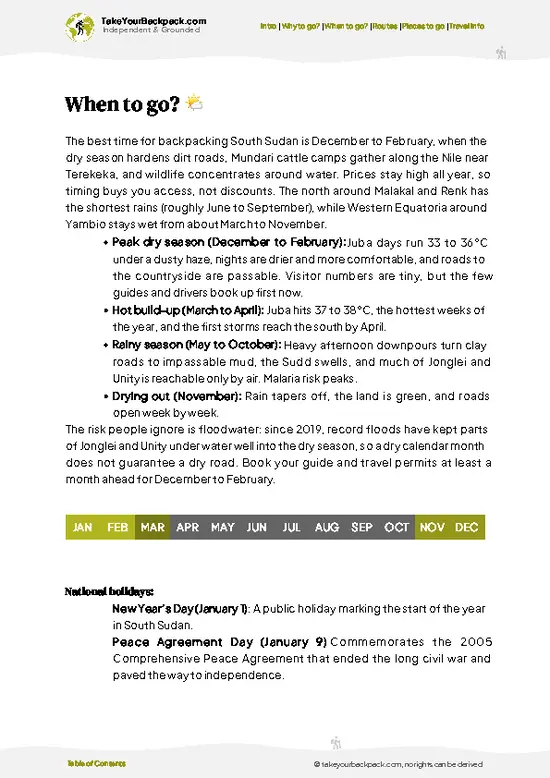
  • Topic: Weather – Kapoeta’s climate swings between a dry season (November to March) and a wet season (April to October). The dry months bring dusty, sun-baked days with temperatures often hitting 35°C (95°F), while the wet season cools things down to around 25°C (77°F) but floods can make roads impassable.

  • Topic: Temperature – Daytime highs in the dry season scorch the skin, so early mornings and late afternoons are your best windows for hiking or exploring. Nights can drop to a surprisingly cool 15°C (59°F), so pack layers. The wet season is milder but sticky, with humidity hovering around 70%.

  • Topic: Daylight Hours – Near the equator, daylight stays steady year-round—about 12 hours. Sunrise is around 6:00 AM, sunset close to 6:00 PM, giving you a reliable rhythm to plan your days without
read more 👉

  • Topic: Weather – Kapoeta’s climate swings between a dry season (November to March) and a wet season (April to October). The dry months bring dusty, sun-baked days with temperatures often hitting 35°C (95°F), while the wet season cools things down to around 25°C (77°F) but floods can make roads impassable.

  • Topic: Temperature – Daytime highs in the dry season scorch the skin, so early mornings and late afternoons are your best windows for hiking or exploring. Nights can drop to a surprisingly cool 15°C (59°F), so pack layers. The wet season is milder but sticky, with humidity hovering around 70%.

  • Topic: Daylight Hours – Near the equator, daylight stays steady year-round—about 12 hours. Sunrise is around 6:00 AM, sunset close to 6:00 PM, giving you a reliable rhythm to plan your days without surprises.

  • Topic: Crowds – Kapoeta isn’t a tourist hotspot, so crowds are minimal year-round. However, local festivals during the dry season can bring a burst of activity and color, offering a rare chance to engage with the community.

  • Topic: Seasonal Activities – The dry season is prime for trekking and cultural visits, as trails are accessible and villages are lively. The wet season invites lush landscapes but limits mobility, turning some routes into muddy challenges better suited for the adventurous.

  • Topic: Price Fluctuations – Expect slightly higher prices during the dry season when travel is easier and demand peaks. The wet season sees a dip in costs but comes with trade-offs in comfort and accessibility.


Pro-tip: Aim for the shoulder months—March or October—when the rains taper off or just begin; you’ll dodge the worst mud, catch vibrant local life, and enjoy cooler, softer light perfect for photography and exploration.


source: climatestotravel.comJANJanuary: highly recommended for travelingFEBFebruary: highly recommended for travelingMARMarch: excellent for travelingAPRApril: good for travelingMAYMay: fair for travelingJUNJune: fair for travelingJULJuly: fair for travelingAUGAugust: fair for travelingSEPSeptember: fair for travelingOCTOctober: excellent for travelingNOVNovember: highly recommended for travelingDECDecember: highly recommended for traveling
when-to-go

✈️ The backpacker research shortcutSouth Sudan Travel Guide

An offline-friendly backpacking guide with optimized travel routes, ranked highlights, transport advice, and the best areas to stay.
example page 0 from our offline Travel Guide for South Sudan
example page 1 from our offline Travel Guide for South Sudan
example page 2 from our offline Travel Guide for South Sudan
example page 3 from our offline Travel Guide for South Sudan
example page 4 from our offline Travel Guide for South Sudan
example page 5 from our offline Travel Guide for South Sudan
example page 6 from our offline Travel Guide for South Sudan
example page 7 from our offline Travel Guide for South Sudan
The digital guide (270 pages) contains:
68 highlights, ranked by travel appeal
Optimized 5, 10 & 15-day travel routes
Cities, national parks, landmarks, beaches
How to get around
Offline-friendly for travel without Wi-Fi
👉 Click to see all 30+ guide features

📅 Plan smarter in minutes, not weeks
Month by month travel advice
Festivals & national holidays
Budget expectations

🗺️ Go to the right places, skip the overrated ones
Honest pros & cons of destinations
Top hikes, parks & viewpoints
Lesser-known places most travelers miss
Clear “worth it vs skip it” guidance

🛏️ Travel smoothly without rookie mistakes
Best areas to stay
Transport systems explained simply
Common scams & safety advice
SIM cards, money & practical tips

🌍 Understand the country, not just visit it
Culture & traditions
52 Essential phrases & customs
Festivals worth planning around
Traveler-friendly historical context
Insights that make places more meaningful

📱 Built for real travel conditions
Fully downloadable PDF
Works completely offline
Optimized for phone use
Useful in remote areas & buses
Everything in one place
Save weeks of stressful planning
Get instant access to your full guide. 30‑day money-back guarantee.
+ Add another guide for just US$7.80

By proceeding you agree to our terms.
Sent to your inbox immediately after payment • 100% Secure Checkout
Best Backpacking Travel Advisor 2025 tourism awardBest Backpacking
Travel Advisor
2025
What others say about Take Your Backpack Guides:
⭐⭐⭐⭐⭐
Fantastic, amazing amount of information!
⭐⭐⭐⭐⭐
My goodness this is amazing, it's what I've been looking for hats off too you!
⭐⭐⭐⭐⭐
I think this is absolutely BRILLIANT
⭐⭐⭐⭐
Very complete and informative. It's still missing places, but I gotta to commend you
⭐⭐⭐⭐⭐
This is truly amazing, thank you, can't wait to explore it with my kids!
⭐⭐⭐⭐⭐
Awesome resource, thank you!
⭐⭐⭐⭐⭐
This is amazing! Can't wait to explore the ones I haven't seen
⭐⭐⭐⭐
I love this! Well done, great idea.
⭐⭐⭐⭐⭐
Thanks for taking the time to make this gem!
⭐⭐⭐⭐⭐
This might be the best website I've ever seen.
⭐⭐⭐⭐⭐
Congratulations, and thank you so much for your work; it's incredibly valuable.
⭐⭐⭐⭐
In all seriousness I think you did a great job pointing out the important spots
⭐⭐⭐⭐⭐
10/10 very good
⭐⭐⭐⭐⭐
As someone who's only just starting to visit regularly this is awesome, thank you.
⭐⭐⭐⭐
Thank you very much! I'm going to visit my dad, it's going to be very useful!
⭐⭐⭐⭐⭐
This is really cool! We'll be travelling for the first time and this definitely come in handy.
⭐⭐⭐⭐⭐
You are now our minister of culture, congratulations 👨‍💼
⭐⭐⭐⭐⭐
Just wanted to tell you that this is a pearl! Going to follow your recommendations.
⭐⭐⭐⭐⭐
This is so cool. I'll definitely be using the resource for my travels soon.
⭐⭐⭐⭐⭐
This is very impressive! Good work.
⭐⭐⭐⭐⭐
This is an amazing and informative site. Very well done!

🛏️ Where to stay?Where staying makes the most sense

In Kapoeta, the best spot for backpackers is the town center, where the pulse of daily life beats strongest. This area is compact, making it easy to navigate on foot, which is a blessing when the sun hangs heavy and the dust settles thick. Staying here means you’re close to local markets, where the scent of fresh sorghum mingles with the earthiness of dried fish, and the chatter of traders creates a lively backdrop. It’s the social hub for travelers and locals alike, so you’ll find a handful of budget guesthouses and informal hostels that cater to solo backpackers looking for connection without … read more 👉
In Kapoeta, the best spot for backpackers is the town center, where the pulse of daily life beats strongest. This area is compact, making it easy to navigate on foot, which is a blessing when the sun hangs heavy and the dust settles thick. Staying here means you’re close to local markets, where the scent of fresh sorghum mingles with the earthiness of dried fish, and the chatter of traders creates a lively backdrop. It’s the social hub for travelers and locals alike, so you’ll find a handful of budget guesthouses and informal hostels that cater to solo backpackers looking for connection without the fuss of luxury.

Compared to the outskirts, where the vibe can feel isolated and the streets less predictable after dark, the town center offers a safer, more welcoming atmosphere. The light here shifts with the rhythm of the day—golden in the morning, harsh by noon, and softening into a cooler glow at dusk—perfect for wandering and striking up conversations. The trade-off is a bit of noise and bustle, but that’s the price of immersion. If you want to tap into Kapoeta’s raw, unfiltered character while keeping your footing steady, this is where you want to drop your pack.

🚌 Getting aroundHow to get from A to B

Kapoeta moves at its own rhythm—less a clock-bound town and more a place where the sun’s heat and the chatter of locals set the pace. The streets pulse with a raw, earthy energy; dust kicks up underfoot, mingling with the scent of fresh coffee and wood smoke. Here, time isn’t measured by strict schedules but by the flow of daily life—markets opening when the light hits just right, vehicles arriving when they’re good and ready. If you want to navigate Kapoeta like a local, you’ll need to embrace this looseness, trading rigid timetables for a more intuitive sense of timing. The payoff is a smoother, more authentic experience, where you’re not just passing through but moving with the town’s heartbeat.


  • Walking: The most reliable and immersive way to get around. Kapoeta’s compact center means
read more 👉
Kapoeta moves at its own rhythm—less a clock-bound town and more a place where the sun’s heat and the chatter of locals set the pace. The streets pulse with a raw, earthy energy; dust kicks up underfoot, mingling with the scent of fresh coffee and wood smoke. Here, time isn’t measured by strict schedules but by the flow of daily life—markets opening when the light hits just right, vehicles arriving when they’re good and ready. If you want to navigate Kapoeta like a local, you’ll need to embrace this looseness, trading rigid timetables for a more intuitive sense of timing. The payoff is a smoother, more authentic experience, where you’re not just passing through but moving with the town’s heartbeat.


  • Walking: The most reliable and immersive way to get around. Kapoeta’s compact center means you can cover key spots on foot in 20-30 minutes, soaking in the dusty streets and vibrant market stalls. No cost, just sturdy shoes and a readiness for uneven paths.


  • Motorcycle Taxis (Boda Bodas): These are everywhere, weaving through traffic with a speed that feels reckless until you get used to it. Expect to negotiate fares upfront—typically between 100 to 300 SSP (South Sudanese Pounds) for short trips. They run from dawn until dusk, but after dark, availability drops sharply and safety becomes a concern.


  • Shared Minibuses: The budget traveler’s go-to for longer distances or trips to nearby villages. These leave when full, so timing is flexible but unpredictable. Fares hover around 500 SSP for routes within 20-30 kilometers. The ride is bumpy, windows often open to the dusty air, and comfort is minimal, but the price and local vibe make it worth it.


  • Private Car Hire: For those who want to skip the wait and rough rides, hiring a car with a driver is an option. Prices start around 10,000 SSP per day, negotiable depending on distance and negotiation skills. This is your best bet for early starts or late returns, especially if you’re heading out of town to explore the surrounding countryside.

👛 Costs (as of 3 September 2026)Travel costs and budget guide for Kapoeta

Backpacking in Kapoeta, South Sudan, means stepping into a place where infrastructure is sparse and prices reflect that reality—expect a lean, no-frills approach to daily expenses.
  • Dorm Accommodation: Options are extremely limited, with few formal guesthouses. Basic rooms or shared accommodations, when available, typically run around $5 to $10 per night. Expect simple setups—think mosquito nets, hard beds, and minimal amenities.
  • Meals: Food costs are low but straightforward. Local meals—staples like sorghum, beans, and occasionally meat—cost about $2 to $4 per meal. Street food or small local eateries offer the best value, but options are basic and repetitive.
  • Local Transport: Transport is mostly informal. Motorbike taxis or shared pickups are common, costing roughly $1 to $3 for short
read more 👉
Backpacking in Kapoeta, South Sudan, means stepping into a place where infrastructure is sparse and prices reflect that reality—expect a lean, no-frills approach to daily expenses.
  • Dorm Accommodation: Options are extremely limited, with few formal guesthouses. Basic rooms or shared accommodations, when available, typically run around $5 to $10 per night. Expect simple setups—think mosquito nets, hard beds, and minimal amenities.
  • Meals: Food costs are low but straightforward. Local meals—staples like sorghum, beans, and occasionally meat—cost about $2 to $4 per meal. Street food or small local eateries offer the best value, but options are basic and repetitive.
  • Local Transport: Transport is mostly informal. Motorbike taxis or shared pickups are common, costing roughly $1 to $3 for short trips within town. Walking is often the default, given the town’s small size and limited vehicle availability.
  • Basic Activities/Entry Fees: Tourist infrastructure is minimal. Any local cultural visits or guided experiences might be arranged through locals for $5 to $10, but these are rare and require negotiation. No formal entry fees for sights.
  • Miscellaneous Expenses: Budget $1 to $3 for essentials like bottled water, phone credit, or small supplies. Imported goods or anything outside the local market can spike costs sharply.

The daily budget for backpacking in Kapoeta hovers around $10 to $25. This tight range reflects the town’s raw, off-the-beaten-path nature—where simplicity is the norm, and every dollar stretches into an authentic, if rugged, experience.
⚠️ Prices can change and everyone travels differently, so take this as a rough guide. Hope it helps you plan your adventure!

🚌 Day tripsWhere to go beyond the main area

Kapoeta, South Sudan, is a vibrant hub for adventure, offering a gateway to stunning landscapes and rich cultural experiences. Here are some day trips that will elevate your journey.

1. The Kapoeta River Expedition
A short 30-minute drive from town, the Kapoeta River is a serene escape. Picture yourself drifting along the water, surrounded by lush greenery and the sounds of wildlife. Bring a packed lunch and enjoy a picnic on the riverbank, where the scent of earth and water mingles in the air. The best time to visit is during the dry season, from November to March, when the river is calm and accessible. Expect to spend around $10 for transport and snacks. A common mistake? Forgetting your insect repellent; the mosquitoes can be relentless.


2. The Cultural Village of Kapoeta
Just … read more 👉
Kapoeta, South Sudan, is a vibrant hub for adventure, offering a gateway to stunning landscapes and rich cultural experiences. Here are some day trips that will elevate your journey.

1. The Kapoeta River Expedition
A short 30-minute drive from town, the Kapoeta River is a serene escape. Picture yourself drifting along the water, surrounded by lush greenery and the sounds of wildlife. Bring a packed lunch and enjoy a picnic on the riverbank, where the scent of earth and water mingles in the air. The best time to visit is during the dry season, from November to March, when the river is calm and accessible. Expect to spend around $10 for transport and snacks. A common mistake? Forgetting your insect repellent; the mosquitoes can be relentless.


2. The Cultural Village of Kapoeta
Just a 15-minute walk from the center, this village offers a deep dive into local life. Engage with the Dinka and Toposa people, learn about their traditions, and sample local dishes. The vibrant colors of traditional attire and the aroma of cooking fires create an immersive atmosphere. Allocate a few hours here; it’s free to explore, but consider bringing small gifts or food to share. The best time is early morning, when the village is bustling with activity. Many first-timers miss the chance to participate in a dance; don’t hold back!


3. The Hills of Kapoeta
A 45-minute hike will take you to the surrounding hills, where panoramic views await. The climb is steep but rewarding, with the sun casting golden hues over the landscape. Bring plenty of water and snacks, as the trek can be challenging. This trip is best done in the cooler hours of the morning or late afternoon. Expect to spend around $5 for transport to the trailhead. A common rookie error? Underestimating the sun; wear a hat and sunscreen to avoid a burn.


4. The Wildlife Sanctuary
About an hour’s drive from Kapoeta, this sanctuary is a must for nature lovers. Spot antelopes, birds, and maybe even a rare sighting of a lion. The entrance fee is around $15, and the best time to visit is during the dry season when animals are more active. Bring binoculars for a closer look. Many newcomers overlook the importance of a local guide; they can enhance your experience with insights and help you navigate the terrain.
Want to know what more South Sudan offers?
The South Sudan Travel Guide describes 68 highlights, from cities to national parks, from beaches to hikes

Get the Travel Guide -

🛡️ SafetySafety Tips and Common Scams in Kapoeta

Kapoeta, South Sudan, generally feels safe, but awareness is your best ally. The town has a relaxed vibe, yet it’s wise to stay alert in crowded markets, where distractions can lead to petty theft. If you’re traveling solo, avoid wandering too far after dark; the streets can feel different once the sun sets, and it’s best to stick to well-lit areas.

Common scams are rare, but some locals might try to overcharge for goods or services. Always negotiate prices upfront, especially for transport or souvenirs. Carry small bills to avoid awkward change situations.

Embrace the local culture, but keep your belongings close. A crossbody bag can be a good choice, allowing you to engage with the surroundings while keeping your essentials secure. Enjoy the experience, but let common sense guide your steps.

FAQTraveler FAQ

Kapoeta is primarily a stopover rather than a destination for extended visits due to limited tourist infrastructure and attractions. It serves as a gateway to the surrounding rural areas and local markets. Most travelers pass through on their way to more remote parts of South Sudan.
One to two days are sufficient to explore Kapoeta, mainly to experience the local culture and markets. This allows time to rest after long travel stretches and prepare for onward journeys. There are few formal tourist sites, so extended stays are generally unnecessary.
No, Kapoeta cannot be easily visited as a day trip from nearby cities because it is remote and travel times are long. For example, from Juba, the capital, it takes around 8 to 10 hours by road. Overnight stays in Kapoeta are recommended to manage travel fatigue.
⚠️ Things can change over time, so always validate details locally before you go.

Other South Sudanese towns near Kapoeta

Explore more nearby:

  • Lafon—hilltop villages, Lopit communities, seasonal migration| 129 km away
  • Nimule—national park gateway, White Nile rapids, border crossing| 214 km away
  • Terekeka—Nile banks, fishing camps, Mundari cattle| 219 km away

💡 Not sure where to go next?
Create a personalized itinerary for South Sudan including Kapoeta and the places that fit your trip.

Generate my itinerary

👉 Discover all towns

Or checkout all South Sudan has to offer (think cities, towns, villages, national parks, hikes, beaches, festivals)
Country photo of South Sudan

We 💚 feedbackSumming up the experience

Kapoeta has a raw, unfiltered vibe that pulses with life. The air is thick with the scent of earth after rain, and laughter echoes from the market as locals barter over fresh produce. The best surprise? The warmth of the people; they’ll invite you into their world without hesitation. Just a heads-up: the roads can be rough, so don’t rush. Embrace the journey; it’s all part of the experience. You’ll leave with stories that linger long after you’ve gone.

✍️ Help improve this page!
The information on this page is based on in-depth research, insights shared by experienced travelers, and feedback from the local travel community in South Sudan. While every effort is made to keep the information accurate and current, conditions can change — so if you spot anything incorrect or outdated, please get in touch.


🙋‍♂️ Give feedback

👋 Meet the founderWho’s Behind Take Your Backpack?

Johan, backpacker and founder of TakeYourBackpackHi, I’m Johan (Netherlands 🇳🇱), the creator of TakeYourBackpack. Over the past decade, I’ve backpacked through 80+ countries across six continents, gaining extensive experience with independent travel, long-term trips, and overland routes.

This site is built on a combination of firsthand travel experience and carefully curated insights from other backpackers. Many guides are based on places I’ve personally visited, while others bring together tips, observations, and practical advice shared by trusted travelers I’ve met along the way.

The goal is to provide realistic, experience-driven guidance — not generic itineraries — so you can explore destinations with better context, clearer expectations, and more confidence.

Get full country guide •
Instant download • 68 highlights • Full Offline guide