


×

South Sudan🇸🇸 | townsLafonPari farmland, granite outcrops, sorghum market | things to do and best time to go

Explore PochallaExplore Jonglei Canal

Backpacking in Lafon
👍 Recommendedtown ranked #13
By Johan Kruseman 🇳🇱 | Updated October 22, 2026

Lafon suits self-reliant travelers who want rural Eastern Equatoria on foot and have local contacts or a humanitarian background. Anyone after hostels, cafés or a checklist of sights will find it empty, and I would not route a trip around it. It sits in the south-east of South Sudan, in the Pari homeland east of the Nile, reached by road from Juba and Torit. Evenings are quiet and you will meet few other backpackers. What does deserve your time is the market and the granite hills rising above the farmland, where goats and sorghum fields run right up to the rocks.

Discover everything you want to know in the 📖 South Sudan Travel Guide.
Safety warning

The current risk level for South Sudan is high. Check the advice before going.


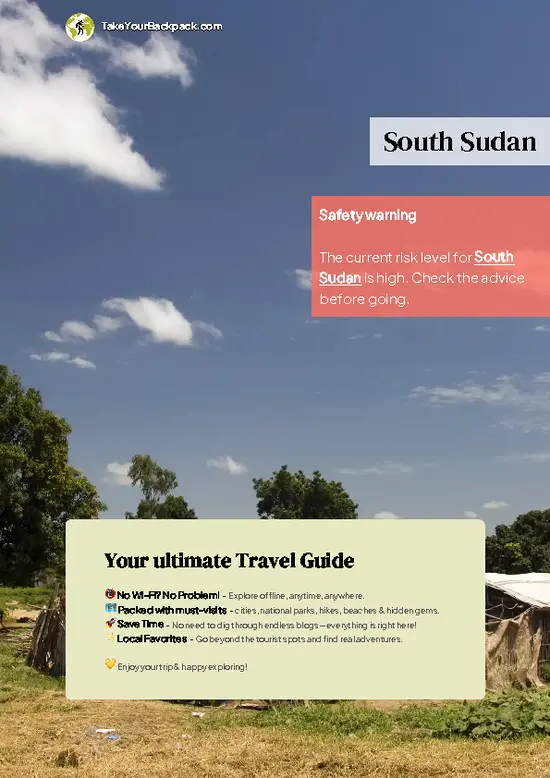
example page 0 from our offline Travel Guide for South Sudan
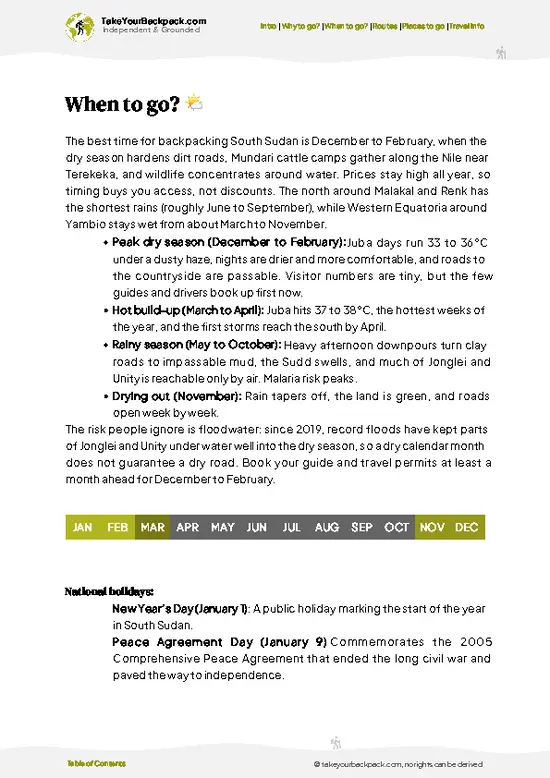
example page 1 from our offline Travel Guide for South Sudan
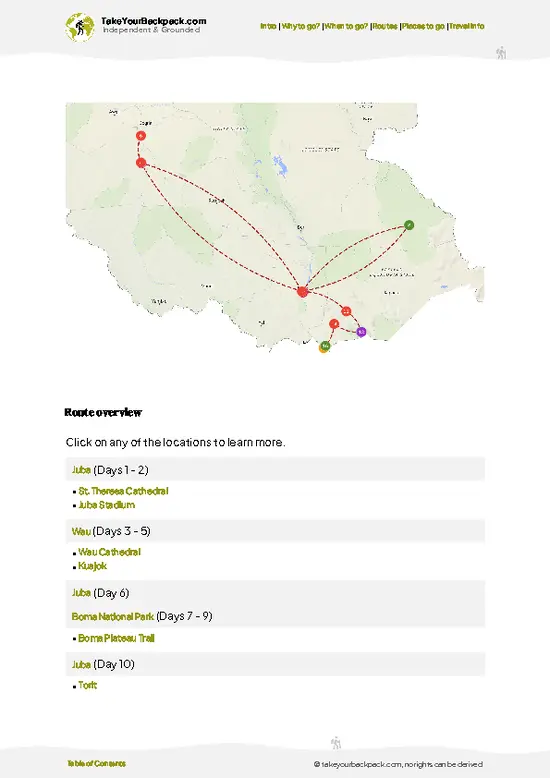
example page 2 from our offline Travel Guide for South Sudan
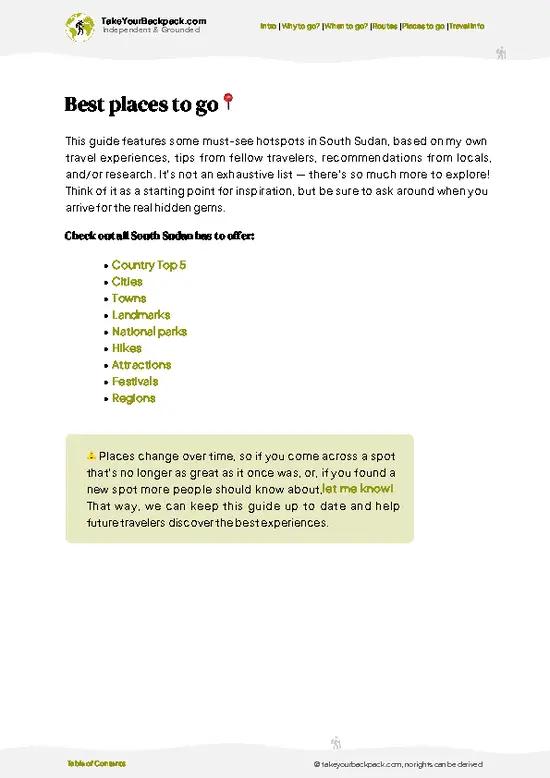
example page 3 from our offline Travel Guide for South Sudan
example page 4 from our offline Travel Guide for South Sudan
example page 5 from our offline Travel Guide for South Sudan
example page 6 from our offline Travel Guide for South Sudan
example page 7 from our offline Travel Guide for South Sudan
Loading the map 🌍
CLICK TO FILTER
cities
towns
landmarks
national parks
hikes
attractions
festivals
regions
SHOW COUNTRY’S BESTSHOW ALL

✨ Why go?
Ranked #13 town in South Sudan
What makes it a must-see town

Lafon is for travelers who value access over amenities. You come to see everyday Pari life in a hill-edged farming town, where the market and the walks between compounds are the whole program. Stays are short, usually a night or two, because lodging is basic and the town is small. Slow, solo or small-group travelers with patience and a local host get the most out of it, and the hills around the town make a natural place to wander for a morning. Expect greetings from nearly everyone you pass. Nightlife is absent, and the quiet is part of the appeal. Lafon works as a rural stop on the Torit road, where the landscape of granite outcrops and farmland is the main attraction, and a market morning is the best social hour.

💡 HighlightsEssential experiences to have while visiting Lafon

  1. Lafon Market: The town’s main trading spot, where farmers sell sorghum, groundnuts, vegetables and goats, and you can buy tea and simple snacks. Go in the morning when stock is freshest. Entry is free, and an hour is plenty.
  2. The granite hills around Lafon: Rocky outcrops rise right behind the fields and give the best view over the roofs and farmland. Walk with a local guide, who may ask for around US$5 to 10 for the morning. Allow 2 to 3 hours and go early before the heat builds.
  3. Pari homesteads and farm paths: Walking the paths between family compounds shows granaries, sorghum plots and daily routines. Ask permission before photographing anyone. It costs nothing beyond a small gift or a guide’s fee, and takes 1 to 2 hours.
Near Lafon, the town of Torit and the high forests of the Imatong Mountains … read more 👉
  1. Lafon Market: The town’s main trading spot, where farmers sell sorghum, groundnuts, vegetables and goats, and you can buy tea and simple snacks. Go in the morning when stock is freshest. Entry is free, and an hour is plenty.
  2. The granite hills around Lafon: Rocky outcrops rise right behind the fields and give the best view over the roofs and farmland. Walk with a local guide, who may ask for around US$5 to 10 for the morning. Allow 2 to 3 hours and go early before the heat builds.
  3. Pari homesteads and farm paths: Walking the paths between family compounds shows granaries, sorghum plots and daily routines. Ask permission before photographing anyone. It costs nothing beyond a small gift or a guide’s fee, and takes 1 to 2 hours.
Near Lafon, the town of Torit and the high forests of the Imatong Mountains are the usual day trips, and the Lopit Mountains lie further north. The market and the farm paths combine well in one morning, with the hill climb saved for the next cool start.
Spotted a mistake or missing something? Contact us.

🏘️ NeighborhoodsWhere things are and how it's laid out

Lafon is a small county town in Eastern Equatoria, and you can cover all of it on foot in an afternoon. Don’t expect districts with names and nightlife; expect a few clusters of tin-roofed and thatched buildings around the road. Here is where to spend your time.
  • Main market area: This is the one place worth your time. You’ll find tomatoes, onions, groundnuts, dried fish, tea stalls and tailors under tarps. Go in the morning when stock is fresh. Tea and fried dough are the usual breakfast.
  • Administrative and church compounds: Walk past for orientation, and to meet the officials and church staff who can advise on local conditions. There is nothing to sightsee, so don’t plan a visit around them.
  • Outlying villages and farmland: Fields, cattle paths and homesteads begin a short walk from the center.
… read more 👉
Lafon is a small county town in Eastern Equatoria, and you can cover all of it on foot in an afternoon. Don’t expect districts with names and nightlife; expect a few clusters of tin-roofed and thatched buildings around the road. Here is where to spend your time.
  • Main market area: This is the one place worth your time. You’ll find tomatoes, onions, groundnuts, dried fish, tea stalls and tailors under tarps. Go in the morning when stock is fresh. Tea and fried dough are the usual breakfast.
  • Administrative and church compounds: Walk past for orientation, and to meet the officials and church staff who can advise on local conditions. There is nothing to sightsee, so don’t plan a visit around them.
  • Outlying villages and farmland: Fields, cattle paths and homesteads begin a short walk from the center. They give the best sense of daily life, but go with a local guide, as paths split and nobody is around to ask.
Skip any hunt for nightlife. Evenings are quiet, and a tea stall is the whole scene.

⌛️ 1 day1-day itinerary for Lafon

The day works best on foot, with an early start and a long rest through the midday heat, since the town is small and shade is scarce. 7:00 AM, Lafon Market: Arrive as stalls are set up, buy tea and groundnuts, and watch farmers bring in produce. It is the easiest place to start conversations. 9:00 AM, Farm paths and homesteads: Walk out past the last houses along the field tracks, greeting people and asking before taking photos. Granaries and sorghum plots show how the household economy works. 11:00 AM, Rest: Return to your lodging and sit out the heat with water and a meal. 3:30 PM, Granite hills: Hike with a local guide up to one of the rock outcrops for a view over the town and fields. The less-visited side paths away from the main slope are quieter and good for birdlife. 6:00 PM, Evening … read more 👉
The day works best on foot, with an early start and a long rest through the midday heat, since the town is small and shade is scarce. 7:00 AM, Lafon Market: Arrive as stalls are set up, buy tea and groundnuts, and watch farmers bring in produce. It is the easiest place to start conversations. 9:00 AM, Farm paths and homesteads: Walk out past the last houses along the field tracks, greeting people and asking before taking photos. Granaries and sorghum plots show how the household economy works. 11:00 AM, Rest: Return to your lodging and sit out the heat with water and a meal. 3:30 PM, Granite hills: Hike with a local guide up to one of the rock outcrops for a view over the town and fields. The less-visited side paths away from the main slope are quieter and good for birdlife. 6:00 PM, Evening in town: Walk back down, have tea or a simple dinner, and talk with locals before the town goes dark early.

🌤️ When to go?Seasonal considerations and timing

Lafon has a hot, tropical climate with one long wet stretch and a drier spell, so timing mostly decides how passable the roads are.
  • Dry Season (roughly December to March): Days reach 33 to 38°C (91 to 100°F), nights 20 to 23°C (68 to 73°F). Roads are firmest and travel is easiest, though dust and heat build by February.
  • Early Rains (April to June): Showers cool things to 28 to 33°C (82 to 91°F), and fields turn green. Dirt tracks start to soften.
  • Peak Rains (July to October): Expect heavy downpours, mud and washed-out roads. Transport slows and can stop.
  • Harvest Period (October to November): Markets are well stocked and roads begin to dry.
Daylight stays close to 12 hours all year, so plan to arrive well before dusk.

source: climatestotravel.comJANJanuary: excellent for travelingFEBFebruary: excellent for travelingMARMarch: good for travelingAPRApril: fair for travelingMAYMay: fair for travelingJUNJune: fair for travelingJULJuly: below average for travelingAUGAugust: below average for travelingSEPSeptember: fair for travelingOCTOctober: fair for travelingNOVNovember: highly recommended for travelingDECDecember: excellent for traveling
when-to-go

✈️ The backpacker research shortcutSouth Sudan Travel Guide

An offline-friendly backpacking guide with optimized travel routes, ranked highlights, transport advice, and the best areas to stay.
example page 0 from our offline Travel Guide for South Sudan
example page 1 from our offline Travel Guide for South Sudan
example page 2 from our offline Travel Guide for South Sudan
example page 3 from our offline Travel Guide for South Sudan
example page 4 from our offline Travel Guide for South Sudan
example page 5 from our offline Travel Guide for South Sudan
example page 6 from our offline Travel Guide for South Sudan
example page 7 from our offline Travel Guide for South Sudan
The digital guide (242 pages) contains:
✅ 57 highlights, ranked by travel appeal
✅ Optimized 5, 10 & 15-day travel routes
✅ Cities, national parks, landmarks, beaches
✅ How to get around
✅ Offline-friendly for travel without Wi-Fi
👉 Click to see all 30+ guide features

📅 Plan smarter in minutes, not weeks
✅ Month by month travel advice
✅ Festivals & national holidays
✅ Budget expectations

🗺️ Go to the right places, skip the overrated ones
✅ Honest pros & cons of destinations
✅ Top hikes, parks & viewpoints
✅ Lesser-known places most travelers miss
✅ Clear “worth it vs skip it” guidance

🛏️ Travel smoothly without rookie mistakes
✅ Best areas to stay
✅ Transport systems explained simply
✅ Common scams & safety advice
✅ SIM cards, money & practical tips

🌍 Understand the country, not just visit it
✅ Culture & traditions
✅ 52 Essential phrases & customs
✅ Festivals worth planning around
✅ Traveler-friendly historical context
✅ Insights that make places more meaningful

📱 Built for real travel conditions
✅ Fully downloadable PDF
✅ Works completely offline
✅ Optimized for phone use
✅ Useful in remote areas & buses
✅ Everything in one place
Stop searching, start planning
Get instant access to your full guide. 30‑day money-back guarantee.
+ Add another guide for just

By proceeding you agree to our terms.
Sent to your inbox immediately after payment • 100% Secure Checkout
Best Backpacking Travel Advisor 2025 tourism awardBest Backpacking
Travel Advisor
2025
What others say about Take Your Backpack Guides:
⭐⭐⭐⭐⭐
Fantastic, amazing amount of information!
⭐⭐⭐⭐⭐
My goodness this is amazing, it's what I've been looking for hats off too you!
⭐⭐⭐⭐⭐
I think this is absolutely BRILLIANT
⭐⭐⭐⭐
Very complete and informative. It's still missing places, but I gotta to commend you
⭐⭐⭐⭐⭐
This is truly amazing, thank you, can't wait to explore it with my kids!
⭐⭐⭐⭐⭐
Awesome resource, thank you!
⭐⭐⭐⭐⭐
This is amazing! Can't wait to explore the ones I haven't seen
⭐⭐⭐⭐
I love this! Well done, great idea.
⭐⭐⭐⭐⭐
Thanks for taking the time to make this gem!
⭐⭐⭐⭐⭐
This might be the best website I've ever seen.
⭐⭐⭐⭐⭐
Congratulations, and thank you so much for your work; it's incredibly valuable.
⭐⭐⭐⭐
In all seriousness I think you did a great job pointing out the important spots
⭐⭐⭐⭐⭐
10/10 very good
⭐⭐⭐⭐⭐
As someone who's only just starting to visit regularly this is awesome, thank you.
⭐⭐⭐⭐
Thank you very much! I'm going to visit my dad, it's going to be very useful!
⭐⭐⭐⭐⭐
This is really cool! We'll be travelling for the first time and this definitely come in handy.
⭐⭐⭐⭐⭐
You are now our minister of culture, congratulations 👨‍💼
⭐⭐⭐⭐⭐
Just wanted to tell you that this is a pearl! Going to follow your recommendations.
⭐⭐⭐⭐⭐
This is so cool. I'll definitely be using the resource for my travels soon.
⭐⭐⭐⭐⭐
This is very impressive! Good work.
⭐⭐⭐⭐⭐
This is an amazing and informative site. Very well done!

🛏️ Where to stay?Best areas and accommodation options

The best budget option in Lafon is a simple guesthouse or church-run room close to the main road and market, and that is effectively the only area to consider. Formal hostels and dorm beds are not part of the local scene, so expect a basic private room, usually US$10 to 25 a night, with bucket washing and patchy electricity. Staying near the main road keeps you within walking distance of food, tea stalls and the transport stage, which matters when vehicles leave at dawn. It is also where people are around in the evening, so you are never isolated. Noise is modest, mostly roosters, voices and the … read more 👉
The best budget option in Lafon is a simple guesthouse or church-run room close to the main road and market, and that is effectively the only area to consider. Formal hostels and dorm beds are not part of the local scene, so expect a basic private room, usually US$10 to 25 a night, with bucket washing and patchy electricity. Staying near the main road keeps you within walking distance of food, tea stalls and the transport stage, which matters when vehicles leave at dawn. It is also where people are around in the evening, so you are never isolated. Noise is modest, mostly roosters, voices and the occasional generator. Avoid rooms at the far edges of town, where you would walk dark paths with no lighting. Bring a mosquito net, a headlamp, a power bank and cash, since cards are not accepted. Ask local contacts or church staff to arrange a room before you arrive.

🚌 Getting aroundMoving around without the hassle

Lafon punishes anyone who assumes a vehicle will turn up on a set schedule, so the costliest error is leaving Juba or Torit without confirming a seat and the road conditions. Shared transport leaves when full, and rain can add many hours or cancel the run. Within town you will walk, since everything sits within a short distance of the main road. Allow extra days in your plan, carry cash in small US dollar notes (local pounds are used on the ground), and travel early.
  • Walking: Free, and the right choice in town. The center takes 10 to 15 minutes to cross. Skip it in the midday heat and after heavy rain, when paths turn to sticky mud.
  • Boda-boda (motorbike taxi): The best way to reach outlying villages. Expect roughly US$1 to 4 for local hops, and agree the price first. Wear a helmet if the rider
… read more 👉
Lafon punishes anyone who assumes a vehicle will turn up on a set schedule, so the costliest error is leaving Juba or Torit without confirming a seat and the road conditions. Shared transport leaves when full, and rain can add many hours or cancel the run. Within town you will walk, since everything sits within a short distance of the main road. Allow extra days in your plan, carry cash in small US dollar notes (local pounds are used on the ground), and travel early.
  • Walking: Free, and the right choice in town. The center takes 10 to 15 minutes to cross. Skip it in the midday heat and after heavy rain, when paths turn to sticky mud.
  • Boda-boda (motorbike taxi): The best way to reach outlying villages. Expect roughly US$1 to 4 for local hops, and agree the price first. Wear a helmet if the rider has one, and avoid wet-season rides on slick tracks.
  • Shared minibus or pickup from Torit or Juba: The usual way in. Fares run roughly US$10 to 30 depending on distance, and trips take several hours to a full day on rough roads. Vehicles depart in the morning and fill slowly, so be at the stage early.
  • Private hire 4x4: Pricey at US$100 to 200 a day, but the only dependable option in the rains or for several stops. Worth it when time is tight, not otherwise.

👛 Costs (as of 22 October 2026)Money, prices, and spending tips

Lafon costs roughly US$29 to 70 a day for a backpacker, and the total below assumes about US$60. Prices run higher than the region’s norm because goods arrive by long, rough roads, and there are few formal services.
CategoryBudget RangeLocal Reality
Dorm accommodationUS$10 to 25No dorms; a basic private room or church-run bed
MealsUS$6 to 15Beans, stews, flatbread, fish and tea at market stalls
Local transportUS$3 to 10Boda-boda hops and shared pickups
Basic activities/entry feesUS$5 to 10Guide for village walks; no formal entry fees
Miscellaneous expensesUS$5 to 10Phone credit, bottled water, small gifts or informal fees
Total Daily BudgetUS$29 to 70Per person, per day, in high season.
Carry small US dollar notes, since change is scarce, and buy water and snacks at the market in the morning for the best price.
⚠️ Prices can change and everyone travels differently, so take this as a rough guide. Hope it helps you plan your adventure!

🚌 Day tripsShort trips worth adding

Lafon works as a base for short rural outings by boda-boda or on foot with a local guide, though anything long needs a private vehicle and security checks beforehand. Choose half-day trips and be home before dark.
Village and Farmland Walk:
The most rewarding outing is a morning walk to surrounding homesteads and fields. You see sorghum, groundnut and cassava plots and cattle camps, and you learn how the farming year runs. Allow 3 to 4 hours, hire a local guide for about US$5 to 10, and go in the dry months. First-timers often set out without asking permission, so greet the elders first.

Torit:
The state capital is the nearest larger town, with more markets, food choices and better phone coverage. Expect a ride of 1 to 3 hours depending on the road, with a return fare of roughly US$10 to 30. … read more 👉
Lafon works as a base for short rural outings by boda-boda or on foot with a local guide, though anything long needs a private vehicle and security checks beforehand. Choose half-day trips and be home before dark.
Village and Farmland Walk:
The most rewarding outing is a morning walk to surrounding homesteads and fields. You see sorghum, groundnut and cassava plots and cattle camps, and you learn how the farming year runs. Allow 3 to 4 hours, hire a local guide for about US$5 to 10, and go in the dry months. First-timers often set out without asking permission, so greet the elders first.

Torit:
The state capital is the nearest larger town, with more markets, food choices and better phone coverage. Expect a ride of 1 to 3 hours depending on the road, with a return fare of roughly US$10 to 30. It suits dry weather only, and the mistake is leaving too late to get back before vehicles stop running.
👉 Explore Torit
Imatong Foothills Viewpoint:
On clear days the mountains to the south make a fine target for a boda-boda ride and short walk. Budget about US$10 to 20 with a driver, and plan 4 to 6 hours round trip. Go early, when the haze is thin.
👉 Explore Imatong Mountains

🛡️ SafetyTraveler Safety Guide

Lafon is a small, close-knit community where visitors are noticed, so the best protection is a courteous introduction to local authorities or church contacts on arrival. Conditions in South Sudan change, so check with local officials and your embassy before you travel, and ask about road security before leaving town. Avoid moving after dark, especially on tracks between villages. Solo travelers should tell their host where they are going and carry a charged phone and cash in small notes. Photography near government buildings, soldiers or checkpoints needs permission. Expect informal fees or questions at roadblocks; stay polite, carry a passport copy and travel permits, and don’t argue. Petty theft is rare, but keep valuables out of sight.

FAQCommon questions from travelers

Lafon is worth a short visit only if you want rural South Sudan rather than sights. You get market mornings, farm walks and conversations with locals, but no museums or tour infrastructure. Plan it around travel to Torit, about 1 to 3 hours away, and expect basic rooms from US$10 to 25.
Lafon needs one to two days. One day covers the market, a village walk with a guide at about US$5 to 10 and an early evening of tea. A second day only makes sense if roads are slow or you want a longer outing toward the Imatong foothills.
Lafon can be done as a long day trip from Torit in the dry season, but it is tight. Travel takes about 1 to 3 hours each way on rough roads, with fares around US$10 to 30 return. Shared vehicles stop early, so staying a night is safer than risking a return after dark.
⚠️ Things can change over time, so always validate details locally before you go.

Other South Sudanese towns near Lafon

Explore more nearby:

  • Terekeka—Ngundeng cattle, dung-smoke camps, White Nile landings| 91 km away
  • Kapoeta—Toposa beadwork, dry riverbed, Kenya-road stop| 129 km away
  • Nimule—Nile hippos, Fula Rapids, Uganda border trucks| 167 km away

💡 Not sure where to go next?
Create a personalized itinerary for South Sudan including Lafon and the places that fit your trip.

Generate my itinerary

👉 Discover all towns

Or checkout all South Sudan has to offer (think cities, towns, villages, national parks, hikes, beaches, festivals)
Country photo of South Sudan

We 💚 feedbackFinal thoughts on visiting Lafon

Lafon suits the self-sufficient traveler who is happy with a quiet Magwi-area base, a good local contact and a flexible plan. If you want hostels, menus and a crowd to swap stories with, skip it. Come with cash in small bills, patience for slow roads, and a willingness to greet everyone.

✍️ Help improve this page!
The information on this page is based on in-depth research, insights shared by experienced travelers, and feedback from the local travel community in South Sudan. While every effort is made to keep the information accurate and current, conditions can change — so if you spot anything incorrect or outdated, please get in touch.


🙋‍♂️ Give feedback

👋 Meet the founderWho’s Behind Take Your Backpack?

Johan, backpacker and founder of TakeYourBackpackHi, I’m Johan (Netherlands 🇳🇱), the creator of TakeYourBackpack. Over the past 3 decades, I’ve backpacked through 90+ countries across six continents, gaining extensive experience with independent travel, long-term trips, and overland routes.

This site is built on a combination of firsthand travel experience and carefully curated insights from other backpackers. Many guides are based on places I’ve personally visited, while others bring together tips, observations, and practical advice shared by trusted travelers I’ve met along the way.

The goal is to provide realistic, experience-driven guidance — not generic itineraries — so you can explore destinations with better context, clearer expectations, and more confidence.