×

South Sudan🇸🇸 | citiesToritImatong foothills, local markets, farming center | things to do and best time to go

Explore YeiExplore Maridi

Backpacking in Torit
👍 Recommendedcity ranked #7
By Johan Kruseman 🇳🇱 | Updated September 4, 2026

The first real decision in Torit is whether to linger or just pass through. That choice matters: Torit isn’t a destination that hands out easy rewards, but if you’re chasing the pulse of South Sudan beyond Juba, this is where the country’s raw, everyday life comes into focus. Torit sits in the southeast, a few hours’ drive from the capital, surrounded by low hills and red-dust roads that glow in the late afternoon sun. For backpackers, Torit is more crossroads than crown jewel—its market is lively but basic, the food scene is all about smoky grilled meat and sweet tea, and the town’s pace is slow, even by South Sudanese standards. You won’t find hostels or a backpacker scene; accommodation is simple, and evenings are quiet, save for the hum of generators. Getting here means braving rough roads—no trains, only battered minibuses or private cars—and getting around is mostly on foot or by boda-boda. Costs are low, but so is comfort. Safety is a factor: you’ll need to stay aware, especially after dark. Compared to Juba, Torit feels more relaxed but also more remote, with fewer amenities and almost no foreign travelers. If you want a base for exploring the green hills or just a genuine taste of South Sudanese town life, Torit delivers—just don’t expect it to roll out a welcome mat.

Discover everything you want to know in the 📖 South Sudan Travel Guide.
Safety warning

The current risk level for South Sudan is high. Check the advice before going.


Get your South Sudan guide
68 ranked highlights, routes & tips, works offline (270 pages)
Loading the map 🌍
CLICK TO FILTER
cities
towns
landmarks
national parks
hikes
attractions
festivals
regions
SHOW COUNTRY’S BESTSHOW ALL

✨ Why go?
Ranked #7 city in South Sudan
What makes it a must-see city

Torit is a gateway for backpackers seeking the heart of South Sudan. Its walkable streets invite exploration, where the scent of local spices wafts from small eateries. This town serves as a base camp for nearby hikes, with trails leading to stunning landscapes that reward your effort with breathtaking views.

Accommodations are modest but welcoming, with small-scale hostels and guesthouses that foster a sense of community. You’ll find fellow travelers sharing stories over a simple meal, creating a friendly social atmosphere that’s perfect for solo adventurers or small groups.

Most backpackers stay briefly, perhaps a couple of days, soaking in the local culture before moving on. The vibe is more quiet than bustling, ideal for those who appreciate a slower pace. If you’re a hiker or a cultural read more 👉
Torit is a gateway for backpackers seeking the heart of South Sudan. Its walkable streets invite exploration, where the scent of local spices wafts from small eateries. This town serves as a base camp for nearby hikes, with trails leading to stunning landscapes that reward your effort with breathtaking views.

Accommodations are modest but welcoming, with small-scale hostels and guesthouses that foster a sense of community. You’ll find fellow travelers sharing stories over a simple meal, creating a friendly social atmosphere that’s perfect for solo adventurers or small groups.

Most backpackers stay briefly, perhaps a couple of days, soaking in the local culture before moving on. The vibe is more quiet than bustling, ideal for those who appreciate a slower pace. If you’re a hiker or a cultural enthusiast, Torit offers a meaningful stop, blending convenience with authentic experiences that make the journey worthwhile.
Want to include Torit in your South Sudan route?
Create a personalized South Sudan itinerary that includes Torit and the places that fit your trip — based on your travel style, budget, and available time. Get your route in seconds.

Generate my trip

💡 HighlightsPlaces and moments you shouldn't skip

  • Torit Market — The town’s busiest hub: a lively open-air market where local farmers, traders and craftsmen sell food, textiles, and everyday goods; great for people-watching and picking up locally made crafts and produce.
  • Torit Catholic Cathedral (seat of the Diocese of Torit) — The main Catholic church in town and an important community center; visiting gives insight into local religious life and the role the Church has played in education and social services here.
  • Torit Airstrip — A small operational airfield used by charter flights, NGOs and UN missions; worth a look for logistics history and to see the arrival/departure activity that keeps Torit connected to Juba and regional hubs.
  • Eastern Equatoria State government compound / town administration — The administrative heart of Torit
read more 👉
  • Torit Market — The town’s busiest hub: a lively open-air market where local farmers, traders and craftsmen sell food, textiles, and everyday goods; great for people-watching and picking up locally made crafts and produce.
  • Torit Catholic Cathedral (seat of the Diocese of Torit) — The main Catholic church in town and an important community center; visiting gives insight into local religious life and the role the Church has played in education and social services here.
  • Torit Airstrip — A small operational airfield used by charter flights, NGOs and UN missions; worth a look for logistics history and to see the arrival/departure activity that keeps Torit connected to Juba and regional hubs.
  • Eastern Equatoria State government compound / town administration — The administrative heart of Torit where you can observe local government activity and see official buildings that reflect the town’s role as the state capital.
  • Torit General Hospital / main health centre — The primary medical facility serving the town and surrounding counties; visiting (with permission) shows the realities of healthcare delivery in the region and the work of local and international medical staff.
A few real, visitable highlights just outside Torit that make excellent day trips are the Imatong Mountains (including routes toward Mount Kinyeti), the southern plains and local communities around Ikotos/Lafon, and Nimule National Park near the Uganda border.
Spotted a mistake or missing something? Contact us.

🏘️ NeighborhoodsKey areas and districts to know

Torit is a vibrant hub in South Sudan, offering a unique blend of culture and community. Here’s how to navigate its neighborhoods for an enriching backpacking experience.

Central Torit: This is the heart of the town. You’ll find local markets buzzing with life, where the scent of spices fills the air. It’s walkable, making it easy to explore shops and eateries. Costs are moderate, and you can find budget-friendly accommodations. The nightlife is low-key, perfect for winding down after a day of exploration. Ideal for short stays, as you can soak in the local vibe quickly.

Juba Road Area: A bit more spread out, this area offers a mix of residential and commercial spaces. The atmosphere is quieter, with fewer tourists. Transport options are decent, but you might need to rely on local taxis … read more 👉
Torit is a vibrant hub in South Sudan, offering a unique blend of culture and community. Here’s how to navigate its neighborhoods for an enriching backpacking experience.

Central Torit: This is the heart of the town. You’ll find local markets buzzing with life, where the scent of spices fills the air. It’s walkable, making it easy to explore shops and eateries. Costs are moderate, and you can find budget-friendly accommodations. The nightlife is low-key, perfect for winding down after a day of exploration. Ideal for short stays, as you can soak in the local vibe quickly.

Juba Road Area: A bit more spread out, this area offers a mix of residential and commercial spaces. The atmosphere is quieter, with fewer tourists. Transport options are decent, but you might need to rely on local taxis for longer distances. It’s suitable for longer stays, especially if you want to immerse yourself in daily life. Prices here can vary, but you can find some hidden budget spots.

Outskirts of Torit: If you’re seeking a more rural experience, head to the outskirts. The landscape shifts to lush greenery, and you’ll encounter fewer crowds. This area is less walkable, so plan for transport. It’s perfect for those wanting to escape the hustle and dive into nature. Costs can be lower, but amenities might be limited. Ideal for longer stays if you’re looking to recharge.

⌛️ 1 daySeeing the highlights in 24 hours

Torit, South Sudan, is a town that pulses with life, a blend of vibrant markets and the warmth of its people. The air carries the scent of fresh produce and spices, inviting you to dive into its daily rhythm.

Start your morning at the local market, where the sun casts a golden hue over stalls brimming with fruits, vegetables, and handmade crafts. Engage with vendors; their stories are as rich as the colors around you. Grab a cup of sweet, spiced tea from a nearby stand. It’s a simple pleasure that fuels your day.

As the sun climbs higher, head to the Torit Hills. The hike is a bit challenging, but the payoff is worth it. The panoramic views of the town and surrounding landscape are breathtaking. You’ll feel the cool breeze on your face as you take in the sprawling green fields below. This … read more 👉
Torit, South Sudan, is a town that pulses with life, a blend of vibrant markets and the warmth of its people. The air carries the scent of fresh produce and spices, inviting you to dive into its daily rhythm.

Start your morning at the local market, where the sun casts a golden hue over stalls brimming with fruits, vegetables, and handmade crafts. Engage with vendors; their stories are as rich as the colors around you. Grab a cup of sweet, spiced tea from a nearby stand. It’s a simple pleasure that fuels your day.

As the sun climbs higher, head to the Torit Hills. The hike is a bit challenging, but the payoff is worth it. The panoramic views of the town and surrounding landscape are breathtaking. You’ll feel the cool breeze on your face as you take in the sprawling green fields below. This is not just a workout; it’s a moment to connect with the land.

In the afternoon, wander through the neighborhoods of Nyakuron and Juba Road. Here, you’ll find local artisans crafting traditional goods. Stop by a workshop where you can see how beautiful woven baskets are made. This isn’t on the typical tourist path, but it’s a chance to witness the heart of Torit’s culture.

As evening approaches, find a spot by the Torit River. The sunset paints the sky in hues of orange and pink, a perfect backdrop for reflection. Share a meal with locals at a nearby eatery, savoring dishes like kisra and grilled meat. This day in Torit isn’t just about sights; it’s about the connections you make and the stories you gather along the way.
Turn your Torit visit into an South Sudan adventure
Build a complete South Sudan route with Torit, hidden gems, must-see destinations, and realistic travel times included.

Generate my trip

🌤️ When to go?Seasonal considerations and timing


  • Topic: Weather – Torit’s climate swings between a hot dry season and a wet rainy season. The dry months from November to February bring clearer skies and manageable heat, around 25-30°C (77-86°F), making trekking and exploring easier without the mud and mosquitoes that flood the rainy season.

  • Topic: Temperature – Daytime highs in the dry season hover near 30°C (86°F), cooling to about 15-20°C (59-68°F) at night. The rainy season can push daytime temps higher but with oppressive humidity, which drains energy fast.

  • Topic: Daylight Hours – Near the equator, daylight stays steady year-round, roughly 12 hours. This consistency means you can plan hikes and activities without worrying about early sunsets cutting your day short.

  • Topic: Crowds – Torit isn’t a tourist hotspot, so crowds are
read more 👉

  • Topic: Weather – Torit’s climate swings between a hot dry season and a wet rainy season. The dry months from November to February bring clearer skies and manageable heat, around 25-30°C (77-86°F), making trekking and exploring easier without the mud and mosquitoes that flood the rainy season.

  • Topic: Temperature – Daytime highs in the dry season hover near 30°C (86°F), cooling to about 15-20°C (59-68°F) at night. The rainy season can push daytime temps higher but with oppressive humidity, which drains energy fast.

  • Topic: Daylight Hours – Near the equator, daylight stays steady year-round, roughly 12 hours. This consistency means you can plan hikes and activities without worrying about early sunsets cutting your day short.

  • Topic: Crowds – Torit isn’t a tourist hotspot, so crowds are minimal year-round. However, the dry season sees a slight uptick in local visitors and aid workers, which can add a bit of buzz without overwhelming the town’s laid-back vibe.

  • Topic: Seasonal Activities – Dry season is prime for trekking and wildlife spotting as animals gather near water sources. The rainy season transforms the landscape but makes many trails impassable, limiting outdoor options.

  • Topic: Price Fluctuations – Costs for lodging and guides tend to rise slightly in the dry season due to increased demand, but the premium is worth the comfort and accessibility you gain.


Pro-tip: Aim for late November to early February to catch Torit at its most walkable and welcoming, when the air is crisp, the trails firm, and the town hums quietly with life—not mud.


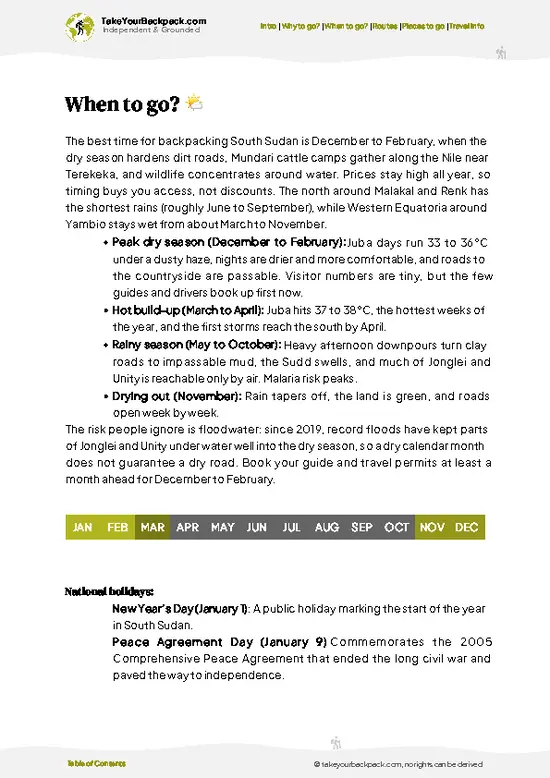
source: climatestotravel.comJANJanuary: excellent for travelingFEBFebruary: excellent for travelingMARMarch: fair for travelingAPRApril: fair for travelingMAYMay: fair for travelingJUNJune: good for travelingJULJuly: good for travelingAUGAugust: good for travelingSEPSeptember: good for travelingOCTOctober: good for travelingNOVNovember: highly recommended for travelingDECDecember: excellent for traveling
when-to-go

✈️ The backpacker research shortcutSouth Sudan Travel Guide

An offline-friendly backpacking guide with optimized travel routes, ranked highlights, transport advice, and the best areas to stay.
example page 0 from our offline Travel Guide for South Sudan
example page 1 from our offline Travel Guide for South Sudan
example page 2 from our offline Travel Guide for South Sudan
example page 3 from our offline Travel Guide for South Sudan
example page 4 from our offline Travel Guide for South Sudan
example page 5 from our offline Travel Guide for South Sudan
example page 6 from our offline Travel Guide for South Sudan
example page 7 from our offline Travel Guide for South Sudan
The digital guide (270 pages) contains:
68 highlights, ranked by travel appeal
Optimized 5, 10 & 15-day travel routes
Cities, national parks, landmarks, beaches
How to get around
Offline-friendly for travel without Wi-Fi
👉 Click to see all 30+ guide features

📅 Plan smarter in minutes, not weeks
Month by month travel advice
Festivals & national holidays
Budget expectations

🗺️ Go to the right places, skip the overrated ones
Honest pros & cons of destinations
Top hikes, parks & viewpoints
Lesser-known places most travelers miss
Clear “worth it vs skip it” guidance

🛏️ Travel smoothly without rookie mistakes
Best areas to stay
Transport systems explained simply
Common scams & safety advice
SIM cards, money & practical tips

🌍 Understand the country, not just visit it
Culture & traditions
52 Essential phrases & customs
Festivals worth planning around
Traveler-friendly historical context
Insights that make places more meaningful

📱 Built for real travel conditions
Fully downloadable PDF
Works completely offline
Optimized for phone use
Useful in remote areas & buses
Everything in one place
Save weeks of stressful planning
Get instant access to your full guide. 30‑day money-back guarantee.
+ Add another guide for just US$7.80

By proceeding you agree to our terms.
Sent to your inbox immediately after payment • 100% Secure Checkout
Best Backpacking Travel Advisor 2025 tourism awardBest Backpacking
Travel Advisor
2025
What others say about Take Your Backpack Guides:
⭐⭐⭐⭐⭐
Fantastic, amazing amount of information!
⭐⭐⭐⭐⭐
My goodness this is amazing, it's what I've been looking for hats off too you!
⭐⭐⭐⭐⭐
I think this is absolutely BRILLIANT
⭐⭐⭐⭐
Very complete and informative. It's still missing places, but I gotta to commend you
⭐⭐⭐⭐⭐
This is truly amazing, thank you, can't wait to explore it with my kids!
⭐⭐⭐⭐⭐
Awesome resource, thank you!
⭐⭐⭐⭐⭐
This is amazing! Can't wait to explore the ones I haven't seen
⭐⭐⭐⭐
I love this! Well done, great idea.
⭐⭐⭐⭐⭐
Thanks for taking the time to make this gem!
⭐⭐⭐⭐⭐
This might be the best website I've ever seen.
⭐⭐⭐⭐⭐
Congratulations, and thank you so much for your work; it's incredibly valuable.
⭐⭐⭐⭐
In all seriousness I think you did a great job pointing out the important spots
⭐⭐⭐⭐⭐
10/10 very good
⭐⭐⭐⭐⭐
As someone who's only just starting to visit regularly this is awesome, thank you.
⭐⭐⭐⭐
Thank you very much! I'm going to visit my dad, it's going to be very useful!
⭐⭐⭐⭐⭐
This is really cool! We'll be travelling for the first time and this definitely come in handy.
⭐⭐⭐⭐⭐
You are now our minister of culture, congratulations 👨‍💼
⭐⭐⭐⭐⭐
Just wanted to tell you that this is a pearl! Going to follow your recommendations.
⭐⭐⭐⭐⭐
This is so cool. I'll definitely be using the resource for my travels soon.
⭐⭐⭐⭐⭐
This is very impressive! Good work.
⭐⭐⭐⭐⭐
This is an amazing and informative site. Very well done!

🛏️ Where to stay?Choosing the right base

In Torit, the best spot for backpackers is the area around the central market and main administrative quarter. This neighborhood hums with daily life—the scent of fresh spices, the chatter of vendors, and the occasional clatter of motorbikes. It’s where locals gather, making it a natural social hub for solo travelers looking to connect without the isolation that can come from staying on the outskirts.

Safety here is relative but noticeably better than in the more residential or industrial zones, which tend to be quieter but less secure after dark. The central area benefits from a steady presence … read more 👉
In Torit, the best spot for backpackers is the area around the central market and main administrative quarter. This neighborhood hums with daily life—the scent of fresh spices, the chatter of vendors, and the occasional clatter of motorbikes. It’s where locals gather, making it a natural social hub for solo travelers looking to connect without the isolation that can come from staying on the outskirts.

Safety here is relative but noticeably better than in the more residential or industrial zones, which tend to be quieter but less secure after dark. The central area benefits from a steady presence of local police and community watch groups, which helps keep things calm.

Hostels are sparse but tend to cluster near the market, offering basic but clean accommodations. Staying here means you’re never far from food stalls serving up hearty, affordable meals and from informal meeting spots where travelers and locals swap stories over strong coffee. Compared to other parts of Torit, this area strikes the right balance: it’s lively enough to feel alive but not so chaotic that you’re overwhelmed. It’s the practical choice for anyone who wants to dive into the city’s pulse without losing their footing.

🚌 Getting aroundTransportation options and practical tips

Torit moves at the pace of the Nile itself—steady, deliberate, and shaped by the rhythms of daily life rather than strict timetables. The sun casts a warm, dusty glow over the town’s unpaved streets, where the scent of fresh earth mingles with smoke from cooking fires. Here, time is a flexible companion, not a rigid taskmaster. You won’t find neat schedules posted on walls or punctual buses rolling by like clockwork. Instead, transit flows with a kind of chaotic intuition, where locals know when the next ride might come, and you learn to read the subtle signs: a gathering of people, the rumble of an engine, or a shout down the street. Embracing this rhythm means you’re not just getting from A to B—you’re stepping into the pulse of Torit’s everyday life.


  • Walking: The most reliable and immersive
read more 👉
Torit moves at the pace of the Nile itself—steady, deliberate, and shaped by the rhythms of daily life rather than strict timetables. The sun casts a warm, dusty glow over the town’s unpaved streets, where the scent of fresh earth mingles with smoke from cooking fires. Here, time is a flexible companion, not a rigid taskmaster. You won’t find neat schedules posted on walls or punctual buses rolling by like clockwork. Instead, transit flows with a kind of chaotic intuition, where locals know when the next ride might come, and you learn to read the subtle signs: a gathering of people, the rumble of an engine, or a shout down the street. Embracing this rhythm means you’re not just getting from A to B—you’re stepping into the pulse of Torit’s everyday life.


  • Walking: The most reliable and immersive way to get around, especially within the town center. Streets are compact but uneven, so sturdy shoes are a must. Walking lets you soak in the smells of fresh produce stalls and the chatter of market vendors, all at your own pace.


  • Motorbike Taxis (Boda Bodas): These are everywhere and the quickest way to cover short to medium distances. Prices are negotiable but generally low—expect to pay around 200-500 SSP depending on distance. They don’t run on a schedule; just wave one down when you need it. Hold on tight—the ride can be bumpy and fast, especially on dirt roads.


  • Shared Minibuses: For longer trips out of town, minibuses gather at informal stops, often waiting until full before departing. They leave sporadically throughout the day, roughly from 7 AM to 5 PM. Fares are cheap, around 500-1000 SSP, but expect a slow, crowded ride with frequent stops. It’s a social experience as much as a transit option.


  • Private Car Hire: If your budget allows, hiring a private car offers flexibility and comfort, especially for early morning or late evening travel when other options dry up. Prices vary widely, so negotiate upfront. This is the smoothest way to navigate rough roads and reach remote areas without waiting.

👛 Costs (as of 4 September 2026)How expensive it really is

Backpacking in Torit, South Sudan, means stepping into a place where infrastructure is basic and prices reflect that reality—expect simplicity over luxury, but with a raw authenticity that’s hard to find elsewhere.
  • Dorm Accommodation: Options are extremely limited, often informal guesthouses or local lodges rather than true hostels. Expect to pay around $5 to $10 USD per night. These places are basic—think mosquito nets, shared bathrooms, and intermittent electricity. The trade-off is a chance to stay close to local life, but don’t expect Western standards.
  • Meals: Food costs are low but so is variety. Street food or small local eateries serve staples like rice, beans, and grilled meat for about $2 to $4 USD per meal. Fresh fruit and vegetables depend on the season and availability, so plan
read more 👉
Backpacking in Torit, South Sudan, means stepping into a place where infrastructure is basic and prices reflect that reality—expect simplicity over luxury, but with a raw authenticity that’s hard to find elsewhere.
  • Dorm Accommodation: Options are extremely limited, often informal guesthouses or local lodges rather than true hostels. Expect to pay around $5 to $10 USD per night. These places are basic—think mosquito nets, shared bathrooms, and intermittent electricity. The trade-off is a chance to stay close to local life, but don’t expect Western standards.
  • Meals: Food costs are low but so is variety. Street food or small local eateries serve staples like rice, beans, and grilled meat for about $2 to $4 USD per meal. Fresh fruit and vegetables depend on the season and availability, so plan for simple, hearty meals rather than gourmet experiences.
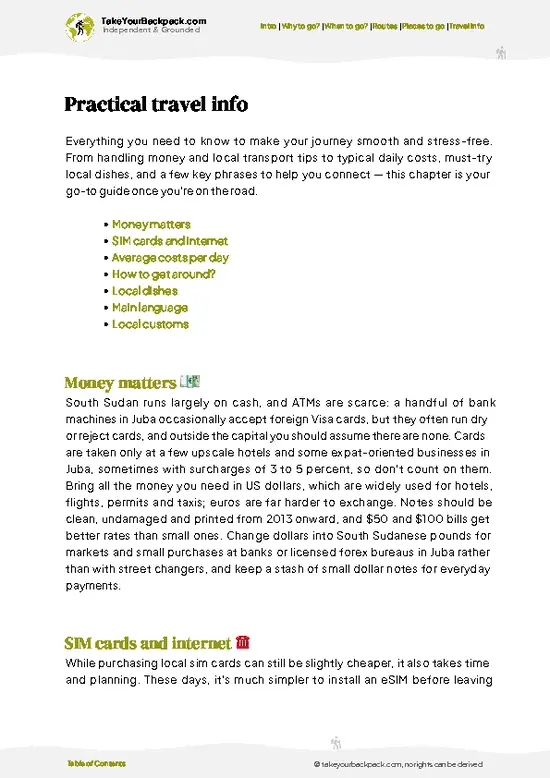
  • Local Transport: Public transport is sparse and informal. Motorbike taxis (boda-bodas) are the main option, costing roughly $0.50 to $1 USD for short trips within town. For longer distances, shared taxis or minibuses might be available but expect to negotiate hard and deal with irregular schedules.
  • Basic Activities/Entry Fees: Torit doesn’t have a developed tourist infrastructure, so organized activities are rare. Visiting local markets or cultural sites is usually free or costs a nominal fee under $1 USD. Any guided tours or special experiences will be arranged locally and priced case-by-case, often starting around $10 USD.
  • Miscellaneous Expenses: Budget for essentials like bottled water ($0.50 each), SIM cards with data ($5 to $10 USD for a basic package), and occasional tips or small purchases. Medical supplies or toiletries might be pricier due to limited availability, so bring what you need from outside.

Overall, a realistic daily budget for backpacking in Torit falls between $10 and $25 USD. This range covers the basics without extras, reflecting the town’s limited services and the need to adapt to a rugged, straightforward travel style. The payoff is a genuine encounter with a place few outsiders visit, where every dollar stretches into a raw, unfiltered experience.
⚠️ Prices can change and everyone travels differently, so take this as a rough guide. Hope it helps you plan your adventure!

🚌 Day tripsExploring the surroundings

Torit, South Sudan, is a vibrant base for day trips that reveal the heart of this unique region. The landscape is raw and beautiful, with the scent of earth after rain and the sounds of life buzzing around you. Here are some worthwhile adventures that will enhance your experience.

Visit the Kidepo Valley National Park
Just a few hours from Torit, Kidepo Valley National Park offers a chance to see wildlife in its natural habitat. The drive is bumpy but filled with stunning vistas of rolling hills and acacia trees. Expect to spend around $20 for park entry and transport. The best time to go is during the dry season, from December to February, when animals gather around water sources. A common mistake is underestimating the park’s size; plan for a full day to truly soak in the sights.


read more 👉
Torit, South Sudan, is a vibrant base for day trips that reveal the heart of this unique region. The landscape is raw and beautiful, with the scent of earth after rain and the sounds of life buzzing around you. Here are some worthwhile adventures that will enhance your experience.

Visit the Kidepo Valley National Park
Just a few hours from Torit, Kidepo Valley National Park offers a chance to see wildlife in its natural habitat. The drive is bumpy but filled with stunning vistas of rolling hills and acacia trees. Expect to spend around $20 for park entry and transport. The best time to go is during the dry season, from December to February, when animals gather around water sources. A common mistake is underestimating the park’s size; plan for a full day to truly soak in the sights.


Explore the Local Markets
Staying in Torit itself, the local markets are a sensory feast. The vibrant colors of fruits and vegetables, the chatter of vendors, and the aroma of spices create an electric atmosphere. Spend a few hours wandering, tasting local dishes, and picking up handmade crafts. This experience is free unless you indulge in some street food—budget around $5 for a hearty meal. The best time to visit is early morning when the market is bustling. First-timers often miss the chance to engage with locals; don’t be shy—ask questions and share a smile.


Hike to the Torit Hills
A short trek from town, the Torit Hills offer breathtaking views of the surrounding landscape. The hike takes about two hours, and you’ll be rewarded with panoramic vistas that stretch for miles. Bring water and snacks, as this adventure is free but physically demanding. The best time to hike is early morning or late afternoon to avoid the heat. Many first-timers overlook the importance of proper footwear; sturdy shoes will make all the difference on rocky paths.


Visit the Jebel Torit
This iconic mountain is a must-see for those seeking a challenge. The hike can take 4-5 hours round trip, but the sense of accomplishment and the view from the top are worth every step. Expect to spend around $10 for a guide, which is highly recommended for safety and navigation. The dry season is ideal for this trek, as the trails can become muddy during the rains. A common mistake is not starting early enough; the midday sun can be brutal.
Want to know what more South Sudan offers?
The South Sudan Travel Guide describes 68 highlights, from cities to national parks, from beaches to hikes

Get the Travel Guide -

🍲 FoodWhat to Eat & Drink

In Torit, food is a direct line to the heart of South Sudanese life—simple, bold, and deeply communal. The must-try dish is kisra, a sourdough flatbread that’s both staple and ritual, often paired with rich, spicy stews like mullah made from okra or dried fish. These flavors hit you with a raw authenticity, far from sanitized tourist menus.

Backpackers will find themselves drawn to the bustling markets where vendors serve up fresh, steaming plates on plastic stools, the air thick with the scent of simmering spices and smoky charcoal. Street food here isn’t just a quick bite; it’s a social event, where locals gather to chat over shared meals. Casual eateries and roadside stalls are your best bets—no frills, just honest food that fuels your day.

Drinking culture centers around tea, brewed … read more 👉
In Torit, food is a direct line to the heart of South Sudanese life—simple, bold, and deeply communal. The must-try dish is kisra, a sourdough flatbread that’s both staple and ritual, often paired with rich, spicy stews like mullah made from okra or dried fish. These flavors hit you with a raw authenticity, far from sanitized tourist menus.

Backpackers will find themselves drawn to the bustling markets where vendors serve up fresh, steaming plates on plastic stools, the air thick with the scent of simmering spices and smoky charcoal. Street food here isn’t just a quick bite; it’s a social event, where locals gather to chat over shared meals. Casual eateries and roadside stalls are your best bets—no frills, just honest food that fuels your day.

Drinking culture centers around tea, brewed strong and sweet, often infused with ginger or cardamom. It’s more than refreshment; it’s a gesture of hospitality. When offered tea, accept with both hands—it’s a small but meaningful nod to local respect. Alcohol is scarce and usually homemade, so expect to lean into the tea culture and the lively conversations it sparks.

🛡️ SafetySafety Tips and Common Scams in Torit

Torit is generally safe, but awareness is key. Stick to well-lit areas after dark, especially if you’re solo. The atmosphere shifts at night; the streets can feel quieter, so trust your instincts.

When it comes to scams, be cautious with offers that seem too good to be true, especially from strangers. Some locals may approach you with overly friendly intentions, but keep your guard up. Always negotiate prices upfront for transport or goods; it’s part of the culture, and it helps avoid misunderstandings.

Everyday annoyances can include persistent vendors or children asking for money. A polite but firm “no” usually suffices. Carry yourself confidently and engage with locals respectfully; this builds rapport and can lead to genuine connections. Enjoy the experience, but stay grounded in your surroundings.

FAQTraveler FAQ

2 to 3 days is sufficient to explore Torit, covering local markets, cultural sites, and nearby natural attractions. The town is small, so a short stay allows for a thorough visit without rushing.
No, Torit is generally not considered safe for solo backpackers due to ongoing regional instability and limited security infrastructure. Travelers should seek local guidance and avoid traveling alone, especially after dark.
Torit is known for being the capital of Eastern Equatoria State and its proximity to the Imatong Mountains, which offer trekking opportunities and scenic views. It also serves as a regional hub for local trade and cultural exchange.
⚠️ Things can change over time, so always validate details locally before you go.

Other South Sudanese cities near Torit

Explore more nearby:

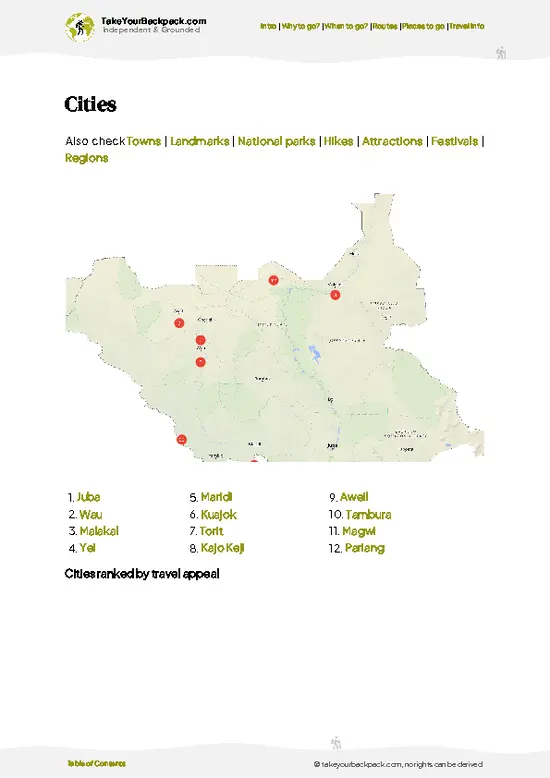
  • Magwi—farming settlements, Acholi communities, rolling hills| 44 km away
  • Kajo Keji—borderland hills, farming villages, forest edges| 119 km away
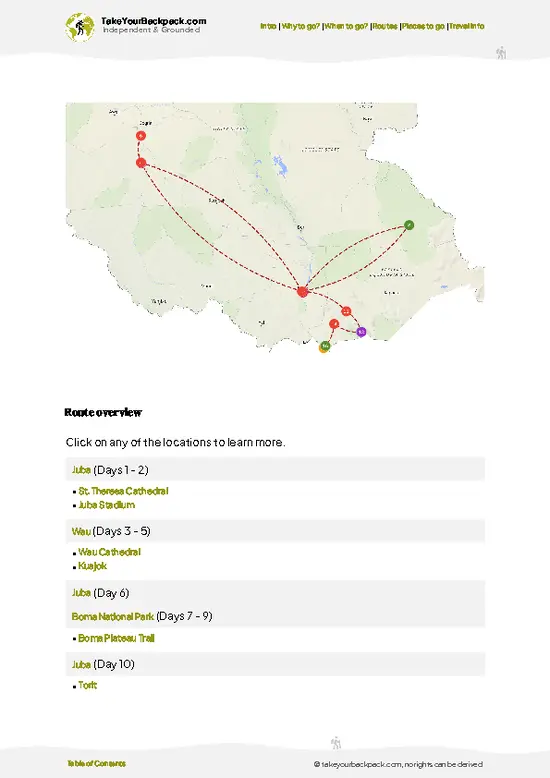
  • Juba—Nile riverfront, bustling markets, government district, expat enclaves| 120 km away

💡 Not sure where to go next?
Create a personalized itinerary for South Sudan including Torit and the places that fit your trip.

Generate my itinerary

👉 Discover all cities

Or checkout all South Sudan has to offer (think cities, towns, villages, national parks, hikes, beaches, festivals)
Country photo of South Sudan

We 💚 feedbackKey takeaways before you go

Torit pulses with a raw, unfiltered energy. The air hums with the scent of earth after rain, and laughter echoes through the bustling market. Don’t miss the local dances; they’ll surprise you with their intensity and joy. Just be mindful of the heat—stay hydrated and pace yourself. Embrace the challenges; they’re part of the experience. This place rewards those who dig deeper, revealing a spirit that’s both resilient and welcoming.

✍️ Help improve this page!
The information on this page is based on in-depth research, insights shared by experienced travelers, and feedback from the local travel community in South Sudan. While every effort is made to keep the information accurate and current, conditions can change — so if you spot anything incorrect or outdated, please get in touch.


🙋‍♂️ Give feedback

👋 Meet the founderWho’s Behind Take Your Backpack?

Johan, backpacker and founder of TakeYourBackpackHi, I’m Johan (Netherlands 🇳🇱), the creator of TakeYourBackpack. Over the past decade, I’ve backpacked through 80+ countries across six continents, gaining extensive experience with independent travel, long-term trips, and overland routes.

This site is built on a combination of firsthand travel experience and carefully curated insights from other backpackers. Many guides are based on places I’ve personally visited, while others bring together tips, observations, and practical advice shared by trusted travelers I’ve met along the way.

The goal is to provide realistic, experience-driven guidance — not generic itineraries — so you can explore destinations with better context, clearer expectations, and more confidence.

Get full country guide •
Instant download • 68 highlights • Full Offline guide