v2.webp)
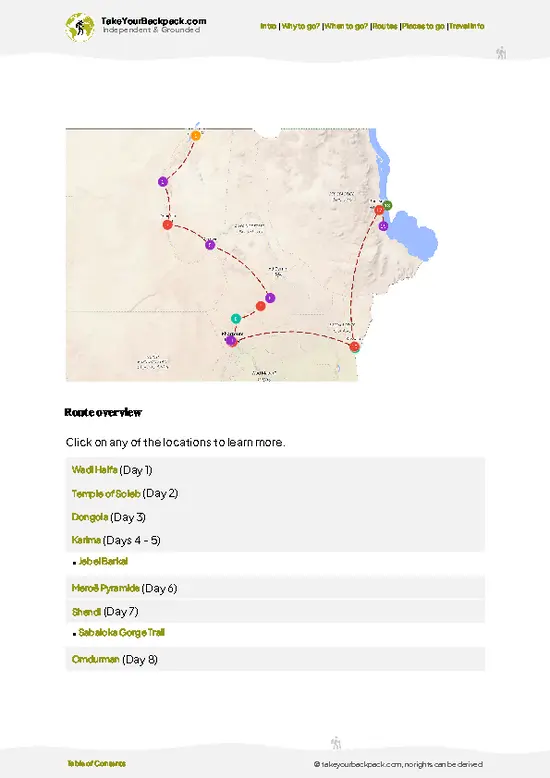
- Central Souq (Main Market) — The town’s real public space: rows of produce, spices, textiles and household goods where you can practice bargaining, watch daily life, and taste street snacks. Go early for the freshest fruit and best atmosphere.
- Weekly Livestock Market — A vivid, noisy meeting of herders and traders bringing cattle, goats and camels from the surrounding plains. It’s the best place to see pastoral Kordofan culture up close and learn how trade here still runs on face-to-face deals.
- Friday Jami’a (Main Mosque) — The mosque that anchors Jummah prayers and community life. Even if you’re not praying, the courtyard and the flow of people give a clear window into local rhythms; dress respectfully and ask before photographing worshippers.
- Old Quarter / Mud-brick Neighborhoods —
- Central Souq (Main Market) — The town’s real public space: rows of produce, spices, textiles and household goods where you can practice bargaining, watch daily life, and taste street snacks. Go early for the freshest fruit and best atmosphere.
- Weekly Livestock Market — A vivid, noisy meeting of herders and traders bringing cattle, goats and camels from the surrounding plains. It’s the best place to see pastoral Kordofan culture up close and learn how trade here still runs on face-to-face deals.
- Friday Jami’a (Main Mosque) — The mosque that anchors Jummah prayers and community life. Even if you’re not praying, the courtyard and the flow of people give a clear window into local rhythms; dress respectfully and ask before photographing worshippers.
- Old Quarter / Mud-brick Neighborhoods — Narrow lanes and traditional Kordofan-style mud architecture. Wandering here (with a local guide if possible) shows how houses, courtyards and daily routines have adapted to the heat and the social fabric of the town.
- Artisan and Leather Workshops — Small family-run workshops where you can see, and sometimes buy, hand-stitched leather goods, woven mats and simple metalwork. Craftspeople are often happy to show their process if you stop and chat.
- Town Square / Municipal Garden — The evening hangout with tea stalls and benches — a low-key place to watch kids play, hear local gossip, and sip sweet tea as the sun cools off. It’s where the town exhales after a long day.
- Bus Station / Transport Hub — Chaotic and useful: the place to catch shared taxis and buses for the region, meet traders just arrived from villages, and observe the comings and goings that keep Umm Ruwaba connected to the rest of Kordofan.
- Acacia and Date Groves (town outskirts) — Small agricultural pockets and shady acacia lines where locals tend date palms and rare irrigated plots. In season you’ll see people harvesting and get a pastoral feel without leaving town limits.
- Wadi Bed and Seasonal Floodplain — When the rains come the dry wadi inside town turns green; it’s a surprising local nature spot with seasonal birdlife and a different, quieter side to Umm Ruwaba. Best visited after the rainy season for the full effect.
- Ahwas (Local Tea/Coffee Houses) — Simple cafés where men (and sometimes whole families) gather for conversation, card games and sweet tea or Sudanese coffee. They’re social hubs — perfect for people-watching and getting travel tips from locals.
Spotted a mistake or missing something? Contact us.

 Best Backpacking
.jpg) Hi, I’m Johan (Netherlands 🇳🇱), the creator of TakeYourBackpack. Over the past 3 decades, I’ve backpacked through 90+ countries across six continents, gaining extensive experience with independent travel, long-term trips, and overland routes.
Hi, I’m Johan (Netherlands 🇳🇱), the creator of TakeYourBackpack. Over the past 3 decades, I’ve backpacked through 90+ countries across six continents, gaining extensive experience with independent travel, long-term trips, and overland routes.