

×

Suriname🇸🇷 | best hikesWhere to Find the 3 Best hikes in Suriname

In Suriname, hiking is a journey through dense rainforests, vibrant savannas, and rugged mountains. The difficulty of trails varies widely, from accessible paths near Paramaribo to challenging treks in the interior. Seasonal rains can transform trails, making some impassable while others bloom with life. Choosing wisely impacts your vibe; a trek through the Central Suriname Nature Reserve offers solitude and wildlife, while the Brownsberg Nature Park provides stunning vistas and cultural encounters. Consider altitude and daylight; higher trails demand more stamina and preparation. Each hike shapes your experience, influencing budget, safety, and the depth of your cultural immersion in this unique landscape.

By Johan Kruseman 🇳🇱 | Updated September 5, 2026
Explore the best beaches in Suriname

Why go?Understanding Their Importance

Hiking in Suriname offers a unique blend of terrain variety and cultural richness that sets it apart from other destinations. The country’s dense rainforests, rolling hills, and rugged mountains create a dynamic landscape. Trails can range from well-maintained paths to rugged, overgrown routes, demanding a mix of physical endurance and navigational skills.

The altitude varies significantly, with some hikes leading to elevated viewpoints that reward the effort with sweeping vistas of unspoiled nature. However, the trade-off often lies in the difficulty of access. Many trails are remote, requiring careful planning and sometimes lengthy travel times to reach trailheads. This can mean sacrificing convenience for a deeper, more immersive experience in Suriname’s lush ecosystems.

Climatic factorsread more 👉
Hiking in Suriname offers a unique blend of terrain variety and cultural richness that sets it apart from other destinations. The country’s dense rainforests, rolling hills, and rugged mountains create a dynamic landscape. Trails can range from well-maintained paths to rugged, overgrown routes, demanding a mix of physical endurance and navigational skills.

The altitude varies significantly, with some hikes leading to elevated viewpoints that reward the effort with sweeping vistas of unspoiled nature. However, the trade-off often lies in the difficulty of access. Many trails are remote, requiring careful planning and sometimes lengthy travel times to reach trailheads. This can mean sacrificing convenience for a deeper, more immersive experience in Suriname’s lush ecosystems.

Climatic factors also play a crucial role. The wet season can make trails muddy and treacherous, while the dry season offers clearer paths but can lead to increased humidity. Understanding these seasonal shifts is vital for safety and enjoyment.

Moreover, the infrastructure for hiking is still developing. While some areas have basic facilities, others lack signage and support, making it essential for hikers to be self-sufficient. This blend of challenges and rewards creates a hiking experience that is both demanding and deeply fulfilling, allowing travelers to connect with Suriname’s wild heart.
Our Approach to Ranking
The list of best hikes in Suriname is created based on scenery, challenge, trail quality, landmarks, and overall enjoyment. If you feel a hike is missing in this list, please let us know.

When to go?Optimal Periods for Travel

Weather Patterns

Suriname’s climate is tropical, characterized by high humidity and consistent temperatures year-round. The wet season typically runs from December to July, bringing heavy rainfall that can make trails muddy and challenging. During this time, the lushness of the rainforest is at its peak, but the risk of slippery paths increases.

Optimal Months

The best months for hiking are generally August to November. This period sees less rain, allowing for clearer trails and better visibility. Daylight hours are ample, providing enough time to explore without feeling rushed. The cooler temperatures in the early mornings and late afternoons make for comfortable trekking.

Shoulder Seasons

Visiting during the shoulder months—late November and early December—can offer a balance. Fewer … read more 👉

Weather Patterns

Suriname’s climate is tropical, characterized by high humidity and consistent temperatures year-round. The wet season typically runs from December to July, bringing heavy rainfall that can make trails muddy and challenging. During this time, the lushness of the rainforest is at its peak, but the risk of slippery paths increases.

Optimal Months

The best months for hiking are generally August to November. This period sees less rain, allowing for clearer trails and better visibility. Daylight hours are ample, providing enough time to explore without feeling rushed. The cooler temperatures in the early mornings and late afternoons make for comfortable trekking.

Shoulder Seasons

Visiting during the shoulder months—late November and early December—can offer a balance. Fewer crowds and lower costs are appealing, but the weather can be unpredictable. Rainfall may still occur, and trails may not be in prime condition.

Peak Periods

Peak tourist seasons coincide with holiday periods, leading to busier trails and higher accommodation prices. While the atmosphere may be lively, the trade-off is less solitude and potential delays in accessing popular areas.

Seasonal Constraints

Travelers should consider recovery needs after hikes, especially during the wet season when conditions can be taxing. Planning for rest days is crucial, particularly if tackling more strenuous trails. Balancing safety with the desire for scenic rewards is essential for an enjoyable experience.

hike hoppingOptimizing Your Multi-Stop Itinerary

General Routing Logic

Suriname’s hikes are best tackled by clustering them regionally. Start in the capital, Paramaribo, then head south toward the Central Suriname Nature Reserve. This route allows for a natural progression from urban to wild, maximizing both energy and scenic payoff.

Typical Time Needed

Plan for at least two to three days per major hike. This includes travel time and recovery. The trails can be demanding, so allow for downtime to soak in the surroundings. A day spent resting can enhance the experience of the next hike, making the effort feel worthwhile.

Common Planning Mistakes

Many travelers underestimate the physical demands of the trails. Over-scheduling can lead to fatigue, diminishing the enjoyment of each hike. Prioritize quality over quantity; it’s better to … read more 👉

General Routing Logic

Suriname’s hikes are best tackled by clustering them regionally. Start in the capital, Paramaribo, then head south toward the Central Suriname Nature Reserve. This route allows for a natural progression from urban to wild, maximizing both energy and scenic payoff.

Typical Time Needed

Plan for at least two to three days per major hike. This includes travel time and recovery. The trails can be demanding, so allow for downtime to soak in the surroundings. A day spent resting can enhance the experience of the next hike, making the effort feel worthwhile.

Common Planning Mistakes

Many travelers underestimate the physical demands of the trails. Over-scheduling can lead to fatigue, diminishing the enjoyment of each hike. Prioritize quality over quantity; it’s better to savor a few trails than rush through many.

Trade-offs and Constraints

Consider the balance between speed and depth of experience. Rushing through hikes may save time but can rob the journey of its essence. Budget constraints may also dictate comfort levels; opting for local accommodations can enhance the experience without breaking the bank.

Pacing Strategies

Maintain a flexible itinerary. Allow for spontaneous detours or extended stays at particularly rewarding spots. This adaptability can lead to unexpected discoveries, making each hike not just a physical challenge but a rich, immersive experience.

The ListTop hikes of Suriname

1 Kasikasima

remote peaks, river journey, indigenous lands

Travel deep into the interior by boat and foot, traversing rugged terrain and encountering traditional villages before scaling dramatic rock formations.

suriname-hike-kasikasima
© Google |

2 Voltzberg

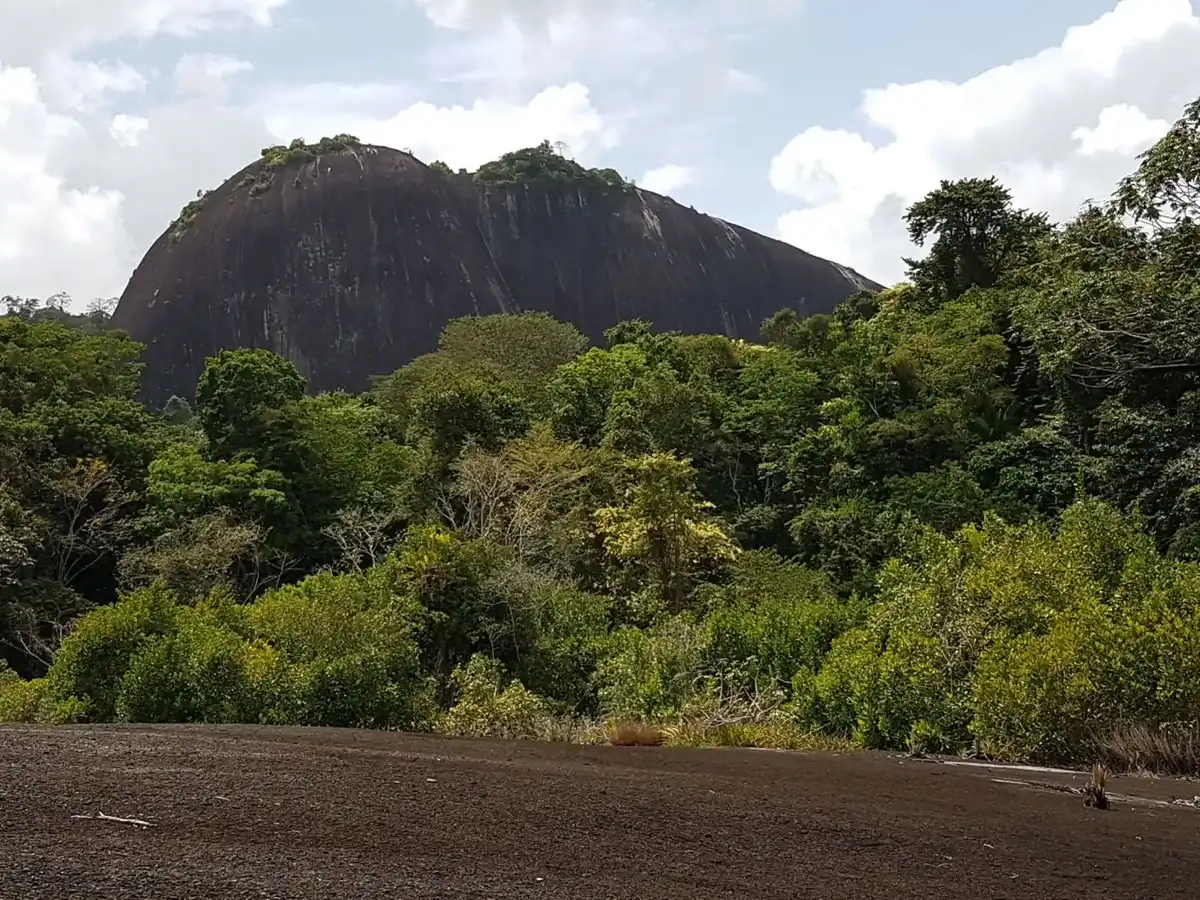
granite dome, rainforest ascent, wildlife viewing

Climb through dense forest to reach a bare summit, where panoramic views and frequent sightings of monkeys and rare birds await.

3 Fredberg

savanna ridge, overnight camping, misty mornings

Ascend open slopes to a breezy plateau, camp above the tree line, and wake to sunrise clouds drifting over the forest below.

Loading the map 🌍

Expert viewInsights from Locals and Experts

Trail Logistics

Suriname’s hiking scene is a blend of lush rainforests, winding rivers, and rugged terrain. Expect to tackle around three to five hikes to truly capture the essence of this diverse landscape. Each trail offers a different flavor of the country’s natural beauty, but they come with their own set of challenges.

Most trails range from moderate to difficult, often requiring a solid fitness level. The humidity can be relentless, and the trails can be muddy, especially after rain. Pacing yourself is crucial; don’t underestimate the toll that heat and humidity can take on your body. Plan for hikes that last anywhere from a few hours to a full day. You’ll want to leave early to avoid the midday sun, and always carry enough water.

Altitude and Terrain

Suriname isn’t known for towering … read more 👉

Trail Logistics

Suriname’s hiking scene is a blend of lush rainforests, winding rivers, and rugged terrain. Expect to tackle around three to five hikes to truly capture the essence of this diverse landscape. Each trail offers a different flavor of the country’s natural beauty, but they come with their own set of challenges.

Most trails range from moderate to difficult, often requiring a solid fitness level. The humidity can be relentless, and the trails can be muddy, especially after rain. Pacing yourself is crucial; don’t underestimate the toll that heat and humidity can take on your body. Plan for hikes that last anywhere from a few hours to a full day. You’ll want to leave early to avoid the midday sun, and always carry enough water.

Altitude and Terrain

Suriname isn’t known for towering peaks, but the terrain can still be demanding. The trails often wind through dense jungle, with roots and rocks that require careful navigation. Some areas may have slight elevation changes, but nothing extreme. However, the uneven ground can be taxing, especially on the knees.

Consider the trade-off: while you won’t be gasping for breath at high altitudes, the physical exertion from navigating tricky terrain can be just as challenging. Bring trekking poles if you have them; they can save your legs on the way down.

Recovery and Rest

After a long day on the trails, recovery is key. The local culture embraces relaxation, so take advantage of that. Find a spot by a river or a quiet corner of your lodge to unwind. Enjoying a cold beer or a local drink can be a rewarding way to celebrate your efforts.

Plan your hikes with recovery in mind. If you’re tackling a more strenuous trail, consider spacing out your hikes to allow your body to recuperate. This isn’t just about physical recovery; it’s also about soaking in the atmosphere. The sounds of the jungle, the scent of damp earth, and the sight of the setting sun can be as rejuvenating as a good night’s sleep.

Difficulty and Safety

The difficulty of hikes can vary significantly based on weather conditions and trail maintenance. Some paths may be well-marked, while others can be less defined, requiring a bit of navigation savvy. Always check local conditions before heading out.

Safety is paramount. Be aware of wildlife and local customs. Some areas may have restrictions or require permits. It’s wise to hike with a local guide who knows the terrain and can provide insights into the flora and fauna. This not only enhances your experience but also supports the local economy.

Cultural Considerations

Suriname’s rich cultural tapestry adds another layer to your hiking experience. Engage with local communities when possible. They often have stories and knowledge about the land that can deepen your appreciation for the trails.

However, be respectful of local customs and practices. Some areas may have spiritual significance, and it’s essential to approach these places with sensitivity. This respect will enrich your journey and foster a connection to the land that goes beyond the physical exertion of hiking.

In summary, Suriname’s hiking trails offer a rewarding mix of challenge and beauty. With thoughtful planning and a respect for the environment and local culture, you’ll find that the effort you put in pays off in unforgettable experiences.

✈️ The backpacker research shortcutSuriname Travel Guide

An offline-friendly backpacking guide with optimized travel routes, ranked highlights, transport advice, and the best areas to stay.
example page 0 from our offline Travel Guide for Suriname
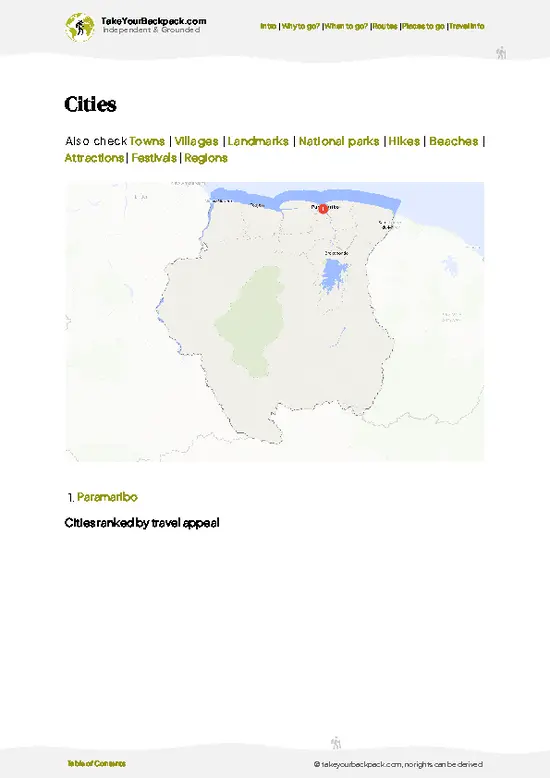
example page 1 from our offline Travel Guide for Suriname
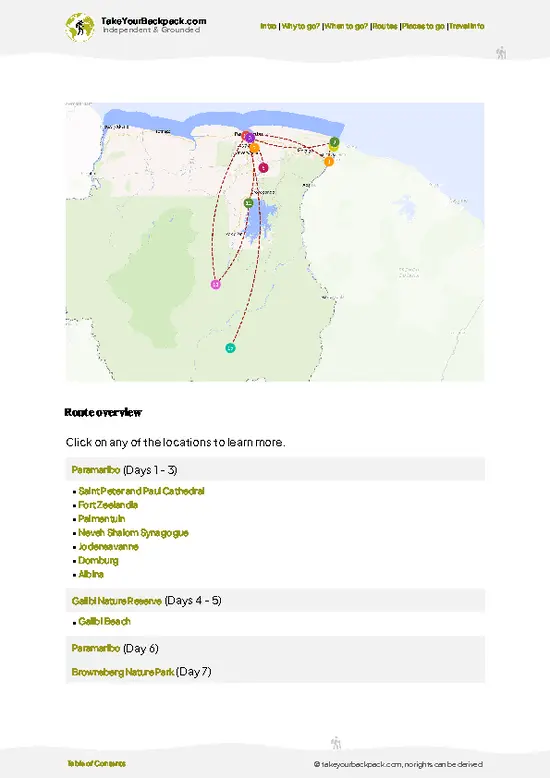
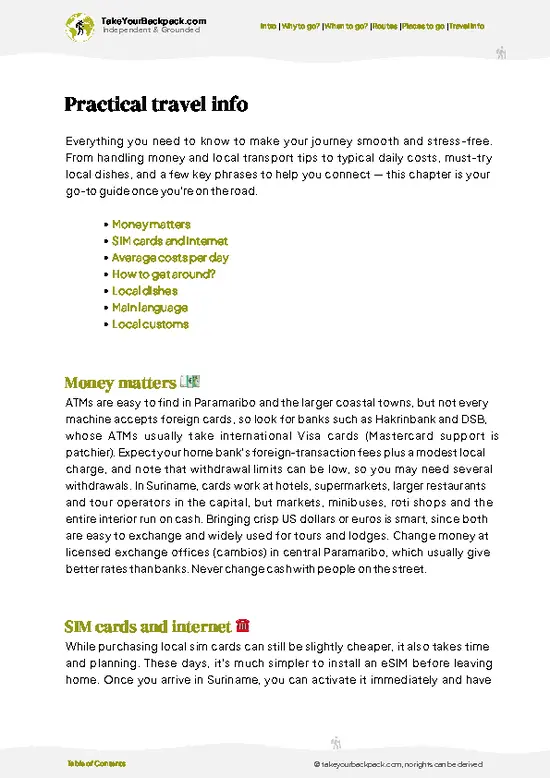
example page 2 from our offline Travel Guide for Suriname
example page 3 from our offline Travel Guide for Suriname
example page 4 from our offline Travel Guide for Suriname
example page 5 from our offline Travel Guide for Suriname
example page 6 from our offline Travel Guide for Suriname
example page 7 from our offline Travel Guide for Suriname
The digital guide (185 pages) contains:
43 highlights, ranked by travel appeal
Optimized 5, 10 & 15-day travel routes
Cities, national parks, landmarks, beaches
How to get around
Offline-friendly for travel without Wi-Fi
👉 Click to see all 30+ guide features

📅 Plan smarter in minutes, not weeks
Month by month travel advice
Festivals & national holidays
Budget expectations

🗺️ Go to the right places, skip the overrated ones
Honest pros & cons of destinations
Top hikes, parks & viewpoints
Lesser-known places most travelers miss
Clear “worth it vs skip it” guidance

🛏️ Travel smoothly without rookie mistakes
Best areas to stay
Transport systems explained simply
Common scams & safety advice
SIM cards, money & practical tips

🌍 Understand the country, not just visit it
Culture & traditions
52 Essential phrases & customs
Festivals worth planning around
Traveler-friendly historical context
Insights that make places more meaningful

📱 Built for real travel conditions
Fully downloadable PDF
Works completely offline
Optimized for phone use
Useful in remote areas & buses
Everything in one place
Save weeks of stressful planning
Get instant access to your full guide. 30‑day money-back guarantee.
+ Add another guide for just US$7.80

By proceeding you agree to our terms.
Sent to your inbox immediately after payment • 100% Secure Checkout
Best Backpacking Travel Advisor 2025 tourism awardBest Backpacking
Travel Advisor
2025
What others say about Take Your Backpack Guides:
⭐⭐⭐⭐⭐
Fantastic, amazing amount of information!
⭐⭐⭐⭐⭐
My goodness this is amazing, it's what I've been looking for hats off too you!
⭐⭐⭐⭐⭐
I think this is absolutely BRILLIANT
⭐⭐⭐⭐
Very complete and informative. It's still missing places, but I gotta to commend you
⭐⭐⭐⭐⭐
This is truly amazing, thank you, can't wait to explore it with my kids!
⭐⭐⭐⭐⭐
Awesome resource, thank you!
⭐⭐⭐⭐⭐
This is amazing! Can't wait to explore the ones I haven't seen
⭐⭐⭐⭐
I love this! Well done, great idea.
⭐⭐⭐⭐⭐
Thanks for taking the time to make this gem!
⭐⭐⭐⭐⭐
This might be the best website I've ever seen.
⭐⭐⭐⭐⭐
Congratulations, and thank you so much for your work; it's incredibly valuable.
⭐⭐⭐⭐
In all seriousness I think you did a great job pointing out the important spots
⭐⭐⭐⭐⭐
10/10 very good
⭐⭐⭐⭐⭐
As someone who's only just starting to visit regularly this is awesome, thank you.
⭐⭐⭐⭐
Thank you very much! I'm going to visit my dad, it's going to be very useful!
⭐⭐⭐⭐⭐
This is really cool! We'll be travelling for the first time and this definitely come in handy.
⭐⭐⭐⭐⭐
You are now our minister of culture, congratulations 👨‍💼
⭐⭐⭐⭐⭐
Just wanted to tell you that this is a pearl! Going to follow your recommendations.
⭐⭐⭐⭐⭐
This is so cool. I'll definitely be using the resource for my travels soon.
⭐⭐⭐⭐⭐
This is very impressive! Good work.
⭐⭐⭐⭐⭐
This is an amazing and informative site. Very well done!

🛏️ Where to stay?Where to Stay in Suriname

Yes — Suriname has hostels and budget accommodation, concentrated in Paramaribo (the capital) with a handful of basic guesthouses and eco-lodges near major nature sites.
Base in Central Paramaribo or the Waterkant for the most hostels and easy access to historic sites, restaurants and nightlife but expect noise and take standard petty‑theft precautions; choose the Palmentuin/park area for quieter streets and nearby museums with fewer budget options; Meerzorg/Lelydorp gives lower prices and commuter links across the river but limited evening amenities; remote eco-lodges near Brownsberg or Galibi are ideal for wildlife yet need advance booking, costly transport and very basic facilities.

If you … read more 👉
Yes — Suriname has hostels and budget accommodation, concentrated in Paramaribo (the capital) with a handful of basic guesthouses and eco-lodges near major nature sites.
Base in Central Paramaribo or the Waterkant for the most hostels and easy access to historic sites, restaurants and nightlife but expect noise and take standard petty‑theft precautions; choose the Palmentuin/park area for quieter streets and nearby museums with fewer budget options; Meerzorg/Lelydorp gives lower prices and commuter links across the river but limited evening amenities; remote eco-lodges near Brownsberg or Galibi are ideal for wildlife yet need advance booking, costly transport and very basic facilities.

If you enjoy meeting fellow travelers, consider choosing hostels with high ratings for atmosphere. On the other hand, if you prefer having your own space, a hotel might be a better option.

SurinameMore of Suriname

👋 Meet the founderWho’s Behind Take Your Backpack?

Johan, backpacker and founder of TakeYourBackpackHi, I’m Johan (Netherlands 🇳🇱), the creator of TakeYourBackpack. Over the past decade, I’ve backpacked through 80+ countries across six continents, gaining extensive experience with independent travel, long-term trips, and overland routes.

This site is built on a combination of firsthand travel experience and carefully curated insights from other backpackers. Many guides are based on places I’ve personally visited, while others bring together tips, observations, and practical advice shared by trusted travelers I’ve met along the way.

The goal is to provide realistic, experience-driven guidance — not generic itineraries — so you can explore destinations with better context, clearer expectations, and more confidence.

Get full Suriname guide •
Instant download • 43 highlights • Full Offline guide