×

Suriname🇸🇷 | best beachesWhere to Find the 2 Best beaches in Suriname

Suriname’s beaches offer a unique blend of coastal beauty and cultural immersion that caters to every type of backpacker. From the tranquil shores of the north to the wild, untouched stretches along the interior, each beach presents its own vibe. Seasonal changes affect surf and swim conditions, with the dry season (August to November) providing calmer waters ideal for swimming, while the rainy season can bring rougher surf and fewer crowds.

Choosing the right beach impacts your experience significantly—whether you seek solitude, local culture, or adventure. Budget considerations also vary; some beaches are easily accessible and affordable, while others require more effort and investment. Understanding these nuances will enhance your independent travel experience in this vibrant country.

By Johan Kruseman 🇳🇱 | Updated September 5, 2026
Explore the best attractions in Suriname

Why go?Understanding Their Importance

Suriname’s beaches stand out for their diversity and raw beauty, shaped by a unique blend of geography and culture. The coastline stretches along the Atlantic, offering everything from sandy shores to mangrove-lined estuaries. Unlike many Caribbean destinations, Suriname’s beaches are often less commercialized, allowing for a more authentic experience.

However, this authenticity comes with trade-offs. Accessibility can be a challenge; many beaches require a trek through dense rainforest or a boat ride along winding rivers. This effort often rewards travelers with a sense of isolation and tranquility that’s hard to find elsewhere. The seasonal conditions also play a significant role. The dry season, from August to November, offers the best weather, but it also attracts more visitors. This … read more 👉
Suriname’s beaches stand out for their diversity and raw beauty, shaped by a unique blend of geography and culture. The coastline stretches along the Atlantic, offering everything from sandy shores to mangrove-lined estuaries. Unlike many Caribbean destinations, Suriname’s beaches are often less commercialized, allowing for a more authentic experience.

However, this authenticity comes with trade-offs. Accessibility can be a challenge; many beaches require a trek through dense rainforest or a boat ride along winding rivers. This effort often rewards travelers with a sense of isolation and tranquility that’s hard to find elsewhere. The seasonal conditions also play a significant role. The dry season, from August to November, offers the best weather, but it also attracts more visitors. This means that while the sun shines brightly, the beaches can feel crowded, detracting from the serene atmosphere.

Culturally, Suriname’s beaches reflect the country’s multicultural heritage, where indigenous, African, and Dutch influences converge. This rich history adds depth to the experience, but it also means that some areas may be more developed than others, impacting the overall vibe. Understanding these nuances is crucial for travelers seeking to immerse themselves fully in Suriname’s coastal offerings.
Behind the Scenes of Selection
The list of best beaches in Suriname is created based on beauty, vibe, water quality, activities, and surrounding scenery. If you feel a beach is missing in this list, please let us know.

When to go?Optimal Periods for Travel

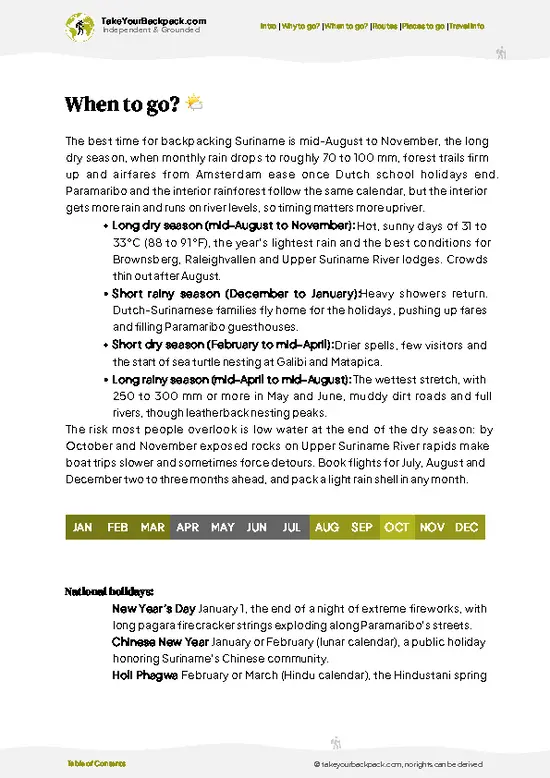
Suriname’s beaches experience a tropical climate, with distinct wet and dry seasons that shape the experience. The monsoon season typically runs from December to August, bringing heavy rains and rough seas. During this time, swimming can be risky due to strong currents and reduced water clarity. The beaches may appear less inviting, with muddy waters and debris washed ashore.

The dry season, from September to November, offers the best conditions for beachgoers. Water clarity improves, and the surf calms down, making swimming and sunbathing more enjoyable. This period also sees fewer crowds, allowing for a more tranquil experience. Prices for accommodations and activities tend to be lower during these shoulder months, making it an attractive option for budget-conscious travelers.

Peak periods, … read more 👉
Suriname’s beaches experience a tropical climate, with distinct wet and dry seasons that shape the experience. The monsoon season typically runs from December to August, bringing heavy rains and rough seas. During this time, swimming can be risky due to strong currents and reduced water clarity. The beaches may appear less inviting, with muddy waters and debris washed ashore.

The dry season, from September to November, offers the best conditions for beachgoers. Water clarity improves, and the surf calms down, making swimming and sunbathing more enjoyable. This period also sees fewer crowds, allowing for a more tranquil experience. Prices for accommodations and activities tend to be lower during these shoulder months, making it an attractive option for budget-conscious travelers.

Peak periods, particularly around holidays and school vacations, can lead to crowded beaches and inflated prices. While the atmosphere may be lively, the trade-off is a less serene experience. Travelers should consider these seasonal constraints when planning their trips. The best time to visit for optimal beach conditions is during the dry season, but the shoulder months can provide a rewarding balance of good weather and fewer tourists.

beach hoppingOptimizing Your Multi-Stop Itinerary

To efficiently combine the best beaches of Suriname, start by clustering your stops based on geography. The northern coastline is where most of the action happens, with beaches like Galibi and the more secluded Bigi Pan. Begin your journey in the capital, Paramaribo, and head east along the coast. This route allows for a natural flow, minimizing backtracking.

Plan for at least two to three hours at each beach. This gives time to soak in the atmosphere, swim, or explore the surrounding areas. Early mornings are ideal for fewer crowds and calmer waters, especially for swimming. As the day progresses, beaches can fill up, particularly on weekends.

A common mistake is trying to cram too many stops into a single day. While it’s tempting to rush from one beach to another, this often leads to a read more 👉
To efficiently combine the best beaches of Suriname, start by clustering your stops based on geography. The northern coastline is where most of the action happens, with beaches like Galibi and the more secluded Bigi Pan. Begin your journey in the capital, Paramaribo, and head east along the coast. This route allows for a natural flow, minimizing backtracking.

Plan for at least two to three hours at each beach. This gives time to soak in the atmosphere, swim, or explore the surrounding areas. Early mornings are ideal for fewer crowds and calmer waters, especially for swimming. As the day progresses, beaches can fill up, particularly on weekends.

A common mistake is trying to cram too many stops into a single day. While it’s tempting to rush from one beach to another, this often leads to a superficial experience. Instead, prioritize quality over quantity. Consider the trade-offs: a faster pace might mean missing the local vibe or the chance to enjoy a sunset with a cold drink in hand.

Flexibility is key. Weather can change quickly, impacting surf conditions and accessibility. Be prepared to adjust your plans based on local advice or conditions. This approach ensures a richer experience, where each beach visit feels like a well-earned reward.

The ListTop beaches of Suriname

1 Galibi Beach

sea turtle nesting, remote coastline, indigenous village

Watch endangered turtles come ashore at dusk, then wander quiet sands bordered by forest and traditional Carib settlements.

2 Pikin Saramacca Beach

freshwater swimming, forest backdrop, picnic shelters

Swim in calm river waters surrounded by greenery, with simple facilities and a relaxed atmosphere favored by local families.

Loading the map 🌍

Expert viewInsights from Locals and Experts

Coastline Flow
Suriname’s coastline is a patchwork of sandy stretches and mangrove-lined shores, each with its own character. The beaches here are not just places to lounge; they’re gateways to the country’s rich biodiversity and cultural tapestry. Expect a mix of soft, golden sands and rugged, wild stretches where the Atlantic waves crash with a raw energy. The flow of the coastline varies significantly, with some areas offering calm waters perfect for a dip, while others present a more challenging surf.

Seasonal Conditions
Timing your visit is crucial. The dry season, roughly from August to November, is ideal for beach outings. The sun shines bright, and the humidity is manageable, making it easier to enjoy long days by the water. However, the wet season can transform the landscape dramatically. … read more 👉
Coastline Flow
Suriname’s coastline is a patchwork of sandy stretches and mangrove-lined shores, each with its own character. The beaches here are not just places to lounge; they’re gateways to the country’s rich biodiversity and cultural tapestry. Expect a mix of soft, golden sands and rugged, wild stretches where the Atlantic waves crash with a raw energy. The flow of the coastline varies significantly, with some areas offering calm waters perfect for a dip, while others present a more challenging surf.

Seasonal Conditions
Timing your visit is crucial. The dry season, roughly from August to November, is ideal for beach outings. The sun shines bright, and the humidity is manageable, making it easier to enjoy long days by the water. However, the wet season can transform the landscape dramatically. While the rain can be heavy, it also brings a lush vibrancy to the surroundings. Just be prepared for muddy trails if you venture inland. The trade-off here is between the vibrant, green scenery of the wet season and the accessibility of the dry months.

Access Points
Getting to the beaches can be an adventure in itself. Many are accessible via well-trodden paths, but some require a bit of effort. Expect to navigate through local communities, where you might find friendly faces and the scent of grilled fish wafting through the air. Public transport can be hit or miss, so renting a bike or arranging a local guide can enhance your experience. The trade-off is between the ease of access and the authenticity of the journey. The more effort you put in, the richer the experience tends to be.

Crowd Density
Suriname’s beaches are generally less crowded than those in more tourist-heavy regions. You can find stretches where you’ll have the sand to yourself, especially if you venture a bit off the beaten path. However, popular spots can fill up on weekends, particularly with locals enjoying their time off. If you prefer solitude, aim for weekdays or lesser-known beaches. The balance here is between enjoying the vibrant local culture and seeking a peaceful retreat.

Relaxation vs. Travel Speed
Deciding how many beaches to visit depends on your travel style. I recommend focusing on three to five beaches to truly soak in the atmosphere without feeling rushed. Each beach has its own vibe, so take the time to relax, swim, and perhaps even indulge in some local cuisine. The effort you put into exploring will pay off in the form of unique experiences and connections with the local culture.

Safety & Cultural Considerations
While Suriname is generally safe, it’s wise to stay aware of your surroundings, especially in less populated areas. Respect local customs and be mindful of the environment—plastic waste can be an issue on some beaches. Engaging with locals can enrich your experience, but always approach with respect and openness. The trade-off here is between the thrill of adventure and the need for caution.

In summary, Suriname’s beaches offer a blend of natural beauty and cultural richness. The key is to plan wisely, balancing your desire for relaxation with the thrill of exploration. Each beach you visit will reward your efforts with unique sights, sounds, and flavors that make the journey worthwhile.

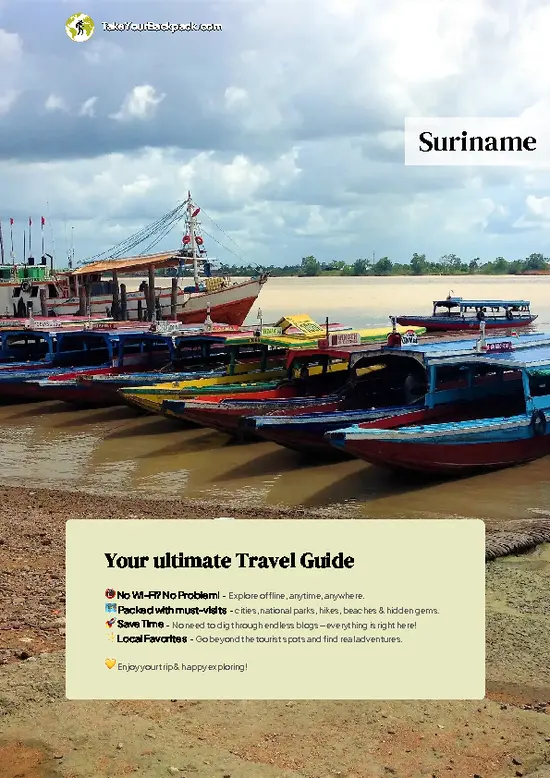
✈️ The backpacker research shortcutSuriname Travel Guide

An offline-friendly backpacking guide with optimized travel routes, ranked highlights, transport advice, and the best areas to stay.
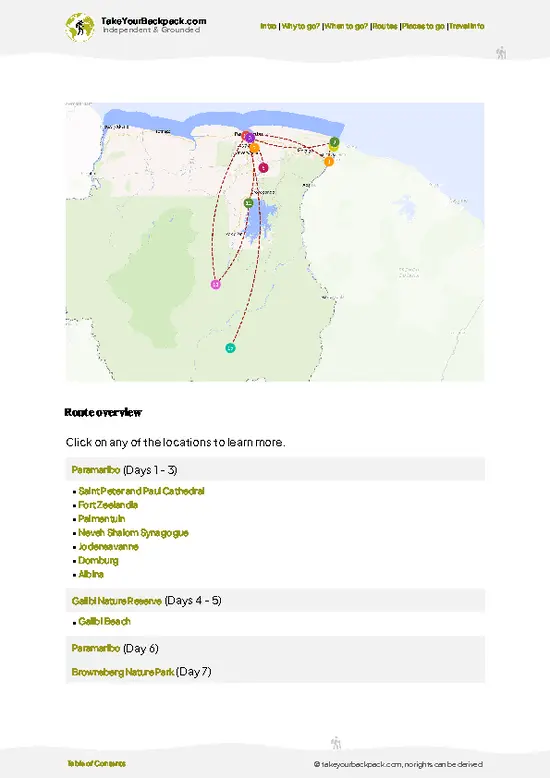
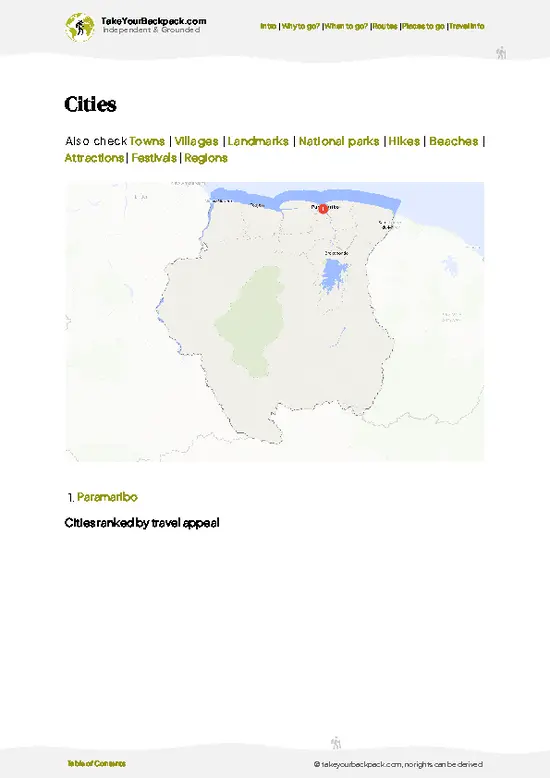
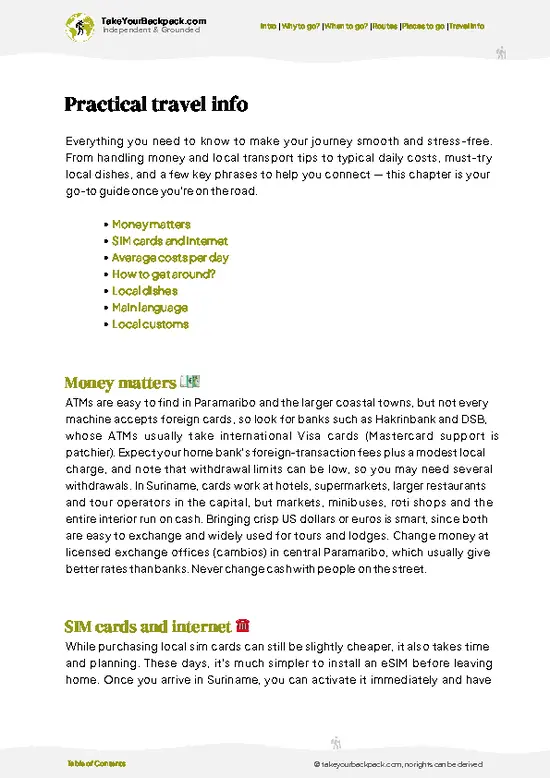
example page 0 from our offline Travel Guide for Suriname
example page 1 from our offline Travel Guide for Suriname
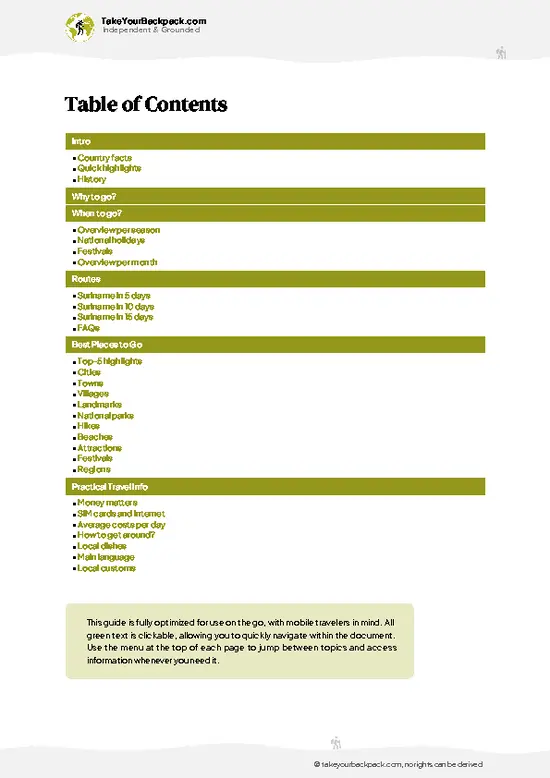
example page 2 from our offline Travel Guide for Suriname
example page 3 from our offline Travel Guide for Suriname
example page 4 from our offline Travel Guide for Suriname
example page 5 from our offline Travel Guide for Suriname
example page 6 from our offline Travel Guide for Suriname
example page 7 from our offline Travel Guide for Suriname
The digital guide (185 pages) contains:
43 highlights, ranked by travel appeal
Optimized 5, 10 & 15-day travel routes
Cities, national parks, landmarks, beaches
How to get around
Offline-friendly for travel without Wi-Fi
👉 Click to see all 30+ guide features

📅 Plan smarter in minutes, not weeks
Month by month travel advice
Festivals & national holidays
Budget expectations

🗺️ Go to the right places, skip the overrated ones
Honest pros & cons of destinations
Top hikes, parks & viewpoints
Lesser-known places most travelers miss
Clear “worth it vs skip it” guidance

🛏️ Travel smoothly without rookie mistakes
Best areas to stay
Transport systems explained simply
Common scams & safety advice
SIM cards, money & practical tips

🌍 Understand the country, not just visit it
Culture & traditions
52 Essential phrases & customs
Festivals worth planning around
Traveler-friendly historical context
Insights that make places more meaningful

📱 Built for real travel conditions
Fully downloadable PDF
Works completely offline
Optimized for phone use
Useful in remote areas & buses
Everything in one place
Save weeks of stressful planning
Get instant access to your full guide. 30‑day money-back guarantee.
+ Add another guide for just US$7.80

By proceeding you agree to our terms.
Sent to your inbox immediately after payment • 100% Secure Checkout
Best Backpacking Travel Advisor 2025 tourism awardBest Backpacking
Travel Advisor
2025
What others say about Take Your Backpack Guides:
⭐⭐⭐⭐⭐
Fantastic, amazing amount of information!
⭐⭐⭐⭐⭐
My goodness this is amazing, it's what I've been looking for hats off too you!
⭐⭐⭐⭐⭐
I think this is absolutely BRILLIANT
⭐⭐⭐⭐
Very complete and informative. It's still missing places, but I gotta to commend you
⭐⭐⭐⭐⭐
This is truly amazing, thank you, can't wait to explore it with my kids!
⭐⭐⭐⭐⭐
Awesome resource, thank you!
⭐⭐⭐⭐⭐
This is amazing! Can't wait to explore the ones I haven't seen
⭐⭐⭐⭐
I love this! Well done, great idea.
⭐⭐⭐⭐⭐
Thanks for taking the time to make this gem!
⭐⭐⭐⭐⭐
This might be the best website I've ever seen.
⭐⭐⭐⭐⭐
Congratulations, and thank you so much for your work; it's incredibly valuable.
⭐⭐⭐⭐
In all seriousness I think you did a great job pointing out the important spots
⭐⭐⭐⭐⭐
10/10 very good
⭐⭐⭐⭐⭐
As someone who's only just starting to visit regularly this is awesome, thank you.
⭐⭐⭐⭐
Thank you very much! I'm going to visit my dad, it's going to be very useful!
⭐⭐⭐⭐⭐
This is really cool! We'll be travelling for the first time and this definitely come in handy.
⭐⭐⭐⭐⭐
You are now our minister of culture, congratulations 👨‍💼
⭐⭐⭐⭐⭐
Just wanted to tell you that this is a pearl! Going to follow your recommendations.
⭐⭐⭐⭐⭐
This is so cool. I'll definitely be using the resource for my travels soon.
⭐⭐⭐⭐⭐
This is very impressive! Good work.
⭐⭐⭐⭐⭐
This is an amazing and informative site. Very well done!

🛏️ Where to stay?Accommodation Highlights

Yes — Suriname has hostels and budget accommodation, concentrated in Paramaribo (the capital) with a handful of basic guesthouses and eco-lodges near major nature sites.
Base in Central Paramaribo or the Waterkant for the most hostels and easy access to historic sites, restaurants and nightlife but expect noise and take standard petty‑theft precautions; choose the Palmentuin/park area for quieter streets and nearby museums with fewer budget options; Meerzorg/Lelydorp gives lower prices and commuter links across the river but limited evening amenities; remote eco-lodges near Brownsberg or Galibi are ideal for wildlife yet need advance booking, costly transport and very basic facilities.

If you … read more 👉
Yes — Suriname has hostels and budget accommodation, concentrated in Paramaribo (the capital) with a handful of basic guesthouses and eco-lodges near major nature sites.
Base in Central Paramaribo or the Waterkant for the most hostels and easy access to historic sites, restaurants and nightlife but expect noise and take standard petty‑theft precautions; choose the Palmentuin/park area for quieter streets and nearby museums with fewer budget options; Meerzorg/Lelydorp gives lower prices and commuter links across the river but limited evening amenities; remote eco-lodges near Brownsberg or Galibi are ideal for wildlife yet need advance booking, costly transport and very basic facilities.

If you enjoy meeting fellow travelers, consider choosing hostels with high ratings for atmosphere. On the other hand, if you prefer having your own space, a hotel might be a better option.

SurinameSee More of Suriname

👋 Meet the founderWho’s Behind Take Your Backpack?

Johan, backpacker and founder of TakeYourBackpackHi, I’m Johan (Netherlands 🇳🇱), the creator of TakeYourBackpack. Over the past decade, I’ve backpacked through 80+ countries across six continents, gaining extensive experience with independent travel, long-term trips, and overland routes.

This site is built on a combination of firsthand travel experience and carefully curated insights from other backpackers. Many guides are based on places I’ve personally visited, while others bring together tips, observations, and practical advice shared by trusted travelers I’ve met along the way.

The goal is to provide realistic, experience-driven guidance — not generic itineraries — so you can explore destinations with better context, clearer expectations, and more confidence.

Get full Suriname guide •
Instant download • 43 highlights • Full Offline guide