×

Thailand🇹🇭 | best villagesNo village found in Thailand

Top villages elude us, but don’t let that stop your trip. Thailand is packed with lots of other highlights and hidden gems, scenic views, and unique adventures. And, if you know of any great village to add here, just contact us.

By Johan Kruseman 🇳🇱 | Updated June 4, 2026
Explore the best landmarks in Thailand

Why go?Key Factors That Shape the Experience

Villages in Thailand offer a unique glimpse into the heart of a culture that thrives on tradition and community. Unlike many countries where rural life is often overshadowed by urbanization, Thailand’s villages maintain a vibrant connection to their cultural roots. Here, you’ll find locals practicing age-old crafts, engaging in traditional festivals, and living in harmony with the lush landscapes that surround them.

The geographic diversity of Thailand plays a significant role in this authenticity. From the mountainous regions in the north to the coastal areas in the south, each village reflects its environment, showcasing distinct architectural styles and local customs. This variety enriches the travel experience, allowing for deeper exploration of the country’s cultural tapestry.

However, … read more 👉
Villages in Thailand offer a unique glimpse into the heart of a culture that thrives on tradition and community. Unlike many countries where rural life is often overshadowed by urbanization, Thailand’s villages maintain a vibrant connection to their cultural roots. Here, you’ll find locals practicing age-old crafts, engaging in traditional festivals, and living in harmony with the lush landscapes that surround them.

The geographic diversity of Thailand plays a significant role in this authenticity. From the mountainous regions in the north to the coastal areas in the south, each village reflects its environment, showcasing distinct architectural styles and local customs. This variety enriches the travel experience, allowing for deeper exploration of the country’s cultural tapestry.

However, accessing these villages often comes with trade-offs. Many are tucked away in remote areas, requiring a commitment to travel time that can feel daunting. The infrastructure in rural Thailand can be less developed, meaning that while you may encounter breathtaking scenery and genuine hospitality, you might also face challenges like limited transportation options or basic amenities. This is where the balance lies: the deeper the exploration, the more rewarding the experience, but it demands patience and flexibility.

Seasonal factors also play a crucial role. The rainy season can make some villages less accessible, while the cooler months attract more visitors, potentially diluting the authentic experience. Understanding these climatic nuances is essential for planning a visit that aligns with your desire for immersion versus convenience.

In essence, Thailand’s villages are not just places to visit; they are living museums of culture and tradition. The decision to venture into these areas should be weighed against the desire for a more profound connection to the land and its people, making the journey as significant as the destination itself.
Why These Made the Cut
The list of best villages in Thailand is created based on authenticity, scenic beauty, community spirit, traditions, and overall character. If you feel a village is missing in this list, please let us know.

When to go?Timing Your Visit for the Best Experience

Seasonality plays a crucial role in experiencing the authentic rural life of Thailand. The country has three main seasons: the cool season, the hot season, and the rainy season. Each brings unique opportunities and challenges for visiting villages.

Cool Season (November to February) is the most popular time to visit. Temperatures are mild, making it ideal for outdoor activities. Villages come alive with festivals and cultural events, showcasing local traditions. However, this peak season also means larger crowds and higher prices. Booking accommodations in advance is essential to secure a spot.

Hot Season (March to May) can be sweltering, especially in rural areas. While fewer tourists venture out during this time, the heat can be oppressive. However, this is when agricultural activities … read more 👉
Seasonality plays a crucial role in experiencing the authentic rural life of Thailand. The country has three main seasons: the cool season, the hot season, and the rainy season. Each brings unique opportunities and challenges for visiting villages.

Cool Season (November to February) is the most popular time to visit. Temperatures are mild, making it ideal for outdoor activities. Villages come alive with festivals and cultural events, showcasing local traditions. However, this peak season also means larger crowds and higher prices. Booking accommodations in advance is essential to secure a spot.

Hot Season (March to May) can be sweltering, especially in rural areas. While fewer tourists venture out during this time, the heat can be oppressive. However, this is when agricultural activities peak. Visitors can witness rice planting and other farming practices, offering a genuine glimpse into village life. Just be prepared for the heat and stay hydrated.

Rainy Season (June to October) presents its own set of challenges. While the landscapes are lush and vibrant, heavy rains can disrupt travel plans. Accessibility to some villages may be limited due to flooding or muddy roads. However, this season also brings fewer tourists, allowing for a more intimate experience with locals. The trade-off is the unpredictability of weather, so flexibility in plans is crucial.

Shoulder Seasons (late October and early November, late February to March) can be a sweet spot. Crowds are thinner, and prices are often lower. Weather conditions are generally favorable, allowing for a more relaxed exploration of rural life. However, some festivals may be missed, and agricultural activities might not be as vibrant as in peak seasons.

Understanding these seasonal patterns is key to planning an enriching visit to Thailand’s villages. Each season offers distinct experiences, so aligning travel plans with these rhythms can enhance the journey.

village hoppingHow to Combine villages Into One Trip

Routing Logic
To weave together the best villages in Thailand, start by clustering regions. Northern villages like Pai and Soppong offer a different vibe than the southern coastal gems like Koh Lanta or Koh Yao Noi. Begin in one region and move in a logical direction, either north to south or vice versa. This minimizes travel time and maximizes immersion.

Time Management
Allocate at least two to three days per village. This allows for exploration without feeling rushed. Some villages, like Pai, are small but packed with experiences, while others may require a bit more time to soak in the local culture.

Common Mistakes
Travelers often underestimate travel times between villages. Rural roads can be winding and slow, so plan for that. Avoid the temptation to cram too many stops into a … read more 👉
Routing Logic
To weave together the best villages in Thailand, start by clustering regions. Northern villages like Pai and Soppong offer a different vibe than the southern coastal gems like Koh Lanta or Koh Yao Noi. Begin in one region and move in a logical direction, either north to south or vice versa. This minimizes travel time and maximizes immersion.

Time Management
Allocate at least two to three days per village. This allows for exploration without feeling rushed. Some villages, like Pai, are small but packed with experiences, while others may require a bit more time to soak in the local culture.

Common Mistakes
Travelers often underestimate travel times between villages. Rural roads can be winding and slow, so plan for that. Avoid the temptation to cram too many stops into a short period. Quality over quantity is key; rushing through villages can lead to missed connections and experiences.

Trade-offs and Constraints
Consider the balance between speed and depth. Opting for faster transport options like buses or taxis might save time but can strip away the charm of local interactions. Budget travelers might lean toward public transport, which is cheaper but less comfortable. Prioritize experiences that resonate with you, even if they require a bit more effort.

Flexibility and Strategic Planning
Leave room for spontaneity. Weather can affect accessibility, especially in rural areas. Seasonal factors can dictate which villages are best to visit at certain times. Be prepared to adjust your plans based on local recommendations or unexpected discoveries. Embrace the journey; it’s often where the real magic happens.

Expert viewExpert Commentary on villages

Essential Villages
When diving into Thailand’s villages, aim for a mix of three to five spots. This range allows you to soak in the local culture without feeling rushed. Each village offers a unique slice of life, but the key is pacing. You want to avoid the tourist treadmill, where you hop from one place to another without truly experiencing any of them.

Timing is crucial. The cool season, from November to February, is ideal for village visits. The weather is pleasant, making it easier to explore on foot or by bike. However, this is also peak tourist season, so expect more visitors. If you can, consider shoulder months like October or March. You’ll find fewer crowds and still enjoy decent weather.

Budget-wise, think about your priorities. Accommodations can range from basic homestays … read more 👉
Essential Villages
When diving into Thailand’s villages, aim for a mix of three to five spots. This range allows you to soak in the local culture without feeling rushed. Each village offers a unique slice of life, but the key is pacing. You want to avoid the tourist treadmill, where you hop from one place to another without truly experiencing any of them.

Timing is crucial. The cool season, from November to February, is ideal for village visits. The weather is pleasant, making it easier to explore on foot or by bike. However, this is also peak tourist season, so expect more visitors. If you can, consider shoulder months like October or March. You’ll find fewer crowds and still enjoy decent weather.

Budget-wise, think about your priorities. Accommodations can range from basic homestays to charming guesthouses. Expect to spend a bit more in popular areas, but the experience often justifies the cost. Local food is a highlight; street vendors serve up delicious meals that won’t break the bank.

Overrated Villages
Some villages are touted as must-sees but often fall short. They can feel more like a stage set than a living community. These spots tend to be over-commercialized, with souvenir shops and tour groups overshadowing authentic experiences.

One trade-off here is the allure of convenience. These villages might be easier to reach, but you’ll sacrifice genuine interaction with locals. Instead, seek out places that require a bit more effort to access. The journey itself often reveals the heart of Thailand.

Consider safety and cultural norms. In more remote areas, English may not be widely spoken. This can be a barrier, but it’s also an opportunity to engage with locals in a more meaningful way. Always approach cultural sites with respect; dress modestly and be mindful of local customs.

Accessibility and Infrastructure
Thailand’s rural infrastructure varies significantly. Some villages are well-connected by public transport, while others require a private vehicle or a long trek. Research your options ahead of time. If you’re planning to visit more remote areas, consider renting a scooter. It gives you the freedom to explore at your own pace, but be cautious—roads can be challenging.

Public transport is generally reliable, but schedules can be erratic. Buses and songthaews (shared taxis) are common, but they may not run as frequently as you’d like. Factor in extra time for travel, especially if you’re moving between villages.

Seasonal Variation
The monsoon season, from May to October, brings heavy rains that can disrupt travel plans. Some villages may become less accessible, and certain activities, like trekking, might be off the table. However, this season also offers lush landscapes and fewer tourists. If you’re up for an adventure, visiting during this time can yield a more intimate experience.

In contrast, the dry season is perfect for outdoor activities, but it can get hot. Hydration is key, especially if you’re hiking or biking. Early mornings or late afternoons are the best times to explore, avoiding the midday heat.

Authenticity and Cultural Immersion
Seek out villages where you can engage with local traditions. Look for homestays that offer cooking classes or craft workshops. This not only supports the local economy but also deepens your understanding of the culture.

Be prepared for the unexpected. In one village, I stumbled upon a local festival that wasn’t on any tourist radar. The warmth of the community and the vibrant celebrations were a highlight of my trip. These moments often happen when you’re open to spontaneity.

However, remember that not every village will have the same level of cultural richness. Some may cater more to tourists, diluting the authenticity. It’s worth doing a bit of research or asking locals for recommendations.

Planning and Prioritizing
When planning your village itinerary, prioritize based on your interests. If you’re drawn to nature, look for villages near national parks. For cultural experiences, seek out those known for traditional crafts or festivals.

Consider the logistics of moving between villages. Some may be a short drive apart, while others might require a full day of travel. Factor in rest days to recharge and truly absorb your surroundings.

Ultimately, the goal is to create a balance between exploration and relaxation. You want to leave with memories, not just photos. Embrace the slower pace of village life, and you’ll find that the journey becomes as rewarding as the destination.

✈️ The backpacker research shortcutThailand Travel Guide

An offline-friendly backpacking guide with optimized travel routes, ranked highlights, transport advice, and the best areas to stay.
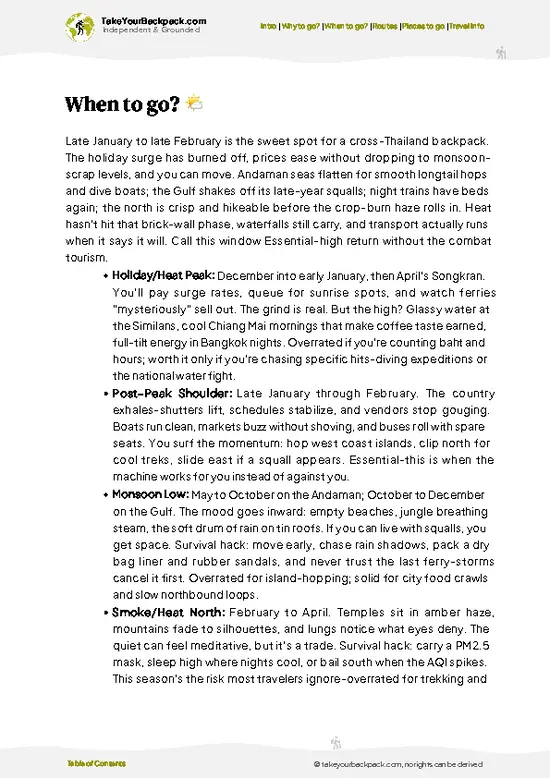
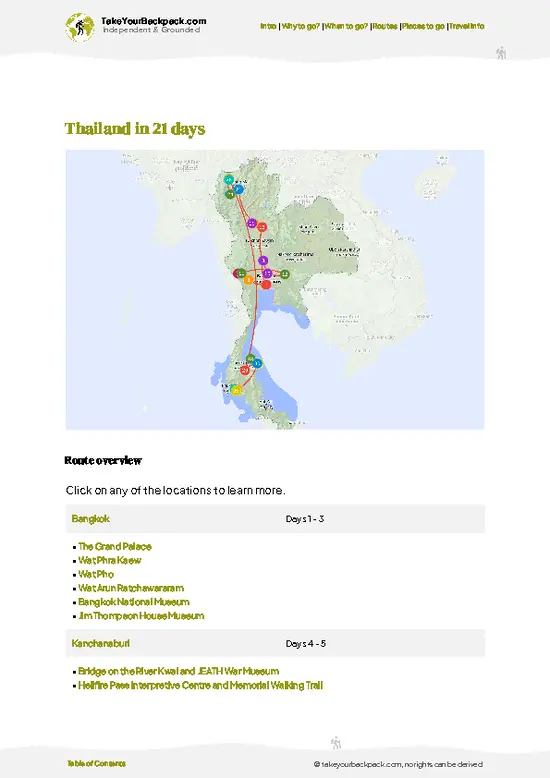
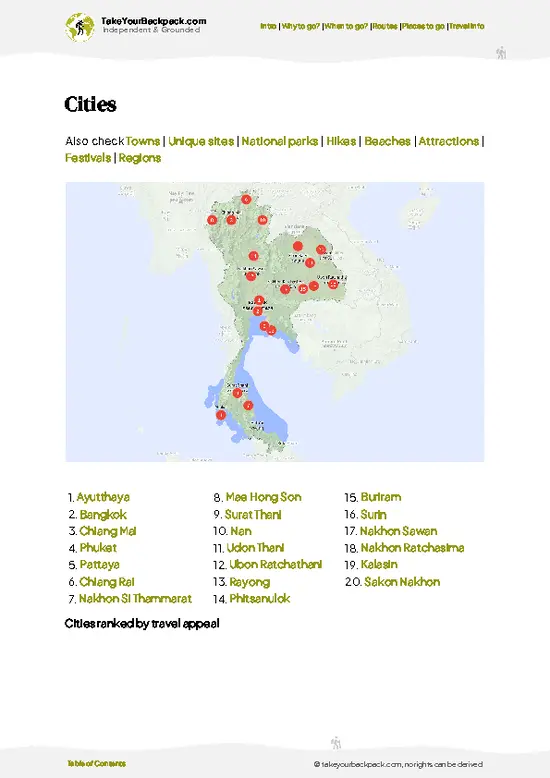
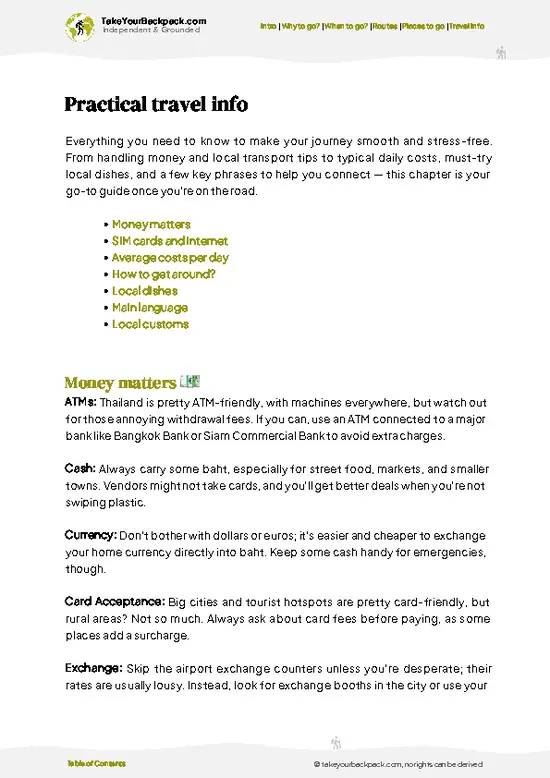
example page 0 from our offline Travel Guide for Thailandexample page 1 from our offline Travel Guide for Thailandexample page 2 from our offline Travel Guide for Thailandexample page 3 from our offline Travel Guide for Thailandexample page 4 from our offline Travel Guide for Thailandexample page 5 from our offline Travel Guide for Thailandexample page 6 from our offline Travel Guide for Thailandexample page 7 from our offline Travel Guide for Thailand
The digital guide (510 pages) contains:
139 highlights, ranked by travel appeal
Optimized 7, 14 & 21-day travel routes
Cities, national parks, landmarks, beaches
How to get around
Offline-friendly for travel without Wi-Fi
👉 Click to see all 30+ guide features

📅 Plan smarter in minutes, not weeks
Month by month travel advice
Festivals & national holidays
Budget expectations

🗺️ Go to the right places, skip the overrated ones
Honest pros & cons of destinations
Top hikes, parks & viewpoints
Lesser-known places most travelers miss
Clear “worth it vs skip it” guidance

🛏️ Travel smoothly without rookie mistakes
Best areas to stay
Transport systems explained simply
Common scams & safety advice
SIM cards, money & practical tips

🌍 Understand the country, not just visit it
Culture & traditions
52 Essential phrases & customs
Festivals worth planning around
Traveler-friendly historical context
Insights that make places more meaningful

📱 Built for real travel conditions
Fully downloadable PDF
Works completely offline
Optimized for phone use
Useful in remote areas & buses
Everything in one place
Save weeks of stressful planning
Get instant access to your full guide. 30‑day money-back guarantee.


By proceeding you agree to our terms.
Sent to your inbox immediately after payment • 100% Secure Checkout
Best Backpacking Travel Advisor 2025 tourism awardBest Backpacking
Travel Advisor
2025
What others say about Take Your Backpack Guides:
⭐⭐⭐⭐⭐
Fantastic, amazing amount of information!
⭐⭐⭐⭐⭐
My goodness this is amazing, it's what I've been looking for hats off too you!
⭐⭐⭐⭐⭐
I think this is absolutely BRILLIANT
⭐⭐⭐⭐
Very complete and informative. It's still missing places, but I gotta to commend you
⭐⭐⭐⭐⭐
This is truly amazing, thank you, can't wait to explore it with my kids!
⭐⭐⭐⭐⭐
Awesome resource, thank you!
⭐⭐⭐⭐⭐
This is amazing! Can't wait to explore the ones I haven't seen
⭐⭐⭐⭐
I love this! Well done, great idea.
⭐⭐⭐⭐⭐
Thanks for taking the time to make this gem!
⭐⭐⭐⭐⭐
This might be the best website I've ever seen.
⭐⭐⭐⭐⭐
Congratulations, and thank you so much for your work; it's incredibly valuable.
⭐⭐⭐⭐
In all seriousness I think you did a great job pointing out the important spots
⭐⭐⭐⭐⭐
10/10 very good
⭐⭐⭐⭐⭐
As someone who's only just starting to visit regularly this is awesome, thank you.
⭐⭐⭐⭐
Thank you very much! I'm going to visit my dad, it's going to be very useful!
⭐⭐⭐⭐⭐
This is really cool! We'll be travelling for the first time and this definitely come in handy.
⭐⭐⭐⭐⭐
You are now our minister of culture, congratulations 👨‍💼
⭐⭐⭐⭐⭐
Just wanted to tell you that this is a pearl! Going to follow your recommendations.
⭐⭐⭐⭐⭐
This is so cool. I'll definitely be using the resource for my travels soon.
⭐⭐⭐⭐⭐
This is very impressive! Good work.
⭐⭐⭐⭐⭐
This is an amazing and informative site. Very well done!

🛏️ Where to stay?Where to Stay in Thailand

Yes, hostels and budget accommodation are plentiful across Thailand, concentrated in backpacker and transit hubs such as Khao San Road, Sukhumvit and Silom in Bangkok, Old City and Nimmanhaemin in Chiang Mai, and beach towns like Patong, Kata/Karon on Phuket and Chaweng, Lamai on Koh Samui.
Khao San and Patong deliver the cheapest beds and nonstop nightlife but are noisy and very touristy; Sukhumvit and Silom give the best transit links and a mix of nightlife with higher prices; Chiang Mai Old City is compact, temple-close and quieter at night while Nimmanhaemin has more cafes and slightly pricier rooms; Kata/Karon and Lamai are calmer beach options with better swimming and family-friendly … read more 👉
Yes, hostels and budget accommodation are plentiful across Thailand, concentrated in backpacker and transit hubs such as Khao San Road, Sukhumvit and Silom in Bangkok, Old City and Nimmanhaemin in Chiang Mai, and beach towns like Patong, Kata/Karon on Phuket and Chaweng, Lamai on Koh Samui.
Khao San and Patong deliver the cheapest beds and nonstop nightlife but are noisy and very touristy; Sukhumvit and Silom give the best transit links and a mix of nightlife with higher prices; Chiang Mai Old City is compact, temple-close and quieter at night while Nimmanhaemin has more cafes and slightly pricier rooms; Kata/Karon and Lamai are calmer beach options with better swimming and family-friendly evenings compared with party-heavy Chaweng.
Choose by priority: pick Khao San/Patong/Chaweng for social, budget party scenes; Sukhumvit/Silom for transport convenience and variety; Chiang Mai Old City for culture and quiet; Kata/Karon/Lamai for relaxed beach time to avoid noise and overpriced central hostels.

If you enjoy meeting fellow travelers, consider choosing hostels with high ratings for atmosphere. On the other hand, if you prefer having your own space, a hotel might be a better option.

ThailandMore of Thailand

👋 Meet the founderWho’s Behind Take Your Backpack?

Johan, backpacker and founder of TakeYourBackpackHi, I’m Johan (Netherlands 🇳🇱), the creator of TakeYourBackpack. Over the past decade, I’ve backpacked through 80+ countries across six continents, gaining extensive experience with independent travel, long-term trips, and overland routes.

This site is built on a combination of firsthand travel experience and carefully curated insights from other backpackers. Many guides are based on places I’ve personally visited, while others bring together tips, observations, and practical advice shared by trusted travelers I’ve met along the way.

The goal is to provide realistic, experience-driven guidance — not generic itineraries — so you can explore destinations with better context, clearer expectations, and more confidence.

Get full Thailand guide •
Instant download • 139 highlights • Full Offline guide