×

Uganda🇺🇬 | best landmarksDiscover the Best landmarks Across Uganda

In Uganda, unique sites are defined by their rich cultural, historical, and natural significance. From the mighty Nile to the lush Bwindi Impenetrable Forest, each location offers a distinct experience shaped by regional and seasonal nuances. For backpackers, the choice of site dramatically influences the vibe, budget, and ease of travel. For instance, visiting during the dry season enhances accessibility to wildlife and reduces muddy trails, while cultural festivals can immerse you in local traditions. Understanding these dynamics allows independent travelers to navigate Uganda’s diverse landscape, ensuring a journey that resonates deeply with both the heart and the spirit of adventure.

By Johan Kruseman 🇳🇱 | Updated June 12, 2026
Explore the best national parks in Uganda

Why go?Understanding Their Importance

Uganda’s unique sites matter because they encapsulate a rich tapestry of cultural, historical, and natural significance that sets the country apart from others. The diverse ecosystems—from the Rift Valley to the Albertine Rift—offer habitats for rare species, including the mountain gorillas that draw conservationists and adventurers alike. This biodiversity is not just a backdrop; it’s a living testament to Uganda’s commitment to preservation and sustainability.

However, accessing these sites often involves trade-offs. Many unique locations are remote, requiring substantial travel time that can limit the depth of exploration. The peak visitor periods, typically during the dry seasons, can lead to crowded experiences, diluting the intimacy of encounters with nature and culture. Timing your … read more 👉
Uganda’s unique sites matter because they encapsulate a rich tapestry of cultural, historical, and natural significance that sets the country apart from others. The diverse ecosystems—from the Rift Valley to the Albertine Rift—offer habitats for rare species, including the mountain gorillas that draw conservationists and adventurers alike. This biodiversity is not just a backdrop; it’s a living testament to Uganda’s commitment to preservation and sustainability.

However, accessing these sites often involves trade-offs. Many unique locations are remote, requiring substantial travel time that can limit the depth of exploration. The peak visitor periods, typically during the dry seasons, can lead to crowded experiences, diluting the intimacy of encounters with nature and culture. Timing your visit is crucial; the wet season, while less crowded, can make some areas less accessible.

Uganda’s infrastructure is improving but can still pose challenges. Roads to remote sites may be rough, impacting travel speed and comfort. Yet, this ruggedness often leads to more authentic experiences, as travelers engage with local communities and traditions. Understanding these dynamics allows for a richer journey, where the act of exploration becomes as rewarding as the destination itself. Embrace the challenge, and you’ll unlock the true essence of Uganda.
Behind the Scenes of Selection
The list of best unique sites in Uganda is created based on history or culture, wow factor, atmosphere, quirks, and memorability. If you feel a unique site is missing in this list, please let us know.

When to go?Optimal Periods for Travel

Seasonality plays a crucial role in experiencing Uganda’s unique sites. The country has two main rainy seasons: March to May and October to November. During these months, trails can become muddy, and some areas may be less accessible. However, the lush landscapes and vibrant wildlife during this time can be captivating.

Optimal months for visiting typically fall between June and September, and January to February. These dry months offer clearer skies and more stable conditions, enhancing visibility for wildlife viewing and photography. The dry season also means easier access to remote areas, allowing for a more seamless exploration of diverse environments.

Shoulder seasons present a mixed bag. Traveling just before or after the peak months can reduce crowd levels and lower costs. However, … read more 👉
Seasonality plays a crucial role in experiencing Uganda’s unique sites. The country has two main rainy seasons: March to May and October to November. During these months, trails can become muddy, and some areas may be less accessible. However, the lush landscapes and vibrant wildlife during this time can be captivating.

Optimal months for visiting typically fall between June and September, and January to February. These dry months offer clearer skies and more stable conditions, enhancing visibility for wildlife viewing and photography. The dry season also means easier access to remote areas, allowing for a more seamless exploration of diverse environments.

Shoulder seasons present a mixed bag. Traveling just before or after the peak months can reduce crowd levels and lower costs. However, weather can be unpredictable, with occasional rains that might hinder outdoor activities.

Peak periods around major holidays or festivals can lead to increased visitor numbers. While the atmosphere may be lively, it’s essential to book accommodations and permits well in advance to avoid disappointment.

Understanding these seasonal patterns allows for strategic planning, ensuring that the experience of Uganda’s unique sites is both enriching and enjoyable.

unique site hoppingHow to Combine landmarks Into One Trip

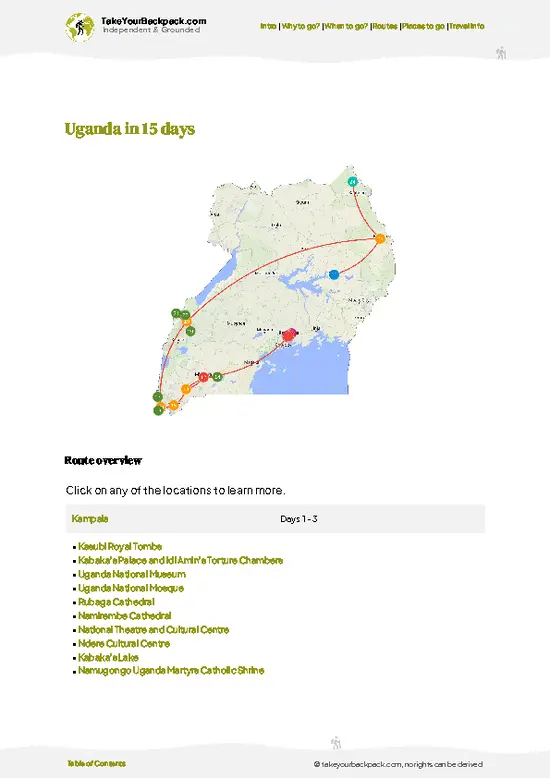
Start in Kampala to acclimate and gather supplies. This bustling capital is the gateway to Uganda’s wonders. From here, head northwest toward Murchison Falls National Park. Allocate at least two days for this region. The falls are a must-see, and the wildlife is abundant. A common mistake is rushing through; take time to enjoy a boat cruise on the Nile.

Next, shift southeast to Queen Elizabeth National Park. This area is rich in biodiversity and offers unique experiences like the tree-climbing lions. Plan for another two days here, balancing game drives with cultural visits to local communities. Avoid the trap of cramming too many activities into one day; savor the moments.

Then, head south to Bwindi Impenetrable National Park for gorilla trekking. This is a highlight, but it requires a … read more 👉
Start in Kampala to acclimate and gather supplies. This bustling capital is the gateway to Uganda’s wonders. From here, head northwest toward Murchison Falls National Park. Allocate at least two days for this region. The falls are a must-see, and the wildlife is abundant. A common mistake is rushing through; take time to enjoy a boat cruise on the Nile.

Next, shift southeast to Queen Elizabeth National Park. This area is rich in biodiversity and offers unique experiences like the tree-climbing lions. Plan for another two days here, balancing game drives with cultural visits to local communities. Avoid the trap of cramming too many activities into one day; savor the moments.

Then, head south to Bwindi Impenetrable National Park for gorilla trekking. This is a highlight, but it requires a full day. Book permits in advance and prepare for a physically demanding trek. The reward is profound, but it’s essential to pace yourself.

Finally, loop back to Kampala via Lake Mburo National Park. This smaller park offers a different vibe, perfect for a relaxing end to the trip. Keep in mind that travel times can be longer than expected due to road conditions. Flexibility is key; adjust plans based on local advice and weather. Balancing speed with depth of experience will yield the most rewarding journey.

The ListHighly Recommended landmarks of Uganda

1 Source of the Nile

riverhead viewpoint, colonial-era monuments, local boat crossings

Stand at the river’s origin, watch fishermen at work, and cross between banks where history and daily life converge.

uganda-unique-site-source-of-the-nile
© Google |
Loading the map 🌍

Expert viewTips and Advice from Travelers

Significance

Uganda is a patchwork of ecosystems, cultures, and experiences. Each unique site tells a story, from the dense jungles of Bwindi to the sweeping savannahs of Queen Elizabeth National Park. The significance lies not just in the sights but in the interactions with local communities and wildlife. You’re not just a spectator; you’re part of a living narrative. This immersion is what makes Uganda special.

Access Constraints

Getting to these sites can be a challenge. Roads vary from well-paved highways to rugged dirt paths that can test your patience. Some areas, like the remote regions of Kidepo Valley, require careful planning and possibly a local guide to navigate. Expect travel times to stretch longer than anticipated, especially during the rainy season when roads can become … read more 👉

Significance

Uganda is a patchwork of ecosystems, cultures, and experiences. Each unique site tells a story, from the dense jungles of Bwindi to the sweeping savannahs of Queen Elizabeth National Park. The significance lies not just in the sights but in the interactions with local communities and wildlife. You’re not just a spectator; you’re part of a living narrative. This immersion is what makes Uganda special.

Access Constraints

Getting to these sites can be a challenge. Roads vary from well-paved highways to rugged dirt paths that can test your patience. Some areas, like the remote regions of Kidepo Valley, require careful planning and possibly a local guide to navigate. Expect travel times to stretch longer than anticipated, especially during the rainy season when roads can become impassable. Factor in these constraints when mapping out your adventure.

Crowd Patterns

Timing is everything. Peak seasons, typically from June to September and December to February, draw larger crowds. If you want to experience the magic of the gorillas in Bwindi without the throngs, consider visiting during the shoulder months. You’ll find fewer people and a more intimate experience. However, be prepared for unpredictable weather; the rain can be relentless, but it also brings a lush vibrancy to the landscape.

Combining Sites

You can realistically explore three to five unique sites in a week, depending on your pace and interests. Prioritize based on what excites you most—wildlife, culture, or landscapes. For instance, if you’re keen on gorilla trekking, combine that with a visit to Lake Bunyonyi for some relaxation and local culture. Just remember, travel times can eat into your exploration, so don’t over-schedule.

Planning and Prioritizing

Start with a clear vision of what you want to experience. Are you drawn to the wildlife, the culture, or the landscapes? This will guide your choices. Research the best times to visit each site and consider local festivals or events that might enrich your experience. Local guides can offer invaluable insights and help you navigate the complexities of travel in Uganda. They can also enhance your understanding of cultural nuances, which is crucial for a respectful visit.

Regional Variation

Uganda’s regions vary dramatically. The north is rugged and wild, while the south is lush and green. Each area has its own rhythm and vibe. In the west, you’ll find the bustling markets and vibrant communities, while the east offers a more laid-back atmosphere. Understanding these regional differences will help you tailor your itinerary to match your interests and energy levels.

Safety and Cultural Considerations

Safety is generally good, but stay aware of your surroundings, especially in crowded areas. Respect local customs and dress modestly, particularly in rural areas. Engaging with locals can enhance your experience, but always approach interactions with respect and openness. Learning a few words in the local language can go a long way in building rapport.

Trade-offs

Every choice comes with trade-offs. If you prioritize wildlife experiences, you may miss out on cultural interactions. Conversely, if you focus on community engagement, you might not see the iconic landscapes. Balance is key. Choose what resonates with you, but be open to the unexpected. Sometimes the best experiences come from the paths less traveled.

Embrace the challenge of navigating Uganda’s unique sites. Each step you take is part of a larger adventure, filled with discovery and connection.

✈️ The backpacker research shortcutUganda Travel Guide

An offline-friendly backpacking guide with optimized travel routes, ranked highlights, transport advice, and the best areas to stay.
example page 0 from our offline Travel Guide for Uganda
example page 1 from our offline Travel Guide for Uganda
example page 2 from our offline Travel Guide for Uganda
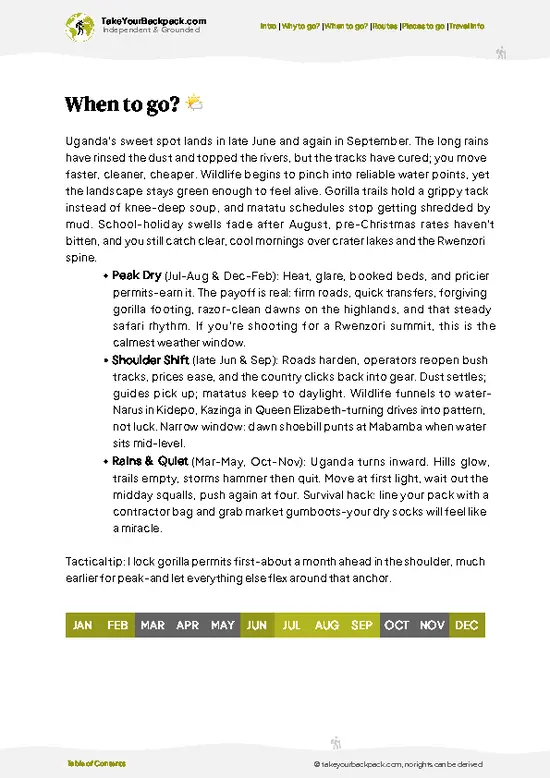
example page 3 from our offline Travel Guide for Uganda
example page 4 from our offline Travel Guide for Uganda
example page 5 from our offline Travel Guide for Uganda
example page 6 from our offline Travel Guide for Uganda
example page 7 from our offline Travel Guide for Uganda
The digital guide (422 pages) contains:
109 highlights, ranked by travel appeal
Optimized 5, 10 & 15-day travel routes
Cities, national parks, landmarks, beaches
How to get around
Offline-friendly for travel without Wi-Fi
👉 Click to see all 30+ guide features

📅 Plan smarter in minutes, not weeks
Month by month travel advice
Festivals & national holidays
Budget expectations

🗺️ Go to the right places, skip the overrated ones
Honest pros & cons of destinations
Top hikes, parks & viewpoints
Lesser-known places most travelers miss
Clear “worth it vs skip it” guidance

🛏️ Travel smoothly without rookie mistakes
Best areas to stay
Transport systems explained simply
Common scams & safety advice
SIM cards, money & practical tips

🌍 Understand the country, not just visit it
Culture & traditions
52 Essential phrases & customs
Festivals worth planning around
Traveler-friendly historical context
Insights that make places more meaningful

📱 Built for real travel conditions
Fully downloadable PDF
Works completely offline
Optimized for phone use
Useful in remote areas & buses
Everything in one place
Save weeks of stressful planning
Get instant access to your full guide. 30‑day money-back guarantee.


By proceeding you agree to our terms.
Sent to your inbox immediately after payment • 100% Secure Checkout
Best Backpacking Travel Advisor 2025 tourism awardBest Backpacking
Travel Advisor
2025
What others say about Take Your Backpack Guides:
⭐⭐⭐⭐⭐
Fantastic, amazing amount of information!
⭐⭐⭐⭐⭐
My goodness this is amazing, it's what I've been looking for hats off too you!
⭐⭐⭐⭐⭐
I think this is absolutely BRILLIANT
⭐⭐⭐⭐
Very complete and informative. It's still missing places, but I gotta to commend you
⭐⭐⭐⭐⭐
This is truly amazing, thank you, can't wait to explore it with my kids!
⭐⭐⭐⭐⭐
Awesome resource, thank you!
⭐⭐⭐⭐⭐
This is amazing! Can't wait to explore the ones I haven't seen
⭐⭐⭐⭐
I love this! Well done, great idea.
⭐⭐⭐⭐⭐
Thanks for taking the time to make this gem!
⭐⭐⭐⭐⭐
This might be the best website I've ever seen.
⭐⭐⭐⭐⭐
Congratulations, and thank you so much for your work; it's incredibly valuable.
⭐⭐⭐⭐
In all seriousness I think you did a great job pointing out the important spots
⭐⭐⭐⭐⭐
10/10 very good
⭐⭐⭐⭐⭐
As someone who's only just starting to visit regularly this is awesome, thank you.
⭐⭐⭐⭐
Thank you very much! I'm going to visit my dad, it's going to be very useful!
⭐⭐⭐⭐⭐
This is really cool! We'll be travelling for the first time and this definitely come in handy.
⭐⭐⭐⭐⭐
You are now our minister of culture, congratulations 👨‍💼
⭐⭐⭐⭐⭐
Just wanted to tell you that this is a pearl! Going to follow your recommendations.
⭐⭐⭐⭐⭐
This is so cool. I'll definitely be using the resource for my travels soon.
⭐⭐⭐⭐⭐
This is very impressive! Good work.
⭐⭐⭐⭐⭐
This is an amazing and informative site. Very well done!

🛏️ Where to stay?Where to Base Yourself

Yes — hostels and budget guesthouses are widely available across Uganda, with the strongest supply in Kampala and in towns that serve national parks and adventure hubs; expect dorms, basic private rooms and campsite-style options and book ahead during peak tracking and holiday periods.
In Kampala the best budget clusters are Old Kampala/City Centre (cheapest, on main bus routes, noisy and basic security), Kabalagala (best nightlife and eateries, louder at night, good transport links) and Makerere/Kololo (near the university, quieter and slightly pricier).
Outside the capital, Entebbe (airport access and lakeshore calm) and Jinja (riverside hostels and activity access but busy on weekends) … read more 👉
Yes — hostels and budget guesthouses are widely available across Uganda, with the strongest supply in Kampala and in towns that serve national parks and adventure hubs; expect dorms, basic private rooms and campsite-style options and book ahead during peak tracking and holiday periods.
In Kampala the best budget clusters are Old Kampala/City Centre (cheapest, on main bus routes, noisy and basic security), Kabalagala (best nightlife and eateries, louder at night, good transport links) and Makerere/Kololo (near the university, quieter and slightly pricier).
Outside the capital, Entebbe (airport access and lakeshore calm) and Jinja (riverside hostels and activity access but busy on weekends) are practical bases, while Fort Portal, Kisoro/Bwindi and Kasese/Mweya offer basic budget lodgings or camps close to gorilla treks, forest trails and safari zones but with limited availability and simpler facilities.

If you enjoy meeting fellow travelers, consider choosing hostels with high ratings for atmosphere. On the other hand, if you prefer having your own space, a hotel might be a better option.

UgandaExpand Your Journey

👋 Meet the founderWho’s Behind Take Your Backpack?

Johan, backpacker and founder of TakeYourBackpackHi, I’m Johan (Netherlands 🇳🇱), the creator of TakeYourBackpack. Over the past decade, I’ve backpacked through 80+ countries across six continents, gaining extensive experience with independent travel, long-term trips, and overland routes.

This site is built on a combination of firsthand travel experience and carefully curated insights from other backpackers. Many guides are based on places I’ve personally visited, while others bring together tips, observations, and practical advice shared by trusted travelers I’ve met along the way.

The goal is to provide realistic, experience-driven guidance — not generic itineraries — so you can explore destinations with better context, clearer expectations, and more confidence.

Get full Uganda guide •
Instant download • 109 highlights • Full Offline guide