×

Uganda🇺🇬 | best festivalsDiscover the 10 Best festivals Across Uganda

In Uganda, festivals pulse with life, reflecting the country’s rich tapestry of cultures and traditions. From the vibrant Nile Festival in Jinja to the soulful Kampala City Festival, each event showcases unique regional flavors and seasonal rhythms. Choosing the right festival can transform your backpacking experience, influencing everything from the vibe and crowds to your budget and safety. For instance, attending the Entebbe Craft Market during the dry season means easier travel and a more immersive cultural experience. Understanding these nuances allows independent travelers to navigate Uganda’s festival landscape with confidence, unlocking deeper connections and unforgettable moments.

By Johan Kruseman 🇳🇱 | Updated June 12, 2026
Explore the best regions in Uganda

Why go?Understanding Their Importance

Festivals in Uganda pulse with the heartbeat of its diverse cultures, making them a unique experience compared to other countries. They serve as vibrant expressions of heritage, uniting communities through music, dance, and storytelling. The cultural significance of these gatherings is profound; they celebrate everything from harvests to historical events, offering a window into the soul of Ugandan life.

Timing is crucial. Most festivals align with the seasonal rhythms of agriculture, often occurring during harvest time when communities come together to celebrate abundance. This timing not only enhances the energy of the festivities but also deepens the connection to the land. However, this can mean larger crowds, which may dilute the intimacy of the experience.

Geographically, Uganda’s … read more 👉
Festivals in Uganda pulse with the heartbeat of its diverse cultures, making them a unique experience compared to other countries. They serve as vibrant expressions of heritage, uniting communities through music, dance, and storytelling. The cultural significance of these gatherings is profound; they celebrate everything from harvests to historical events, offering a window into the soul of Ugandan life.

Timing is crucial. Most festivals align with the seasonal rhythms of agriculture, often occurring during harvest time when communities come together to celebrate abundance. This timing not only enhances the energy of the festivities but also deepens the connection to the land. However, this can mean larger crowds, which may dilute the intimacy of the experience.

Geographically, Uganda’s varied landscapes—from lush highlands to expansive lakes—provide a stunning backdrop for these events, yet accessibility can be a challenge. Some festivals are held in remote areas, requiring careful planning and possibly longer travel times. This trade-off can lead to a richer, more immersive experience, but it demands a commitment to navigating Uganda’s sometimes rugged infrastructure.

Understanding these dynamics is essential. The climatic conditions can also influence festival experiences, with the rainy season potentially impacting attendance and logistics. Ultimately, the choice to engage in Uganda’s festivals is a balancing act between immersive cultural experiences and the practicalities of travel.
How the List Was Created
The list of best festivals in Uganda is created based on energy, traditions, crowd experience, activities, and overall excitement. If you feel a festival is missing in this list, please let us know.

When to go?Optimal Periods for Travel

Seasonality plays a crucial role in Uganda’s festival landscape. The country experiences two main rainy seasons: March to May and October to November. These months can dampen outdoor festivities, making them less accessible and potentially less vibrant. However, the lush scenery that follows the rains can enhance the experience, providing a stunning backdrop for cultural celebrations.

Optimal months for festival-goers typically fall between June and September, coinciding with the dry season. This period sees a surge in activity, with numerous festivals showcasing Uganda’s rich cultural tapestry. Expect lively crowds and a palpable energy as locals and visitors come together to celebrate. However, this peak season also means higher costs for accommodations and travel.

Shoulder seasons—late … read more 👉
Seasonality plays a crucial role in Uganda’s festival landscape. The country experiences two main rainy seasons: March to May and October to November. These months can dampen outdoor festivities, making them less accessible and potentially less vibrant. However, the lush scenery that follows the rains can enhance the experience, providing a stunning backdrop for cultural celebrations.

Optimal months for festival-goers typically fall between June and September, coinciding with the dry season. This period sees a surge in activity, with numerous festivals showcasing Uganda’s rich cultural tapestry. Expect lively crowds and a palpable energy as locals and visitors come together to celebrate. However, this peak season also means higher costs for accommodations and travel.

Shoulder seasons—late February to early March and late September to early October—offer a different vibe. These months often feature fewer crowds and lower prices, but the festival calendar may be less packed. Travelers might miss out on some major events, yet they gain a more intimate experience of local culture.

Trade-offs are essential to consider. Peak periods bring excitement but also congestion. Quieter times may lack the same energy but offer authenticity and connection. Understanding these dynamics helps in planning a trip that aligns with personal preferences and desired experiences.

festival hoppingHow to Combine festivals Into One Trip

Start in Kampala for the Kampala City Festival, a vibrant kickoff that sets the tone. From here, head northwest to the Jinja region for the Source of the Nile Festival. This route not only connects two major events but also allows for a scenic journey along the Nile, enhancing the experience.

Timing is crucial. Allocate at least two days for Kampala and one for Jinja. This pacing allows for festival immersion without feeling rushed. After Jinja, make your way to the western region for the Ndere Cultural Centre’s events. This area offers a rich cultural tapestry, so plan for a two-day stay to soak it all in.

Common pitfalls include trying to cram too many festivals into a short timeframe. This often leads to fatigue and missed experiences. Instead, prioritize quality over quantity. Consider … read more 👉
Start in Kampala for the Kampala City Festival, a vibrant kickoff that sets the tone. From here, head northwest to the Jinja region for the Source of the Nile Festival. This route not only connects two major events but also allows for a scenic journey along the Nile, enhancing the experience.

Timing is crucial. Allocate at least two days for Kampala and one for Jinja. This pacing allows for festival immersion without feeling rushed. After Jinja, make your way to the western region for the Ndere Cultural Centre’s events. This area offers a rich cultural tapestry, so plan for a two-day stay to soak it all in.

Common pitfalls include trying to cram too many festivals into a short timeframe. This often leads to fatigue and missed experiences. Instead, prioritize quality over quantity. Consider the energy levels required for each festival; some are high-energy, while others are more laid-back.

Flexibility is key. Weather and local conditions can shift plans, so build in buffer days. Factor in travel times between regions—Uganda’s roads can be unpredictable.

Trade-offs exist between speed and depth. A faster pace might mean missing local interactions, while a slower approach allows for richer experiences. Balancing budget and comfort is also essential; choose accommodations wisely to ensure restful nights between festival days.

The ListHighly Recommended festivals of Uganda

1 Nyege Nyege

electronic music, riverside stages, regional DJs

Dance by the Nile to cutting-edge sounds, meet festival-goers from around the world, and explore East Africa’s underground music scene.

2 Bayimba International Festival

multi-arts programming, island venue, creative workshops

Join artists and audiences on an island for days of music, dance, and art, with opportunities to participate in hands-on sessions.

3 Pearl Rhythm Festival

open-air concerts, emerging Ugandan bands, local crafts

Hear new Ugandan sounds in a relaxed outdoor setting, where music fans gather for live acts and handmade goods.

4 Rolex Festival

street food stalls, Ugandan chapati, culinary demonstrations

Sample inventive takes on Uganda’s favorite snack, meet local chefs, and learn how this simple dish became a national staple.

5 Kampala City Festival

urban parades, street performances, citywide markets

Celebrate Kampala’s diversity with parades, pop-up markets, and performances that turn the city center into a lively gathering place.

6 Laba! Street Art Festival

public murals, live painting, interactive installations

Experience Kampala’s creative energy as artists transform city streets with murals, pop-up galleries, and hands-on workshops.

7 Kampala Fashion Week

runway shows, Ugandan designers, textile innovation

View collections from local and regional designers, explore new trends, and connect with the city’s growing fashion industry.

8 Amakula International Film Festival

independent cinema, African filmmakers, curated screenings

Watch films from across Africa and beyond, meet directors, and join discussions that highlight regional storytelling and creative voices.

9 Uganda Martyrs Day

pilgrimage, Namugongo shrines, religious gatherings

Join thousands of pilgrims at sacred sites, witness processions, and observe a day of reflection central to Uganda’s Christian community.

10 Imbalu Circumcision Ceremony

initiation rites, public processions, Bugisu traditions

Observe a coming-of-age ritual that draws crowds, blending ancient customs with communal celebration in eastern Uganda.

11 Bamasaba Cultural Festival

mountain rituals, clan gatherings, traditional music

Participate in ceremonies unique to the Bamasaba, where ancestral customs and music mark important milestones in community life.

12 Ekyooto International Cultural Festival

storytelling sessions, indigenous games, community bonfires

Share in oral traditions, play local games, and gather around bonfires that foster dialogue and cultural understanding.

13 Uganda International Music and Culture Festival

cross-genre concerts, dance showcases, global acts

Immerse yourself in a mix of music and dance from Uganda and abroad, with performances that highlight cultural exchange.

14 Uganda International Cultural Fair

traditional dance, regional cuisine, heritage exhibitions

Discover Uganda’s diverse cultures through performances, food tastings, and displays that bring together communities from every region.

15 Kampala International Theatre Festival

contemporary plays, cross-cultural performances, new scripts

Attend original stage productions, engage with playwrights, and see how Ugandan theatre explores current issues and fresh perspectives.

16 Jinja Agricultural Show

farm exhibits, livestock competitions, agribusiness displays

See Uganda’s agricultural sector in action, from crop innovations to livestock judging, and meet farmers shaping rural economies.

17 Uganda Wildlife Marathon

nature trails, conservation fundraising, Lake Mburo

Run alongside wildlife in a protected area, support conservation, and experience Uganda’s landscapes from a unique perspective.

18 Uganda National Cultural Centre Festival

performing arts, visual exhibitions, cultural workshops

Engage with Uganda’s creative scene through dance, art, and interactive sessions hosted at the country’s main cultural hub.

Think you know Uganda?

Prove you’re a true local — uncover 8 lesser-known festivals in Uganda that locals tend to keep to themselves.
Loading the map 🌍

Expert viewTips and Advice from Travelers

Energy

Uganda’s festival scene pulses with life, drawing you into a whirlwind of music, dance, and cultural expression. The best approach? Aim for three to five festivals during your visit. This range allows you to dive deep into the local vibe without overwhelming yourself. Each festival offers a unique lens into Uganda’s diverse cultures, from the Buganda Kingdom’s traditional ceremonies to the vibrant celebrations of the Basoga.

Timing

Timing is everything. Most festivals align with Uganda’s dry seasons, typically from December to February and June to August. This is when the weather cooperates, making travel smoother and outdoor events more enjoyable. However, be prepared for crowds. Popular festivals can draw thousands, so plan your accommodations well in advance. If you prefer … read more 👉
Energy

Uganda’s festival scene pulses with life, drawing you into a whirlwind of music, dance, and cultural expression. The best approach? Aim for three to five festivals during your visit. This range allows you to dive deep into the local vibe without overwhelming yourself. Each festival offers a unique lens into Uganda’s diverse cultures, from the Buganda Kingdom’s traditional ceremonies to the vibrant celebrations of the Basoga.

Timing

Timing is everything. Most festivals align with Uganda’s dry seasons, typically from December to February and June to August. This is when the weather cooperates, making travel smoother and outdoor events more enjoyable. However, be prepared for crowds. Popular festivals can draw thousands, so plan your accommodations well in advance. If you prefer a more intimate experience, consider attending smaller, local festivals that might not be on every traveler’s radar. These often provide a richer, more authentic connection to the culture.

Cultural Context

Understanding the cultural context enhances your experience. Each festival is steeped in history and significance. For instance, the Ndere Cultural Centre showcases traditional music and dance, reflecting the rich tapestry of Uganda’s ethnic groups. Engage with locals, ask questions, and immerse yourself in the stories behind the celebrations. This not only enriches your experience but also fosters respect for the traditions being showcased.

Crowd Management

Crowd management is crucial. Arrive early to secure a good spot, especially for performances. If you’re attending a festival in a major city, consider using public transport or ride-sharing apps to navigate the bustling streets. This can save you time and reduce stress. Be mindful of your belongings in crowded areas; pickpocketing can occur, especially during peak times.

Budget and Comfort

Budget wisely. While many festivals are free or low-cost, some premium experiences—like VIP seating or exclusive workshops—can add up. Factor in transportation, food, and accommodation. Street food is often delicious and affordable, but if you prefer comfort, scout out local restaurants that offer traditional dishes. This way, you can enjoy the culinary aspect of the festival without breaking the bank.

Safety Considerations

Safety is paramount. While Uganda is generally safe for travelers, always stay alert in crowded areas. Familiarize yourself with local customs and dress codes, especially during traditional ceremonies. Respecting cultural norms not only enhances your experience but also builds goodwill with the locals.

Infrastructure

Infrastructure can vary. Major cities have better facilities, but rural areas may lack reliable transport. If you’re venturing out for a festival in a less accessible region, consider hiring a local guide. They can navigate the terrain and provide insights that enrich your experience.

Trade-offs

Every choice comes with trade-offs. Attending larger festivals means more energy and excitement but can also lead to a less personal experience. Smaller festivals offer intimacy but may lack the spectacle. Weigh these factors based on your travel style and what you hope to gain from your time in Uganda.

Embrace the journey. The act of exploring, connecting with locals, and immersing yourself in the rhythm of Uganda’s festivals is as rewarding as the events themselves. Each festival is a chapter in the larger story of this vibrant country, waiting for you to discover.

✈️ The backpacker research shortcutUganda Travel Guide

An offline-friendly backpacking guide with optimized travel routes, ranked highlights, transport advice, and the best areas to stay.
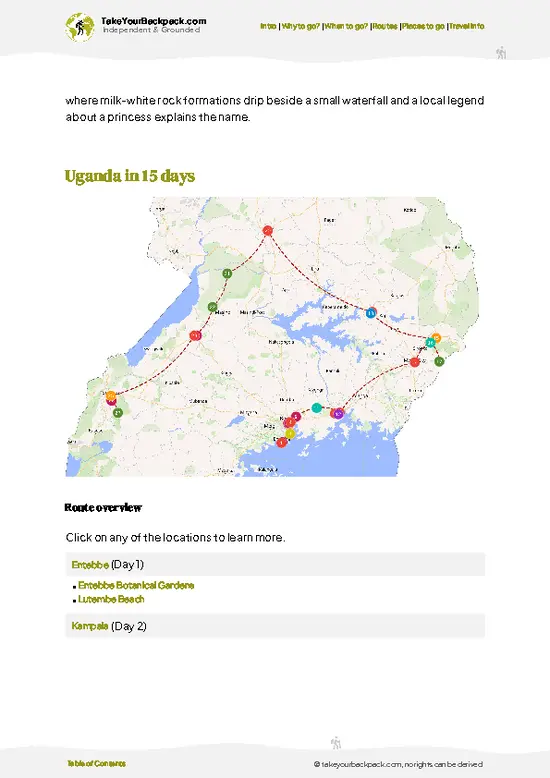
example page 0 from our offline Travel Guide for Uganda
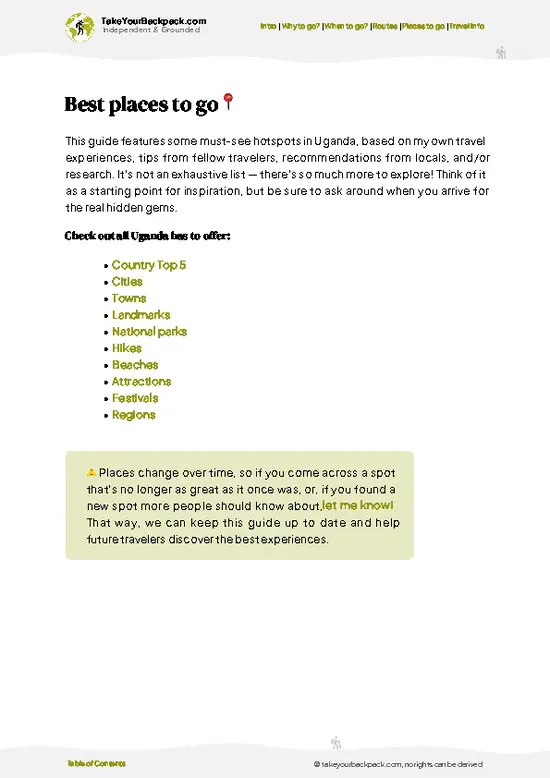
example page 1 from our offline Travel Guide for Uganda
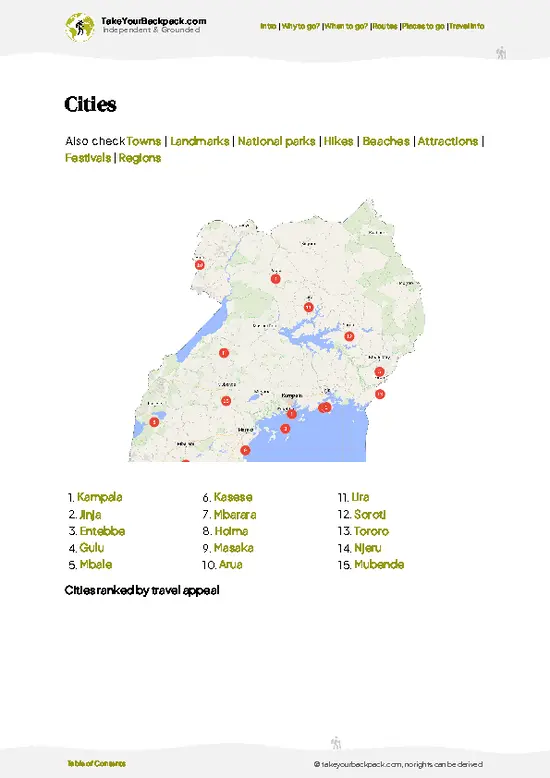
example page 2 from our offline Travel Guide for Uganda
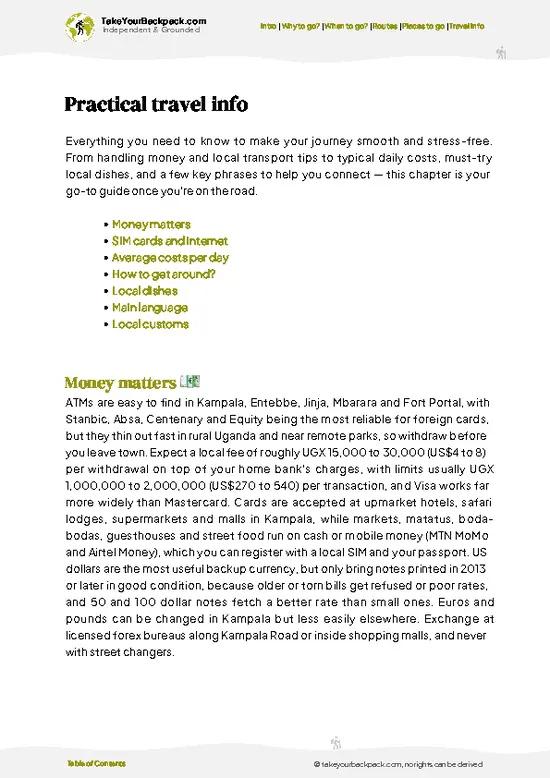
example page 3 from our offline Travel Guide for Uganda
example page 4 from our offline Travel Guide for Uganda
example page 5 from our offline Travel Guide for Uganda
example page 6 from our offline Travel Guide for Uganda
example page 7 from our offline Travel Guide for Uganda
The digital guide (422 pages) contains:
109 highlights, ranked by travel appeal
Optimized 5, 10 & 15-day travel routes
Cities, national parks, landmarks, beaches
How to get around
Offline-friendly for travel without Wi-Fi
👉 Click to see all 30+ guide features

📅 Plan smarter in minutes, not weeks
Month by month travel advice
Festivals & national holidays
Budget expectations

🗺️ Go to the right places, skip the overrated ones
Honest pros & cons of destinations
Top hikes, parks & viewpoints
Lesser-known places most travelers miss
Clear “worth it vs skip it” guidance

🛏️ Travel smoothly without rookie mistakes
Best areas to stay
Transport systems explained simply
Common scams & safety advice
SIM cards, money & practical tips

🌍 Understand the country, not just visit it
Culture & traditions
52 Essential phrases & customs
Festivals worth planning around
Traveler-friendly historical context
Insights that make places more meaningful

📱 Built for real travel conditions
Fully downloadable PDF
Works completely offline
Optimized for phone use
Useful in remote areas & buses
Everything in one place
Save weeks of stressful planning
Get instant access to your full guide. 30‑day money-back guarantee.


By proceeding you agree to our terms.
Sent to your inbox immediately after payment • 100% Secure Checkout
Best Backpacking Travel Advisor 2025 tourism awardBest Backpacking
Travel Advisor
2025
What others say about Take Your Backpack Guides:
⭐⭐⭐⭐⭐
Fantastic, amazing amount of information!
⭐⭐⭐⭐⭐
My goodness this is amazing, it's what I've been looking for hats off too you!
⭐⭐⭐⭐⭐
I think this is absolutely BRILLIANT
⭐⭐⭐⭐
Very complete and informative. It's still missing places, but I gotta to commend you
⭐⭐⭐⭐⭐
This is truly amazing, thank you, can't wait to explore it with my kids!
⭐⭐⭐⭐⭐
Awesome resource, thank you!
⭐⭐⭐⭐⭐
This is amazing! Can't wait to explore the ones I haven't seen
⭐⭐⭐⭐
I love this! Well done, great idea.
⭐⭐⭐⭐⭐
Thanks for taking the time to make this gem!
⭐⭐⭐⭐⭐
This might be the best website I've ever seen.
⭐⭐⭐⭐⭐
Congratulations, and thank you so much for your work; it's incredibly valuable.
⭐⭐⭐⭐
In all seriousness I think you did a great job pointing out the important spots
⭐⭐⭐⭐⭐
10/10 very good
⭐⭐⭐⭐⭐
As someone who's only just starting to visit regularly this is awesome, thank you.
⭐⭐⭐⭐
Thank you very much! I'm going to visit my dad, it's going to be very useful!
⭐⭐⭐⭐⭐
This is really cool! We'll be travelling for the first time and this definitely come in handy.
⭐⭐⭐⭐⭐
You are now our minister of culture, congratulations 👨‍💼
⭐⭐⭐⭐⭐
Just wanted to tell you that this is a pearl! Going to follow your recommendations.
⭐⭐⭐⭐⭐
This is so cool. I'll definitely be using the resource for my travels soon.
⭐⭐⭐⭐⭐
This is very impressive! Good work.
⭐⭐⭐⭐⭐
This is an amazing and informative site. Very well done!

🛏️ Where to stay?Where to Base Yourself

Yes — hostels and budget guesthouses are widely available across Uganda, with the strongest supply in Kampala and in towns that serve national parks and adventure hubs; expect dorms, basic private rooms and campsite-style options and book ahead during peak tracking and holiday periods.
In Kampala the best budget clusters are Old Kampala/City Centre (cheapest, on main bus routes, noisy and basic security), Kabalagala (best nightlife and eateries, louder at night, good transport links) and Makerere/Kololo (near the university, quieter and slightly pricier).
Outside the capital, Entebbe (airport access and lakeshore calm) and Jinja (riverside hostels and activity access but busy on weekends) … read more 👉
Yes — hostels and budget guesthouses are widely available across Uganda, with the strongest supply in Kampala and in towns that serve national parks and adventure hubs; expect dorms, basic private rooms and campsite-style options and book ahead during peak tracking and holiday periods.
In Kampala the best budget clusters are Old Kampala/City Centre (cheapest, on main bus routes, noisy and basic security), Kabalagala (best nightlife and eateries, louder at night, good transport links) and Makerere/Kololo (near the university, quieter and slightly pricier).
Outside the capital, Entebbe (airport access and lakeshore calm) and Jinja (riverside hostels and activity access but busy on weekends) are practical bases, while Fort Portal, Kisoro/Bwindi and Kasese/Mweya offer basic budget lodgings or camps close to gorilla treks, forest trails and safari zones but with limited availability and simpler facilities.

If you enjoy meeting fellow travelers, consider choosing hostels with high ratings for atmosphere. On the other hand, if you prefer having your own space, a hotel might be a better option.

UgandaExpand Your Journey

👋 Meet the founderWho’s Behind Take Your Backpack?

Johan, backpacker and founder of TakeYourBackpackHi, I’m Johan (Netherlands 🇳🇱), the creator of TakeYourBackpack. Over the past decade, I’ve backpacked through 80+ countries across six continents, gaining extensive experience with independent travel, long-term trips, and overland routes.

This site is built on a combination of firsthand travel experience and carefully curated insights from other backpackers. Many guides are based on places I’ve personally visited, while others bring together tips, observations, and practical advice shared by trusted travelers I’ve met along the way.

The goal is to provide realistic, experience-driven guidance — not generic itineraries — so you can explore destinations with better context, clearer expectations, and more confidence.

Get full Uganda guide •
Instant download • 109 highlights • Full Offline guide