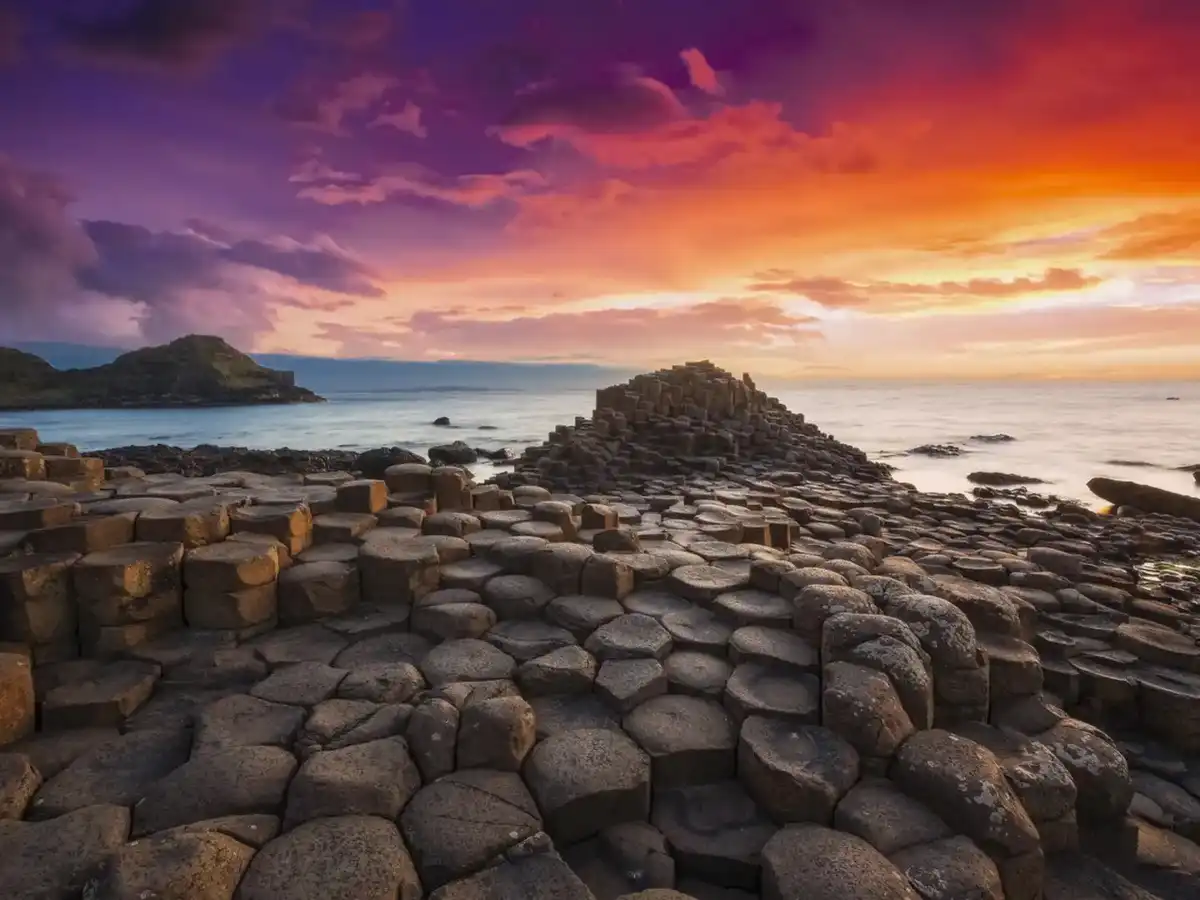
How many landmarks to aim for: Six to ten paid landmarks across a two-week trip is the number I would advise. That is roughly one per two days, which leaves room for free sights, weather delays and the occasional pub-based recovery. Beyond that, castles begin to blur, your wallet complains, and the entry queue becomes your main memory of the country.
Prioritizing by travel style: If you love history, put the headline castles, cathedrals and royal sites first and book them early, because these sell out at peak times. If you prefer landscapes, favor free outdoor sites, coastal paths and ruins, which cost nothing and reward early starts. If you are on a tight budget, lean on free national museums and open-access places, and pay for only two or three marquee attractions. Photographers do best …
read more 👉 How many landmarks to aim for: Six to ten paid landmarks across a two-week trip is the number I would advise. That is roughly one per two days, which leaves room for free sights, weather delays and the occasional pub-based recovery. Beyond that, castles begin to blur, your wallet complains, and the entry queue becomes your main memory of the country.
Prioritizing by travel style: If you love history, put the headline castles, cathedrals and royal sites first and book them early, because these sell out at peak times. If you prefer landscapes, favor free outdoor sites, coastal paths and ruins, which cost nothing and reward early starts. If you are on a tight budget, lean on free national museums and open-access places, and pay for only two or three marquee attractions. Photographers do best with early mornings and late afternoons, when light is soft and tour buses are not.
What it costs: Budget about US$80 to 130 (roughly £65 to 105) a day for a backpacker who mixes hostels, supermarket meals and a paid landmark every other day. Hostel dorm beds run £20 to 45 depending on the city, with London at the top. Entry to major sites typically costs £15 to 35 per adult, with discounts for students and youth. Audio guides add £3 to 6, guided tours £10 to 25, and local transport to a remote site £5 to 25 each way.
The costs that catch people out: Buying tickets at the gate is the most expensive habit. Online advance tickets are often £2 to 5 cheaper, and timed-entry sites can sell out entirely. Avoid it by booking a few days ahead. Memberships such as English Heritage or National Trust passes make sense only if you will visit at least four or five properties, so do the sums before paying. Overseas visitor passes can be better value for short trips. Another trap is peak-time rail fares: a last-minute long-distance ticket can cost three times an advance one, so book early or use railcards where eligible.
Delays and mistakes to avoid: Opening times change by season and day, and rural sites may close at 4 pm or on Mondays. Check the official website the night before. Queue times at the most famous places can reach an hour or more, so arrive at opening or in the last two hours. Wet weather catches the unprepared: a light waterproof, sturdy shoes and a pack cover are worth more than a third camera lens. Ruins and cliff sites can be slippery, so stay behind barriers and respect closures after storms.
Safety and cultural considerations: The UK is generally safe for visitors, but pickpocketing happens in crowded tourist areas, especially in London, so keep phones and wallets in zipped pockets. Cliff edges and coastal paths have real drops and sudden weather, and tides can cut off causeways and beaches, so check tide tables. Many landmarks are active places of worship, so dress modestly, keep your voice low and check photography rules, as some cathedrals ban it during services. Queue politely, because the British take it seriously, and do not touch ancient stones or walls. Leave no litter and follow the countryside code on farmland, closing gates behind you.
Spend where it counts: Pay for the places that offer depth, and skip the ones that are mostly gift shop. Free alternatives usually give you most of the atmosphere for nothing.




 Best Backpacking
 Hi, I’m Johan (Netherlands 🇳🇱), the creator of TakeYourBackpack. Over the past 3 decades, I’ve backpacked through 90+ countries across six continents, gaining extensive experience with independent travel, long-term trips, and overland routes.