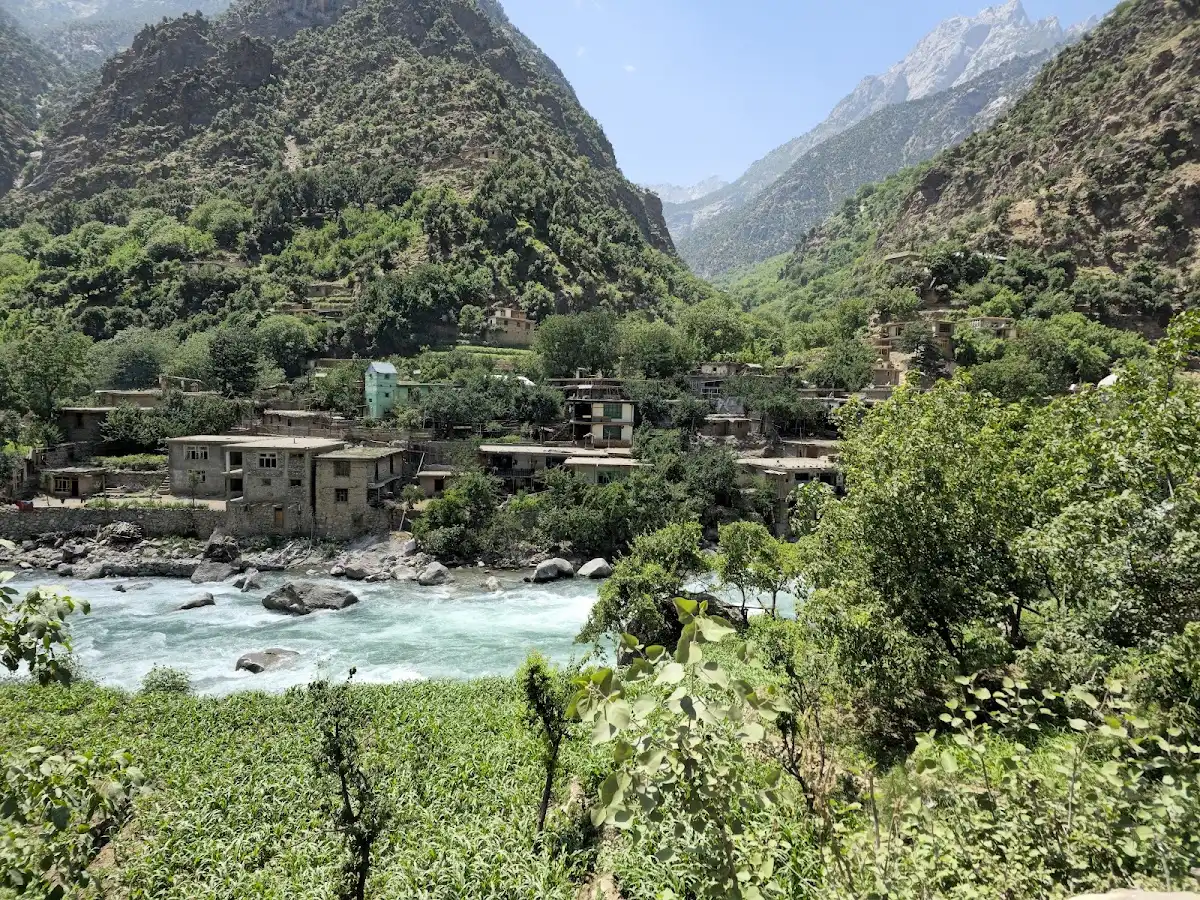
How many parks: two, and do both only with time: Visit one national park if you have under two weeks, and two if you have 14 days or more. That is the whole system, and the number is driven by logistics, not by quality. The highlands park fits into a 3 to 4 day add-on from Kabul. The Wakhan eats a minimum of a week once you count the drive in and out, and anyone trying to squeeze it into five days spends the trip in a vehicle seat. If you can only afford one, take the one that matches your budget and your tolerance for uncertainty, and do not apologize for skipping the other.
Which kind suits your travel style: The accessible highlands park suits first-time visitors to Afghanistan, short trips, solo travelers and anyone watching cost. It has guesthouses, shared taxis and enough local traffic …
read more 👉 How many parks: two, and do both only with time: Visit one national park if you have under two weeks, and two if you have 14 days or more. That is the whole system, and the number is driven by logistics, not by quality. The highlands park fits into a 3 to 4 day add-on from Kabul. The Wakhan eats a minimum of a week once you count the drive in and out, and anyone trying to squeeze it into five days spends the trip in a vehicle seat. If you can only afford one, take the one that matches your budget and your tolerance for uncertainty, and do not apologize for skipping the other.
Which kind suits your travel style: The accessible highlands park suits first-time visitors to Afghanistan, short trips, solo travelers and anyone watching cost. It has guesthouses, shared taxis and enough local traffic that you are rarely alone with a problem. The remote Wakhan park suits experienced mountain travelers who can sleep in basic homestays, walk at altitude and tolerate days of rough driving. It is not a place to learn expedition basics. There are no medical facilities, no mobile coverage in most of the corridor and no quick exit. Skip the Wakhan if you are on a tight budget or a tight schedule, because delays there cost money by the day.
What it costs: In the highlands, plan US$25 to 45 a day. That covers a basic guesthouse bed (US$10 to 20), meals (US$5 to 10) and local transport. Entry fees are small, usually under US$10, and a local guide for day walks adds roughly US$20 to 40. A shared taxi from Kabul to the highlands is typically US$8 to 15 per seat.
The Wakhan is a different scale: US$100 to 180 a day once you add a 4WD with driver, a guide, homestay beds, meals and permit fees. A 7 to 10 day visit therefore costs about US$800 to 1,600 on the ground, not counting getting to Ishkashim. Visa and fixer arrangements add to this. Pay in US dollars or afghanis, carry small bills and expect ATM access to be unreliable outside Kabul, so bring enough cash for the whole trip.
Avoid the budget trap of hiring a vehicle day by day on arrival. Prices in the corridor jump when you have no alternative, and a driver stranded by a washed-out track may charge for waiting time. Agree the full price, the number of days and the waiting terms in writing before leaving Ishkashim.
Delays and costly mistakes: The biggest loss of money and time comes from permits and paperwork. Your visa, any corridor permit and your fixer’s letters must match your route. Travelers who change plans on the road risk being turned back at checkpoints. Carry several printed copies and photograph every document.
Do not plan tight onward connections. Landslides, snow and river crossings cause one to three day delays routinely, and flights out of Kabul will not wait. Keep two spare days at the end of any mountain leg.
Do not assume your insurance covers you. Many policies exclude countries under government travel warnings, and medical evacuation from the corridor is slow and extremely expensive. Confirm in writing that your policy covers Afghanistan before you pay for anything non-refundable.
Safety and cultural conduct: Security conditions in Afghanistan vary by province and change quickly, so check current advice before booking and again before departure. Travel with a local guide who knows the current checkpoint rules, and do not wander off alone at night. Altitude is a real risk in the corridor, where camps sit at 3,000 to 4,500 meters, so ascend gradually and carry your own medication and water treatment.
Dress conservatively in all parks: long trousers, covered shoulders and loose tops. Ask before photographing people, especially women, and never photograph checkpoints or officials. Access rules for women have tightened at some sites in recent years, and women travelers should confirm current rules with their fixer before arriving. Alcohol is illegal, drones are a quick way to lose equipment and attract trouble, and accepting tea from a host is expected. Pay for homestay food and lodging directly and fairly. Those payments are often the only income these communities see from visitors.
v2.webp)

 Best Backpacking
.jpg) Hi, I’m Johan (Netherlands 🇳🇱), the creator of TakeYourBackpack. Over the past 3 decades, I’ve backpacked through 90+ countries across six continents, gaining extensive experience with independent travel, long-term trips, and overland routes.
Hi, I’m Johan (Netherlands 🇳🇱), the creator of TakeYourBackpack. Over the past 3 decades, I’ve backpacked through 90+ countries across six continents, gaining extensive experience with independent travel, long-term trips, and overland routes.