×

Afghanistan🇦🇫 | best regionsBest 6 regions in Afghanistan

Afghanistan is a land of stark contrasts, where choosing the right region can make or break your backpacking experience. The country is divided into distinct areas, each with its own climate, landscapes, and cultural character. From the rugged Hindu Kush mountains to the arid plains of Helmand, the diversity is striking.

Traveling in the north offers lush valleys and vibrant bazaars, while the south presents a more challenging environment, often marked by security concerns. Seasonal nuances also play a crucial role; summer can be sweltering in the plains but pleasantly cool in the highlands.

Your choice of region impacts everything: the vibe of your journey, your budget, and the ease of independent travel. Understanding these dynamics is essential for a rewarding adventure, allowing you to immerse yourself in the rich tapestry of Afghan life while navigating potential pitfalls.

By Johan Kruseman 🇳🇱 | Updated September 4, 2026
Explore the best cities in Afghanistan

Why go?Why Travelers Love These Spots

Afghanistan is a land of climatic diversity and cultural richness, setting it apart from many other countries. The stark contrasts in weather—from the arid plains of the south to the snow-capped peaks of the north—create unique ecosystems and experiences. This variety influences not just the landscape but also the way of life, traditions, and even the culinary offerings across regions.

The cultural character of Afghanistan is deeply rooted in its history, shaped by centuries of trade, conflict, and resilience. Each region boasts distinct customs and languages, reflecting a tapestry of ethnicities. This cultural mosaic is a treasure trove for travelers seeking authentic interactions, but it also requires a willingness to navigate complex social dynamics. Understanding local customs is essential; … read more 👉
Afghanistan is a land of climatic diversity and cultural richness, setting it apart from many other countries. The stark contrasts in weather—from the arid plains of the south to the snow-capped peaks of the north—create unique ecosystems and experiences. This variety influences not just the landscape but also the way of life, traditions, and even the culinary offerings across regions.

The cultural character of Afghanistan is deeply rooted in its history, shaped by centuries of trade, conflict, and resilience. Each region boasts distinct customs and languages, reflecting a tapestry of ethnicities. This cultural mosaic is a treasure trove for travelers seeking authentic interactions, but it also requires a willingness to navigate complex social dynamics. Understanding local customs is essential; what’s acceptable in one area may not be in another.

Landscapes range from rugged mountains to lush valleys, offering breathtaking vistas that are often untouched by mass tourism. However, the infrastructure can be a double-edged sword. While some areas are accessible, others demand significant travel time, which can limit the breadth of experiences. The trade-off here is clear: more time spent traveling often means less time immersed in the rich narratives of each locale.

Travelers should also consider the security landscape. Certain regions may be less suitable for exploration due to ongoing instability, while others offer a more welcoming environment. This reality necessitates careful planning and flexibility, as the journey can be as unpredictable as the terrain itself.

In summary, Afghanistan’s regions are not just destinations; they are living histories. The trade-offs in travel distance versus depth of exploration, and accessibility versus immersive experiences, are crucial considerations that can shape a journey into a profound adventure.
Evaluating the Top Choices
The list of best regions in Afghanistan is created based on landscapes, local culture, attractions, vibes, and overall appeal. If you feel a region is missing in this list, please let us know.

When to go?When to Plan Your Trip

Climate Variation
Afghanistan’s climate is as diverse as its landscapes. The country experiences harsh winters and scorching summers, with significant regional variations. In the north, winters can be brutal, while the south sees milder conditions. Understanding these patterns is crucial for planning.

Optimal Months
The best time to visit is generally from late spring to early autumn. This period offers milder temperatures and clearer skies. Late April to June is ideal for those seeking vibrant landscapes and blooming flora. Autumn, particularly September and October, provides comfortable weather and stunning fall colors.

Shoulder Seasons
Traveling during shoulder seasons—late March to early April and late October to November—can be a double-edged sword. On one hand, there are fewer … read more 👉
Climate Variation
Afghanistan’s climate is as diverse as its landscapes. The country experiences harsh winters and scorching summers, with significant regional variations. In the north, winters can be brutal, while the south sees milder conditions. Understanding these patterns is crucial for planning.

Optimal Months
The best time to visit is generally from late spring to early autumn. This period offers milder temperatures and clearer skies. Late April to June is ideal for those seeking vibrant landscapes and blooming flora. Autumn, particularly September and October, provides comfortable weather and stunning fall colors.

Shoulder Seasons
Traveling during shoulder seasons—late March to early April and late October to November—can be a double-edged sword. On one hand, there are fewer crowds and lower costs. On the other, weather can be unpredictable. Expect chilly nights and occasional rain, particularly in the north.

Peak Periods
While peak tourist seasons can lead to crowded conditions, they also coincide with significant cultural festivals. These events offer unique insights into local traditions but can drive up prices and limit accommodation options.

Seasonal Constraints
Winter, particularly from December to February, presents challenges. Heavy snowfall can restrict access to certain regions, and temperatures can plummet. Travelers should be prepared for limited mobility and potential delays.

Understanding these seasonal dynamics allows for better planning. Balancing comfort, experience, and timing is essential for maximizing the journey through Afghanistan’s rich tapestry of regions.

region hoppingSuggested Travel Strategies

General Routing Logic

Traveling through Afghanistan requires a strategic approach. Start in Kabul, the central hub, then branch out to nearby regions like Bamiyan and Panjshir. This clustering minimizes travel time and maximizes experiences. From there, head northwest to Herat, then south to Kandahar. Each leg should be planned with the understanding that road conditions can vary significantly, impacting travel times.

Typical Time Needed

Expect to spend at least two to three days in major regions. This allows for exploration without feeling rushed. In Kabul, allocate time for cultural sites and local markets. Bamiyan deserves a few days for its stunning Buddhas and hiking trails. Herat’s architecture and Kandahar’s historical significance also warrant a solid two days each.

Common Planning

read more 👉

General Routing Logic

Traveling through Afghanistan requires a strategic approach. Start in Kabul, the central hub, then branch out to nearby regions like Bamiyan and Panjshir. This clustering minimizes travel time and maximizes experiences. From there, head northwest to Herat, then south to Kandahar. Each leg should be planned with the understanding that road conditions can vary significantly, impacting travel times.

Typical Time Needed

Expect to spend at least two to three days in major regions. This allows for exploration without feeling rushed. In Kabul, allocate time for cultural sites and local markets. Bamiyan deserves a few days for its stunning Buddhas and hiking trails. Herat’s architecture and Kandahar’s historical significance also warrant a solid two days each.

Common Planning Mistakes

One major pitfall is over-scheduling. Trying to cram too many stops into a short timeframe leads to exhaustion and missed opportunities. Prioritize quality over quantity. Another mistake is underestimating travel times; roads can be unpredictable. Always factor in extra time for delays.

Trade-offs and Constraints

Balancing speed with depth is crucial. Rushing through regions might save time but sacrifices the rich experiences that make travel worthwhile. Budget constraints can also affect comfort levels; opting for local accommodations can enhance cultural immersion but may require flexibility in amenities.

Realistic Pacing and Flexibility

Maintain a flexible itinerary. This allows for spontaneous discoveries and adjustments based on local advice or weather conditions. Embrace the unpredictability; it’s part of the adventure. Prioritize experiences that resonate with personal interests, whether that’s history, culture, or nature. This approach ensures a rewarding journey through Afghanistan’s diverse landscapes.

The ListTop regions of Afghanistan

1 Bamiyan Valley

Cliffside niches, Buddhist relics, highland lakes

Follow ancient routes through a valley marked by monumental carvings and serene water bodies, where history and natural beauty intersect at every turn.

2 Panjshir Valley

Emerald river, steep cliffs, resistance memorials

Travel along a narrow valley where dramatic geology and recent history converge, revealing stories of resilience amid striking natural scenery.

afghanistan-region-panjshir-valley v9
© Google |

3 Badakhshan

Pamir foothills, remote villages, lapis lazuli mines

Traverse isolated mountain passes and encounter communities shaped by centuries of trade, with landscapes that shift from alpine meadows to stark ridges.

4 Paghman Valley

Alpine gardens, royal pavilions, picnic terraces

Relax in cultivated landscapes framed by mountain views, with traces of past grandeur visible in the architecture and public spaces.

afghanistan-region-paghman-valley v5
© Google |

5 Ghor Province

Wind-swept plateaus, ruined fortresses, seasonal nomads

Venture across vast uplands dotted with remnants of ancient strongholds, where shifting weather and migration patterns dictate the rhythm of travel.

6 Khost Province

Pine forests, tribal settlements, border bazaars

Experience a region where wooded hills and traditional communities meet, offering insight into cross-border trade and Pashtun cultural customs.

Loading the map 🌍

Expert viewInsights from Locals and Experts

Geographic Diversity

Afghanistan is a land of extremes, where towering mountains meet arid deserts and lush valleys. You’ll find five major regions: the Central Highlands, Northern Plains, Southern Deserts, Western Mountains, and Eastern Valleys. Each offers a unique slice of Afghan life, but don’t expect to see them all in one trip. Prioritize two or three regions to really soak in the culture and landscape.

The Central Highlands are home to the Hindu Kush, where the air is crisp and the scenery is jaw-dropping. The Northern Plains, on the other hand, are more accessible and offer a glimpse into the agricultural heart of the country. The Southern Deserts can be harsh, but they reveal a resilience in the local culture that’s worth experiencing. Each region has its own rhythm, and you’ll … read more 👉

Geographic Diversity

Afghanistan is a land of extremes, where towering mountains meet arid deserts and lush valleys. You’ll find five major regions: the Central Highlands, Northern Plains, Southern Deserts, Western Mountains, and Eastern Valleys. Each offers a unique slice of Afghan life, but don’t expect to see them all in one trip. Prioritize two or three regions to really soak in the culture and landscape.

The Central Highlands are home to the Hindu Kush, where the air is crisp and the scenery is jaw-dropping. The Northern Plains, on the other hand, are more accessible and offer a glimpse into the agricultural heart of the country. The Southern Deserts can be harsh, but they reveal a resilience in the local culture that’s worth experiencing. Each region has its own rhythm, and you’ll need to adjust your pace accordingly.

Transport Between Regions

Getting around Afghanistan isn’t a walk in the park. Roads can be rough, and travel times are often longer than you’d expect. Expect to spend a good chunk of your time on the road, especially if you’re moving between regions. The infrastructure is improving, but it’s still a challenge.

Consider using local transport options like shared taxis or buses, but be prepared for delays and discomfort. If you’re short on time, flying between major hubs can save you hours, but it comes at a premium. Factor in the cost of transport when budgeting your trip; it can eat into your funds faster than you think.

Cultural Variation

Cultural experiences vary dramatically from region to region. In the Northern Plains, you’ll find a more relaxed atmosphere, with a focus on agriculture and community. The Southern Deserts are home to nomadic tribes, where traditions run deep and hospitality is a way of life. The Central Highlands offer a mix of ethnic groups, each with its own customs and languages.

Understanding these cultural nuances is crucial. In some areas, you’ll need to dress conservatively and be mindful of local customs. In others, you might find a more liberal attitude. Always approach interactions with respect and an open mind. This isn’t just about sightseeing; it’s about connecting with people.

Pacing Trade-Offs

Pacing is everything in Afghanistan. If you rush through regions, you’ll miss the essence of what makes each one unique. Plan for at least two weeks if you want to explore two or three regions thoroughly. This allows you to engage with locals, sample regional cuisines, and participate in cultural events.

However, if you’re on a tighter schedule, you’ll have to make sacrifices. You might have to skip the Southern Deserts for the more accessible Northern Plains. It’s a trade-off between depth and breadth. Choose wisely based on what you want to experience.

Safety & Cultural Considerations

Safety is a top concern, and it’s essential to stay informed. Certain areas are more stable than others, so do your homework before you go. Always check travel advisories and consider hiring a local guide who knows the terrain and the people. This can enhance your experience and keep you safe.

Culturally, be prepared for a different pace of life. Things don’t always go as planned, and that’s part of the adventure. Embrace the unpredictability, but also be respectful of local customs. A simple gesture, like learning a few words in Dari or Pashto, can go a long way in building rapport.

Planning & Prioritizing Regions

When planning your trip, start by identifying what you want to see and do. Are you drawn to the mountains, or is it the desert culture that intrigues you? Once you have a focus, you can prioritize regions accordingly.

Consider the time of year as well; some areas are more accessible in certain seasons. The Central Highlands can be snowbound in winter, while the Southern Deserts are scorching in summer. Balance your interests with logistical realities.

Ultimately, Afghanistan is a country that rewards those willing to invest time and effort. The experiences you’ll gain from immersing yourself in its diverse regions are worth every ounce of planning. Just remember, it’s not about ticking boxes; it’s about the journey and the connections you make along the way.

✈️ The backpacker research shortcutAfghanistan Travel Guide

An offline-friendly backpacking guide with optimized travel routes, ranked highlights, transport advice, and the best areas to stay.
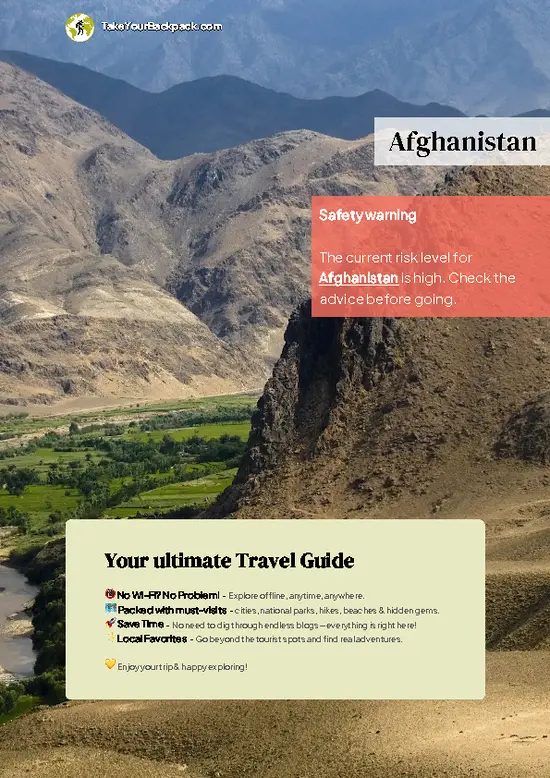
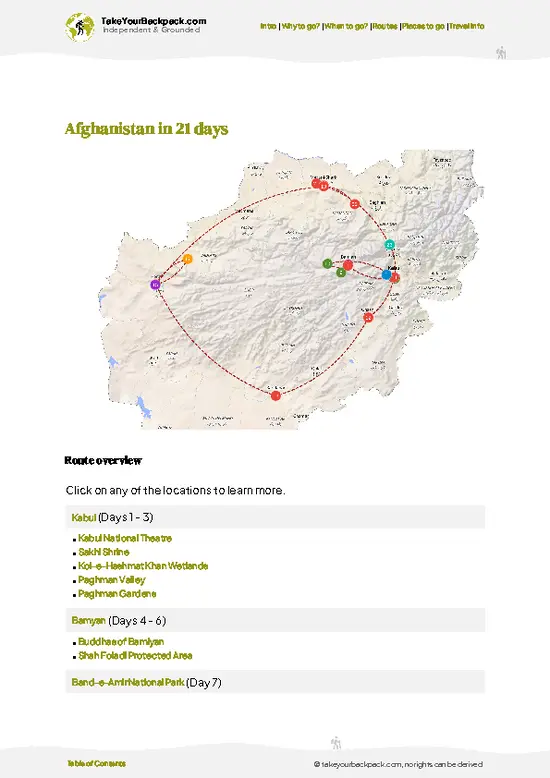
example page 0 from our offline Travel Guide for Afghanistan
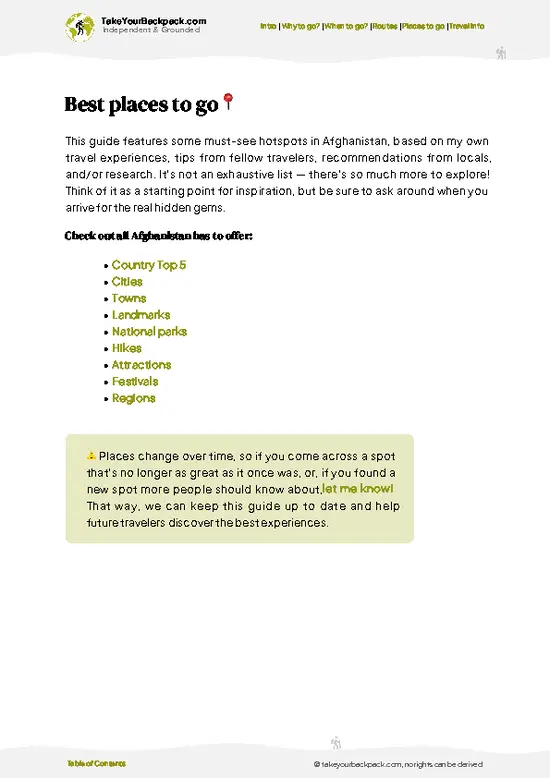
example page 1 from our offline Travel Guide for Afghanistan
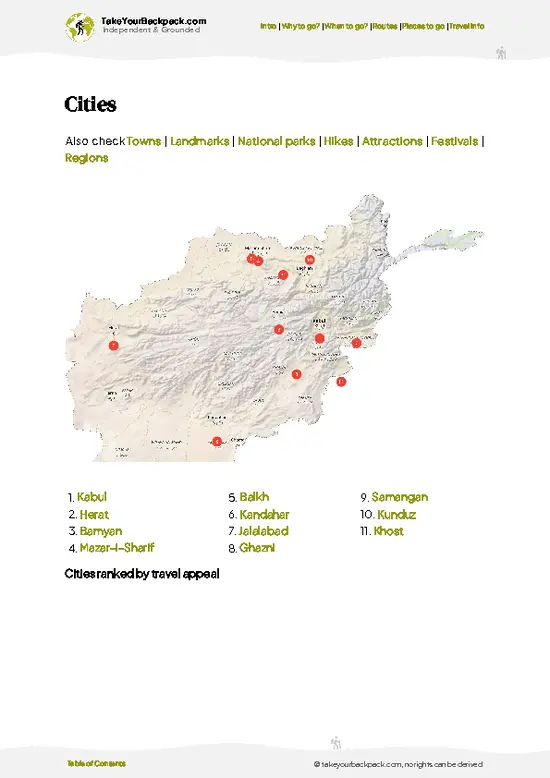
example page 2 from our offline Travel Guide for Afghanistan
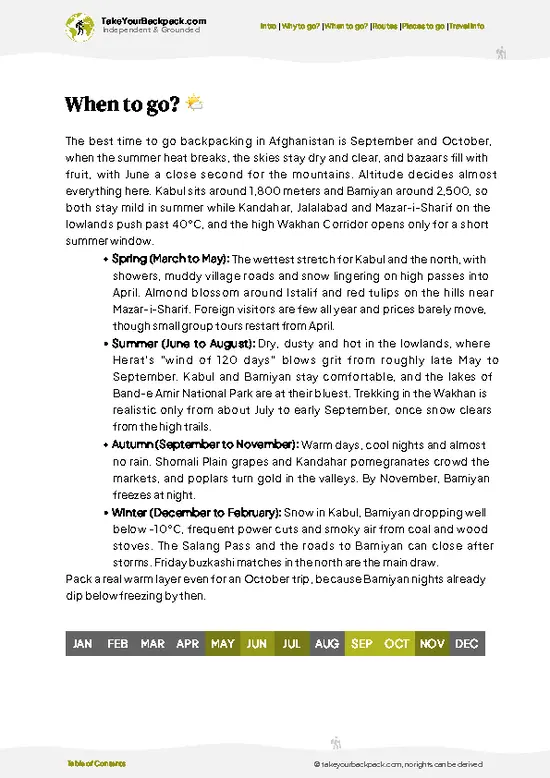
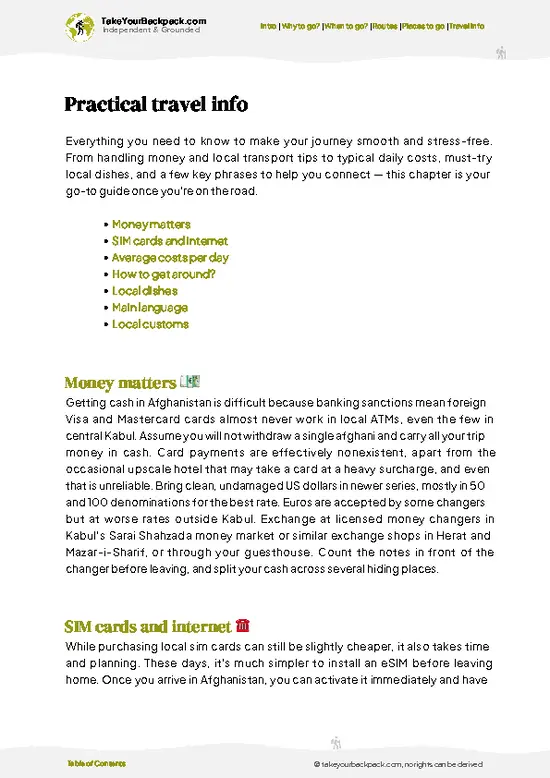
example page 3 from our offline Travel Guide for Afghanistan
example page 4 from our offline Travel Guide for Afghanistan
example page 5 from our offline Travel Guide for Afghanistan
example page 6 from our offline Travel Guide for Afghanistan
example page 7 from our offline Travel Guide for Afghanistan
The digital guide (228 pages) contains:
55 highlights, ranked by travel appeal
Optimized 7, 14 & 21-day travel routes
Cities, national parks, landmarks, beaches
How to get around
Offline-friendly for travel without Wi-Fi
👉 Click to see all 30+ guide features

📅 Plan smarter in minutes, not weeks
Month by month travel advice
Festivals & national holidays
Budget expectations

🗺️ Go to the right places, skip the overrated ones
Honest pros & cons of destinations
Top hikes, parks & viewpoints
Lesser-known places most travelers miss
Clear “worth it vs skip it” guidance

🛏️ Travel smoothly without rookie mistakes
Best areas to stay
Transport systems explained simply
Common scams & safety advice
SIM cards, money & practical tips

🌍 Understand the country, not just visit it
Culture & traditions
52 Essential phrases & customs
Festivals worth planning around
Traveler-friendly historical context
Insights that make places more meaningful

📱 Built for real travel conditions
Fully downloadable PDF
Works completely offline
Optimized for phone use
Useful in remote areas & buses
Everything in one place
Save weeks of stressful planning
Get instant access to your full guide. 30‑day money-back guarantee.
+ Add another guide for just US$7.80

By proceeding you agree to our terms.
Sent to your inbox immediately after payment • 100% Secure Checkout
Best Backpacking Travel Advisor 2025 tourism awardBest Backpacking
Travel Advisor
2025
What others say about Take Your Backpack Guides:
⭐⭐⭐⭐⭐
Fantastic, amazing amount of information!
⭐⭐⭐⭐⭐
My goodness this is amazing, it's what I've been looking for hats off too you!
⭐⭐⭐⭐⭐
I think this is absolutely BRILLIANT
⭐⭐⭐⭐
Very complete and informative. It's still missing places, but I gotta to commend you
⭐⭐⭐⭐⭐
This is truly amazing, thank you, can't wait to explore it with my kids!
⭐⭐⭐⭐⭐
Awesome resource, thank you!
⭐⭐⭐⭐⭐
This is amazing! Can't wait to explore the ones I haven't seen
⭐⭐⭐⭐
I love this! Well done, great idea.
⭐⭐⭐⭐⭐
Thanks for taking the time to make this gem!
⭐⭐⭐⭐⭐
This might be the best website I've ever seen.
⭐⭐⭐⭐⭐
Congratulations, and thank you so much for your work; it's incredibly valuable.
⭐⭐⭐⭐
In all seriousness I think you did a great job pointing out the important spots
⭐⭐⭐⭐⭐
10/10 very good
⭐⭐⭐⭐⭐
As someone who's only just starting to visit regularly this is awesome, thank you.
⭐⭐⭐⭐
Thank you very much! I'm going to visit my dad, it's going to be very useful!
⭐⭐⭐⭐⭐
This is really cool! We'll be travelling for the first time and this definitely come in handy.
⭐⭐⭐⭐⭐
You are now our minister of culture, congratulations 👨‍💼
⭐⭐⭐⭐⭐
Just wanted to tell you that this is a pearl! Going to follow your recommendations.
⭐⭐⭐⭐⭐
This is so cool. I'll definitely be using the resource for my travels soon.
⭐⭐⭐⭐⭐
This is very impressive! Good work.
⭐⭐⭐⭐⭐
This is an amazing and informative site. Very well done!

🛏️ Where to stay?Where to Base Yourself

Hostels in Afghanistan are rare; budget accommodation in Afghanistan mostly means basic guesthouses or cheap hotels in major cities, so expect sparse facilities, arrival security checks, and stricter procedures than typical backpacker destinations.

In Kabul the most practical neighbourhoods are Wazir Akbar Khan (more secure and quieter, close to embassies but pricier), Shahr‑e‑Now (commercial hub with the most cheap guesthouses, markets and transport links but noisy), and Karte Parwan (near museums with quieter mid‑range options); prioritize safety and access to sights over nightlife, which is minimal.

Outside Kabul, central districts of Mazar‑i‑Sharif (near the shrine and bus terminals), … read more 👉
Hostels in Afghanistan are rare; budget accommodation in Afghanistan mostly means basic guesthouses or cheap hotels in major cities, so expect sparse facilities, arrival security checks, and stricter procedures than typical backpacker destinations.

In Kabul the most practical neighbourhoods are Wazir Akbar Khan (more secure and quieter, close to embassies but pricier), Shahr‑e‑Now (commercial hub with the most cheap guesthouses, markets and transport links but noisy), and Karte Parwan (near museums with quieter mid‑range options); prioritize safety and access to sights over nightlife, which is minimal.

Outside Kabul, central districts of Mazar‑i‑Sharif (near the shrine and bus terminals), Herat (old city near the citadel, culturally rich and quiet) and Kandahar (central district with very basic lodgings and frequent security checkpoints) offer the most budget choices; carry cash, confirm local security conditions before arrival, and plan contingency transport.

If you enjoy meeting fellow travelers, consider choosing hostels with high ratings for atmosphere. On the other hand, if you prefer having your own space, a hotel might be a better option.

AfghanistanExpand Your Journey

👋 Meet the founderWho’s Behind Take Your Backpack?

Johan, backpacker and founder of TakeYourBackpackHi, I’m Johan (Netherlands 🇳🇱), the creator of TakeYourBackpack. Over the past decade, I’ve backpacked through 80+ countries across six continents, gaining extensive experience with independent travel, long-term trips, and overland routes.

This site is built on a combination of firsthand travel experience and carefully curated insights from other backpackers. Many guides are based on places I’ve personally visited, while others bring together tips, observations, and practical advice shared by trusted travelers I’ve met along the way.

The goal is to provide realistic, experience-driven guidance — not generic itineraries — so you can explore destinations with better context, clearer expectations, and more confidence.

Get full country guide •
Instant download • 55 highlights • Full Offline guide