×

Austria🇦🇹 | best festivalsExplore the 10 Best festivals in Austria

Austria’s festivals are a vibrant tapestry of tradition, seasonality, and regional flair. From the lively Vienna Ball Season in winter to the Almabtrieb cattle drives in autumn, each event offers a unique lens into Austrian culture. The choice of festival can dramatically shift your experience as a backpacker. For instance, the Salzburg Festival attracts crowds and higher prices, while smaller, local events provide authentic interactions and budget-friendly options. Timing is crucial; summer festivals often draw larger crowds, impacting safety and ease of travel. Selecting the right festival not only enhances your cultural immersion but also aligns with your travel style and budget, making your journey through Austria truly rewarding.

By Johan Kruseman 🇳🇱 | Updated June 10, 2026
Explore the best regions in Austria

Why go?Understanding Their Importance

Festivals in Austria are a vibrant reflection of the country’s rich cultural tapestry, deeply rooted in historical traditions and regional identities. Unlike many countries, Austria’s festivals often blend local customs with national pride, creating a unique atmosphere that celebrates both community and heritage. This duality is particularly evident during events like Fasching, where the exuberance of carnival season showcases centuries-old practices, while also inviting modern interpretations.

The seasonal timing of these festivals is crucial. Spring and summer bring outdoor celebrations, where the climatic conditions favor large gatherings. However, this also means larger crowds, which can dilute the intimate experience many seek. Conversely, attending festivals in the off-peak months may … read more 👉
Festivals in Austria are a vibrant reflection of the country’s rich cultural tapestry, deeply rooted in historical traditions and regional identities. Unlike many countries, Austria’s festivals often blend local customs with national pride, creating a unique atmosphere that celebrates both community and heritage. This duality is particularly evident during events like Fasching, where the exuberance of carnival season showcases centuries-old practices, while also inviting modern interpretations.

The seasonal timing of these festivals is crucial. Spring and summer bring outdoor celebrations, where the climatic conditions favor large gatherings. However, this also means larger crowds, which can dilute the intimate experience many seek. Conversely, attending festivals in the off-peak months may offer a more immersive experience, but with fewer events to choose from.

Austria’s geographic diversity plays a significant role in festival accessibility. While major cities host grand events, rural areas often provide a more authentic experience. Travelers must weigh the trade-off between convenience and depth of exploration. A longer journey to a smaller town might yield a richer cultural experience, but it requires more planning and flexibility.

In essence, understanding the logistics of Austria’s festivals—timing, location, and crowd dynamics—empowers travelers to navigate their options effectively, ensuring a rewarding and memorable experience.
Behind the Scenes of Selection
The list of best festivals in Austria is created based on energy, traditions, crowd experience, activities, and overall excitement. If you feel a festival is missing in this list, please let us know.

When to go?Seasonal Guide to Visiting

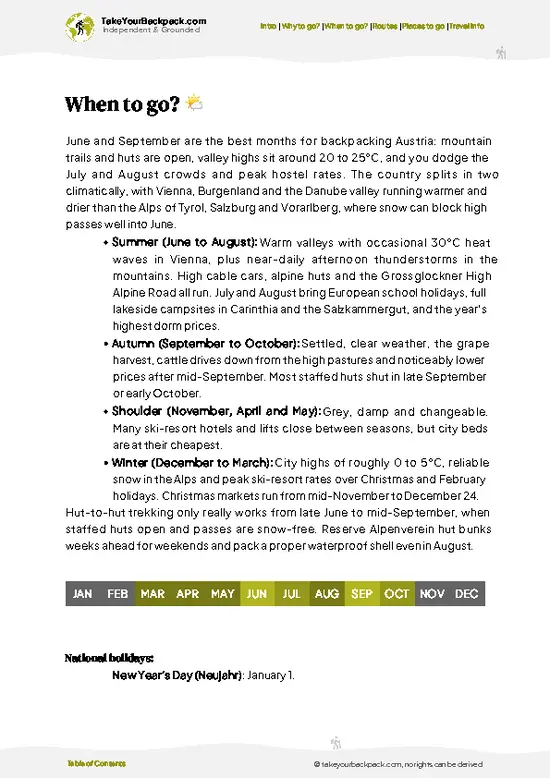
Seasonality plays a crucial role in the festival landscape of Austria. The country experiences distinct seasons that influence both the timing and atmosphere of events. Spring, particularly from March to May, marks the beginning of the festival season. The weather is mild, making it ideal for outdoor celebrations. However, early spring can be unpredictable, with occasional rain.

Summer is peak festival time, running from June to August. This period boasts the highest energy, with numerous events taking place. The weather is warm, and the atmosphere is vibrant. However, this is also when crowds swell, leading to higher accommodation costs and potential ticket shortages. Travelers should weigh the excitement of bustling festivals against the challenges of navigating large crowds.

Autumn offers … read more 👉
Seasonality plays a crucial role in the festival landscape of Austria. The country experiences distinct seasons that influence both the timing and atmosphere of events. Spring, particularly from March to May, marks the beginning of the festival season. The weather is mild, making it ideal for outdoor celebrations. However, early spring can be unpredictable, with occasional rain.

Summer is peak festival time, running from June to August. This period boasts the highest energy, with numerous events taking place. The weather is warm, and the atmosphere is vibrant. However, this is also when crowds swell, leading to higher accommodation costs and potential ticket shortages. Travelers should weigh the excitement of bustling festivals against the challenges of navigating large crowds.

Autumn offers a different experience. September and October feature harvest festivals, showcasing local produce and traditions. The weather remains pleasant, but the crowds begin to thin, allowing for a more authentic experience.

Winter brings its own charm with Christmas markets and winter festivals. While the cold can deter some, those who embrace it find a magical atmosphere. However, travel costs can spike around the holidays.

Understanding these seasonal dynamics allows for smarter planning, balancing the desire for lively events with the realities of crowd sizes and costs.

festival hoppingOptimizing Your Multi-Stop Itinerary

Austria’s festival landscape is rich and diverse, making it essential to approach your itinerary with a strategic mindset. Start by clustering festivals regionally. The western part of the country, including Tyrol and Vorarlberg, hosts winter festivals, while the east, particularly Vienna and Burgenland, shines in summer. This geographical grouping minimizes travel time and maximizes festival immersion.

Timing is crucial. Allocate at least two to three days for major festivals, allowing for both participation and recovery. For instance, if attending the Salzburg Festival, plan to spend a couple of days enjoying performances and exploring the city. Avoid the common mistake of cramming too many events into a short timeframe; this leads to burnout and missed experiences.

Consider the direction read more 👉
Austria’s festival landscape is rich and diverse, making it essential to approach your itinerary with a strategic mindset. Start by clustering festivals regionally. The western part of the country, including Tyrol and Vorarlberg, hosts winter festivals, while the east, particularly Vienna and Burgenland, shines in summer. This geographical grouping minimizes travel time and maximizes festival immersion.

Timing is crucial. Allocate at least two to three days for major festivals, allowing for both participation and recovery. For instance, if attending the Salzburg Festival, plan to spend a couple of days enjoying performances and exploring the city. Avoid the common mistake of cramming too many events into a short timeframe; this leads to burnout and missed experiences.

Consider the direction of travel. Starting in Vienna and moving westward can create a natural flow, allowing for a gradual build-up of energy. Festivals often peak on weekends, so align your travel days accordingly. This not only helps in managing crowds but also enhances the overall experience.

Be mindful of trade-offs. Speed may mean missing out on local culture, while a slower pace can lead to deeper connections. Balancing budget and comfort is also key; consider staying in smaller towns near festival sites for a more authentic experience. Flexibility in your plans allows for spontaneous discoveries, making the journey as rewarding as the festivals themselves.

The ListThe Best festivals of Austria

1 Salzburg Festival

classical music, theater productions, baroque venues, Mozart heritage

Attend world-class performances in ornate halls, where classical music and drama are staged in the birthplace of Mozart.

2 Bregenzer Festspiele

floating stage, Lake Constance, large-scale opera, open-air performances

Experience opera and musical theater on a lakeside stage, where dramatic sets and water views create a unique open-air atmosphere.

3 Donauinselfest

Danube Island, free concerts, outdoor stages, diverse music genres

Join crowds along the Danube for a massive, open-air music event featuring multiple stages and a wide range of live acts.

4 Viennale

arthouse cinema, international premieres, Viennese theaters, film retrospectives

Immerse yourself in a curated selection of global cinema, with premieres and retrospectives shown in historic Viennese theaters.

5 ImPulsTanz Vienna International Dance Festival

contemporary dance, workshops, international choreographers, citywide venues

Engage with contemporary dance through performances and workshops led by renowned choreographers across Vienna’s cultural spaces.

6 Wiener Wiesn-Fest

Austrian folk music, traditional costumes, beer tents, Prater park

Celebrate Austrian traditions with live folk music, hearty food, and regional brews in a festive park setting.

7 Ars Electronica Festival

media art, digital innovation, interactive installations, Linz

Explore the intersection of art, technology, and society through hands-on exhibits and talks in Linz’s creative spaces.

8 Electric Love Festival

Salzburgring racetrack, EDM headliners, light shows, camping area

Experience electronic music’s biggest names, immersive visuals, and a vibrant crowd at a racetrack-turned-festival site near Salzburg.

9 Frequency Festival

open-air camping, indie and electronic acts, St. Pölten, multi-stage setup

Camp out with music fans for a weekend of indie, rock, and electronic performances on sprawling festival grounds near St. Pölten.

10 Snowbombing

alpine setting, ski resort parties, electronic music, Mayrhofen

Ski by day and dance by night at a high-altitude festival blending mountain sports with electronic music in the Austrian Alps.

11 Seefestspiele Mörbisch

lake stage, operetta performances, Burgenland, open-air seating

Watch classic operettas performed on a lakeside stage, with panoramic views and a relaxed summer atmosphere in Burgenland.

12 Schubertiade

chamber music, Franz Schubert, intimate venues, Austrian villages

Listen to chamber music in small village settings, where Schubert’s works are performed in intimate spaces for dedicated audiences.

13 Vienna Film Festival

open-air screenings, Rathausplatz, international films, city center

Relax in front of Vienna’s city hall for nightly film screenings, with food stalls and a lively urban setting enhancing the experience.

14 Linz International Short Film Festival

short films, independent cinema, Linz venues, filmmaker Q&As

Watch innovative short films from around the world, meet filmmakers, and discover new voices in a city known for creative energy.

Think you know Austria?

Prove you’re a true local — uncover 4 lesser-known festivals in Austria that locals tend to keep to themselves.
Loading the map 🌍

Expert viewInsights from Locals and Experts

Energy

Austria’s festival scene is a vibrant reflection of its cultural tapestry, with events that pulse with local traditions and contemporary flair. The energy shifts with the seasons, so timing your visit is crucial. Spring brings the Easter markets, where you can sip mulled wine while browsing handcrafted goods. Summer is the peak, with music festivals and outdoor events that draw crowds. Autumn showcases harvest festivals, celebrating local produce and traditions. Winter? Think Christmas markets, where the air is thick with the scent of roasted chestnuts and spiced pastries.

Seasonal Timing

Plan to experience at least three to four festivals during your stay. This allows you to dive deep into the local culture without feeling rushed. Each season offers unique experiences, but summer … read more 👉
Energy

Austria’s festival scene is a vibrant reflection of its cultural tapestry, with events that pulse with local traditions and contemporary flair. The energy shifts with the seasons, so timing your visit is crucial. Spring brings the Easter markets, where you can sip mulled wine while browsing handcrafted goods. Summer is the peak, with music festivals and outdoor events that draw crowds. Autumn showcases harvest festivals, celebrating local produce and traditions. Winter? Think Christmas markets, where the air is thick with the scent of roasted chestnuts and spiced pastries.

Seasonal Timing

Plan to experience at least three to four festivals during your stay. This allows you to dive deep into the local culture without feeling rushed. Each season offers unique experiences, but summer festivals often attract the largest crowds. If you prefer a more intimate atmosphere, aim for spring or autumn. However, be prepared for weather variability; layers are your best friend.

Cultural Context

Understanding the cultural significance of each festival enhances your experience. For instance, the Viennese Ball season in winter is not just about dancing; it’s a rite of passage steeped in history. Similarly, the Almabtrieb in autumn celebrates the return of cattle from mountain pastures, showcasing local pride and agricultural heritage. Engaging with locals at these events can provide insights that guide your experience, but remember that not all festivals are tourist-centric. Some are deeply rooted in community, so approach with respect and curiosity.

Crowd Management

Crowd dynamics can make or break your festival experience. Major events like the Salzburg Festival can be overwhelming, so consider attending mid-week or during less popular performances. This not only eases the pressure but often provides a more authentic experience. Arrive early to secure a good spot, especially for outdoor events. If you’re attending a popular festival, familiarize yourself with the layout and key attractions in advance. This way, you can navigate efficiently and avoid the chaos.

Budget and Comfort

Festivals can vary widely in cost. While some are free, others may require tickets, food, and accommodation expenses. Set a realistic budget that allows for flexibility. Consider staying slightly outside major festival hubs to save on accommodation while still being within reach. This trade-off can enhance your comfort and provide a quieter retreat after a day of festivities.

Infrastructure

Austria’s public transport is efficient, making it easy to hop between festivals. Trains and buses connect major cities and rural areas, but be mindful of schedules, especially during peak times. Some festivals may have limited access due to road closures or increased traffic, so plan your travel accordingly. Downloading local transport apps can save you time and frustration.

Safety and Cultural Considerations

Safety is generally not a major concern at Austrian festivals, but it’s wise to stay aware of your surroundings, especially in crowded areas. Respect local customs and dress codes, particularly at more traditional events. Engaging with locals can enrich your experience, but be mindful of cultural sensitivities.

In summary, Austria’s festivals offer a rich tapestry of experiences that can be navigated with a bit of planning and awareness. By understanding the seasonal rhythms, cultural contexts, and practical logistics, you can unlock a festival experience that feels both authentic and rewarding. Embrace the journey, and you’ll find that each festival is a unique chapter in Austria’s story.

✈️ The backpacker research shortcutAustria Travel Guide

An offline-friendly backpacking guide with optimized travel routes, ranked highlights, transport advice, and the best areas to stay.
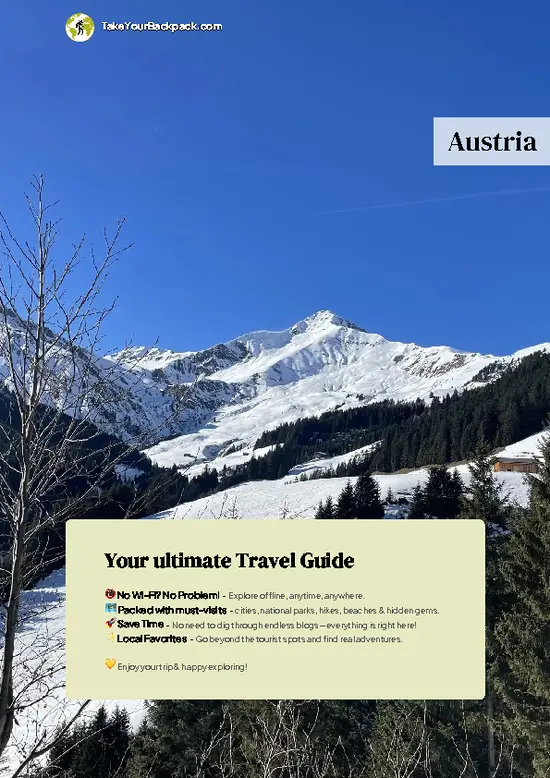
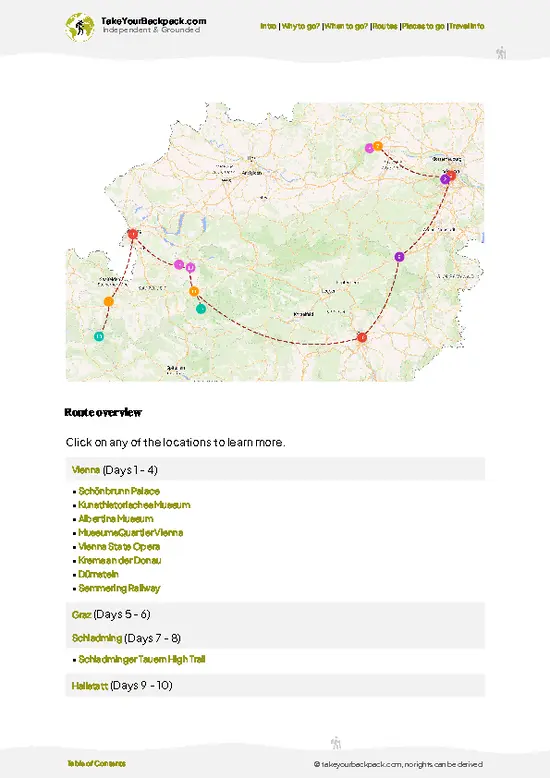
example page 0 from our offline Travel Guide for Austria
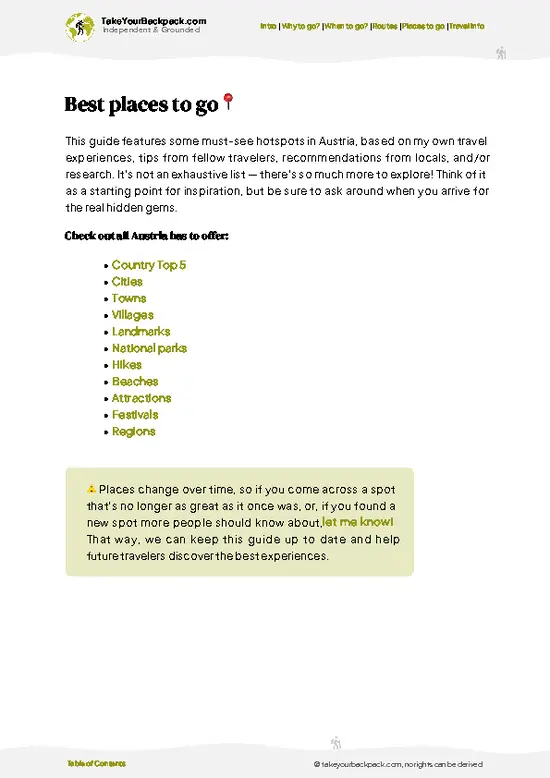
example page 1 from our offline Travel Guide for Austria
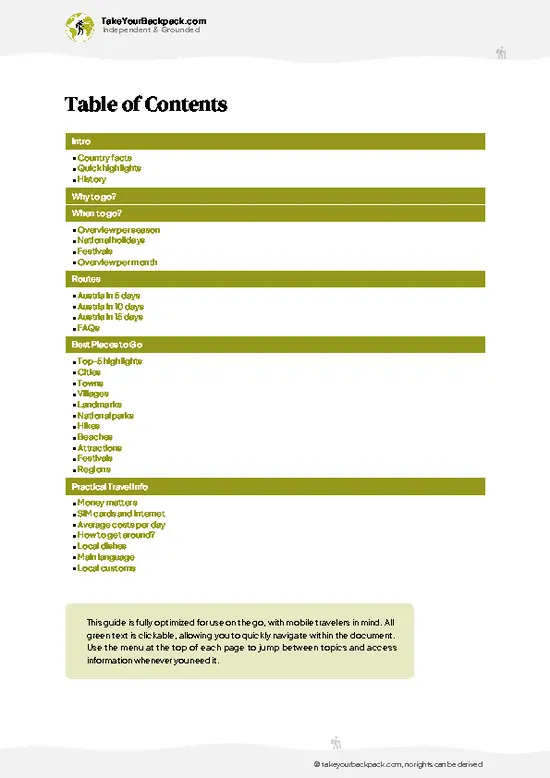
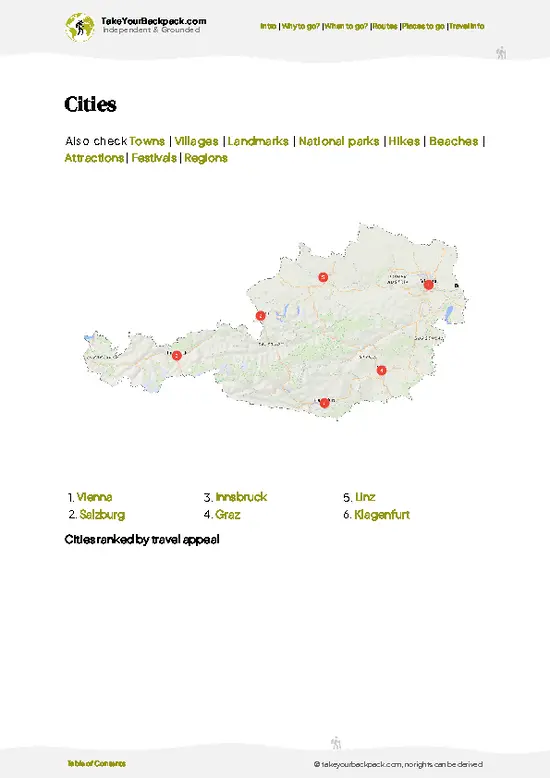
example page 2 from our offline Travel Guide for Austria
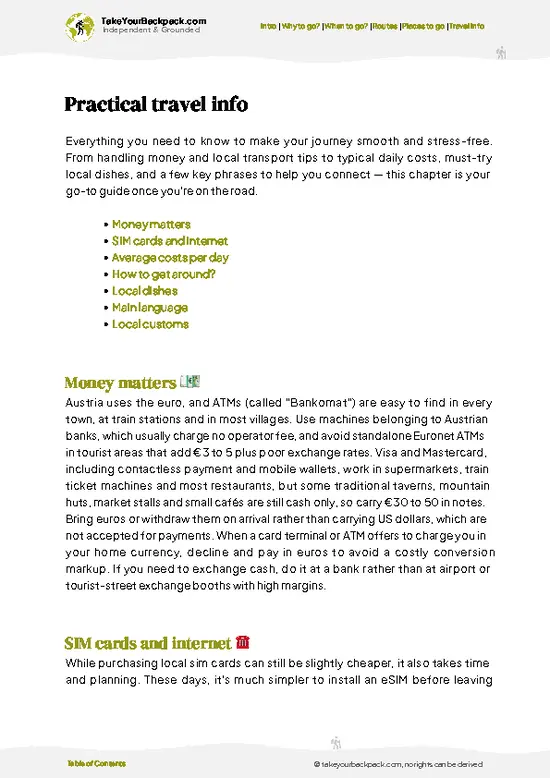
example page 3 from our offline Travel Guide for Austria
example page 4 from our offline Travel Guide for Austria
example page 5 from our offline Travel Guide for Austria
example page 6 from our offline Travel Guide for Austria
example page 7 from our offline Travel Guide for Austria
The digital guide (376 pages) contains:
94 highlights, ranked by travel appeal
Optimized 5, 10 & 15-day travel routes
Cities, national parks, landmarks, beaches
How to get around
Offline-friendly for travel without Wi-Fi
👉 Click to see all 30+ guide features

📅 Plan smarter in minutes, not weeks
Month by month travel advice
Festivals & national holidays
Budget expectations

🗺️ Go to the right places, skip the overrated ones
Honest pros & cons of destinations
Top hikes, parks & viewpoints
Lesser-known places most travelers miss
Clear “worth it vs skip it” guidance

🛏️ Travel smoothly without rookie mistakes
Best areas to stay
Transport systems explained simply
Common scams & safety advice
SIM cards, money & practical tips

🌍 Understand the country, not just visit it
Culture & traditions
52 Essential phrases & customs
Festivals worth planning around
Traveler-friendly historical context
Insights that make places more meaningful

📱 Built for real travel conditions
Fully downloadable PDF
Works completely offline
Optimized for phone use
Useful in remote areas & buses
Everything in one place
Save weeks of stressful planning
Get instant access to your full guide. 30‑day money-back guarantee.


By proceeding you agree to our terms.
Sent to your inbox immediately after payment • 100% Secure Checkout
Best Backpacking Travel Advisor 2025 tourism awardBest Backpacking
Travel Advisor
2025
What others say about Take Your Backpack Guides:
⭐⭐⭐⭐⭐
Fantastic, amazing amount of information!
⭐⭐⭐⭐⭐
My goodness this is amazing, it's what I've been looking for hats off too you!
⭐⭐⭐⭐⭐
I think this is absolutely BRILLIANT
⭐⭐⭐⭐
Very complete and informative. It's still missing places, but I gotta to commend you
⭐⭐⭐⭐⭐
This is truly amazing, thank you, can't wait to explore it with my kids!
⭐⭐⭐⭐⭐
Awesome resource, thank you!
⭐⭐⭐⭐⭐
This is amazing! Can't wait to explore the ones I haven't seen
⭐⭐⭐⭐
I love this! Well done, great idea.
⭐⭐⭐⭐⭐
Thanks for taking the time to make this gem!
⭐⭐⭐⭐⭐
This might be the best website I've ever seen.
⭐⭐⭐⭐⭐
Congratulations, and thank you so much for your work; it's incredibly valuable.
⭐⭐⭐⭐
In all seriousness I think you did a great job pointing out the important spots
⭐⭐⭐⭐⭐
10/10 very good
⭐⭐⭐⭐⭐
As someone who's only just starting to visit regularly this is awesome, thank you.
⭐⭐⭐⭐
Thank you very much! I'm going to visit my dad, it's going to be very useful!
⭐⭐⭐⭐⭐
This is really cool! We'll be travelling for the first time and this definitely come in handy.
⭐⭐⭐⭐⭐
You are now our minister of culture, congratulations 👨‍💼
⭐⭐⭐⭐⭐
Just wanted to tell you that this is a pearl! Going to follow your recommendations.
⭐⭐⭐⭐⭐
This is so cool. I'll definitely be using the resource for my travels soon.
⭐⭐⭐⭐⭐
This is very impressive! Good work.
⭐⭐⭐⭐⭐
This is an amazing and informative site. Very well done!

🛏️ Where to stay?Best Stay Options in Austria

Yes — Austria has plentiful hostels and budget accommodation in major cities, concentrated in Vienna (Leopoldstadt, Neubau, Mariahilf), Salzburg (Altstadt, Maxglan), Innsbruck (Old Town, Wilten) and Graz (Lend, Gries), while small tourist towns offer fewer low-cost options and more guesthouses.

Central areas put you within walking distance of highlights and nightlife but tend to be pricier and noisier; outer districts are cheaper and quieter but need public transit and can leave you far from evening attractions, so book ahead in peak season to avoid sold-out hostels.

If you enjoy meeting fellow travelers, consider choosing hostels with high ratings for atmosphere. On the other hand, if you prefer … read more 👉
Yes — Austria has plentiful hostels and budget accommodation in major cities, concentrated in Vienna (Leopoldstadt, Neubau, Mariahilf), Salzburg (Altstadt, Maxglan), Innsbruck (Old Town, Wilten) and Graz (Lend, Gries), while small tourist towns offer fewer low-cost options and more guesthouses.

Central areas put you within walking distance of highlights and nightlife but tend to be pricier and noisier; outer districts are cheaper and quieter but need public transit and can leave you far from evening attractions, so book ahead in peak season to avoid sold-out hostels.

If you enjoy meeting fellow travelers, consider choosing hostels with high ratings for atmosphere. On the other hand, if you prefer having your own space, a hotel might be a better option.

AustriaWhere to Go Next

👋 Meet the founderWho’s Behind Take Your Backpack?

Johan, backpacker and founder of TakeYourBackpackHi, I’m Johan (Netherlands 🇳🇱), the creator of TakeYourBackpack. Over the past decade, I’ve backpacked through 80+ countries across six continents, gaining extensive experience with independent travel, long-term trips, and overland routes.

This site is built on a combination of firsthand travel experience and carefully curated insights from other backpackers. Many guides are based on places I’ve personally visited, while others bring together tips, observations, and practical advice shared by trusted travelers I’ve met along the way.

The goal is to provide realistic, experience-driven guidance — not generic itineraries — so you can explore destinations with better context, clearer expectations, and more confidence.

Get full Austria guide •
Instant download • 94 highlights • Full Offline guide