×

Austria🇦🇹 | best hikesExplore the 11 Best hikes in Austria

Austria’s hiking trails offer a rich tapestry of experiences shaped by the country’s diverse landscapes and regional characteristics. From the Alps in the west to the Danube Valley in the east, each area presents unique challenges and rewards. Trail difficulty varies significantly, influenced by altitude and seasonal conditions. For instance, summer hikes often boast longer daylight hours, while winter trails may require specialized gear.

Choosing the right hike can dramatically affect your vibe and cultural immersion. Opt for lesser-known paths to escape crowds and engage with local traditions, or select popular routes for breathtaking scenery and easier navigation. Understanding these nuances not only enhances your backpacking experience but also ensures safety and budget efficiency.

By Johan Kruseman 🇳🇱 | Updated June 15, 2026
Explore the best beaches in Austria

Why go?Understanding Their Importance

Austria’s hikes stand out due to their terrain variety. From rolling hills to jagged peaks, the landscape offers something for every adventurer. This diversity means that hikers can choose trails that match their skill level while still experiencing breathtaking views. The altitude plays a crucial role; higher trails often reward with panoramic vistas, but they also demand respect for altitude sickness and changing weather conditions.

The trail infrastructure in Austria is exceptional. Well-marked paths, frequent signage, and well-maintained facilities make navigation straightforward. This system allows hikers to focus on the experience rather than worrying about getting lost. However, this accessibility can lead to crowded trails, especially during peak seasons. Timing your hike is essential; … read more 👉
Austria’s hikes stand out due to their terrain variety. From rolling hills to jagged peaks, the landscape offers something for every adventurer. This diversity means that hikers can choose trails that match their skill level while still experiencing breathtaking views. The altitude plays a crucial role; higher trails often reward with panoramic vistas, but they also demand respect for altitude sickness and changing weather conditions.

The trail infrastructure in Austria is exceptional. Well-marked paths, frequent signage, and well-maintained facilities make navigation straightforward. This system allows hikers to focus on the experience rather than worrying about getting lost. However, this accessibility can lead to crowded trails, especially during peak seasons. Timing your hike is essential; early mornings or shoulder seasons can provide a more serene experience.

Logistics also matter. Travel time to trailheads can vary significantly, impacting how deeply one can explore. A longer journey may lead to more remote trails, but it often comes with trade-offs in terms of time and energy. Additionally, the climatic conditions in Austria can shift rapidly, making it vital to check forecasts and prepare accordingly. Understanding these factors transforms hiking in Austria from a simple outdoor activity into a strategic adventure, where each choice enhances the journey.
How the List Was Created
The list of best hikes in Austria is created based on scenery, challenge, trail quality, landmarks, and overall enjoyment. If you feel a hike is missing in this list, please let us know.

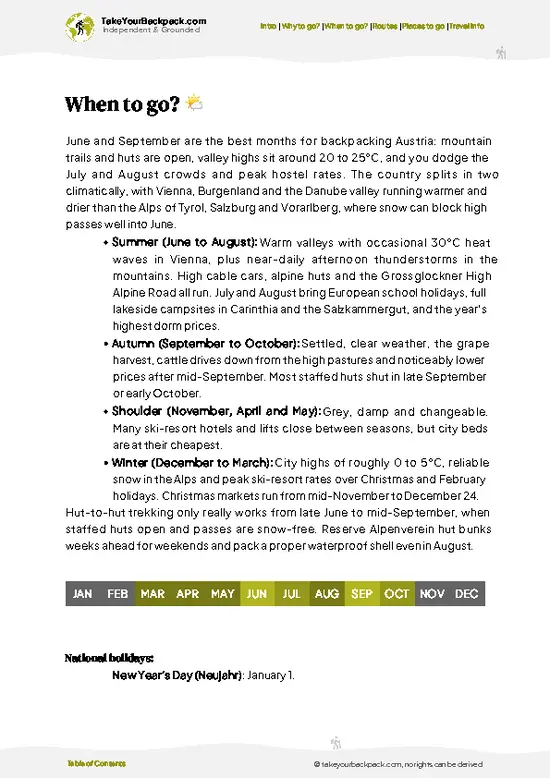
When to go?Seasonal Guide to Visiting

Seasonality and Hiking in Austria


Austria’s hiking landscape is shaped by distinct seasonal patterns that influence trail conditions, accessibility, and overall experience.

Spring, from late March to May, brings a gradual thaw. Snow melts at lower elevations, but higher trails may still be snowbound. This season offers blooming flora and fewer crowds, making it ideal for those seeking solitude. However, unpredictable rainfall can lead to muddy trails, so waterproof gear is essential.

Summer, particularly June through August, is peak hiking season. Longer daylight hours allow for extended hikes, but this also means busier trails. Higher altitudes remain cooler, providing a refreshing escape from the heat. However, thunderstorms can develop quickly, especially in the afternoons, so starting … read more 👉

Seasonality and Hiking in Austria


Austria’s hiking landscape is shaped by distinct seasonal patterns that influence trail conditions, accessibility, and overall experience.

Spring, from late March to May, brings a gradual thaw. Snow melts at lower elevations, but higher trails may still be snowbound. This season offers blooming flora and fewer crowds, making it ideal for those seeking solitude. However, unpredictable rainfall can lead to muddy trails, so waterproof gear is essential.

Summer, particularly June through August, is peak hiking season. Longer daylight hours allow for extended hikes, but this also means busier trails. Higher altitudes remain cooler, providing a refreshing escape from the heat. However, thunderstorms can develop quickly, especially in the afternoons, so starting early is crucial for safety.

Autumn, from September to October, showcases vibrant foliage. The weather is generally stable, with crisp air and clear skies. This shoulder season offers a balance of fewer crowds and moderate temperatures, but shorter daylight hours require careful planning.

Winter presents a different challenge. Many trails become inaccessible due to snow, while others transform into ski routes. For those who enjoy winter hiking, lower-altitude trails may still be viable, but proper gear and awareness of avalanche risks are critical.

Understanding these seasonal dynamics allows for smarter planning, ensuring a rewarding hiking experience in Austria.

hike hoppingOptimizing Your Multi-Stop Itinerary

General routing logic

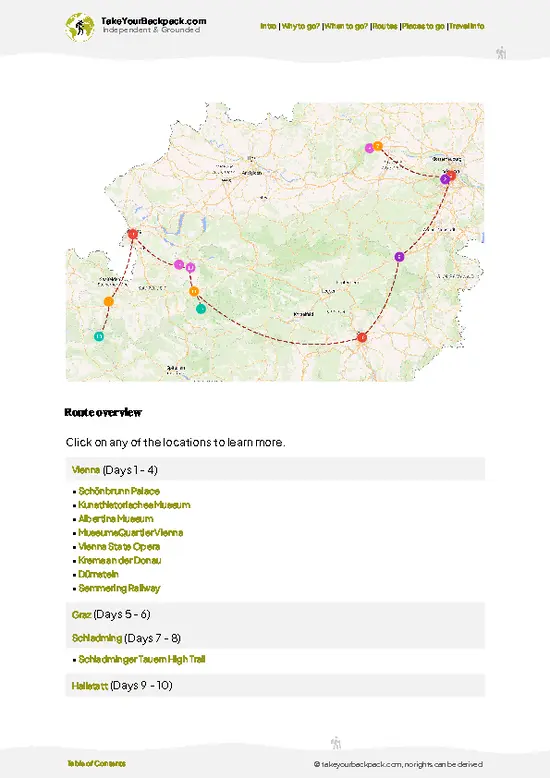
Austria’s geography is a hiker’s playground, with the Alps forming a natural backbone. Start in the west, where the Tyrol region offers challenging ascents and breathtaking views. Move eastward to Salzburg and then to the Salzkammergut, where rolling hills and lakes provide a different flavor. This clustering allows for efficient travel and minimizes transit time, maximizing trail time.

Typical time needed per stop

Plan for at least two to three days at each major stop. This allows for one full day of hiking, a recovery day, and time to explore the local culture. Hikes can vary from 4 to 8 hours, depending on difficulty and altitude. Factor in recovery time, especially after high-altitude hikes, to avoid burnout.

Common planning mistakes

A frequent pitfall is over-scheduling. … read more 👉

General routing logic

Austria’s geography is a hiker’s playground, with the Alps forming a natural backbone. Start in the west, where the Tyrol region offers challenging ascents and breathtaking views. Move eastward to Salzburg and then to the Salzkammergut, where rolling hills and lakes provide a different flavor. This clustering allows for efficient travel and minimizes transit time, maximizing trail time.

Typical time needed per stop

Plan for at least two to three days at each major stop. This allows for one full day of hiking, a recovery day, and time to explore the local culture. Hikes can vary from 4 to 8 hours, depending on difficulty and altitude. Factor in recovery time, especially after high-altitude hikes, to avoid burnout.

Common planning mistakes

A frequent pitfall is over-scheduling. Attempting too many hikes in a short time leads to fatigue and missed experiences. Prioritize quality over quantity. Choose a few standout hikes and allow for flexibility in your schedule to adapt to weather or energy levels.

Trade-offs and constraints

Consider the balance between speed and depth of experience. Fast-paced itineraries may overlook local charm, while slower trips can deepen connections. Budget constraints may limit accommodation options, affecting comfort. Aim for a mix of challenging hikes and easier ones to maintain energy levels while enjoying the scenery.

The ListThe Best hikes of Austria

1 Alpe-Adria-Trail

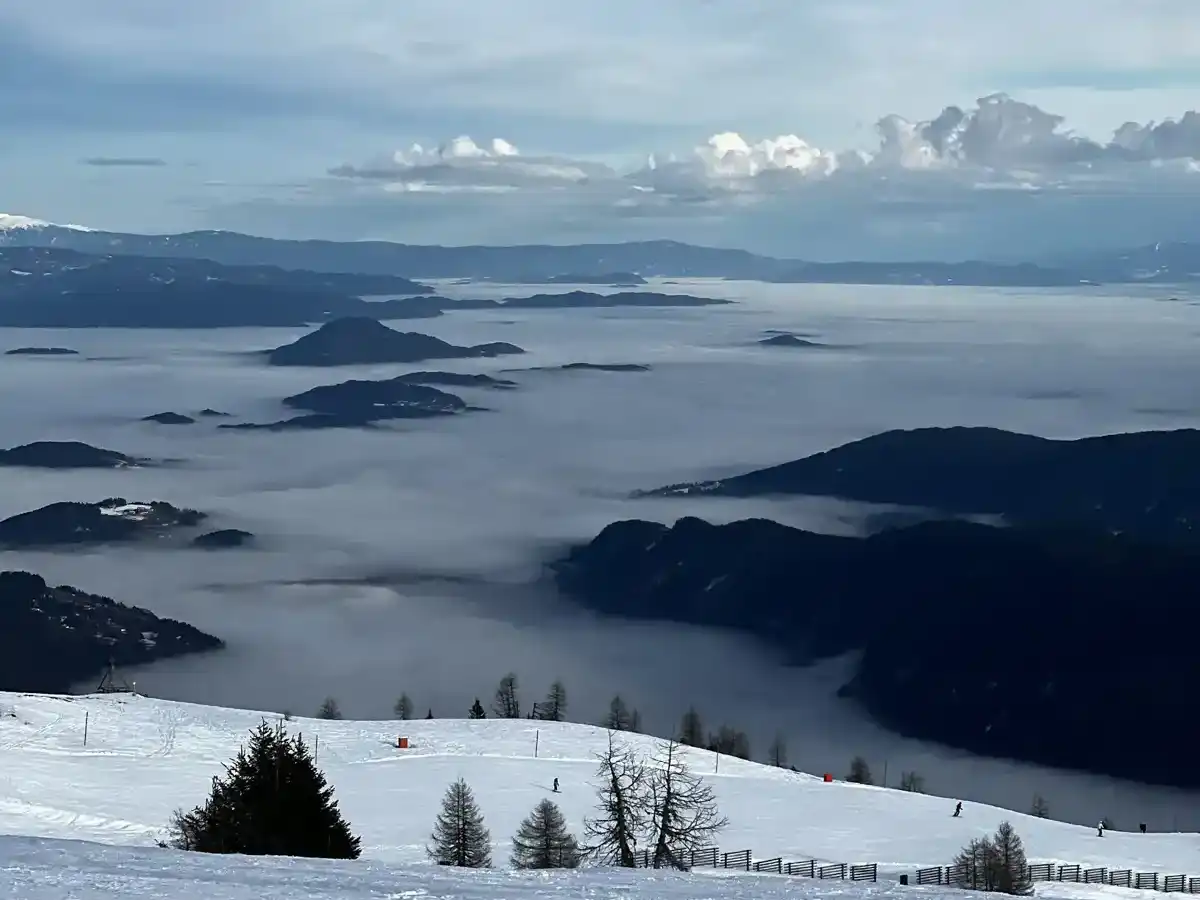
cross-border route, alpine lakes, Slovenian and Italian borderlands, diverse landscapes

Follow a long-distance path linking Austria, Slovenia, and Italy, passing through changing scenery, regional cuisine, and distinct cultural influences.

austria-hike-alpe-adria-trail
© Google | Mariusz Jaś

2 Eagle Walk

long-distance traverse, Tyrolean peaks, exposed ridgelines, varied stages

Tackle a multi-stage journey across Tyrol, with each section offering new mountain perspectives, technical challenges, and changing alpine environments.

austria-hike-eagle-walk
© Google |

3 Dachstein Salzkammergut

limestone peaks, glacier views, UNESCO villages, alpine huts

Traverse dramatic mountain terrain with panoramic glacier vistas, stopping in historic lakeside villages and traditional huts along the way.

austria-hike-dachstein-salzkammergut
© Google | Claire Hallam

4 Grossglockner

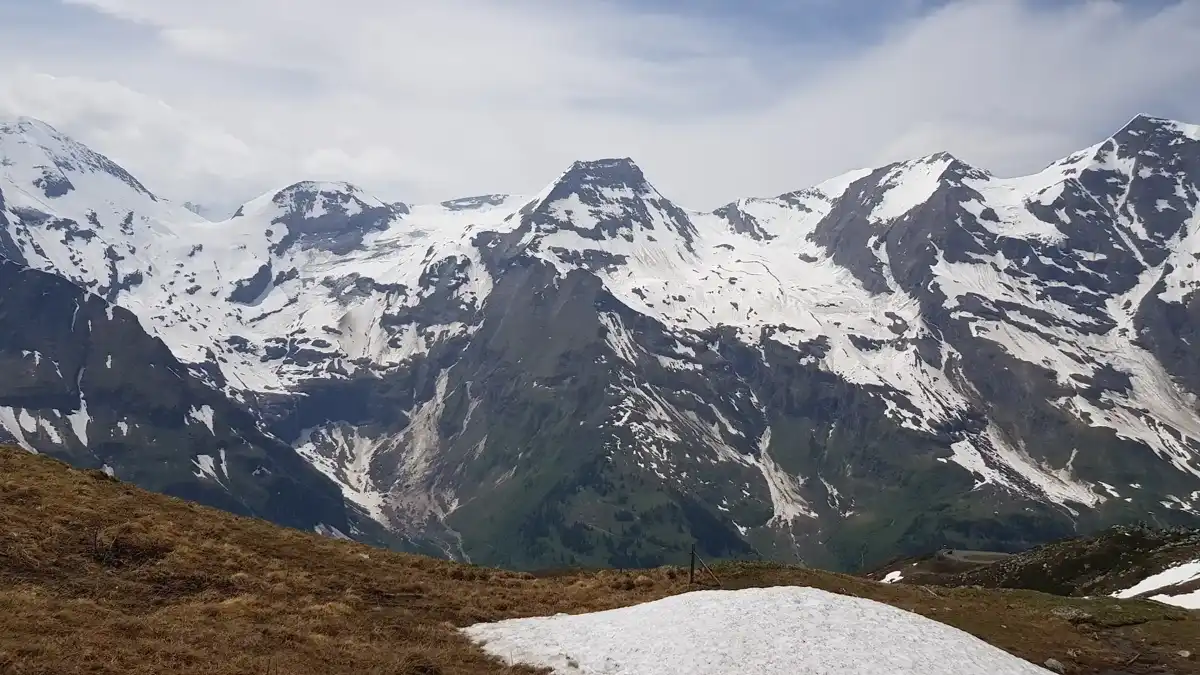
highest Austrian summit, glacial valleys, high alpine meadows, marmot colonies

Ascend through rugged high country, encountering stark glacial landscapes and wildlife, with Austria’s tallest peak dominating the horizon.

austria-hike-grossglockner
© Google | Erzsébet Vaszil

5 Lechweg

wild river, suspension bridges, pine forests, source-to-valley route

Walk beside the untamed Lech River from its source, crossing deep gorges and tranquil forests, with changing river scenery at every stage.

6 Wachau World Heritage Trail

vineyard terraces, Danube riverbanks, medieval ruins, apricot orchards

Stroll through terraced vineyards and riverside villages, discovering ancient castles and seasonal fruit harvests in Austria’s renowned wine region.

austria-hike-wachau-world-heritage-trail
© Google | Rudolf Sedlaczek

7 Zillertal Alps

glacier crossings, remote huts, granite ridges, high passes

Navigate challenging alpine routes over glaciers and rocky ridges, staying in isolated huts and experiencing the raw scale of the Zillertal range.

austria-hike-zillertal-alps
© Google | Vineeth Avvaru

8 Schladminger Tauern High Trail

multi-day circuit, alpine lakes, rugged ridges, remote valleys

Experience a demanding circuit linking isolated lakes and ridges, with overnight stays in mountain refuges and little sign of civilization.

austria-hike-schladminger-tauern-high-trail
© Google |

9 Pinzgauer Spaziergang

panoramic ridge walk, grassy slopes, Salzburg views, accessible route

Enjoy a high-level traverse with open views over the Salzach valley, following a mostly gentle path along grassy ridgelines.

austria-hike-pinzgauer-spaziergang
© Google |

10 Rax Plateau

broad plateau, limestone cliffs, cable car access, wildflower meadows

Roam a high plateau with sweeping views, easy access by cable car, and a mix of gentle trails and dramatic cliffside paths.

austria-hike-rax-plateau
© Google |

11 Wiener Alpenbogen

pre-alpine hills, spa towns, forested slopes, regional trails

Travel through rolling hills and forested slopes, connecting spa towns and rural hamlets on a route shaped by Vienna’s nearby influence.

Loading the map 🌍

Expert viewInsights from Locals and Experts

Trail Logistics

Austria’s hiking scene is a well-oiled machine, but understanding its inner workings can elevate your experience from good to exceptional. Aim for three to five hikes during your visit. This range allows you to explore diverse terrains without overwhelming yourself. Each hike offers a unique flavor of the Austrian Alps, from gentle meadows to steep ascents.

Consider the altitude. Many trails start at lower elevations but quickly ascend, often exceeding 2,000 meters. This can lead to altitude sickness if you’re not acclimatized. A smart approach is to start with lower-altitude hikes, gradually working your way up. This pacing not only helps your body adjust but also gives you a chance to appreciate the stunning landscapes without gasping for air.

Recovery and Difficulty

read more 👉

Trail Logistics

Austria’s hiking scene is a well-oiled machine, but understanding its inner workings can elevate your experience from good to exceptional. Aim for three to five hikes during your visit. This range allows you to explore diverse terrains without overwhelming yourself. Each hike offers a unique flavor of the Austrian Alps, from gentle meadows to steep ascents.

Consider the altitude. Many trails start at lower elevations but quickly ascend, often exceeding 2,000 meters. This can lead to altitude sickness if you’re not acclimatized. A smart approach is to start with lower-altitude hikes, gradually working your way up. This pacing not only helps your body adjust but also gives you a chance to appreciate the stunning landscapes without gasping for air.

Recovery and Difficulty

Recovery is key in Austria, especially if you’re tackling multiple hikes. Factor in rest days, particularly after strenuous trails. A good rule of thumb is to allow one recovery day for every two days of hiking. This helps your muscles bounce back and keeps fatigue at bay.

Difficulty levels can vary significantly. Some trails are family-friendly, while others demand serious stamina and technical skills. Always check the trail grading before you set out. If you’re unsure, opt for a moderate hike. It’s better to finish a hike feeling accomplished than to struggle through a challenging one.

Pacing and Planning

Pacing is crucial. Many hikers underestimate how long a trail will take. A common mistake is to assume that a 10-kilometer trail will take less time than it actually does. Terrain, elevation gain, and your fitness level all play a role. A good estimate is to plan for about 300 meters of elevation gain per hour, plus additional time for breaks and photo ops.

When planning your hikes, prioritize based on your interests. If you’re drawn to alpine lakes, seek out trails that lead to them. If you prefer panoramic views, target higher elevations. This approach not only maximizes your experience but also aligns with your physical capabilities.

Regional Variation and Local Culture

Austria’s regions each have their own character. The Tyrol region is known for its rugged peaks and traditional mountain huts, while Salzkammergut offers serene lakes and rolling hills. Local culture can influence your hiking experience, too. In some areas, you’ll find huts serving hearty meals, while in others, you might encounter more rustic offerings.

Understanding local customs can enhance your experience. For example, it’s common to greet fellow hikers with a friendly “Grüß Gott” in the Alps. This small gesture fosters a sense of community and connection.

Safety and Cultural Considerations

Safety should always be a priority. Weather can change rapidly in the mountains, so check forecasts before heading out. Carry the essentials: a map, first-aid kit, and enough water. If you’re hiking in remote areas, consider informing someone of your plans.

Culturally, be mindful of the environment. Stick to marked trails to protect local flora and fauna. Respecting nature is not just a guideline; it’s a way to honor the stunning landscapes that make Austria a hiker’s paradise.

In summary, Austria offers a rich tapestry of hiking experiences. By understanding the logistics, pacing, and cultural nuances, you can navigate the trails like a pro, ensuring that each step is both rewarding and memorable.

✈️ The backpacker research shortcutAustria Travel Guide

An offline-friendly backpacking guide with optimized travel routes, ranked highlights, transport advice, and the best areas to stay.
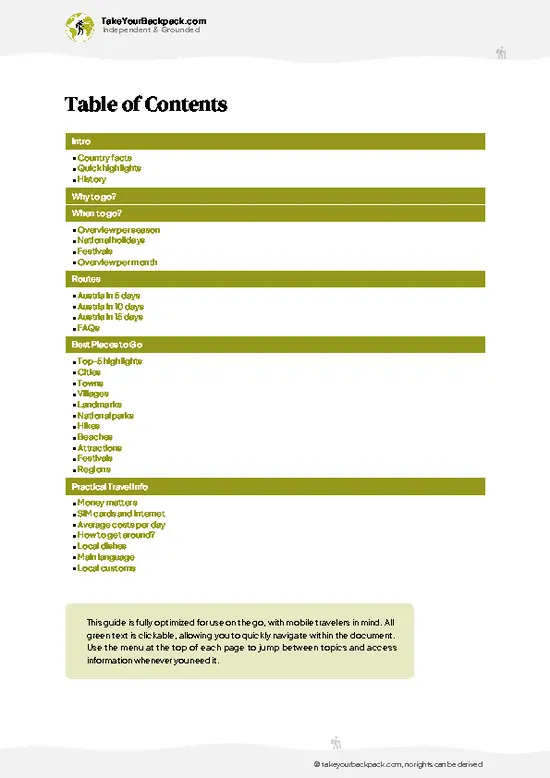
example page 0 from our offline Travel Guide for Austria
example page 1 from our offline Travel Guide for Austria
example page 2 from our offline Travel Guide for Austria
example page 3 from our offline Travel Guide for Austria
example page 4 from our offline Travel Guide for Austria
example page 5 from our offline Travel Guide for Austria
example page 6 from our offline Travel Guide for Austria
example page 7 from our offline Travel Guide for Austria
The digital guide (376 pages) contains:
94 highlights, ranked by travel appeal
Optimized 5, 10 & 15-day travel routes
Cities, national parks, landmarks, beaches
How to get around
Offline-friendly for travel without Wi-Fi
👉 Click to see all 30+ guide features

📅 Plan smarter in minutes, not weeks
Month by month travel advice
Festivals & national holidays
Budget expectations

🗺️ Go to the right places, skip the overrated ones
Honest pros & cons of destinations
Top hikes, parks & viewpoints
Lesser-known places most travelers miss
Clear “worth it vs skip it” guidance

🛏️ Travel smoothly without rookie mistakes
Best areas to stay
Transport systems explained simply
Common scams & safety advice
SIM cards, money & practical tips

🌍 Understand the country, not just visit it
Culture & traditions
52 Essential phrases & customs
Festivals worth planning around
Traveler-friendly historical context
Insights that make places more meaningful

📱 Built for real travel conditions
Fully downloadable PDF
Works completely offline
Optimized for phone use
Useful in remote areas & buses
Everything in one place
Save weeks of stressful planning
Get instant access to your full guide. 30‑day money-back guarantee.


By proceeding you agree to our terms.
Sent to your inbox immediately after payment • 100% Secure Checkout
Best Backpacking Travel Advisor 2025 tourism awardBest Backpacking
Travel Advisor
2025
What others say about Take Your Backpack Guides:
⭐⭐⭐⭐⭐
Fantastic, amazing amount of information!
⭐⭐⭐⭐⭐
My goodness this is amazing, it's what I've been looking for hats off too you!
⭐⭐⭐⭐⭐
I think this is absolutely BRILLIANT
⭐⭐⭐⭐
Very complete and informative. It's still missing places, but I gotta to commend you
⭐⭐⭐⭐⭐
This is truly amazing, thank you, can't wait to explore it with my kids!
⭐⭐⭐⭐⭐
Awesome resource, thank you!
⭐⭐⭐⭐⭐
This is amazing! Can't wait to explore the ones I haven't seen
⭐⭐⭐⭐
I love this! Well done, great idea.
⭐⭐⭐⭐⭐
Thanks for taking the time to make this gem!
⭐⭐⭐⭐⭐
This might be the best website I've ever seen.
⭐⭐⭐⭐⭐
Congratulations, and thank you so much for your work; it's incredibly valuable.
⭐⭐⭐⭐
In all seriousness I think you did a great job pointing out the important spots
⭐⭐⭐⭐⭐
10/10 very good
⭐⭐⭐⭐⭐
As someone who's only just starting to visit regularly this is awesome, thank you.
⭐⭐⭐⭐
Thank you very much! I'm going to visit my dad, it's going to be very useful!
⭐⭐⭐⭐⭐
This is really cool! We'll be travelling for the first time and this definitely come in handy.
⭐⭐⭐⭐⭐
You are now our minister of culture, congratulations 👨‍💼
⭐⭐⭐⭐⭐
Just wanted to tell you that this is a pearl! Going to follow your recommendations.
⭐⭐⭐⭐⭐
This is so cool. I'll definitely be using the resource for my travels soon.
⭐⭐⭐⭐⭐
This is very impressive! Good work.
⭐⭐⭐⭐⭐
This is an amazing and informative site. Very well done!

🛏️ Where to stay?Best Places to Stay in Austria

Yes — Austria has plentiful hostels and budget accommodation in major cities, concentrated in Vienna (Leopoldstadt, Neubau, Mariahilf), Salzburg (Altstadt, Maxglan), Innsbruck (Old Town, Wilten) and Graz (Lend, Gries), while small tourist towns offer fewer low-cost options and more guesthouses.

Central areas put you within walking distance of highlights and nightlife but tend to be pricier and noisier; outer districts are cheaper and quieter but need public transit and can leave you far from evening attractions, so book ahead in peak season to avoid sold-out hostels.

If you enjoy meeting fellow travelers, consider choosing hostels with high ratings for atmosphere. On the other hand, if you prefer … read more 👉
Yes — Austria has plentiful hostels and budget accommodation in major cities, concentrated in Vienna (Leopoldstadt, Neubau, Mariahilf), Salzburg (Altstadt, Maxglan), Innsbruck (Old Town, Wilten) and Graz (Lend, Gries), while small tourist towns offer fewer low-cost options and more guesthouses.

Central areas put you within walking distance of highlights and nightlife but tend to be pricier and noisier; outer districts are cheaper and quieter but need public transit and can leave you far from evening attractions, so book ahead in peak season to avoid sold-out hostels.

If you enjoy meeting fellow travelers, consider choosing hostels with high ratings for atmosphere. On the other hand, if you prefer having your own space, a hotel might be a better option.

AustriaExplore Austria

👋 Meet the founderWho’s Behind Take Your Backpack?

Johan, backpacker and founder of TakeYourBackpackHi, I’m Johan (Netherlands 🇳🇱), the creator of TakeYourBackpack. Over the past decade, I’ve backpacked through 80+ countries across six continents, gaining extensive experience with independent travel, long-term trips, and overland routes.

This site is built on a combination of firsthand travel experience and carefully curated insights from other backpackers. Many guides are based on places I’ve personally visited, while others bring together tips, observations, and practical advice shared by trusted travelers I’ve met along the way.

The goal is to provide realistic, experience-driven guidance — not generic itineraries — so you can explore destinations with better context, clearer expectations, and more confidence.

Get full Austria guide •
Instant download • 94 highlights • Full Offline guide