×

Austria🇦🇹 | best beachesExplore the 2 Best beaches in Austria

Austria may not be the first country that comes to mind for beaches, but its lakes and rivers offer stunning alternatives that cater to various travel styles. The Danube, Lake Neusiedl, and Lake Wolfgang each provide unique experiences, from lively social scenes to tranquil retreats. Seasonal changes significantly affect water temperatures and crowds; summer peaks draw more visitors, while spring and fall offer quieter, more intimate settings. Choosing the right spot impacts your vibe and budget—some areas are more developed with amenities, while others embrace a rugged, backpacker-friendly charm. Understanding these nuances allows for a richer, more immersive experience in Austria’s aquatic landscapes.

By Johan Kruseman 🇳🇱 | Updated June 14, 2026
Explore the best attractions in Austria

Why go?Understanding Their Importance

Austria’s beaches are a unique blend of lakeside relaxation and mountainous backdrops, setting them apart from typical coastal destinations. The country is landlocked, which means that its beach experiences are primarily centered around lakes rather than the ocean. This geographical constraint fosters a distinct charm, where visitors can enjoy crystal-clear waters framed by the Alps.

Seasonal conditions play a crucial role in the beach experience. Summer months bring warm weather, ideal for swimming and sunbathing, but also attract larger crowds. The trade-off here is clear: peak season offers the best weather but can lead to busy shores. Conversely, visiting in the shoulder seasons may provide a more tranquil atmosphere, yet the water temperatures might be less inviting.

Accessibility … read more 👉
Austria’s beaches are a unique blend of lakeside relaxation and mountainous backdrops, setting them apart from typical coastal destinations. The country is landlocked, which means that its beach experiences are primarily centered around lakes rather than the ocean. This geographical constraint fosters a distinct charm, where visitors can enjoy crystal-clear waters framed by the Alps.

Seasonal conditions play a crucial role in the beach experience. Summer months bring warm weather, ideal for swimming and sunbathing, but also attract larger crowds. The trade-off here is clear: peak season offers the best weather but can lead to busy shores. Conversely, visiting in the shoulder seasons may provide a more tranquil atmosphere, yet the water temperatures might be less inviting.

Accessibility varies significantly across the country. While many lakes are easily reachable by public transport, some require a bit of hiking or driving. This can enhance the experience, allowing for deeper exploration of the surrounding landscapes, but it also demands more planning.

Culturally, Austria’s lakeside beaches are often intertwined with local traditions and festivals, adding layers of meaning to the visit. Understanding these dynamics—crowd patterns, seasonal shifts, and accessibility—empowers travelers to make informed choices, ensuring a more enriching experience amidst Austria’s stunning natural beauty.
Evaluating the Top Choices
The list of best beaches in Austria is created based on beauty, vibe, water quality, activities, and surrounding scenery. If you feel a beach is missing in this list, please let us know.

When to go?Seasonal Guide to Visiting

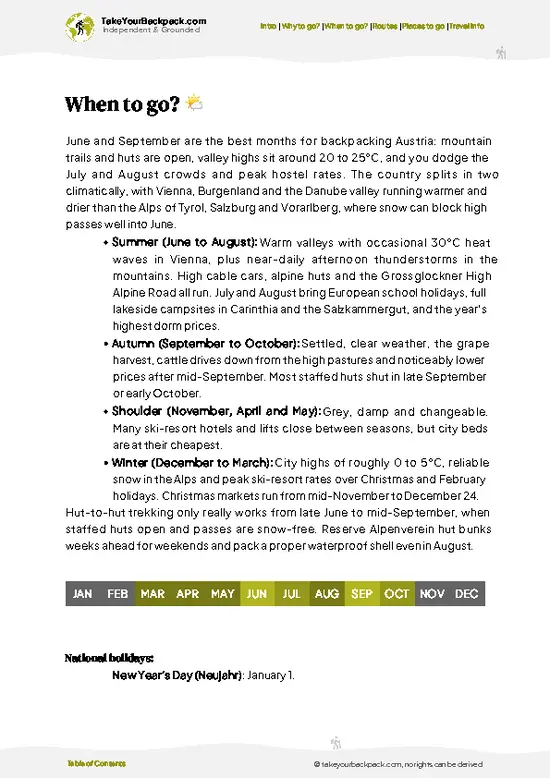
Seasonality plays a crucial role in determining the best times to visit Austria’s beaches. The country experiences a temperate climate, with warm summers and cold winters. The summer months, particularly from June to August, offer the most favorable conditions for beach activities. During this period, temperatures can reach the mid-20s to low 30s Celsius, providing ideal swimming and sunbathing opportunities. However, this is also peak season, leading to larger crowds and higher prices.

Shoulder seasons, specifically late spring and early autumn, present a compelling alternative. Visiting in May or September allows for milder weather, with temperatures still pleasant but fewer tourists. This means more space on the beaches and often lower accommodation costs. However, water temperatures may … read more 👉
Seasonality plays a crucial role in determining the best times to visit Austria’s beaches. The country experiences a temperate climate, with warm summers and cold winters. The summer months, particularly from June to August, offer the most favorable conditions for beach activities. During this period, temperatures can reach the mid-20s to low 30s Celsius, providing ideal swimming and sunbathing opportunities. However, this is also peak season, leading to larger crowds and higher prices.

Shoulder seasons, specifically late spring and early autumn, present a compelling alternative. Visiting in May or September allows for milder weather, with temperatures still pleasant but fewer tourists. This means more space on the beaches and often lower accommodation costs. However, water temperatures may be cooler, which could affect swimming comfort.

Winter brings a different dynamic, as many beach areas become less accessible, and activities shift towards winter sports. Snow can obscure beach access, and water clarity diminishes significantly.

Understanding these seasonal patterns allows for strategic planning. Optimal visits hinge on balancing weather preferences, crowd levels, and costs. Recognizing that peak periods can lead to congestion and expense empowers travelers to choose their timing wisely, unlocking a more enjoyable experience at Austria’s beaches.

beach hoppingOptimizing Your Multi-Stop Itinerary

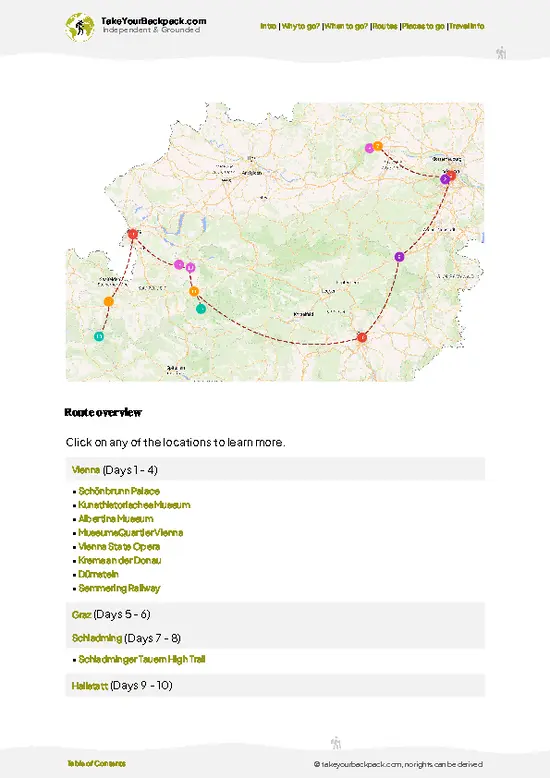
Austria’s beach scene is surprisingly rich, with lakes and rivers offering a variety of sandy spots. To combine the best beaches efficiently, start by clustering your stops regionally. The Salzkammergut region is a prime example, featuring several lakes within a short drive. Begin at Wolfgangsee, then move to Attersee, and finish at Traunsee. This sequence minimizes travel time while maximizing beach time.

Timing is crucial. Allocate about two to three hours per beach for swimming and relaxation. This pacing allows for a leisurely experience without feeling rushed. Early mornings or late afternoons are ideal for avoiding crowds, especially in peak summer months.

Common pitfalls include underestimating travel times between locations. Austria’s picturesque roads can be slow, so factor in … read more 👉
Austria’s beach scene is surprisingly rich, with lakes and rivers offering a variety of sandy spots. To combine the best beaches efficiently, start by clustering your stops regionally. The Salzkammergut region is a prime example, featuring several lakes within a short drive. Begin at Wolfgangsee, then move to Attersee, and finish at Traunsee. This sequence minimizes travel time while maximizing beach time.

Timing is crucial. Allocate about two to three hours per beach for swimming and relaxation. This pacing allows for a leisurely experience without feeling rushed. Early mornings or late afternoons are ideal for avoiding crowds, especially in peak summer months.

Common pitfalls include underestimating travel times between locations. Austria’s picturesque roads can be slow, so factor in extra time for scenic detours. Another mistake is trying to squeeze in too many stops. Prioritize quality over quantity; a deeper experience at fewer beaches often yields greater satisfaction.

Consider trade-offs between speed and depth of experience. If time is tight, focus on a couple of key beaches. If comfort is a priority, choose accommodations near your chosen spots to reduce daily travel. Flexibility is key; be prepared to adjust plans based on weather conditions or local events. This strategic approach transforms logistics into an enjoyable part of the journey.

The ListThe Best beaches of Austria

1 Neusiedler See

reed-lined shore, shallow water, cycling trails, windsurfing spots

Experience a vast steppe lake where gentle breezes, birdlife, and easy bike access create a relaxed, activity-focused lakeside escape.

austria-beach-neusiedler-see
© Google |

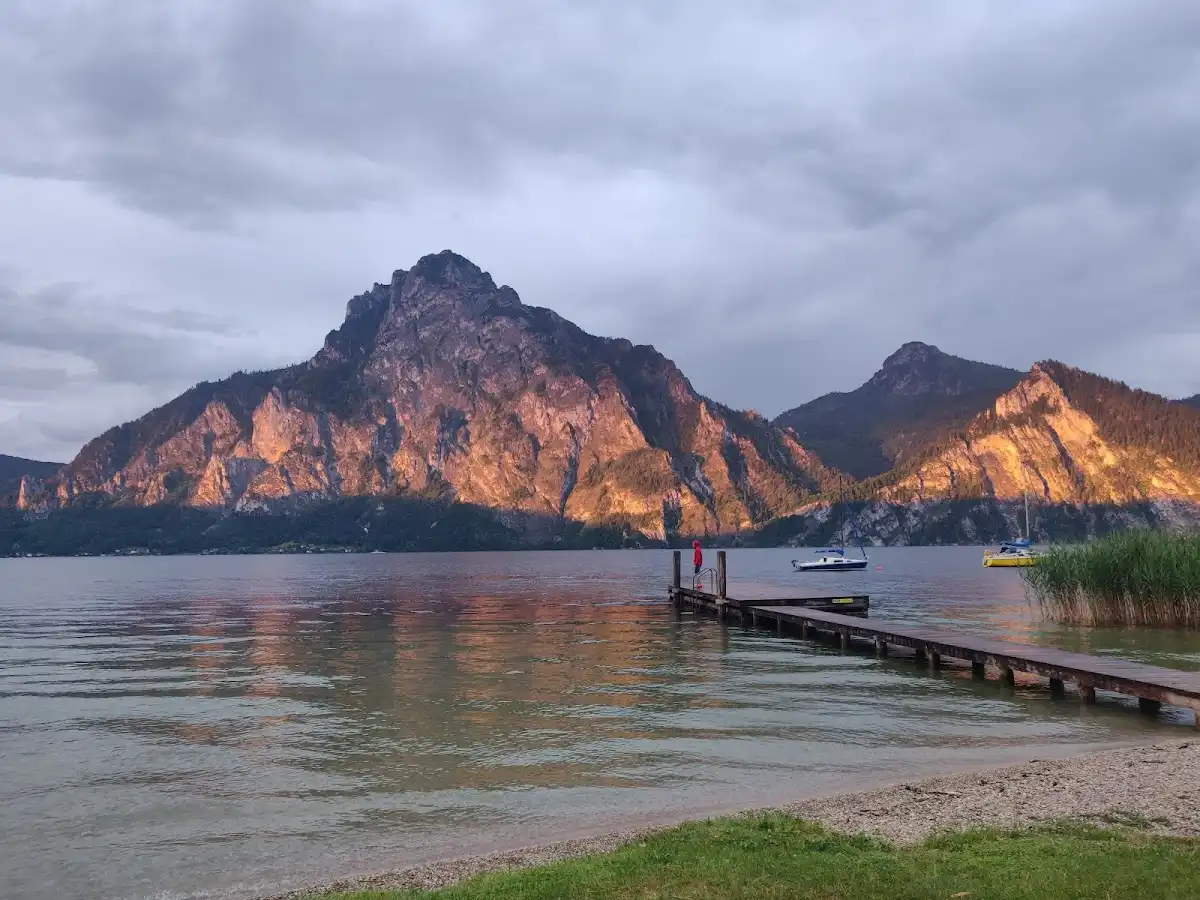
2 Traunsee

alpine backdrop, deep clear water, lakeside villages, boat rentals

Swim beneath dramatic peaks, take a ferry between quiet towns, and enjoy crisp mountain air along Austria’s deepest lake.

austria-beach-traunsee
© Google |
Loading the map 🌍

Expert viewInsights from Locals and Experts

Coastline Flow
Austria’s beaches, while not coastal in the traditional sense, are often found along the shores of its stunning lakes. The flow of these lakes creates a unique rhythm. Each beach has its own character, shaped by the surrounding landscape and local culture. For a well-rounded experience, aim to visit around three to five beaches. This allows you to appreciate the diversity without feeling rushed. Each beach offers a different vibe, from lively social scenes to tranquil retreats.

Seasonal Conditions
Timing is crucial. The summer months, particularly July and August, see the highest temperatures and the most visitors. However, this is also when you’ll find the most vibrant atmosphere. If you prefer a quieter experience, consider late spring or early autumn. The water is still … read more 👉
Coastline Flow
Austria’s beaches, while not coastal in the traditional sense, are often found along the shores of its stunning lakes. The flow of these lakes creates a unique rhythm. Each beach has its own character, shaped by the surrounding landscape and local culture. For a well-rounded experience, aim to visit around three to five beaches. This allows you to appreciate the diversity without feeling rushed. Each beach offers a different vibe, from lively social scenes to tranquil retreats.

Seasonal Conditions
Timing is crucial. The summer months, particularly July and August, see the highest temperatures and the most visitors. However, this is also when you’ll find the most vibrant atmosphere. If you prefer a quieter experience, consider late spring or early autumn. The water is still warm enough for swimming, but the crowds thin out. Just be prepared for variable weather; a sunny day can quickly turn into a cool evening. Always check forecasts before heading out, as conditions can change rapidly in the mountains.

Access Points
Access varies significantly. Some beaches are easily reachable by public transport, while others require a bit of a trek. Familiarize yourself with local transport options; they can save you time and hassle. A well-planned route can turn a day trip into a seamless experience. If you’re driving, consider parking availability and fees, as some popular spots fill up quickly. Arriving early can be a game-changer, allowing you to snag a prime spot and enjoy the beach before it gets crowded.

Crowd Density
Understanding crowd dynamics can enhance your experience. Popular beaches can feel like a festival, buzzing with energy, but this can also mean limited space and noise. If you’re looking for relaxation, aim for lesser-known spots or visit during off-peak hours. Midweek visits often yield a more serene atmosphere. Balance is key; if you want to socialize, choose busier beaches, but if you crave solitude, plan accordingly.

Balancing Relaxation vs. Travel Speed
The trade-off between relaxation and travel speed is a common dilemma. If you’re hopping between beaches, factor in travel time. Some lakes are more interconnected than others, allowing for easy transitions. However, others may require longer drives or hikes. Prioritize your must-see spots and allow for downtime. A rushed schedule can lead to burnout, while a well-paced itinerary lets you soak in the surroundings.

Safety & Cultural Considerations
Safety is paramount. While Austria is generally safe, always be mindful of your belongings, especially in crowded areas. Familiarize yourself with local customs; for instance, some beaches may have specific rules about swimming or sunbathing. Respecting these norms not only keeps you safe but also enriches your experience. Engaging with locals can provide insights into the best times to visit or hidden spots worth exploring.

In summary, Austria’s beaches offer a unique blend of relaxation and adventure. By understanding the systems at play—coastline flow, seasonal conditions, access points, crowd dynamics, and cultural nuances—you can craft a beach experience that feels both rewarding and effortless. Embrace the journey, and let the lakes reveal their secrets at your own pace.

✈️ The backpacker research shortcutAustria Travel Guide

An offline-friendly backpacking guide with optimized travel routes, ranked highlights, transport advice, and the best areas to stay.
example page 0 from our offline Travel Guide for Austria
example page 1 from our offline Travel Guide for Austria
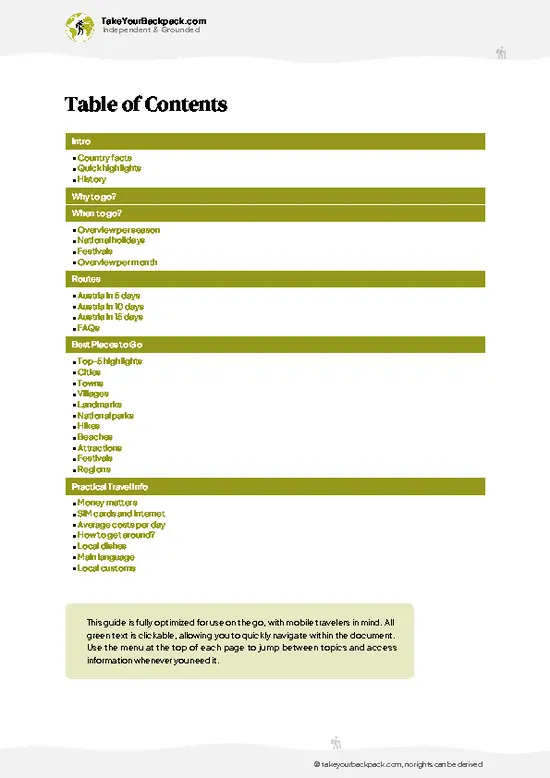
example page 2 from our offline Travel Guide for Austria
example page 3 from our offline Travel Guide for Austria
example page 4 from our offline Travel Guide for Austria
example page 5 from our offline Travel Guide for Austria
example page 6 from our offline Travel Guide for Austria
example page 7 from our offline Travel Guide for Austria
The digital guide (376 pages) contains:
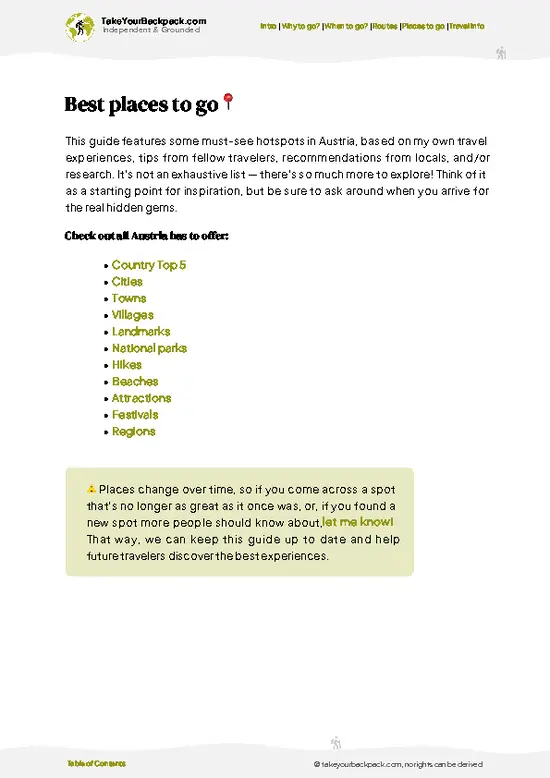
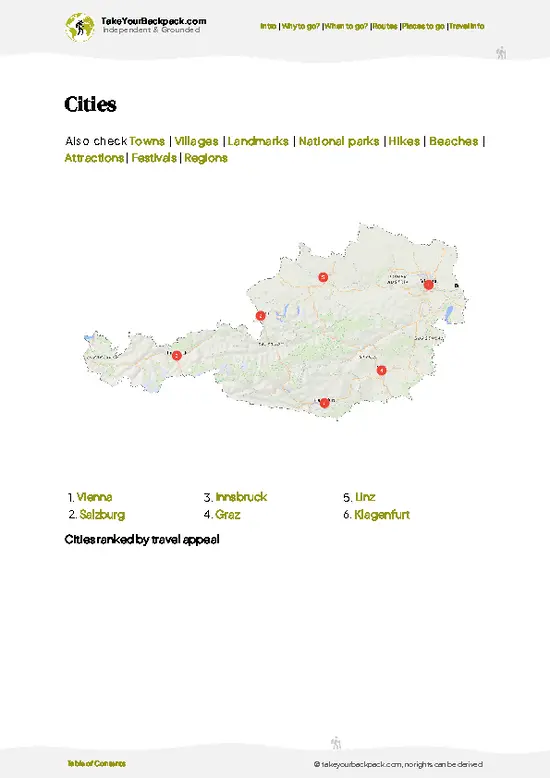
94 highlights, ranked by travel appeal
Optimized 5, 10 & 15-day travel routes
Cities, national parks, landmarks, beaches
How to get around
Offline-friendly for travel without Wi-Fi
👉 Click to see all 30+ guide features

📅 Plan smarter in minutes, not weeks
Month by month travel advice
Festivals & national holidays
Budget expectations

🗺️ Go to the right places, skip the overrated ones
Honest pros & cons of destinations
Top hikes, parks & viewpoints
Lesser-known places most travelers miss
Clear “worth it vs skip it” guidance

🛏️ Travel smoothly without rookie mistakes
Best areas to stay
Transport systems explained simply
Common scams & safety advice
SIM cards, money & practical tips

🌍 Understand the country, not just visit it
Culture & traditions
52 Essential phrases & customs
Festivals worth planning around
Traveler-friendly historical context
Insights that make places more meaningful

📱 Built for real travel conditions
Fully downloadable PDF
Works completely offline
Optimized for phone use
Useful in remote areas & buses
Everything in one place
Save weeks of stressful planning
Get instant access to your full guide. 30‑day money-back guarantee.


By proceeding you agree to our terms.
Sent to your inbox immediately after payment • 100% Secure Checkout
Best Backpacking Travel Advisor 2025 tourism awardBest Backpacking
Travel Advisor
2025
What others say about Take Your Backpack Guides:
⭐⭐⭐⭐⭐
Fantastic, amazing amount of information!
⭐⭐⭐⭐⭐
My goodness this is amazing, it's what I've been looking for hats off too you!
⭐⭐⭐⭐⭐
I think this is absolutely BRILLIANT
⭐⭐⭐⭐
Very complete and informative. It's still missing places, but I gotta to commend you
⭐⭐⭐⭐⭐
This is truly amazing, thank you, can't wait to explore it with my kids!
⭐⭐⭐⭐⭐
Awesome resource, thank you!
⭐⭐⭐⭐⭐
This is amazing! Can't wait to explore the ones I haven't seen
⭐⭐⭐⭐
I love this! Well done, great idea.
⭐⭐⭐⭐⭐
Thanks for taking the time to make this gem!
⭐⭐⭐⭐⭐
This might be the best website I've ever seen.
⭐⭐⭐⭐⭐
Congratulations, and thank you so much for your work; it's incredibly valuable.
⭐⭐⭐⭐
In all seriousness I think you did a great job pointing out the important spots
⭐⭐⭐⭐⭐
10/10 very good
⭐⭐⭐⭐⭐
As someone who's only just starting to visit regularly this is awesome, thank you.
⭐⭐⭐⭐
Thank you very much! I'm going to visit my dad, it's going to be very useful!
⭐⭐⭐⭐⭐
This is really cool! We'll be travelling for the first time and this definitely come in handy.
⭐⭐⭐⭐⭐
You are now our minister of culture, congratulations 👨‍💼
⭐⭐⭐⭐⭐
Just wanted to tell you that this is a pearl! Going to follow your recommendations.
⭐⭐⭐⭐⭐
This is so cool. I'll definitely be using the resource for my travels soon.
⭐⭐⭐⭐⭐
This is very impressive! Good work.
⭐⭐⭐⭐⭐
This is an amazing and informative site. Very well done!

🛏️ Where to stay?Top Areas to Stay

Yes — Austria has plentiful hostels and budget accommodation in major cities, concentrated in Vienna (Leopoldstadt, Neubau, Mariahilf), Salzburg (Altstadt, Maxglan), Innsbruck (Old Town, Wilten) and Graz (Lend, Gries), while small tourist towns offer fewer low-cost options and more guesthouses.

Central areas put you within walking distance of highlights and nightlife but tend to be pricier and noisier; outer districts are cheaper and quieter but need public transit and can leave you far from evening attractions, so book ahead in peak season to avoid sold-out hostels.

If you enjoy meeting fellow travelers, consider choosing hostels with high ratings for atmosphere. On the other hand, if you prefer … read more 👉
Yes — Austria has plentiful hostels and budget accommodation in major cities, concentrated in Vienna (Leopoldstadt, Neubau, Mariahilf), Salzburg (Altstadt, Maxglan), Innsbruck (Old Town, Wilten) and Graz (Lend, Gries), while small tourist towns offer fewer low-cost options and more guesthouses.

Central areas put you within walking distance of highlights and nightlife but tend to be pricier and noisier; outer districts are cheaper and quieter but need public transit and can leave you far from evening attractions, so book ahead in peak season to avoid sold-out hostels.

If you enjoy meeting fellow travelers, consider choosing hostels with high ratings for atmosphere. On the other hand, if you prefer having your own space, a hotel might be a better option.

AustriaDiscover the Country

👋 Meet the founderWho’s Behind Take Your Backpack?

Johan, backpacker and founder of TakeYourBackpackHi, I’m Johan (Netherlands 🇳🇱), the creator of TakeYourBackpack. Over the past decade, I’ve backpacked through 80+ countries across six continents, gaining extensive experience with independent travel, long-term trips, and overland routes.

This site is built on a combination of firsthand travel experience and carefully curated insights from other backpackers. Many guides are based on places I’ve personally visited, while others bring together tips, observations, and practical advice shared by trusted travelers I’ve met along the way.

The goal is to provide realistic, experience-driven guidance — not generic itineraries — so you can explore destinations with better context, clearer expectations, and more confidence.

Get full Austria guide •
Instant download • 94 highlights • Full Offline guide