Austria suits national parks differently from countries with vast wilderness. Roughly two thirds of the territory is mountainous, and the Alps have been farmed, grazed and logged for centuries, so most land is
cultural landscape rather than untouched ground. Austria’s parks were therefore created late, from the 1980s onward, and were built on negotiation with landowners, farmers and municipalities. Many are made up of
private and communal land, which is why rules focus on keeping to marked paths and on traditional alpine pasture use rather than on blanket wilderness bans. The country’s IUCN-linked management philosophy aims for protected core zones surrounded by managed buffer areas where grazing and tourism continue.
That history shapes what you get.
Infrastructure is excellent: marked trails, …
read more 👉Austria suits national parks differently from countries with vast wilderness. Roughly two thirds of the territory is mountainous, and the Alps have been farmed, grazed and logged for centuries, so most land is cultural landscape rather than untouched ground. Austria’s parks were therefore created late, from the 1980s onward, and were built on negotiation with landowners, farmers and municipalities. Many are made up of private and communal land, which is why rules focus on keeping to marked paths and on traditional alpine pasture use rather than on blanket wilderness bans. The country’s IUCN-linked management philosophy aims for protected core zones surrounded by managed buffer areas where grazing and tourism continue.
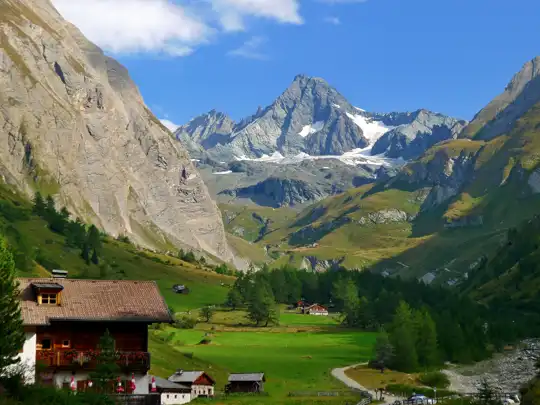
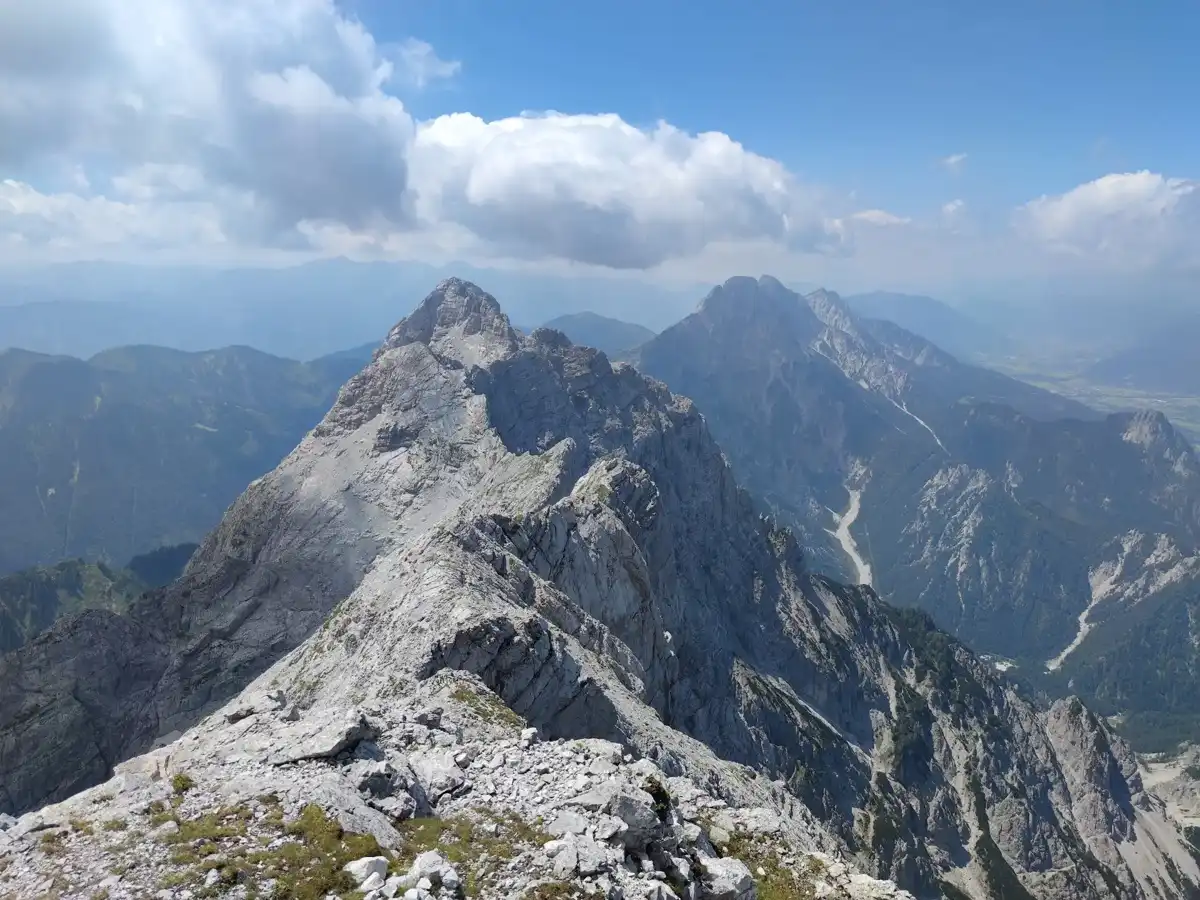
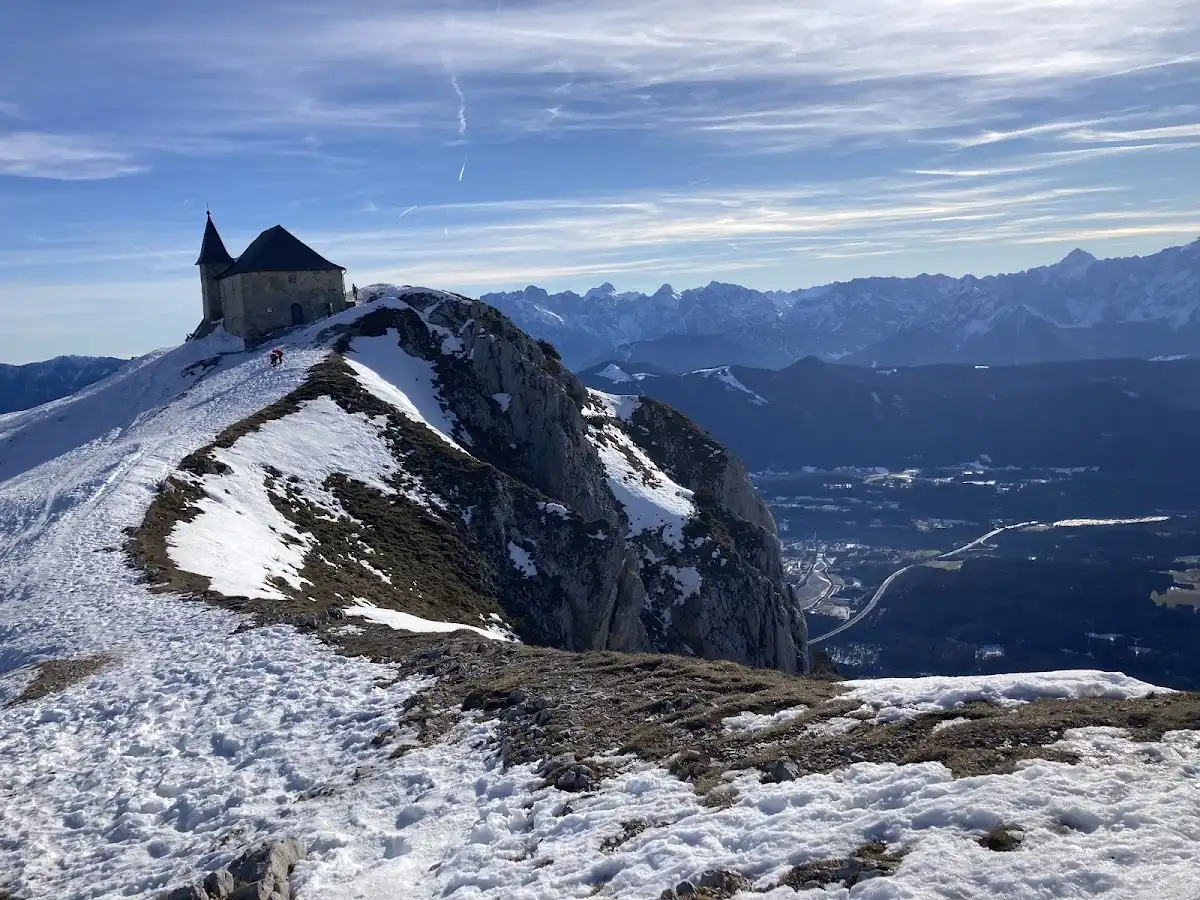
That history shapes what you get. Infrastructure is excellent: marked trails, mountain huts, regional buses, ranger-led programs and visitor centers, so first-timers can go with confidence. But true wild camping is illegal in nearly all park areas, and in most of Austria it requires landowner permission, so sleeping plans revolve around huts, guesthouses and campsites. Expect few remote, trail-free stretches, and expect people on popular routes in summer. Distances between parks are real, because the Alps divide the country into separate valley systems. Anyone choosing Austria should plan around huts and local transport, not around solitude.
Why These Made the Cut
The list of best national parks in Austria is created based on landscapes, wildlife, adventure opportunities, facilities, and overall experience. If you feel a national park is missing in this list, please let us know.
v2.webp)




 Best Backpacking
.jpg) Hi, I’m Johan (Netherlands 🇳🇱), the creator of TakeYourBackpack. Over the past 3 decades, I’ve backpacked through 90+ countries across six continents, gaining extensive experience with independent travel, long-term trips, and overland routes.
Hi, I’m Johan (Netherlands 🇳🇱), the creator of TakeYourBackpack. Over the past 3 decades, I’ve backpacked through 90+ countries across six continents, gaining extensive experience with independent travel, long-term trips, and overland routes.