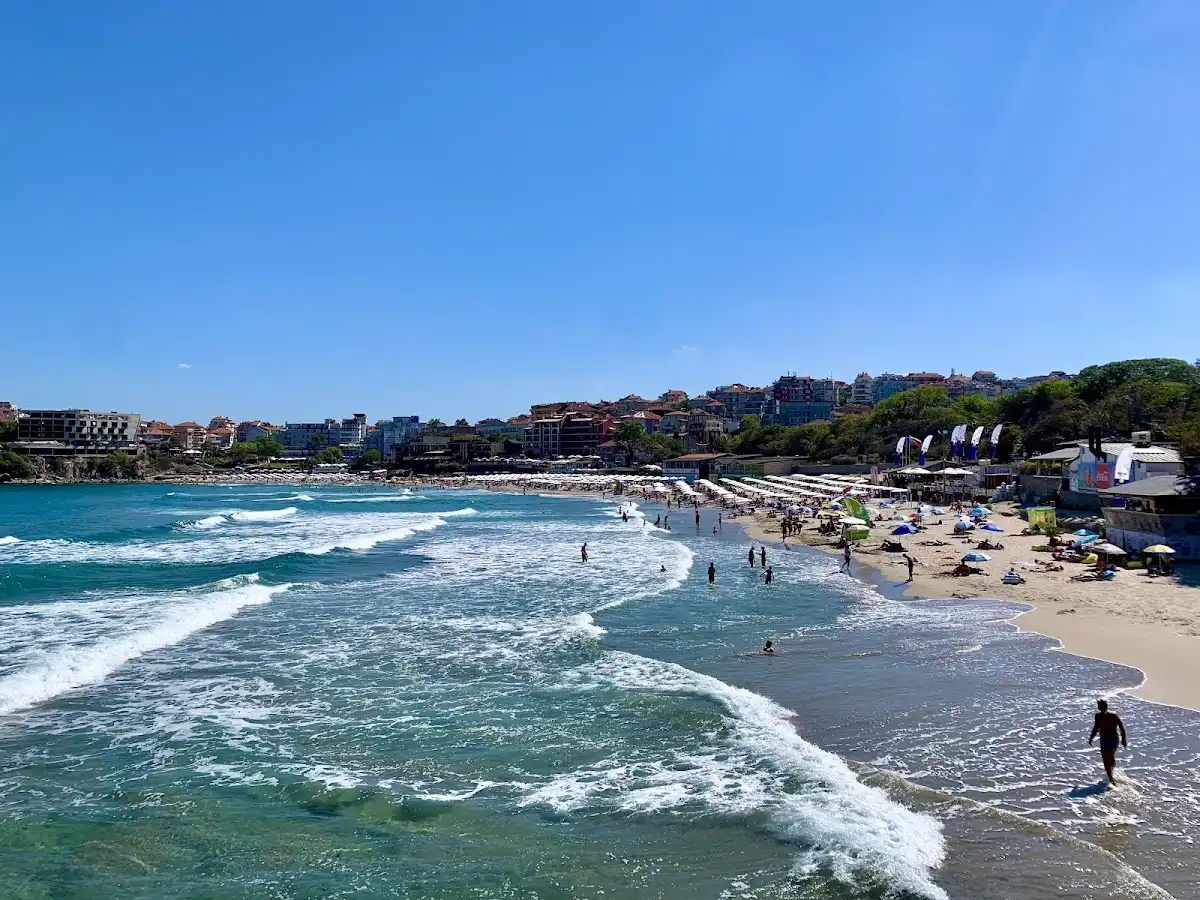
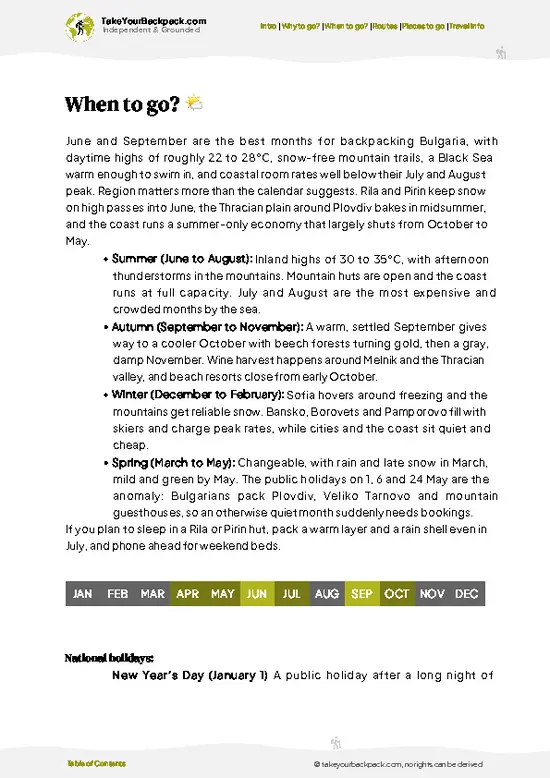
Three beaches is the number I would advise: Plan on three beach stops in a trip of two to three weeks, and no more than that. Bulgaria’s coast runs about 380 kilometers, and the temptation is to tick off every resort town like stamps in a passport. Each move costs a half day of buses, packing and finding the right marshrutka stop, and sand is sand by the third afternoon. Three gives you one lively stop, one quiet stop and one spare, which is what you need when the weather turns or a hostel turns out to be above a nightclub.
Pick the kind of beach by travel style: The big resort strips in the north and south are the cheapest per night in shoulder months and the easiest to reach, with buses, sunbeds and food at every turn. The price is comfort of a different sort: loud music until 3 a.m., rows …
read more 👉 Three beaches is the number I would advise: Plan on three beach stops in a trip of two to three weeks, and no more than that. Bulgaria’s coast runs about 380 kilometers, and the temptation is to tick off every resort town like stamps in a passport. Each move costs a half day of buses, packing and finding the right marshrutka stop, and sand is sand by the third afternoon. Three gives you one lively stop, one quiet stop and one spare, which is what you need when the weather turns or a hostel turns out to be above a nightclub.Pick the kind of beach by travel style: The big resort strips in the north and south are the cheapest per night in shoulder months and the easiest to reach, with buses, sunbeds and food at every turn. The price is comfort of a different sort: loud music until 3 a.m., rows of umbrellas and a crowd that has come for exactly that. If you want to party, they give a backpacker the most for the money. If you want sleep, skip them in July and August.
The old-town harbor settlements trade nightlife for cobbled lanes, fish dinners and calmer water, and a bed costs roughly US$20 to 40 in a guesthouse or private room in summer. They give the best mix of atmosphere and value if you are traveling alone and want to meet people without a wristband.
The wild stretches in the far south and north are free, quiet and often reached only by dirt road or a long walk, so they cost more in time. Camping is tolerated in some places and banned in others, and enforcement varies, so ask a local before pitching a tent. Go there for a night or two, not a week, because water and food can be a long walk away.What a day and a visit actually cost: Budget about US$35 to 60 a day on the coast in peak summer and US$25 to 40 in June or September. That covers a dorm or basic room (US$12 to 30), two meals at local places (about 12 to 20 leva, or US$7 to 12, each for a grilled fish plate or shopska salad with a main), and local buses at roughly 3 to 15 leva (US$2 to 9) for intercity hops. Most beaches are free to walk onto. Sunbed and umbrella sets run about 15 to 40 leva (US$8 to 22) for the pair, with the highest prices at the biggest resorts. A towel on the sand costs nothing, and Bulgarians do it too. Boat trips and guided excursions add about 30 to 80 leva (US$17 to 45).Safety and etiquette on the sand: Watch the flags. Red means no swimming, and lifeguards are only on duty during the main season, often roughly 8 a.m. to 6 p.m. Rip currents and sudden drop-offs catch people at open beaches, and the Black Sea has no tide to warn you, so waves are the only signal. Jellyfish are mostly harmless here.
Keep valuables out of sight. Petty theft from bags left unattended at crowded resorts happens, so bring a dry bag or leave the passport locked at the hostel. Topless sunbathing is common at resort beaches and accepted, while nudity is tolerated only at designated naturist spots. Drink prices at beach bars are fine, but check them before ordering, because some places add service charges. Sunscreen is cheaper at a pharmacy in town than at a beach kiosk.


 Best Backpacking
 Hi, I’m Johan (Netherlands 🇳🇱), the creator of TakeYourBackpack. Over the past 3 decades, I’ve backpacked through 90+ countries across six continents, gaining extensive experience with independent travel, long-term trips, and overland routes.