Bulgaria stacks
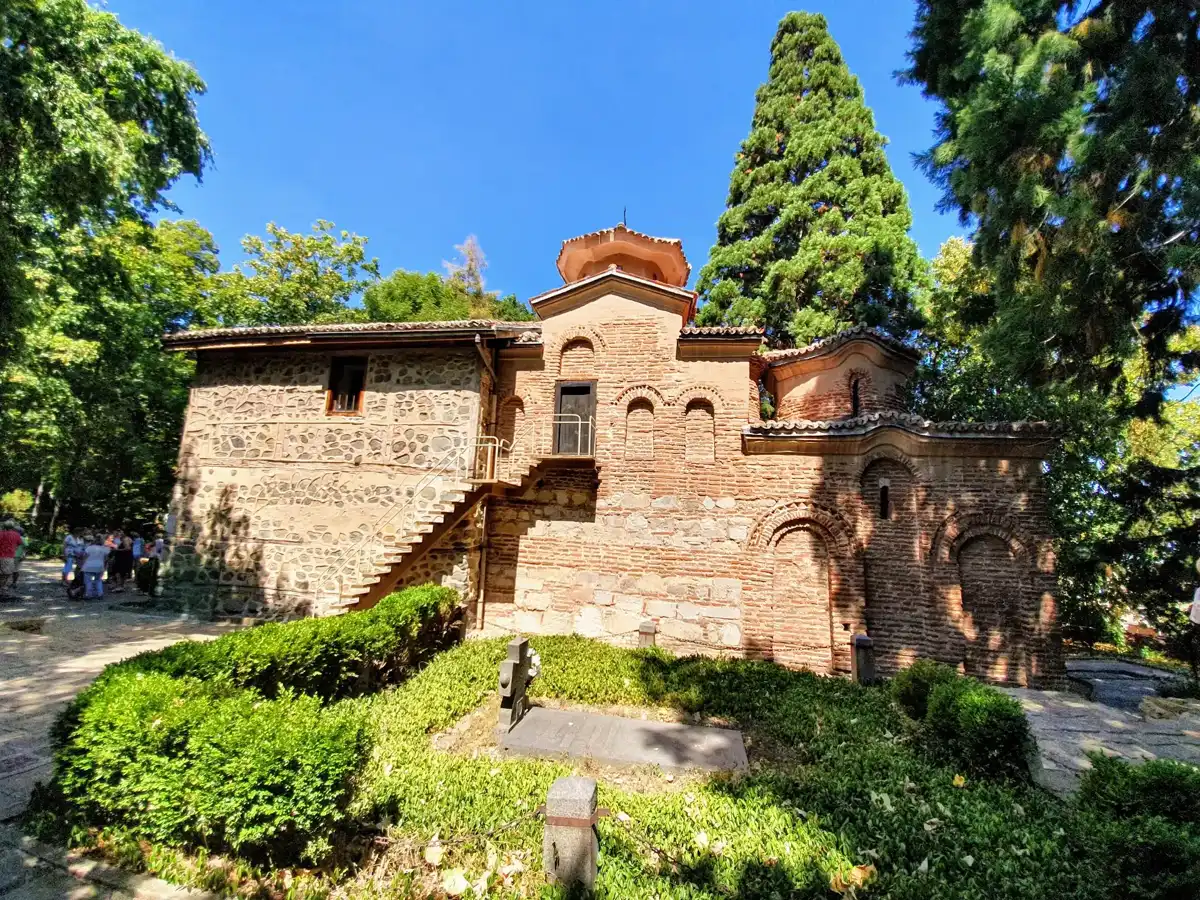
three thousand years of occupiers on top of each other in a country roughly the size of Tennessee, and nobody tidied up between layers. Thracians, Greeks, Romans, Byzantines, medieval Bulgarian tsars and Ottomans all built here, and the Soviet era added concrete of its own. The result is a landmark map that jumps from tombs to fortresses to monasteries to communist monuments within a single afternoon drive.
The
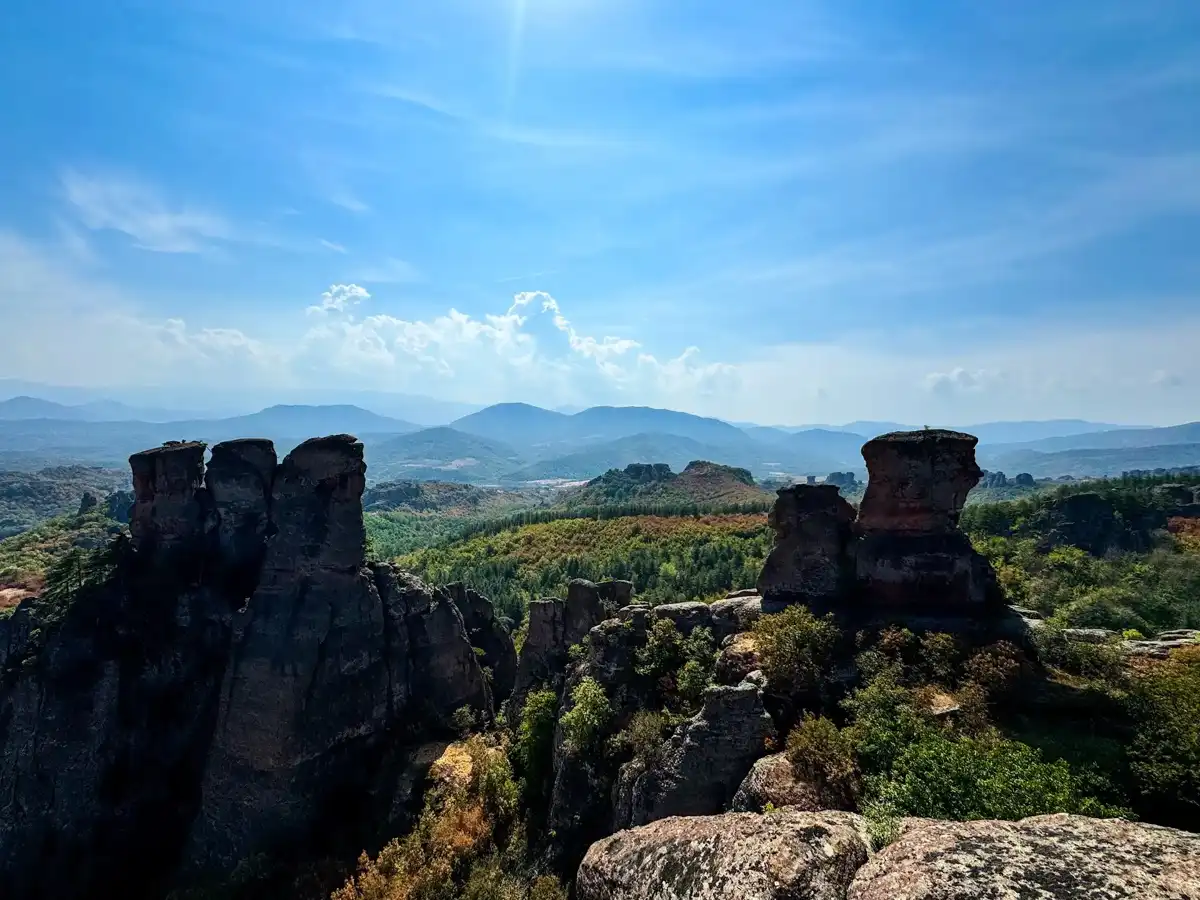
mountain geography explains a lot. The Balkan range, the Rila and Pirin massifs and the Rhodopes sheltered monasteries and fortresses from invaders, which is why so many sites sit on cliffs, in gorges or at the end of a winding road. Pretty, yes. Convenient, rarely.
Before choosing Bulgaria for landmarks, know that
prices are low by European standards. Entry usually …
read more 👉Bulgaria stacks three thousand years of occupiers on top of each other in a country roughly the size of Tennessee, and nobody tidied up between layers. Thracians, Greeks, Romans, Byzantines, medieval Bulgarian tsars and Ottomans all built here, and the Soviet era added concrete of its own. The result is a landmark map that jumps from tombs to fortresses to monasteries to communist monuments within a single afternoon drive.
The mountain geography explains a lot. The Balkan range, the Rila and Pirin massifs and the Rhodopes sheltered monasteries and fortresses from invaders, which is why so many sites sit on cliffs, in gorges or at the end of a winding road. Pretty, yes. Convenient, rarely.
Before choosing Bulgaria for landmarks, know that prices are low by European standards. Entry usually runs about 5 to 20 leva (roughly US$3 to 11), and many sites are far less crowded than their Western counterparts. The trade-off is patchy infrastructure. Signage can be sparse, English labels uneven, and rural buses run on schedules that seem more like suggestions. Some sites close on Mondays or shut early outside summer.
Bulgarians also take their Orthodox heritage seriously, so working monasteries and churches expect covered shoulders and knees, and often forbid photography inside. Come curious, bring a rental car or patience, and Bulgaria hands back far more history per leva than its neighbors.
How the List Was Created
The list of best unique sites in Bulgaria is created based on history or culture, wow factor, atmosphere, quirks, and memorability. If you feel a unique site is missing in this list, please let us know.
v2.webp)




 Best Backpacking
.jpg) Hi, I’m Johan (Netherlands 🇳🇱), the creator of TakeYourBackpack. Over the past 3 decades, I’ve backpacked through 90+ countries across six continents, gaining extensive experience with independent travel, long-term trips, and overland routes.
Hi, I’m Johan (Netherlands 🇳🇱), the creator of TakeYourBackpack. Over the past 3 decades, I’ve backpacked through 90+ countries across six continents, gaining extensive experience with independent travel, long-term trips, and overland routes.