×

Colombia🇨🇴 | best regionsEssential 3 regions to Explore in Colombia

Colombia is a land of contrasts, where regions define not just landscapes but also the very essence of your travel experience. From the Andean peaks to the Caribbean coast, each area offers unique climate, culture, and attractions that can make or break your backpacking adventure.

Understanding these regional differences is crucial for independent travelers. For example, the Amazon is humid and teeming with wildlife, while the Coffee Triangle boasts cooler temperatures and lush plantations. Your choice of region affects everything from vibe and safety to budget and ease of travel.

Timing matters too; the dry season in the Caribbean contrasts sharply with the rainy months in the Andes. By choosing wisely, you can immerse yourself in Colombia’s rich tapestry of experiences, ensuring your journey is not just memorable but also aligned with your travel style and goals.

By Johan Kruseman 🇳🇱 | Updated September 5, 2026
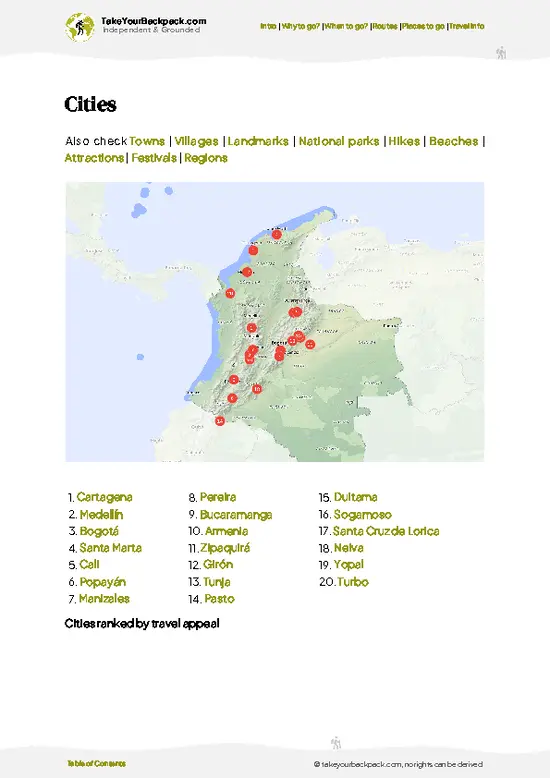
Explore the best cities in Colombia

Why go?Why Travelers Love These Spots

Colombia stands out for its climatic diversity, which ranges from tropical coasts to high-altitude mountains. This variety shapes not only the landscapes but also the cultural character of the regions. Unlike many countries, Colombia’s geography allows for distinct ecosystems within a relatively small area, meaning you can experience lush rainforests, arid deserts, and snow-capped peaks all in one trip.

However, this diversity comes with trade-offs. Travel distances can be significant, especially when moving between regions. While you might want to explore the Amazon’s rich biodiversity, getting there from the Caribbean coast can take time and energy. This is where understanding the infrastructure becomes crucial. Colombia has made strides in improving its transport networks, but rural areas … read more 👉
Colombia stands out for its climatic diversity, which ranges from tropical coasts to high-altitude mountains. This variety shapes not only the landscapes but also the cultural character of the regions. Unlike many countries, Colombia’s geography allows for distinct ecosystems within a relatively small area, meaning you can experience lush rainforests, arid deserts, and snow-capped peaks all in one trip.

However, this diversity comes with trade-offs. Travel distances can be significant, especially when moving between regions. While you might want to explore the Amazon’s rich biodiversity, getting there from the Caribbean coast can take time and energy. This is where understanding the infrastructure becomes crucial. Colombia has made strides in improving its transport networks, but rural areas may still present challenges. Expect bumpy roads and limited schedules, which can eat into your exploration time.

Culturally, Colombia is a tapestry woven from Indigenous, African, and Spanish influences. Each region boasts its own traditions, music, and culinary delights, making it a rich ground for immersive experiences. However, the more remote areas may require a commitment to truly engage with local customs, which can be a rewarding but time-consuming endeavor.

In terms of accessibility, urban centers like Bogotá and Medellín offer modern amenities and ease of travel, but they can lack the authentic experiences found in less-visited locales. Balancing the convenience of urban infrastructure with the depth of rural exploration is key. Travelers should weigh the benefits of quick access against the potential for deeper cultural immersion, ensuring that their journey through Colombia is both enriching and efficient.
How the List Was Created
The list of best regions in Colombia is created based on landscapes, local culture, attractions, vibes, and overall appeal. If you feel a region is missing in this list, please let us know.

When to go?When to Plan Your Trip

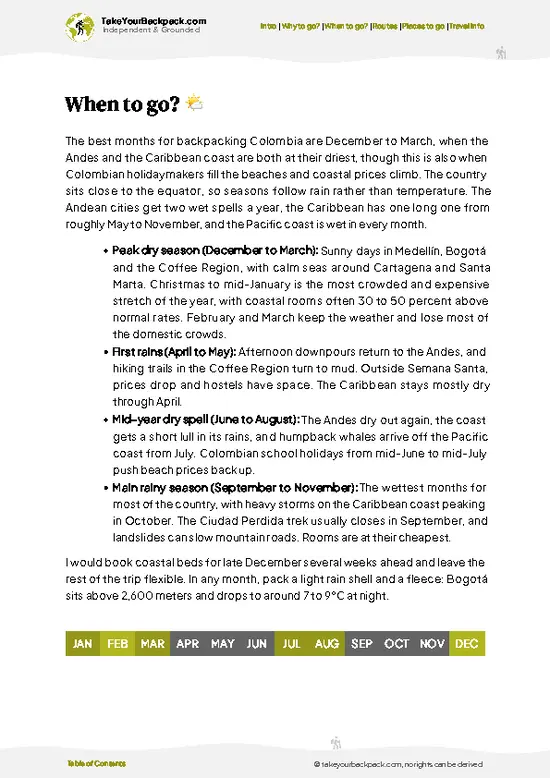
Colombia’s climate varies significantly across its regions, influenced by altitude and geography. The country experiences two main seasons: the dry season and the rainy season. The dry season typically runs from December to March and July to August, making these months popular for travel. Expect comfortable temperatures and lower humidity, especially in the highlands. However, this is also when tourist hotspots can get crowded and prices may spike.

Shoulder seasons—the months just before and after peak periods—offer a different experience. Traveling during these times can mean fewer crowds and lower costs, but weather conditions may be less predictable. Rainfall can increase, particularly in the Amazon and Pacific regions, which can affect accessibility and comfort.

Regional festivals can … read more 👉
Colombia’s climate varies significantly across its regions, influenced by altitude and geography. The country experiences two main seasons: the dry season and the rainy season. The dry season typically runs from December to March and July to August, making these months popular for travel. Expect comfortable temperatures and lower humidity, especially in the highlands. However, this is also when tourist hotspots can get crowded and prices may spike.

Shoulder seasons—the months just before and after peak periods—offer a different experience. Traveling during these times can mean fewer crowds and lower costs, but weather conditions may be less predictable. Rainfall can increase, particularly in the Amazon and Pacific regions, which can affect accessibility and comfort.

Regional festivals can also dictate the best times to visit. Events like Carnival or local fairs draw large crowds, creating a vibrant atmosphere but also leading to higher accommodation prices and limited availability. If experiencing local culture is a priority, timing your visit around these festivals can be rewarding, but be prepared for the trade-offs.

Consider the trade-offs between comfort and experience. The rainy season, while less crowded, can bring challenges like muddy trails and limited visibility in some areas. However, this is also when the landscape is lush and vibrant, offering a different kind of beauty.

Ultimately, understanding these seasonal patterns allows for better planning. Balancing comfort, cost, and experience is key to making the most of Colombia’s diverse regions.

region hoppingPlanning Your Route Efficiently

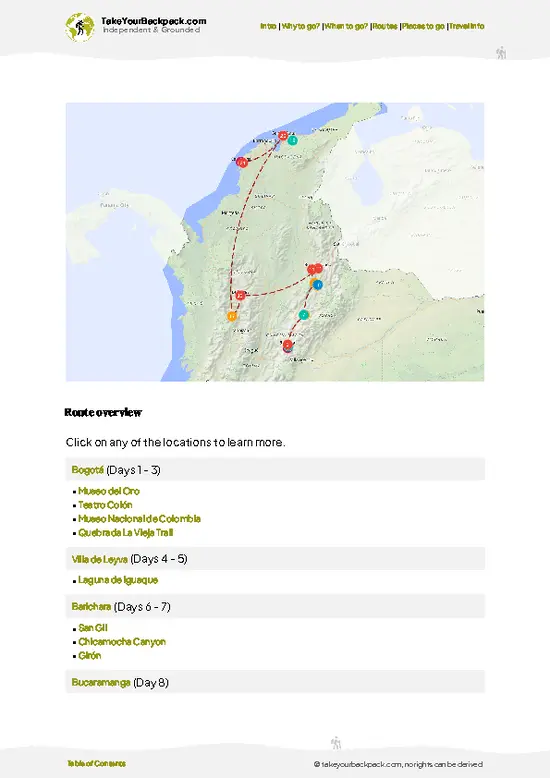
Colombia’s diverse regions offer a rich tapestry of experiences, but combining them requires strategic planning. Start by clustering regions based on geography and climate. The Andes, Caribbean coast, and Amazon can be linked logically. For instance, begin in Bogotá, then head north to the Caribbean coast, and finish in the Amazon. This route minimizes backtracking and maximizes exposure to varied landscapes.

Timing is crucial. Allocate at least two to three days in major hubs like Medellín or Cartagena. This allows for exploration without feeling rushed. Each stop should be approached with a mindset of depth over breadth. Rushing through too many locations can lead to fatigue and missed opportunities.

Common pitfalls include underestimating travel times. Colombia’s infrastructure is improving, … read more 👉
Colombia’s diverse regions offer a rich tapestry of experiences, but combining them requires strategic planning. Start by clustering regions based on geography and climate. The Andes, Caribbean coast, and Amazon can be linked logically. For instance, begin in Bogotá, then head north to the Caribbean coast, and finish in the Amazon. This route minimizes backtracking and maximizes exposure to varied landscapes.

Timing is crucial. Allocate at least two to three days in major hubs like Medellín or Cartagena. This allows for exploration without feeling rushed. Each stop should be approached with a mindset of depth over breadth. Rushing through too many locations can lead to fatigue and missed opportunities.

Common pitfalls include underestimating travel times. Colombia’s infrastructure is improving, but roads can be slow, especially in rural areas. Always factor in extra time for unexpected delays. Additionally, don’t overlook the importance of local transport options. Buses are often the most economical, but they can be time-consuming. Domestic flights can save hours, particularly for longer distances.

Trade-offs are inevitable. Choosing speed often sacrifices comfort and local immersion. Conversely, prioritizing depth can lead to a more enriching experience but may stretch your budget. Flexibility is key; allow for spontaneous detours or extended stays if a place captivates you.

Strategic planning means being realistic about your energy and budget. Prioritize experiences that resonate with your interests, whether that’s vibrant city life, lush jungles, or serene beaches. By balancing these elements, you’ll craft a journey that’s not only efficient but also deeply rewarding.

The ListHighly Recommended regions of Colombia

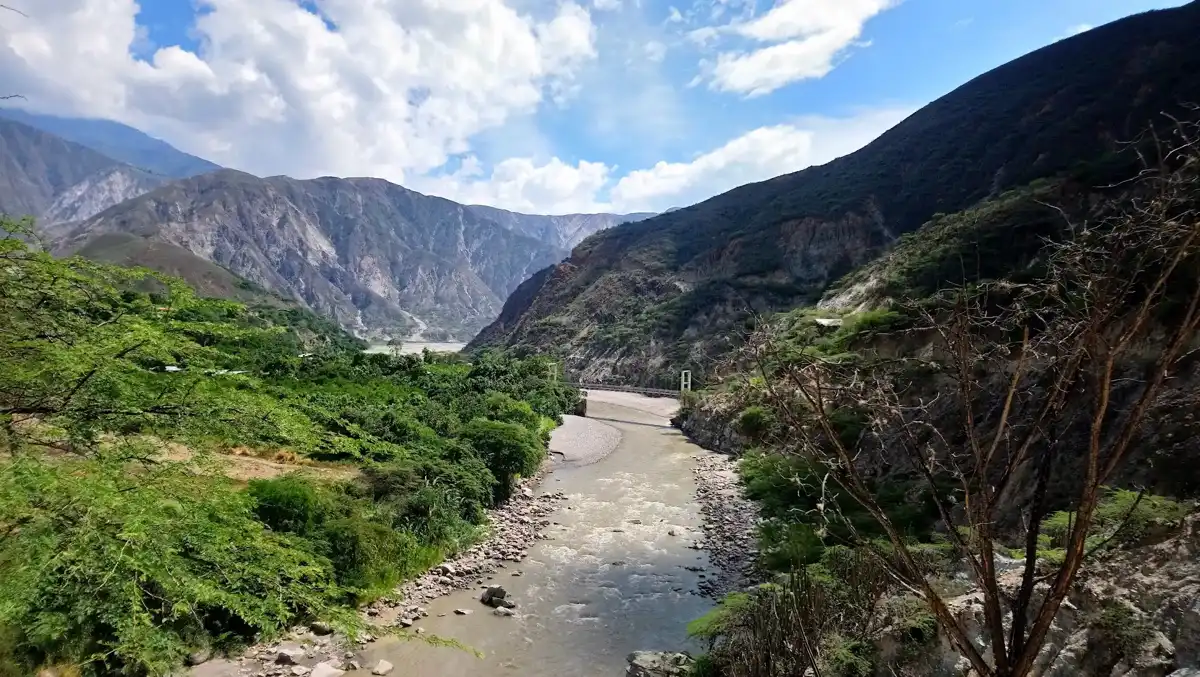
1 Chicamocha Canyon

deep gorge, arid slopes, cable car views

Descend into a dramatic landscape where dry cliffs meet winding rivers, and experience the region’s scale from panoramic ridges and suspended crossings.

2 La Guajira

desert dunes, Wayuu culture, salt flats

Travel across stark, wind-swept terrain to encounter indigenous traditions, shifting sands, and the striking contrast of Caribbean waters against arid land.

3 Chocó

Pacific rainforest, black sand beaches, endemic wildlife

Immerse yourself in dense jungle and coastal rain, where rare species thrive and remote villages are shaped by the rhythms of the ocean.

colombia-region-choco
© Google | La Maja Mina
Loading the map 🌍

Expert viewInsights from Locals and Experts

Geographic Diversity

Colombia is a patchwork of landscapes, each region offering a distinct flavor. You’ve got the Andes slicing through the center, the Amazon sprawling to the south, the Caribbean coast buzzing with life, and the Pacific coast draped in lush rainforests. Each area has its own climate, culture, and vibe. If you’re serious about experiencing Colombia, aim to explore at least three regions. This gives you a taste of the country’s rich diversity without overwhelming yourself.

But here’s the catch: the more regions you try to cram into your itinerary, the more you’ll be racing against the clock. Travel times can be deceptive. A few hundred kilometers can mean a long bus ride or a short flight, depending on the terrain and infrastructure. Prioritize regions based on your interests—whether … read more 👉

Geographic Diversity

Colombia is a patchwork of landscapes, each region offering a distinct flavor. You’ve got the Andes slicing through the center, the Amazon sprawling to the south, the Caribbean coast buzzing with life, and the Pacific coast draped in lush rainforests. Each area has its own climate, culture, and vibe. If you’re serious about experiencing Colombia, aim to explore at least three regions. This gives you a taste of the country’s rich diversity without overwhelming yourself.

But here’s the catch: the more regions you try to cram into your itinerary, the more you’ll be racing against the clock. Travel times can be deceptive. A few hundred kilometers can mean a long bus ride or a short flight, depending on the terrain and infrastructure. Prioritize regions based on your interests—whether it’s the coffee culture in the mountainous areas or the vibrant street life along the coast.

Transport Between Regions

Getting around Colombia can be an adventure in itself. While major cities are well-connected by flights, the smaller towns often rely on buses that can be slow and bumpy. If you’re planning to hop between regions, factor in travel time as a significant part of your experience. It’s not just about the destination; the journey can be a window into local life.

Consider this: a bus ride through the Andes offers breathtaking views but can take longer than expected due to winding roads and occasional delays. If you’re short on time, flying might be the way to go, but it can also eat into your budget. Weigh the cost of your time against your budget. Sometimes, the slower route is worth it for the stories you’ll collect along the way.

Cultural Variation

Colombia’s cultural landscape is as varied as its geography. Each region has its own traditions, music, and culinary delights. The Caribbean coast pulses with cumbia and vallenato, while the Andean regions are steeped in folklore and the rhythms of salsa. Understanding these cultural nuances can enhance your experience immensely.

However, this diversity comes with its own set of challenges. Not every region is as tourist-friendly, and some areas may have safety concerns. Always do your homework and stay updated on local conditions. Engaging with locals can provide insights that guide your journey, but be respectful of cultural differences. What’s normal in one region might be frowned upon in another.

Pacing Trade-Offs

When planning your trip, pacing is crucial. Colombia is a country that rewards those who take their time. Rushing through regions can lead to burnout and missed opportunities for genuine connections. If you’re on a tight schedule, focus on two regions and dive deep. This allows you to soak in the local culture, try the food, and meet the people without feeling like you’re on a treadmill.

On the flip side, if you have the luxury of time, consider a slower pace that lets you explore off-the-beaten-path locations. This can lead to unexpected adventures and a richer understanding of the country. Just remember, the more you try to see, the less you’ll truly experience.

Safety & Cultural Considerations

Safety is a valid concern in Colombia, but it shouldn’t deter you from exploring. Like any country, some areas are safer than others. Research is your best friend here. Stick to well-traveled routes and avoid venturing into regions known for instability.

Culturally, Colombians are generally warm and welcoming, but it’s essential to approach interactions with respect. Learning a few phrases in Spanish can go a long way. It shows you’re making an effort and can open doors to deeper connections.

In summary, Colombia is a land of contrasts, and your experience will be shaped by the choices you make. Prioritize regions based on your interests, be mindful of travel logistics, and embrace the cultural richness. The journey is as important as the destination, so take your time and savor every moment.

✈️ The backpacker research shortcutColombia Travel Guide

An offline-friendly backpacking guide with optimized travel routes, ranked highlights, transport advice, and the best areas to stay.
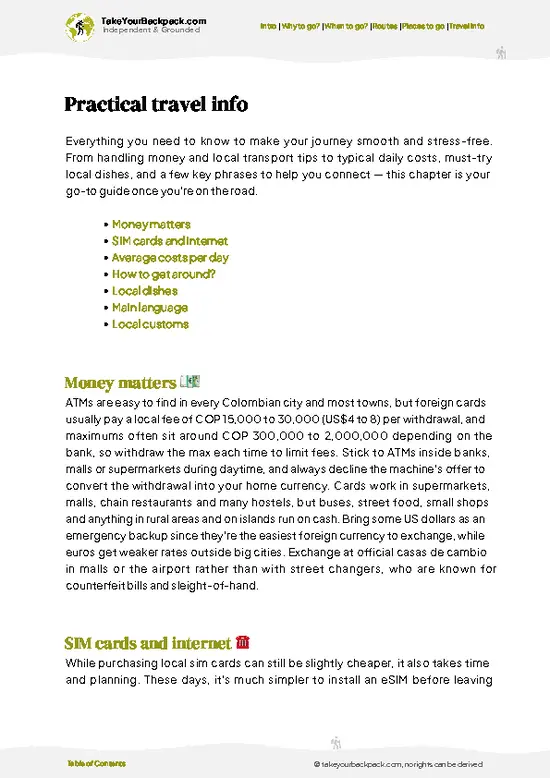
example page 0 from our offline Travel Guide for Colombia
example page 1 from our offline Travel Guide for Colombia
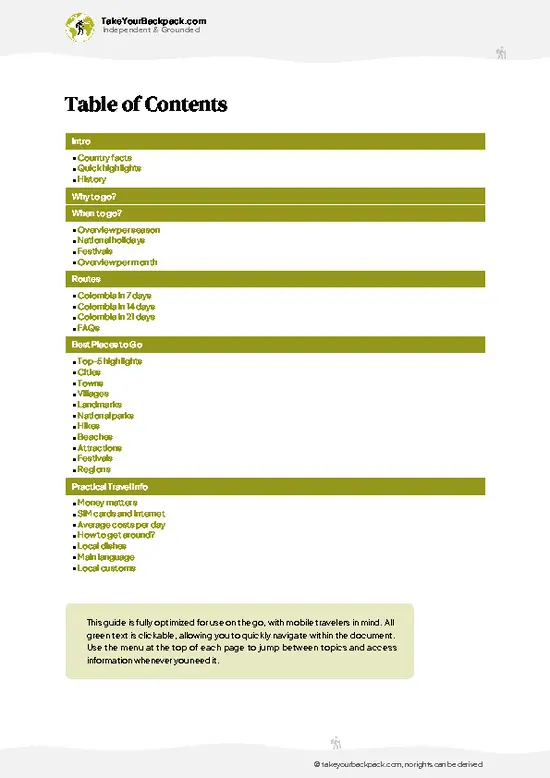
example page 2 from our offline Travel Guide for Colombia
example page 3 from our offline Travel Guide for Colombia
example page 4 from our offline Travel Guide for Colombia
example page 5 from our offline Travel Guide for Colombia
example page 6 from our offline Travel Guide for Colombia
example page 7 from our offline Travel Guide for Colombia
The digital guide (464 pages) contains:
122 highlights, ranked by travel appeal
Optimized 7, 14 & 21-day travel routes
Cities, national parks, landmarks, beaches
How to get around
Offline-friendly for travel without Wi-Fi
👉 Click to see all 30+ guide features

📅 Plan smarter in minutes, not weeks
Month by month travel advice
Festivals & national holidays
Budget expectations

🗺️ Go to the right places, skip the overrated ones
Honest pros & cons of destinations
Top hikes, parks & viewpoints
Lesser-known places most travelers miss
Clear “worth it vs skip it” guidance

🛏️ Travel smoothly without rookie mistakes
Best areas to stay
Transport systems explained simply
Common scams & safety advice
SIM cards, money & practical tips

🌍 Understand the country, not just visit it
Culture & traditions
52 Essential phrases & customs
Festivals worth planning around
Traveler-friendly historical context
Insights that make places more meaningful

📱 Built for real travel conditions
Fully downloadable PDF
Works completely offline
Optimized for phone use
Useful in remote areas & buses
Everything in one place
Save weeks of stressful planning
Get instant access to your full guide. 30‑day money-back guarantee.
+ Add another guide for just JP¥1170

By proceeding you agree to our terms.
Sent to your inbox immediately after payment • 100% Secure Checkout
Best Backpacking Travel Advisor 2025 tourism awardBest Backpacking
Travel Advisor
2025
What others say about Take Your Backpack Guides:
⭐⭐⭐⭐⭐
Fantastic, amazing amount of information!
⭐⭐⭐⭐⭐
My goodness this is amazing, it's what I've been looking for hats off too you!
⭐⭐⭐⭐⭐
I think this is absolutely BRILLIANT
⭐⭐⭐⭐
Very complete and informative. It's still missing places, but I gotta to commend you
⭐⭐⭐⭐⭐
This is truly amazing, thank you, can't wait to explore it with my kids!
⭐⭐⭐⭐⭐
Awesome resource, thank you!
⭐⭐⭐⭐⭐
This is amazing! Can't wait to explore the ones I haven't seen
⭐⭐⭐⭐
I love this! Well done, great idea.
⭐⭐⭐⭐⭐
Thanks for taking the time to make this gem!
⭐⭐⭐⭐⭐
This might be the best website I've ever seen.
⭐⭐⭐⭐⭐
Congratulations, and thank you so much for your work; it's incredibly valuable.
⭐⭐⭐⭐
In all seriousness I think you did a great job pointing out the important spots
⭐⭐⭐⭐⭐
10/10 very good
⭐⭐⭐⭐⭐
As someone who's only just starting to visit regularly this is awesome, thank you.
⭐⭐⭐⭐
Thank you very much! I'm going to visit my dad, it's going to be very useful!
⭐⭐⭐⭐⭐
This is really cool! We'll be travelling for the first time and this definitely come in handy.
⭐⭐⭐⭐⭐
You are now our minister of culture, congratulations 👨‍💼
⭐⭐⭐⭐⭐
Just wanted to tell you that this is a pearl! Going to follow your recommendations.
⭐⭐⭐⭐⭐
This is so cool. I'll definitely be using the resource for my travels soon.
⭐⭐⭐⭐⭐
This is very impressive! Good work.
⭐⭐⭐⭐⭐
This is an amazing and informative site. Very well done!

🛏️ Where to stay?Where to Stay: Colombia Edition

Yes — Colombia has abundant hostels and budget accommodation in major cities and tourist towns, concentrated in Bogotá (La Candelaria, Chapinero), Medellín (El Poblado, Laureles), Cartagena (Getsemaní, Centro Histórico), Santa Marta/Taganga, and Salento.

La Candelaria: very cheap and central for museums but uneven safety at night; Chapinero: more modern options, good nightlife and daytime cafés but slightly pricier; El Poblado: biggest hostel variety and nightlife with easy transport but busier and costlier; Laureles: quieter, more local and cheaper with safer nights; Getsemaní: backpacker hub, nightlife and steps to the walled city but noisy and tourist-priced; Centro Histórico: best for sights … read more 👉
Yes — Colombia has abundant hostels and budget accommodation in major cities and tourist towns, concentrated in Bogotá (La Candelaria, Chapinero), Medellín (El Poblado, Laureles), Cartagena (Getsemaní, Centro Histórico), Santa Marta/Taganga, and Salento.

La Candelaria: very cheap and central for museums but uneven safety at night; Chapinero: more modern options, good nightlife and daytime cafés but slightly pricier; El Poblado: biggest hostel variety and nightlife with easy transport but busier and costlier; Laureles: quieter, more local and cheaper with safer nights; Getsemaní: backpacker hub, nightlife and steps to the walled city but noisy and tourist-priced; Centro Histórico: best for sights and day trips but crowded and higher rates; Taganga: cheapest beach/party base with direct Tayrona access but basic services and safety concerns after dark; Salento: small-town hostels ideal for Valle de Cocora treks, peaceful but limited amenities.

If you enjoy meeting fellow travelers, consider choosing hostels with high ratings for atmosphere. On the other hand, if you prefer having your own space, a hotel might be a better option.

ColombiaExplore Beyond This Category

👋 Meet the founderWho’s Behind Take Your Backpack?

Johan, backpacker and founder of TakeYourBackpackHi, I’m Johan (Netherlands 🇳🇱), the creator of TakeYourBackpack. Over the past decade, I’ve backpacked through 80+ countries across six continents, gaining extensive experience with independent travel, long-term trips, and overland routes.

This site is built on a combination of firsthand travel experience and carefully curated insights from other backpackers. Many guides are based on places I’ve personally visited, while others bring together tips, observations, and practical advice shared by trusted travelers I’ve met along the way.

The goal is to provide realistic, experience-driven guidance — not generic itineraries — so you can explore destinations with better context, clearer expectations, and more confidence.

Get full Colombia guide •
Instant download • 122 highlights • Full Offline guide